Support

Matanzas

About

Matanzas is a true gem of the northern coast, nestled on the shores of a picturesque bay approximately 90 kilometers east of Havana. This city is often referred to as the "Athens of Cuba" for its outstanding contribution to the country's culture, art, and literature. A special poetic atmosphere reigns here, where colonial architecture harmoniously coexists with natural beauty, and bustling markets give way to quiet, shady parks.

The city's geographic location is unique: it is cozily situated at the confluence of three rivers—the Yumurí, San Juan, and Canímar. Due to this landscape, Matanzas earned another romantic nickname—the "City of Bridges"—of which there are more than seventeen. The climate here is tropical, softened by the sea breeze, making walks along the embankments particularly pleasant. With a population of about 145,000, the city is an important administrative center while maintaining the warmth and hospitality for which Cuba is famous.
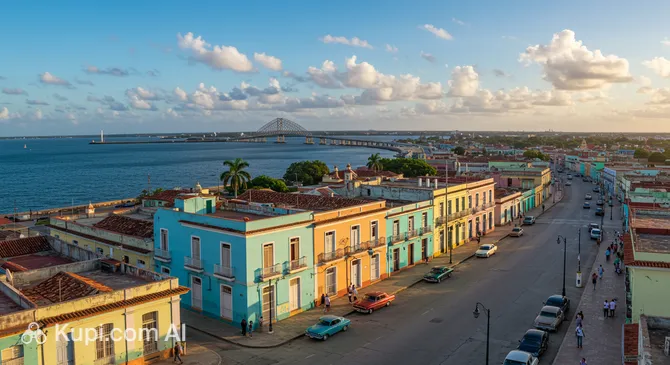
Matanzas. Illustration.
Source: Kupi.com AI

The rich history of Matanzas can be felt at every turn. Strolling through its streets, you will see magnificent 19th-century mansions, ancient squares, and monuments telling the story of the region's past. The city is renowned for its Afro-Cuban cultural traditions, which manifest in music, dance, and festivals. This is the birthplace of many national rhythms, and the spirit of creativity continues to thrive here today.

Among the key attractions drawing tourists are the famous Sauto Theater and the unique Pharmaceutical Museum, which seems frozen in time. Equally interesting are the natural surroundings, including mysterious caves and the picturesque Yumurí Valley. Matanzas is not just a transit point on the way to the beaches of Varadero, but a fascinating destination in its own right. Come here to discover the authentic side of the island, enjoy the architecture, and experience the true Cuban character.
Weather Overview

Weather:

The climate in Matanzas is typically tropical, making the city an attractive destination to visit almost year-round. Proximity to the sea softens the heat, bringing refreshing breezes. Expect a hot and humid summer with occasional tropical downpours and a warm, predominantly dry winter.

The coolest month is January, with an average temperature of about 23.2°C, when nighttime lows can drop to 20.9°C. This is an ideal time for excursions and walks through the historic center. Summer, on the other hand, brings heat: in August, the average temperature reaches 28.3°C, with maximum values often exceeding 30°C. The rainy season usually lasts from May to October, peaking in September (with up to 20 rainy days), while the winter months, especially March and April, delight with sunny and clear weather.

When planning your trip, be sure to take the rainy season into account. To choose the optimal dates for your journey and see what to expect from the elements, check the detailed weather in Matanzas by month.

Average monthly temperature

Average monthly precipitation

Interesting Facts

Beyond its main attractions, Matanzas holds many fascinating secrets that make it a unique city on the map of Cuba. Here are a few facts to help you see the "City of Bridges" from a new perspective:

  • The city proudly bears the title of "Athens of Cuba". This isn't just a fancy nickname; it's a recognition of the fact that the famous musical styles of danzón and rumba originated here, and the number of poets and artists per capita in the past exceeded all imaginable limits.

  • Matanzas is a true record-breaker for river crossings: there are more than seventeen bridges, each with its own history. The most impressive is the Bacunayagua Bridge—one of the highest and longest in the country, offering a breathtaking panorama of the valley and the sea.

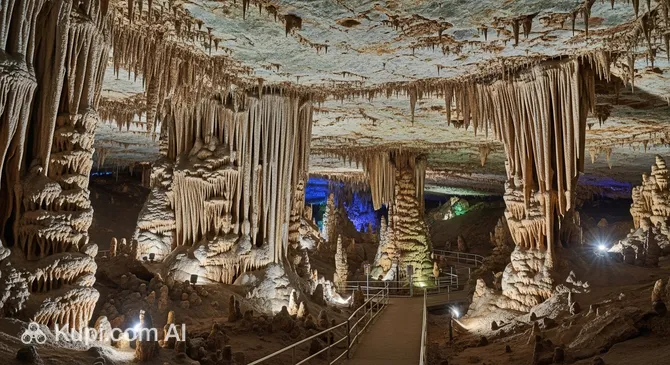
  • It is home to a real underground wonder—the Bellamar Caves. This is one of the oldest natural attractions on the island, where tourists can find whimsical stalactites, underground lakes, and legends of hidden treasures.

  • Local folklore is steeped in mysticism and pirate romance. Long-time residents still tell legends of sea raiders who hid stolen gold in coastal grottoes and spirits that guard the city's rivers.

Bellamar Caves. Illustration.
Source: Kupi.com AI

Traveler photos:

How to Get There

Matanzas enjoys a favorable geographic position, making it easy to reach. The city is located between the capital and the country's main resort, giving travelers a choice of several convenient routes. You can explore all the ways to get to the city in detail, but most often tourists choose a flight to one of the nearby international airports followed by a transfer.

The most convenient option is arriving at Juan Gualberto Gómez Airport (IATA: VRA). It is important to note that this aviation hub is not in Matanzas itself, but in the neighboring resort town of Varadero, just 9.9 km away. This is the second busiest airport in the country, handling many international flights. The journey to the center of Matanzas by taxi or bus takes very little time—approximately 35 minutes.

Another popular option is flying into the country's main gateway, José Martí International Airport (IATA: HAV). It is located in Bejucal (Havana area), about 90 km from Matanzas. Most regular international flights arrive here. The trip from this airport to your destination will take longer: expect to spend about 2.5 hours (155 minutes) by taxi or transfer.

For convenience, here is a summary of the main airports:

AirportPassenger trafficDistance
Juan Gualberto Gomez Airport1.3 mln10 km
Jose Marti International Airport4.5 mln90 km
Jaime Gonzalez Airport50 000151 km
Cayo Largo Del Sur Airport200 000157 km
Key West International Airport1.4 mln171 km

Regarding rail service, there are no direct high-speed trains familiar to European tourists. However, Matanzas is famous for being the terminus of the unique "Hershey" electric railway, connecting it to Havana. This journey is more for those who love local color and history than a fast way to travel. For a more reliable and comfortable land journey, it is recommended to use Viazul intercity buses or hire a private shared taxi (colectivo), which regularly run along the island's main highways.

Main Attractions

Matanzas offers travelers an amazing variety of experiences, from descending into mysterious underground worlds to strolling through ancient forts and along scenic rivers. A city steeped in history and culture, it holds many unique spots that reveal the real Cuba.

One of the most famous and visited natural attractions not only in the region but in the entire country is the Bellamar Caves. This underground complex was discovered by chance in the mid-19th century and has not ceased to amaze tourists since. Descending inside, you will find yourself in a world of whimsical stalactites and stalagmites, see underground streams, and the "Crystal Dome." Legends of love and hidden treasures make a tour of these galleries even more exciting.

Bellamar Caves. Illustration.
Source: Kupi.com AI

Traveler photos:

To immerse yourself in the colonial past, be sure to visit the San Severino Castle (Castillo de San Severino). This mighty fortress, built in the 18th century to defend the city, is perfectly preserved today. Within its walls is the Museum of the Slave Route (Museo de la Ruta del Esclavo). The exhibition tells the difficult history of slavery in the Caribbean and its influence on the formation of Cuban culture and religion.

If you are looking for the best panoramic views, head to the Monserrate Hermitage (Ermita de Monserrate). This small neoclassical Catalan-style temple is located on a hilltop, offering breathtaking views of the city, Matanzas Bay, and the green Yumurí Valley. It is an ideal spot for beautiful photos and enjoying the silence away from the city bustle.

Nature lovers should take a trip along the Canímar River (Río Canímar). It is a national monument of Cuba, where the river meets the sea, forming a picturesque canyon with lush tropical vegetation. Here you can take a boat ride, go diving, or simply relax on the bank while observing the local flora and fauna. A journey down the river provides a sense of complete harmony with nature.

Local Cuisine

The cuisine of Matanzas is a bright and appetizing reflection of Cuba's multicultural history, where Spanish recipes have harmoniously intertwined with African and Creole motifs. Since the city is located on the shores of a deep-water bay, seafood plays a special role in the local menu. Local chefs are famous for their skill in preparing the freshest fish: be sure to try fried barracuda or tender shrimp in a thick garlic sauce, which are considered the pride of coastal establishments.

Meat dishes are equally popular here and are known for being very filling. A signature dish is ropa vieja—beef stewed with vegetables until the meat pulls apart into shreds. For holidays and family dinners, lechón asado (roast pig) is often prepared and served with the classic side dish arroz congrí—rice cooked together with black beans and spices. An interesting addition to the meal is casabe—traditional crispy cassava flatbreads that pair perfectly with various sauces.

Street food in Matanzas is its own kind of gastronomic pleasure. Strolling through the markets or the city center, it's impossible to resist the aroma of fried plantains, sweet potatoes, or hot meat and cheese pastries. To cool off in the tropical heat, locals choose guarapo—freshly squeezed sugarcane juice with ice, or cocktails made from tropical fruits. Finish your meal with a cup of Cuban coffee: here it is brewed very strong and generously sweetened, turning the drink into a thick and invigorating elixir.

The dining culture in the city is democratic and open. Tourists can visit both state restaurants and cozy private cafes—"paladares," where the food is homemade and cooked with soul. Gastronomic fairs are regularly held in Matanzas, where you can not only eat well but also watch chef competitions, immersing yourself in the atmosphere of true Cuban hospitality.

Travel Tips

A journey to the "City of Bridges" promises to be unforgettable if you prepare in advance and consider the local specifics. We have gathered some useful recommendations to help you feel confident and comfortable on the colorful streets of Matanzas while avoiding typical tourist mistakes.

  1. Clothing and Essentials: Opt for light clothing made from natural fabrics (cotton, linen), as the climate is humid and hot. Be sure to bring a hat, sunglasses, and comfortable flat shoes for walking on ancient cobblestones. Modest clothing covering the shoulders is required for visiting churches. Don't forget to bring a power adapter (type A or B, "American standard"), as European plugs will not work here.
  2. Transport: Public transport (buses) is often crowded and runs without a clear schedule, so it is more convenient for tourists to use taxis. Horse-drawn carriages are also popular in Matanzas—an inexpensive and authentic way to get around. An important rule: always agree on the price of the trip in advance, before getting in, as meters are usually absent in private cars.
  3. Finances: Cash is king in Cuba. International credit cards work inconsistently, and US bank cards are not accepted at all. It is best to bring euros or dollars (in small denominations) to exchange for Cuban pesos at official CADECA bureaus or to pay for private services. Tipping (5–10%) is not just a polite gesture but an expected part of the income for cafe and taxi staff.
  4. Health and Safety: Matanzas is a quiet city, but basic vigilance doesn't hurt: do not leave your belongings unattended. The main health tip is to drink only bottled water and avoid ice in drinks from street stalls. Pharmacies often experience shortages, so be sure to pack a full first-aid kit with all your necessary medications, plasters, and antiseptics from home.
  5. Communication: The primary language is Spanish; English is not understood everywhere, especially outside of hotels. Learn a few phrases, such as "Hola" (hello) and "Gracias" (thank you)—this will instantly endear you to the locals. Wi-Fi is mostly available in parks and hotel lobbies via ETECSA cards, so download offline city maps and a translator on your phone in advance.
  6. Local Etiquette: Cubans are very open, friendly, and do not like to rush. It is customary to greet store staff and drivers. If service seems slow, do not get irritated—it is part of the local relaxed rhythm of life. If you want to take photos of colorful locals, politely ask for permission—most often they will respond with a smile and consent.
  7. What to Avoid: It is categorically not recommended to buy cigars from individuals on the street. Even if they swear they are real Cohibas taken from the factory by a "friend's brother," in 99% of cases, they will be fakes made from banana leaves. Buy tobacco only in official La Casa del Habano stores.
  8. Extra Tip: Stop by the unique Ediciones Vigía publishing house on Plaza de la Vigía. They create handmade books from recycled paper, fabric, and natural materials. This is not just a souvenir, but a true work of art that can only be bought in Matanzas, supporting local artisans.

By following these simple rules, you will be able to avoid minor daily inconveniences and fully immerse yourself in the atmosphere of the "Athens of Cuba." May Matanzas reveal its cultural secrets and give you only warm memories of the hospitality of its residents!

Entertainment & Nightlife

Nightlife in Matanzas is significantly different from the loud parties of the neighboring resort, Varadero. Here, you won't find massive mega-clubs with laser shows, but you can immerse yourself in the authentic atmosphere of "the real Cuba." Evenings here are filled with the rhythms of live music, as the city is considered the birthplace of danzón and rumba. Most of the fun takes place not indoors, but on open terraces, squares, and embankments, where locals and tourists enjoy the cool air after a hot day.

In recent years, the San Juan River embankment, specifically the Paseo de Narváez area, has become the main center of attraction. This is a trendy open-air art space where old warehouses have been transformed into galleries, bars, and restaurants. A bohemian atmosphere prevails here: you can sit with a cocktail by the water, listen to jazz or contemporary music, and mingle with the local creative elite. This is the safest and most civilized place for night walks in the city.

Among specific venues, the Artys bar-gallery, located right on the embankment, is worth mentioning. It is famous for its excellent views of the river and bridges, as well as delicious tapas. If you want to see a colorful show, head to the Tropicana Matanzas cabaret. It is the "little brother" of the famous Havana cabaret, offering equally vibrant performances with feathered dancers and a live orchestra, but at more affordable prices. For those seeking a quieter evening, the bar at the Velasco hotel on the central square is perfect for a classic daiquiri in an early 20th-century setting.

Practical tips for tourists:

  • Opening hours: Bars on the embankment come to life after 8:00 PM, while clubs and cabarets fill up closer to 11:00 PM.
  • Dress code: Most places are casual, but you should avoid wearing beach shorts and flip-flops to the Tropicana cabaret and certain restaurants.
  • Safety: The city center and Paseo de Narváez are well-lit and safe. However, avoid walking alone in remote, unlit streets.
  • Transport: Public transport practically stops running at night. To return to your hotel, it is better to call an official taxi or arrange with a driver in advance.

During the day, Matanzas offers more cultural leisure. The city is famous for its theatrical traditions, so if possible, visit daytime rehearsals or performances. It is also worth stopping by local museums or simply strolling through Liberty Park (Parque de la Libertad), where street musicians often play. And while the famous caves are a daytime attraction, the evening coolness makes walking around the city after excursions particularly pleasant.

Parks & Museums

Matanzas harmoniously combines natural beauty and rich cultural heritage, offering tourists not only picturesque landscapes but also a deep dive into the history of the "Athens of Cuba." The city is famous for its green zones, where you can hide from the tropical sun, and its museums, which house unique collections unparalleled in the world.

The heart of social life is Liberty Park (Parque de la Libertad). This is the city's main square, surrounded by colonial buildings and cozy cafes. It’s pleasant to rest on a bench in the shade of the trees, observing the slow pace of local life and seeing the statue of José Martí. For lovers of panoramic views, René Fraga Park, located on an elevation, is worth a visit. It is an ideal place for sunset walks, offering magnificent views of the city and the bay. Speaking of natural phenomena, one cannot fail to mention the famous Bellamar Caves—an underground world of crystal formations that is one of the country's oldest tourist attractions.

The city's cultural scene is represented by several outstanding institutions. A must-visit is the Pharmaceutical Museum (Museo Farmacéutico). This is a unique 19th-century pharmacy preserved in its original form: the shelves still hold original French porcelain jars, old instruments, and recipe books. Another important point is the Provincial History Museum, located in the Palacio de Junco mansion. Its exposition covers periods from indigenous cultures to the present day, allowing for a better understanding of the region's complex history.

Among architectural monuments, a special place is held by the Sauto Theater—a national monument and the pride of the city, renowned for its neoclassical architecture and magnificent acoustics. Also of note is the Monserrate Hermitage, built by Catalan immigrants on a hill overlooking the Yumurí Valley. This site combines religious significance with stunning landscape features.

For those seeking truly authentic experiences, we suggest stopping by the Ediciones Vigía publishing house on Plaza de la Vigía. Here, books are created by hand using recycled paper, fabric, and natural materials—each copy is a true work of art and an excellent souvenir.

Getting Around

The public transport system in Matanzas has its own unique flavor, combining familiar cars with exotic modes of travel. Since the historic city center is quite compact, many attractions are easy to explore on foot. However, if you need to reach remote areas or simply save energy, local transport will come to your aid.

The backbone of the city network is buses, which locals call "guaguas". This is the cheapest way to get around, but it requires a certain amount of resourcefulness and patience from a tourist. Routes are not always clearly marked, schedules are often approximate, and buses can be overcrowded, especially during rush hours. Fare for buses is paid exclusively in cash in local currency upon entry; there are no tickets as such, and usually no conductors—money is passed to the driver.

A much more convenient and popular option for city guests is taxis. There are several types here: from state-owned yellow air-conditioned cars to private vintage cars (almendrones) operating as shared taxis on fixed routes. A distinctive feature of Matanzas is the widespread use of bicitaxis and horse-drawn carriages (coches de caballos). Horse carriages here are not just an attraction, but a legitimate form of transport actively used by citizens. It is a great way to leisurely see the city and feel its atmosphere.

A unique transport attraction of the region is the famous "Hershey Train" (Tren de Hershey). It is the only electrified railway on the island, built in the early 20th century by a chocolate mogul. Although it currently operates sporadically and serves more as a historical monument than a reliable means of travel, the station in the Versailles district and the ancient carriages never fail to interest technology enthusiasts.

As for payment, cash is king in Matanzas public transport. Cards and mobile apps for fare payment are not used here. Tourists are strongly advised to always carry small bills and coins. An important rule for trips in taxis, cycle rickshaws, or horse carriages: always agree on the price in advance, before the trip starts, to avoid misunderstandings at the end. There are no meters in private transport, so the ability to haggle politely will be quite useful.

As an alternative, you can consider renting a car, though this is quite expensive, and gasoline is not always available. There are no car-sharing services or automated bike rentals in the usual sense. Therefore, for a comfortable acquaintance with the city, it is best to combine walking with rides in colorful local taxis or carriages.

Accommodation

Accommodation in Matanzas differs significantly from the typical holiday in the neighboring resort of Varadero. Here, you won't find massive all-inclusive beach complexes spanning acres. Instead, the city offers tourists the chance to immerse themselves in an authentic atmosphere by staying in historic buildings or cozy private homes. Accommodation here is generally more affordable than in popular beach resorts and ranges from budget options to mid-range hotels with colonial charm.

The most popular and colorful lodging option is casas particulares—private guesthouses with a special license (usually marked by a blue anchor sign on the door). This is an analog of a "bed & breakfast" where you rent a room in a Cuban family's home. Choosing this allows you not only to save money but also to see the real daily life of locals and enjoy delicious homemade breakfasts made from fresh fruit. Conditions in such houses often exceed expectations: cleanliness, air conditioning, and private bathrooms are standard for good "casas."

For those who prefer classic hotel service, several hotels operate in the city, mostly located in restored 19th and early 20th-century mansions. These boutique hotels, often part of the Hoteles E (Encanto) network, offer comfortable stays in interiors with high ceilings, marble floors, and courtyards. The Historic Center is considered the most convenient area to stay, especially the streets around Liberty Park (Parque de la Libertad) and Plaza de la Vigía. Staying here puts you within walking distance of theaters, museums, and the embankment. The Versailles district—a quiet and picturesque part of the city across the Yumurí River—is also popular.

Booking Tips:

  • Plan in advance: Although Matanzas is not as overcrowded with tourists as Havana, the best accommodation options (especially hotels overlooking the square) get booked up quickly during the high season (December to March).
  • Booking methods: It is most reliable to book hotels through major international aggregators or travel agencies before your flight. Private homes (casas particulares) are widely represented on the Airbnb platform, which works well for booking from abroad for Cuba.
  • Payment: Remember that paying for accommodation with a card on-site can be problematic due to connectivity issues or payment system incompatibility. The ideal option is full online prepayment. If you plan to extend your stay in the private sector on the spot, have a supply of cash (euros or dollars).

Nearby Cities

For those who want to explore the surroundings, Matanzas serves as an excellent starting point for day trips to several interesting nearby locations:

CityPopulationDistance
Limonar25 42115 km
Union de Reyes40 02226 km
Cardenas86 70033 km
Madruga30 64037 km
Nueva Paz24 27737 km

Among the nearest neighbors, Cárdenas, located just 33 km away, deserves special attention. It is often called the "City of the Flag" because it was here in 1850 that the country's modern national flag was first raised. This place charms with its authenticity: the streets are filled with bicycles and horse-drawn carriages, and the architecture preserves the spirit of the 19th century. Cárdenas is also known for its museums and its proximity to the famous Varadero beaches, making it convenient for a short visit.

Another fascinating destination is Guanabacoa, a historic town considered one of the centers of Afro-Cuban culture and religion. A special atmosphere of mysticism and tradition reigns here. Tourists come here to visit ancient churches, learn more about syncretic cults, and enjoy the colonial charm of streets that remember events from centuries ago.

For nature lovers, a trip towards Jagüey Grande is of interest. Surrounded by citrus plantations, this town serves as a gateway to the Zapata Peninsula—a vast biosphere reserve. From here, it is convenient to plan excursions to see crocodiles and exotic birds, combining a glimpse of provincial life with the island's wild nature.

These nearby destinations offer an insight into the diverse culture and landscapes of the region.

Shopping & Souvenirs

Shopping in Matanzas is not a pursuit of global brands in massive malls, but rather an opportunity to touch the authentic life of the city and find unique handmade items. The selection in local stores may seem modest to the seasoned traveler; however, the city is famous for its artisanal traditions and art workshops. Here you should look not for trendy clothes, but for goods that convey the spirit of the "Athens of Cuba": books, art, and classic Cuban attributes.

The city's main shopping artery is the pedestrianized Calle del Medio, located in the historic center near Liberty Park. Strolling along it, you will find many small state-run shops and private stalls selling clothes, shoes, and household goods. This is a lively place where you can feel the rhythm of everyday life. Trading activity is also concentrated around Plaza de la Vigía, where local artists and craftsmen often display their work.

Matanzas does not have typical Western malls, but state-run chain stores such as Tiendas Panamericanas or Caracol operate here. You can purchase basic goods, drinks, cosmetics, and souvenirs in them. If you are looking for groceries or exotic fruits, be sure to visit the local agro-markets (agromercados). They are full of color and aromas: fresh pineapples, mangoes, guavas, and spices are sold here. This is an excellent opportunity to try local flavors at very affordable prices.

The most unique place to buy souvenirs in Matanzas is the famous Ediciones Vigía publishing house on Plaza de la Vigía. Books here are made by hand using recycled paper, fabric, leaves, and even sand. Each book is a numbered collector's item and a true piece of art. Additionally, you should bring back the classic set: Cuban rum (such as Havana Club or Santiago de Cuba), aromatic coffee (Cubita or Serrano), and, of course, cigars, which are best purchased in specialized shops (Casas del Habano) to ensure quality.

Shops are usually open from 9:00 AM to 5:00 PM or 6:00 PM, but many close for a break in the middle of the day, and on Sundays they have reduced hours or are closed. Regarding payment, tourists are strongly advised to carry cash. Although state-run currency stores (MLC) accept cards, terminals often malfunction, and US bank cards are not serviced at all. In markets and private stalls, payment is only in cash (Cuban pesos, though euros or dollars are often accepted). There is no Tax Free (VAT refund) system in Cuba for tourists.

Reached the end of the page?

That means the route is fully explored