Support

Vinales

About

Viñales is a true gem of western Cuba, nestled in an incredibly picturesque valley. The town is surrounded by unique limestone hills known as "mogotes," which create a distinct and memorable landscape. Located in the Pinar del Río province, approximately 180 kilometers west of Havana, Viñales has long been a magnet for nature lovers, adventure seekers, and those wishing to immerse themselves in an authentic Cuban atmosphere.

Viñales. Illustration.
Source: Kupi.com AI

With a population of about 27,771 people, Viñales retains the charm of a small provincial town where everyone you meet is friendly and ready to share their story. An amazing sense of tranquility prevails here: the pace of life is measured, and the colorful streets with bright, single-story houses seem made for leisurely strolls. It is the perfect place to see the real Cuba and get acquainted with local traditions and culture.

The main attractions of Viñales, besides the mogotes themselves, are its famous tobacco plantations, where you can see how the world's finest tobacco is grown and processed. The Viñales Valley is also recognized as a UNESCO World Heritage site due to its unique natural beauty and traditional agricultural methods. Exploring caves such as Cueva del Indio, horseback riding through the valley, and enjoying sunsets over the mogotes are just a few of the experiences awaiting travelers here.

Viñales beckons with its harmony: stunning landscapes, friendly locals, cozy guesthouses (casas particulares), and a rich yet unhurried life make the town an essential stop on any route through Cuba. Visit Viñales to feel its unique spirit and enjoy every moment in this amazing corner of the world.

You can find more interesting facts on the history of Viñales page.
Weather Overview

In Viñales, a warm tropical climate prevails. Expect hot and humid summers (roughly from May to October) with average temperatures of 27-28°C and frequent, though usually brief, showers. Winter (from November to April) is drier and slightly cooler here, with average temperatures around 22-25°C and significantly less rainfall, especially from January to April, when it only averages about 1 mm per month. The rainiest months, with the highest number of precipitation days, are June, August, and September. To study the climate of Viñales in detail by month, visit our dedicated page.

Average monthly temperature

Average monthly precipitation

Interesting Facts

Beyond its famous landscapes and tobacco plantations, Viñales holds many curious details and stories that aren't always found in standard guidebooks. Here are a few interesting facts that will give you a fresh perspective on this amazing corner of Cuba:

Cubar. Illustration.
Source: Kupi.com AI

Traveler photos:

  • The Viñales Valley owes its UNESCO World Heritage status not only to the breathtaking mogotes (unique, steep-sided limestone hills) but also to the preservation of traditional agricultural methods, including tobacco farming, which have remained virtually unchanged for centuries.

  • Few people know that beneath the picturesque landscapes of Viñales lies one of the largest cave systems in Latin America—Santo Tomás. Legend has it that its intricate passages, stretching over 46 kilometers, once served as a refuge for the indigenous Taíno people and escaped slaves.

  • Although Viñales is world-renowned for its tobacco, it is fascinating that many farming families here still grow and process tobacco leaves by hand, using techniques passed down through generations. This painstaking labor and centuries-old tradition largely define the legendary quality of Cuban cigars, with the raw materials originating from these very lands.

How to Get There

Reaching the picturesque town of Viñales, located in the Pinar del Río province of Cuba, can be done in several ways. However, the most common option for international tourists is flying into one of the country's major airports followed by a ground transfer. Since Viñales itself does not have an airport, travelers need to plan their route through the nearest aviation hubs.

The primary international hub through which most tourists arrive in Cuba before heading to Viñales is José Martí International Airport (IATA: HAV). It is located in the town of Boyeros, approximately 139.4 km east of Viñales. This is a major airport receiving numerous international flights. A trip from Havana airport to Viñales by taxi or pre-booked transfer usually takes about 3.5 to 4 hours, depending on road conditions. You can also consider taking the Viazul bus from Havana, but this will require extra travel time to reach the bus station in the capital.

Another significant international airport to consider, especially if your itinerary includes resort areas, is Juan Gualberto Gómez International Airport (IATA: VRA) in Varadero. It is located significantly further away, about 237.7 km from Viñales. A car journey from Varadero to Viñales will take approximately 6 to 6.5 hours.

The closest airport to Viñales in terms of distance is Rafael Cabrera Airport (IATA: GER), located in Nueva Gerona, about 128.9 km away. However, this is a small regional airport primarily serving domestic flights, so using it to get to Viñales may be less convenient for international travelers. The drive from there to Viñales takes about 3.5 hours.

From any of the mentioned airports, Viñales can be reached by taxi (it is recommended to agree on the fare in advance) or a rental car, which offers more flexibility. For a more budget-friendly option, you can use Viazul buses, which run between Cuba's main tourist centers. The nearest large city to Viñales with a Viazul station is Pinar del Río, from where you can reach Viñales by taxi or local transport in about 30–40 minutes.

For convenience, here is a summary of the main airports that can be used for a trip to Viñales:

AirportPassenger trafficDistance
Rafael Cabrera Airport102 200129 km
Jose Marti International Airport4.5 mln139 km
Juan Gualberto Gomez Airport1.3 mln238 km
Cayo Largo Del Sur Airport200 000249 km
Key West International Airport1.4 mln293 km

Main Attractions

Viñales, nestled in the heart of the Pinar del Río province in Cuba, is a place where nature and culture create a unique atmosphere. The town and its surroundings are famous for their unique landscapes and offer tourists many interesting places to explore.

The main jewel of the region, without a doubt, is the Viñales Valley (Valle de Viñales). This UNESCO World Heritage site fascinates with its "mogotes"—picturesque limestone hills with sheer sides and flat tops that rise above bright green tobacco fields. The valley is ideal for hiking and horseback riding, during which you can enjoy stunning views and learn about traditional agriculture.

Another iconic site is the Indian Cave (Cueva del Indio). This is a partially flooded cave system where you can take an exciting boat trip along an underground river. Inside, you will see whimsical stalactites and stalagmites and learn about the ancient indigenous tribes that once inhabited these parts. A visit to the cave leaves vivid impressions and offers a sense of adventure.

Not far from the valley is the impressive Mural de la Prehistoria. This is a massive fresco painted on the side of a mogote, conceived by the artist Leovigildo González Morillo, a student of Diego Rivera. The bright mural depicts the stages of evolution on Earth and is one of the most photographed objects in Viñales.

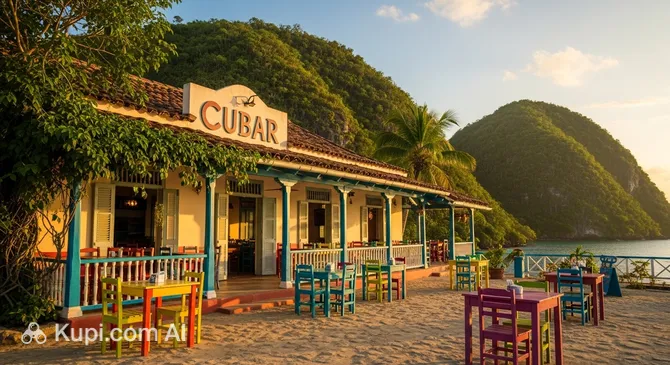
In addition to these famous landmarks, an integral part of a visit to Viñales is getting acquainted with the process of growing and producing the famous Cuban tobacco. Numerous tobacco farms (fincas) hospitably open their doors to tourists, offering a chance to see how tobacco leaves are dried and cigars are rolled. To recharge after a busy day and enjoy local cuisine, you can visit cozy restaurants. For example, Kubar offers traditional Cuban dishes in an authentic setting, while 3J Bar Tapas is a great spot to try a variety of snacks and refreshing drinks.

Cubar. Illustration.
Source: Kupi.com AI

Traveler photos:

These experiences will help you gain a deeper feel for the unique spirit of Viñales.

Local Cuisine

The gastronomy of Viñales offers a true immersion into the world of authentic Cuban flavors, where fresh farm products and simple yet incredibly aromatic recipes take center stage. The star of the local table is undoubtedly ropa vieja—tender shredded beef stewed with vegetables, served here especially juicy, often accompanied by rice, black beans, and sweet fried plantains (plátanos maduros fritos). This dish perfectly reflects the essence of local cuisine: hearty, delicious, and cooked with soul.

Other traditional dishes are also well worth trying. Be sure to order congrí—an appetizing mix of rice and black beans that serves as a classic side dish. Yuca con mojo is also popular, featuring boiled or fried yucca generously drizzled with a fragrant garlic sauce. As an appetizer or side, tostones—crispy fried green plantain slices—are excellent. Viñales is famous for its abundance of fresh vegetables and juicy tropical fruits, which form the basis of many dishes and desserts.

As for drinks, a morning in Viñales is unimaginable without a cup of fragrant local coffee. There are many small coffee plantations around the town where you can not only taste freshly brewed coffee but also learn about the traditions of its cultivation. In the evening, it's time for famous Cuban rum—it is enjoyed neat or in legendary cocktails like the refreshing mojito or daiquiri. Don't forget about the freshly squeezed juices made from mango, guava, or pineapple, which are sold everywhere.

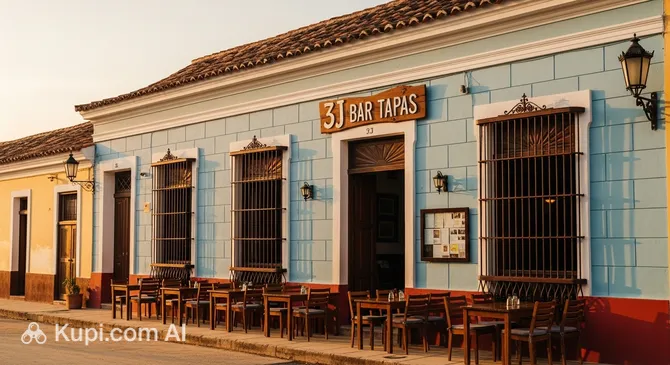
The food culture in Viñales is very laid-back. Locals and tourists alike enjoy eating at small family-run restaurants called "paladares" or savoring street food. In the evenings, grills appear on the central square, cooking grilled meats, corn, and sweet pastries. Be sure to visit the farmers' markets to buy homemade cheeses, natural honey, and tropical fruit sweets. For those looking for something interesting in a more restaurant-like setting, you can visit 3J Bar Tapas, which offers a variety of local snacks and dishes.

3J Bar Tapas. Illustration.
Source: Kupi.com AI

Traveler photos:

Travel Tips

Welcome to Viñales! To make your trip to this gem of Cuba as comfortable and memorable as possible, we have prepared some practical tips. They will help you navigate better and enjoy every moment in this amazing valley.

  1. Clothing and Essentials:

    Viñales has a tropical climate, so choose light, breathable clothing made from natural fabrics like cotton or linen. Don't forget a hat, sunglasses, and high-SPF sunscreen. For walks through the valley and caves, you'll need comfortable closed-toe shoes (sneakers or hiking boots), and sandals for relaxing. In the evening, a light sweater or long-sleeved shirt might be useful to protect against mosquitoes. Be sure to bring a raincoat or umbrella, especially if you are traveling during the rainy season (May-October). Don't forget your swimsuit, insect repellent, and a universal power adapter.

  2. Transportation in Viñales:

    The town of Viñales itself is small and easy to get around on foot. For exploring the picturesque valley, horseback riding, bicycles (available for rent locally), or hiking are popular choices. To visit more distant attractions like the Indian Cave (Cueva del Indio) or Palenque de los Cimarrones, you can use taxis (often colorful vintage cars) or "colectivos" (shared taxis). Public transport within Viñales is limited, but Viazul buses connect it to other cities in Cuba.

  3. Finances: What You Need to Know:

    The official currency in Cuba is the Cuban Peso (CUP). It is recommended to bring cash in Euros (EUR) or Canadian Dollars (CAD) and exchange them for CUP at official CADECA exchange offices or banks. Credit and debit cards, especially those issued by US banks, are hardly accepted anywhere. ATMs are rare and don't always work with foreign cards. Plan your budget assuming you will pay mostly in cash. Tipping is appreciated (usually 10% in restaurants if a service charge isn't included) and is an important part of the income for locals.

  4. Health and Safety:

    Viñales is considered quite a safe place. Nevertheless, follow basic precautions: do not leave valuables unattended and be vigilant in crowded areas. Pharmacies exist, but the range of medicines can be limited, so it's better to bring essential medications with you. Be sure to get medical insurance before your trip. Drink only bottled or boiled water. Use repellent to protect against mosquitoes, especially in the evening.

  5. Communication and Language:

    The official language is Spanish. In the tourism sector (hotels, casas, guides), many people speak English, but knowing a few basic Spanish phrases (e.g., "Hola" – hello, "Gracias" – thank you, "¿Cuánto cuesta?" – how much is it?) will be very helpful and appreciated by locals. For internet access, you can purchase ETECSA cards and use Wi-Fi in designated public zones (usually parks). Tourist SIM cards (Cubacel Tur) can be bought at the airport or ETECSA offices. We recommend downloading offline maps, such as Maps.me, in advance.

  6. Local Etiquette:

    Cubans are very open, friendly, and hospitable. A simple "Hola" and a smile go a long way. When photographing people, especially for portraits, always ask for permission. Show respect for local traditions and customs. Don't be surprised if the pace of life seems more relaxed – it's part of the Cuban charm.

  7. What to Avoid:

    Try to avoid engaging in active political discussions. It is also not recommended to drink tap water. Only exchange currency at official points to avoid becoming a victim of fraud.

  8. Special Tip for Viñales:

    Be sure to visit one of the local tobacco plantations (finca de tabaco). You can see how the famous Cuban tobacco is grown, learn about the cigar-making process, and even buy them directly from the farmer. This is not only educational but also supports local producers. Many hosts of "casas particulares" can help organize such an excursion.

We hope these tips make your stay in Viñales even more pleasant and fulfilling. Enjoy the incredible landscapes, the hospitality of the locals, and the unique atmosphere of this magical corner of Cuba!

Entertainment & Nightlife

Nightlife in Viñales, a charming town in the heart of Cuba's tobacco region, offers a unique experience far from the noise of large metropolises. Here, you won't find massive nightclubs; instead, you can immerse yourself in an authentic Cuban atmosphere with live music, dancing, and soulful conversations under the starlit sky.

Most evening activity is concentrated along the town's main street—Salvador Cisneros—and around the central square. In the evenings, locals and tourists gather in small bars and on restaurant terraces, many of which offer live music, usually traditional son cubano or salsa. The atmosphere here is very relaxed and friendly; there is no special dress code, and comfortable clothing is encouraged. Establishments typically come to life after 9:00 PM or 10:00 PM and stay open until midnight or slightly later, especially on weekends.

Among the places where you can spend a pleasant evening are restaurants that turn into lively gathering spots after dark. For instance, Kubar offers not only dinner but also the chance to enjoy drinks in a pleasant environment. Another popular spot is 3J Bar Tapas, where you can sample local snacks and cocktails.

Practical tips for nighttime entertainment in Viñales:

  • Timing: It's best to head out after dinner, around 9:00 PM, when the musicians start playing.
  • Prices: Prices for drinks, such as the famous mojitos or cuba libres, are generally affordable and quoted in the local currency—Cuban pesos (CUP). Dinner costs are also moderate, but it is always recommended to check current prices on the menu or with the staff before ordering, as they can vary.
  • Transport: Viñales is a small town, and most places are easily accessible on foot. If your accommodation is on the outskirts, you can use a bicitaxi (bicycle taxi) or a regular taxi. Agree on the price beforehand.
  • Safety: Viñales is considered very safe, even at night. However, you should always take basic precautions: do not leave valuables unattended and avoid poorly lit, deserted streets late at night.

While the nightlife in Viñales has its own unique charm, don't forget about daytime activities. During the day, the town and its surroundings offer plenty of excitement: you can go horseback riding through the Viñales Valley, explore the famous limestone "mogotes," visit tobacco plantations to learn about the cigar-making process, or descend into one of the many caves, such as Cueva del Indio.

Parks & Museums

Viñales is not only about breathtaking landscapes but also places where you can connect with the region's nature and culture. The town and its surroundings offer unique opportunities to explore both natural parks and small but interesting museums that tell the story and traditions of this part of Cuba.

The crown jewel of nature is undoubtedly Viñales Valley National Park (Parque Nacional Viñales). This UNESCO World Heritage site is famous for its unique "mogote" limestone hills, picturesque tobacco plantations, and numerous caves. A walk or horseback ride through the valley allows you to enjoy incredible views and learn about traditional tobacco-growing methods. It is an ideal place for nature lovers, photography enthusiasts, and those seeking peaceful relaxation.

For a more secluded encounter with nature, visit the Casa de Caridad Botanical Garden (Jardín Botánico de las Hermanas Caridad). This small private garden, lovingly created by two sisters, is an oasis of tranquility with a diverse collection of local plants, flowers, and fruit trees. It's a great place to learn more about the region's flora and relax in the shade.

To gain a deeper understanding of Viñales' history and culture, stop by the Adela Azcuy Municipal Museum (Museo Municipal Adela Azcuy). Housed in the former home of a heroine of the Cuban War of Independence, the museum features exhibits dedicated to local history, archaeology, and ethnography. Here, you can see everyday objects, photographs, and documents that trace the region's life from pre-Columbian times to the present day.

While not a museum in the classic sense, the Mural de la Prehistoria is an iconic cultural and artistic landmark. This giant fresco, painted on the slope of a mogote, depicts the evolution of life on Earth. Nearby are several caves, such as the famous Indian Cave (Cueva del Indio), where you can take a boat trip on an underground river, adding an adventurous historical element to your journey.

For an authentic experience, don't limit yourself to the main attractions. Try visiting one of the many private tobacco farms (fincas), where the owners will happily show you the tobacco growing and drying process and offer a tasting of local cigars. It’s also worth venturing off the beaten path to explore lesser-known caves or simply stroll through the colorful streets of Viñales itself, observing the unhurried local life.

Getting Around

Getting around Viñales is quite simple given its compact size. The main part of the town can easily be explored on foot, allowing you to soak in its atmosphere and local charm. However, for exploring the famous valley and surrounding areas, there are other more suitable options.

The primary modes of transportation for tourists in Viñales and its environs are taxis (both state-run and private cars known as "almendrones"—often colorful American classic cars), horse-drawn carriages, and bicycles. Local buses, or "guaguas," also exist, but their routes and schedules may not always be convenient for visiting tourist sites, as they are mostly used by locals for traveling between settlements. There are no subways, trams, or trolleybuses in Viñales.

The payment system is straightforward: almost everywhere, payment is made in cash directly to the driver or the owner of the carriage/bicycle. It is highly recommended to negotiate the fare in advance before the trip begins, especially with private taxis. There are no specialized transit cards or mobile apps for transportation payments in Viñales. Tickets for buses (if you choose to use them for trips to nearby towns) are also purchased from the driver or conductor.

Taxis or horse-drawn carriages can be found in the town's main square, or services can be arranged through the hosts of your "casa particular" (private guesthouses). Bicycle rental shops are also located in the center of Viñales. Operating hours for transport, particularly private hires and horse-drawn carriages, are usually flexible and tailored to the flow of tourists, starting from early morning until evening. Keep in mind that public buses may have a stricter and less frequent schedule.

One of the most popular "alternatives" and a hallmark of transportation for tourists is horseback riding through the Viñales Valley. This is not just a way to reach tobacco plantations or caves but an essential part of the experience in the region. You can also rent scooters for independent exploration of the surroundings. Due to the town's specific nature and size, services like car-sharing are not available here.

Accommodation

When planning a trip to Viñales, you will find that the primary and most authentic accommodation option here is the famous Cuban "casas particulares." These are private homes where locals rent out rooms to tourists. The range of offers is wide: from very simple and budget-friendly rooms to more comfortable options with private bathrooms, air conditioning, and sometimes even breakfast included in the price. Although major hotel chains are not represented here, this type of accommodation allows for a deeper immersion into the local culture and the chance to enjoy Cuban hospitality.

Most housing options are concentrated right within the town of Viñales itself, along its main streets and in the adjacent blocks. This is very convenient, as it allows for an easy walk to the central square, restaurants, cafes, and departure points for excursions into the Viñales Valley. Some "casas" may be located a bit further from the center, offering a quieter atmosphere and picturesque views of the surrounding tobacco fields and characteristic "mogote" limestone hills.

Regarding booking, it is recommended to arrange your accommodation in advance, especially during the high tourist season (typically from November to April). Many "casas particulares" are now available for booking through popular international online platforms. It is also possible to find accommodation upon arrival, but selection may be limited, particularly during peak dates. The price range in Viñales mostly varies from budget to mid-range, making it an attractive destination for many travelers.

Nearby Cities

For those looking to explore the surrounding area, Viñales serves as an excellent starting point for day trips to several interesting nearby locations:

CityPopulationDistance
La Palma35 34621 km
Pinar del Río188 61422 km
Consolacion del Sur87 50023 km
Minas de Matahambre34 41925 km
Santa Lucia50 08026 km

These nearby destinations provide a glimpse into the diverse culture and landscapes of the Cuban region.

Shopping & Souvenirs

Shopping in Viñales is more about immersing yourself in local flavor and searching for authentic souvenirs than chasing big brands. The town is not known for large shopping centers, but you can find unique handmade items and, of course, famous Cuban products like cigars and rum. Most commercial activity is concentrated in the town center, where small shops and stalls offer their wares to tourists.

The main shopping artery of Viñales is its central street—Salvador Cisneros. Along this street and its side alleys, you'll find most of the souvenir stalls, small shops, and local artist galleries. Here, you can find wood carvings, ceramics, paintings, and textiles. The atmosphere is relaxed, and sellers are usually friendly and ready to talk about their products.

There are no large, modern shopping malls in the conventional sense in Viñales. Shopping here is more intimate. Instead of malls, you'll discover small private shops and state-run outlets offering essentials and some souvenirs.

While Viñales doesn't have large organized markets like Havana, you'll often encounter street vendors and small craft fairs, especially during the tourist season. At these impromptu markets, you can buy fresh fruit, local sweets, and various crafts and souvenirs directly from the artisans. Look for small clusters of stalls or signs that say "Artesanía."

From Viñales and the Pinar del Río region where it is located, the first thing worth bringing home is Cuban cigars. This is the heart of Cuba's tobacco region, and you can find high-quality cigars here, sometimes directly from the tobacco farms. Cuban rum and coffee are also popular. Look for items made by local artisans: wooden figurines, paintings of the mogotes (the characteristic hills of the Viñales Valley), leather goods, jewelry made from seeds and shells, and traditional guayabera shirts.

Shops in Viñales are typically open from 9:00–10:00 AM to 5:00–6:00 PM. Some small private shops may operate on more flexible schedules and close for a lunch break (siesta). The primary payment method, especially in small shops and with street vendors, is cash (Cuban pesos, CUP). Some state-run stores or tourist sites may accept bank cards, but it's best to always have enough cash on hand. Cards issued by US banks are generally not accepted in Cuba.

The Tax-Free system for tourists in Cuba is not well-developed and is not common practice for most items purchased by tourists, especially in smaller towns like Viñales. If you make a large purchase in a specialized store (e.g., expensive jewelry or artwork), it's worth asking the seller about tax refunds, but generally, you shouldn't count on it.

Reached the end of the page?

That means the route is fully explored