Support

Machala

About

Machala is an energetic and sunny city that proudly bears the title of the "banana capital of the world." As the administrative center of the El Oro province, it combines the business activity of a major trading hub with the relaxed atmosphere of a coastal region. Here, travelers are greeted by wide streets, green parks, and the constant friendliness of the locals.

Geographically, the city is located on the southern coast near the Gulf of Guayaquil. The climate is tropical, with comfortable temperatures year-round, which contributes to the thriving agricultural sector. With a population of over 230,000 people, Machala is one of the most important cities for which Ecuador is famous.
Machala. Illustration.
Source: Kupi.com AI

The city's development is inextricably linked to the export of bananas, cocoa, and shrimp, which has shaped its unique appearance and character. The fascinating history of Machala tells the story of a small settlement's transformation into a powerful economic engine for the region. Today, it is a modern city that carefully preserves the memory of its past and honors the traditions of its ancestors.

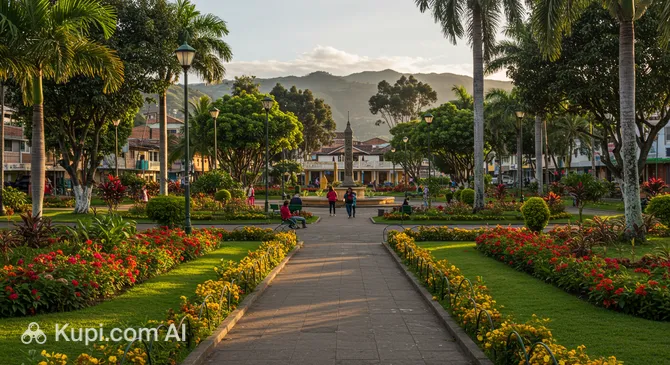
Among the key places that attract the attention of guests, the picturesque Juan Montalvo Park, considered the heart of city life, and the famous port of Puerto Bolívar are worth highlighting. The port area draws tourists not only for its seaside scenery but also for the opportunity to try the best local dishes in numerous restaurants. Also, a symbol of the city is the "El Bananero" monument, paying tribute to the main wealth of this land.

A visit to Machala will give you bright impressions of authentic coastal life. This city is ideal for those who want to see a non-touristy but incredibly vibrant, delicious, and hospitable side of the country.
Weather Overview

Machala's climate can be described as tropical and moderately warm, without extreme temperature fluctuations, which is typical for the coast of the El Oro province. The city greets travelers with comfortable warmth at any time of the year, though one should account for the high humidity characteristic of this region.

The hottest period occurs at the beginning of the year: from February to March, the average temperature stays around 25.5°C, with daily highs reaching 27.5°C. In the second half of the year, especially in August and September, it becomes a bit fresher: average figures gradually drop to 22.1°C, and night temperatures can descend to 19.7°C. Expect consistently warm weather with frequent but usually light drizzle or brief showers throughout the year.

A characteristic feature of the local climate is the high number of days with precipitation (from 24 to 30 days per month), although their total volume remains quite low (2–11 mm), which often manifests as light rain or mist. Detailed weather in Machala by month will help you plan your wardrobe more accurately, favoring light clothing and comfortable shoes.

Average monthly temperature

Average monthly precipitation

Interesting Facts

In addition to its main attractions, Machala holds many fascinating secrets and unique traditions that reveal the true spirit of this coastal city. Here are a few facts that will help you see the "banana capital" from a new perspective.
  • The World Queen of Bananas. Machala is the only city in the world that annually hosts the unique beauty pageant "Reina Mundial del Banano." This event takes place as part of the World Banana Fair in September and brings together contestants from the countries that export this fruit, turning an agricultural holiday into a vibrant international show.

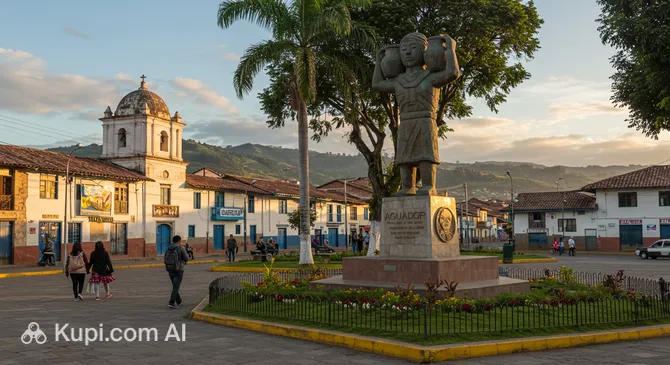
  • Tribute to the Water Carriers. An unusual monument is installed in the city — the Monument to the Water Carrier (El Aguador). It commemorates the times when Machala had no running water, and residents depended on hardworking carriers who delivered fresh water in barrels on donkeys. This sculpture has become a symbol of the resilience and everyday heroism of ordinary people.

  • Natural Protection. The city is separated from the open ocean by the Jambelí archipelago. These islands, covered with mangrove forests, serve as a natural breakwater, protecting the coast from storms and creating a unique ecosystem inhabited by many seabirds and crabs.

  • Banana Giant. Puerto Bolívar, located within the city limits, is one of the largest in the world in terms of banana shipping volume. It is through this maritime gateway that about 80% of all Ecuador's banana exports pass, providing fruit to millions of people across the planet.

The Aguador Monument. Illustration.
Source: Kupi.com AI

Traveler photos:

How to Get There

When planning a trip to the "banana capital," it is important to think about logistics in advance, as there are no direct international flights to the city itself. You can find more details on how to get to Machala on a separate page, but here we will look at the main transport hubs located nearby.

The most popular and convenient option for most travelers is flying via Guayaquil. There is no major international airport in Machala itself, so tourists often choose José Joaquín de Olmedo International Airport (IATA: GYE), located in the city of Guayaquil. This is one of the country's main aviation hubs, receiving many international flights. It is located about 122 km from Machala. The journey by taxi or rental car will take about 2.5–3 hours, and by comfortable intercity bus, slightly over 3 hours.

Another option is to use an airport in the mountainous part of the country. Mariscal Lamar International Airport (IATA: CUE) is located in the city of Cuenca, approximately 115 km from Machala. Despite the similar distance to Guayaquil, the path from here can take a bit longer (about 3–3.5 hours) due to winding mountain roads, but the views along the way are stunning. It is also worth noting that geographically closest to Machala (only 57.5 km away) is FAP Captain Pedro Canga Rodríguez Airport (IATA: TBP) in the Peruvian city of Tumbes. This option is convenient if you are traveling from the Peruvian side, but it will require passing through border control.

For clarity, here is a summary of the main airports:

AirportPassenger trafficDistance
Capitan FAP Pedro Canga Rodriguez Airport179 10657 km
Ciudad de Catamayo Airport78 641105 km
Mariscal Lamar International Airport499 852115 km
Jose Joaquin de Olmedo Airport4.2 mln122 km
Captain FAP Victor Montes Arias Airport195 623205 km

As for rail transport, it is not used for regular passenger travel in this region. The primary way to reach Machala by land remains road transport. The city has excellent connections with the rest of Ecuador thanks to the Pan-American Highway. Regular bus services connect Machala with Quito, Guayaquil, Cuenca, and other major cities. The central bus station (Terminal Terrestre de Machala) is a modern complex where buses from various companies arrive, offering tourists an inexpensive and reliable way to travel.

Main Attractions

Although Machala is primarily known as a business center and the world's banana capital, there are many places worth visiting for the curious tourist. The city offers an interesting mix of urban landscapes, historical monuments, and natural beauty located very close to the city limits.

One of the main points of interest is Puerto Bolívar. This port district, located just a few minutes' drive from the center, serves as the city's maritime gateway. Tourists come here to stroll along the waterfront, enjoy the fresh sea breeze, and, of course, taste the best seafood dishes in local restaurants. Boats also depart from here to the picturesque Jambelí Island, a popular spot for beach holidays.

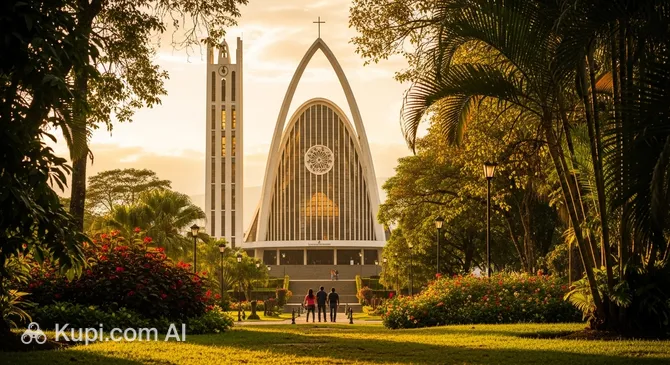
In the city itself, Centenario Park deserves attention. This is a spacious square that plays an important role in Machala's social life. It's a pleasant place to walk along well-kept alleys, rest in the shade of trees, and observe the leisurely pace of life of the locals. The park often serves as a venue for various city events and is an excellent landmark for travelers.

Centenary Park. Illustration.
Source: Kupi.com AI

Traveler photos:

It's impossible to get to know the city without seeing its iconic monuments. The most famous of them is the Monument to the Water Carrier (El Aguador). This expressive sculptural composition has become a true symbol of Machala, embodying the hard work and resilience of its residents. Tourists often come here to take commemorative photos and pay tribute to the region's history.

For those seeking harmony with nature, a trip to Jambelí Island (Isla Jambelí) is an excellent choice. Located across the strait from Puerto Bolívar, this island offers wide sandy beaches and the calm waters of the Pacific Ocean. It is the perfect place to escape the city bustle, go for a swim, and enjoy the sun surrounded by mangrove forests.

Local Cuisine

Machala's cuisine is a bright reflection of its geographic location and status as the "banana capital." Gastronomy here is built on two main pillars: the freshest seafood caught in coastal waters and bananas (plantains), which are used in dozens of variations. The food in this region is characterized by rich flavors, heartiness, and the use of local spices that create the unique color of the El Oro province.

The main delicacy that every visitor to the city must try is shrimp dishes, as this region is one of the world leaders in shrimp farming. Be sure to order shrimp ceviche (Ceviche de camarón). Unlike the Peruvian version, in Ecuador, the shrimp are usually boiled and served in a marinade with tomatoes, lime, onion, and cilantro. Another iconic dish is grilled black shells (Conchas asadas), which are best tried in the restaurants of the Puerto Bolívar port area while enjoying the ocean view.

It's impossible to imagine a local table without green banana dishes. The hallmark of the region is considered to be tigrillo. This is a hearty dish usually served for breakfast or dinner: boiled green plantain is mashed and mixed with egg and plenty of local cheese, and sometimes fried pork pieces (chicharrón) are added. Also popular is "majado" — a simpler version of mashed banana, and "bolón" — plantain balls with a filling.

As for drinks, the hot climate encourages the consumption of plenty of fluids. Locals prefer natural freshly squeezed juices (jugos naturales) made from tropical fruits: passion fruit, soursop, naranjilla, or papaya. You can often find oatmeal-based drinks, which are called "quaker" here, served with ice. Among alcoholic beverages, local beer is popular and pairs perfectly with seafood.

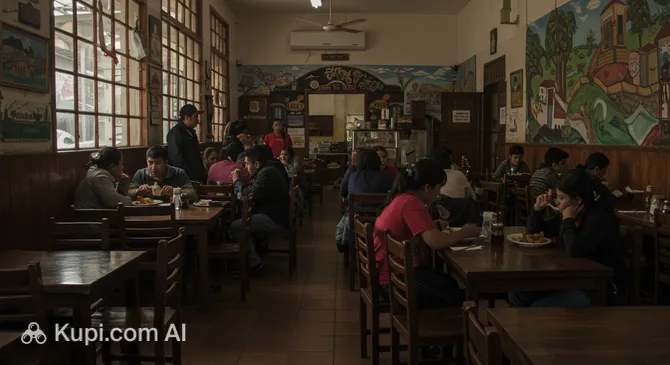
Donivan's Cafeteria. Illustration.
Source: Kupi.com AI

Traveler photos:

The food culture in Machala is very casual. People here love to eat tasty and plentiful meals. Locals often visit so-called "huecas" — small family cafes with home-cooked food and affordable prices. For a light snack or a cup of coffee in a more modern setting, you can stop by Donovan's Cafeteria, which serves excellent desserts and snacks. In the evening, residents fill the restaurants to have dinner with family or friends, enjoying the hospitable atmosphere of the southern coast.

Travel Tips

Welcome to Machala! To make your trip to the "banana capital" as comfortable as possible and leave only pleasant memories, we have prepared a list of important practical recommendations. These tips will help you adapt faster to the local rhythm of life, avoid typical mistakes, and feel confident in any situation.

  1. Clothing and Sun Protection. Given the tropical climate of the El Oro province, opt for light clothing made from natural fabrics (cotton, linen) in light colors. Be sure to bring a hat and sunglasses — the sun at the equator is very active. For evening walks, a light sweater might come in handy as the ocean sometimes brings a cool breeze. Also, don't forget comfortable shoes for walking through parks and along the waterfront.

  2. Getting Around the City. The most convenient and safe transport for tourists is the official yellow taxi. The cars are equipped with meters, but drivers don't always turn them on, so it is strongly recommended to agree on the fare before getting in (usually $2–$4 within the city). City buses are cheap but can be crowded and difficult to navigate without knowing Spanish.

  3. Finances and Cash. In Ecuador, the official currency is the US Dollar. Cards are accepted in large hotels, supermarkets, and shopping mall restaurants, but in small cafes, taxis, and markets, only cash is used. It is critically important to have small bills ($1, $5, $10, and $20) with you. $50 and $100 bills are accepted very reluctantly or not at all due to a lack of change.

  4. Health and Hygiene. Never drink tap water; use only bottled water even for brushing your teeth. Since Machala is surrounded by banana plantations and mangroves, there may be mosquitoes, especially during the rainy season. Be sure to bring repellent. Pharmacies (Farmacias) are frequent, and many of them, such as the Fybeca or Cruz Azul chains, stay open late.

  5. Language Barrier and Connectivity. The primary language is Spanish. English is not widely spoken, mostly only by the staff of large hotels. We recommend downloading an offline translator and maps to your smartphone. For mobile internet, it's best to buy a local SIM card from Claro or Movistar — their offices are in shopping centers, and you usually only need a passport to register.

  6. Local Etiquette. Residents of Machala (orenses) are very friendly and value politeness. It's customary to say hello ("Buenos días" or "Buenas tardes") when entering a shop or getting into a taxi. If you see someone eating, it's appropriate to wish them a good meal with the phrase "Buen provecho" — this will earn you a sincere smile from the locals.

  7. What to Avoid. Do not walk alone in remote areas or the Puerto Bolívar port zone late at night — always use a taxi to move around after dark. Also, avoid displaying expensive gadgets and jewelry in crowded markets and streets to avoid attracting unnecessary attention from pickpockets.

  8. Gastronomic Tip. While in Machala, don't miss the chance to try bananas in all their forms, as you are in the world capital of this fruit. Try not only the sweet varieties but also dishes made from green plantains, such as patacones (fried discs) as a side dish instead of the usual bread.

Following these simple rules will make your visit to Machala easy and safe. Enjoy the warm welcome, delicious food, and sunny atmosphere of this amazing southern city!

Entertainment & Nightlife

Machala's nightlife may not be world-famous like the parties in major metropolises, but it possesses its own unique southern charm and energy. After sunset, when the daytime heat subsides, the city comes alive: locals take to the streets to enjoy the cool air, music, and socializing. The main fun here concentrates towards the weekend — from Thursday to Saturday, when numerous bars, discos, and karaoke clubs open their doors.

The epicenter of evening entertainment is often the area around "La Piazza" shopping complex and the so-called "Zona Rosa." Here you can find venues for every taste: from noisy sports bars broadcasting football matches to elegant lounges. The atmosphere in these establishments is usually casual and very friendly. The crowd consists mainly of cheerful groups of locals, "orenses," who love dancing to the rhythms of salsa, merengue, reggaeton, and vallenato. The dress code in most places is casual, but for visiting nightclubs, it's worth choosing a neater (smart casual) style.

If you're looking for a place to dance and immerse yourself in the club atmosphere, check out the Fizz Lounge-Bar. This is a popular location among young people with a modern interior, DJ sets, and a diverse cocktail menu. For those who prefer to start the evening with a delicious dinner that smoothly transitions into a party, Taipá Resto Bar is an excellent choice. It harmoniously combines gastronomy and entertainment, offering guests signature dishes and a lively atmosphere.

Fans of more relaxed recreation over a glass of cold beer or a refreshing drink should stop by the aptly named Zona de Refresco El Paraiso. It's a great place to catch your breath after a hot day and chat with friends in an informal setting. Another colorful place to meet the evening is El Gran Lindero, where you can feel the true local spirit.

Practical Tips and Safety:

  • Opening Hours: Bars usually open around 6:00 PM – 7:00 PM, but the main influx of visitors happens after 9:00 PM. Nightclubs come alive closer to midnight and stay open until 2:00 AM – 3:00 AM.
  • Transport: For safety reasons, it is strongly recommended to use official taxis for moving between venues and returning to your hotel at night. Do not walk through empty streets, even if the distance seems short. Taxis can be called by phone or you can ask the venue staff to do it for you.
  • Prices: Cover charges for clubs vary (sometimes entry is free with a drink purchase), cocktails cost an average of $5 to $10, and beer is $2–$4.

Although Machala is primarily a business and commercial city, there is also plenty to do during the day besides shopping. You can diversify your cultural leisure by visiting the House of Culture, which hosts exhibitions, or by strolling through the city parks mentioned earlier. However, it is the evening cool and the lights of the night venues that reveal the true, festive character of the "banana capital."

Parks & Museums

Machala offers travelers cozy green zones that serve as true oases of tranquility amidst a bustling commercial city. Although the "banana capital" is not famous for massive world-class museum complexes, its cultural life pulses in city squares, art centers, and streets decorated with expressive monuments.

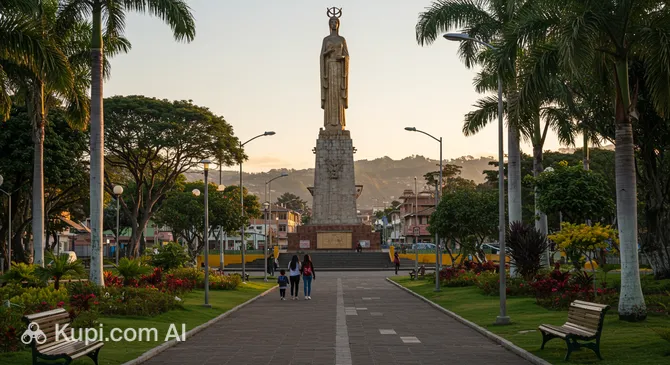
For those looking for a place for a quiet rest and walks with the family, Mother's Park is an excellent choice. This space was created as a tribute to motherhood and family values. The park features well-kept paths, children's play areas, and a pleasant atmosphere conducive to leisurely conversations in the shade of trees. Here you can often meet locals enjoying the evening cool.

Parque de la Madre. Illustration.
Source: Kupi.com AI

Traveler photos:

Fans of more active leisure and a modern urban environment should visit the Linear Park. This is a long green zone that is ideal for morning jogs, bike rides, or just a long stroll. The park's landscape design combines elements of tropical flora with convenient infrastructure, making it a popular meeting place for young people and athletes. Also, Centenario Park remains an important public space where city events and holidays are often held.

As for museums, the cultural heart of the city is the House of Culture (Casa de la Cultura Ecuatoriana, Núcleo de El Oro). Art exhibitions, theatrical productions, and musical concerts reflecting the region's rich traditions are held here regularly. Although the permanent collection may be small, temporary exhibitions of local artists and photographers allow for a deep dive into the atmosphere and history of the El Oro province.

The city's streets, decorated with iconic sculptures, can be called a kind of open-air museum. The most famous is the Monument to the Water Carrier, which not only decorates the city but also tells a story about the daily life of ancestors and serves as a reminder of the hard work of the ordinary people who built this city. Such monuments serve as important landmarks and photo zones for tourists.

Insider Tip: If you want to see another side of local nature, head to Zoila Ugarte Park (Parque Zoila Ugarte). This is one of the city's newer and more modern parks, where yoga classes and cultural festivals, which not all tourists know about, are often held.

Getting Around

Getting around Machala is quite simple, although the choice of public transport here is limited compared to megacities. There is no metro, tram, or trolleybus lines in the city, so buses remain the primary and almost only form of mass transport. This is a budget-friendly way to reach the desired district, while also allowing you to observe the everyday life of the city dwellers.

City buses run on many routes, covering both the center and the outskirts. Signs with the names of key stops and streets followed by the vehicle are usually placed on the windshield. Stops are not always clearly marked with signs, so if you're not sure where to get off, it's better to tell the driver your destination in advance — locals are generally helpful and will point out the right stop.

The fare payment system in Machala is as simple and conservative as it gets: transport cards, mobile apps, or transit passes are not used here. Payment is made exclusively in cash upon entry — to the driver or conductor. The fare is fixed and very affordable, usually costing around 30–35 cents. The most important tip for a tourist: always have a handful of small coins (5, 10, 25 cents), as there may simply be no change for $10 or $20 bills on the bus.

The most popular and comfortable alternative to buses is the taxi. A large number of official yellow taxis operate in the city, which can be easily hailed on the street or found at special ranks. Although the cars are equipped with meters, drivers do not always turn them on by default. It is recommended to either politely ask to turn on the meter ("taxímetro") or agree on a fixed price before getting in. Trips around the city are inexpensive, usually within $2–$4.

As for modern car-sharing or bike rental services, they have not yet gained wide distribution in Machala. Global ride-hailing apps may work intermittently or have few active cars, so it is more reliable to rely on official city taxis or order a car through your hotel reception. Keep in mind that public transport finishes work quite early, around 9:00 PM – 10:00 PM, after which taxis become the only way to get around.

Accommodation

The choice of accommodation in Machala reflects the city's status as the business and commercial center of the province. Here you won't find the huge "all-inclusive" beach resorts typical of purely tourist zones, but the city offers a decent selection of comfortable hotels geared towards business travelers, as well as budget options for those on the move.

The main housing stock is represented by modern mid-range city hotels (3–4 stars) and small family-run guesthouses (hostales). Higher-end hotels usually offer guests air-conditioned rooms, Wi-Fi, breakfast, and often a swimming pool, which is a big plus in the region's hot climate. For budget-conscious tourists, clean and safe hostels with a basic set of amenities are available.

Where is it better to stay:

  • City Center (El Centro): The area around Juan Montalvo Park and the central square. This is the most convenient option for those who want to be in the heart of the action, close to banks, pharmacies, and restaurants. From here, it's easy to reach most city attractions on foot.
  • Avenida 25 de Junio: More modern and larger hotels are located along this main transport artery. Staying here is convenient for those traveling by car or planning trips outside the city, as there is easy access to the highway.
  • Puerto Bolívar Area: If you want to wake up closer to the sea and the smell of salt air, you can look for accommodation closer to the port, though the choice of hotels here is significantly more modest than in the center.

Prices and Booking:

Pricing in Machala is quite affordable compared to Quito or Guayaquil.
Budget segment: A night in a hostel or an inexpensive hotel will cost about $15–$30 per night.
Mid-range: A comfortable room in a good hotel will cost from $40 to $80.
Luxury (by local standards): Rooms in the city's best hotels can cost $90 and up.

Booking Tip: Usually, finding a free room is not difficult, and many travelers book accommodation a couple of days in advance or even upon arrival. However, if your trip falls in September, when the famous World Banana Fair (Feria Mundial del Banano) takes place, hotels are packed with guests and exhibition participants. During this period, it is necessary to book accommodation several weeks or even months in advance. To find options, it is convenient to use major international booking platforms, although many small hotels also respond promptly via messaging apps.

Nearby Cities

For those who want to explore the surrounding areas, Machala serves as an excellent starting point for day trips to several interesting nearby locations:

Just a few dozen kilometers away are the cities of Santa Rosa and Pasaje. Santa Rosa is famous for its shrimp farms and superb seafood cuisine, making it an ideal place for a gastronomic lunch. Pasaje, on the other hand, attracts fans of more relaxed recreation and agrotourism, offering picturesque landscapes and the chance to relax by local rivers.

If you are willing to spend a bit more time on the road, the city of Cuenca is well worth a visit. This journey will take you from the hot coast to the cool heights of the Andes. Cuenca is known for its stunning colonial architecture, which is a UNESCO World Heritage site, and its rich history, creating a vivid contrast with the modern rhythm of Machala.

CityPopulationDistance
Pasaje52 67318 km
Santa Rosa48 92922 km
Camilo Ponce Enriquez17 40432 km
Huaquillas47 70638 km
Zarumilla16 97145 km

These nearby destinations allow you to get a sense of the region's diverse culture and landscapes, from tropical plantations to mountain peaks.

Shopping & Souvenirs

Shopping:

Machala, being a dynamic commercial center of the El Oro province, offers tourists interesting shopping opportunities. Modern shopping complexes and colorful street stalls coexist here harmoniously. The city doesn't claim the title of a high-fashion capital, but it delights with a variety of goods: from high-quality local textiles and electronics to the freshest farm products. Special attention should be paid to goods related to the region's main symbol — the banana, as well as cocoa products.

The heart of the city's commercial life is Avenida 25 de Junio. This main transport artery pierces the city and is literally dotted with clothing and shoe stores, pharmacies, and banks. A stroll along this avenue will not only allow you to make necessary purchases but also to feel the city's business rhythm. In the center, in the area of 9 de Mayo and Guayas streets, the concentration of retail outlets reaches its peak, turning the blocks into a lively open-air shopping labyrinth.

Fans of comfortable shopping in air-conditioned premises should visit the local malls. One of the popular places for family recreation and shopping is La Piazza Machala. This shopping center offers a good selection of boutiques, entertainment zones, and a food court. Also, the large chain mall Paseo Shopping operates in the city, where famous international and Ecuadorian brands, a cinema, and a supermarket are represented, making it a convenient place to buy everything you need in one spot.

To experience the true taste of local life, head to the city markets. The Central Market (Mercado Central) is a place where stalls groan under the abundance of tropical fruits, vegetables, and seafood. Here you can find rare exotic fruits that are not sold in regular supermarkets. The atmosphere at the market is noisy and lively, and it's the best place to buy fresh ingredients if you plan to cook yourself.

As souvenirs from Machala, tourists most often bring back edible gifts. The El Oro province is famous for its cocoa, so be sure to look for high-quality local chocolate or cocoa beans. Given the "banana capital" status, various banana sweets are popular: chips (chifles), jams, and desserts. You can also find handmade items such as "panama" hats (which actually originate from Ecuador) and textiles with traditional patterns.

Stores in shopping centers are usually open from 10:00 AM to 8:00 PM or 9:00 PM every day. Street stalls and small private shops may close for a siesta in the middle of the day and are often closed on Sundays. The official currency is the US Dollar. Credit cards (Visa, MasterCard) are accepted without problems in large supermarkets and malls; however, in markets, taxis, and small kiosks, cash payment is preferred. It is recommended to carry small bills, as change for $50 or $100 might not be available.

Regarding the Tax Free system, Ecuador has a mechanism for VAT (IVA) refunds for foreign tourists on goods produced in the country and accommodation services. However, the procedure can be bureaucratically complex and requires filling out special forms at the departure airport (e.g., in Guayaquil or Quito). If you plan on large purchases, it's worth checking the current rules in advance and keeping all receipts.

Reached the end of the page?

That means the route is fully explored