Support

Pastaza

About

Pastaza is the true gateway to the mysterious and lush Amazon. The city is nestled in the southeast, right at the scenic junction of the Andes mountain ranges and the boundless jungle. This unique location makes it an ideal starting point for journeys to waterfalls and turbulent rivers, where nature still reigns in its pristine majesty.

With a population of about 60,000 people, this city is not only the administrative center of the province of the same name but also an important cultural hub of Ecuador. The climate here is warm and humid, characteristic of the tropics, which contributes to the lush growth of greenery surrounding the city blocks on all sides.
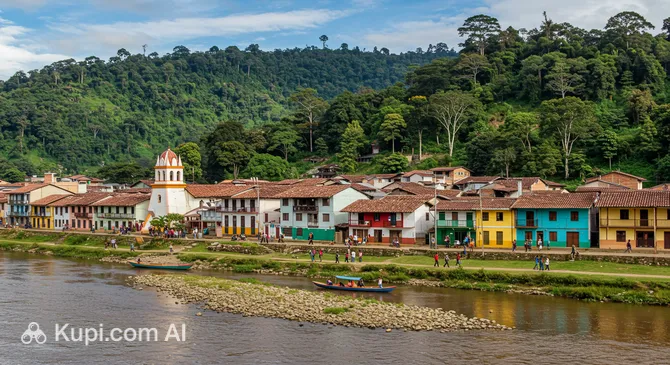
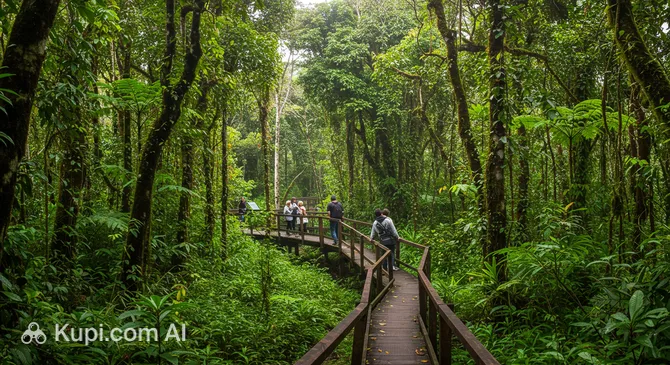
Pastaza. Illustration.
Source: Kupi.com AI

The city's atmosphere is permeated with a special flavor: modern rhythms and age-old traditions coexist harmoniously here. The fascinating history of Pastaza, where the heritage of indigenous peoples and the colonial past are intertwined, is felt in the friendliness of the locals, the architecture, and the bright colors of the street markets. Every guest feels welcome here and can easily immerse themselves in the authentic life of the region.

For lovers of active recreation and ecotourism, Pastaza is a true paradise. The famous "Route of the Waterfalls" runs through the surrounding area, offering breathtaking views and encounters with powerful water cascades. The city attracts travelers with the opportunity to try extreme rafting, go hiking through the jungle, or simply enjoy the aroma of fresh coffee at sunrise. Come to Pastaza to forget about time and feel like part of a large, living world of nature.
Weather Overview

The climate in Pastaza is remarkably consistent with high humidity, typical for a region located at the junction of the Andes and the Amazon. There are no sharp seasonal temperature changes, so the weather in Pastaza remains comfortable and warm throughout the year. It is an ideal place for those who prefer a mild climate without exhausting heat or severe cold.

Expect stable temperatures year-round ranging from 18°C to 20°C with very frequent precipitation. The average air temperature stays at 19°C, while during the day the air can warm up to 23°C, and at night cool down to 14-15°C. July and August are considered the "coolest" months, when average figures drop to 17.8°C, and October and November are the warmest.

A feature of the local climate is the large number of rainy days. On average, precipitation falls from 21 to 30 days a month, so an umbrella or raincoat will be your best companions on the trip. Even in the "driest" months, such as August and September, it rains for more than 20 days, although the intensity may be lower than in March or May.

Average monthly temperature

Average monthly precipitation

Interesting Facts

In addition to its main attractions, Pastaza holds many fascinating secrets that reveal the character of this Amazonian corner. The city surprisingly combines the wild nature of the jungle and colorful local culture.
  • The city owes its name to the Pastaza River, which originates high in the Andes and rushes towards the Amazon. It is along this waterway that the famous "Route of the Waterfalls" passes—a picturesque route where you can see dozens of cascades and even bungee jump over the churning currents.

  • Although the region is associated with wild jungles, it is also an important agricultural center. Some of the most aromatic varieties of tea and coffee in Ecuador are grown here, and local plantations are rich in bananas, tobacco, and exotic citrus fruits.

  • Pastaza is a place where cultures live and interact. Representatives of indigenous peoples who preserve ancient traditions and crafts live in the surrounding areas. You can get acquainted with their knowledge of nature and plants by visiting the OMAERE Ethnobotanical Park.

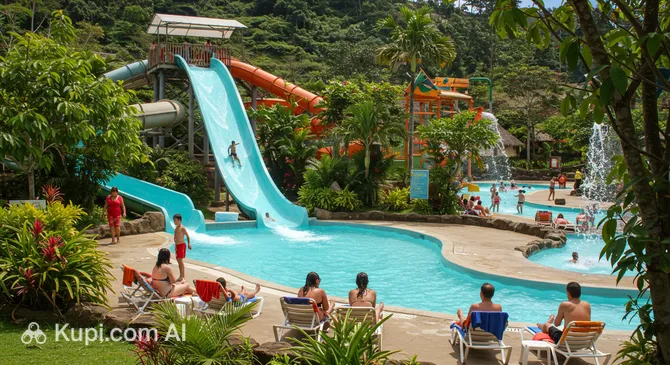
  • The water element defines leisure here: the city attracts extreme sports enthusiasts with rafting on the Pastaza River with routes of varying difficulty. And for those looking for a more relaxed holiday by the water, the popular Morete Puyo Water Park is open.

Morete Puyo Water Park. Illustration.
Source: Kupi.com AI

Traveler photos:

How to Get There

A journey to this amazing corner of the Amazon usually begins with a flight to one of Ecuador's major cities, as there is no direct air service to the city itself. The road to Pastaza is an adventure in its own right, allowing you to enjoy the changing landscapes from the mountain peaks of the Andes to tropical forests. You can find more details on how to get to Pastaza by studying all available routes and types of transport.

Since the city of Pastaza does not have its own airport, the country's capital becomes the main transit hub for travelers. You can fly into Mariscal Sucre International Airport (IATA: UIO), located in the city of Quito. It is about 156 km from Pastaza. This is a modern and large aviation hub receiving flights from all over the world. The journey from the airport to the city by bus or taxi will take about 4–5 hours, passing through the picturesque "Avenue of the Volcanoes."

Another popular option is arriving at José Joaquín de Olmedo International Airport (IATA: GYE), which is in the city of Guayaquil. The distance to Pastaza is about 222 km. This is also a major international airport with a high passenger flow. The trip from here by land transport will take a bit longer—approximately 6 hours—but the roads here are of good quality, and the views out the window will not let you get bored.

You can also consider a flight to Mariscal Lamar International Airport (IATA: CUE) in the city of Cuenca. It is located 190 km from Pastaza and is an important regional hub with a medium passenger flow. The travel time by car will be about 5 hours.

For clarity, here is a summary of the main airports through which it is convenient to reach the region:

AirportPassenger trafficDistance
Mariscal Sucre International Airport5.4 mln156 km
Coca Airport80 000160 km
Mariscal Lamar International Airport499 852190 km
Lago Agrio Airport47 780216 km
Jose Joaquin de Olmedo Airport4.2 mln222 km

Railway communication is not developed in this region of Ecuador, and there is no train station in the city of Pastaza. The mountainous terrain and dense jungle make laying tracks an extremely difficult task. Therefore, after arriving at one of the airports, the only way to reach the final destination is by road transport. Regular intercity buses from Quito, Guayaquil, and other major cities run frequently and are inexpensive, being the most popular way to travel among tourists and locals alike.

Main Attractions

The city of Pastaza, often referred to as Puyo, is a true treasure trove for travelers seeking to touch the secrets of the Amazon. The main attractions here are closely linked to nature and the region's rich cultural heritage, offering guests a unique experience of immersion in the jungle atmosphere right within the city limits.

One of the most important and interesting locations is the OMAERE Ethnobotanical Park. It is the first ethnobotanical park in South America, created to preserve the knowledge of indigenous peoples. It is of interest to tourists for the opportunity to see traditional dwellings of the Shuar and Waorani tribes, as well as to learn about the medicinal properties of local plants. A tour of the park is a fascinating journey into the world of traditions and harmony with nature.

For those who prefer scenic walks by the water, the Malecón Boayacu Puyo is ideal. This well-maintained embankment along the river has become a favorite vacation spot for both locals and visitors. Here you can enjoy stunning views of tropical vegetation, climb the observation tower for panoramic photos, or simply stroll along the well-kept paths, inhaling the fresh river air.

Omaere Ethnobotanical Park. Illustration.
Source: Kupi.com AI

Traveler photos:

If you are looking for a place for active family recreation, be sure to visit the Morete Puyo Water Park. This entertainment complex offers an excellent alternative to swimming in wild rivers. With its water slides, spacious pools, and relaxation areas, the water park attracts tourists wishing to cool off and have fun on a hot day in a safe and comfortable environment.

The heart of the city's social life is Central Park 12 de Mayo. Located in the historic center, it is surrounded by important buildings, including a beautiful cathedral. This place attracts with its atmosphere of peace and history: here you can relax in the shade of exotic trees, examine monuments dedicated to the exploration of the region, and feel the true rhythm of life in Pastaza.

Local Cuisine

The gastronomic scene in Pastaza is a vibrant and original reflection of the Amazonian nature's bounty. The local cuisine is a wonderful fusion of ancient indigenous traditions and classic Ecuadorian recipes. Pre-packaged foods are practically not used here: the basis of the diet consists of the freshest river fish, root crops (especially yuca and manioc), and an incredible variety of bananas, which are fried, boiled, and baked.

The main culinary symbol of the region, which every tourist must try, is maito. This is a river fish fillet (most often tilapia or catfish), neatly wrapped in bijao plant leaves and grilled over coals. Thanks to this technique, the fish is cooked in its own juice, infused with the aroma of the leaves, and turns out incredibly tender and diet-friendly. The dish is usually served with boiled yuca, a slice of lemon, and an onion and tomato sauce.

For the most daring gourmets, Pastaza has prepared a truly exotic delicacy—chontacuro. These are large beetle larvae that live in chonta palms. They are usually grilled until golden brown. Locals value them for their high nutritional properties and specific taste, vaguely reminiscent of bacon. You can find this dish at city markets or street food stalls.

The food culture in the city is very democratic: people here love to eat tasty, filling meals in the fresh air. The local markets are the heart of gastronomic life, with stalls bursting with tropical fruits: guanabana, naranjilla, and pitaya. Street food tempts with aromas on every corner: be sure to try meat skewers and empanadas with cheese or banana. The embankment area is an excellent place to get acquainted with local street food. Walking through the Malecón Boayacu Puyo, you will surely encounter vendors of traditional snacks that can be enjoyed while contemplating the river landscapes.

As for drinks, Pastaza is famous for its natural juices and drinks made from exotic fruits. A special place is occupied by guayusa—a traditional energy tea made from the leaves of the Amazonian holly, which invigorates better than coffee and is an important part of the morning rituals of local residents. It's also worth trying chicha—a fermented drink made from yuca, which has a long history and deep roots in the culture of Amazonian tribes.

Travel Tips

Pastaza is a welcoming gateway to the world of the Ecuadorian Amazon, where nature dictates its own rules of life. To ensure that your introduction to this amazing green land goes smoothly, safely, and leaves only vivid impressions, we have prepared a list of proven recommendations.

  1. Clothing and gear. Given the humid tropical climate, your main companion will be a high-quality raincoat or a light poncho—umbrellas are inconvenient in the jungle. Prefer clothing made from quick-drying synthetic fabrics, as cotton items take a very long time to dry here. For walks, be sure to take comfortable, broken-in shoes with a non-slip sole or rubber boots if you plan to go deep into the forest.
  2. Transport nuances. There are no subways or trams in the city, and the most convenient way to get around is by yellow taxis. Trips around the city are inexpensive (usually 1.50–2.00 dollars), but it is better to agree on the price when getting in. For trips to waterfalls or surrounding villages, double-cabin pickups (camionetas) are often used—this is normal practice for the region.
  3. Financial literacy. The official currency is the US Dollar. Although cards are accepted in some hotels, in Pastaza, the cult of cash prevails. It is extremely important to have small bills (1, 5, 10, and 20 dollars) and coins with you. You will most likely not find change for 50 or 100 dollars in a taxi, a souvenir shop, or at the market.
  4. Health and water. Never drink tap water—use only bottled water even for brushing your teeth. Since the city is on the edge of the jungle, be sure to use repellents to protect against insects. Pharmacies (Farmacias) are frequent; look for the "Turno" sign to find a duty 24-hour pharmacy.
  5. Communication and language. The main language of communication is Spanish; few people know English, mostly guides and staff in good hotels. Download an offline translator in advance. It is better to purchase a SIM card from local operators (Claro or Movistar) in a large city upon arrival (Quito or Guayaquil), as the registration process in Pastaza may take longer.
  6. Local etiquette. Ecuadorians are very polite people. When entering a shop, restaurant, or getting into a taxi, it is customary to say hello ("Buenos días" or "Buenas tardes"). If you want to take pictures of local residents, especially representatives of indigenous peoples in traditional outfits, be sure to ask permission—it is a sign of respect that is highly valued here.
  7. What to avoid. Do not go into the jungle on your own without a trusted guide—trails can be confusing, and it is very easy to get lost. Also, refrain from swimming in rivers in unequipped places due to strong currents and possible water level rises after rains in the mountains.
  8. Useful tip. Pastaza is famous for its balsa wood products. Don't buy souvenirs at the first place you see; walk to the workshops of local artisans (often located right at the shops). There you will not only find more unique items at a better price but also be able to see the fascinating carving process with your own eyes.

Following these simple tips, you can avoid minor everyday troubles and focus entirely on the beauty of the waterfalls, the mysteries of the jungle, and the warm hospitality of the people of Pastaza. We wish you an unforgettable journey to the heart of Ecuador!

Entertainment & Nightlife

Nightlife in the city of Pastaza (often called Puyo) is characterized by a relaxed and authentic atmosphere. You won't find huge metropolitan clubs with world-class DJs here, but the city offers great opportunities to have a fun evening after a day full of jungle adventures. The main format of entertainment here is cozy bars, karaoke, and discos with Latin American music, where locals and tourists mix in a single rhythm of salsa, bachata, and reggaeton.

The epicenter of evening activity is the Barrio Obrero district. This is the city's "Zona Rosa," where most bars, pubs, and small clubs are concentrated. In the evening, the streets here come alive: lights turn on, music drifts from open doors, and young people gather in groups. The establishments have a casual atmosphere, and there is practically no dress code—casual style will be appropriate everywhere. The average price for a cocktail or local beer ranges from 3 to 6 USD.

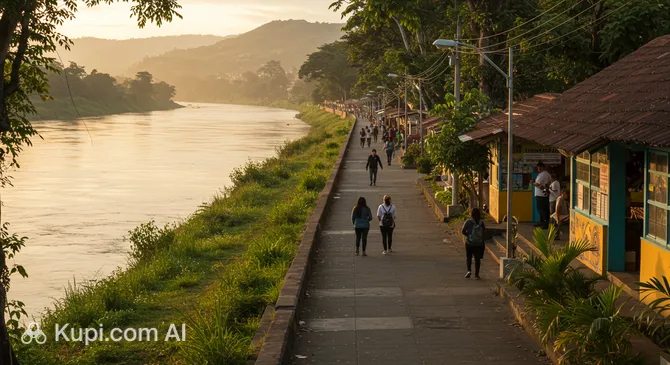
A walk along the embankment would be a wonderful start to the evening. The picturesque Malecón Boayacu Puyo is transformed after dark thanks to its lighting. It is an ideal place for a romantic promenade or a peaceful rest in one of the riverside cafes, where you can enjoy the coolness of the river and the sounds of the night tropics. It is safe and always busy until late in the evening.

Puyo Malecón Boayaku. Illustration.
Source: Kupi.com AI

Traveler photos:

Another important point of attraction is Central Park 12 de Mayo. In the evenings, life around the park is in full swing: street food kiosks open, street musicians perform, and local families go out for a walk. This is a great place to feel the true flavor of the city, try local snacks, and simply observe the life of the citizens before heading to a bar.

Safety and Logistics Tips:

  • The best time to go out is Friday and Saturday after 9:00 PM. On weekdays, many establishments close earlier, around midnight.
  • It is strongly recommended to use an official yellow taxi for moving around at night. A trip within the city is inexpensive (usually 1.50–2.00 dollars). Avoid walking alone in unlit outskirts.
  • It is customary to pay in cash in bars and clubs, so take care of small bills in advance.

As for daytime entertainment, Pastaza offers no less interesting options. If you want to cool off before a wild night, visit the Morete Puyo Water Park—a popular spot with water slides and pools. Culture and nature lovers should check out the OMAERE Ethnobotanical Park to learn more about the traditions of Amazonian tribes, or visit local museums that tell the history of the region.

Parks & Museums

The city of Pastaza, often called the "Heart of the Amazon," is a place where the boundary between the urban environment and wild nature is practically erased. Green zones here do not just decorate the streets; they are an extension of the surrounding jungle, offering tourists a unique opportunity to get acquainted with the flora and fauna of the region without leaving the city limits.

The undisputed gem among natural sites is the OMAERE Ethnobotanical Park. This space is unique because it combines the functions of a botanical garden and a living open-air museum. Here visitors can walk among medicinal plants that have been used by local tribes for centuries and peek into the traditional huts of the Shuar and Waorani peoples. The park is interesting not only for botanists but for everyone who wants to understand the deep connection between indigenous inhabitants and nature.

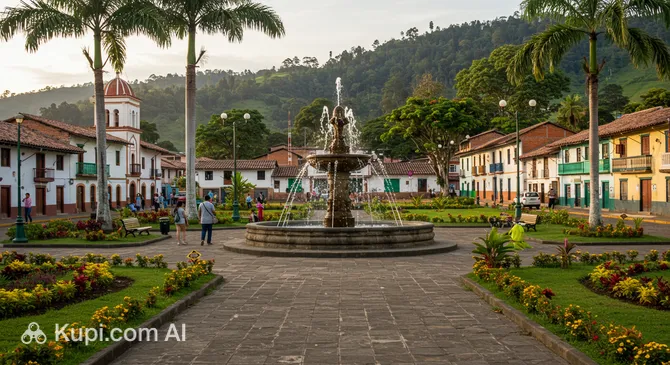
For peaceful walks and getting to know the rhythm of city life, Central Park 12 de Mayo is ideal. This is the historic core of the city, surrounded by important administrative buildings and a majestic cathedral. Local families love to relax in the shade of exotic trees, and the monuments installed here tell of the region's heroic past and its pioneers.

12 de Mayo Central Park. Illustration.
Source: Kupi.com AI

Traveler photos:

Another important green artery of the city is the Malecón Boayacu Puyo. This well-maintained embankment along the Puyo River is a long park-promenade with picturesque views of the tropical forest and river rapids. Tourists are attracted here by the well-kept paths, observation decks, including a high tower with a panoramic view, and the opportunity to observe many birds living in the coastal thickets.

Speaking of museums, Pastaza offers small but informative exhibitions. The main guardian of history is considered to be the Puyo Ethno-Archaeological Museum. Its halls contain an impressive collection of ceramics, ritual objects, and tools of ancient Amazonian cultures. The exhibition allows you to trace the development of the region long before the arrival of colonizers and to understand the life of the tribes that inhabited these lands thousands of years ago.

Also worth mentioning is Casa de la Balsa—a unique gallery-workshop where the art of wood carving is elevated to an absolute. Here you can see surprisingly light and graceful sculptures made of balsa wood, depicting jungle animals and mythical characters. This place is interesting because visitors can often watch the masters at work in real-time.

Among other objects deserving the attention of outdoor enthusiasts is the Morete Puyo Water Park. Although it is more of an entertainment complex, its territory with pools and slides is an excellent example of a modern recreational area in a tropical climate.

Insider Tip: If you want to see something special, look for the small Orquideario (orchid garden), which is often hidden from the eyes of the mass tourist. Hundreds of species of these flowers grow in Pastaza, and the private collections of local enthusiasts can sometimes rival major botanical gardens in beauty and variety of forms.

Getting Around

The public transport system in the city of Pastaza (often called Puyo) is simple and intuitive, perfectly matching the measured pace of life in this Amazonian corner. You won't find a metro, trams, or high-speed trains here. The city is quite compact, and the main means of transport for locals and tourists remain wheeled transport and walking.

City buses run along the main streets and connect the center with outlying districts and suburbs. This is the most budget-friendly way to get around: the fare usually costs only a few dozen cents. Buses run regularly during daylight hours, but you likely won't find a clear schedule at the stops, so it's better to ask locals or drivers if the route goes in the direction you need.

The most popular and convenient form of transport for tourists is the official taxi. Yellow cars with orange license plates can be easily hailed on the street or found at special stands in the center. Trips around the city are inexpensive, usually within the range of 1.50–2.00 USD. Although taximeters are installed in the cars, drivers often use fixed rates for trips within the city limits, so it is recommended to clarify the fare before getting in.

A regional specialty is the wide use of double-cabin pickups, known here as "camionetas." This type of transport is especially relevant if you plan to go to waterfalls or into the jungle with bulky luggage or equipment. Pickups function as off-road taxis and are often based near markets and the bus terminal.

The fare payment system in Pastaza is exclusively cash-based. Transport cards, mobile apps, or contactless payments are not used on buses here. The official currency is the US Dollar. It is strongly recommended to always have small bills (1 and 5 dollars) and coins with you, as bus drivers and taxi drivers often do not have change for large banknotes. Payment on the bus is made to the conductor or driver upon entry.

Given the small size of the central part of the city, many tourists prefer to move around on foot. This allows for a better look at the local architecture and enjoying the atmosphere. If you want more freedom, bicycle rental points can be found in the city, providing an excellent eco-friendly alternative for walks along the embankment or trips to nearby natural attractions.

Accommodation

Where to stay:

Pastaza offers travelers various accommodation options that harmoniously combine comfort and proximity to the wild nature of the Amazon. You won't find high-rise chain hotels of global brands here, but the city and its surroundings are rich in cozy family-run hotels, budget hostels for backpackers, and atmospheric eco-lodges. The main focus of the local hospitality industry is on authenticity and sustainability, allowing guests to fully immerse themselves in the region's unique environment.

When choosing a place to stay, you should be guided by your plans. If transport accessibility and proximity to shops are important to you, choose hotels in the city center, within walking distance of Central Park 12 de Mayo. This is a strategically convenient point for those planning active trips to the surrounding areas by bus or taxi. Another popular area is Barrio Obrero—a tourist quarter with developed infrastructure, many restaurants, and souvenir shops, where life is in full swing until late in the evening.

For those seeking solitude and silence, guest houses and lodges on the outskirts of the city or along the river would be ideal. Staying here will allow you to fall asleep to the sounds of the jungle and wake up with a view of the green hills, while being only a few minutes' drive from civilization. Some of these places are located near the Malecón Boayacu Puyo embankment, offering great opportunities for morning jogs or evening walks by the water.

Booking Tip: Although Pastaza does not suffer from an excessive influx of tourists year-round, during national holidays (for example, Carnival in February-March or Independence Day), the demand for housing rises sharply. On such dates, it is recommended to book rooms a few weeks in advance to guarantee yourself comfortable accommodation at a good price.

The price range in the city is very democratic and accessible to most travelers. A budget room in a hostel or a simple hotel will cost on average from 15 to 25 dollars per night. More comfortable mid-range hotels with air conditioning and breakfast offer rooms in the 30–60 dollar range. Eco-lodges with full immersion in nature can be more expensive. You can book accommodation through popular international online platforms, but many small family hotels prefer direct booking via messengers or social networks.

Nearby Cities

For those who want to explore the surrounding areas, Pastaza serves as an excellent starting point for day trips to several interesting nearby places:

CityPopulationDistance
Puyo33 5571 km
Baños12 99548 km
Tena23 30758 km
Patate13 49759 km
Pelileo66 83662 km

Just an hour and a half to two hours' drive from Pastaza is the city of Ambato, known as the "City of Flowers and Fruits." This journey will allow you to exchange the humid jungle for the cool mountain climate of the Andes. Ambato is famous for its well-kept parks, botanical gardens, and historical estates, such as the Quinta de Juan León Mera. It is a wonderful place for a peaceful walk and to get acquainted with the culture of the mountainous part of Ecuador.

Another excellent destination for a short trip is Riobamba, often called the "Sultan of the Andes." The city is surrounded by majestic volcanoes, including the famous Chimborazo—the highest point in Ecuador. Riobamba attracts tourists with its colonial architecture, beautiful squares, and the opportunity to take stunning panoramic photos of the mountain peaks. A trip here will provide a vivid contrast to the tropical landscapes of Pastaza.

These nearby destinations provide insight into the diverse culture and landscapes of the region.

Shopping & Souvenirs

Shopping

Shopping in Pastaza is not a chase for world brands or a walk through huge malls, but a fascinating immersion into the world of Amazonian crafts and natural products. The city is famous for its artisans who create unique items from natural materials. Here you will find authentic souvenirs imbued with the spirit of the jungle and can purchase the freshest exotic fruits that are hard to find outside the region.

The city's commercial life is concentrated mainly in its historic center. The main shops and stalls are located on the streets adjacent to Central Park 12 de Mayo. Strolling along Ceslao Marín or Atahualpa Street, you will find many small shops offering clothes, shoes, and essential goods. These are the bustling arteries of the city where you can feel the real rhythm of local trade.

There are no large Western-style shopping centers in Pastaza. Instead, small commercial galleries and passages operate, where various boutiques and service points are gathered. This shopping format allows the cozy atmosphere of a small town to be preserved and promotes personal communication with the sellers, who are often the business owners.

The true heart of local trade is the markets. Be sure to visit Mercado Mariscal—the city's main food market. Here, the stalls burst with a variety of tropical fruits: naranjilla, tree tomatoes, pitaya, and dozens of types of bananas. This is an ideal place to try local delicacies and buy edible souvenirs, such as cocoa paste or natural vanilla.

If your goal is unique gifts, pay attention to balsa wood products. Pastaza is known for its artisans who carve remarkably realistic figures of Amazonian birds and animals from this light material. The Malecón Boayacu Puyo embankment area, where local craftsmen often display their work, is a great place to find such souvenirs. Jewelry made from tagua seeds ("vegetable ivory"), ceramics with traditional patterns, and woven "shigra" bags made from agave fibers are also popular.

Most shops in the city are open from 9:00 AM to 7:00 PM from Monday to Saturday. Markets start very early, around 6 AM, and activity there usually subsides by lunchtime. On Sunday, many shops may be closed or operate on a reduced schedule.

As for payment, in Pastaza, as in all of Ecuador, the cult of cash (US Dollar) prevails. Credit cards are accepted only in large supermarkets, some hotels, and restaurants. In souvenir shops and at markets, payment is possible only in cash. It is recommended to always have small bills with you (1, 5, 10, and 20 dollars), as finding change for 50 or 100 dollars can be problematic.

A tax refund system (Tax Free) exists in Ecuador for foreign tourists, but it will be difficult to use it in Pastaza. Most local craft shops and market traders do not participate in this program. Therefore, you should count on a VAT refund only when making large purchases in specialized stores in large cities such as Quito or Guayaquil.

Reached the end of the page?

That means the route is fully explored