Support

Port Said

About

Port Said is a unique cosmopolitan city and a true maritime gateway, marking the entrance to the famous Suez Canal. Located in the northeast of Egypt, it occupies a strategically important point on the world map, connecting the Mediterranean Sea with the Red Sea. This is a place where continents and cultures meet, creating a distinctive atmosphere that blends 19th-century European elegance with the vibrant flavor of the Arab East.

Geographically, the city stretches along the coastline, which provides it with a mild Mediterranean climate, a pleasant departure from the heat of the desert regions. With a population of about 524,000, Port Said is an important economic center and the capital of the province of the same name, yet it maintains a cozy pace of life perfect for leisurely walks. Here, the sea breeze refreshes the streets, and the view of the canal's endless waters fascinates travelers.

Unlike the ancient capitals of the Pharaohs, this city appeared on the map relatively recently—in 1859. The fascinating history of Port Said began with the first strike of a pickaxe during the construction of the Suez Canal, turning a modest settlement into a thriving international port. This heritage is felt everywhere: from grand colonial buildings with carved wooden balconies to the old lighthouse, which became a symbol of the engineering progress of that era.
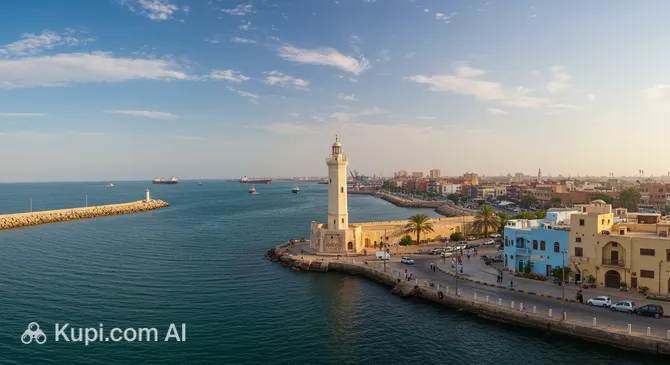
Port Said. Illustration.
Source: Kupi.com AI

The main draw for tourists lies in the city's authenticity and picturesque views. There is no noisy bustle of typical "all-inclusive" beach resorts here; instead, there is a magnificent waterfront where you can walk for hours, watching giant ships pass through the canal literally within arm's reach. Port Said is also famous for its special duty-free trade zone and excellent fresh seafood cuisine, making it an attractive destination for foodies and shopping enthusiasts.

Port Said is worth visiting to see a "different," non-touristy Egypt—maritime, open, and slightly nostalgic. This city will give you unforgettable sunsets over the canal, a warm welcome from the locals, and a sense of being part of the great history of world navigation.
Weather Overview

The climate in Port Said can be described as mild Mediterranean, which favorably distinguishes it from the hotter inland regions of the country. Thanks to its coastal location, it is comfortable to visit for most of the year. Summer, lasting from June to September, is hot and sunny: average temperatures hover around 26–28°C, and maximum values in July and August can reach 31.4°C. During this period, there is practically no precipitation, and the sky remains clear.

Winter in the city is mild and cool, but not cold. From December to February, the average temperature is about 15–17°C, and the nightly minimum rarely drops below 12°C. These winter months account for a small amount of precipitation: for example, in January and February, there can be up to 5 rainy days, which refreshes the air and the greenery in city parks.

Expect warm, dry summers, ideal for walks by the sea, and cool winters with variable cloudiness. To choose the best dates for your trip and see a detailed forecast, check the weather in Port Said on our website.

Average monthly temperature

Average monthly precipitation

Interesting Facts

In addition to its main attractions, Port Said holds many fascinating secrets and urban legends that reveal the city from a new perspective. Here are some surprising facts to help you better understand the spirit of this place.

  • A World Record in Construction. One of the city's main points of pride is the Port Said Lighthouse. It is not just a navigation tower, but the world's first structure of its kind to be built from monolithic reinforced concrete back in 1869. It became a symbol of 19th-century engineering progress and has been preserved to this day as a monument of that era.

  • Local Omens. Residents of Port Said possess a unique maritime intuition that has become a true local legend. It is said that native residents can unerringly identify a ship's type just by its silhouette on the horizon and predict the weather not by forecasts, but simply by looking at the shade of the water in the Suez Canal.

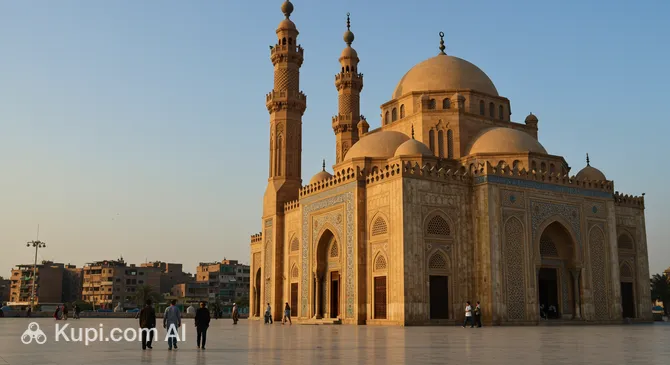
  • Architectural Eclecticism. The city is famous for its multicultural heritage, where European Art Deco style and colonial mansions coexist harmoniously with Eastern traditions. A striking example of elegant architecture is the Al-Salam Mosque and other religious buildings that give the streets a unique flavor.

  • A Phenomenon City. Interestingly, Port Said emerged practically from nothing. Founded in 1859 simultaneously with the start of work on the canal, it transformed from a tiny fishing village into a thriving international port and duty-free zone in just a few decades.

Al Salam Mosque. Illustration.
Source: Kupi.com AI

Traveler photos:

How to Get There

When planning a trip to this important maritime hub, keep in mind that most routes pass through the country's major transport hubs, as the city itself does not have an active passenger airport. You can find out more about how to get to Port Said, including schedules and fares, on our dedicated page; below, we will look at the main air gateways and land routes.

The most convenient and popular way to reach the region is by flying into the capital. Cairo International Airport (IATA: CAI) is Egypt's main air gateway, receiving flights from all over the world. It is located in Cairo, approximately 153 km from Port Said. The journey from the capital's airport by taxi or private transfer will take about 2.5–3 hours, depending on traffic. Comfortable intercity buses also depart from here regularly.

As an alternative, you can consider flying into Borg El Arab Airport (IATA: HBE), located in Alexandria, at a distance of about 251 km. This is a good option if you plan to combine a visit to two coastal cities. Another option is the new Sphinx International Airport (IATA: SPX) in Giza (186 km from Port Said), which is convenient for those who want to see the pyramids before heading to the sea.

For your convenience, here is a summary of the main airports:

AirportPassenger trafficDistance
Cairo International Airport26 mln153 km
Giza Sphinx1.2 mln186 km
Borg El Arab Airport1.7 mln252 km
Ben Gurion International Airport21.1 mln259 km

As for land transport, the railway network in Egypt is quite well-developed. While we don't list a detailed table of stations, you should know that Port Said Railway Station is located in the city center and receives trains from Cairo and Alexandria. A train trip is a budget-friendly and colorful way to reach the city, allowing you to see the Nile Delta from your window. Travel time from Cairo is about 4 hours. Additionally, numerous buses from companies like East Delta, Super Jet, and Go Bus run between cities and are often faster than trains.

Main Attractions

Port Said is a city where history comes to life against a backdrop of maritime landscapes. Its architectural appearance was shaped by European traditions and Arabic flair, creating a unique atmosphere for exploration. A discovery of the city should begin with its most iconic sites, which tell the story of its great engineering past and the modern life of Egypt's northern gateway.

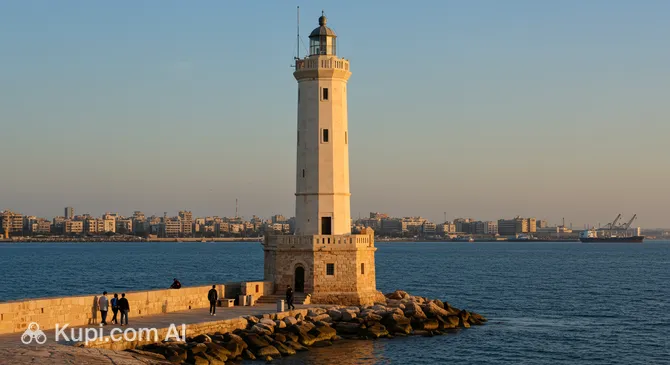
The undisputed symbol of the city is the famous Port Said Lighthouse. It is not just a navigational aid, but a true monument to 19th-century engineering. Built in 1869, it was the first lighthouse in the world to be constructed of reinforced concrete. Its 56-meter-high octagonal tower served as a landmark for ships entering the Suez Canal for a long time. Tourists come here to touch history and take stunning photos against the backdrop of this majestic structure, which still dominates the waterfront.

Port Said Lighthouse. Illustration.
Source: Kupi.com AI

Traveler photos:

The heart of tourist life is rightfully considered to be the De Lesseps Walk. This picturesque promenade stretches along the entrance to the canal and is named after Ferdinand de Lesseps, the diplomat and engineer who led the construction of the waterway. This is where the pedestal where his statue once stood is located. The alley attracts travelers with the opportunity to watch giant container ships and cruise liners passing just a few meters from the shore. It is an ideal spot for an evening stroll, where you can enjoy the sea breeze and views of Port Fuad on the opposite bank.

For those who want to relax surrounded by greenery while enjoying the panorama, Egypt Square is an excellent choice. This well-maintained public space is located right by the water, offering a magnificent view of the passing vessels. The square is decorated with manicured lawns and palm trees, making it a popular spot for family vacations and picnics. City events are often held here, and the peaceful atmosphere is perfect for contemplating the maritime scenery.

History buffs will be interested in visiting the Port Said Military Museum. The museum's exhibition covers various periods, from the era of the Pharaohs to modern history, but the main focus is on the events of the 20th century and the history of the Suez Canal. An open-air collection of military equipment, including tanks and aircraft, is displayed on the museum grounds, while the halls feature dioramas, documents, and personal belongings of those involved in historical events. This site allows for a deeper understanding of the city's strategic importance.

Local Cuisine

The culinary map of Port Said is a true feast for gourmets, where Egyptian traditions intertwine with the bounty of the Mediterranean. Thanks to the city's unique location, fresh seafood dishes reign supreme here. Fishing boats deliver their catch directly to the doors of local establishments every morning, so the taste of squid, shrimp, and mussels here is exceptionally rich and fresh.

If you want to experience the true flavor of the city, be sure to order Sayediya fish. This is a famous local dish consisting of fish baked with rice, onions, and a rich blend of spices that give the food a unique aroma. Another gastronomic hit is the "seafood feta" hot appetizer, where tender sea delicacies are simmered in a spicy tomato sauce with garlic. For the freshest ingredients and a characteristic atmosphere, head to the Port Said Fish Market, where the fish you choose can be prepared right on the spot in one of the nearby restaurants.

Street food in Port Said deserves special attention. At local markets and on busy streets, you should try kushari—a hearty dish made of a mix of rice, pasta, lentils, and fried onions, prepared here with a special local touch. Fresh flatbreads with tahini sauce are also popular and perfect for a quick snack during a walk.

For lovers of pastries and sweets, the city has its own cozy corners. For example, Tabey Bakery offers an excellent selection of fresh bread and traditional desserts. It is customary to end a meal with a small glass of strong tea with mint—the main drink of Egyptian hospitality, which is wonderfully refreshing in the heat. Alcohol is rare in traditional establishments, but it is usually available in tourist restaurants and hotels.

The dining culture here is democratic: locals love to gather in large families in fish restaurants or have picnics on the waterfront. During the warmer months, the city hosts street food festivals where you can not only taste exotic spices and sweets but also participate in masterclasses on preparing national treats.

Travel Tips

Port Said is a city with a special character, where the sea breeze mixes with the scent of spices, and the history of the Suez Canal is felt at every step. To ensure your trip to Egypt goes smoothly and leaves only pleasant memories, we have prepared a list of useful recommendations to help you feel confident in this port city.

  1. Wardrobe and Dress Code. Although Port Said is an open port city, local traditions call for modesty. Tourists don't need to cover up from head to toe, but women are advised to avoid very short skirts and deep necklines, especially when visiting markets or the old town. For walks along the long promenade, be sure to bring comfortable shoes. In winter, evenings can be windy and cool, so a light jacket or windbreaker will be necessary.

  2. Transport Specifics. There is no metro in the city, and the most convenient way to get around is by taxi (white and blue cars). Important: always agree on the price before getting in, as meters are often not turned on. To cross to the satellite city of Port Fuad, use the ferry—it's free for pedestrians and operates 24/7. Apps like Uber may be unstable, so it's better to have cash for a regular taxi.

  3. Money and Tipping. The main currency is the Egyptian pound. Large hotels and restaurants accept cards, but in souvenir shops, taxis, and "local" cafes, you will need only cash, preferably in small denominations. The culture of "bakshish" (tipping) is widespread in Egypt: it is customary to leave a small amount for service staff, porters, and even restroom attendants.

  4. Health and Hygiene. Never drink tap water—use only bottled water even for brushing your teeth. The sun is strong here even with a cool breeze, so SPF cream and a hat are a must. Pharmacies are common in the city; many pharmacists speak English and can help with selecting medicine for simple ailments.

  5. Communication and Internet. Wi-Fi in public places can be slow. For reliable communication and map usage, it's better to buy a local SIM card (Vodafone, Orange, Etisalat, or WE) at an official store by presenting your passport. English is understood in tourist zones, but learning a couple of words in Arabic, such as "shukran" (thank you) and "salam" (hello), will earn you special respect from the locals.

  6. Etiquette and Interaction. Egyptians are very friendly and may start a conversation with you on the street. Respond politely, but if services are offered too insistently, a firm "la, shukran" (no, thank you) is usually enough. Avoid public displays of affection (kissing and hugging)—it is not accepted in society. Before photographing a colorful local resident, always ask for permission.

  7. Strict Prohibitions. Port Said is a strategically important site due to the Suez Canal. It is strictly forbidden to photograph military facilities, police posts, bridges, and government institutions. Also, do not photograph the Canal Authority building itself without permission. Violating this rule can lead to the deletion of photos or trouble with the police.

  8. Gourmet Tip. If you plan to visit the famous fish market, arrive before lunch when the selection of seafood is largest. Don't hesitate to ask to have your purchased fish cooked in one of the ovens ("forn") right at the market—it's the cheapest and tastiest way to try local delicacies.

Port Said reveals itself to those who respect its traditions and pace of life. Follow these simple tips, show friendliness and common sense, and the city will welcome you like an old friend, offering a unique opportunity to see the meeting point of two continents and two seas.

Entertainment & Nightlife

Nightlife in Port Said has its own unique, inimitable character. Unlike the noisy resorts of the Red Sea, you won't find an endless string of discos until dawn here. Evening leisure in this city is more of a tribute to the traditions of the "sweet life" (dolce vita) in an Eastern style: long walks, lively conversation in coffee shops, and enjoying the sea breeze. The city comes alive after sunset when the heat subsides and locals head out into the streets with their families.

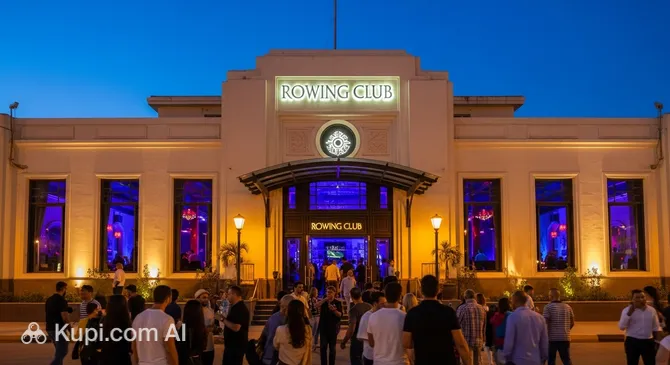
The epicenter of evening activity is the waterfront and the adjacent quarters. One of the popular magnets for those looking for a comfortable stay with a water view is the Rowing Club. Despite its sporting name, this establishment (often categorized as a club) serves as a great place for evening meetings. It offers a more sophisticated atmosphere than typical cafes, and you can enjoy a pleasant time in good company with drinks and snacks.

Rowing Club. Illustration.
Source: Kupi.com AI

Traveler photos:

If you want to feel the pulse of the city, head to the shopping districts. Many shops and markets stay open until late evening. El-Souk El-Togari is particularly colorful after dark. Lights come on in the evening, and trading is even busier than during the day. It's a great place for a night promenade where you can buy souvenirs or just observe local life.

The gastronomic part of the night is equally diverse. For lovers of modern cuisine and late-night snacks, Moodz Burger is a popular spot among young people. Places like this often become gathering points for locals to discuss the latest news. The dress code in most places is casual (smart casual), but it’s worth remembering local norms: beachwear in the city during the evening is inappropriate.

Regarding safety, Port Said is a friendly city. Central streets, such as Al-Gomhouria Street and the waterfront area, are well-lit and safe for walking until midnight. However, as with anywhere, it's best to avoid dark alleys on the outskirts. For nighttime travel, it's best to use official taxis or ride-hailing apps, as public transport runs less frequently.

The daytime entertainment program in the city is more relaxed and cultural. Travelers can visit local theaters, where folklore performances are sometimes held, or stop by city parks such as El Montaza Park to take shelter in the shade of the trees. Museums and historical buildings are also open during the day, typically closing by evening.

Parks & Museums

Despite Port Said being primarily known as a major trading port and the northern gateway to the Suez Canal, the city boasts cozy green zones and interesting cultural venues. Here, you can take a break from the sea breeze in the shade of trees or immerse yourself in the region's heroic past by visiting local museums.

Among the city's green oases, El Montaza Park is particularly popular. This well-kept space with wide alleys and flower beds is perfect for family walks and picnics. Locals love to come here in the evenings to enjoy the peaceful atmosphere away from the noisy waterfront. Another notable area is the History Garden. As the name suggests, this place combines natural beauty with memories of the past: steles and monuments telling the story of important milestones in the city's life are set among the greenery.

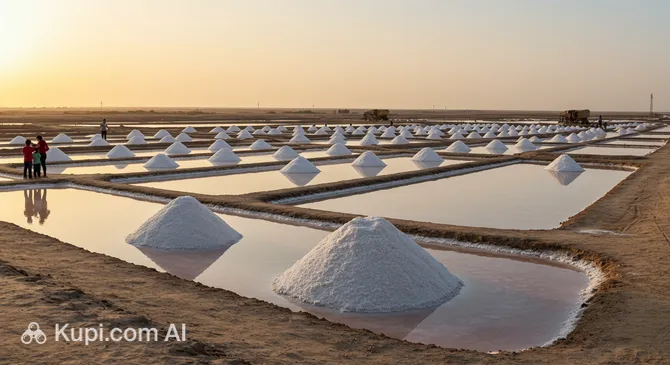
A completely unique natural attraction that has become a hit on social media is the Salt Mountain in Port Fuad (the satellite city on the other side of the canal). These snow-white salt hills resemble snowy peaks so much that tourists visit specifically for unusual "winter" photos in Egypt's hot climate. This place offers a surreal experience and even allows for sliding down the slopes as if at a ski resort.

Salt Mountain. Illustration.
Source: Kupi.com AI

Traveler photos:

The cultural life of the city is inextricably linked with its strategic importance. The main guardian of memory is the Port Said Military Museum. Its exhibition is dedicated to various 20th-century events that affected the city and the history of the Suez Canal's nationalization. Of particular interest to visitors is the open-air area, where samples of both captured and Egyptian military equipment, including tanks and aircraft, are displayed.

Art lovers should pay attention to the Port Said Museum of Modern Art. Its halls house an impressive collection of works by contemporary Egyptian painters, sculptors, and graphic artists. This is an excellent opportunity to discover a creative perspective on the country's history and culture through the lens of 20th and 21st-century art.

Insider Tip: If you enjoy bird watching, head to Lake Manzala, located west of the city. This vast shallow lake is home to many migratory birds, and in certain seasons, you can see flocks of pink flamingos and pelicans in their natural habitat.

Getting Around

The public transport system in Port Said is fairly simple and differs from what tourists are used to in large metropolises. You won't find a metro, trams, or trolleybuses here. The city is compact, and its transport network is built on agile and accessible means of travel that allow you to reach any point quickly.

The main mode of transport for locals is microbuses (minivans). They run on fixed routes, covering all areas of the city. Stops are often on demand: to get on, just wave your hand at an approaching vehicle, and to get off, loudly ask the driver to stop. This is the most budget-friendly way to get around, but be prepared for it to be crowded during rush hours.

The most comfortable option for a tourist remains the taxi. In Port Said, taxi cars are usually painted white and blue. Meters are rarely used, so it is critically important to agree on the price of the trip in advance before you get into the car. Prices here are quite reasonable, and a trip within the center will be inexpensive. Don't hesitate to bargain—it's part of the local culture.

A unique feature of the city's transport system is the ferry crossing across the Suez Canal, connecting Port Said with its satellite city, Port Fuad. Ferries (locals call them "Maadiya") run around the clock at short intervals. For pedestrians, the ride is absolutely free, making this trip not just a way to reach the other shore, but also a fascinating mini-cruise with a view of passing ships. This is the only mode of transport that allows you to move from Africa to Asia in just a few minutes.

Regarding payment, cash is king in Port Said. There are no transport cards, passes, or mobile apps for paying for buses here. Always have small bills and coins (Egyptian pounds) with you, as microbus and taxi drivers often don't have change for large banknotes. In microbuses, money is passed to the driver through other passengers or directly upon entry.

Alternative modes of transport, such as car-sharing or organized bike rentals, are not yet developed in the city. Car rental is possible but not recommended for inexperienced drivers due to chaotic local traffic and specific driving styles. Given the flat terrain and city layout, the center of Port Said and the waterfront are most pleasant and easiest to explore on foot.

Accommodation

Accommodation in Port Said has its own unique features that set it apart from typical Red Sea resorts. Here, you won't find an endless series of giant "all-inclusive" hotel complexes; instead, the city offers a wide selection of urban hotels: from budget pensions in historical buildings to modern complexes on the Mediterranean coast. Housing here caters to both business travelers and tourists wishing to enjoy the sea breeze and history.

When choosing an area to stay, most tourists prefer the city center and the area along the waterfront (Corniche). By staying here, you'll be within walking distance of major attractions, shops, and restaurants, and many rooms offer breathtaking views of ships passing through the Suez Canal. For those seeking peace and privacy, an interesting option is to stay on the other side of the canal—in the satellite city of Port Fuad, where the atmosphere resembles a quiet suburb with villas and gardens.

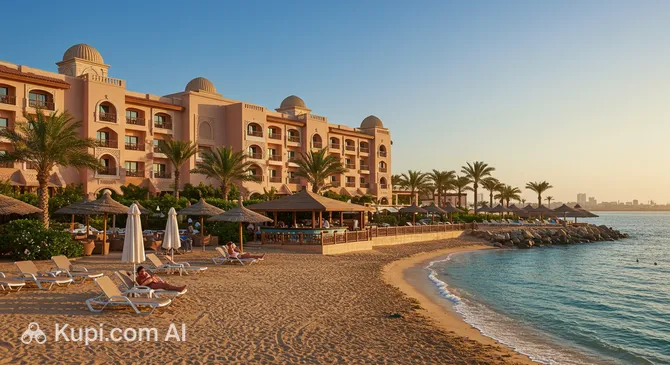
Among specific accommodation options, complexes offering a full seaside holiday are worth highlighting. For example, the Port Said Resort and Beach is a popular spot located directly at the water's edge. The hotel is suitable for those who want to combine city sightseeing with beach leisure, enjoying comfort and well-developed infrastructure.

Port Said Resort & Beach. Illustration.
Source: Kupi.com AI

Traveler photos:

Another well-known location is the Marhaba Tourist Village. This complex is often chosen by families and large groups due to its spacious grounds and relaxed atmosphere, allowing for a break from the city bustle without moving far from civilization.

Booking Tips and Prices:

  • Seasonality: Peak demand for accommodation occurs during the summer months (June to September), when many Egyptians come here from Cairo to escape the heat. During this time, as well as on national holidays, rooms should be booked in advance—at least a few weeks ahead.
  • Price Range: In general, prices in Port Said are lower than in Sharm El Sheikh or Hurghada. You can easily find decent mid-range options (3-4 stars) at an affordable price. The luxury segment is limited.
  • How to Book: Large hotels are available through popular international online platforms. However, small budget hotels often only work through direct phone booking or check guests in upon arrival, preferring payment in cash in local currency.

Nearby Cities

For those looking to explore the surroundings, Port Said serves as an excellent starting point for day trips to several interesting nearby locations. The city's convenient location on the Mediterranean coast makes it easy to reach other towns in the Nile Delta.

One of the most accessible destinations is Damietta, located less than an hour's drive away. This port city is famous for its furniture industry and historical center. Here you can stroll along the promenade, see where one of the branches of the Nile flows into the sea, and experience the authentic life of the region.

Another interesting option is a trip to Ismailia, often called the "City of Gardens." Located on the banks of Lake Timsah and the Suez Canal, Ismailia enchants with its greenery and beautiful colonial-era architecture. It is a wonderful place for a peaceful rest by the water and for learning about the history of the construction of the famous canal.

CityPopulationDistance
Port Fuad70 4172 km
Al Gamaliyah97 68243 km
Mit Salsil47 21749 km
Damietta206 66449 km
Izbat al Burj70 00051 km

These nearby destinations provide a more complete picture of the diversity of culture and landscapes in northern Egypt, complementing the experience of staying in Port Said.

Shopping & Souvenirs

Shopping in Port Said is an adventure in itself, attracting not only foreign tourists but also Egyptians themselves. For a long time, the city held the status of a free economic zone, and although the rules have changed over time, its reputation as Egypt's "trading paradise" remains. Here you can find high-quality clothing, textiles, and imported goods at prices that are often lower than in Cairo or at Red Sea resorts. Browsing the shops here is not just about making purchases, but about immersing yourself in the lively, bustling atmosphere of a port city.

The heart of the city's commercial life is its central streets, which run parallel to the waterfront. The most famous place for shopping is considered to be El-Souk El-Togari (the Commercial Market). This is an entire quarter filled with shops selling clothes, shoes, and accessories. A lively atmosphere reigns here: windows are full of variety, sellers actively invite customers, and trade continues deep into the night. It's an ideal place to update your wardrobe or simply observe the local flavor.

Unlike Dubai or Cairo, there aren't many giant modern malls in the conventional sense in Port Said. Trade here is concentrated in passages and on commercial streets. Nevertheless, you can find several modern shopping complexes and outlets in the city center, featuring both international brands and high-quality local labels. Special attention should be paid to shops selling Egyptian cotton—home textiles and clothing made from it are famous for their durability and softness.

The markets of Port Said deserve special mention, as they are the soul of the city. If you are looking for gastronomic experiences, be sure to stop by the Port Said Fish Market. Even if you don't plan on buying fresh fish, it's worth visiting for the spectacle: counters are overflowing with shrimp, crabs, and a variety of sea fish caught just a few hours ago. The city also has spice markets where you can buy aromatic seasonings, hibiscus tea (karkade), and traditional Eastern sweets.

As souvenirs from Port Said, tourists most often bring back cotton products (towels, bed linen, t-shirts), leather bags and belts, as well as spices. Given the city's maritime nature, nautical-themed souvenirs are popular: shells, ship models, and, of course, figurines related to the history of the Suez Canal. Don't forget about dates and oriental oils, which make excellent gifts for loved ones.

Shops in Port Said usually open quite late, around 10:00 or 11:00 AM, but they also stay open late into the evening, often until midnight, especially during the summer season. Keep in mind that on Fridays (the day off in Muslim countries), many shops may be closed in the first half of the day until Friday prayers end. The primary method of payment is cash in Egyptian pounds. Cards are accepted in large stores and supermarkets, but you won't get by without cash in markets and small shops. Bargaining is appropriate almost everywhere, except in stores with fixed prices (usually marked with "Fixed Price" stickers).

As for the Tax Free system (VAT refund), it exists in Egypt for foreign tourists on purchases over a certain amount in authorized stores. However, in Port Said, given the nature of local trade (many small private shops), it can be difficult to find stores that issue tax refund receipts. Therefore, it is better to focus on the initially attractive prices and the opportunity to bargain rather than counting on a tax refund at the airport.

Reached the end of the page?

That means the route is fully explored