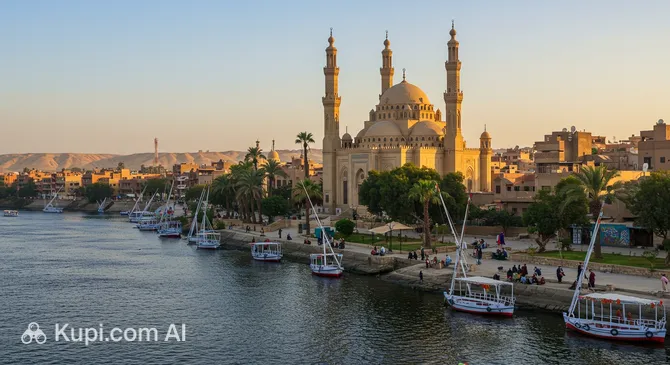
Located on the eastern bank of the majestic Nile, Qena is the capital of the governorate of the same name and one of the most authentic cities in Upper Egypt. This bustling center, with a population of about 200,000, serves as a vital link between the Nile Valley and the Red Sea coast. Qena. Illustration.
Source: Kupi.com AI
The rich history of Qena is rooted in antiquity, when the city was known as Cainepolis and Maximianopolis. Today, it offers a fascinating blend of Pharaonic heritage, early Christian monuments, and exquisite Islamic architecture. Qena has been recognized several times by international organizations, including UNESCO, as one of the most well-maintained and beautiful cities in the region.
For the traveler, Qena offers a chance to see the real, non-touristy Egypt. The city is famous for its traditional crafts, especially its unique pottery, and its picturesque landscapes where green agricultural lands meet the rugged outlines of the surrounding mountains. A visit to this city will be an unforgettable experience for those seeking historical depth and genuine hospitality away from the crowded resorts.
Weather Overview
Qena is located in a hot desert climate zone, which dictates the weather throughout the year. This region is characterized by an almost complete absence of rainfall and very low air humidity. If you are planning a trip, it's worth checking the city's climate in advance to choose the most comfortable time.
Summer in Qena is extremely hot: from June to August, daytime temperatures regularly exceed +40°C, and sometimes even reach +45°C. Winter, on the other hand, is very mild and pleasant for walking—during the day the air warms up to a comfortable +21°C...+24°C, though nights can be quite cool (down to +7°C), so a warm sweater in your suitcase won't be out of place.
You most likely won't see any rain in Qena—only a negligible amount falls throughout the entire year. The most pleasant time to visit is from late October to March, when the sun shines brightly but the heat remains moderate, allowing you to spend long hours outdoors exploring ancient temples.
Average monthly temperature
Average monthly precipitation
Interesting Facts
Sugar Capital: Qena is the leader in Egypt's sugar production—growing about 60% of the country's entire sugarcane crop.
A Unique Shrine: The city is home to the only monastery in the country named after the Cross, and a church considered the second most important in the world after the one in Jerusalem, attracting many pilgrims.
Legend of the Magic Lake: Ancient legends say that a local lake was dug by King Kaftim, grandson of the biblical Noah, and had the power to paralyze birds flying over it.
City of Potters: Pottery from Qena is famous throughout the Nile Valley for its durability and special style, the secrets of which are passed down through generations.
Recognized Beauty: The city has officially won awards from UNESCO as one of the cleanest and most aesthetically pleasing cities in the Arab world.
How to Get There
Thanks to its location at the intersection of important routes, Qena is a strategic transport hub in Upper Egypt. You can find the best way to plan your route in the section describing how to get to the city. Most tourists arrive from neighboring Luxor, which is about a 1.5–2 hour drive by car or tour bus along a scenic road following the Nile.
For travelers from Cairo, the railway is the most convenient option. Trains connect Qena with the capital and major southern cities like Aswan. A train ride allows you to enjoy the changing landscapes of the Nile Valley, with the journey from Cairo taking about 6 hours. Bus services are also well-developed, with regular trips connecting the city to the Red Sea coast, including the popular Hurghada.
While Qena does not have its own airport, the nearest major air gateway is in Luxor, from where it is easy to reach the city by taxi or transfer. Qena's railway station is located in the central part of the city, making it a convenient starting point for further exploration.
Station
Passenger traffic
Distance
Luxor Railway Station
5
51 km
Aswan railway station
4
228 km
Main Attractions
The main treasure that brings travelers from all over the world to this region is the Dendera Temple complex. Located just 5 kilometers from the city, this temple is considered one of the best-preserved in Egypt. Its massive columns and ceilings are decorated with unique astronomical maps and scenes, including the famous "Dendera Zodiac," while the inscriptions on the walls hold the secrets of Queen Cleopatra's era.
In the heart of the city, the Qena Museum is well worth a visit, housing archaeological finds that illustrate the region's life over millennia. Walking through the streets, it is impossible to miss the magnificent mosques, whose minarets and domes showcase the skill of Islamic architects. One of the most revered is the Sidi Abdel Rahim al-Kenawi Mosque, which has become an important spiritual center for the city.
For those interested in Christian heritage, Qena offers unique Coptic routes. Here you can visit ancient churches and monasteries that have preserved their traditions for centuries. After a busy day of sightseeing, you can stop by cozy spots like MOODS Restaurant and Cafe or Puccini Restaurant and Cafe to relax and soak in the city's atmosphere.
Local Cuisine
The gastronomy of Qena is an ode to the traditions of Upper Egypt. Local cuisine relies on the freshest products of the Nile Valley: juicy tomatoes, bananas, and sesame. Be sure to try the classic koshary—a hearty dish of rice, pasta, and lentils—as well as fatta—a festive meal made of layers of bread, rice, and tender meat under a garlic sauce.
Dishes cooked over an open fire hold a special place in the local diet. Meat kebabs, infused with the aroma of charcoal, are served with traditional flatbreads baked in clay "furn" ovens. Among drinks, karkade is king—a hibiscus petal infusion served both hot and ice-cold, providing the perfect escape from the southern heat.
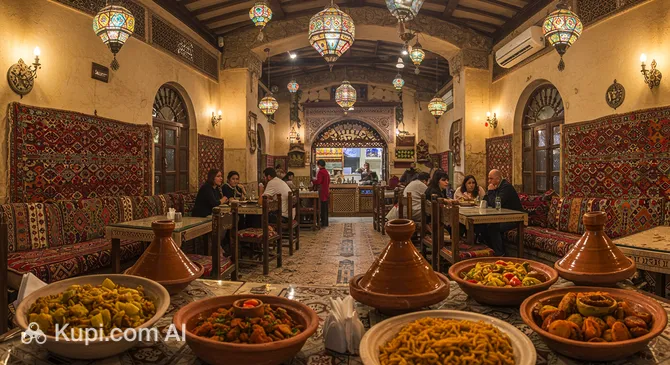
To experience a modern interpretation of local and European flavors, head to MOODS Restaurant and Cafe. This place is famous for its atmosphere and quality cuisine. MOODS Restaurant & Cafe. Illustration.
Source: Kupi.com AI
Traveler photos:
Also, Puccini Restaurant and Cafe is an excellent choice for enjoying desserts and great coffee. The food culture in Qena is very hospitable: at local markets, you'll often be offered fresh fruit, and small restaurants serve portions easily large enough for two.
Travel Tips
A visit to Qena will give you an unforgettable impression of authentic Egypt, and to ensure your trip goes smoothly and comfortably, follow these practical tips.
Clothing and Dress Code: Choose clothing made of natural fabrics (linen, cotton). Qena is a conservative city, so it is best to prefer modest clothing that covers shoulders and knees, especially when visiting mosques and monasteries.
Best Time to Visit: The ideal period is from October to April. During the summer months, the heat can exceed +40°C, making sightseeing extremely exhausting.
Getting Around Town: For trips to the Dendera Temple, negotiate the price with taxi drivers in advance or ask hotel staff to call a trusted car.
Finances: Always carry a supply of cash in Egyptian pounds in small denominations. Cards are only accepted in large hotels and some modern establishments.
Communication: English is less common here than in Hurghada. Install an offline translator and learn basic Arabic greetings—this is highly appreciated by locals.
Health: Drink only bottled water and always use sunscreen, even if the sky seems cloudy.
Local Etiquette: Always remove your shoes when entering a home or a mosque. Taking photos of government buildings and bridges is strictly prohibited.
What to Avoid: Do not accept pushy offers for "free" tours from strangers on the street—always clarify the terms and cost in advance.
Following these simple rules will help you focus on the beauty and history of this amazing region and make your stay in Qena truly enjoyable.
Entertainment & Nightlife
Nightlife in Qena is significantly different from Western standards or resort centers. You won't find noisy nightclubs or discos here, as local leisure revolves around traditional values and quiet socializing. Evening activity moves to the numerous "kahwas"—traditional cafes where men gather over cups of strong coffee or tea to play backgammon and discuss the latest news.
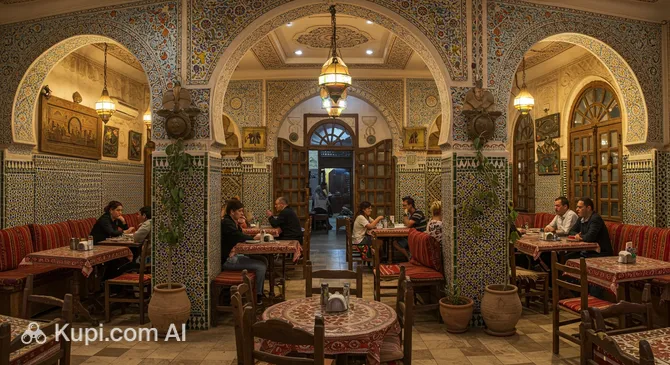
For tourists, the most comfortable places for evening relaxation are modern establishments offering both local and international cuisine. MOODS Restaurant and Cafe is a popular choice for spending a pleasant evening in a calm setting. Also worth noting is Puccini Restaurant and Cafe, known for its quality service and cozy interior. Puccini's Restaurant & Cafe. Illustration.
Source: Kupi.com AI
Traveler photos:
The city takes on a special charm during religious and folk festivals, the most significant being the Mawlid of Abdel Rahim al-Kenawi. During these times, the streets are transformed, filled with music, bright lights, and festive processions. On ordinary days, the best evening leisure option is a leisurely stroll along the Nile embankment or the local bazaar, which takes on a special color in the evening hours.
Parks & Museums
The natural beauty of Qena is inextricably linked to the Nile River. The city is surrounded by lush agricultural lands that create a vibrant green belt against the backdrop of the desert mountains. Although there are no massive formal parks in the city, the Nile embankment serves as the main recreational area where you can enjoy the breeze and river views in the shade of sprawling trees.
The city's cultural program centers on the Qena Museum. This compact but informative collection of artifacts allows you to trace the region's development from ancient kingdoms to the Islamic era. The museum is an excellent introduction to the history before visiting the Dendera Temple, which is a giant open-air museum in its own right, impressive for the scale of its halls and the detail of its bas-reliefs.
It is also worth paying attention to the spiritual architecture: the city's mosques and Coptic churches function as living historical monuments. They are of interest not only to believers but also to art lovers thanks to their unique finishes and atmosphere of tranquility. After a cultural walk, many tourists prefer to relax at Puccini Restaurant and Cafe to discuss what they've seen over a cup of coffee.
Getting Around
The transport system in Qena is typical of most Egyptian provincial cities. The backbone of public transport consists of microbuses (minibuses) that run on fixed routes, connecting different districts of the city and nearby villages. This is the cheapest way to get around, but it requires some savvy from the tourist: there is no set schedule, and drivers depart as the vehicle fills up.
A more comfortable alternative for travelers is the taxi. In Qena, taxis are easy to recognize by their distinct colors. It is important to remember that meters are rarely used here, so the price of the trip must be agreed upon in advance, before you get into the car. For trips to more distant attractions, such as the Dendera Temple, it is best to hire a taxi for several hours or for the whole day.
Railway connections in Qena are excellent—the station handles trains traveling from Cairo to Luxor and Aswan. Within the city, bicycle rentals or car-sharing services are not developed, so walking combined with taxi rides remains the optimal choice. Remember that traffic jams can occur on main streets during peak hours, so plan your travel time with a small buffer.
Accommodation
The hotel infrastructure in Qena is primarily geared toward business travelers and tourists who prefer authenticity over luxury. You won't find massive five-star international chain complexes here, but there is a decent selection of mid-range hotels and cozy guest houses that allow for a deeper immersion into local life.
Most accommodation options are concentrated in the city center, near administrative buildings and the Nile embankment. This is convenient for those planning to see local sights or those on a transit trip. Accommodation prices in Qena remain very affordable compared to Luxor or the seaside resorts.
When planning a visit, especially during major holidays or festivals, it is recommended to book your room in advance. Since the tourist flow here is not as large as in neighboring cities, the number of high-quality rooms is limited. After checking in, you can relax and have a bite at popular spots like MOODS Restaurant and Cafe, which often serve as social hubs for visitors.
Nearby Cities
Qena is an ideal base for exploring the treasures of Upper Egypt. Just 6 kilometers away is Dendera, home to one of the most magnificent temple complexes of the ancient world. It can be reached in a few minutes by taxi, making it a must-visit destination.
Slightly further south are the historic towns of Qift and Naqada. These places attract researchers with their archaeological heritage dating back to the Predynastic period and their traditional weaving centers. A trip to these towns allows you to see provincial Egyptian life without the crowds and bustle. Also worth noting is Nag Hammadi, known for its important role in the region's industrial and religious history.
City
Population
Distance
Dendera
53 109
6 km
Qift
22 063
20 km
Naqada
21 530
28 km
Shanhur
9 314
33 km
Nag Hammadi
45 038
49 km
Of course, the most popular day trip is a visit to Luxor, located 63 km away. This proximity allows tourists to combine a peaceful stay in Qena with sightseeing at the famous Valley of the Kings and Karnak Temple, returning in the evening to the more secluded atmosphere of their hotel.
Shopping & Souvenirs
Shopping in Qena primarily involves visiting traditional bazaars where time seems to have stood still. The central souk (market) is a labyrinth of narrow streets filled with the aroma of spices and the noise of lively trade. You won't find huge shopping malls with global brands here, but there are genuine handmade treasures that you won't find in the tourist shops of Cairo.
The main souvenir to bring home from Qena is local pottery. The city's craftsmen are famous for making elegant water vessels (kulla), decorative plates, and figurines using traditional techniques. Also at the market, look for high-quality textiles, cotton products, and a large selection of spices grown on the fertile lands of the governorate.
Shops and stalls usually operate from morning until late evening, with a break during the hottest afternoon hours. Payment is most often made in cash in the local currency, Egyptian pounds. Bargaining in the markets is not only appropriate but is also an important part of the local social culture. For those who get hungry while shopping, there are always cozy places like MOODS Restaurant and Cafe in the commercial districts.