Support

Metropolitan Cathedral of San Salvador

About

The San Salvador Cathedral, officially known as the Metropolitan Cathedral of the Holy Savior, is the main Catholic temple of the city of San Salvador, the capital of El Salvador. This majestic structure is not just a place of worship, but also one of the key architectural and cultural landmarks of the country, attracting both pilgrims and tourists interested in history and spirituality.
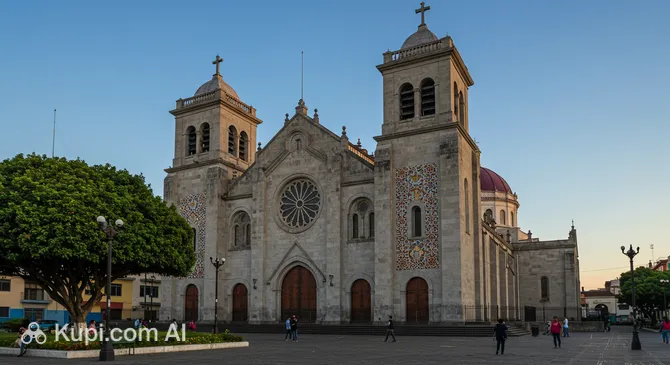
Metropolitan Cathedral of San Salvador. Illustration.
Source: Kupi.com AI

Traveler photos:

Located in the central part of San Salvador, the cathedral serves as the seat of the Archdiocese and is rightfully considered one of the most recognizable symbols of the capital. Its architecture reflects the rich history and religious heritage of El Salvador, making it an iconic site for the entire nation and an essential stop for any traveler exploring the city.

For visitors, the San Salvador Cathedral is an opportunity to touch the spiritual heart of the country. It is not only an active religious center but also an important historical monument that carefully preserves Catholic traditions and cultural heritage, playing a significant role in the life of the city and the entire nation.

Contacts

To find out the current opening hours of the San Salvador Cathedral, information about services or tours, as well as possible contact details, it is recommended to search for the cathedral's official website or contact its representatives. Additionally, useful information can often be obtained at tourist information centers in San Salvador or directly from the information stands at the cathedral itself.

How to contactContact
Address2a Calle Oriente, San Salvador, El Salvador
Phone number+503 2271 2573
Websitewww.catedralmetropolitanadess.com

What to Do

A visit to the San Salvador Cathedral offers guests a unique opportunity to immerse themselves in its spiritual and cultural atmosphere. Inside the temple, you can examine its rich interior in detail, appreciate the architectural features, and get to know the religious relics. Special attention is drawn to the magnificent altars, skillfully crafted sculptures, and other works of religious art, each telling its own story and contributing to the overall majestic character of the cathedral.

For those seeking spiritual solitude, the San Salvador Cathedral provides the opportunity to participate in services or simply enjoy the atmosphere of peace and tranquility that reigns within its walls. This sacred place is ideal for reflection and prayer. History and architecture enthusiasts will find much of interest while studying the building's stylistic elements, its structural features, and historical details related to its long existence. Touring the cathedral is not just an excursion, but a deep immersion into the cultural and religious heritage of El Salvador.

Getting There

The San Salvador Cathedral is conveniently located in the very heart of San Salvador, making it easily accessible for visitors. If you are already in the central part of the city, you can reach it on foot, enjoying the views of the capital of El Salvador along the way. Additionally, the cathedral can be reached by taxi or city public transport, as it is located in a bustling district.

For travelers arriving in San Salvador via the international airport, there are several options for reaching the cathedral. The fastest and most comfortable way is by taxi, which will take you directly to the landmark. There are also buses running from the airport to the city center, where the San Salvador Cathedral is located, representing a more budget-friendly travel option.

In San Salvador itself, there is an extensive public transport network, including buses and fixed-route taxis (known as "micros"). Many of their routes pass through the city's central districts, so you will easily find transport going in the direction of the San Salvador Cathedral. If you are staying in one of the city's hotels, the staff will be able to suggest the best route or help with ordering a taxi. Some tourists also prefer to include a visit to the cathedral as part of an organized city tour, which can be a convenient way to get to know not only the temple but also other iconic sites in the capital.

Nearest city: San Salvador

History & Facts

The history of the modern San Salvador Cathedral, or the Cathedral of the Holy Savior, begins in 1880. It was then, at the initiative of Bishop José Luis Cárcamo y Rodríguez, that the first stones were laid in the foundation of this majestic temple. Construction lasted eight years, and in 1888, the cathedral was solemnly consecrated, becoming the main Catholic center of the capital of El Salvador and a significant spiritual landmark for the entire country.

An interesting fact is that the San Salvador Cathedral, like many other Catholic churches in Latin America, was likely built on the site of earlier religious structures. This practice was widespread in the region during the period of Spanish colonization and the active spread of Catholicism. Thus, the current cathedral may stand on ground that held sacred significance for the local residents even before the arrival of Europeans, which adds another layer of historical depth.

Throughout its existence, the cathedral has repeatedly been a silent witness to key events in the history of El Salvador and has undergone various changes, both architectural and related to its role in society. Today, the San Salvador Cathedral is not just an active church, but also an important historical monument that reflects the rich cultural and spiritual development of the country, carefully preserving the traditions and faith of its people.

Time Needed

When planning a visit to the San Salvador Cathedral, most visitors find that 1-2 hours is quite sufficient for a full acquaintance with this significant site. This time is usually enough to view the main elements of the cathedral and soak up its atmosphere.

During this period, you will be able to carefully examine both the exterior facade and the interior decoration. You will have the opportunity to study the architectural features, admire the altars, and perhaps catch part of a service or simply spend some time in quiet reflection. This amount of time is enough to get a general sense of the scale and beauty of the temple.

Of course, if you wish to explore every corner, icon, and painting in more detail, or visit the crypt where Archbishop Oscar Romero is buried (if it is open to the public), you may need a bit more time. However, for a general overview and to gather impressions, 1-2 hours is an optimal guideline.

Working Hours

Precise information about the opening hours of the San Salvador Cathedral can vary, so it is highly recommended to check the current schedule before your visit. The best way to do this is to visit the cathedral's official website, if one exists, or to clarify the information at local tourist information centers in San Salvador. Generally, major cathedrals are open to visitors daily, especially during the daytime, but hours may change depending on services, religious holidays, or special events.

Usually, for a simple visit and tour of the San Salvador Cathedral, advance ticket booking is not required as it is an active religious site. Entrance is most often free, although donations may be welcomed. However, if you plan to attend a special tour or event, it is worth checking the participation conditions in advance. The cathedral is generally open to visitors year-round, but it is always useful to check the latest information to avoid any inconvenience.

DayOpening hours
Monday2:00 – 17:00
Tuesday2:00 – 17:00
Wednesday2:00 – 17:00
Thursday2:00 – 17:00
Friday2:00 – 17:00
Saturday6:00 – 13:00, 4:00 – 18:00
Sunday6:00 – 13:00, 4:00 – 18:00

Nearby

Visiting the San Salvador Cathedral is undoubtedly a highlight, but exploring its surroundings can significantly enrich your experience of San Salvador. Located in the historic center, the cathedral is surrounded by many other interesting sites that are within walking distance and allow for a deeper immersion into the culture and history of the capital of El Salvador.

Exploring nearby attractions will not only add variety to your itinerary but also help you form a more complete picture of city life. Just a few steps from the cathedral, you will find iconic buildings, squares, and cultural sites, each with its own unique story. Below is a list of some of them so you can plan your time as effectively as possible.

NameDistance
National Palace of El Salvador0.1 km
National Theater of San Salvador0.1 km
Morazán Plaza0.1 km
Club La Dalia0.2 km
Plaza Libertad0.2 km
El Rosario Church0.3 km
Children's Amusement Park0.7 km

Have you reached the end of the page?

So the route has been studied inside and out