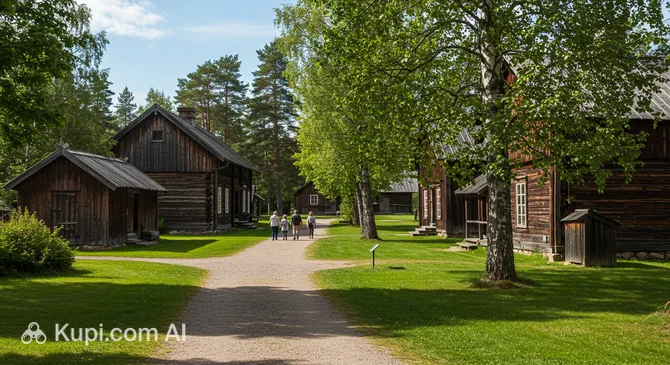
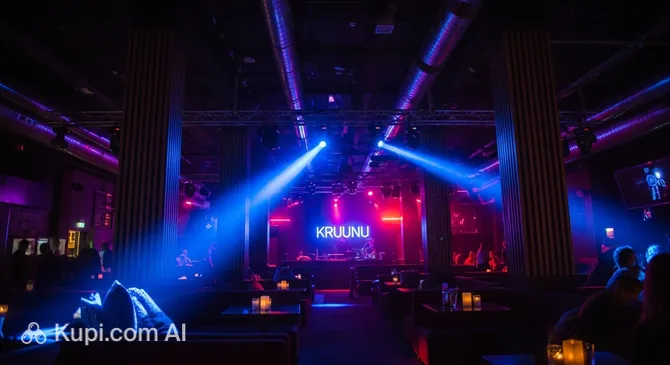
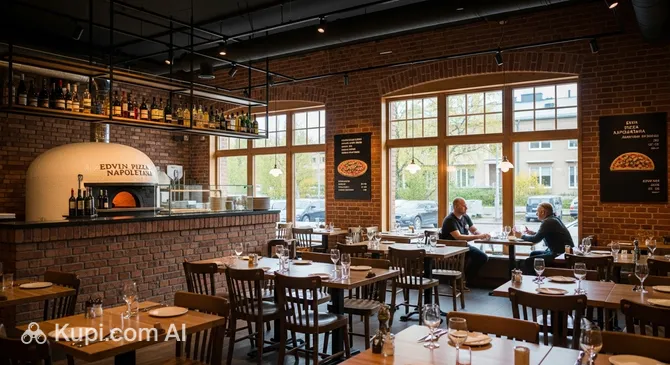
Espoo is a true oasis of modern life, nestled between the dense forests of Nuuksio National Park and the picturesque coast of the Baltic Sea. The city seems woven from contrasts: on one hand, it's a dynamic metropolis with a developed infrastructure; on the other, a corner of untouched nature. A unique feature of Espoo is the absence of a single city center; instead, it consists of five vibrant districts, each with its own character, among which the garden city of Tapiola is particularly famous for its parks and Art Nouveau architecture.
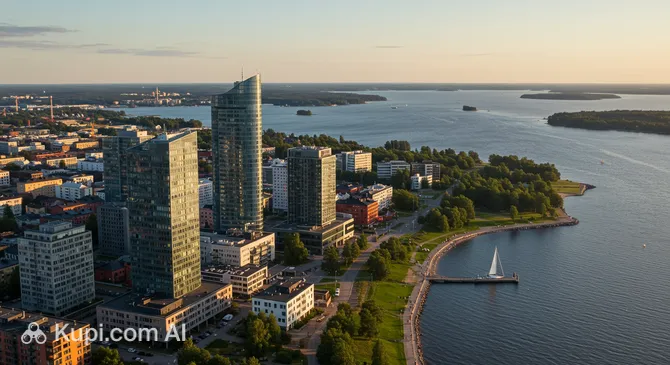
With a population of about 297,000 people, Espoo is the second-largest city in Finland and an important part of the capital region, which also includes Helsinki, Vantaa, and Kauniainen. The city is actively developing, offering modern residential neighborhoods, cozy cottages, and innovative business centers. Despite the fact that Espoo received official city status in 1458, there is a surprising combination of historical heritage and cutting-edge technology here.
Espoo is an ideal place for those who strive to combine urban comfort with adventures in nature. The city prides itself on its 58-kilometer coastline, 165 islands, and endless opportunities for active recreation, whether it be kayaking, fishing, or peaceful walks along the forest trails of Nuuksio National Park. For connoisseurs of cultural experiences, EMMA — the country's largest museum of modern art — is open here, and many festivals, concerts, and exhibitions are held.
Espoo has a special atmosphere of freedom, comfort, and harmony with nature. It is a place where it is easy to feel like part of a large European metropolis and at the same time enjoy the tranquility of a welcoming northern corner. Come to Espoo to discover its versatility and unique charm!
You can find more interesting facts on the history of Espoo page.