Support

Raseborg

About

Raseborg is a true gem of the south, nestled along the Baltic Sea coast. Located just an hour's drive from the capital, this city offers travelers a unique blend of natural beauty and European charm. This is where you can fully experience the tranquil allure that Finland is so proud of.

With a population of about 28,000, Raseborg doesn't feel like a bustling metropolis. It is a picturesque cultural hub where Finnish and Swedish traditions live in harmony—Swedish is heard even more frequently than Finnish here, creating a special atmosphere of openness. The fascinating history of Raseborg is inextricably linked to the merger of the historic settlements of Ekenäs, Karis, and Pohja, each of which brought its own unique character to the modern municipality.

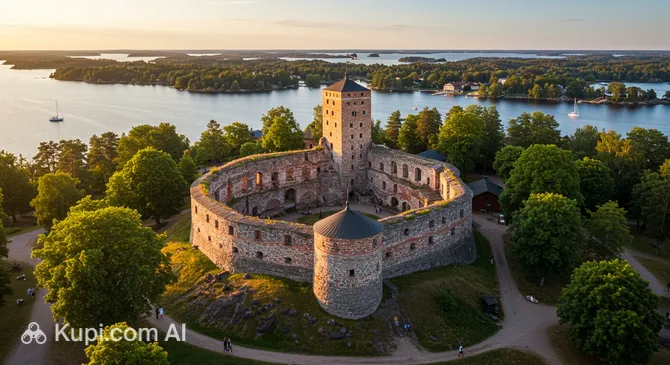
Raseborg. Illustration.
Source: Kupi.com AI

The region's main pride is its impressive archipelago, consisting of more than 1,300 islands. Nearly half of the territory is water, carved by scenic bays and straits, making the city a paradise for nature lovers. Raseborg is also famous for its creative atmosphere and a vast number of summer cottages: over 6,500 cabins await those seeking solitude.

Be sure to visit this corner of the world to stroll through ancient wooden streets, breathe in the fresh sea air, and enjoy the leisurely pace of life. Raseborg is the perfect discovery for those seeking authentic Nordic harmony and inspiration.

Weather Overview

The climate in this region can be described as temperate, with pronounced seasonal changes that give the city a special charm at any time of year. Summer is undoubtedly the most comfortable period for tourists: in July, the average temperature reaches 17.6°C, and on sunny days, the air warms up to 20°C and above. This is the best time for walks along the coast, although you should be prepared for precipitation—even in August, about 14 rainy days are recorded.

Winter months bring cool temperatures and high humidity. The coldest period is usually January and February, when average temperatures stay around -2...-2.6°C. In winter, precipitation is frequent: for example, in December and January, there are up to 17 days with precipitation, creating a typical northern atmosphere but requiring warm and waterproof clothing. Spring arrives slowly: March is still close to winter temperatures (-0.7°C), and real warming begins only in May, when the air warms up to 10°C.

Overall, expect a moderately warm summer with occasional rain and a cool winter with frequent precipitation. To accurately plan your wardrobe for the trip, we recommend checking what weather in Raseborg is forecasted for the dates of your visit.

Average monthly temperature

Average monthly precipitation

Interesting Facts

Raseborg is not just a point on the map, but a true treasure trove of stories. Beyond its main attractions, this city holds many fascinating secrets and unique features that will surprise even experienced travelers.
  • A Castle Conquered by Nature. In the heart of the region lie the majestic ruins of a medieval castle founded in the 1370s. Curiously, this once-impregnable fortress lost its strategic importance not through fierce battles, but due to a geological process: post-glacial land uplift made the water approaches too shallow for ships, turning the formidable outpost into a picturesque historical monument.

  • An Archipelago for Robinsons. Raseborg is rightly called a "city of islands" and records. It is home to the unique Ekenäs Archipelago National Park, where you can not only observe rare sea birds but also stay in an authentic cabin on a secluded island, feeling like a true explorer.

  • Industrial Art. The famous Fiskars Village, known worldwide for its namesake tool brand, is a remarkable example of transformation. A former industrial colony has today become a hub for creative people: the old factory buildings now house art galleries, craft workshops, and designer boutiques.

  • A Knightly Summer. The city is famous for its tradition of open-air festivals. One of the most colorful features is the authentic medieval tournaments held at the walls of the old castle, allowing guests to immerse themselves in an atmosphere of medieval valor and legends.

How to Get There

When planning a trip to this picturesque corner of Finland, it is worth thinking about your route in advance. Raseborg has good transport accessibility and can be reached in various ways. You can explore all ways to get to the city on our dedicated page, and below we will cover the main transport hubs nearby.

Since Raseborg does not have its own airport, most tourists arrive via the capital. The main air gateway is Helsinki Airport (IATA: HEL), located in Helsinki. It is the country's largest international airport, receiving flights from all over the world. It is located approximately 93 km from Raseborg. The journey from the airport by rental car or taxi takes about 1 hour and 30 minutes.

Another convenient option is Turku Airport (IATA: TKU), located in the city of Turku, 88.6 km from Raseborg. Although this airport is significantly smaller than the capital's and serves fewer destinations, it is located even slightly closer to the destination. Travel time by car is about 1 hour and 20 minutes.

For convenience, here is a summary of the main airports:

AirportPassenger trafficDistance
Turku Airport453 00089 km
Helsinki-Vantaa Airport15.3 mln93 km
Tallinn Airport3.5 mln99 km
Tampere-Pirkkala Airport168 328161 km
Pärnu Airport1 100183 km

The railway system in Finland is excellently developed, making the train a convenient alternative to the car. The nearest major hub is the Central Railway Station in Helsinki, located 86.6 km from Raseborg. Long-distance trains, including international ones, arrive here. From Helsinki station, you can comfortably reach Raseborg (Karis station) by local train or take a taxi, which takes about 1 hour and 20 minutes.

Below is information about the nearest significant railway stations:

StationPassenger trafficDistance
Helsinki Central Station37 mln87 km
Narva Railway Station569 000276 km
Ivangorod-Narva Station400 000279 km
Buslovskaya Station289 km
Luzhayka Station293 km

Main Attractions

A journey to Raseborg is an opportunity to see how multifaceted Finland can be. This city combines the rugged beauty of the skerries, the grandeur of history, and the coziness of small coastal settlements. Everyone will find something to their liking here, whether it's architecture, nature, or gastronomic discoveries.

While the medieval castle and the creative village of Fiskars remain the region's hallmarks, limiting yourself to just them would be a mistake. To get the full picture, it is worth spending time at other iconic sites that preserve the atmosphere of past centuries and offer a unique cultural experience.

The true heart of the city is Ekenäs Old Town. This area, known as Barcken, is a picturesque quarter of wooden buildings dating back to the 18th and 19th centuries. A walk here feels like traveling through time: narrow, winding streets lead to the sea, and blooming gardens hide behind tall fences. It is an ideal place for a leisurely promenade and to get acquainted with the traditional lifestyle of the coastal Swedish-speaking Finns.

Connoisseurs of elegant architecture and landscape art should head to Svartå Manor (Mustio Manor). This is one of the country's most valuable wooden manor complexes. The majestic main building, built in the late 18th century, functions as a museum where you can admire historic interiors. The manor is surrounded by a magnificent English-style park with rare tree species, a stroll through which is an excellent addition to the tour.

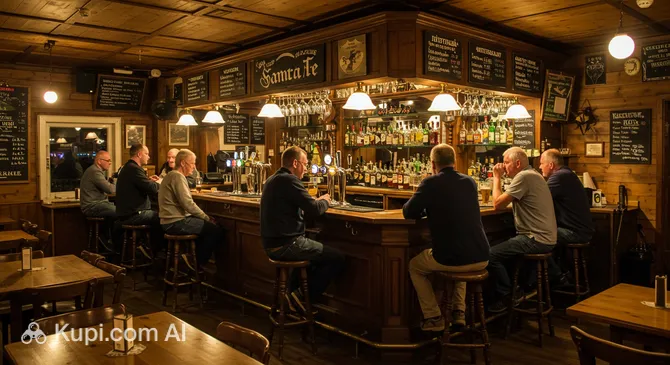
Pub Santa Fe. Illustration.
Source: Kupi.com AI

Traveler photos:

After a busy day of historical discovery, it's nice to take a break and dive into the city's modern life. A great place for this is the Santa Fe Pub. This colorful establishment is popular with both locals and tourists. Here you can relax in a friendly atmosphere, grab a bite to eat, and share your impressions of the trip.

Local Cuisine

The gastronomic map of Raseborg is a fascinating journey where Finnish culinary customs and Swedish traditions harmoniously intertwine. Due to its coastal location, the local menu is centered around gifts from the sea. Travelers should definitely try the fresh zander (pike-perch), smoked trout, and, of course, the queen of the table—Baltic herring. Fish is prepared here with special care, often served with new potatoes, seasonal vegetables, and fragrant homemade rye bread.

No less important to the region's cuisine are the gifts of the forest. City restaurants often feature hearty game dishes, such as tender stewed venison, as well as thick wild mushroom soups. For dessert, you will certainly be offered pies or mousses made with blueberries and lingonberries. Artisanal products from the surrounding area deserve special attention, particularly from Fiskars Village, famous for its local cheeses, sausages, and honey.

For a quick snack during a walk through the old town or a picnic by the water, local street food is ideal. Traditional fish pies and smoked meat sandwiches are popular. Those with a sweet tooth shouldn't miss the fresh cinnamon buns, the aroma of which wafts near the bakeries. The food culture here is very relaxed: locals love attending summer fish fairs and food festivals, turning eating into an opportunity for warm social interaction.

As for drinks, the region is proud of its small local producers. In local establishments, it is worth ordering local apple cider or craft beer brewed in neighboring villages. Those who prefer non-alcoholic options will appreciate natural forest berry juices and signature herbal teas, which are perfect for warming up after sea excursions.

Travel Tips

To ensure your journey through this picturesque region is as comfortable and worry-free as possible, we have prepared a list of useful recommendations. These simple tips will help you settle into Raseborg faster, avoid common tourist mistakes, and get the most out of your trip.

  1. Clothing and Gear. The weather on the coast is changeable, so the principle of layering is your best friend. In summer, be sure to bring a windbreaker for evening walks by the sea, and in winter, thermal underwear and a high-quality windproof jacket. Comfortable, waterproof, flat-soled shoes are critical: you will be walking a lot on old cobblestones and forest paths.

  2. Transport Logistics. Raseborg unites several settlements (Ekenäs, Karis, Fiskars) located at some distance from each other. Although buses and trains run between them, the schedule can be infrequent, especially on weekends. To fully explore the region, it's better to rent a car or use a bicycle during the summer season.

  3. Finances and Payment. The currency used is the Euro. Finland is one of the most "cashless" countries in the world, so cards are accepted almost everywhere, from museums to market stalls. Cash may only be needed in rare cases. Tipping is generally not mandatory as it is included in the bill, but rounding up the amount is a nice gesture of politeness.

  4. Health and Safety. This is a very safe region where you can walk safely at any time of day. However, take note of the operating hours of pharmacies (Apteekki): they often close early (around 5:00 PM–6:00 PM) and do not work on Sundays. If you plan to walk in tall grass or in the forest in summer, be sure to use tick protection.

  5. Language Nuance. Raseborg is a predominantly Swedish-speaking region. Although locals know Finnish and English perfectly, an address in Swedish (even a simple "Hej" for hello) will be received with special warmth. English is understood everywhere, so you won't have any communication problems.

  6. Local Etiquette. Personal space and silence are valued here. In public places, including transport and shops, it is not common to speak loudly or draw unnecessary attention to oneself. When communicating, maintain distance and be punctual—being late is considered a sign of disrespect.

  7. What to Avoid. Never walk on designated bicycle paths—this is not only a violation of the rules but also a collision risk, as bicycle traffic is very active here. Also, do not try to "negotiate" or argue with law enforcement or ticket inspectors—the rules here are the same for everyone.

  8. Opening Hours. Keep in mind that life in small towns winds down early. Many museums, designer boutiques in Fiskars Village, and cafes may close as early as 4:00 PM or 5:00 PM, especially in the off-season. Plan your cultural program for the first half of the day to avoid arriving at closed doors.

By following these simple rules, you can focus on the most important thing—enjoying the unique nature, history, and hospitality of Raseborg. May your journey be filled only with pleasant discoveries and warm encounters!

Entertainment & Nightlife

Nightlife in Raseborg differs from the loud parties of the capital, Helsinki. You won't find huge nightclubs with laser shows operating until dawn here. Instead, the city offers a cozy, almost homely atmosphere, where evening entertainment focuses on conversation, live music, and gastronomic pleasures. It is the perfect place for those who prefer "slow life"—leisurely relaxation with a glass of a local drink in good company.

Most evening activity is concentrated in the municipality's two main centers—Ekenäs (Tammisaari) and Karis (Karjaa). In Ekenäs, life thrives near the guest harbor, especially during the summer season. Open terraces by the water fill with people enjoying the sunsets and the sea breeze. Karis, being an important railway hub, offers a more urban and youthful atmosphere with several popular pubs and meeting spots.

If you are looking for a place with character where you can not only have a drink but also a hearty meal, look no further than the Santa Fe Pub. Located in Karis, this establishment has long been legendary among locals. The Tex-Mex style interior, relaxed atmosphere, and regular live music concerts make it a center of attraction on weekends. Local bands playing rock, blues, and jazz often perform here, creating a great evening vibe.

The atmosphere in Raseborg's establishments is very casual. There is virtually no strict dress code: casual or smart casual attire will be appropriate in any bar or restaurant. The crowd here is diverse and friendly, and many people speak two or three languages (Swedish, Finnish, English), making it easy to start a conversation. Most places close around 1:00 AM–2:00 AM, even on weekends, so it’s best to start your evening earlier, around 8:00 PM.

Practical Tips and Safety:

  • Prices: Be prepared for Finnish price levels. A glass of beer or cider in a bar costs an average of 7–9 euros, with cocktails starting from 10–12 euros.
  • Transport: Public transport is rare at night. If you plan to travel between Ekenäs and Karis late in the evening, it is better to pre-order a taxi. Hailing a car on the street is almost impossible here.
  • Safety: Raseborg is an exceptionally safe city. You can safely walk the night streets or walk home from a bar without worry.

Beyond bars, the city's cultural life offers other leisure formats. In the afternoon and early evening, check out the Kulturhuset Karelia cultural center in Ekenäs, which hosts concerts and theatrical productions. In summer, the Raseborg Summer Theater (Raseborgs Sommarteater) near the castle ruins is immensely popular—it features large-scale open-air performances that are a key part of the local cultural tradition. The city also has cozy cinemas that have retained their retro charm, such as Bio Pallas in Karis.

Parks & Museums

Raseborg is a unique space where the rugged beauty of northern nature harmoniously combines with a rich historical heritage. Green zones here flow seamlessly into open-air museum complexes, offering tourists an ideal balance between active recreation and cultural enlightenment.

The main natural jewel of the region is rightfully considered to be Ekenäs Archipelago National Park. This is a vast territory consisting of thousands of islands and rocky skerries where you can feel the full power of the Baltic Sea. The park is ideal for boat trips, kayaking, and birdwatching, and on the large island of Jussarö, you can see the remains of old mines. For those who prefer hiking on land, Ramsholmen Forest Park will be a true discovery. Located right next to the center of Ekenäs, it turns into a white sea of blooming wood anemones in spring, and in summer, it offers cool shade under rare deciduous trees, creating the atmosphere of a fairy-tale forest.

Solitude seekers should visit Dagmar Park in the Källviken area. This nature reserve is famous for its crystal-clear spring, which, according to history, Russian Empress Maria Feodorovna loved to visit during yacht cruises. Here you can walk through a majestic pine forest, go down to a cozy sandy beach, and enjoy the silence by the bay with a small picnic.

The city's cultural landscape is impossible to imagine without the Raseborg Castle ruins. This medieval fortress, built on a rock, transports visitors to the era of knights and kings. Although only the majestic walls remain of the castle, its atmosphere is enchanting, and in summer, historical reenactments and fairs are often held here. No less significant is the EKTA Museum Center in Ekenäs. It is a must-visit for art lovers, as it features a permanent exhibition dedicated to the life and work of the famous Finnish artist Helene Schjerfbeck, who spent an important part of her life in this city.

A special place on the map of attractions is held by Fiskars Village. This is not just a museum, but a living center of art and design that grew on the site of an old ironworks. Strolling along the river, you will see perfectly preserved 19th-century industrial architecture, be able to visit the local museum telling the story of workers' lives and production history, and peek into numerous galleries of contemporary artists and craftsmen.

Getting Around

Getting around Raseborg has its own characteristics, as this city covers a vast territory and unites several settlements, including Ekenäs, Karis, and Pohja. Public transport here is reliable, but its network is not as dense as in large cities, so it's worth planning your trips in advance by checking the schedules.

The backbone of the transport system consists of trains and buses. The railway station in Karis (Karjaa) is a major hub connecting the region with the capital and Turku. Local trains (railbuses) run from here to Ekenäs station (Tammisaari) and the port of Hanko. This is the fastest way to get from one part of the municipality to another: the journey between Karis and Ekenäs takes only about 12 minutes.

The city's bus network operates under the Bosse brand. These bright buses connect railway stations with the city center, residential areas, and popular tourist spots like Fiskars Village. It's important to remember that on weekends and in the evening, intervals can be significant, and some routes stop operating altogether.

Paying for fares on local transport is very simple. The most convenient way is using the Waltti Mobiili mobile app, where you can buy single tickets and passes. You can also purchase a ticket directly from the driver upon boarding, paying with a bank card. Cash is accepted less and less frequently, so it's better to have a card with you. The cost of a single trip around the city is usually fixed at a few euros, which is quite affordable.

For tourists wanting freedom of movement, a taxi is a great alternative. The cars are comfortable and safe, but the trips can be expensive. Taxi stands are usually located at the stations in Karis and Ekenäs. Note that "hailing" a car on the street is not common here—it's better to order one by phone or via an app (for example, 02 Taksi or Menevä). Rates increase during the night.

In the summer season, the bicycle becomes an excellent option. Raseborg has a network of city bikes with stations located at key points in Ekenäs and Karis. It's the perfect way to leisurely explore the old wooden quarters or get to the nearest beach. If you plan to explore remote corners of the archipelago, the most rational solution would be to rent a car, as public transport does not cover all natural attractions.

Practical tip: it is customary to signal the driver with your hand at bus stops so that they stop. If you just stand at the stop, the bus might pass by. Always use the front door to enter, and press the "Stop" button in advance to exit. Following these simple norms, which are accepted throughout Finland, will make your trips comfortable and predictable.

Accommodation

Raseborg offers tourists a wide choice of accommodation that perfectly reflects the character of the region: you won't find faceless high-rise chain hotels here, but you will find many cozy and atmospheric places. The accommodation stock consists mainly of small boutique hotels, family-run bed and breakfasts (B&Bs), apartments in historic wooden houses, and campsites surrounded by nature. For those seeking special comfort and historical immersion, rooms are available in restored manors and former industrial buildings converted into stylish hotels.

When choosing an area to stay, it's best to start with the goals of your trip. Ekenäs (Tammisaari) is ideal for those who want to be in the center of things, walk through the old town, visit restaurants, and enjoy sea views. Everything here is within walking distance, including the train station. If you are interested in design, crafts, and quietude, look toward the villages of Fiskars and Billnäs. Accommodation here is often located in the historic buildings of former ironworks, which guarantees a unique experience. Those who love privacy should consider renting a cottage on one of the archipelago islands or in the countryside.

Booking Tip: Raseborg is an extremely popular destination for domestic tourism during the summer, especially in July and during major festivals. The best accommodation options, particularly in Ekenäs and Fiskars, sell out very quickly. We strongly recommend booking your accommodation 2–3 months in advance if you plan to visit during the high season.

The price range in the region varies from mid-range to high, which is typical for Finland. Budget travelers can stay at campsites or hostels, where prices are more affordable. Mid-range hotels and apartments offer comfort at a reasonable price, while staying in historical manors or designer suites will require a larger budget. Booking is available through popular international online platforms, but for summer cottage (mökki) rentals, it often makes sense to check local Finnish sites or book directly with the owners.

Nearby Cities

For those who want to explore the surrounding area, Raseborg serves as an excellent starting point for day trips to several interesting nearby locations. Thanks to its convenient location on the south coast, it is easy to reach both the vibrant capital and the country's historic centers.

Just an hour and a half away is Helsinki—a dynamic capital where modern design sits alongside neoclassical architecture. It's the perfect place for those who want to visit world-class museums, enjoy some shopping, or stroll through the market square. For history buffs, Turku, the country's oldest city, is a must-visit. Here you can see a majestic medieval castle and cathedral, as well as walk along the scenic Aura River waterfront. If you are looking for something closer and quieter, check out the city of Lohja, known for its vast lake and the unique Tytyri limestone mines, where you can take a tour underground.

CityPopulationDistance
Ekenäs14 7540 km
Karis8 78717 km
Hanko8 86431 km
Lohja46 78547 km
Salo53 89050 km

These nearby destinations provide a glimpse into the diverse culture and landscapes of the region, harmoniously complementing the experience of cozy, coastal Raseborg.

Shopping & Souvenirs

Shopping in Raseborg is fundamentally different from the usual rush through the giant shopping centers of major cities. Here, an atmosphere of "slow shopping" prevails—leisurely purchases where the story of the item, the quality of materials, and the uniqueness of the design are more important than the brand itself. The city and its surroundings are famous for their craft traditions, so the main interests for tourists are local designer boutiques, antique shops, and workshop stores.

The center of shopping life is the Ekenäs (Tammisaari) district. The main shopping artery here is Kungsgatan. It was the first pedestrian street in Finland, and a walk along it is an aesthetic pleasure. Small shops selling clothing, interior decor, and gifts are located along it and in the adjacent side streets. Another important point of attraction is the famous Fiskars Village. This is a true paradise for connoisseurs of Finnish design: it is home to many showrooms selling glass, ceramics, wood, and metal products created by local artists.

If you are looking for large shopping centers in the traditional sense, Raseborg might disappoint you. There are no giant malls with mass-market brands here. The daily needs of locals and tourists are met by small shopping complexes and supermarkets located in the center of Ekenäs and Karis. However, the lack of corporate giants is more than compensated for by the charm of private shops, where owners often stand behind the counter themselves and can tell the story of every product.

Markets hold a special place in the life of the city. The market square in Ekenäs comes alive on Wednesdays and Saturdays, becoming a meeting place for residents. Here you can buy the freshest seasonal vegetables, berries, fish straight from the smoker, and homemade pastries. During the summer season, flea markets and weekend fairs are especially popular, where you can find real treasures among vintage dishes and old books.

When choosing souvenirs, pay attention to products that Finland and specifically this region are proud of. From Raseborg, you should bring home:

  • The famous orange-handled scissors and kitchenware from the Fiskars brand, bought directly in their historical homeland.
  • Handmade ceramics and art glass from local workshops.
  • Textiles made from natural materials (linen, wool) with traditional Scandinavian patterns.
  • Gastronomic souvenirs: archipelago black bread (skärgårdslimpa), local honey, and craft drinks from local breweries.

When planning your shopping trip, keep in mind local opening hours. Small boutiques are usually open from 10:00 AM to 5:00 PM or 6:00 PM on weekdays. On Saturdays, the working day is often shortened until 1:00 PM or 2:00 PM, and Sunday is a day off in most cases. Supermarkets work longer, often until 9:00 PM. Payment is made by bank cards almost everywhere; even market stalls often have terminals, but having some cash for small purchases at fairs won't hurt.

For tourists residing permanently outside the European Union, the Tax Free system is available. If you make a purchase of more than 40 euros in one store, look for the Global Blue logo in the window or ask the seller for a Tax Free Form. This will allow you to get a refund of part of the tax when leaving the country.
Reached the end of the page?

That means the route is fully explored