Support

Chantilly

About

Chantilly is a charming town located in the heart of the historic Picardy region of France, just 49 kilometers north of Paris. Famous for its unique aristocratic atmosphere and rich cultural heritage, it is perfectly suited for connoisseurs of history, art, and refined relaxation.
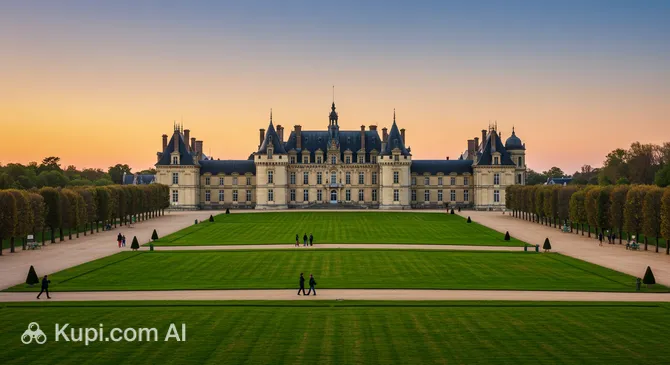
Chantilly. Illustration.
Source: Kupi.com AI

Surrounded by picturesque forests and well-kept parks, with the Nonette River flowing gently through them, Chantilly offers ideal conditions for walking and enjoying nature. With a population of just over 11,000 people, the town maintains a cozy, almost intimate way of life while remaining an important cultural center. It is easy to feel like the protagonist of a classic novel here, strolling past old mansions and exquisite shop windows.

The crown jewel of Chantilly is undoubtedly the magnificent Château de Chantilly. Within its walls lies the famous Condé Museum, which houses France's second-largest collection of antique paintings after the Louvre. The town is also inextricably linked to the world of horses: it is home to the impressive Great Stables (Grandes Écuries), considered among the most beautiful in the world, where equestrian performances are still held today.

A visit to Chantilly is an opportunity to immerse yourself in the world of French elegance for a day or two without traveling far from the capital. This is a town where history is literally in the air, and every corner is ready to tell its own amazing story, leaving unforgettable impressions on every guest.

You can find more interesting facts on the history of the town of Chantilly page.
Weather Overview

The weather in Chantilly is characterized by a moderate climate. Summers are usually warm, with average temperatures in July and August around 19.6°C, while maximum values can reach 24-25°C. Winters are cool, with the average temperature in January being around 4.8°C and minimum values dropping to 2.3°C. Precipitation is distributed relatively evenly throughout the year, although in small quantities (averaging 2-3 mm per month), but the number of rainy days varies from 9 in July to 16 in December.

In general, expect warm summers with occasional rain and cool, fairly damp winters. To get a more detailed idea of the weather conditions, you can study the Chantilly climate.

Average monthly temperature

Average monthly precipitation

Interesting Facts

Chantilly is not only about a majestic castle and famous horse races. The town holds many surprising stories and facts that reveal its charm in a new way. Here are just a few of them:

Living Museum of the Horse. Illustration.
Source: Kupi.com AI

Traveler photos:

  • According to legend, it was here in the 17th century that the maître d'hôtel François Vatel first prepared the famous whipped cream, known today throughout the world as "Crème Chantilly." Although historians debate the authenticity of this story, the town is firmly associated with this delicate dessert.

  • The Condé Museum, located in the Château de Chantilly, houses a unique 14th-century manuscript — the "Chantilly Codex." This collection of music in the Ars Subtilior (Subtle Art) style is remarkable not only for its content but also for its exquisite, sometimes whimsical, musical notation, which represents true graphic works of art.

  • The majestic Great Stables (Grandes Écuries), which now house the Museum of the Horse, are considered among the most beautiful and largest historic stables in the world. Built in the 18th century, they were so grand that, legend has it, their patron, Louis-Henri de Bourbon, Prince of Condé, believed he would be reincarnated as a horse and wanted a dwelling befitting his future status.

  • Chantilly is the birthplace not only of the famous cream but also of a special type of handmade black silk lace. "Chantilly lace," known for its fineness and complex floral patterns, was extremely popular in the 18th and 19th centuries and adorned the outfits of European nobility.

How to Get There

The charming town of Chantilly, located north of Paris, can be reached in several convenient ways. Main options include flying to one of the Parisian airports followed by a transfer or taking a train.

By Air:

The nearest and most convenient airport for international travelers is Charles de Gaulle Airport (IATA: CDG). It is located in Paris, only about 21 km from Chantilly. As one of Europe's largest aviation hubs, this international airport offers numerous flights from all over the world. From here, you can reach Chantilly by taxi or rental car in approximately 45-60 minutes. Alternatively, you can use public transport: first take the RER B train to Gare du Nord in Paris, and then transfer to a direct TER train to Chantilly-Gouvieux.

Another option is Beauvais-Tillé Airport (IATA: BVA), which is also in the Paris vicinity, about 39 km northwest of Chantilly. This airport is often used by budget airlines. A taxi or car ride from Beauvais-Tillé to Chantilly takes about 1 hour and 15 minutes. It is also worth mentioning Orly Airport (IATA: ORY), located south of Paris, about 53 km from Chantilly, though the journey from there will take longer.

For convenience, here is a summary of the main airports used to reach Chantilly:

AirportPassenger trafficDistance
Charles de Gaulle Airport70.3 mln21 km
Beauvais-Tille Airport6.5 mln39 km
Paris Orly Airport33.1 mln53 km
Lille Airport1.8 mln160 km
Saint Gatien Airport65 664169 km

By Rail:

Chantilly has excellent rail connections, primarily thanks to its own station, Chantilly-Gouvieux, located right in the town. TER Hauts-de-France trains arrive regularly at this station, particularly from Paris. The main departure point in Paris for a trip to Chantilly is the Gare du Nord (IATA: XPG). This major station is located in Paris, about 36 km from the center of Chantilly. A direct TER train from Gare du Nord to Chantilly-Gouvieux station takes only 25-30 minutes. Gare du Nord is a significant transport hub serving both domestic and international destinations.

While the direct train to Chantilly conveniently departs from Gare du Nord, it is worth noting that other major Parisian stations, such as Gare de Lyon (located in Paris, about 39 km from central Chantilly) or Gare de l'Est (also in Paris, about 36 km from central Chantilly), are important transport hubs. You can easily reach Gare du Nord from them for a transfer if your route initially brings you to one of these stations.

Here is information on some major railway stations in Paris from which a trip to Chantilly can be organized:

StationPassenger trafficDistance
Gare du Nord Station220 mln36 km
Gare de l'Est34 mln36 km
Gare de Lyon113.2 mln39 km
Marne-la-Vallée–Chessy Station11.5 mln43 km
Massy TGV Station1.5 mln54 km

By Car:

Additionally, Chantilly is easily accessible by car. The town has good road connections with Paris and other major French cities through a network of motorways, such as the A1. A car trip from central Paris usually takes about an hour, though time may vary depending on traffic conditions.

Main Attractions

Chantilly, a charming town in France, is famous for its magnificent landmarks that attract tourists from all over the world. Here, history, art, and nature blend harmoniously to create a unique atmosphere.

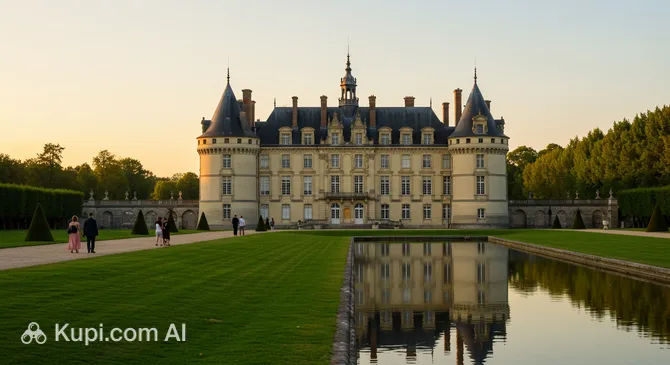
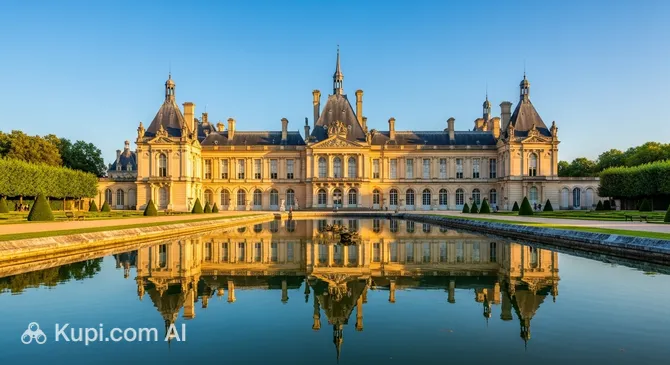
The crown jewel of Chantilly is undoubtedly the magnificent Château de Chantilly. This historic castle, surrounded by picturesque water canals and an extensive park designed by André Le Nôtre, impresses with its architecture and rich history. It consists of the Petit Château (Châtelet), built during the Renaissance, and the Grand Château (Château Neuf), erected in the 19th century. The castle attracts visitors with its luxurious interiors and priceless collections.

Chantilly Castle. Illustration.
Source: Kupi.com AI

Traveler photos:

An integral part of the castle complex is the Condé Museum, located directly within the Château de Chantilly. It houses France's second most significant collection of Old Master paintings (after the Louvre), including masterpieces by Raphael, Poussin, Ingres, and Delacroix. Visitors can see the historic apartments of the Princes of Condé, which have preserved their original appearance, and a unique library containing thousands of rare manuscripts.

Condé Museum. Illustration.
Source: Kupi.com AI

Traveler photos:

Next to the castle, in the majestic Great Stables (Grandes Écuries), is the famous Museum of the Horse. This is not just a museum, but a living center dedicated to the art of equitation and the history of the horse. Here you can learn about various horse breeds, the evolution of equestrian equipment, and the role of the horse in human history. The museum is especially interesting due to the thrilling horse shows and dressage demonstrations regularly held in the stables' arena.

Living Museum of the Horse. Illustration.
Source: Kupi.com AI

Traveler photos:

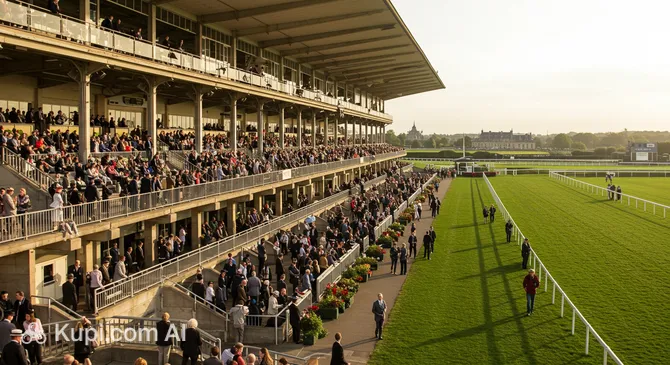
The town of Chantilly is also known as the horse racing capital of France, and its Chantilly Racecourse is one of the most prestigious in the world. Built in 1834, it is set against the backdrop of the castle and the forest, creating a picturesque scene. Famous races such as the Prix du Jockey Club and the Prix de Diane are held here. Visiting the racecourse during competitions is an unforgettable experience, allowing you to immerse yourself in an atmosphere of excitement, elegance, and high stakes.

Chantilly Racecourse. Illustration.
Source: Kupi.com AI

Traveler photos:

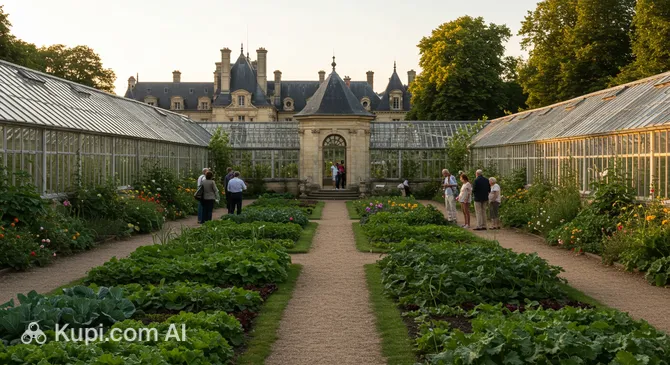
For nature lovers and those seeking peaceful relaxation, the Potager des Princes (Princes' Vegetable Garden) is a wonderful destination. This restored historic garden, which once supplied the Princes of Condé's kitchen with fresh produce, is now a charming park. Here you can stroll among well-tended beds of vegetables and herbs, fruit trees, and flower beds, as well as visit a small menagerie with domestic animals and birds. The garden offers a tranquil atmosphere and beautiful views, making it an ideal place for a family walk.

Princes' Vegetable Garden. Illustration.
Source: Kupi.com AI

Traveler photos:

Local Cuisine

The culinary hallmark of Chantilly is undoubtedly the famous Crème Chantilly. This airy, lightly sweetened whipped cream with hints of vanilla is served here with almost everything: fresh berries, exquisite desserts, golden crepes, and even a cup of aromatic hot chocolate. Legend has it that it was in the Château de Chantilly that this delicate cream was first prepared, which has since conquered the world and become a symbol of French culinary sophistication.

In addition to desserts, the cuisine of Chantilly will delight lovers of hearty dishes. In local restaurants, it is worth paying attention to fresh game and poultry dishes, as well as traditional farm cheeses and pâtés. Be sure to try Picardy specialties, such as hearty meat and mushroom pies or seasonal delicacies like asparagus and artichokes. Fresh vegetables, berries, and dairy products from nearby farms can often be found at local markets, which also sell homemade pies and fragrant pastries.

As for drinks, in addition to the already mentioned hot chocolate and coffee—which will certainly be offered with a portion of Crème Chantilly—you can enjoy classic French wines in Chantilly that perfectly complement the local dishes. It is also worth trying drinks traditional to the Picardy region, such as cider or local beer. For non-alcoholic refreshment, fresh juices and lemonades are always available.

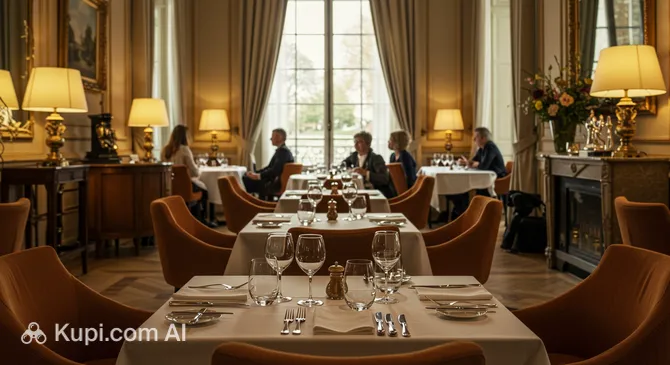
The food culture in Chantilly is diverse. Locals and tourists alike enjoy visiting cozy cafes overlooking the castle, where you can have breakfast with fresh croissants. For a more substantial lunch or dinner, restaurants offering both traditional French and regional cuisine are perfect. For example, you can stop by the Auberge du Jeu de Paume to sample local gastronomic delights. Don't overlook town festivals or holidays, where tastings of local delicacies are often organized. Chantilly is a place where taste and tradition go hand in hand, turning every meal into a small celebration.

Auberge du Jeu de Paume. Illustration.
Source: Kupi.com AI

Traveler photos:

Travel Tips

Planning a trip to charming Chantilly? To ensure your journey goes smoothly and leaves only the most pleasant impressions, we have prepared some practical tips to help you better navigate this beautiful corner of France.

  1. Clothing and Essentials: The climate in Chantilly is moderate. In summer, choose light clothing, a hat, and sunscreen. In spring and autumn, layered clothing and an umbrella or raincoat will come in handy. In winter, you cannot do without a warm jacket, hat, and gloves. The key point is comfortable shoes, as you will be walking a lot through the castle, its extensive gardens, and the town streets. Don't forget a power adapter (Type E). For visiting churches, if any are on your plan, choose modest clothing that covers shoulders and knees.
  2. Local Transport: Chantilly is a relatively small town, and many of its attractions, including the famous castle, are within walking distance of each other. This is the most pleasant way to explore the town. For longer trips, such as to Paris, it is convenient to use trains—the Chantilly-Gouvieux railway station is well-connected to the French capital. Local buses also run within the town. Taxis are available but can be an expensive option. Renting a car is not strictly necessary if you plan to stay within Chantilly, but it can be useful for exploring the surrounding Hauts-de-France region.
  3. Financial Matters: The official currency in France is the Euro (EUR). Bank cards (Visa, Mastercard) are widely accepted in most hotels, restaurants, and shops. International cards generally work without problems, but check the conditions with your bank before traveling. ATMs (called "distributeurs automatiques de billets" or DAB in France) are easy to find. An approximate daily budget can vary, but you should count on 70-100 euros per person, excluding accommodation. Tipping (pourboire) in restaurants is often already included in the bill (service compris), but if you particularly liked the service, you can leave an additional 5-10%.
  4. Health and Safety: Pharmacies (pharmacies) in France are marked with a green cross; some of them may be open 24/7 (pharmacie de garde). Take out medical insurance before your trip. The emergency number for all EU countries is 112. Chantilly is generally considered a very safe town. Nevertheless, always follow standard precautions: watch your belongings in crowded places and avoid poorly lit streets late at night.
  5. Communication and Language: The official language is French. In tourist areas such as the Château de Chantilly, hotels, and some restaurants, staff often speak English. However, knowing a few basic phrases in French (for example, Bonjour – Hello, Merci – Thank you, S'il vous plaît – Please, Au revoir – Goodbye) will be highly appreciated by locals and make your communication more pleasant. A local SIM card for mobile internet and calls can be purchased at tobacco shops (tabac) or specialized mobile operator stores. Wi-Fi is usually available in hotels and many cafes and restaurants.
  6. Local Etiquette: The French value politeness. When entering a shop, cafe, or any other establishment, it is customary to say hello (Bonjour during the day, Bonsoir in the evening) and goodbye when leaving (Au revoir). Always use "s'il vous plaît" (please) when asking and "merci" (thank you) in response to a service. In public places, try not to speak too loudly.
  7. What to Avoid: You should not start discussing sensitive political topics unless you are sure of your interlocutor's position. Also, the French are very proud of their cuisine and culture, so avoid negative comparisons or harsh criticism. Taking photos of people without their permission is considered impolite.
  8. Special Tip for Chantilly: Be sure to try the famous Chantilly cream (crème Chantilly) – it is the true gastronomic pride of the town! Also, if you are interested in horses, visit the Great Stables (Grandes Écuries) and, if possible, an equestrian show – it is an impressive sight. Check the opening hours of attractions in advance, especially if traveling in the off-season.

We hope these tips help you feel more confident and get the most out of your visit to fabulous Chantilly. We wish you an unforgettable journey and vivid impressions!

Entertainment & Nightlife

Chantilly, known for its magnificent castle and equestrian traditions, offers guests not only a rich daytime program but also cozy opportunities for evening relaxation. Although Chantilly is not famous for bustling nightclubs, you can find charming places to spend a pleasant evening in a calm atmosphere.

Evening life in Chantilly is mainly concentrated around the central part of the town, where restaurants and bars are located. Instead of noisy discos, you will find establishments with a more relaxed atmosphere, ideal for heartfelt conversations over a glass of wine or local beer. The crowd here is generally respectable, valuing quality and comfort. The dress code in most places is casual or smart casual.

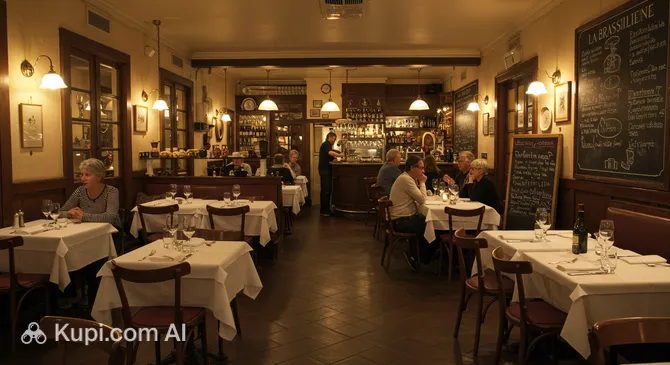
Among the popular spots for evening leisure, several bars stand out. For example, La Brasserie Cantilienne offers a good selection of drinks and snacks in a traditional French atmosphere. Another pleasant place is La Buvette, where you can enjoy local beverages. Many restaurants also offer an evening menu and are open late, allowing you to combine dinner with pleasant relaxation.

La Brasserie Cantilienne. Illustration.
Source: Kupi.com AI

Traveler photos:

Practical tips for evening leisure in Chantilly:

  • Opening hours: Most bars and restaurants are open until midnight or slightly later, especially on weekends. It is always better to check the opening hours in advance.
  • Prices: Prices in the bars and restaurants of Chantilly can be described as average for a tourist town in France.
  • Transport: The town is quite compact, and many establishments in the center can be reached on foot. For trips over longer distances or late at night, it is better to use taxi services, which are recommended to be booked in advance.

Regarding safety, Chantilly is a fairly quiet and safe town. However, as elsewhere, it is worth taking standard precautions, especially during night walks. Moving along the well-lit central streets is usually comfortable and safe.

During the day, Chantilly offers many cultural activities. Be sure to visit the magnificent Château de Chantilly with its art collections in the Condé Museum. No less interesting is the Museum of the Horse, located in the Great Stables. Strolls through the picturesque castle gardens or a visit to the Chantilly Racecourse will also be a wonderful addition to your trip.

Parks & Museums

Chantilly is not just a town with a magnificent castle; it is a place where history and nature create a unique atmosphere. Guests can expect well-kept parks, gardens with centuries of history, and museums housing priceless cultural treasures.

The heart of the town's green zones is undoubtedly the vast park surrounding the Château de Chantilly. Here you can spend hours enjoying walks through the French formal garden, created by the famous André Le Nôtre, explore the romantic corners of the English garden, or visit the picturesque Anglo-Chinese garden of the Hameau de Chantilly, which recreates an idyllic rural life. These gardens are works of art in themselves and offer peaceful relaxation in the bosom of nature.

Another jewel among the green spaces is the Potager des Princes (Princes' Vegetable Garden). This historic vegetable garden, which once supplied the kitchen of the Princes of Condé, has today been transformed into a charming park ensemble. Here you can see not only skillfully laid out beds and flower gardens but also water cascades and a small menagerie with domestic animals, making it particularly attractive for family visits.

The cultural heritage of Chantilly is equally impressive. The main magnet for art lovers is the Condé Museum, located directly within the Château de Chantilly. Its collection of antique paintings is considered the second most important in France after the Louvre and includes masterpieces by Raphael, Poussin, Watteau, and other great masters. Of particular value is the collection of rare books and manuscripts, including the famous "Très Riches Heures du Duc de Berry."

An integral part of Chantilly's history is the equestrian arts, to which the unique Museum of the Horse (Musée Vivant du Cheval) is dedicated. It is housed in the castle's Great Stables – a true 18th-century architectural masterpiece. Visitors can learn about the history of horse riding, various horse breeds, and see impressive equestrian performances demonstrating the high art of dressage.

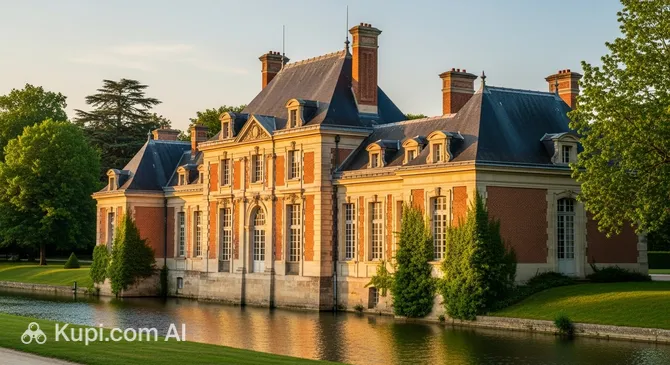
Among other architectural landmarks, the Pavillon de Manse stands out. This elegant structure, designed by Jules Hardouin-Mansart, served as the site for the hydraulic engineering works that supplied water to the park's fountains. Today, the pavilion stands as a testament to the engineering thought and refined taste of the Enlightenment.

Pavillon de Manse. Illustration.
Source: Kupi.com AI

Traveler photos:

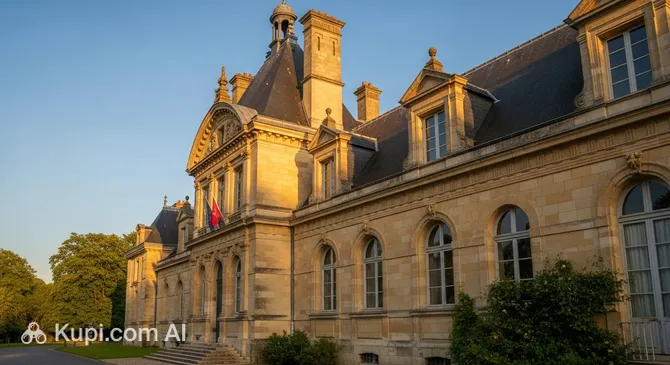
For those seeking lesser-known but authentic experiences, we suggest visiting the Maison de la Pierre du Sud de l'Oise (Stone House of Southern Oise), located in the neighboring town of Saint-Maximin. This museum tells the history and traditions of limestone quarrying, which was used in the construction of many of the region's famous buildings. And if your visit coincides with the racing season, don't miss the chance to visit the famous Chantilly Racecourse, home to some of the most prestigious equestrian competitions in the world.

Maison de la Pierre du Sud de l'Oise. Illustration.
Source: Kupi.com AI

Traveler photos:

Getting Around

Getting around Chantilly and its immediate surroundings is quite simple, although the town does not boast an extensive metro or tram system typical of major metropolises. The basis of public transport here consists of buses and regional trains, which also play an important role for tourists.

The main type of public transport in Chantilly itself is the local bus network, known as DUC (Desserte Urbaine Cantilienne). These buses connect key points in the town, including the railway station, the center, and residential areas. The routes and schedules are geared toward the needs of residents and tourists reaching the main attractions. While there are no metros, trams, or trolleys in Chantilly, the bus service is efficient enough for short-distance travel.

The fare payment system in Chantilly buses is standard. Single-trip tickets can usually be purchased directly from the driver upon boarding. Sometimes day passes or carnets (booklets of several tickets) are available, which can be more economical for frequent trips. Information on tariffs and points of sale, besides drivers (for example, in tobacco kiosks or at the station), is best clarified on-site. Don't forget to validate your ticket upon boarding. Buses usually run from early morning until evening, with possible reduced service on weekends and holidays.

The Chantilly-Gouvieux railway station is an important transport hub, especially for tourists. From here, regional TER trains depart, which will quickly take you to Paris (Gare du Nord) and other cities in the region. For many visitors, the train is the primary way to reach Chantilly.

In addition to public transport, there are other ways to get around in Chantilly. Taxis can be found at the station or ordered by phone; this is a convenient, though more expensive, option. Given the compact size of the town and the picturesque surroundings, including the famous forest, cycling is very popular here. Bike rental points may be available, especially during the tourist season. Many attractions, including the Château de Chantilly and the Racecourse, are within walking distance of the town center or the station, so walking is also an excellent way to get to know Chantilly.

Accommodation

In Chantilly, travelers will find various accommodation options to suit different preferences and budgets. The town offers a choice from cozy guest houses and self-catering apartments to elegant hotels, many of which reflect the historic charm of the area. While there are few large chain hotels here, the emphasis is on quality and a personalized approach.

Most housing options are concentrated in the town center or in the immediate vicinity of the main attraction – the Château de Chantilly. Staying in these areas provides easy access to museums such as the Condé Museum or the Museum of the Horse, as well as to restaurants and shops. Some hotels may offer views of the picturesque surroundings or even the castle itself.

Chantilly Castle. Illustration.
Source: Kupi.com AI

Traveler photos:

When planning a trip to Chantilly, especially during the peak tourist season (spring and summer) or during major events at the Chantilly Racecourse, it is recommended to book accommodation in advance. This will allow you to choose the most suitable option in terms of location and price. Online platforms and direct inquiries to hotels are the most popular booking methods.

The price range varies from more affordable offers in small guest houses or apartments to higher prices in hotels with better locations and additional services. Overall, you can find accommodation in Chantilly that fits both a mid-range and a higher budget, focusing on comfort and unique experiences.

Nearby Cities

For those looking to explore the surrounding area, Chantilly serves as an excellent starting point for day trips to several interesting nearby locations. Here are a few options that might interest you:

Not far from Chantilly is Creil, located just 7 km away. This city, with its rich industrial history on the banks of the Oise River, offers interesting walks and insight into the region's industrial heritage. A bit further, at 23 km, is Sarcelles – a town known for its post-war urban planning and cultural diversity, offering a different look at modern life in the Parisian suburbs. It is also worth noting Goussainville (18 km), which attracts visitors with its unique "old village" (Vieux Pays), partially abandoned by residents due to the proximity of the airport, creating a special "ghost town" atmosphere.

CityPopulationDistance
Gouvieux9 0234 km
Lamorlaye8 8234 km
Creil36 1697 km
Montataire13 6458 km
Senlis14 8918 km

These nearby destinations provide an idea of the diverse culture and landscapes of the Île-de-France region, complementing the experience of visiting Chantilly.

Shopping & Souvenirs

Chantilly, a charming town in France, offers its guests a cozy and specific shopping experience, mainly focused on local delicacies, souvenirs, and goods related to its rich heritage. The town is world-renowned for its famous "Crème Chantilly" and exquisite "Chantilly lace." Although Chantilly is not a major fashion center, you can find unique items here and enjoy the atmosphere of French boutiques.

The main shopping spots are concentrated in the town center, especially along Rue du Connétable. This is the town's main artery, where small clothing stores, souvenir shops, patisseries, and bookstores are located. A walk along this street will allow you to immerse yourself in local life and find interesting purchases. You can also find shops offering goods related to equestrian sports, given the proximity of the famous Chantilly Racecourse.

There are no large shopping centers in Chantilly itself, which is consistent with its historic and intimate character. For large-scale shopping with a wide selection of international brands, it is better to go to larger cities in the region, such as Paris or Amiens. However, in Chantilly, you can find small shopping galleries or specialized stores offering high-quality goods.

The local market adds a special charm to shopping in Chantilly. It takes place on Place Omer Vallon on Wednesday and Saturday mornings. Here you can buy fresh farm products, cheeses, meat delicacies, pastries, as well as flowers, clothing, and souvenirs. It's a great place to feel the authentic atmosphere of a French market and buy something delicious or as a keepsake.

Chantilly Castle. Illustration.
Source: Kupi.com AI

Traveler photos:

As souvenirs from Chantilly, you should certainly bring back the famous Chantilly lace – these can be small items (napkins, collars) or larger pieces. Items related to the equestrian theme are also popular, from horse figurines to accessories. Don't forget gastronomic souvenirs: although the whipped cream itself is difficult to take away, you can find jams, biscuits, or liqueurs with this name or symbolism. Souvenirs featuring the majestic Château de Chantilly are also in high demand.

Most shops in Chantilly are open approximately from 10:00 to 19:00; many of them may close for a lunch break (usually from 12:30/13:00 to 14:00/15:00), especially small boutiques. On Sunday, many shops are closed, except for some souvenir shops and grocery stores which may be open in the first half of the day. Bank cards (Visa, Mastercard) are accepted almost everywhere, but it is always useful to have some cash with you, especially for market purchases.

For tourists from non-EU countries, a VAT refund system (Tax Free) operates in France. If your purchases in one store on one day exceed a certain threshold (usually around 100 euros, but it's better to check on the spot), you can ask the seller to issue a special "bordereau de vente à l'exportation" check. This document will need to be presented at customs when leaving the EU to receive a tax refund.

Reached the end of the page?

That means the route is fully explored