Support

Epernay

About

Épernay is a charming town, rightfully considered the heart of the famous Champagne wine region in France. Situated on the picturesque banks of the Marne River, amidst hills covered with endless vineyards, it radiates a unique atmosphere steeped in centuries-old traditions and celebration. Épernay is more than just a town; it is the true capital of the art of champagne making, where every corner breathes the history of this noble beverage.
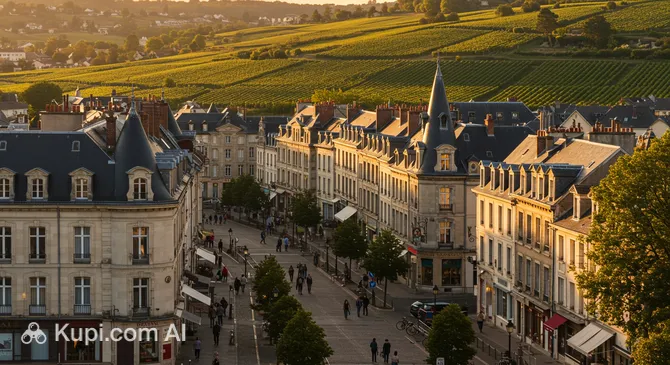
Epernay. Illustration.
Source: Kupi.com AI

With a population of approximately 22,433 people, Épernay serves as the administrative center of the Marne department while maintaining the cozy feel of a small town. At the same time, it remains a globally significant hub for the wine industry. Its atmosphere is a wonderful blend of provincial tranquility and aristocratic elegance, which is especially felt along its famous streets.

The crown jewel of Épernay is undoubtedly the Avenue de Champagne—one of the most prestigious streets in the world. Here, beneath the elegant mansions of renowned champagne houses like Moët & Chandon, Perrier-Jouët, and Mercier, lie miles (over 100 km!) of underground galleries. These chalk cellars store millions of bottles of the precious drink, maturing in perfect conditions. Visiting these cellars and enjoying a champagne tasting is a must for every visitor. Beyond its wine traditions, Épernay enchants with its scenic landscapes, cozy cafes, and warm local hospitality.

If you dream of immersing yourself in the world of French winemaking, learning the secrets of champagne production, and enjoying its unique taste in an authentic setting, Épernay is the perfect destination for you. This town will provide unforgettable impressions and leave warm memories of a journey to the very heart of Champagne.

You can find more interesting facts on the history of Épernay page.
Weather Overview

The weather in Épernay is characterized by a temperate climate. Summers are usually warm, with average temperatures in July and August around 20°C, and maximum values reaching 25°C. Winters are cool, with the average temperature in January being approximately 4.3°C and minimum values around 1.9°C. Precipitation is distributed fairly evenly throughout the year, with an average of 2-3 mm falling per month, while the number of rainy days ranges from 10 to 15 per month, indicating frequent but not heavy rainfall. In general, expect warm summers with occasional light rain and cool, damp winters.

For a more detailed forecast and information about the weather by month, you can check the Épernay climate page.

Average monthly temperature

Average monthly precipitation

Interesting Facts

Épernay, the heart of the Champagne region, is world-famous for its sparkling wines. But beyond tastings in renowned houses, the city hides many surprising details and stories that can impress even the most seasoned traveler.

Château Perrier. Illustration.
Source: Kupi.com AI

Traveler photos:

  • Beneath the city's main artery, Avenue de Champagne, where the magnificent mansions of winemakers stand—including Château Perrier—lies a true underground labyrinth. These are dozens of kilometers of chalk cellars where the famous champagne matures in ideal conditions.

  • The total length of these underground galleries beneath Épernay and its surroundings is estimated to be over 110 kilometers. Imagine, that's longer than the entire Paris Metro system!

  • Épernay is home to one of the most famous champagne houses—Moët & Chandon. Legend has it that Napoleon Bonaparte was a friend of Jean-Rémy Moët and frequently visited his estate, contributing to the drink's growing popularity.

  • For the convenience of visitors wishing to explore the vast cellars, some champagne houses, such as Mercier, offer a unique tour on a small automated train that takes you through the most interesting parts of the cellars.

How to Get There

A journey to Épernay, the capital of champagne, usually begins with an arrival at one of the major transport hubs in neighboring cities, as the town itself does not have its own airport. Most often, tourists fly into Paris, from where it is convenient to continue the journey by train or car. You can find all the details and plan your route by visiting the how to get to Épernay page.

There is no airport in Épernay itself, but you can fly into Charles de Gaulle Airport (IATA: CDG) in Paris, which is about 103 km from Épernay. This is France's main international aviation hub, receiving flights from all over the world. The drive from here takes about 1.5–2 hours, and there is also a convenient rail connection via Paris stations or the TGV station.

Another popular option is Orly Airport (IATA: ORY), also located in Paris, approximately 122 km from Épernay. This is the capital's second most important airport. Travel time by taxi or rental car is about 2 hours. For budget travelers, Beauvais–Tillé Airport (IATA: BVA), located 142 km away, may be suitable as it often hosts low-cost carriers.

For clarity, here is a summary of the main airports:

AirportPassenger trafficDistance
Charles de Gaulle Airport70.3 mln103 km
Paris Orly Airport33.1 mln122 km
Beauvais-Tille Airport6.5 mln142 km
Charleroi Brussels South Airport10.5 mln162 km
Metz-Nancy-Lorraine Airport120 000167 km

Rail transport is one of the most comfortable ways to reach the region. There is no TGV high-speed train station in Épernay itself, but you can arrive at the Champagne-Ardenne TGV station in Reims, which is only 19.2 km from Épernay. From there, you can quickly reach the center of Épernay by local train (TER) or by taxi in about 20–30 minutes.

If you are traveling from central Paris, your starting point will likely be Gare de l'Est (East Station). It is located in Paris, 118 km from Épernay. Direct regional trains depart regularly from this station to Épernay, with a travel time of about 1 hour and 15 minutes.

Information about the nearest major railway stations is provided below:

StationPassenger trafficDistance
Champagne-Ardenne TGV Station1.3 mln19 km
Marne-la-Vallée–Chessy Station11.5 mln88 km
Meuse TGV Station258 72896 km
Gare de Lyon113.2 mln118 km
Gare de l'Est34 mln118 km

Main Attractions

Épernay, the heart of the Champagne region, offers its guests several remarkable sites that help one better understand the history and culture of this famous winemaking center. These include historic mansions as well as cozy spots for relaxation and gastronomic discoveries.

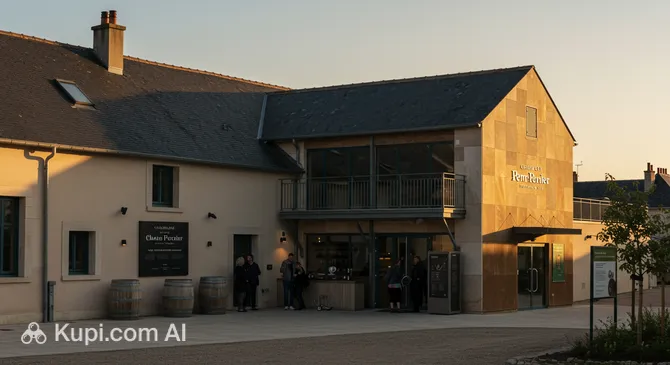
One of the city's main architectural gems is Château Perrier. This magnificent mansion, once owned by a famous family of champagne producers, is striking in its elegance and scale. Today, it serves not only as an architectural monument but also as a venue for various cultural events, attracting tourists with its history and beauty.

Château Perrier. Illustration.
Source: Kupi.com AI

Traveler photos:

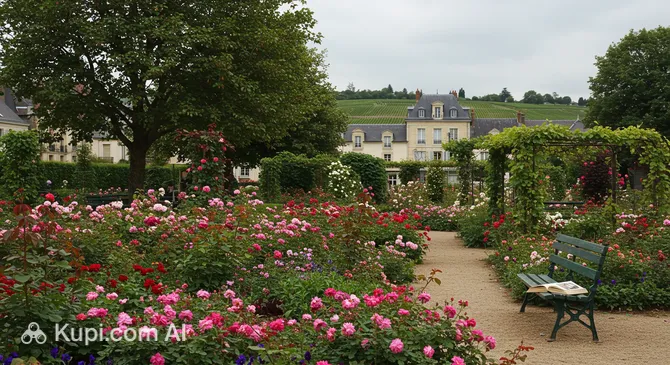
For those seeking tranquility and a connection with nature, the Horticultural Park (Parc de l'Horticulture) is an excellent choice. This well-maintained park offers pleasant walking paths, picturesque flower beds, and shady spots for relaxation. It is the perfect place to take a break from the city bustle and enjoy the beauty of nature right in the center of Épernay.

Horticultural Park. Illustration.
Source: Kupi.com AI

Traveler photos:

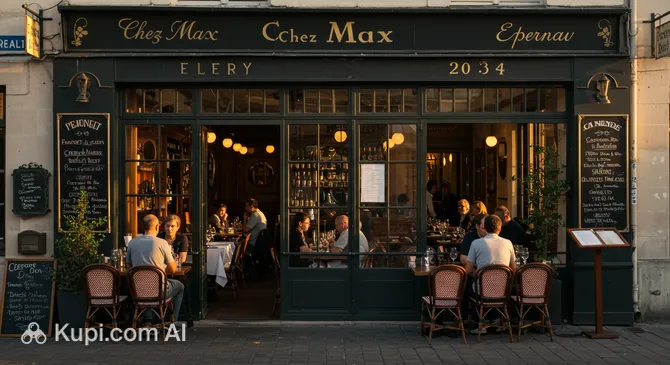
In addition to historical and natural attractions, Épernay offers gastronomic delights. The restaurant Chez Max is a popular spot where you can get acquainted with local cuisine and spend a pleasant evening. Although it is a restaurant, its fame makes it a kind of attraction for gourmets wishing to experience the authentic atmosphere of the city.

Chez Max. Illustration.
Source: Kupi.com AI

Traveler photos:

Local Cuisine

The cuisine of Épernay is a true embodiment of the refinement and richness of the Champagne region. The city's main gastronomic symbol is undoubtedly the famous champagne, produced here while carefully preserving centuries-old traditions and the highest quality standards. However, Épernay's gastronomic scene is not limited to sparkling wine; it offers a wonderful variety of flavors based on the freshest local products.

Among the dishes definitely worth trying in Épernay are delicacies made from duck and goose liver (foie gras), which have become hallmarks of French cuisine. The region is also famous for its variety of cheeses – from soft and creamy to piquant aged ones. Local chefs skillfully combine fresh vegetables, meat, and fish with sophisticated sauces and aromatic herbs, creating true culinary masterpieces. And, of course, one cannot overlook traditional French desserts, which provide a perfect conclusion to any meal.

Besides champagne, which accompanies almost every meal, you can enjoy other local drinks in Épernay, though sparkling wine certainly dominates. The dining culture in Épernay encourages slow enjoyment of food. The city abounds with cozy restaurants and cafes, where you can taste both classic regional dishes and modern signature interpretations. For example, the restaurant Chez Max invites guests to immerse themselves in the atmosphere of French gastronomy. For those who want to get closer to local products, farmers' markets are open, where you can buy fresh cheeses, cured meats, and seasonal fruits and vegetables.

Gastronomic Épernay attracts tourists not only with the chance to taste the world's best champagne but also to dive into the region's authentic culture through its flavors. Signature treats such as Biscuit Rose de Reims (pink biscuits often served with champagne) or andouillette (a special sausage characteristic of the Champagne region) leave unforgettable impressions. Annual gastronomic festivals dedicated to champagne and local cuisine turn the city into a true paradise for gourmets, offering tastings, workshops, and opportunities to meet producers.

Travel Tips

Welcome to Épernay, the sparkling heart of the Champagne region! To ensure your journey through this charming town goes smoothly and leaves only pleasant impressions, we have prepared some practical tips.

  1. Clothing and Essentials: The climate in Épernay is temperate. In summer, pack light clothing, but don't forget a sweater or light jacket for evening walks and visits to the cool champagne cellars. In spring and autumn, layered clothing and an umbrella or raincoat will come in handy. In winter, dress warmly. Comfortable shoes are your best friend for walking on the cobblestones of Avenue de Champagne and through the vineyards. Don't forget a Type E power adapter. For visiting some prestigious champagne houses or fine restaurants, smart casual attire is appropriate.
  2. City Transport: Épernay is a compact town, and its historic center, including the famous Avenue de Champagne, is easy to explore on foot. There is a local bus network (Mouv' Epernay), but for most tourist routes, you'll likely not need it. Taxis are available, but it's better to book them in advance, especially during peak hours. Ride-hailing apps may have limited coverage. If you plan to explore the Champagne wine region outside the city, renting a car is an excellent solution. Cycling trips are also popular.
  3. Financial Matters: The official currency in France is the Euro (EUR). You can exchange money at banks or exchange offices. Credit and debit cards (Visa, Mastercard) are accepted almost everywhere, but it's always useful to have some cash for small purchases, markets, or small cafes. ATMs (distributeurs automatiques) are easy to find. An approximate daily budget could be 70-150 euros per person (excluding expensive tastings and fine dining). Tipping in restaurants is often included in the bill (service compris), but if you particularly liked the service, you can leave 5-10% extra or round up the bill.
  4. Health and Safety: Pharmacies are easily recognized by a green cross; there is always a duty pharmacy (pharmacie de garde). In case of emergency, call 112. It is recommended to have travel medical insurance. Épernay is a very safe city. Follow standard precautions: keep an eye on your personal belongings, especially in crowded places, and do not leave valuables unattended.
  5. Communication and Connectivity: The official language is French. In tourist areas, hotels, and champagne houses, many people speak English. However, knowing a few basic French phrases (e.g., \"Bonjour\" – hello, \"Merci\" – thank you, \"S'il vous plaît\" – please) will be highly appreciated by the locals. You can purchase a SIM card at mobile operator stores or supermarkets. Wi-Fi is available in most hotels, cafes, and restaurants.
  6. Local Etiquette: When entering shops, cafes, or champagne houses, it is customary to say hello (\"Bonjour\" during the day, \"Bonsoir\" in the evening) and goodbye (\"Au revoir\"). The French value politeness, so don't forget to use \"s'il vous plaît\" and \"merci\". Try not to speak too loudly in public places and during tastings.
  7. What to Avoid: Don't speak dismissively about champagne or compare it to other sparkling wines in the presence of locals or producers – they are extremely proud of their heritage. Also, try to avoid loud arguments about politics unless you are sure of the other person's position.
  8. Special Tip for Épernay: Book in advance! This is especially true for visiting famous champagne houses (such as Moët & Chandon, Perrier-Jouët, Mercier). Many tours and tastings require prior registration, especially in high season. The same applies to popular restaurants, especially for dinner.

We hope these tips help you plan an unforgettable trip to Épernay. Enjoy its unique atmosphere, the hospitality of the locals, and, of course, the magnificent champagne!

Entertainment & Nightlife

Épernay, rightfully called the capital of the Champagne region, offers its guests primarily refined and tranquil evening entertainment, inextricably linked to its main treasure – champagne. Instead of noisy nightclubs, you will find elegant champagne bars, cozy restaurants, and tasting rooms at the famous champagne houses, where you can spend an unforgettable evening.

Most of the evening life in Épernay is concentrated in the heart of the city, especially along the famous Avenue de Champagne. This street is an attraction in itself, and as evening falls, its atmosphere fills with sophistication, inviting leisurely conversations over a glass of bubbly. Most establishments here stay open until late evening; however, do not expect the wild parties until dawn characteristic of major metropolises. The crowd is generally respectable, and the preferred dress code is smart casual. Prices in champagne bars can be quite high, reflecting the exclusivity of the drink and the prestige of the location.

Among the specific places for evening pastime, several types of establishments stand out. First are the numerous champagne bars located on the Avenue de Champagne, each with its own unique selection and atmosphere. Second, many famous champagne houses (such as Moët & Chandon, Perrier-Jouët, de Castellane, and others along the avenue) often offer evening tastings or special events; it is recommended to check their schedules and book in advance. For a pleasant dinner, you might consider the restaurant Chez Max, which is famous for its local and French cuisine in a cozy setting and is a great place to end the day.

Chez Max. Illustration.
Source: Kupi.com AI

Traveler photos:

Getting around central Épernay in the evening is convenient on foot, especially if you plan to spend time on the Avenue de Champagne. For trips to more distant areas or returning to your hotel late at night, it is better to use taxi services. The city is considered quite safe, but standard precautions, especially after dark, are always advisable. The atmosphere is generally very calm and conducive to relaxation.

While Épernay's nightlife differs from that of large cities, its charm lies exactly in the opportunity to spend an evening in an exquisite and sophisticated setting. As for daytime entertainment, the city also has plenty to offer. You should definitely visit the majestic Château Perrier, which now houses the Museum of Champagne Wine and Regional Archaeology. The museum's exhibition offers a deep dive into the history of winemaking and the culture of the region.

Château Perrier. Illustration.
Source: Kupi.com AI

Traveler photos:

For those who prefer outdoor recreation, the Horticultural Park (Jardin de l'Horticulture) is a wonderful place for a stroll, where you can enjoy the silence and beauty of the well-kept alleys. These daytime activities perfectly complement the impressions of evening Épernay and allow you to form a complete picture of this unique corner of France.

Horticultural Park. Illustration.
Source: Kupi.com AI

Traveler photos:

Parks & Museums

Épernay, nestled in the very heart of Champagne, offers its guests not only tastings of world-famous sparkling wines but also pleasant walks through green areas and an introduction to its rich cultural heritage. The city carefully preserves its history, reflected in its architecture and museum exhibitions.

Among the green oases of Épernay, the Horticultural Park (Parc de l’Horticulture) particularly stands out. It is a wonderful place for leisurely walks and outdoor relaxation. Well-maintained paths, flower beds, and picturesque corners of the park create a peaceful atmosphere, allowing you to escape the city bustle. There are also other squares in the city and the opportunity to walk along the Marne River, enjoying the tranquility of nature.

Horticultural Park. Illustration.
Source: Kupi.com AI

Traveler photos:

The city's main cultural magnet is undoubtedly Château Perrier. This magnificent 19th-century mansion, once owned by the Perrier-Jouët family, now houses the Museum of Champagne Wine and Regional Archaeology. Visitors can not only admire the château's luxurious architecture and interiors but also learn many interesting facts about the history of winemaking in Champagne and the region's archaeological finds. The museum's exhibits detail the champagne-making process and showcase unique artifacts.

Château Perrier. Illustration.
Source: Kupi.com AI

Traveler photos:

One cannot overlook the famous Avenue de Champagne – the calling card of Épernay. This street, listed as a UNESCO World Heritage site, is striking for its magnificent mansions and the headquarters of the most famous champagne houses. Many of them open their cellars for tours, where you can see miles of galleries storing bottles and learn the secrets of producing the legendary drink. Such visits are not just tastings but a true immersion into the culture and history of champagne.

For a more authentic experience, we suggest turning off the main tourist routes and wandering through the quiet streets of Épernay. Visit the local market to feel the atmosphere of the French province, or find a small family-run champagne estate for a more intimate tasting – this will allow you to understand the soul of this amazing city more deeply.

Getting Around

Épernay is a city that is very conducive to walking, especially its central part and the famous Avenue de Champagne. However, for longer trips or simply for convenience, the city has a public transport system, represented mainly by buses.

The main operator of public transport in Épernay and its metropolitan area is the Mouvéo network. Buses in this network connect various districts of the city as well as some nearby settlements. The route network is developed enough to reach most places of interest to tourists, including the railway station. Bus schedules can be found at stops, on the official Mouvéo website, or at the tourist office.

The fare payment system for buses in Épernay is quite standard. Tickets can be purchased directly from the driver when boarding (usually slightly more expensive) or in advance at special points of sale, such as tobacco shops (tabacs) or the Mouvéo agency. Various types of tickets exist: from single-trip tickets to day passes or multi-trip passes (for example, a carnet of 10 tickets), which can be more economical if you use transport frequently. Be sure to validate your ticket in the special validator when entering the bus.

Buses in Épernay usually start running early in the morning and finish in the evening. On weekends and public holidays, intervals between buses may increase, and some routes may operate on a reduced schedule. It is recommended to check the schedule in advance, especially if you plan to travel late. For tourists, it is helpful to have a route map, which can be obtained at the tourist information center.

In addition to buses, other methods of travel are available in Épernay. Taxis can be found at special ranks, such as near the station, or called by phone. Given the popularity of the Champagne region among cycling enthusiasts, bicycle rental points can also be found in the city. This is a great way to leisurely explore the city and its picturesque surroundings, especially the vineyards. Car-sharing services are less common than in large cities, but it is worth checking for local offers upon arrival.

Accommodation

In Épernay, the unofficial capital of the Champagne region, travelers will find various accommodation options to suit every taste and budget. The choice ranges from cozy guesthouses (chambres d'hôtes) and self-catering apartments to comfortable mid-range hotels and more luxurious establishments, often located in historic buildings.

Accommodation options located along the famous Avenue de Champagne, where many renowned champagne houses are situated, or in close proximity to the city center, are particularly popular with tourists. Such a location provides easy access to the main attractions, restaurants, and, of course, the tasting rooms. Many hotels and guesthouses in Épernay offer a unique experience tied to the region's winemaking culture.

The price range for housing in Épernay varies: you can find both relatively budget-friendly options and premium-class offers. For searching and booking, it is convenient to use popular online platforms or contact hotel websites directly. Given the high interest in the city, especially during the peak tourist season, festivals, or the grape harvest period, it is strongly recommended to book accommodation well in advance to ensure the best choice and prices.

Nearby Cities

For those who wish to explore the surrounding area, Épernay serves as an excellent starting point for day trips to several interesting nearby locations:

Among them, Reims stands out—a historic city with the magnificent Reims Cathedral (Notre-Dame), the site of the coronation of French monarchs, and numerous famous champagne houses. No less interesting is Châlons-en-Champagne, which attracts tourists with its picturesque canals, earning it the nickname "Sparkling Venice," as well as attractions like the Church of Notre-Dame-en-Vaux, a UNESCO World Heritage site, and charming gardens.

CityPopulationDistance
Tinqueux10 29423 km
Reims182 21125 km
Châlons-en-Champagne44 37931 km
Château-Thierry15 35141 km
Vitry-le-François11 74358 km

The cities presented in the table, along with other settlements in the region, offer diverse opportunities to experience the rich culture, fascinating history, and picturesque landscapes of Champagne.

Shopping & Souvenirs

Épernay, located in the heart of the Champagne region, offers unique shopping opportunities, primarily related to its greatest asset – champagne. The city is famous for its numerous shops and boutiques where you can purchase famous sparkling wines, as well as related goods and local delicacies.

The main shopping spots are concentrated in the city center. Stroll along Rue Gambetta and its adjacent streets, where you will find a variety of clothing, accessory, and book shops, and, of course, wine boutiques. Undeniably, the main "shopping artery" for champagne lovers is the famous Avenue de Champagne. Many well-known champagne houses are located here, most of which have their own shops where you can not only buy their products but also learn more about their history and production.

There are no large modern shopping malls in Épernay in the traditional sense. The emphasis is on small specialized shops, boutiques, and stalls, which gives shopping a special charm. This is where you can find unique goods and enjoy the atmosphere of the French province.

Be sure to visit the local indoor market, Marché Couvert Saint-Thibault (usually open on Wednesday and Saturday mornings). It is a great place to immerse yourself in the city's daily life, buy fresh local produce, cheeses, cured meats, pastries, and perhaps find interesting handmade souvenirs. The market's atmosphere is very colorful and allows you to experience the real taste of Champagne.

The main souvenir from Épernay is, of course, champagne. The choice is huge – from products of world-famous brands to wines from small family estates. Besides champagne, it is worth paying attention to special glasses for sparkling wine, stoppers, and other accessories. Local sweets are also popular, such as the pink biscuits from Reims (Biscuits roses de Reims), traditionally served with champagne, and various types of mustard.

Most shops in Épernay are open from Monday to Saturday, usually from 10:00 to 19:00, with a lunch break (approximately from 12:30 to 14:30). On Sundays, many shops, except for some souvenir stalls and grocery stores, may be closed. Bank cards (Visa, Mastercard) are accepted almost everywhere, but it is always useful to have some cash with you, especially for market purchases.

For tourists from countries outside the European Union, there is a tax refund (Tax Free) option for purchases over a certain amount in participating shops. Usually, the minimum purchase amount is around 100-175 euros in one shop on one day. Don't forget to ask the seller for a special Tax Free form and present it along with your purchases at customs when leaving the EU.

Reached the end of the page?

That means the route is fully explored