Support

Rurutu

About

Welcome to Rurutu, a captivating destination that offers a distinct departure from the typical postcard image of the South Pacific. Unlike many of its neighbors, this island in the Austral archipelago does not possess a barrier reef, giving it a wild and rugged coastline that is truly breathtaking. As part of French Polynesia, it stands out for its unique geological formation, known as a raised atoll, which creates impressive cliffs and a dramatic landscape.

Often referred to as the "Island of the Whales," Rurutu is home to a close-knit community of approximately 2,300 inhabitants. The island's geography is defined by its ancient coral walls and lush interior, offering a slightly cooler and more temperate climate than the northern archipelagos. This refreshing atmosphere makes it an ideal location for outdoor adventures and exploring the island's rich natural beauty.
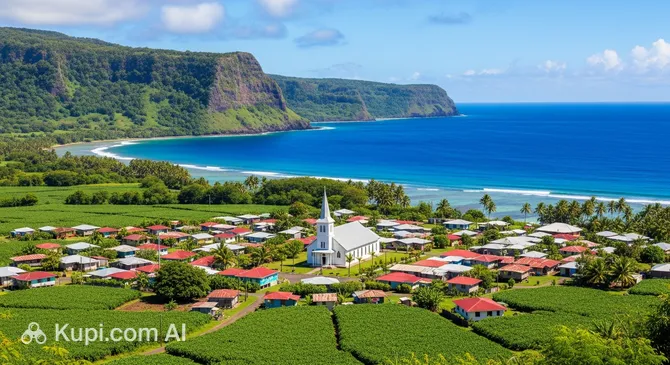
Rurutu. Source: Kupi.Binoculars

The local culture is deeply rooted in tradition, evident in the island's renowned weaving craftsmanship and communal lifestyle. To fully appreciate the spirit of the island, it is worth exploring the history of Rurutu, which reveals the fascinating stories of its Polynesian settlers and the enduring customs that shape daily life today. The islanders are known for their warm hospitality and the preservation of their heritage.

Travelers are primarily drawn here for the spectacular whale watching opportunities. From July to October, humpback whales migrate to these waters to reproduce and nurse their calves, often coming incredibly close to the shore. Additionally, the island is famous for its majestic limestone caves, such as Ana A'eo, which are steeped in legends and offer stunning panoramic views of the ocean.

Whether you are seeking an intimate encounter with marine giants or a peaceful retreat into authentic island life, Rurutu promises an unforgettable journey. It is a place where time seems to slow down, inviting visitors to connect with nature in its purest and most untouched form.

Weather Overview

Understanding the local climate is key to planning your visit to this unique island in the Austral archipelago. Generally, the weather in Rurutu is moderate and subtropical, avoiding the sweltering heat often found closer to the equator. The year is typically divided into a warmer, more humid season and a cooler, drier period, offering comfortable conditions for exploration year-round.

The warmest months occur at the beginning of the year, with January through March seeing average temperatures peaking around 26.0°C. This period corresponds with a higher frequency of rainfall; for instance, March can experience up to 22 wet days, although the actual volume of precipitation often remains quite low. Travelers visiting during this time should be prepared for frequent, albeit often brief, showers.

From June to October, the island enters its cooler season. September is typically the coolest month, with average temperatures dipping to approximately 21.9°C. This is also the driest part of the year, with October seeing as few as 9 wet days. Expect warm summers with frequent light showers and cooler, drier winters that are perfect for hiking and whale watching.

Interesting Facts

Beyond the main attractions, Rurutu holds many fascinating secrets that reveal the depth of its history and geology. From unique sporting traditions to surprising agricultural gems, the island offers much more than just beautiful landscapes.

  • The Stone Lifting Tradition: Rurutu is famous for keeping the ancient Polynesian sport of Amoraa alive. During cultural festivals, strongmen and strongwomen compete to lift massive volcanic boulders, some weighing up to 150 kilograms, onto their shoulders. It is a prestigious display of strength that connects the community to their ancestral warrior past.

  • A "Troglodyte" History: The island is often nicknamed the "Troglodyte Island" because of its honeycomb-like limestone cliffs. In the past, the hundreds of caves dotting the coast were not just geological features but served as actual dwellings, fortresses during tribal wars, and sacred burial sites, traces of which can still be found today.

  • Whale Watching from Land: Unlike most South Pacific islands surrounded by distant barrier reefs, Rurutu has deep water right up to its coastline. This unique geography allows visitors to witness majestic humpback whales breaching and nursing their calves just a few meters from the shore, often visible directly from the coastal road or viewing platforms.

  • Coffee in the Tropics: While the region is known for coconuts and vanilla, Rurutu boasts a rare microclimate that supports the cultivation of Arabica coffee. The island produces its own distinct, small-batch coffee, which is roasted locally and offers a unique taste of the Austral archipelago that few travelers get to experience.

How to Get There

Reaching this remote gem in the Austral archipelago is an adventure in itself, primarily involving air travel from the main island of Tahiti. Since there are no international flights directly to the island, visitors typically connect through Papeete. For a detailed breakdown of routes and logistics, you can read more about how to get to Rurutu.

The most convenient and common way to arrive is via the local Rurutu airport (IATA: RUR). Situated on the island itself, this facility serves as the main gateway for travelers. It is located approximately 4.2 km from the central areas of the island. A transfer by taxi or shuttle to your accommodation typically takes just a short drive, allowing you to quickly settle in and start enjoying the scenery. The airport handles a modest volume of passengers annually, reflecting the island's exclusive and peaceful atmosphere.

Another regional hub in the Austral Islands is Tubuai (IATA: TUB). However, it is important to note that this airport is located in the city of Tubuai, which is on a completely different island approximately 211 km away from Rurutu. Travelers might transit through here or visit as part of an island-hopping itinerary, but it requires a connecting inter-island flight rather than ground transport to reach Rurutu.

For clarity, here is a summary of the main airports:

Airport Name City Passenger Traffic Km from City
Rurutu Rurutu Small 4.2
Tubuai Tubuai Small 211.8

Main Attractions

Rurutu offers a fascinating array of attractions that blend natural wonders with rich cultural history. Unlike the typical lagoon-focused activities of other Polynesian islands, the highlights here are centered around its unique geology, ancient history, and rugged terrain. Exploring these sites provides a deep connection to the "Mana" of the Austral Islands.

One of the most iconic sites is Ana A'eo, also known as the "Monster's Cave." Located near the village of Vitaria, this massive limestone cavern is a geological masterpiece. Visitors are greeted by a spectacular "forest" of stalagmites and stalactites that have formed over thousands of years. The cave's opening resembles the gaping mouth of a monster, adding to its mystical atmosphere and making it a favorite spot for photographers and geology enthusiasts.

For those seeking panoramic views and outdoor adventure, a hike up Mont Manureva is essential. As the highest point on the island, standing at approximately 385 meters, it offers breathtaking 360-degree views of the lush landscape and the surrounding ocean. The hike reveals the island's unique "basket" shape, formed by the raised coral cliffs surrounding the interior volcanic hills, providing a perfect vantage point to appreciate Rurutu's distinctive topography.

History buffs will find the ancient site of Marae Tararoa in the village of Vitaria particularly interesting. This archaeological remnant is one of the most significant marae (sacred meeting grounds) in the Austral archipelago. It offers a glimpse into the pre-European social and religious life of the islanders. Walking among the ancient stones, visitors can sense the weight of history and the ancestral heritage that is still deeply respected by the local community.

Finally, a visit to the local Artisan Centers in the main villages of Moerai and Avera is a must for understanding the island's living culture. Rurutu is renowned throughout French Polynesia for its exceptional weaving, particularly of hats and mats made from dried pandanus leaves. Watching the local "mamas" create these intricate works of art is not just a shopping opportunity but a chance to witness a cherished tradition passed down through generations.

Local Cuisine

The culinary experience in Rurutu is deeply connected to its fertile soil and the surrounding ocean, offering a taste of authentic Polynesian life that is far removed from commercial dining. Known as the "Basket of the Austral Islands," the island is famous for its agriculture, particularly its high-quality root vegetables. The food here is simple, hearty, and prepared with fresh, organic ingredients harvested directly from the family plantations or caught in the nearby waters.

No visit to Rurutu is complete without trying Taro, which is the island's pride and joy. The locals cultivate different varieties of this tuber in ancient, water-fed terraces. It is often served boiled, fried, or prepared as Popoi, a thick, pounded paste that is a staple of the local diet. Seafood lovers will delight in the abundance of fresh catch, particularly Poisson Cru (raw fish marinated in lime juice and coconut milk), which is a refreshing daily standard. You might also encounter delicious dishes featuring lobster or reef fish, often grilled or cooked in coconut milk.

When it comes to beverages, the options are as natural as the food. Fresh coconut water is the ultimate thirst quencher, readily available and often harvested right in front of you. For something warmer, Rurutu is one of the few places in the region where you can taste locally grown Arabica coffee. This rare island brew has a distinct flavor profile due to the unique microclimate. In the evenings, locals and visitors alike often enjoy a cold Hinano, the iconic lager of French Polynesia, which pairs perfectly with the humid tropical nights.

The dining scene in Rurutu is intimate and communal, revolving primarily around Pensions de Famille (guesthouses). Unlike major tourist hubs, there are very few standalone restaurants. Instead, tourists typically eat breakfast and dinner at their accommodation, sharing large, family-style meals with their hosts and other travelers. For lunch, you can find a few small "Snacks" (casual eateries) in the main villages of Moerai and Avera, serving sandwiches, steak-frites, or the catch of the day. On Sundays or special occasions, you might be lucky enough to experience an Ahima'a, a traditional earth oven feast where food is slow-cooked on heated stones for hours.

Travel Tips

Traveling to Rurutu is a step back in time, offering a genuine Polynesian experience far removed from the luxury resorts of the Society Islands. Because of its remote nature and unique climate, a little extra preparation goes a long way in ensuring your adventure is smooth and enjoyable.

  1. Clothing and Gear: While the climate is tropical, Rurutu is part of the Austral Islands, which are cooler than Tahiti, especially from June to September. Pack a light sweater or fleece for the evenings. Essential gear includes sturdy hiking shoes with good grip for exploring the slippery limestone caves and reef shoes for the water. If you plan to attend a church service—a cultural highlight—bring modest clothing that covers shoulders and knees.

  2. Transportation: There is no public transport system on the island. Your guesthouse (pension) will typically arrange airport transfers. To explore the island at your own pace, renting a 4x4 vehicle or a scooter is the best option, as the terrain is hilly and some roads are unpaved. Hitchhiking is common and safe, often leading to friendly encounters with locals.

  3. Finances: The currency is the Pacific Franc (XPF). Cash is king on Rurutu. While major guesthouses may accept credit cards, small shops and snack bars usually do not. There is a bank (Banque Socredo) with an ATM in the main village of Moerai, but it is highly recommended to withdraw sufficient cash in Tahiti before you arrive, as the machine can occasionally be out of service.

  4. Health and Safety: The island is extremely safe with virtually no crime. For health needs, there is a medical center in Moerai, but pharmacies are limited. Bring a personal kit with essential medications, sunscreen, and strong mosquito repellent. While tap water is often treated in the main villages, sticking to bottled or filtered water is a safe precaution for short-term visitors.

  5. Communication: French is the official language, and the local Austral dialect is spoken daily. English is generally understood by guesthouse hosts and tour guides, but less so by the wider community. A simple "Ia Orana" (Hello) and "Mauruuru" (Thank you) will be met with warm smiles. Internet speeds can be slow; purchasing a prepaid SIM card (like Vini) in Tahiti is the most reliable way to stay connected.

  6. Local Etiquette: Greetings are important here; wave or say hello to people you pass on the road. It is customary to remove your shoes before entering a home or your bungalow. Sunday is strictly observed as a day of rest and worship. The island becomes very quiet, and it is respectful to keep noise down and avoid working or loud activities.

  7. What to Avoid: Do not walk around the villages or shops in swimwear; always cover up with a t-shirt or pareo when leaving the beach. Also, avoid touching the stalactites and stalagmites in the caves, as the oils from your skin can stop their growth and damage these ancient formations.

  8. Sunday Survival: Be aware that almost everything closes on Sundays, including shops and local eateries. If your accommodation does not provide full board, ensure you buy snacks or arrange your Sunday meals on Saturday. It is the perfect day to relax, attend church to hear the beautiful choral singing, and enjoy the silence.

Rurutu is a place where nature and tradition dictate the rhythm of the day. By packing the right gear and respecting the local customs, you will find yourself effortlessly syncing with the "island time" and enjoying the warm hospitality of the Rurutuans.

Entertainment & Nightlife

Nightlife in Rurutu is a world away from the bustling clubs and neon lights of typical tourist destinations. Here, the evening entertainment is defined by tranquility, connection, and the natural rhythm of island life. Travelers should not expect discotheques, loud bars, or designated nightlife districts. Instead, the "nightlife" is centered around intimate gatherings, stargazing, and the warm hospitality found within the local guesthouses and small eateries.

The social hub of the island after dark is almost exclusively the Pensions de Famille (guesthouses) and the few small hotels. This is where visitors and locals mingle, often sharing large communal meals that last well into the evening. Places like Vaitumu Village in the Moerai area offer a bar setting where you can enjoy a cocktail or a cold Hinano beer while listening to the ocean. Another popular spot for a convivial atmosphere is Le Manotel, known for its lively dinners where the hosts often share stories and legends of the island. These venues provide a relaxed dress code—casual island wear is the norm—and a welcoming vibe that feels more like visiting family than being at a commercial venue.

While there are no specific "party streets," the main village of Moerai is the closest thing to a center of activity. On weekends, you might find a local "Snack" (small eatery) open a bit later, serving food and drinks. If you are lucky, you might stumble upon a traditional Bringue—a spontaneous Polynesian party involving ukuleles, singing, and dancing. These events are not scheduled tourist attractions but authentic expressions of joy that locals are often happy to share with respectful visitors.

Practicality is key when planning an evening out. The concept of "opening hours" is fluid; dinner is usually served around 7:00 PM, and most venues wind down by 9:00 or 10:00 PM. Prices for drinks and food are reasonable but slightly higher than in Tahiti due to freight costs. It is essential to carry cash (Pacific Francs), as credit cards are rarely accepted outside of the main accommodations.

Getting around at night requires planning. There are no taxis or public transport services available in the evening. If you decide to dine somewhere other than your accommodation, you will need a rental car or a scooter. However, be extremely cautious: street lighting is minimal to non-existent outside the villages, and the roads can be winding. For safety, it is best to stay near your guesthouse after dark or ensure you have a reliable torch if walking nearby. The island is incredibly safe in terms of crime, but the lack of visibility is a genuine hazard.

During the daylight hours, entertainment shifts to cultural and natural exploration. While there are no amusement parks or large museums, visitors can immerse themselves in the island's heritage at the artisan centers in Avera and Moerai, where the famous Rurutu weaving is demonstrated. The "entertainment" here is the adventure itself—exploring the limestone caves, hiking the volcanic peaks, or simply watching the whales from the coast.

Parks & Museums

Rurutu is not a destination defined by manicured city parks or glass-enclosed museums; rather, the entire island serves as a living, breathing open-air gallery. The cultural heritage here is preserved not in display cases, but in the hands of artisans and the stones of ancient temples, while the "parks" are the lush, wild landscapes that have remained largely unchanged for centuries. Visitors will find that nature and history are inextricably linked, offering an immersive experience that feels far more authentic than a traditional tour.

Mont Manureva acts as the island's premier natural sanctuary. While not a park in the urban sense, this area offers the best hiking opportunities on Rurutu. The trails wind through dense vegetation, featuring ferns and wild orchids, leading up to the highest point of the island. It is a green haven where the air is fresh and the panoramic views reveal the island's unique geological structure—a raised atoll without a lagoon, surrounded by the deep blue Pacific. It is the perfect spot for nature lovers to observe local birdlife and enjoy the serenity of the Austral landscape.

Another significant natural area is the coastline near Vitaria. Unlike the typical sandy beaches of Polynesia, this area is characterized by its dramatic limestone formations and ancient coral cliffs. It serves as a geological park where visitors can walk along the rugged shore, exploring the fossilized coral structures that tell the story of the island's emergence from the sea. The area is also the gateway to several of the island's famous caves, making it a place of both natural beauty and geological wonder.

In terms of cultural institutions, the Artisan Centers (Fare Rima'i) located in the villages of Moerai and Avera are the true custodians of Rurutu's artistic heritage. These centers function as living museums where the island's renowned weaving tradition is practiced and displayed. Rurutu is famous throughout French Polynesia for the quality of its peue (mats) and hats made from dried pandanus leaves. Here, visitors can watch the "mamas" at work, learn about the intricate patterns that have been passed down through generations, and appreciate the craftsmanship that is central to the island's identity.

For a glimpse into the ancient history of the island, the Marae Tararoa stands as a significant open-air historical site. Located near Vitaria, this ancient Polynesian temple complex offers a window into the pre-Christian era of the Austral Islands. The arrangement of volcanic stones and coral slabs marks the spot where royal and religious ceremonies once took place. While there are no plaques or audio guides, the site's atmosphere is powerful, serving as a silent monument to the ancestors who first settled these shores.

Insider Tip: When visiting the Artisan Centers, do not be afraid to ask questions. The women working there are often proud to explain the process of preparing the pandanus leaves, which involves soaking, drying, and softening them before weaving begins. It transforms a simple shopping visit into a genuine cultural exchange.

Getting Around

Navigating Rurutu is a unique experience that requires a shift in expectations, as the island does not possess a formal public transport system. Visitors will not find buses, metros, trams, or scheduled shuttle services connecting the villages. Instead, getting around is largely a matter of personal independence or arrangement through your accommodation. The island is small, with a circumference of roughly 30 kilometers, making it manageable to explore on your own terms.

The primary mode of transport for tourists is vehicle rental. Due to the island's rugged terrain and sometimes unpaved roads, renting a 4x4 vehicle or a sturdy SUV is highly recommended. For those who are comfortable on two wheels, scooters are a popular and economical choice, allowing you to feel the ocean breeze as you travel between Moerai, Avera, and Auti. Bicycles, including electric bikes, are occasionally available for rent at guesthouses, offering a slower, more eco-friendly way to see the sights.

Since there is no central ticketing office or transit authority, the "payment system" is straightforward: cash is king. Most rentals are organized directly through your "Pension de Famille" (guesthouse) or small local rental agencies. Prices are typically fixed per day. It is essential to carry sufficient local currency (Pacific Francs), as credit card machines are not always available or reliable for these transactions. There are no travel passes or transport apps to download.

For airport transfers, you do not need to worry about hailing a cab. Taxis in the traditional sense are virtually non-existent on the island. Instead, almost all accommodations provide shuttle services for their guests upon arrival and departure. It is crucial to confirm this service when you book your stay, as there are no taxis waiting at the airport terminal. If you wish to dine out at a different guesthouse or restaurant in the evening, your host can usually arrange a drop-off and pick-up for a fee.

A charming alternative common in this close-knit community is hitchhiking. It is widely accepted and considered safe on Rurutu. Locals are generally very friendly and willing to offer a lift to visitors walking along the main coastal road. While it is not a guaranteed schedule, it is a wonderful way to meet islanders and experience their legendary hospitality. However, always use your best judgment and be respectful of the driver's time.

Accommodation

When planning a stay in Rurutu, it is essential to adjust your expectations away from the typical luxury resort model found in other parts of French Polynesia. You will not find sprawling hotel chains, overwater bungalows, or high-rise complexes here. Instead, the island offers a warm and authentic experience primarily through Pensions de Famille (family-run guesthouses). These accommodations are the heart of the island's tourism, providing not just a place to sleep but a genuine immersion into the daily life and hospitality of the Austral Islands.

The available options generally fall into the mid-range category. While they may lack the amenities of a five-star hotel, they make up for it with character, cleanliness, and personalized service. Accommodations typically consist of independent bungalows or rooms set within a family's garden or along the coastline. The atmosphere is intimate and communal, often feeling more like staying with distant relatives than checking into a commercial establishment.

In terms of location, most lodging is concentrated around the main villages, particularly Moerai and Avera. Staying near Moerai is often considered the most convenient option for tourists, as it serves as the island's administrative center. Here, you are closer to the bank, the few local shops, the medical center, and the port. For those seeking absolute tranquility and a sense of isolation, guesthouses located further out towards Avera or the village of Auti offer peaceful retreats surrounded by lush vegetation and the sound of the ocean.

A crucial aspect of staying in Rurutu is the dining arrangement. Since independent restaurants are scarce, almost all guesthouses operate on a half-board (demi-pension) or full-board basis. This usually includes a hearty breakfast and a communal dinner where guests gather to share stories and enjoy local dishes prepared by the hosts. It is highly recommended to book this option, as finding dinner elsewhere can be difficult, especially after dark.

Booking Tips: The island has a limited capacity, and rooms can fill up remarkably fast, particularly during the whale-watching season from July to October. It is advisable to secure your accommodation several months in advance if you plan to visit during this peak period. Regarding payment, while some larger pensions may accept credit cards, it is safer to rely on cash (Pacific Francs) to settle your bill or pay for extras, as connectivity can be intermittent. Most bookings are made directly through the guesthouses' websites or via travel agents specializing in Tahiti and her islands.

Nearby Cities

Rurutu is situated in the remote Austral Islands, far removed from the bustling hubs of the Society archipelago. Due to the vast distances characteristic of the South Pacific, the concept of "nearby" cities refers primarily to the major population centers and tourist destinations located to the north. These locations are essential for connectivity, commerce, and travel logistics, serving as the primary gateways for visitors arriving in this secluded part of French Polynesia.

The following table lists the closest major cities and islands, along with their approximate distance from Rurutu. Access to these destinations is almost exclusively by air, with flights typically operated by the domestic carrier, Air Tahiti.

City / Island Population Distance (km)
Papeete 131,695 577
Moorea 18,000 568
Raiatea 12,500 625
Huahine 6,000 639
Bora Bora 10,605 661

Among these, Papeete (located on the island of Tahiti) is the most significant, functioning as the administrative capital and the main transit hub for all international and most inter-island travel. While islands like Moorea and Bora Bora are geographically closer to Tahiti than to the Austral group, they are listed here as key regional neighbors that travelers often combine with a trip to Rurutu.

Shopping & Souvenirs

Shopping in Rurutu is a delightful reflection of the island's authentic lifestyle, far removed from the commercialism of larger tourist hubs. Visitors will not find designer boutiques, duty-free promenades, or sprawling retail complexes here. Instead, the shopping experience is intimate and culturally rich, focused almost entirely on local craftsmanship and daily necessities. It is an opportunity to engage directly with artisans and support the local economy while acquiring unique, handmade treasures that carry the spirit of the Austral Islands.

The primary commercial activity is concentrated in the main village of Moerai. This is where the island's pulse beats the strongest, hosting a handful of general stores known locally as magasins. These small, family-run shops stock everything from groceries and basic clothing to hardware and fishing gear. While they are not "shopping districts" in the traditional sense, a stroll through Moerai offers a glimpse into local life, where you might find colorful pareos (sarongs) or simple island-style apparel amidst the everyday goods.

Travelers should be aware that there are no shopping malls on Rurutu. The retail landscape is defined by standalone structures and small cooperative centers rather than large commercial developments. Those accustomed to the department stores of Tahiti will find a much quieter, simpler scene here, where the focus is on utility and tradition rather than luxury and variety.

While there are no bustling food markets like the one in Papeete, the island's true "market" experience is found in the Artisan Centers (Fare Rima'i). Located in the villages of Moerai and Avera, these centers are the heart of the island's shopping scene for tourists. Here, the local women gather to weave, sew, and sell their creations. It is the best place to find fresh, high-quality handicrafts directly from the makers, often accompanied by a friendly conversation about the techniques used.

When it comes to souvenirs, Rurutu is famous throughout French Polynesia for its exceptional weaving. The islanders are masters of working with dried pandanus leaves, creating intricate hats, bags, and the highly prized peue (floor mats). A genuine Rurutu hat is a wearable work of art and a must-buy. Additionally, look for bags of locally grown Rurutu coffee, a rare Arabica variety roasted on the island, as well as jars of homemade jams made from tropical fruits like guava or taro. Small carved stone items or shell jewelry are also popular keepsakes.

Store hours on the island operate on "island time." Generally, shops open early, around 7:00 or 7:30 AM, and close for a long lunch break from noon until 1:30 or 2:00 PM. They typically close for the day by 5:00 or 6:00 PM. On Saturdays, hours are reduced, and Sundays are strictly observed as a day of rest, meaning almost all shops will be closed. Regarding payment, cash is essential. While one or two larger stores might accept credit cards, the artisan centers and smaller shops deal exclusively in Pacific Francs (XPF). Visitors should ensure they have sufficient cash withdrawn from the ATM in Moerai.

Tax-free shopping is generally not applicable on Rurutu itself. The tax refund schemes available in French Polynesia are typically processed at the international airport in Tahiti for goods purchased in larger, participating stores. On Rurutu, the transactions are simple and local, with no specific infrastructure for tourist tax refunds.

Nearby cities

Reached the end of the page?

That means the route is fully explored