Support

Tubuai

About

Welcome to Tubuai, the administrative capital and the largest island of the Austral archipelago. Nestled in the southern waters of French Polynesia, this oval-shaped island offers a serene escape characterized by lush landscapes and a breathtaking turquoise lagoon. With a population of approximately 2,200 inhabitants, Tubuai maintains a quiet, authentic charm that stands in contrast to the busier tourist hubs of the Society Islands.
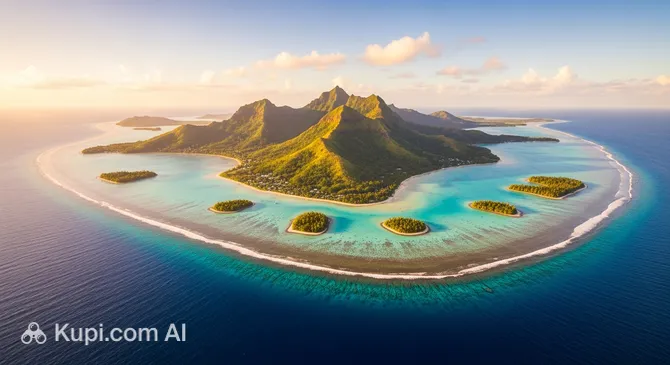
Tubuai. Source: Kupi.Binoculars

The island is renowned for its temperate climate, which is slightly cooler than Tahiti, creating ideal conditions for agriculture. Often called the "garden of the Australs," Tubuai is famous for its fertile soil, producing abundant crops of coffee, taro, and especially delicious lychees. The geography is dominated by the twin peaks of Mount Taita'a and Mount Pii, which offer panoramic views over the surrounding barrier reef and the motus (islets) scattered across the water.

Visitors interested in the past will find the history of Tubuai particularly fascinating due to its connection with the famous Mutiny on the Bounty. The mutineers briefly attempted to settle here in the late 18th century, constructing the defensive site known as Fort George, the remains of which can still be visited today. This unique historical episode adds a layer of intrigue to the island's peaceful atmosphere.

For nature lovers and adventurers, Tubuai provides excellent opportunities for exploration. You can hike the trails up to Mount Taita'a to witness the stunning contrast between the green slopes and the endless blue ocean. The immense lagoon is perfect for water activities, including snorkeling, diving, and kitesurfing, offering a chance to swim in crystal-clear waters teeming with marine life.

Whether you are seeking a journey into history or simply wish to unwind in a pristine tropical paradise, Tubuai welcomes you with open arms. Experience the warmth of the local hospitality and the untouched beauty of this hidden gem in the South Pacific.

Weather Overview

Tubuai enjoys a moderate sub-tropical climate that is generally cooler and more temperate than the Society Islands further north. The weather in Tubuai remains comfortable throughout the year, avoiding the extreme heat often found in other tropical destinations, which makes it ideal for hiking and outdoor activities.

The warmest period occurs from January to April, where average temperatures hover around 25°C to 26°C. February is typically the warmest month, with highs reaching approximately 26.4°C. However, this season also brings higher humidity and more frequent rainfall; March, for instance, can see up to 22 wet days, so travelers visiting during this time should be prepared for passing showers.

From June to October, the island enters a cooler and drier phase. During these months, the average temperature dips to between 21°C and 23°C, with September nights occasionally cooling down to around 20.7°C. This is the driest part of the year, particularly in October, which records the fewest wet days (around 8), offering clear skies and crisp air for exploring the lagoon and mountains.

Overall, expect warm and humid conditions with frequent rain during the early months of the year, transitioning to cooler, drier, and breezier weather from June through October.

Interesting Facts

Beyond its serene lagoon and lush agricultural valleys, Tubuai holds many fascinating secrets, particularly concerning its dramatic role in one of the most famous maritime stories in history. While often overshadowed by Tahiti, this island was the chosen refuge for the Bounty mutineers long before they settled on Pitcairn.

  • The Lost Colony of Fort George: Before vanishing to Pitcairn Island, the infamous mutineers of the HMS Bounty, led by Fletcher Christian, attempted to settle here in 1789. They constructed a massive defensive structure known as Fort George, complete with a drawbridge and a moat that was 18 feet wide. Although the fort was abandoned after just two months due to conflicts, its earthworks remain a significant historical site on the northeast coast.

  • The Irony of Bloody Bay: One of the island's most beautiful beaches, located on the north coast, bears the chilling name Baie Sanglante (Bloody Bay). This scenic spot was the site of a violent skirmish between the mutineers and the local warriors upon the ship's first arrival. Today, the bay is a peaceful expanse of white sand, offering a stark contrast to its turbulent name and history.

  • A Lagoon Larger Than the Land: Tubuai is a "high island" surrounded by a barrier reef, but its proportions are unusual. The turquoise lagoon covers approximately 85 square kilometers, which is nearly double the size of the island's landmass (45 square kilometers). This vast, protected water world is dotted with pristine motus (islets) and is renowned for its vibrant marine life.

  • The Breadbasket of the Australs: Thanks to its southern location, Tubuai enjoys a cooler, more temperate climate than the Society Islands. This unique weather pattern allows farmers to grow crops that are difficult to cultivate elsewhere in French Polynesia, such as potatoes, carrots, and lychees. The island is famous for its annual lychee harvest, which is celebrated with festivities and supplies markets across the entire territory.

  • A Kitesurfing Paradise: While less famous than other global spots, Tubuai is a hidden gem for wind sports. The consistent trade winds and the expansive, shallow waters of the lagoon create world-class conditions for kitesurfing and windsurfing, attracting enthusiasts who prefer uncrowded and pristine waters.

How to Get There

Reaching this remote paradise in the Austral Islands is a journey that typically begins with a flight from Tahiti. Since the island is secluded, air travel is the primary and most efficient method of arrival. For a detailed overview of flight schedules and travel tips, you can read more about how to get to Tubuai.

The island is served by its own domestic airport, Tubuai (IATA: TUB), which is conveniently located just 3.7 km from the main settlement. This small regional hub connects the island to the rest of French Polynesia, with regular flights operated by the domestic carrier. Once you land, the transfer to the village center is quick and easy, taking just a short drive by taxi or shuttle service.

Travelers exploring the wider archipelago might also transit through or visit neighboring islands. Rurutu (IATA: RUR) is another significant airport in the chain, located about 219 km away in the city of Rurutu. Additionally, the smaller Raivavae airport (IATA: RVV) serves the island of Raivavae, roughly 195 km from Tubuai. While these airports are on separate islands and not accessible by road, they are key stops on the Austral Islands air route.

For clarity, here is a summary of the main airports in the vicinity:

Airport Name City Passenger Traffic Km from City
Rurutu Rurutu Medium 219.1
Tubuai Tubuai Medium 3.7
Raivavae Rairua Small 194.6

Main Attractions

While Tubuai is often celebrated for its agricultural abundance, it also boasts a selection of captivating sites that blend dramatic history with natural splendor. Visitors to this quiet island in the Austral archipelago can explore remnants of the famous Mutiny on the Bounty, hike lush peaks, or simply relax on pristine beaches that see very few footprints.

One of the most significant historical sites in the entire South Pacific is Fort George. Located on the northeast coast, this is where the mutineers of the HMS Bounty, led by Fletcher Christian, attempted to establish a settlement in 1789. Although the wooden structures are long gone, the earthworks and the outline of the moat are still visible today. For history enthusiasts, standing on the ground where these infamous sailors once lived offers a tangible connection to one of the sea's greatest legends.

For those seeking panoramic views, a hike up Mount Taita'a is an essential experience. Rising 422 meters above sea level, it is the island's highest point and offers a relatively accessible trail for hikers. The summit rewards adventurous travelers with a breathtaking 360-degree view of the island's lush interior, the patchwork of taro fields, and the stunning contrast between the turquoise lagoon and the deep blue ocean beyond the barrier reef. It is the perfect spot to appreciate the island's unique oval shape and geography.

The vast Lagoon of Tubuai is an attraction in itself, dotted with several idyllic islets known as motus. A boat excursion to Motu One or Motu Toena is a highlight for many visitors. These small patches of land offer white sandy beaches and crystal-clear waters ideal for snorkeling and picnicking. The lagoon is renowned for its vibrant marine life, including colorful clams and coral formations, making it a peaceful haven for water lovers away from the main island.

Despite its ominous name, Bloody Bay (Baie Sanglante) is arguably the most beautiful beach on the island. While its name references a historical conflict between the Bounty mutineers and islanders, the modern reality is a serene stretch of powdery white sand and calm waters. It is a favorite spot for both locals and tourists to swim, sunbathe, and enjoy the tranquility of the north coast, offering a perfect setting for a relaxing day by the sea.

Local Cuisine

The cuisine of Tubuai stands out in French Polynesia due to the island's unique reputation as the "vegetable garden" of the archipelago. Thanks to the cooler climate and fertile soil, local dishes often feature fresh ingredients that are rare elsewhere in the tropics, such as locally grown potatoes, carrots, and cabbages. These temperate vegetables are frequently blended with traditional Polynesian staples like breadfruit and taro to create hearty and wholesome meals.

Seafood remains the heart of the local diet, with the vast lagoon providing a bounty of fresh catch. A true specialty of the Austral Islands is the pahua (giant clam). It is a versatile ingredient that you might find served raw with a splash of lime juice, cooked in a rich coconut milk curry, or prepared as a tartare. Of course, the classic poisson cru au lait de coco (raw fish marinated in lime and coconut milk) is a daily staple here, offering a refreshing taste of the ocean.

Tubuai is also celebrated for its fruit, particularly its famous lychees. If you visit during the harvest season around November and December, you will find these sweet, juicy fruits in abundance, often sold at roadside stalls or served fresh for dessert. For beverages, fresh coconut water is the ultimate thirst quencher, while locally produced fruit juices provide a sweet, non-alcoholic alternative. Light lagers, such as the ubiquitous Hinano, are the standard choice for an alcoholic drink to enjoy with a sunset view.

The food culture in Tubuai is intimate and authentic, with very few formal restaurants. Instead, the best culinary experiences are often found at guesthouses (pensions), where hosts prepare communal, family-style dinners using the day's harvest and catch. For a casual lunch, look for a local "snack"—small, unassuming eateries that serve generous portions of grilled fish, steak and fries, or chow mein, offering a genuine slice of daily island life.

Travel Tips

Traveling to the Austral Islands requires a bit more preparation than a trip to the more commercialized archipelagos of the Pacific. To help you navigate the unique rhythm of Tubuai and make the most of your stay, here are some practical insights to ensure your journey is as smooth as it is memorable.

  1. Clothing and Essentials: Since Tubuai is situated further south, the climate is noticeably cooler than in Tahiti, especially during the austral winter (June to September). Pack a light jacket or windbreaker for breezy evenings and early mornings. While swimwear is a must for the lagoon, bring sturdy reef shoes to protect your feet from coral and rockfish. If you plan to attend a Sunday church service, modest attire—such as a dress for women and long trousers for men—is expected.

  2. Getting Around: There is no public transportation system on the island. The coastal road is about 45 kilometers long and relatively flat, making it perfect for exploration. The best option is to rent a bicycle or a scooter, which can usually be arranged directly through your guesthouse (pension). Car rentals are available but limited, so it is advisable to book them well in advance if needed.

  3. Money Matters: The local currency is the Pacific Franc (XPF). While some larger guesthouses may accept credit cards, cash is absolutely essential for small shops, "snacks" (local eateries), and roadside fruit stands. There are ATMs located at the Banque Socredo and the Post Office (OPT) in the main village of Mataura, but it is wise to arrive with sufficient cash to cover your immediate needs in case of technical downtime. Tipping is not customary; a sincere smile and "Māuruuru" (thank you) are sufficient.

  4. Health and Safety: Tubuai is a safe destination with a very relaxed atmosphere. The primary health concern for visitors is mosquito bites, which can transmit dengue fever, so bring a high-quality insect repellent. There is a medical center (infirmary) in Mataura for basic healthcare, but serious emergencies require evacuation to Tahiti. Drink bottled water to avoid any stomach issues, as tap water quality can vary.

  5. Communication: The official language is French, while the local Austral dialect is widely spoken among residents. English is not commonly spoken outside of tourist accommodations, so downloading an offline translation app or learning a few basic French phrases will go a long way. For mobile data, purchase a prepaid SIM card (Vini or Vodafone) in Tahiti before arriving, as connectivity options on the island are limited.

  6. Local Etiquette: Polynesians are known for their warm hospitality. It is polite to greet people with a friendly "Ia Orana" (Hello) when you pass them on the road. When entering a local home or a bungalow, always remove your shoes unless told otherwise. Sunday is strictly observed as a day of rest and worship; most businesses will be closed, and the island becomes very quiet, so plan your activities and meals accordingly.

  7. What to Avoid: Do not walk through the villages or visit shops while wearing only swimwear; this is considered disrespectful to the local community. Always cover up with a sarong or t-shirt when leaving the beach. Additionally, avoid walking on the coral reef; it is a fragile ecosystem, and stepping on it can damage the coral and injure your feet.

  8. Seasonal Insight: If your visit falls between November and January, you are in for a culinary treat. This is the peak season for lychees, and Tubuai is famous for producing the sweetest and juiciest variety in French Polynesia. You will find them sold in bunches at roadside stalls—be sure to try them fresh for an authentic taste of the island's "garden" reputation.

By keeping these tips in mind, you will be well-equipped to embrace the slow, authentic pace of island life. Tubuai rewards those who come prepared with genuine connections, peaceful landscapes, and a stress-free adventure in the heart of the Austral Islands.

Entertainment & Nightlife

Travelers arriving in Tubuai expecting a bustling nightlife scene similar to Papeete or major international resorts will find a very different, yet equally enchanting, reality. The island is renowned for its tranquility, and "nightlife" here is defined not by neon lights and nightclubs, but by peaceful evenings, communal dining, and the incredible brilliance of the stars. The rhythm of life follows the sun; when night falls, the island settles into a quiet slumber, making it the perfect destination to disconnect and recharge.

The hub of evening activity, such as it is, can be found in the main village of Mataura. There are no dedicated discos or late-night bars on the island. Instead, the social scene revolves around local eateries known as "Snacks" and the dining rooms of the various family-run guesthouses (pensions). Places like the dining areas at Pension Wipa Lodge or Pension Taitaa often become the center of the evening, where guests and hosts gather to share hearty meals, stories, and occasionally, impromptu ukulele jam sessions. These venues offer a warm, convivial atmosphere where the dress code is always casual—shorts, t-shirts, and flip-flops are the norm.

For those looking to venture out of their accommodation, the village of Mataura offers a few small "Snacks" that serve dinner. These modest establishments are excellent places to mingle with locals and enjoy affordable dishes like steak-frites, chow mein, or fresh grilled fish. It is important to note that these venues typically close early, often by 8:00 PM or 9:00 PM. On weekends or special holidays, you might encounter a livelier atmosphere near the town hall or sports fields, where community fundraising events (kermesses) sometimes feature music, dance, and food stalls late into the evening.

Practicality is key when planning an evening out in Tubuai. The roads outside the main village are often unlit and pitch black, so if you are cycling, ensure your bike has working lights or bring a headlamp. There is no formal night taxi service or public transport, so most visitors rely on transfers arranged by their hosts or simply stay within the grounds of their pension. Safety is rarely an issue in terms of crime, but navigating dark roads requires caution. Always carry cash, as small local venues generally do not accept credit cards.

During the daylight hours, entertainment in Tubuai shifts from relaxation to exploration. You will not find movie theaters, shopping malls, or amusement parks here. Instead, the island offers natural and cultural "attractions" that rival any man-made facility. Visitors spend their days hiking the trails of Mount Taita'a, exploring the lagoon's pristine motus, or visiting historical sites like the ruins of Fort George. The island itself is a living museum of Polynesian culture and history, offering a genuine experience far removed from commercial tourism.

Parks & Museums

In Tubuai, the concept of parks and museums extends far beyond the walls of buildings or fenced enclosures. As a lush, fertile island often called the "Garden of the Australs," the entire landscape functions as a vibrant natural park, while its rich historical sites serve as open-air museums. Visitors here will not find manicured city gardens or large art galleries; instead, they are invited to explore untamed hiking trails, pristine islets, and archaeological remnants that tell the story of the island's dramatic past.

Mount Taita'a stands as the island's premier natural playground for hikers and nature enthusiasts. Rising 422 meters above sea level, this peak offers a trail that winds through dense vegetation, wild orchids, and ferns. It is effectively the island's "central park," providing a green escape that rewards climbers with a spectacular panoramic view of the coastline and the vast turquoise lagoon. The hike is moderately accessible and offers a perfect way to immerse yourself in the island's verdant flora.

For a more relaxing natural experience, the Motus (Islets) scattered across the lagoon, such as Motu One and Motu Toena, serve as idyllic recreational areas. These small, uninhabited patches of sand and palm trees are the local equivalent of public parks, where families and tourists head for picnics, swimming, and snorkeling. Accessible only by boat, they offer a pristine environment where the "amenities" are the crystal-clear water and the shade of coconut trees.

Culturally, the most significant site functions as an open-air museum: the ruins of Fort George. Built in 1789 by the mutineers of the HMS Bounty, this site on the northeast coast is a place of immense historical weight. While no building remains standing, the earthworks and the outline of the defensive moat are still visible. Interpretive panels at the site help visitors visualize the wooden fortress that once stood there, making it a fascinating stop for anyone interested in maritime history and the legendary mutiny.

Another layer of the island's history can be found at the ancient Marae sites, such as Marae Kaitara. These sacred stone platforms were the center of social and religious life in pre-European Polynesia. Although many are overgrown or in ruins, they act as silent galleries of the past, reflecting the ancestral culture and spiritual beliefs of the Tubuai people. Visiting these sites requires a respectful approach, often best done with a local guide who can explain their significance and the legends attached to them.

For a truly authentic experience, explore the Traversière, the cross-island road that cuts through the interior's agricultural heart. This route offers an intimate look at the "garden" aspect of Tubuai, passing by fields of taro, coffee, and lychees. It is a living exhibition of the island's agrarian lifestyle, where you can often see farmers at work and appreciate the fertile soil that defines the local economy.

Getting Around

Travelers planning a visit to Tubuai should be aware that the city does not possess a structured public transport system. Unlike larger urban centers, there are no buses, trams, subways, or scheduled municipal shuttles operating on the island. The infrastructure is designed for a small population and a relaxed pace of life, meaning you will not find ticket machines, bus stops, or transport maps.

Because there is no public transit network, there are no travel passes, transit cards, or mobile apps for ticketing. Instead, the "payment system" for getting around revolves entirely around vehicle rentals. Transactions are typically conducted in cash using the local currency, as many small rental providers do not have card terminals. It is advisable to carry sufficient cash to cover daily rental fees for bicycles or scooters.

The most popular and practical alternative for navigating the island is renting a bicycle or a scooter. The coastal road, which circles the island for approximately 45 kilometers, is relatively flat and well-paved, making two-wheeled transport an enjoyable and efficient way to explore. Bicycles are perfect for leisurely sightseeing, while scooters allow you to cover the entire circumference of the island comfortably within a few hours.

Car rentals are available but are significantly more limited in quantity compared to scooters. If you prefer the comfort of an air-conditioned vehicle, it is crucial to book one well in advance, preferably before your arrival. Most rental arrangements are made directly through your accommodation; guesthouse hosts often have their own small fleet of vehicles or can contact a local provider on your behalf.

Regarding taxis, there is no formal service where you can hail a cab from the street. Taxi services are informal and limited, primarily functioning as pre-arranged transfers. For arrival and departure, transport from the airport to your lodging is almost exclusively organized by your guesthouse host. It is standard practice to confirm your flight details with your host to ensure a shuttle is waiting for you upon landing.

Accommodation

Accommodation in Tubuai offers a refreshingly authentic departure from the polished luxury often associated with French Polynesia. Unlike the Society Islands, you will not find sprawling 5-star resorts or famous international hotel chains here. Instead, the island is the realm of the "Pension de Famille" (family guesthouse). These establishments provide a warm, intimate atmosphere where visitors are treated more like extended family members than typical tourists, offering a genuine immersion into the local way of life.

The majority of lodgings are concentrated near the main village of Mataura or scattered along the calm northern and eastern coastlines. Staying near Mataura offers the convenience of being close to the island's few shops, the post office, and the infirmary. However, given the island's small size, almost any location offers easy access to the lagoon and the cross-island road. Many properties are situated directly on the seaside, though travelers should note that while the lagoon is stunning, not all coastlines feature wide sandy beaches; some are rocky or lined with coral.

A defining feature of staying in Tubuai is the dining experience. Since independent restaurants are scarce and often close early, most guesthouses operate on a "demi-pension" (half-board) basis, providing breakfast and dinner. This is not just a convenience but a highlight of the trip. Dinner is typically a communal affair where guests gather at a large table to enjoy home-cooked meals featuring fresh fish, local root vegetables, and fruit, often hosted by the owners themselves. Notable examples of this style of accommodation include Pension Wipa Lodge and Pension Taitaa, both of which are well-regarded for their hospitality and comfortable bungalows.

Booking Tip: Because the number of rooms on the island is limited, it is highly recommended to book well in advance, especially if you plan to visit during the lychee harvest season (November to January) or school holidays. Additionally, always confirm your arrival flight with your host so they can arrange a transfer from the airport, as there are no taxis waiting at the terminal.

Regarding costs, prices generally fall into the mid-range category. While you save money by avoiding luxury resort fees, the remoteness of the island means that logistics can keep prices moderate rather than ultra-budget. Reservations can sometimes be made through online booking platforms, but many smaller pensions prefer direct contact via email or booking through a Tahiti-based travel agent. Be prepared to pay for extras (like bicycle rentals or excursions) in cash (Pacific Francs), as credit card facilities are not available at every property.

Nearby Cities

While Tubuai offers a secluded escape in the Austral archipelago, it is often visited as part of a wider exploration of French Polynesia. The distances between island groups in the Pacific are vast, meaning that reaching other popular destinations requires domestic flights rather than short boat trips. However, the following cities and islands serve as major hubs or iconic stops that travelers frequently include in their itineraries before or after experiencing the tranquility of Tubuai.

City Population Distance (km)
Papeete 131695 647
Moorea 18000 648
Raiatea 12500 755
Bora Bora 10605 797
Huahine 6000 757

As the capital and primary international gateway, Papeete is likely your first or last stop. Located on Tahiti, it offers a vibrant contrast to the slow pace of the Australs. Here, you can explore the colorful Papeete Market, stroll along the waterfront, or enjoy a casual dinner at the famous food trucks (roulottes) in Vai'ete Square, soaking in the urban Polynesian energy.

Just a short flight or ferry ride from Tahiti lies Moorea, a favorite for nature enthusiasts. Known for its dramatic volcanic peaks and the stunning Cook's Bay, it offers a perfect blend of accessibility and natural beauty. Unlike the flatter terrain of some atolls, Moorea's lush mountains provide excellent hiking, while its lagoon is ideal for snorkeling with rays and sharks.

For many, no trip to this region is complete without seeing the legendary Bora Bora. Famous for its luxury overwater bungalows and the imposing silhouette of Mount Otemanu, it represents the ultimate lagoon experience. Although it lies nearly 800 kilometers from Tubuai, it remains a bucket-list destination that showcases the spectacular coral gardens and azure waters for which the Pacific is renowned.

These destinations highlight the diversity of the territory, allowing travelers to experience everything from high volcanic mountains and bustling towns to the quiet, agricultural charm of the Austral Islands.

Shopping & Souvenirs

Shopping in Tubuai offers a glimpse into the authentic, slow-paced lifestyle of the Austral Islands. Unlike the bustling commercial centers of Tahiti, retail therapy here is not about designer brands or sprawling duty-free complexes. Instead, visitors will find a modest selection of small, family-run grocery stores and artisan outlets that focus on daily essentials and locally crafted treasures. The experience is intimate and functional, providing a perfect opportunity to interact with residents and discover the island's unique artistic heritage.

The primary hub for commerce is the main village of Mataura. This is where the highest concentration of shops is located, scattered along the coastal road near the administrative buildings and the wharf. There is no specific "shopping street" in the European sense; rather, you will find general stores known as "magasins" that sell everything from canned food and baguettes to flip-flops and hardware. A stroll through Mataura allows you to pick up supplies for a picnic or simply observe the daily rhythm of island commerce.

Travelers should be aware that there are no shopping malls or department stores on Tubuai. The island's population is too small to support large-scale retail infrastructure. The closest equivalent to a supermarket are the larger general stores in Mataura, which offer a wider variety of imported goods and frozen foods. For visitors, these stores are vital for stocking up on water, snacks, and ingredients if you plan to cook at your guesthouse.

While there is no large central municipal market like the one in Papeete, the Centre Artisanal (Craft Center) is a highlight for anyone looking to browse local products. Often located near the airport or in the village center, this is where the island's talented women display their handiwork. Additionally, you will frequently encounter roadside stalls—often unmanned with a "honesty box" system or run by local farmers—selling freshly harvested fruit, vegetables, and the island's famous taro.

When it comes to souvenirs, the Austral Islands are renowned throughout French Polynesia for their exceptional weaving. Tubuai is a fantastic place to purchase high-quality items made from dried pandanus leaves, such as hats, mats, and elaborate baskets. These items are not just tourist trinkets but culturally significant artifacts woven with great skill. Other worthwhile keepsakes include "umete" (carved wooden bowls), colorful shell necklaces, and jars of local honey or lychee jam, which capture the flavors of the island.

Store hours in Tubuai are dictated by the sun and the traditional Polynesian schedule. Shops typically open early, around 6:00 AM or 7:00 AM, and close for a long lunch break (siesta) from roughly 12:00 PM to 2:00 PM. They reopen in the afternoon until about 5:00 PM or 6:00 PM. On Saturdays, most businesses close by noon, and Sundays are strictly a day of rest with almost everything closed. Regarding payment, cash (Pacific Francs - XPF) is the preferred and often only method of payment. While a few larger stores might accept credit cards, it is essential to carry sufficient cash for artisan purchases and roadside stalls.

Tax-free shopping is generally not applicable to the small-scale purchases made on Tubuai. The tax refund schemes available in the territory typically apply to expensive luxury goods bought in designated stores in Tahiti. Visitors should not expect to find tax-free counters or refund forms in the small shops of the Austral Islands.

Nearby cities

Reached the end of the page?

That means the route is fully explored