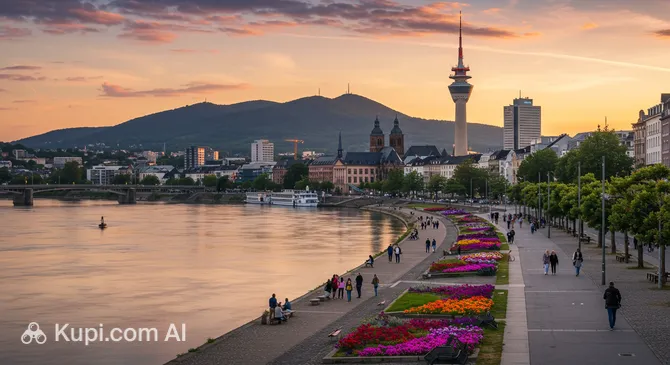
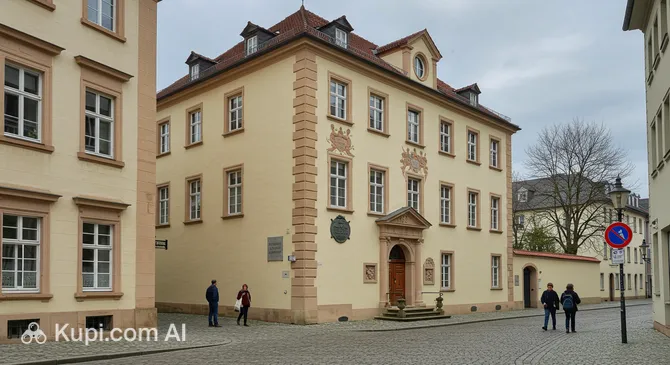
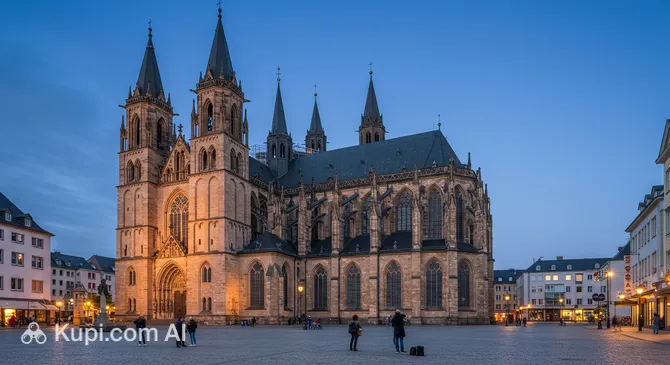
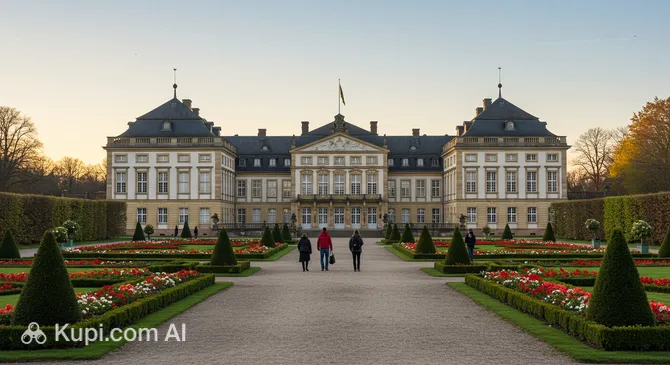
Bonn is a cozy and elegant city nestled on the banks of the majestic Rhine. It captivates with its unique atmosphere, where history is harmoniously interwoven with modernity, and daily life flows at a calm and measured pace. This is a place where ancient streets naturally coexist with contemporary buildings, creating a unique urban landscape.
Bonn. Illustration.
Source: Kupi.com AI
Located in the heart of the state of North Rhine-Westphalia, Bonn, with a population of about 331,000, is rightfully considered one of the most comfortable cities in Germany. For a long time, it served as the capital of the Federal Republic and still maintains its status as an important political and administrative center. It is home to numerous international organizations, including UN offices, and the headquarters of major corporations.
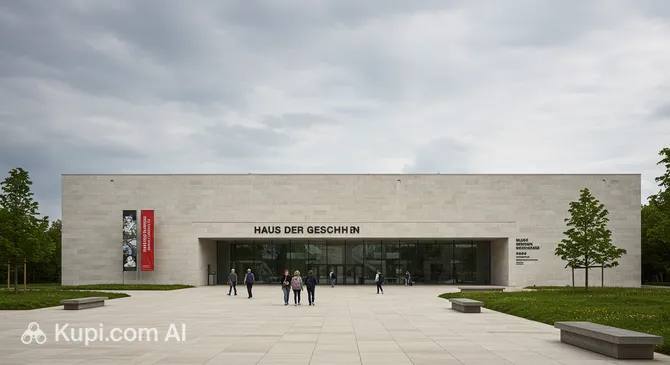
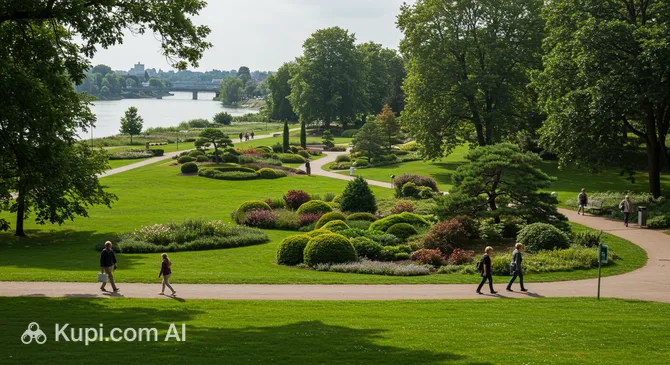
Bonn is famous for its rich cultural life and is the birthplace of the great composer Ludwig van Beethoven, whose house-museum attracts fans of classical music from all over the world. The city offers guests many world-class museums, such as the Kunstmuseum Bonn (Bonn Museum of Modern Art) and the Haus der Geschichte (House of the History of the Federal Republic of Germany). Picturesque parks, like the Rheinaue, and the Rhine embankments create excellent conditions for relaxation and outdoor walks.
Bonn is well worth a visit to enjoy its unique blend of history, art, and nature. It is a city where you can immerse yourself in an atmosphere of creativity and inspiration, explore a rich past, and simply recharge your soul without leaving the city limits. Come to Bonn to experience its unmistakable charm and hospitality!
The weather in Bonn is characterized by a temperate climate. Summers are generally warm: average temperatures in July and August are around 19-19.4°C, and periodic rain is possible during these months. Winters in Bonn are cool, with average January temperatures around 3.5°C; this time of year is characterized by frequent, though not always heavy, precipitation. On average throughout the year, precipitation is 2-3 mm per month, with the number of rainy days varying from 12 (in June and September) to 19 (in December). For a more detailed look at weather conditions, you can visit the Bonn Climate page.
Average monthly temperature
Average monthly precipitation
Interesting Facts
Beyond its famous landmarks, Bonn hides many surprising stories and lesser-known details. Ready to see the city from an unexpected side?
Beethoven House Bonn. Illustration.
Source: Kupi.com AI
Traveler photos:
Bonn is not just the birthplace of the great Ludwig van Beethoven, but also the host of the annual Beethovenfest, which draws musicians and classical music lovers from all over the world. You can visit the famous Beethoven House in Bonn to touch the history of the genius.
Every spring, the old district of Altstadt in Bonn is transformed as its streets become a literal tunnel of blooming cherry blossoms. This breathtaking sight attracts photographers and romantics, and photos of this natural wonder spread all over the world.
Bonn is one of Germany's oldest cities, with a history dating back more than two thousand years. Founded as a Roman settlement, the city still preserves fragments of ancient structures that recall its rich imperial past.
Despite its venerable age, Bonn plays a vital role in modern life. It houses a significant United Nations campus and is home to the headquarters of major companies such as Deutsche Post and Deutsche Telekom, underscoring its international importance.
How to Get There
Bonn is located in the heart of Europe and boasts excellent transport accessibility. You can get here in various ways: by plane, train, or car. Thanks to the developed infrastructure of the North Rhine-Westphalia region, travelers can easily combine different modes of transport. You can learn more about how to get to Bonn by exploring all available routes and schedules.
The closest and most convenient option for travelers is Cologne/Bonn Airport (IATA: CGN). It should be noted that this transport hub is not in Bonn itself, but in the neighboring city of Cologne, about 16 km from the center of your destination. This is a major international hub receiving many flights from around the world. The trip by taxi or transfer takes about 45 minutes; however, many tourists prefer to use the SB60 express bus, which runs directly to Bonn's main station.
Another popular option is Düsseldorf International Airport (IATA: DUS). It is located in the city of Düsseldorf, about 65 km from Bonn. This is one of Germany's largest airports with a huge passenger flow, offering a wide choice of airlines. The journey by car can take about 2 hours depending on traffic, but the region is famous for its excellent rail links: direct trains connect the airport with Bonn, allowing you to get there faster and more comfortably.
For convenience, here is a summary of the main airports:
Rail travel is the pride of Germany, and Bonn is no exception. The main gateway to the city is the Bonn Hauptbahnhof station (IATA: BNJ). It is located right in the city center (just 0.6 km from the historical core), making it an ideal arrival point. Regional trains as well as InterCity (IC) and InterCityExpress (ICE) high-speed trains arrive here, connecting the city with major European metropolises.
If you cannot find a direct train to Bonn, a convenient alternative is Cologne Central Station (IATA: QKL). This station is located in the city of Cologne, about 25 km from Bonn. It is one of Europe's most important railway hubs with a colossal passenger flow. From here, you can reach Bonn by regional train or taxi in just 30–40 minutes. Many tourists use this station as a transfer point.
Below is information about the nearest railway stations:
Bonn, a city with a rich history and cultural heritage, offers tourists many fascinating sights. The former capital of West Germany has preserved its charm and is ready to surprise every traveler. Here, historical monuments, modern museums, and picturesque parks are harmoniously combined.
One of the most iconic attractions is the Beethoven House in Bonn. The great composer was born in this very house, and today visitors can immerse themselves in the atmosphere of his life, see personal belongings, musical instruments, and manuscripts. This is a must-visit for all lovers of classical music and history.
Beethoven House Bonn. Illustration.
Source: Kupi.com AI
Traveler photos:
The majestic Bonn Minster is not just a church, but a true symbol of the city. This Romanesque basilica, with over 900 years of history, impresses with its architecture, tall towers, and rich interior decoration. A visit to the Minster allows you to touch the medieval past of Bonn.
Bonn Minster. Illustration.
Source: Kupi.com AI
Traveler photos:
For those interested in Germany's recent history, a visit to the House of History (Haus der Geschichte der Bundesrepublik Deutschland) is highly recommended. This modern museum offers a fascinating journey through the country's history from 1945 to the present day. Interactive displays, original exhibits, and multimedia installations make the visit educational and engaging for visitors of all ages.
Haus der Geschichte. Illustration.
Source: Kupi.com AI
Traveler photos:
Nature lovers and those seeking peaceful relaxation will enjoy the Rheinaue Leisure Park. This vast park, stretching along the banks of the Rhine, is an ideal place for walks, picnics, and sports. Here you can find picturesque lakes, themed gardens, including the Japanese Garden, as well as many paths for cyclists and pedestrians. In summer, various events and festivals are often held in the park.
Another gem of Bonn is the Poppelsdorf Palace. This elegant Baroque palace, which once served as a residence for the Prince-electors, is now part of the University of Bonn. The palace houses the Mineralogical Museum, and the surrounding Botanical Garden impresses with its variety of plants from all over the world. It is a wonderful place for leisurely strolls and enjoying the beauty of architecture and nature.
Poppelsdorf Palace. Illustration.
Source: Kupi.com AI
Traveler photos:
Local Cuisine
Bonn's gastronomy is a fascinating journey through the culinary traditions of the Rhineland, where hearty German dishes are harmoniously blended with subtle French touches. The local cuisine will delight lovers of solid and tasty food, offering both classic recipes and seasonal delicacies.
Be sure to try the famous Rhenish roast Sauerbraten – marinated beef, traditionally served with potato dumplings (Knödel) and braised red cabbage. Another iconic dish is "Himmel und Äd" (Heaven and Earth), a hearty combination of mashed potatoes, apple sauce, and black pudding. You also shouldn't miss the variety of local sausages, hearty pork knuckle (Haxe), and Rösti – appetizing potato pancakes often served with sausage or cheese. In spring, the menu is enriched with fresh asparagus dishes, and in autumn with fragrant mushroom delicacies.
Your meal is perfectly complemented by local beer, especially craft varieties found in many Bonn establishments. Fans of lighter drinks will enjoy apple cider. During the cold season, especially at Christmas markets, warm up with fragrant mulled wine (Glühwein).
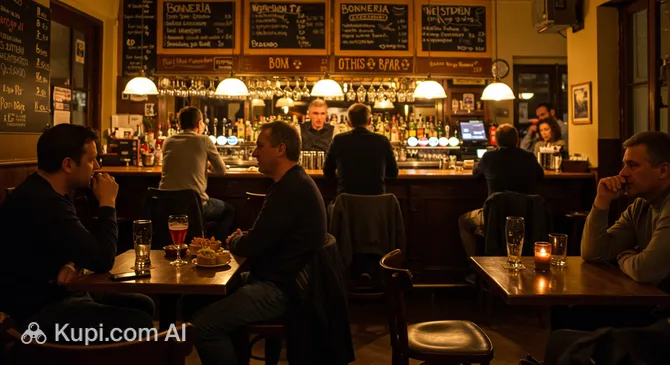
Bonn residents and tourists love to spend time in traditional beer halls (Brauhaus) and cozy restaurants where they can enjoy an authentic atmosphere and local specialties. For example, stop by the Bonneria Restaurant and Tapas Bar to appreciate the diversity of the local gastronomic scene. Street food is also popular: try fresh pretzels, sausage rolls (Bratwurstbrötchen), and various pastries. On weekends, it's worth visiting the farmers' markets to buy fresh cheeses, smoked meats, homemade sweets, and seasonal produce from local producers.
Bonneria Restaurant Tapas Bar. Illustration.
Source: Kupi.com AI
Traveler photos:
Bonn's culinary life is full of events: food and wine festivals, fairs, and tastings are held regularly here. The autumn wine festivals and Christmas markets are especially colorful, turning the city into a true paradise for gourmets. Getting to know the cuisine of Bonn is an essential part of the journey, allowing for a deeper understanding of the culture and traditions of this charming city on the Rhine.
Travel Tips
Welcome to Bonn, a charming city on the Rhine and the former capital of Germany! To ensure your trip goes as smoothly and pleasantly as possible, we have prepared some practical tips. They will help you navigate the city better and enjoy every moment of your stay.
Clothing and Essentials:
The climate in Bonn is temperate, so dress according to the season. In summer (June-August), light clothing is useful, but don't forget to pack a sweater or light jacket for evening walks. In spring and autumn, the weather is changeable, so layering is your best friend. In winter (December-February), warm clothing is required, including a hat, gloves, and scarf. Be sure to bring comfortable shoes, as the city is a joy to explore on foot. Don't forget an umbrella or raincoat, especially in spring and autumn. For electrical appliances, you will need a Type F adapter (Europlug). When visiting churches and cathedrals, such as the Bonn Minster, there is no specific dress code, but modest clothing covering shoulders and knees is recommended.
Getting Around the City:
Bonn has an excellently developed public transport system, including buses, trams, and the S-Bahn, which also connects the city with Cologne. Tickets can be purchased at vending machines at stops, in kiosks, or through mobile apps. Consider buying a day or week pass if you plan to travel a lot. Taxis are available but can be expensive; ride-hailing apps are also popular. Renting a car can be useful for trips to the surroundings, but in the city center, parking is limited and paid. Cycling is a great way to explore Bonn, especially the Rhine embankment; rental points are easy to find.
Finances:
The local currency is the Euro (EUR). Credit and debit cards (Visa, Mastercard) are widely accepted in most shops, restaurants, and hotels. However, it's always useful to have some cash on hand, especially for small purchases at markets or in small cafes. ATMs (Geldautomat) are easy to find throughout the city. You can exchange currency at banks or exchange offices, but the rate may be less favorable than withdrawing cash from an ATM. An approximate daily budget can range from 50-70 euros for a budget traveler to 150-200 euros and up for a more comfortable stay, excluding accommodation. Tips in restaurants are usually 5-10% of the bill if you liked the service; you can either leave them on the table or round up the amount when paying by card by telling the waiter the final total.
Health and Safety:
Bonn is generally a very safe city. Pharmacies (Apotheke) are easy to find by their green cross; they typically operate standard hours, but there are always duty pharmacies, information for which can be found on the doors of closed pharmacies or online. If medical assistance is needed, tourists with a European Health Insurance Card (EHIC) are entitled to receive emergency care on the same terms as residents. For others, travel insurance is recommended. Avoid leaving valuables unattended, especially in crowded places. There are no particularly unsafe areas in Bonn, but standard precautions, as in any other city, won't hurt, especially at night near the train station.
Communication:
The official language is German. Many Bonn residents, especially young people and service sector workers, speak English well. Nevertheless, knowing a few basic German phrases like "Hallo" (Hello), "Danke" (Thank you), "Bitte" (Please/You're welcome), and "Entschuldigung" (Excuse me) will be appreciated by the locals. SIM cards from local operators can be purchased in supermarkets, electronics stores, or specialized mobile phone shops. Free Wi-Fi is available in many cafes, restaurants, hotels, and public places. The local public transport app SWB easy.GO can be very useful.
Local Etiquette:
Germans value punctuality, so try not to be late for meetings. When meeting someone, it's customary to shake hands and make eye contact. Using the informal "you" (du) is common among young people and in informal settings, but with strangers, especially older people, it's better to use the formal "Sie." Try not to be loud in public places. Germans take rules very seriously, such as crossing the street only on the green light.
What to Avoid:
Try not to criticize German order or rules, as they are an important part of their culture. Also, avoid loud phone conversations on public transport or in restaurants—it's considered impolite. Don't compare Bonn with Berlin in the context of capital status, as Bonn is proud of its history as the capital of the FRG.
Extra Tip:
If your trip is in the spring, try to catch the cherry blossoms on Heerstraße and Breite Straße—it's an incredible sight that turns the streets into pink tunnels. Shops in Germany, including Bonn, are usually closed on Sundays and public holidays, except for some at train stations or in tourist zones, so plan your shopping in advance.
We hope these tips help you feel more confident and get the most out of your trip to Bonn. This city, with its rich history, culture, and friendly residents, is sure to leave you with the warmest memories!
Entertainment & Nightlife
Bonn, known for its rich history and as the birthplace of Beethoven, offers guests more than just daytime cultural attractions; it also boasts a fairly active nightlife. When the sun sets, the city transforms, opening up many opportunities for those seeking fun after dark.
The main center of nightlife in Bonn is traditionally considered the Altstadt (Old Town), especially its northern part, and the surrounding streets. A large number of bars, pubs, and traditional German "kneipe" are concentrated here. The atmosphere is usually lively, especially on weekends, attracting both students and locals. Another popular district is the Südstadt (South City), known for its more alternative and cozy establishments. The Beuel district, located on the other side of the Rhine, also offers several interesting spots for evening relaxation.
The choice of venues in Bonn is quite diverse. Fans of traditional pubs will find many places with a wide selection of beers and snacks. For example, you can drop by Fiddlers to immerse yourself in the atmosphere of Irish hospitality. For those who prefer a more refined setting and cocktails, the Bonneria Restaurant and Tapas Bar is a great choice, where you can enjoy Spanish snacks and drinks.
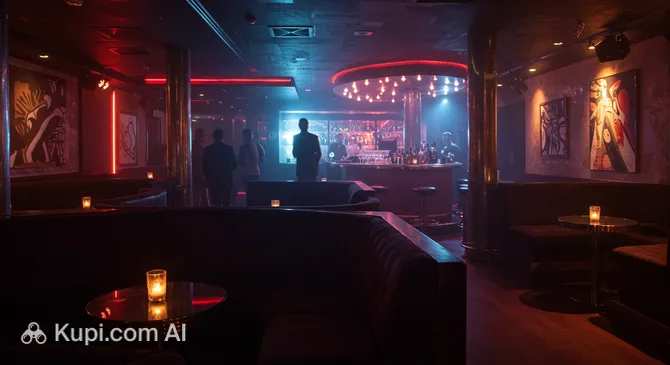
If you're in the mood to dance until dawn, you should check out the nightclubs. One well-known spot is the Nightclub Beuel, which offers various musical programs. Most clubs start filling up closer to midnight and stay open until early morning, especially on Fridays and Saturdays. The dress code in most bars and pubs in Bonn is quite casual—smart casual will be appropriate almost everywhere. Some clubs may have stricter rules at the door, so it's worth checking in advance if you plan to visit a specific venue.
Beuel Nightclub. Illustration.
Source: Kupi.com AI
Traveler photos:
Practical Tips: The best time to visit bars is after 8:00 PM or 9:00 PM; clubs come to life after 11:00 PM. Average prices for drinks are comparable to other cities in Germany. Night buses (NachtBus) run through the city at night, and taxi services are always available. Bonn is generally considered a safe city, but as with anywhere, you should take basic precautions, especially at night: stick to well-lit streets and keep an eye on your belongings. You can call a taxi by phone or through special apps.
During the day, Bonn won't let you get bored either. The city is rich in museums, including the world-famous Beethoven House in Bonn, the Bonn Museum of Modern Art, and the House of History. For fans of outdoor walks, the Rheinaue Leisure Park or the Botanical Garden of Bonn are perfect. Theater-goers can catch a performance at the Varieté Theatre Bonn. Thus, Bonn offers a balanced vacation, combining cultural enrichment during the day and vibrant experiences at night.
Parks & Museums
Bonn, the former capital of West Germany, hospitably welcomes travelers with an abundance of green spaces for relaxation and an impressive cultural heritage reflected in its numerous museums and historical monuments. The city offers an ideal combination of nature, history, and art, capable of captivating any tourist.
Among Bonn's green gems, the Rheinaue Leisure Park (Freizeitpark Rheinaue) stands out. This vast landscape park, stretching along both sides of the Rhine, is a favorite spot for walks, picnics, sports, and various events. Here you can take a boat out on the lake, visit a flea market, or simply enjoy the tranquility of nature. The Japanese Garden, located within the park, deserves special attention as an oasis of silence and harmony.
Rheinaue Leisure Park. Illustration.
Source: Kupi.com AI
Traveler photos:
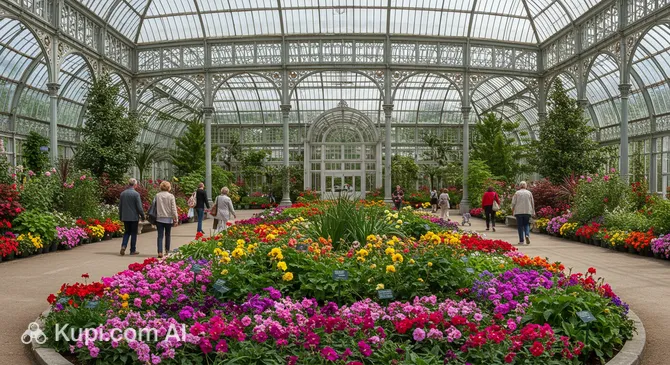
Equally attractive are the Botanical Gardens of the University of Bonn (Botanische Gärten der Universität Bonn). Situated around the Poppelsdorf Palace, they house one of the oldest and most significant plant collections in Germany. A walk through the garden's themed areas, including the rock garden, arboretum, and greenhouses with exotic species, will provide plenty of impressions for flora enthusiasts.
Botanical Garden Bonn. Illustration.
Source: Kupi.com AI
Traveler photos:
The heart of the city's musical history is undoubtedly the Beethoven House (Beethoven-Haus). The great composer was born in this modest building, and today it houses the world's largest collection dedicated to his life and work. Visiting the museum is a unique opportunity to touch the world of the genius and see Beethoven's personal belongings, manuscripts, and musical instruments.
Beethoven House Bonn. Illustration.
Source: Kupi.com AI
Traveler photos:
Bonn is also famous for its "Museum Mile" (Museumsmeile), which brings together several outstanding cultural institutions. One of the key museums here is the House of the History of the Federal Republic of Germany (Haus der Geschichte der Bundesrepublik Deutschland). This museum offers a fascinating journey through German history from 1945 to the present day, using interactive displays and multimedia installations.
Haus der Geschichte. Illustration.
Source: Kupi.com AI
Traveler photos:
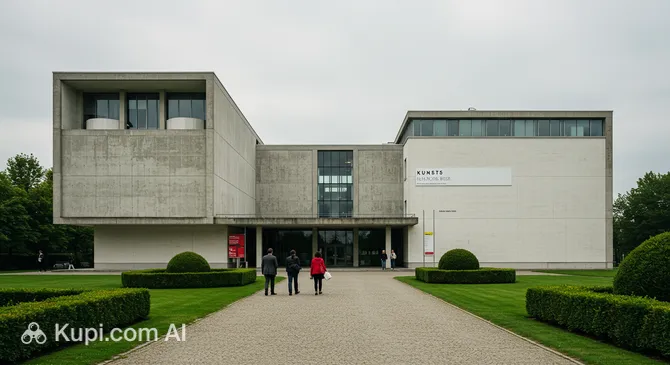
Continuing the exploration of the "Museum Mile", it's worth visiting the Bonn Museum of Modern Art (Kunstmuseum Bonn), which takes pride in its collection of Rhenish Expressionism and German art after 1945. Nearby is the Art and Exhibition Hall of the Federal Republic of Germany (Bundeskunsthalle), known for its large-scale temporary exhibitions covering art, culture, science, and technology from around the world.
Kunstmuseum Bonn. Illustration.
Source: Kupi.com AI
Traveler photos:
In addition to museums, Bonn's architectural appearance is graced by significant structures such as the majestic Bonn Minster—one of Germany's oldest churches, impressive for its Romanesque style. And from the historical fortifications of Alter Zoll, you can enjoy beautiful panoramic views of the Rhine and its surroundings.
For an authentic experience and to discover less touristy corners of Bonn, take a stroll through the picturesque Südstadt district with its beautifully preserved architecture from the Gründerzeit era. Also, a leisurely walk along the Rhine, for example, toward Mondorf Harbor, will allow you to see the city from a different perspective and enjoy its peaceful atmosphere.
Getting Around
Public transport in Bonn is well-developed and allows for comfortable travel around the city and its surroundings. The core of the transport system consists of the Stadtbahn (light rail or metro, with some lines running underground), trams, and buses. All of these are integrated into a single network, making transfers convenient and fast.
To pay for travel in Bonn, as in the entire region, the Rhein-Sieg (VRS) transport association tariff system applies. There are several types of tickets: single tickets (EinzelTicket), short-trip tickets (Kurzstrecke), day tickets (TagesTicket, good for multiple trips or for groups of up to 5 people), as well as weekly and monthly passes. The ticket price depends on the tariff zone; for example, a single ticket for travel within the city (zone 1b) costs about 3-3.50 euros, and a day ticket for one person is around 9-10 euros. Tickets can be purchased at vending machines at stops (accepting coins, bills, and often bank cards), at SWB Bus und Bahn (local transport company) service centers, or through mobile apps such as the VRS-App or SWB easy.GO.
Before starting a journey on the Stadtbahn or tram, a ticket purchased from a machine that does not have a time stamp must be validated in special orange or yellow validation machines located on platforms or inside the vehicles. Tickets bought from the bus driver or at machines inside vehicles are usually already valid and do not require additional validation. Public transport in Bonn operates from early morning (around 5:00 AM) until late evening (around midnight or 1:00 AM). On Friday and Saturday nights, as well as before public holidays, special night bus routes (NachtBus) run.
In addition to public transport, other modes of travel are available in Bonn. Taxis can be found at designated stands or called by phone/app, but this is a more expensive option. The city is very bike-friendly, so bicycle rentals are popular; one of the common systems is Nextbike (often under local branding). Car-sharing services from various operators are also available, which can be convenient for trips out of town or when you need to transport items.
Overall, the transport system in Bonn is quite intuitive and efficient. You can easily plan routes using the aforementioned mobile apps or the VRS website, where you can also find up-to-date information on schedules and fares. This allows tourists to easily explore not only Bonn itself but also its picturesque surroundings.
Accommodation
In Bonn, travelers will find a wide range of accommodation options to suit various preferences and budgets. The city offers everything from cozy hostels and guesthouses for budget-conscious tourists to comfortable mid-range hotels and elegant apartments for those seeking more space and privacy. Rental apartment options are also available, which can be convenient for families or long stays.
When choosing a place to stay in Bonn, you should pay attention to several districts. The City Center (Innenstadt) is popular due to its proximity to major attractions such as the Beethoven House and the Bonn Minster, as well as shops and restaurants. Areas adjacent to the Rhine, such as Beuel or Bad Godesberg, offer scenic views and a quieter atmosphere while remaining well-connected to the center by public transport. For those who value peace and greenery, the outlying districts are suitable, from where it is easy to reach natural areas such as the Rheinaue Leisure Park.
The price range for accommodation in Bonn varies from budget options to more expensive offers. Overall, you can find accommodation for any wallet. It is recommended to book your stay in advance, especially if your trip coincides with the peak tourist season (usually summer and periods of major exhibitions or festivals). The most common booking methods are using popular online platforms and aggregators, as well as direct booking through hotel websites.
Nearby Cities
For those who want to explore the surrounding area, Bonn serves as an excellent starting point for day trips to several interesting nearby locations:
Among the closest options, Sankt Augustin, located just 7 km away, offers a pleasant atmosphere for walks and getting to know local life, and is also known for its parks. A bit further, at 9 km, is Bornheim, which boasts charming rural landscapes and opportunities for active outdoor recreation, including hiking and cycling trails. Also worth noting is Troisdorf, the largest of the nearby towns, offering a mix of urban amenities, shopping centers, and green zones, perfect for a leisurely day outside of Bonn.
These nearby destinations provide an insight into the region's diverse culture and landscapes, complementing the experience of visiting Bonn.
Shopping & Souvenirs
Bonn offers its guests pleasant shopping opportunities, combining well-known chain stores with unique local boutiques and shops. Although the city is not a world fashion capital, you can find a good selection of everyday goods as well as interesting souvenirs here. A special feature of Bonn is its close connection to Ludwig van Beethoven, which is reflected in the assortment of many souvenir shops.
The heart of Bonn's commercial life is its pedestrian zone in the city center. Key streets like Sternstraße, Remigiusstraße, and Poststraße form a lively shopping triangle filled with department stores, fashion boutiques, shoe shops, bookstores, and perfumeries. Strolling through these streets, you will also find cozy cafes to take a break. The area around Marktplatz (Market Square) and near the Bonn Minster will also delight you with a variety of shops.
While there are no giant modern shopping malls in Bonn like in some metropolises, there are several well-stocked department stores, such as Galeria Kaufhof, offering a wide range of goods under one roof—from clothing and cosmetics to home goods. In the city center, you can also find small shopping galleries and arcades offering a more intimate atmosphere for shopping.
One of the highlights of shopping in Bonn is the daily market on Marktplatz, located right in front of the historical Old Town Hall. Here you will find fresh local produce, flowers, cheeses, meat products, and pastries. It's a great place to soak up the local atmosphere and grab a tasty snack. Occasionally, especially on weekends, you might come across flea markets (Flohmärkte). The largest and most famous one—Flohmarkt Rheinaue—is held several times a year in the Rheinaue Leisure Park. This market is a real treasure trove for lovers of antiques, second-hand items, and various curiosities.
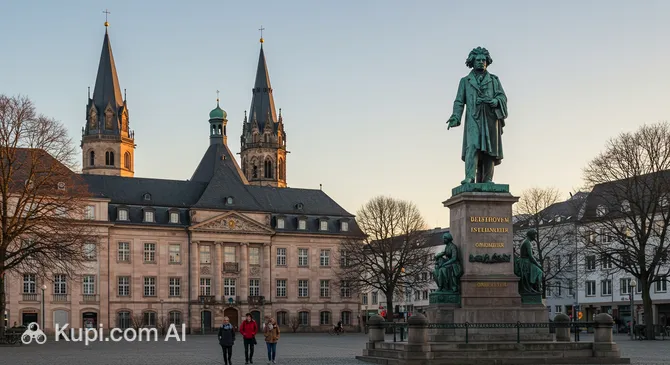
Given that Bonn is the birthplace of Ludwig van Beethoven, souvenirs related to the famous composer are everywhere. You'll find everything from sheet music and CDs to busts, magnets, and chocolate with his image. For unique mementos, it's worth visiting the Beethoven House in Bonn. Other popular souvenirs include items with the University of Bonn logo, local sweets like "Bönnsche Bollen" (a type of rum ball), and regional delicacies. If you're looking for something truly local, look for handmade items or products from the Rhineland region.
Beethoven Monument. Illustration.
Source: Kupi.com AI
Traveler photos:
Most shops in Bonn are open Monday through Saturday, usually from around 10:00 AM to 7:00 PM or 8:00 PM. Smaller boutiques may have shorter hours and a lunch break. On Saturdays, many shops close earlier, around 4:00 PM or 6:00 PM. It's important to remember that almost all shops are closed on Sundays and public holidays, except for some souvenir shops in tourist areas or shops at the train station. Cash (Euro), EC-Karte (German debit cards), and major credit cards (Visa, Mastercard) are widely accepted. It's always useful to have some cash on hand, especially for small purchases or at markets.
If you are a tourist residing outside the European Union, you may be eligible for a VAT (Value Added Tax) refund on purchases over a certain amount. Look for "Tax Free Shopping" signs in stores. You will need to ask the store for a special tax-free form, get it stamped by customs at your point of departure from the EU (e.g., at the airport), and then process the refund. Don't forget to have your purchased goods, receipts, and passport ready for customs inspection.