Support

Rail museum Thielenbruch

About

Imagine a place where the history of industrial progress comes to life and the rhythm of wheels echoes through vintage hangars. The Rail Museum Thielenbruch is a unique open-air site in Cologne, set on the grounds of a former freight station. Opened in 1997, the museum has become a true sanctuary for vintage machinery, preserving the spirit of Germany’s industrial era.
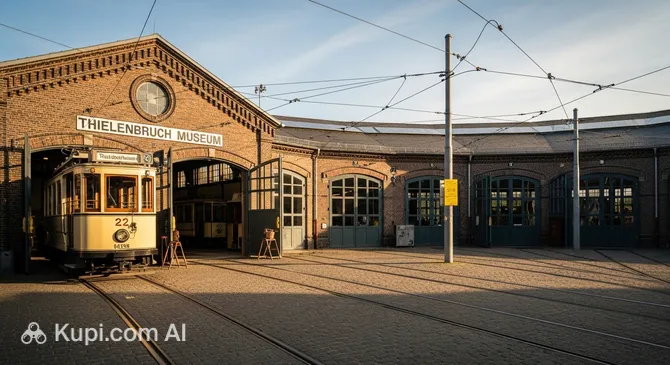
Thielenbruch Railway Museum
Thielenbruch Railway Museum. Иллюстрация. Источник: Kupi.com AI

The exhibition is spread across historical tracks and depot buildings in the Dellbrück district. The museum's primary mission is the preservation and restoration of unique railway transport specimens: from powerful locomotives to passenger and freight cars that once formed the backbone of the region's transport network.

The popularity of this spot among tourists is confirmed by high ratings; here, you can do more than just look at exhibits—you can touch the authentic history of the Rhineland Railways. It is an ideal stop for those looking for something beyond classic cathedrals and riverside walks in Cologne.

Contacts

For more details before your visit, you can use the following contact information. Museum staff can help you with the schedule and current events.

How to contactContact
AddressGemarkenstraße 173, 51069 Köln, Германия
Phone+49 221 2834771
Websitehsk.koeln

What to Do

At this museum, you can take a true journey through time, strolling among historical locomotives and rare carriages. A key feature is that the exhibits are located on their "home" tracks, creating the atmosphere of an active depot. Visitors can examine the inner workings of old steam and diesel engines in detail, as well as study the evolution of passenger comfort over the years.

In addition to viewing the machinery, be sure to take some time to explore the archival photographs and original documents that vividly show how the transport network of Cologne evolved. For photography enthusiasts, this place is a paradise: industrial landscapes and textured retro trains make for impressive shots. If you are planning a summer trip, the museum grounds are perfect for a quiet stroll in the fresh air, and in warm weather, you can even enjoy a small picnic surrounded by vintage trains.

The museum will appeal to both families with children and technical enthusiasts. Interactive elements help visitors better understand the principles of railway mechanics, while the chance to see old station infrastructure up close makes the visit educational and engaging for all ages.

Getting There

Getting to this industrial corner is easy, as it is located in the Dellbrück district. The most convenient way is to use public transport. You can take tram routes or buses to the Thielenbruch stop (KVB lines). If you are coming from the central station Köln Hbf, a journey on tram No. 12 or No. 15 with a subsequent transfer will take about 30–40 minutes.

For those who prefer a car, take the A3 or A4 motorway to the Köln-Dellbrück exit, then follow the signs to Gemarkenstraße. A nice bonus for car owners is the free parking available right on the museum grounds. The distance from the historical city center is approximately 10 kilometers.

If you are in the nearby residential quarters of Dellbrück, the museum is easily reachable on foot or by bicycle while enjoying the quiet suburban atmosphere. You can also always use taxi services, which will quickly take you from the city center directly to the depot doors.

Ближайший город: Cologne

History & Facts

The history of the Rail Museum Thielenbruch is closely intertwined with the industrial boom of the region. The museum is located on the site of an old freight station that was actively used until the mid-20th century. The process of transforming abandoned tracks into a cultural site began in 1987, when enthusiasts started using the area to preserve machinery, and in 1997, the museum officially opened its doors to the public.

Cologne has historically been a major European transport hub, and the exhibition in Thielenbruch focuses specifically on industrial lines. Unlike the grand mainlines, these lines supported the daily operations of plants and factories, transporting coal, raw materials, and finished goods, which became the foundation of Germany’s economic success.

Situating the collection in the Dellbrück district allowed for the preservation of an authentic atmosphere: not only the original rail tracks but also historical station buildings have survived here. Every exhibit—from a 19th-century steam engine to more modern locomotives—documents technical evolution and the immense contribution of local railway workers to the development of the Rhineland transport network.

Time Needed

To look at all the locomotives, peek inside the carriages, and study the documents without rushing, the average visitor will need about 2–3 hours. This is enough time to explore both the indoor halls and the open station grounds.

For true technology buffs and photographers looking to catch the best light on the retro trains, we recommend setting aside up to 4 hours. The museum covers an impressive area, and detailed study of old engine mechanisms can be quite captivating.

Working Hours

The Thielenbruch Museum is known for its irregular schedule, which is due to its status as a non-profit site run by enthusiasts. Most often, the exhibition is open to the public on weekends and during special themed events.

To ensure your trip isn't in vain, we strongly recommend checking the current schedule on the museum's official website or confirming opening hours via the contact phone number before heading out. Plan your visit in advance, as hours may change depending on the season.

Nearby

Exploring the surrounding Dellbrück area will help make your trip even more fulfilling. Cologne offers many options for outdoor activities and entertainment located relatively close to the museum.

NameDistance
Dellbrück Heath1.8 km
Königsforst6.4 km
Bero's Children's World Cologne7.3 km
Morsbroich Castle Park7.4 km
Cologne Aquarium8.2 km
Eigelstein Gate9.6 km
Museum Ludwig9.7 km

Reached the end of the page?

That means the route is fully explored