Support

Erlangen

About

Erlangen is a true gem of Franconia, nestled in the north of Bavaria, Germany. This charming city stretches along the banks of the Regnitz River, just twenty kilometers from Nuremberg, attracting travelers with its remarkably harmonious blend of historic Baroque architecture and dynamic modern life.
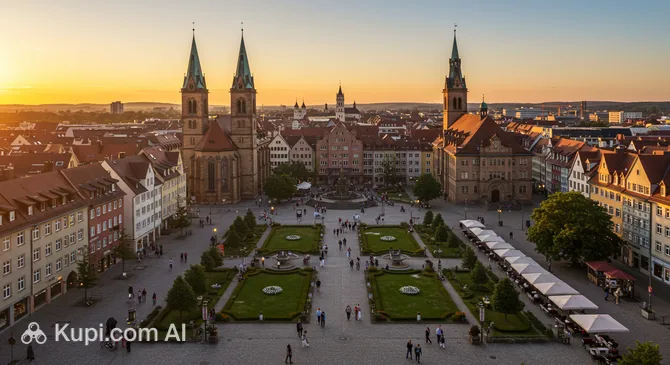
Erlangen. Illustration.
Source: Kupi.com AI

With a population of just over 113,000, Erlangen remains a city with an intimate and friendly atmosphere, while being one of the most progressive in the region. Much of this is thanks to the famous University of Erlangen-Nuremberg and numerous innovative companies that shape the youthful spirit and set the rhythm of city life. The city is renowned for its openness and hospitality, offering comfortable conditions for relaxation and a rich variety of leisure activities.

One of Erlangen's main highlights is its unique Baroque layout: wide streets, symmetrical blocks, and elegant building facades create a unique architectural ensemble. Must-visit spots include the magnificent Botanical Garden, where you can enjoy peace and a variety of flora, as well as the picturesque Palace Garden, perfect for leisurely strolls.

Erlangen is a city where history meets innovation, and the cozy atmosphere of old streets harmoniously coexists with the spirit of modernity. If you are looking for a place that combines cultural richness, scientific progress, and sincere hospitality, be sure to include Erlangen in your travel itinerary.

You can find more interesting facts on the history of Erlangen page.
Weather Overview

The weather in Erlangen is characterized by a temperate climate. Summers are usually warm, with average temperatures in the hottest months, July and August, around +19.3°C and +19.6°C respectively, while maximum values can reach +24.5°C. Winters in Erlangen are cool: the average January temperature stays at +1.7°C, and the minimum can drop to -0.4°C.

Overall, you can expect a warm summer in Erlangen with occasional rain (averaging 11-13 rainy days in summer months) and cool winters with a moderate amount of precipitation (about 13-17 days with precipitation in winter months). The amount of precipitation in millimeters is low and ranges between 2-3 mm per month year-round. For more detailed information on weather conditions and forecasts, we recommend visiting the Erlangen Climate page.

Average monthly temperature

Average monthly precipitation

Interesting Facts

Beyond its well-known landmarks, Erlangen hides many fascinating stories and features that make it truly unique. Are you ready to learn some curious facts about this Bavarian city?

Erlangen Palace Garden. Illustration.
Source: Kupi.com AI

Traveler photos:

  • Huguenot Heritage and Baroque Planning: Erlangen is one of the few cities in Germany that has preserved its Baroque layout almost in its original form. The city's modern appearance began to take shape at the end of the 17th century, when Huguenots fleeing France found refuge here. It was they who brought French charm, unique crafts, and traditions to the city, traces of which can still be seen today, for example, while walking through Erlangen Schlossplatz.

  • The German "Silicon Valley": Erlangen is rightfully called the "German Silicon Valley." The city is an important hub for high technology and is home to the headquarters of Siemens Healthineers, one of the world leaders in medical technology. This attracts many scientists, engineers, and innovators from all over the world to Erlangen.

  • Historic University with a Rich Past: Founded in 1743, the Friedrich-Alexander University Erlangen-Nuremberg is one of the oldest and largest in Bavaria and all of Germany. Its alumni include many prominent scientists, including Nobel Prize winners. University life is closely intertwined with the city, and its historic buildings and places like the Erlangen Palace Garden are an integral part of the urban landscape.

  • The Famous "Bergkirchweih" Beer Festival: Every year, Erlangen hosts the "Bergkirchweih" (locally known as "the Berg") — one of the oldest and most beloved folk beer festivals in the world, which is said to be older than Munich's Oktoberfest. During the festival, which usually lasts 12 days around Pentecost, the city transforms into a massive open-air fair, attracting hundreds of thousands of visitors.

How to Get There

Erlangen is conveniently located in the heart of Bavaria, and thanks to the region's excellent transport infrastructure, getting here is easy. Travelers can choose the most convenient route for themselves, whether by plane or train. You can find all the details and plan your trip by following the link: more about how to get to Erlangen.

The nearest and most convenient air hub is Nuremberg Airport (NUE). There is no airport in the city of Erlangen itself, but this aviation hub is located in neighboring Nuremberg, just 11.4 km from the center of Erlangen. This is a regional airport with good passenger traffic, receiving many flights from across Europe. A taxi or car ride from here will take very little time — about 20–30 minutes, making it an ideal choice for tourists.

If you are flying from afar or prefer major international hubs, you should consider Franz Josef Strauss Airport (MUC). It is located in Munich, approximately 148.7 km from Erlangen. This is one of Europe's largest airports. The journey by car or taxi from here takes about 2–2.5 hours. You can also reach Erlangen from the airport by train with a transfer in Munich or Nuremberg.

For convenience, here is a summary of the main airports:

AirportPassenger trafficDistance
Nuremberg Airport4.0 mln11 km
Franz Josef Strauss Airport39.8 mln149 km
Karlovy Vary Airport37 900153 km
Erfurt Airport138 002155 km
Stuttgart Airport9.1 mln166 km

Rail travel is another popular way to reach the region. Since Erlangen is in close proximity to a major transport hub, many tourists arrive at Nuremberg Hauptbahnhof (Central Station). Erlangen itself has its own station, but it is the station in Nuremberg, located about 16.8 km from Erlangen, that receives the main high-speed long-distance trains (ICE). From there, you can reach Erlangen by regional train (S-Bahn) in just 20 minutes or take a taxi.

Below is information about the nearest major railway hubs:

StationPassenger trafficDistance
Nuremberg Hauptbahnhof76.7 mln17 km
Augsburg Hauptbahnhof18.3 mln136 km
Erfurt Hauptbahnhof16.8 mln154 km
Stuttgart Hauptbahnhof80.3 mln161 km
Eisenach Hauptbahnhof1.8 mln162 km

Additionally, Erlangen is excellently connected to other German cities via the highway network (A3 and A73 autobahns), so traveling by car or intercity bus is also a convenient option.

Main Attractions

Erlangen, a charming Bavarian city, offers its guests many interesting sites. Historic heritage and modern life blend harmoniously here, creating a unique atmosphere for walking and discovery. The city is known for its parks, historic squares, and university spirit, making it attractive to a wide variety of travelers.

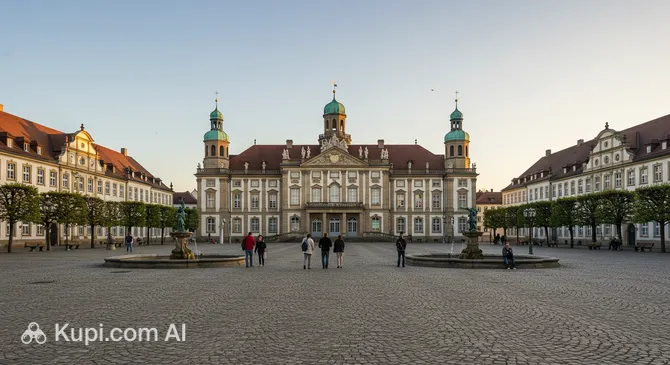
One of the main historical attractions is Erlangen Schlossplatz. This square is the heart of the old town, framed by beautiful buildings, including the Erlangen Palace itself, which now houses the university. Schlossplatz often becomes a venue for city events and fairs, attracting both locals and tourists with its lively atmosphere and architectural ensemble.

Schlossplatz Erlangen. Illustration.
Source: Kupi.com AI

Traveler photos:

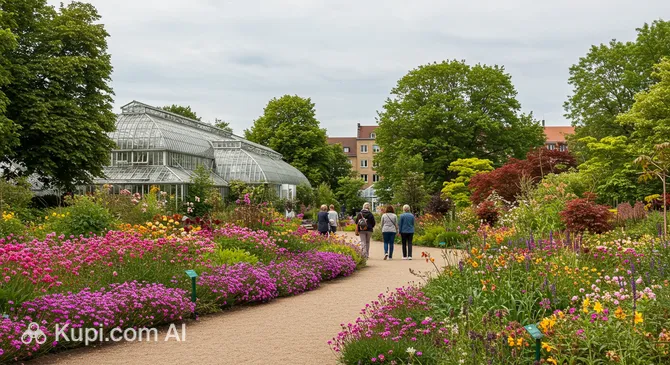
For nature lovers and those seeking peaceful relaxation, the Erlangen Botanical Garden is a must-visit. Founded in the 17th century, it belongs to the University of Erlangen-Nuremberg and represents a true green oasis. Here you can see thousands of plant species from all over the world, stroll through themed zones and greenhouses, and enjoy the silence and beauty of nature right in the city center. It is a wonderful place to take a break from the urban bustle and learn more about the flora of different continents.

Botanical Garden Erlangen. Illustration.
Source: Kupi.com AI

Traveler photos:

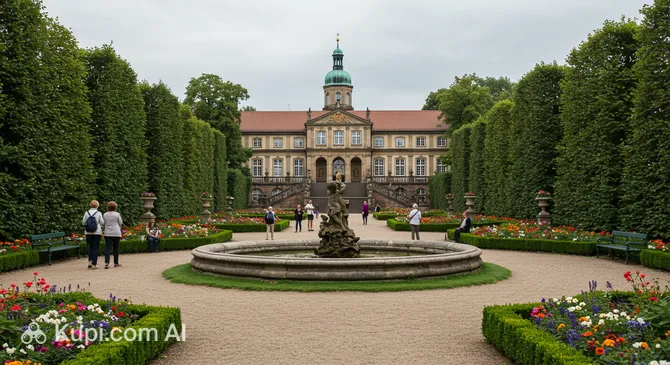
Located near Schlossplatz is the magnificent Erlangen Palace Garden (Schlossgarten). This Baroque garden, laid out under the margraves, is an ideal place for leisurely walks. Neat alleys, fountains, sculptures, and well-maintained flower beds create a peaceful setting. In summer, the garden is particularly popular for picnics and outdoor relaxation, offering picturesque views and tranquility.

Erlangen Palace Garden. Illustration.
Source: Kupi.com AI

Traveler photos:

For those interested in shopping and modern urban life, it is worth checking out the Erlangen Arcaden. This is a large shopping center where you can find many famous brand stores, a variety of cafes, and restaurants. While it is not a historical attraction in the classical sense, the "Arcaden" is an important part of the city's infrastructure, a popular meeting place, and an excellent opportunity for shopping.

Erlangen Arcaden. Illustration.
Source: Kupi.com AI

Traveler photos:

Local Cuisine

The cuisine of Erlangen is an intriguing weave of hearty Bavarian traditions and refined French influences—a heritage of the Huguenots who once settled in the city. This combination creates a unique gastronomic experience for every guest.

Among the dishes that are a must-try are the famous Franconian sausages (Fränkische Bratwürste). They are traditionally served with sauerkraut and fresh, crusty bread. Another culinary symbol of the region is "Eisbein", a tender and flavorful pork knuckle. Fans of hearty meals will also appreciate the variety of meat dishes and filling soups characteristic of Franconian cuisine.

As for drinks, Erlangen is famous for its local breweries, which brew excellent craft beer according to old recipes. It is also worth paying attention to Franconian wines, which perfectly complement any meal. One cannot overlook the developed coffee culture either: the city has many cozy coffee shops where you will be offered freshly roasted coffee and delicious homemade pastries, including traditional pretzels and fragrant pies.

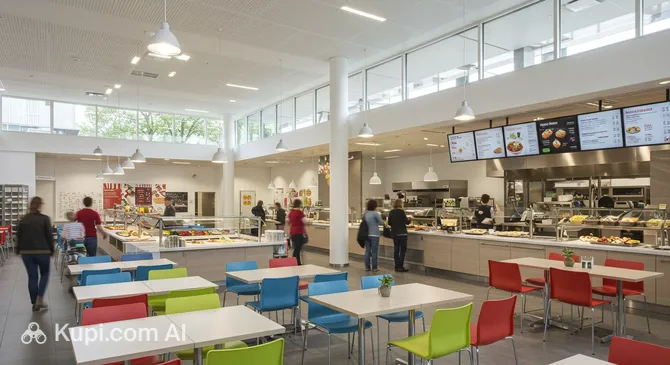
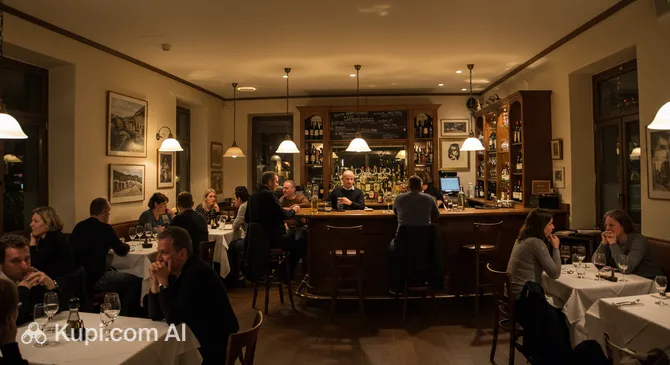
Locals and tourists prefer a variety of dining spots. These include traditional restaurants and lively farmers' markets where you can buy the freshest cheeses and other local products. Street food is also popular: you can grab a quick bite of grilled sausages or fresh rolls with smoked fish. To get to know the local cuisine in a pleasant atmosphere, you can visit one of the many establishments, such as the restaurant Kantine Erlangen.

Cantine Erlangen. Illustration.
Source: Kupi.com AI

Traveler photos:

The gastronomic scene of Erlangen attracts tourists with its diversity and authenticity. Of particular interest are the food festivals, during which the city turns into a true paradise for gourmets with tastings, masterclasses, and culinary shows. Overall, Erlangen offers a hospitable atmosphere where everyone will find dishes and drinks to their taste, enjoying the blend of tradition and modern culinary trends.

Travel Tips

Planning a trip to charming Erlangen? This Bavarian city will pleasantly surprise you with its atmosphere, but to ensure your journey goes smoothly, it is worth considering a few local characteristics. Our practical tips will help you prepare and get the most out of your visit!

  1. Clothing and Essentials: The climate in Erlangen is temperate, so dress in layers to be ready for weather changes, especially in spring and autumn. Be sure to bring comfortable shoes, as the city is perfect for walking and cycling. Don't forget an adapter for electrical appliances (type F). There is no specific dress code for visiting churches, but modest clothing is always appropriate.

  2. Transport: Erlangen is very much a bicycle city! The best way to get around is by bike, which can be rented. Public transport is provided by buses (VGN); they run regularly and cover the entire city. Taxis are available, and you can also use apps to call them. Renting a car is not necessary for getting around the city but may be useful for trips around Bavaria.

  3. Finance: The local currency is the Euro (EUR). Bank cards (Visa, Mastercard) are accepted almost everywhere, but it's worth having a small amount of cash for small shops or markets. ATMs (Geldautomat) are easy to find. International cards usually work without problems, but it's better to notify your bank of your trip in advance. Tipping in restaurants is welcomed (5-10% of the bill or rounding up the amount) for good service, but is not strictly mandatory.

  4. Health and Safety: Pharmacies (Apotheke) are easy to find by the green cross; some operate 24/7 on a rotation basis (Notdienst). EU citizens are recommended to have a European Health Insurance Card (EHIC). Tourists from other countries need travel insurance. In case of emergency, call 112. Erlangen is a very safe city. Follow standard precautions, especially in crowded places.

  5. Communication: The official language is German. English is quite common, especially among young people and in the tourism sector, thanks to the university and international companies. Learn a few basic phrases: "Hallo" (Hello), "Danke" (Thank you), "Bitte" (Please/You're welcome). You can buy a SIM card in supermarkets or mobile shops. Wi-Fi is available in many cafes, hotels, and public places (look for BayernWLAN networks).

  6. Local Etiquette: When greeting someone, say "Hallo" or "Guten Tag"; in Bavaria, "Servus" is also common. A handshake is a common form of greeting. Germans value punctuality. Observe silence in public places and residential buildings, especially during "quiet hours" (Ruhezeiten) – at night, during lunch hours, and on Sundays. Waste sorting is taken very seriously.

  7. What to Avoid: Strictly avoid crossing the road on a red light, even if there are no cars – this is considered a serious violation. Do not make noise or behave provocatively in public places, especially during "Ruhezeiten." Any gestures, statements, or jokes related to the Nazi period are strictly prohibited by law and are extremely offensive.

  8. Erlangen Speciality: The city is known as a "Fahrradstadt" (bicycle city) and is closely linked to the university and Siemens. Rent a bike to feel like a local and explore not only the historic center but also the picturesque surroundings and modern districts. If your visit coincides with the Bergkirchweih festival (usually around Pentecost), don't miss the chance to visit this grand folk festival – one of the oldest and largest in Bavaria.

We hope these tips make your stay in Erlangen comfortable and unforgettable. Enjoy the hospitality of this wonderful city, its parks, history, and unique spirit! Have a great trip!

Entertainment & Nightlife

Erlangen, a vibrant university city in Germany, offers its guests and residents diverse opportunities for evening and nightlife. Thanks to the large number of students, the nightlife here is quite active, especially on weekends. The atmosphere in most establishments is relaxed and friendly, making evening strolls and bar visits a pleasant experience.

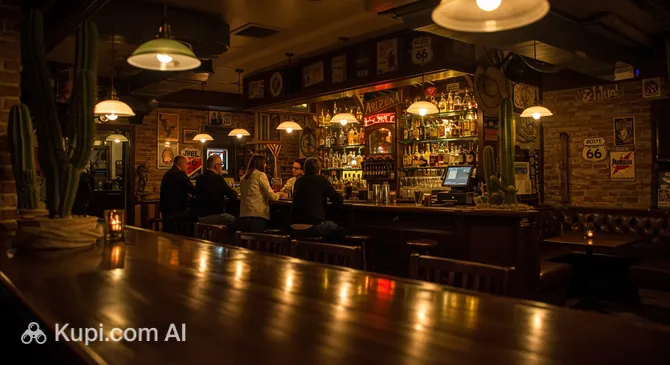
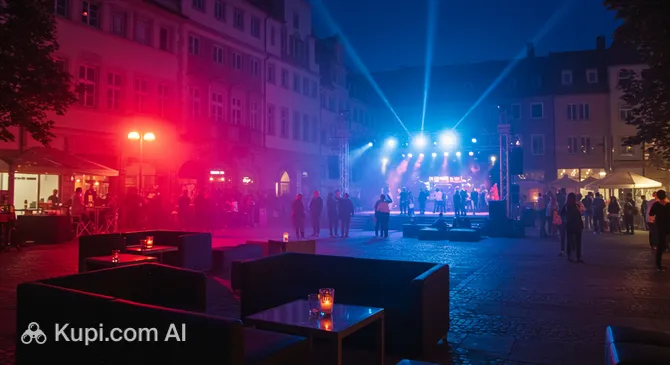
The main concentration of bars, pubs, and some clubs can be found in the central part of the city and in the areas adjacent to the university. Here you can find places for every taste: from traditional German pubs (Kneipe) to modern cocktail bars. For example, the bar Arizona is popular, where you can enjoy drinks in a cozy setting. Another interesting place is Mamma Mia Erlangen, which offers its own unique atmosphere for an evening out. Many bars stay open late into the night, especially from Thursday to Saturday.

Arizona. Illustration.
Source: Kupi.com AI

Traveler photos:

For those who love to dance, Erlangen has several nightclubs. One notable spot is the Nightclub on Hugenottenplatz. Clubs usually start filling up closer to midnight and stay open until the early morning. The music program is diverse, ranging from popular hits to electronic music and themed parties. The dress code in most cases is smart casual, but some clubs may have stricter requirements.

Hugenottenplatz Nightclub. Illustration.
Source: Kupi.com AI

Traveler photos:

Practical tips for nightlife in Erlangen: The best time to visit bars and clubs is Friday and Saturday evenings. Drink prices are moderate: a beer will cost around 3-5 euros, and cocktails start from 8 euros. Many establishments accept credit cards, but it's always useful to have some cash on hand. Night buses run through the city in the evening and at night, and taxi services are always available. You can call a taxi by phone or through special apps, and taxi stands are also located in busy areas.

Mamma Mia Erlangen. Illustration.
Source: Kupi.com AI

Traveler photos:

Erlangen is considered quite a safe city, but standard precautions at night are always a good idea. Try to stick to well-lit streets and avoid deserted places, especially if you are alone. As for daytime entertainment, Erlangen also has plenty to offer. The city features theaters, various museums, and nature lovers can visit the Erlangen Botanical Garden and the picturesque Erlangen Palace Garden. For shopping, you can stop by shopping centers such as Erlangen Arcaden.

Parks & Museums

Erlangen offers its guests a harmonious combination of well-kept green spaces for relaxation and interesting cultural sites that introduce the rich history and heritage of the city.

For nature lovers and those who enjoy quiet walks, Erlangen has prepared several wonderful places. Among the key green oases are the Erlangen Botanical Garden, where you can see a variety of flora from all over the world, and the historic Erlangen Palace Garden, which is a beautiful place for leisurely walks among ancient trees and manicured flower beds. These attractions are described in detail in other sections, but they are definitely worth a visit.

The cultural life of Erlangen is also rich and offers a deep dive into history and art. The City Museum (Stadtmuseum Erlangen) is one of the central cultural institutions. it covers the city's history in detail, starting from its foundation and focusing on its development as a Huguenot city and university center. The exhibits tell the story of Erlangen's connection with the Friedrich-Alexander University, the lives of famous personalities who contributed to the city's development, and changes in urban life over the centuries. The museum often uses modern exhibition methods to make information accessible and engaging for visitors of all ages.

For connoisseurs of fine art, the Art Palace (Kunstpalais Erlangen) is a must-visit. Located in a historic building, this museum specializes in contemporary art but also periodically presents exhibitions of classical works. Kunstpalais Erlangen is known for its ambitious temporary exhibitions, which introduce the public to the works of both established masters and young talented artists from Germany and other countries. This is a place where you can see current artistic trends and gain aesthetic pleasure.

The central point of attraction and an important historical site remains the Erlangen Schlossplatz. This palace square, surrounded by significant buildings including the palace itself, which is now used by the university, is the heart of the city and a popular place for meetings and walks.

For an authentic experience, turn off the main tourist routes and explore the charming streets of the old town, where you can find cozy cafes and small shops. Also, do not miss the opportunity to visit one of the traditional beer gardens (Biergarten) to feel the true Bavarian atmosphere, especially in the warmer months.

Getting Around

Public transport in Erlangen is well-developed and is part of the large transport association Verkehrsverbund Großraum Nürnberg (VGN), making travel around the city and its surroundings convenient and efficient. The backbone of the transport system consists of buses and regional S-Bahn trains.

Buses are the main form of public transport within Erlangen. An extensive network of routes covers all areas of the city, providing access to the university, clinics, shopping centers, and residential neighborhoods. Buses run regularly, with more frequent intervals during peak hours. Schedules are generally strictly followed.

For trips to neighboring cities like Nuremberg, Fürth, or Bamberg, it is convenient to use the S-Bahn trains. Erlangen railway station is an important transport hub from which trains depart in various directions. This is a fast and comfortable way to reach Nuremberg Airport or its central station.

The fare system in Erlangen, as in the entire VGN region, is unified. You can purchase various types of tickets: single tickets (Einzelfahrkarte), day tickets (TagesTicket Solo or TagesTicket Plus for groups of up to 6 people, with a maximum of 2 adults), and weekly or monthly passes. Tickets are valid for all types of transport within the selected tariff zone. The cost of a ticket depends on the number of zones crossed. A single ticket for a short trip around the city will cost a few euros. You can buy tickets from machines at stops (payment by card or cash), from bus drivers (usually only single and day tickets), at VGN service centers, or via the VGN Fahrplan & Tickets mobile app, which also allows you to plan routes.

Tourists are advised to plan their trips in advance using the VGN website or mobile app. Tickets purchased from machines often require validation (stamping) before the start of the journey in special devices located on platforms or inside the vehicle. Tickets bought from the driver or via the app are usually already activated. Public transport operates from approximately 5 AM until midnight, and on weekends and holidays, there are night bus routes.

In addition to public transport, other modes of travel are popular in Erlangen. Taxis can be found at special stands or called by phone. The city is very cyclist-friendly: there are numerous bike lanes, and bicycle rentals (including the VGN-Rad system) are widely available. This is a great way to explore the city at your own pace. Car-sharing services also exist for those who prefer to travel short distances by car.

Accommodation

In Erlangen, you will find a variety of accommodation options to suit any budget and preference. The city offers everything from cozy guesthouses and budget hostels to comfortable mid-range hotels and apartments for short-term rent, which are particularly convenient for families or longer stays.

The most popular areas for tourists to stay are traditionally the city center (Innenstadt) and its surroundings. Here, you will be within walking distance of major attractions such as the Erlangen Palace Garden and Erlangen Botanical Garden, as well as numerous cafes, restaurants, and shops. The areas adjacent to Friedrich-Alexander University also offer a good choice of accommodation and convenient transport links.

Botanical Garden Erlangen. Illustration.
Source: Kupi.com AI

Traveler photos:

Erlangen features hotels of various categories, from cozy family-run inns to larger business hotels, often located near business centers or the university. You can select an option that meets both your comfort expectations and your budget.

When planning a trip to Erlangen, especially during peak tourist season or during major events and exhibitions, it is recommended to book your accommodation in advance. This will allow you to choose the best option in terms of price and quality and avoid any issues with room availability.

The price range for accommodation in Erlangen varies: you can find budget-friendly options as well as offers in the mid and higher price segments. Most hotels and apartments are easily bookable through popular online platforms or directly on the hotels' websites.

Nearby Cities

For those who want to explore the surrounding area, Erlangen serves as an excellent starting point for day trips to several interesting nearby locations:

CityPopulationDistance
Herzogenaurach24 06810 km
Furth129 12213 km
Forchheim32 43315 km
Adelsdorf9 36216 km
Nuremberg515 54316 km

These nearby destinations provide insight into the diverse culture and landscapes of the region. Each of these cities has its own unique charm and history, offering travelers many options for an informative and enjoyable pastime. For example, Nuremberg attracts visitors with its rich history, medieval castle, and famous Christmas market. Fürth, known as the "cloverleaf city," enchants with its architecture and green spaces. A trip to any of these cities will complement your stay in Erlangen.

Shopping & Souvenirs

Erlangen offers pleasant shopping opportunities, combining the charm of a small Bavarian town with a good selection of stores. While the city is not famous for any exclusive goods, you can find popular German and international brands as well as cozy local shops here. Shopping in Erlangen is more of a relaxed and comfortable activity than a hunt for rare items.

The main place for shopping in Erlangen is its historic center (Innenstadt). The main shopping streets, such as Hauptstraße and its adjacent pedestrian zones, are lined with a variety of stores: from department stores and fashion boutiques to bookstores and electronics shops. A stroll along these streets is a pleasure in itself, thanks to the beautiful architecture and cozy atmosphere.

For those who prefer shopping under one roof, there are several shopping centers in Erlangen. One of the most popular is the Erlangen Arcaden. This modern shopping complex offers a wide range of goods: clothing, shoes, cosmetics, electronics, as well as cafes and restaurants for relaxation. Another notable shopping center is Neuer Markt Erlangen, where you can also find many shops and services.

Erlangen Arcaden. Illustration.
Source: Kupi.com AI

Traveler photos:

Regular markets are held in Erlangen, adding local color to the shopping experience. Look out for the weekly farmers' markets (Wochenmarkt), where you can buy fresh local produce, cheeses, sausages, and flowers. During certain times of the year, themed fairs and flea markets (Flohmarkt) may be organized, where you can find interesting antiques and handmade souvenirs.

Neuer Markt Erlangen. Illustration.
Source: Kupi.com AI

Traveler photos:

As souvenirs from Erlangen and the Franconia region, you can bring back traditional Bavarian items, such as beer mugs (Bierkrüge), or items made of wood or ceramics. Local delicacies are also popular: Franconian wines, beer from local breweries, and gingerbread (Lebkuchen), especially if your trip coincides with the pre-Christmas period. Since Erlangen is a major university and scientific center (it houses part of the University of Erlangen-Nuremberg and many Siemens divisions), you can find souvenirs with university or city symbols.

Shops in Erlangen typically operate from Monday to Saturday, from approximately 10:00 AM to 7:00 PM or 8:00 PM. Larger shopping centers may have longer opening hours. On Sunday, most shops are closed, except for some small souvenir shops or stores at the train station. Both cash (Euros) and credit cards (Visa, Mastercard) are accepted. Small shops and markets may prefer cash.

Tourists from countries outside the European Union can take advantage of the Tax Free refund system for purchases over a certain amount in participating stores. To do this, you must request a special Tax Free form at the time of purchase and present it along with the goods at customs when leaving the EU to obtain a stamp. Refunds can be collected at special points at the airport or through a card refund system.

Reached the end of the page?

That means the route is fully explored