Support

Stein

About

Stein is a charming and cozy town located in southern Germany, in the picturesque region of Franconia, near the larger city of Nuremberg. It attracts visitors with its peaceful atmosphere, which perfectly combines traditional Bavarian lifestyle with modern comfort. The town is spread across rolling landscapes, forests, and rivers, making it a wonderful destination for those seeking tranquility and outdoor recreation.

The population of Stein is about 14,300, which emphasizes its intimate and cozy feel. Administratively, the town is part of the Fürth district and is famous for its well-kept appearance, developed infrastructure, and the hospitality of its residents. Despite its small size, Stein offers everything necessary for a comfortable stay, whether for a short visit or a more extensive exploration of the region.
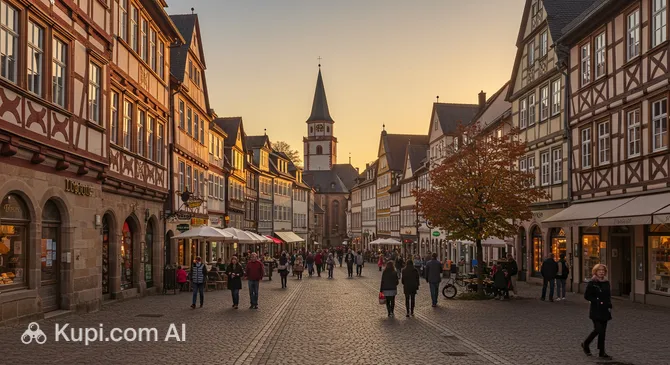
Stein. Illustration.
Source: Kupi.com AI

One of the main highlights of Stein is its rich history associated with the world-famous brand Faber-Castell – it is home to the impressive Faber-Castell Castle, which is not only an architectural landmark but also an important cultural site. Guests can enjoy walks along ancient streets, discovering authentic Franconian architecture. It is also worth taking the time to experience the local cuisine in one of the cozy restaurants and immerse yourself in the culture of Franconia. For outdoor enthusiasts, the surroundings of Stein offer excellent routes for hiking and cycling.

Stein is a place where you can take a break from the hustle and bustle of big cities, enjoy the beauty of nature, and feel the true atmosphere of old Europe. This town will certainly leave warm memories for everyone who decides to visit.

More interesting facts can be found on the page dedicated to the history of the city of Stein

Weather Overview

In Stein, a temperate climate prevails. In summer, the average air temperature usually fluctuates around 18-20°C, with July and August being the warmest months. In winter, the temperature drops, and in January, the average figures are about 1-3°C. Precipitation is distributed fairly evenly throughout the year, mostly in the form of frequent but not very heavy rain.

Overall, when planning your trip, expect a warm summer with occasional rain and cool, damp winters. For more detailed information and to better prepare for your trip, you can check the weather in Stein page.

Average monthly temperature

Average monthly precipitation

Interesting Facts

In addition to its picturesque corners, Stein holds several interesting details that make it even more attractive to curious travelers. The town boasts not only beautiful architecture but also unique traditions.

  • Although Stein is not as ancient as some neighboring cities in Germany, it charms visitors with buildings in the Franconian Baroque style, which give it a special architectural allure.

  • One of the iconic features closely linked to the town is the Schloss Graf von Faber-Castell. This magnificent residence belongs to the world-famous Faber-Castell dynasty of stationery manufacturers and is often associated specifically with Stein.

  • Stein is known for its lively festivals and folk fairs. The spring and autumn fairs are particularly popular, where you can immerse yourself in local culture, buy handmade crafts, and taste traditional Bavarian dishes.

  • Local residents carefully preserve centuries-old traditions and customs, many of which are related to agriculture and crafts. This gives Stein a special authentic atmosphere appreciated by lovers of the "real" Germany.

How to Get There

The town of Stein is located in the immediate vicinity of a major transport hub—Nuremberg—making a trip here convenient and fast. Travelers can take advantage of the developed infrastructure of the neighboring metropolis to reach their destination. If you want to know all the details and nuances of route planning, we recommend reading more about how to get to Stein.

The most convenient option for air travelers is Nuremberg Airport (IATA: NUE). There is no airport in the town of Stein itself, but you can fly into Nuremberg Airport in the city of Nuremberg, which is located only about 11 km from Stein. This is an international airport receiving flights from many European cities. The journey from the terminal to the center of Stein by taxi or car takes about 35-40 minutes.

For those flying from further away or preferring major international hubs, Munich Franz Josef Strauss Airport (IATA: MUC) is an excellent choice. It is also not located in Stein, but in the city of Munich, about 130 km away. It is one of Europe's largest airports with a huge passenger volume. The journey by taxi or transfer from there takes approximately 3.5–4 hours, so many tourists prefer combining the flight with a train trip.

For clarity, here is a summary of the main airports:

AirportPassenger trafficDistance
Nuremberg Airport4.0 mln11 km
Franz Josef Strauss Airport39.8 mln130 km
Stuttgart Airport9.1 mln155 km
Karlovy Vary Airport37 900163 km
Memmingen Allgäu Airport3.2 mln168 km

Rail travel is also a great way to reach the region. The main hub for travelers is Nuremberg Hauptbahnhof (Central Station). There is no major long-distance railway station in Stein itself, but you can arrive at this station in Nuremberg, which is only about 7 km from Stein. This is one of Germany's most important railway hubs with very high passenger traffic. From the station, Stein can be reached quickly by taxi, bus, or metro (U-Bahn) in 20-30 minutes.

Below is information about the nearest major railway stations:

StationPassenger trafficDistance
Nuremberg Hauptbahnhof76.7 mln7 km
Augsburg Hauptbahnhof18.3 mln116 km
Munich Hauptbahnhof164.3 mln146 km
Stuttgart Hauptbahnhof80.3 mln151 km
Erfurt Hauptbahnhof16.8 mln174 km

Main Attractions

Stein, a small but charming town in Germany located in the state of Bavaria, offers several interesting places for guests to visit. Despite its size, it boasts unique attractions that draw tourists.

The crown jewel of Stein is undoubtedly Schloss Faber-Castell (Faber-Castell Castle). This magnificent castle, built in the styles of Historicism and Art Nouveau, belonged to the famous family of pencil manufacturers. Visitors can tour the luxurious interiors, stroll through the adjacent park, and learn about the history of the Faber-Castell lineage. The castle complex is often referred to as the "Pencil Castle" and is a striking example of industrial architecture and family history.

No less interesting is the Faber-Castell Museum "Alte Mine" (Old Mine), located near the castle. Here, you can immerse yourself in the history of writing instrument production, see old equipment, and learn how the legendary pencils were created. The museum's exhibition is informative for both adults and children, clearly demonstrating the evolution of one of our most common everyday objects.

For those seeking relaxation and water fun, Stein offers the Kristall Palm Beach thermal complex. This is a true oasis with thermal water pools, various saunas, water slides, and relaxation areas. The complex is very popular with regional residents and tourists who want to unwind and have fun after exploring cultural attractions.

In addition to these key sites, the town of Stein itself offers pleasant walks along the Rednitz River, allowing you to enjoy the calm atmosphere of a typical Bavarian settlement and its well-maintained streets.

Local Cuisine

The cuisine of Stein is a true immersion into the gastronomic traditions of Franconia and Bavaria, regions of Germany famous for their hearty and aromatic dishes. Travelers here should definitely try classic treats such as roast pork (Schweinebraten) with a crispy crust, appetizing dumplings (Knödel) in various versions—potato or bread—and, of course, the famous homemade sausages, such as Franconian bratwurst, whose taste is unforgettable. These dishes form the basis of the local table and convey the true spirit of regional cooking.

A special place on the menu is reserved for game and wild mushrooms, which are gathered in the surrounding forests in season, giving them a unique aroma and flavor. You cannot overlook the fresh bread from local bakeries and the variety of pastries that perfectly complement a cup of coffee. For fresh vegetables, fruits, farm cheeses, and honey, head to the local markets. They are particularly colorful in spring and autumn, offering a rich selection of seasonal products and the chance to try local delicacies like smoked meats.

As for drinks, Franconia, of which Stein is a part, is famous for its brewing. Therefore, be sure to try the local beers in town—from refreshing light lagers to rich dark varieties brewed according to ancient recipes. For those who prefer non-alcoholic drinks, you'll find natural fruit juices (Apfelschorle – apple juice with mineral water) and traditional German lemonades. During the cold season, warming mulled wine (Glühwein) is offered at fairs and in cafes.

Stein's gastronomic scene will delight you with its diversity: from cozy family restaurants to traditional German inns (Gasthaus), where you can enjoy hearty portions of local specialties in an authentic setting. Many establishments take pride in their history and offer dishes in an atmosphere of old-fashioned hospitality, with some located in historic buildings. Besides classic German cuisine, you can find places offering Italian, Mediterranean, and other European culinary directions. An integral part of the gastronomic culture is the farmers' markets, where you can not only buy the freshest products but also feel the local character. Special attention should be given to gastronomic festivals, such as harvest festivals or beer festivals, which are periodically held in the region and turn the town into a center of culinary celebration, introducing local traditions, music, and dancing.

Travel Tips

Planning a trip to charming Stein? We have prepared some practical tips to help make your journey as comfortable and pleasant as possible, allowing you to focus on exploring this cozy Bavarian town.

  1. Clothing for the Season and Essentials: The climate in Germany, and specifically in Bavaria, is temperate, so the principle of layering clothes is always relevant. It can be hot in summer and cool and snowy in winter. Be sure to bring comfortable shoes for walking around the town and its surroundings. Don't forget an adapter for electrical appliances (Germany uses Type F sockets). If you plan to visit churches, there is usually no specific dress code, but modest clothing is appropriate.
  2. Getting Around Stein and the Surroundings: Stein is a small town that is easy to explore on foot. For longer trips, such as to neighboring Nuremberg, you can use the efficient public transport system, which includes buses and regional trains. Taxis are also available but can be more expensive. Renting a car may be justified if you plan to actively explore the picturesque corners of Bavaria.
  3. Financial Matters: The official currency is the Euro (€). Bank cards (Visa, Mastercard) are accepted in most shops, restaurants, and hotels. However, it is always useful to carry a small amount of cash for small purchases, markets, or small cafes. ATMs (Geldautomat) are easy to find. Tipping in restaurants and cafes is welcome (usually 5-10% of the bill if you liked the service) and is often left by rounding the sum up.
  4. Health and Safety: Pharmacies (Apotheke) in Stein are easy to find by the green cross; some may have emergency hours. In case of emergency medical assistance, call 112. Stein, like most small German towns, is a very safe place. Nevertheless, always follow basic precautions: keep an eye on your belongings and avoid poorly lit and deserted places after dark.
  5. Language and Communication: The official language is German. In tourist spots and among young people, many speak English. However, knowing a few basic phrases in German, such as "Hallo" (Hello), "Danke" (Thank you), "Bitte" (Please/You're welcome), will be gratefully received by locals. Mobile communication and Wi-Fi are widely available. You can purchase a local SIM card for convenience.
  6. Local Etiquette and Interaction: Germans value punctuality, so try not to be late for meetings. When entering small shops or waiting for service, it is customary to say hello. In public places and transport, try to behave discreetly and not too loudly. Germans are usually direct in communication, which is the norm rather than rudeness.
  7. Things to Avoid: Try not to cross the road in unauthorized places (jaywalking), as this is frowned upon and can result in a fine. Avoid excessively noisy behavior in residential areas, especially in the evening and at night. Also, avoid starting discussions on sensitive historical topics unless your conversation partner initiates it.
  8. Special Feature of Stein: Don't miss the chance to visit the famous Schloss Faber-Castell (Faber-Castell Castle)—the hallmark of the city and evidence of its rich history related to pencil production. It is not only a beautiful architectural structure but also an interesting museum. Also, from Stein, it is convenient to make nature excursions, exploring the picturesque Franconian landscapes.

We hope these tips help you better prepare for your trip and get the most out of your stay in Stein. We wish you an unforgettable journey and vivid impressions of this charming corner of Bavaria!

Entertainment & Nightlife

Stein is a cozy and respectable town in Bavaria, often called the "pencil town" due to the heritage of the Faber-Castell family. The nightlife here has its own special, measured rhythm, distinct from noisy metropolises. In Germany, people value coziness (Gemütlichkeit), and evenings in Stein are best spent in this spirit: enjoying a great dinner, walking, or relaxing.

The main focus of evening entertainment in Stein is on gastronomy and wellness. You won't find districts with neon signs and loud night clubs here. Instead, the town offers atmospheric traditional taverns (Gasthof) and restaurants where you can try Franconian dishes and local beer. The crowd here is calm and friendly, and the dress code in most establishments is relaxed—casual style is appropriate everywhere.

The main attraction for evening leisure is the famous Kristall Palm Beach complex. This is not just a pool, but a huge thermal and entertainment center that stays open until late evening (until 10:00 PM or 11:00 PM on some days). It hosts special events, laser shows in the wave pools, and relaxing sauna ceremonies. It is the perfect place to spend an evening in the style of a "wellness party," enjoying cocktails at the pool bar.

If you're looking for dancing until dawn and noisy bars, remember that Stein essentially borders Nuremberg. A taxi or bus ride to the center of Nuremberg takes only 15–20 minutes. That is where the vibrant nightlife thrives, especially in the Weißgerbergasse area or near the city walls, with clubs and pubs for every taste. Many tourists prefer staying in quiet Stein while heading to their neighbor for active entertainment.

In terms of safety, Stein is an exceptionally peaceful place. You can walk the streets after dark without worry, especially around Faber-Castell Castle, which is beautifully illuminated in the evenings. Taxis can be called via popular apps or by phone, and night bus routes (NightLiner) connect the town with the surrounding areas on weekends.

During the day, the town offers an equally interesting program. Be sure to visit the majestic Schloss Faber-Castell with its luxurious interiors and take a walk through the picturesque park along the Rednitz River. Also of interest is the "Alte Mine" (Old Mine) museum, which tells the history of pencil manufacturing, and the town's terrarium.

Parks & Museums

The town of Stein offers its guests a pleasant combination of green relaxation zones and cultural sites that tell the story and heritage of this place. Here you can find both tranquil corners of nature and interesting exhibitions.

Nature lovers will appreciate the opportunity to stroll through well-maintained city parks, which are perfect for a leisurely break or a picnic. The Rednitz River gives Stein a special charm, with picturesque paths for walking and cycling likely running along its banks. These green areas allow you to escape the city bustle and enjoy some peace.

The cultural life of Stein is largely connected to the world-famous company Faber-Castell, whose headquarters are located here. Visitors are often interested in visiting the museum dedicated to the history of this famous manufacturer of pencils and writing instruments, where you can learn about the production process and the brand's long-standing traditions. Additionally, the town may have a local history museum (Heimatmuseum), introducing visitors to the regional history, daily life, and crafts.

Among the architectural and historical sights, Schloss Faber-Castell (Faber-Castell Castle) certainly stands out. This impressive structure is not only a symbol of the company but also an important historical site with interesting architecture. Strolling through the old streets of Stein, you can also notice traditional Bavarian houses and old churches, such as the Church of St. Albert the Great or the Martin Luther Church, which preserve the spirit of the past.

For a more authentic experience, stop by small local cafes or walk along the lesser-known paths by the Rednitz River to feel the everyday atmosphere of Stein. Sometimes local community centers or churches organize small exhibitions or events that allow you to dive deeper into the town's culture.

Getting Around

Public transportation in Stein is primarily represented by a bus network that provides travel within the town as well as convenient connections to nearby settlements, including Nuremberg. The town is part of a large regional transport system (such as the Verkehrsverbund Großraum Nürnberg - VGN), which makes regional travel coordinated and easy to plan.

The fare system in Stein is integrated into the region's general tariff grid. Tourists can purchase various types of tickets: single rides, day passes (which are often economical if you plan several trips, such as the TagesTicket Plus, which sometimes covers multiple people), as well as longer-term tickets like weekly passes. The fare depends on the number of tariff zones crossed. Tickets can be purchased at machines (if available at stops), directly from the bus driver (usually for single or day tickets), at transport company sales points, or via official mobile apps.

For tourists, it is useful to know that paper tickets bought from a machine or ticket office often need to be validated (stamped in a special device inside the bus or on the platform) before starting your first trip, unless they were bought for a specific time. Electronic tickets purchased through an app are generally activated automatically. Buses in Stein run according to a schedule, which can be found at stops, on transport company websites, or in their apps. Service is more frequent on workdays, while intervals between trips may be longer in the evenings, on weekends, and on public holidays.

As an alternative to public transport, taxi services are always available in Stein. For exploring the town and its picturesque surroundings, you might consider renting a bicycle—a popular way to get around in this region. Car-sharing options in small towns are typically limited, but it is worth checking for local or regional services if this is your preferred mode of transport.

The main advantage of Stein's transport system is its close integration with the Nuremberg transport network. This allows for quick and easy access to all key points in this major city, including its attractions, the central railway station, and the airport. Such transport accessibility makes Stein a convenient place to stay when visiting the region.

Accommodation

When planning a trip to Stein, you can choose from several accommodation options that suit both budget travelers and those who prefer more comfort. The town offers guest houses, small hotels, and apartment rentals, allowing you to find the best option depending on your preferences and budget.

When choosing a place to stay in Stein, pay attention to its location. Although the town is small, a convenient location relative to the center or the attractions you are interested in can make your stay more comfortable. It is also worth considering the proximity to transport stops if you plan to explore the surrounding area.

In Stein, you can find various types of hotels, from cozy family-run pensions to more modern hotels. While there may not be large international hotel chains here, local establishments often offer a warm welcome and a good level of service. Information about available options and reviews from other travelers can be easily found on popular online booking platforms.

It is recommended to book your accommodation in Stein in advance, especially if your trip coincides with the popular tourist season or local events, to ensure the best choice and prices. The price range varies from budget options to mid-range offers. Most hotels and apartments can be booked through well-known internet portals or, in some cases, by contacting the owners directly.

Nearby Cities

For those looking to explore the surrounding area, Stein serves as an excellent starting point for day trips to several interesting nearby locations:

CityPopulationDistance
Oberasbach17 7494 km
Zirndorf26 5345 km
Nuremberg515 5437 km
Furth129 1228 km
Rosstal10 0709 km

These nearby destinations provide insight into the region's diverse culture and landscapes. Each trip promises new discoveries, whether it's historical landmarks, picturesque scenery, or a unique local atmosphere.

Shopping & Souvenirs

Shopping in Stein, a charming Bavarian town, offers more of a cozy and local experience than the bustle of major retail metropolises. The town is not famous for huge shopping malls, but here you can find high-quality goods, especially if you are interested in products from the world-famous company Faber-Castell, whose history is closely linked to Stein. You can also purchase traditional Bavarian items and fresh local products here.

The main shopping points in Stein are generally concentrated along the main street and in its historic center. Here you will find small boutiques, specialty shops, pharmacies, and stores with everyday goods. A walk through these streets is a pleasure in itself, allowing you to feel the atmosphere of the town.

In Stein itself, there are no large shopping centers in the conventional sense, which is typical for small German towns. For more extensive shopping, including large department stores and many brand shops, it's worth heading to neighboring Nuremberg, which is easily accessible.

While there may not be a permanent large market in Stein, keep an eye out for announcements regarding weekly markets (Wochenmarkt). At these markets, local farmers and producers often offer fresh seasonal vegetables and fruits, cheeses, meat delicacies, pastries, and flowers. This is an excellent opportunity to try regional products and immerse yourself in local life.

The main and most iconic souvenir from Stein is undoubtedly Faber-Castell products. High-quality pencils, pens, creativity kits, and other stationery items from this brand make wonderful gifts. Also, look out for traditional Bavarian souvenirs: these could be wooden items, ceramics, textiles with characteristic patterns, or local delicacies like Franconian sausages or beer from regional breweries.

Shops in Stein usually operate from Monday to Friday from approximately 9:00-10:00 AM to 6:00-7:00 PM. On Saturdays, many shops close earlier, around 2:00 PM or 4:00 PM. Sundays and official public holidays in Germany are days off for most retail outlets, with the exception of some souvenir shops or gas station stores. Regarding payment, although credit and debit cards (especially Girocard) are accepted in many places, it is always useful to have some cash on hand, especially for purchases at markets or in small shops.

If you are not a resident of the European Union, you can take advantage of the VAT refund system (Tax Free) on purchases made in Germany for amounts over a set minimum (usually around 25-50 euros per receipt, but it is best to check on site). To do this, ask the shop to issue a special Tax Free form when making your purchase. When leaving the EU, these forms must be presented at customs for a stamp, after which the tax can be refunded.

Reached the end of the page?

That means the route is fully explored