Support

Hagen

About

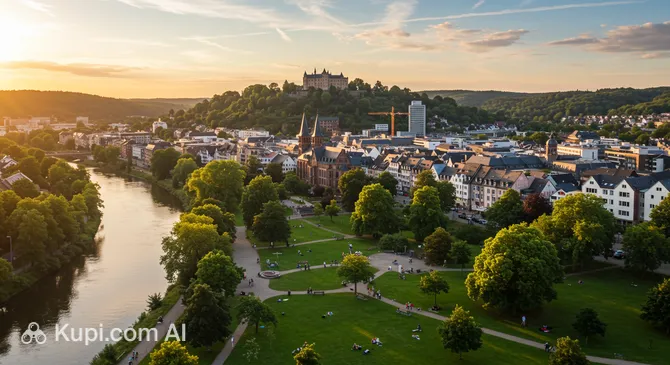
Hagen is a surprising city often called the "green oasis" of the North Rhine-Westphalia region. Located in the west, it attracts travelers with its unique landscape: four rivers meet here in a picturesque valley. This geographic location makes Germany particularly appealing in this corner for nature lovers and those who enjoy long walks by the water.

Hagen. Illustration.
Source: Kupi.com AI

Despite having a population of about 188,000, the city doesn't feel like an overwhelming, bustling metropolis. It harmoniously combines the dynamics of a modern cultural center with the coziness of old quarters. The rich history of Hagen can be traced through its architecture and diverse museums, among which the open-air exhibitions are particularly popular.

This city will be a true discovery for those seeking a balance between educational tourism and relaxed recreation. Art galleries, well-kept parks, and cozy cafes create a unique atmosphere of hospitality. Hagen is ideal for travelers wishing to experience the authentic life of the region and enjoy tranquility surrounded by greenery.

Weather Overview

The climate in this region is temperate, without extreme temperature swings, making trips comfortable at any time of year. Summer here is pleasant and warm: in July and August, the air warms up on average to +18...+19°C, and daytime maximums reach a comfortable +23°C. However, even in the sunny season, you should be prepared for precipitation—rains are not uncommon here and happen about 12–15 days a month.

Winters in the city are mild but quite damp. The average temperature in January and February stays around +3...+5°C, and frosts are infrequent. The cloudiest month is considered December, when the number of days with precipitation can reach 19. If you want to know in more detail what weather in Hagen is expected during your visit, we recommend checking the forecast before packing.

Expect a warm summer with occasional rain and cool winters with frequent, but generally not heavy, precipitation. Spring and early autumn, especially May and September with temperatures around +13...+15°C, are excellent choices for those who prefer long walks without the summer heat.

Average monthly temperature

Average monthly precipitation

Interesting Facts

Hagen is not just an industrial center, but a city that holds many fascinating secrets and cultural treasures. Beyond the main attractions, there are facts that will make you look at this place in a new way.

  • The city is often called the "green heart" of North Rhine-Westphalia, a title it rightfully earns. Hagen is unique for its location at the confluence of four rivers, which made it an important trading hub in the past and today provides tourists with picturesque landscapes right within the city limits.

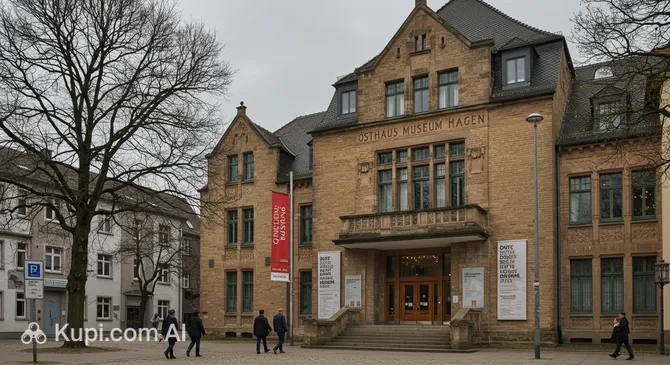
  • It was here, thanks to the passion of patron Karl Ernst Osthaus, that one of the most important modernism collections was born. The famous Osthaus Museum Hagen is considered the first museum in the world dedicated to contemporary art, becoming a magnet for art lovers from all over Europe.

  • Hagen is home to an impressive Open-Air Museum—one of Germany's largest ethnographic complexes. This is not just an exhibition but a living portal to the past: here you can see functioning old workshops, smithies, and mills demonstrating the development of crafts and technology in the region.

  • The architectural highlight of the surroundings is Hohenlimburg Castle, which has preserved its medieval appearance. This place is known for its theatrical performances and knight festivals, and local legends about the castle's ancient inhabitants still fire the imagination of guests.

Osthaus Museum Hagen. Illustration.
Source: Kupi.com AI

Traveler photos:

How to Get There

When planning a trip to this green corner of North Rhine-Westphalia, it's worth thinking about your route in advance. The city has excellent transport accessibility thanks to the region's dense network of railways and highways. You can find out more about how to get to Hagen by exploring all possible options, and below we look at the most popular and fastest ways to arrive.

The city does not have its own airport, but the nearest air harbor—Dortmund Airport (IATA: DTM)—is only 19.7 km away. This is the optimal choice for those flying on European routes. A trip by car or taxi from the terminal to the center of Hagen will take approximately 25–30 minutes, making this the fastest option.

If you are planning a long-haul flight, it is most convenient to use Düsseldorf International Airport (IATA: DUS). This is the region's largest aviation hub, located 49.5 km from the city. The drive by car will take about 50–60 minutes. An alternative is Cologne/Bonn Airport (IATA: CGN), 59.4 km away; the journey from there by car also takes about an hour.

Below is a summary of the main airports in the vicinity:

AirportPassenger trafficDistance
Dortmund Airport3.1 mln20 km
Dusseldorf International Airport20 mln50 km
Cologne Bonn Airport10 mln59 km
Paderborn Lippstadt Airport818 37884 km
Munster Osnabruck International Airport1.3 mln87 km

Railway connections in the Ruhr area are excellent, so the train is often more convenient than a car. The nearest major hub is Dortmund Central Station (16.6 km). From there, the best way to reach Hagen is by regional express or city train (S-Bahn). Trains run very frequently, and the travel time is only 20–25 minutes, allowing you to avoid traffic jams and extra taxi costs.

Another important transport hub is Essen Hauptbahnhof (32.6 km). There is also a direct rail connection from this station: the train journey takes about 30–40 minutes. If you choose to drive, expect to spend about 35–45 minutes on the road from Essen, depending on traffic.

List of nearby major railway stations for planning transfers:

StationPassenger trafficDistance
Dortmund Hauptbahnhof47.5 mln17 km
Essen Hauptbahnhof55.5 mln33 km
Düsseldorf Hauptbahnhof91.3 mln50 km
Leverkusen Mitte Station5.5 mln50 km
Dormagen Railway Station2.2 mln54 km

Main Attractions

Hagen offers guests an interesting blend of cultural heritage, green zones, and modern urban spaces. A walk through the city will show you how harmoniously history and modernity intertwine, offering entertainment for every taste.

The undisputed cultural landmark of the city is the Osthaus Museum Hagen. This is a must-visit for all art lovers, as the building itself, with its Art Nouveau interiors, is a work of art. Inside, you will find impressive collections of paintings and sculptures spanning periods from classical modernism to contemporary art. The museum is named after its founder, the patron Karl Ernst Osthaus, whose vision turned Hagen into an important point on the cultural map of Europe.

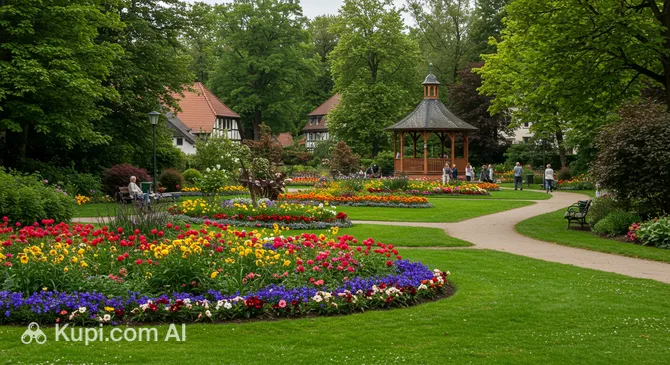
For those who want to take a break from the city bustle and enjoy nature, Hamcke Park is an excellent choice. This picturesque space is perfect for leisurely strolls, morning jogs, or picnics in the fresh air. Well-maintained paths, plenty of greenery, and a peaceful atmosphere make the park a favorite spot for both locals and tourists seeking quiet and serenity during their journey.

Hamecke Park. Illustration.
Source: Kupi.com AI

Traveler photos:

Shopping enthusiasts and fans of dynamic city life should visit the Rathaus Galerie Hagen. This modern shopping center, located in the heart of the city, has become a real center of attraction. Here, you can not only update your wardrobe in numerous boutiques of famous brands but also spend quality time in one of the cozy cafes. The architecture of the complex fits harmoniously into the urban landscape, and its convenient location makes the gallery an excellent starting point for further exploration of the central streets.

Local Cuisine

Hagen's culinary life reflects the best traditions of West German cuisine: hearty, simple, and warming dishes are highly valued here. The "Ruhr sausage" is considered a real hallmark of the region, traditionally served with sauerkraut and a slice of fresh bread. Travelers should also try local potato pancakes and rich soups prepared with special homemade care. Meat lovers will appreciate the classic beef roast, which holds a prominent place on the menu of many establishments.

The city's sweet side is represented by magnificent pastries. In local bakeries and cafes, be sure to order traditional cherry or apple pies, as well as strudel prepared according to old recipes. Crispy buns with raisins or nuts are the perfect addition to desserts. Among drinks, local beer holds the top spot and can be sampled in the city's cozy pubs while enjoying the lively atmosphere.

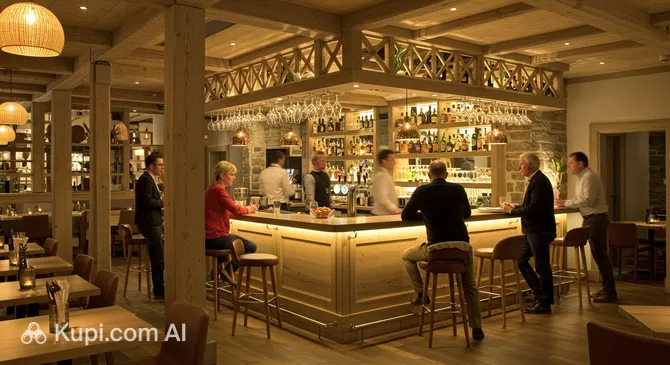
The food culture in Hagen is diverse: locals enjoy visiting farmers' markets for seasonal products like asparagus or fresh apples, and they gather in restaurants in the evenings. If you want variety, the city's gastronomic map offers more than just German classics. For instance, you can visit the Mediterranean Steakhouse for a southern-style dinner or head to the Xiao restaurant to enjoy Asian cuisine.

XIAO. Illustration.
Source: Kupi.com AI

Traveler photos:

Furthermore, the city regularly hosts gastronomic festivals where food becomes a reason for celebration and socializing. These events allow you not only to try the best dishes of the region but also to meet local producers and learn the secrets of preparing national treats.

Travel Tips

Preparing for a trip to Hagen will make your journey not only exciting but also as comfortable as possible. We have gathered a list of useful recommendations for you that will help you easily navigate the city and avoid common tourist mistakes.

  1. Clothing and Essentials: The weather in the region can be changeable, so the principle of layering in clothing is the best solution. Even in summer, it's worth having a light windbreaker or umbrella—rains happen suddenly here. Since Hagen is a green and hilly city, be sure to bring comfortable, broken-in flat shoes for walking through parks and the open-air museum.
  2. Transport: Hagen has a developed bus network that covers the entire city and its surroundings. For route planning, it's convenient to use the VRR (Verkehrsverbund Rhein-Ruhr) app. Tickets can be bought from the driver or in machines, but don't forget to stamp them. Taxis are not a cheap pleasure, so for short trips, it's better to use public transport or walk.
  3. Finances: Although Germany is a modern country, the cult of cash is still strong here. Cards are accepted in supermarkets and large restaurants, but in small cafes, bakeries (Bäckerei), or kiosks, they often ask for payment in cash euros. Always have small bills and coins with you. It is customary to leave a tip of 5–10% of the bill, simply rounding up the amount when paying.
  4. Health and Safety: Hagen is a safe city, but as everywhere, you should watch your belongings in crowded places, like the train station. The tap water here is of excellent quality; you can safely drink it, which will help save on buying bottled water. Pharmacies are easy to find by the red letter "A"; duty pharmacies operate 24/7, and their addresses are usually listed on the door of any closed pharmacy.
  5. Communication: The official language is German, but many locals, especially young people, speak English well. Nevertheless, a couple of phrases in German, such as "Guten Tag" (Good day) or "Danke" (Thank you), will always bring a smile and win over your conversation partner. For mobile communication, it's easiest to buy a prepaid SIM card in supermarkets, but you will need a passport to activate it.
  6. Local Etiquette: Germans value order and politeness. When entering a small shop, it is customary to greet the staff. On escalators, an unspoken rule applies: stand on the right, pass on the left. On Sunday, most shops are closed, and it is not customary to make noise on the street or in an apartment—it's a day of silence and rest (Ruhetag).
  7. What to Avoid: Never walk on bicycle paths, which are often marked by color or markings on the sidewalk. Cyclists ride fast and expect a clear path, so it's a matter of your safety. Also, do not cross the road on red, even if there are no cars—this is considered bad manners and can result in a fine.
  8. Tip for the Budget-Conscious: If you plan an active cultural program, look into the RuhrTopCard. It gives you the right to free or discounted entry to many museums and attractions not only in Hagen but throughout the entire Ruhr region, which can significantly save your budget.

Hagen is a friendly and calm city, ready to reveal its secrets to the attentive traveler. By following these simple tips, you can feel confident and focus entirely on the impressions of your trip.

Entertainment & Nightlife

Entertainment and nightlife:

Nightlife in Hagen differs from bustling metropolises like Berlin or Cologne: it has a more relaxed and cozy atmosphere. The city is not famous for massive techno clubs that stay open until dawn, but it offers an excellent selection of bars, traditional German pubs (Kneipen), and restaurants where you can enjoy a pleasant evening with friends. Most after-dark activity is concentrated in the central district (Mitte) and around Springe Square, which serves as a popular meeting point.

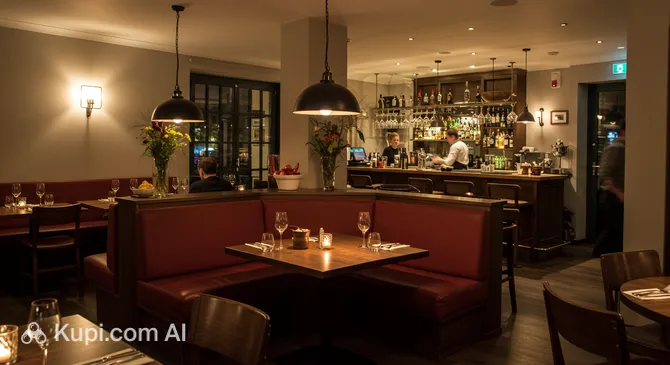
The crowd in local establishments is diverse: from local university students to office workers unwinding after a workday. The dress code in most places is casual—smart casual is appropriate almost everywhere. If you're looking for a place to start the evening with good food and drinks, check out the Mediterranean Steakhouse. This venue combines the atmosphere of a restaurant and a bar, offering guests an excellent selection of meat dishes and wines in a cozy setting.

Mediteran Steakhouse. Illustration.
Source: Kupi.com AI

Traveler photos:

For fans of Asian cuisine and stylish interiors, the Xiao restaurant is a great choice. In the evening, a special lounge atmosphere is created here, perfect for long conversations and tasting exotic cocktails. It's a popular spot among locals, so it's better to book a table in advance, especially on Friday or Saturday.

In addition to gastronomic pleasures, Hagen offers cultural leisure. Fans of classical art should check the schedule of Theater Hagen, which regularly hosts opera productions, ballets, and symphonic concerts. During the day, you can visit the city's many museums or stroll through shopping centers, but as night approaches, cultural life moves to concert venues and independent cultural centers like Kultopia or Pelmke, which often host live music performances and themed parties.

In terms of safety, Hagen is a peaceful city. The central streets are well-lit, and walking there in the evening does not cause concern; however, as in any city, it's worth avoiding unlit alleys and keeping an eye on personal belongings. The average check in bars is quite affordable: a glass of beer costs about 4–5 euros, and a cocktail costs 8–12 euros.

Getting home at night is easy. On weekends, night buses (NachtExpress) operate in the city, connecting the center with the outskirts. It's best to check the schedule in the local transport app, VRR. Taxis are also available 20/7; cars can be found at special stands near the station or called by phone, which is the most comfortable way to travel late at night.

Parks & Museums

Hagen harmoniously combines its industrial past with rich natural resources, offering tourists extensive green spaces and a rich cultural program. The city, located at the confluence of four rivers, is perfect for long walks in the fresh air, and its museum collections can surprise even sophisticated art connoisseurs.

Among the city's green zones, Hamcke Park deserves special attention. This popular holiday spot attracts with its well-kept appearance and calm atmosphere, ideal for family picnics or reading a book in the shade of trees. Another important natural location is Lake Hengsteysee. Located in the Ruhr valley, it has become a center of attraction for water sports enthusiasts, cyclists, and runners. The walking paths around the lake offer picturesque views of the surrounding hills and forests.

The cultural heart of the city beats in its exhibition halls. The main pride is the Osthaus Museum Hagen, located in a building with luxurious Art Nouveau interiors created by the Belgian architect Henry van de Velde. It features an impressive collection of artworks, from classical modernism to contemporary installations. No less interesting is the LWL Open-Air Museum Hagen (Westphalian Open-Air Museum). In this unique valley of crafts, you can see functioning historical workshops, smithies, and mills, immersing yourself in the history of the region's technical progress in the 18th and 19th centuries.

History and architecture buffs should head to Hohenlimburg Castle (Schloss Hohenlimburg). This medieval fortress, perched on a mountain, has been preserved almost in its original form. The castle is often called the "Westphalian Heidelberg" for its romantic appearance and the magnificent panoramas that open from its observation decks. The complex includes a museum telling the story of the nobility's life and the history of the principality.

For those looking for unusual routes, we suggest walking the "Three Towers Trail" (Drei-Türme-WEG). This hiking route connects the Bismarck, Kaiser Friedrich, and Eugen Richter towers, offering not only physical activity but also the best bird's-eye views of the city.

Getting Around

The public transport system in Hagen is well-developed and integrated into the broader Rhine-Ruhr transport network (VRR). This allows tourists to easily move not only within the city but also to neighboring metropolises using a single ticket. Given the hilly terrain, the transport network is designed to provide comfortable access even to remote areas.

The main and almost only type of surface urban transport here is buses. Hagen has no metro (U-Bahn) or trams, but the bus network is very dense and efficient. Routes connect the central station (Hauptbahnhof) with all parts of the city and attractions. For fast travel between remote districts or suburbs, it is convenient to use the S-Bahn city trains and regional trains, which make several stops within the city limits.

Fares are paid according to the VRR transport union's zonal system. For trips within Hagen, you will need a Price Level A (Preisstufe A) ticket. There are several ticket options convenient for tourists:

  • EinzelTicket — a single ticket valid for a certain time (usually 90 minutes) for a one-way trip with transfers.
  • 4erTicket — a pass for four trips, which costs less than four individual tickets. It can be used by a group.
  • 24-StundenTicket — a 24-hour ticket for one person or a group of up to 5 people. This is the most cost-effective option if you plan to move around a lot during the day.

Tickets can be purchased at machines at railway stations and major stops, as well as directly from the bus driver (it's best to have change). The most modern way is using the VRR App or DB Navigator mobile apps, where tickets often cost slightly less and do not require stamping. If you bought a paper ticket from a machine or kiosk, be sure to stamp it in a special validator (orange or red boxes at transport entrances or on the platform) before starting your journey, otherwise it will be considered invalid.

At night, especially on weekends, NachtExpress (NE) night buses run in the city. They depart from the center and take passengers to residential areas, which is very convenient for those who stayed late in a bar or restaurant. It is better to check the schedule of night routes in advance in the app, as intervals can be about an hour.

As an alternative to public transport, taxi services operate in the city. A car can be found at special stands (for example, at the station) or called by phone; apps like Uber do not always work stably here, so it's more reliable to use local dispatch services. Also popular in the city are electric scooter rental services, which are great for short trips around the center.

For cycling enthusiasts, an important note: Hagen is a city with elevation changes, so pedaling here can be tiring. If you decide to use a bike rental, we recommend choosing electric bikes (e-bikes), which will help you easily overcome local hills and enjoy the views without extra physical effort.

Accommodation

The choice of accommodation in Hagen is geared more toward practicality and coziness than ostentatious luxury. The city offers travelers a balanced range of accommodation options: from reliable mid-range chain hotels to small private guesthouses with a homely atmosphere. You won't find world-class five-star resorts here, but the level of service in existing hotels (mostly 3 and 4 stars) meets high German standards of cleanliness and comfort.

The most convenient area for tourists to stay is the city center (Mitte). By staying here, you will be within walking distance of the main railway station and major transport hubs, which is ideal for those planning active trips around the region. Living in the center also provides quick access to shops and restaurants; a popular landmark is the Rathaus Galerie Hagen, around which city life revolves. Staying in this zone allows you to save significant time traveling to the main attractions.

Rathaus Galerie Hagen. Illustration.
Source: Kupi.com AI

Traveler photos:

For those who prefer quiet and want to enjoy Hagen's status as a "green city," it's worth considering options in the areas adjacent to forest parks, for example, toward Eilpe or near the open-air museum. Here you can find traditional guesthouses (Gasthof), where guests are often offered hearty breakfasts. Also gaining popularity is apartment rental, which is an excellent solution for families or groups who want to have their own kitchen and more personal space.

Booking tip: It's important to remember that Hagen is in close proximity to Dortmund and Düsseldorf—major exhibition centers. During international trade fairs (Messe) and major football matches, the demand for accommodation throughout the region rises sharply, and rooms sell out very quickly. We recommend checking the Ruhr region events calendar and booking your accommodation in advance, especially during the autumn and spring seasons.

The price range in the city can be described as moderate and affordable compared to neighboring metropolises. Budget accommodation is possible in simple hostels or inexpensive pensions, while comfortable rooms in business hotels fall into the medium price category. Booking is most convenient through popular online aggregators where you can compare prices and read reviews, although many family-run hotels also readily accept direct bookings.

Nearby Cities

For those who want to explore the surroundings, Hagen serves as an excellent starting point for day trips to several interesting nearby locations. Thanks to the dense transport network of the Ruhr region and the proximity to the nature of the Sauerland region, travelers can change their scenery in just a 15–20 minute journey.

The nearest major neighbor is Dortmund, located just 16 km away. This is a dynamic metropolis that will interest not only football fans thanks to its famous stadium and museum but also lovers of industrial culture. It's worth walking through Westfalenpark, climbing the Florian Tower (Florianturm), or visiting the former Phoenix-West steelworks, transformed into a trendy urban space.

A little further away is Bochum, which is famous for its cultural diversity. The main point of attraction here is the German Mining Museum, where visitors can go underground and learn the history of coal mining. In the evening, the city attracts young people and tourists to the "Bermuda Triangle" (Bermuda3Eck)—a district with the highest concentration of bars and restaurants in the region.

If you crave more nature, head to Iserlohn, often called the "forest city." This place is known for its impressive Dechen Cave (Dechenhöhle)—one of Germany's most beautiful and visited stalactite caves, where you can immerse yourself in a mysterious underground world.

CityPopulationDistance
Herdecke22 7334 km
Wetter (Ruhr)27 4415 km
Gevelsberg30 69510 km
Ennepetal30 30610 km
Schwerte46 34010 km

These nearby destinations allow you to get a sense of the region's diverse culture and landscapes, harmoniously complementing the impressions of your visit to Hagen.

Shopping & Souvenirs

General Overview: Shopping in Hagen is characterized by a calm atmosphere and compactness. You won't find the endless labyrinths typical of major metropolises here, but the city offers an excellent balance between well-known chain brands and cozy local boutiques. Hagen is particularly convenient because most retail outlets are concentrated in the center, allowing you to combine shopping with a city walk without the need for long commutes.

Main Shopping Districts and Streets: The main artery for shopping enthusiasts is the pedestrian zone in the city center (Innenstadt). Most activity hums on Elberfelder Straße and the adjacent Kampstraße. Here, in the car-free zone, are clothing stores of popular affordable brands, bookstores, perfume shops, and electronics salons. A stroll along these streets allows you to feel the rhythm of city life and stop by small cafes between purchases.

Shopping Centers: The undisputed leader among shopping venues is the Rathaus Galerie Hagen. This modern complex has become not just a place for shopping but an architectural ornament of the center. Under one roof, it brings together about 70 stores offering fashion, accessories, and home goods. The gallery is also known for its food court and regular events, making it an excellent spot for family leisure in any weather.

Markets: To get a real taste of local life, it's worth visiting the weekly market (Wochenmarkt), which often takes place in Springe Square. Here, farmers from the surrounding areas offer fresh vegetables, fruits, cheeses, and meat delicacies. This is the perfect place to buy products for a picnic or simply watch how locals shop and socialize.

Souvenirs: Hagen is famous for its manufacturing history, so products from local brands make excellent gifts. The most famous "edible" souvenir is the crispy rusks from the brand Brandt, whose history is closely linked to the city. It's also worth looking for Westphalian ham or a bottle of local beer from the region's small breweries. Art lovers can purchase reproductions or books at the Osthaus Museum souvenir shop.

Opening Hours and Payment: Most major stores and shopping centers, such as Rathaus Galerie, are open from Monday to Saturday from 09:30–10:00 to 20:00. Small boutiques in the center may close a bit earlier, around 18:30 or 19:00. It is important to remember that Sunday in Germany is a day off (Ruhetag), and practically all shops are closed. Visa and Mastercard are widely accepted, but in small kiosks, bakeries, or at the market, cash euros remain the preferred, and sometimes only, method of payment.

Tax Free: Tourists residing permanently outside the European Union can use the tax refund system (Tax Free). If the purchase amount in one receipt exceeds the established minimum (usually 50 euros), ask the seller to issue a special form. When leaving the EU, by presenting the purchases, receipt, and passport at customs, you can get a refund for part of the funds spent.
Reached the end of the page?

That means the route is fully explored