Support

Wuppertal

About

Wuppertal is a remarkable city that seems to have grown right out of the picturesque hills and green valleys of North Rhine-Westphalia. It stretches comfortably along the Wupper River, which gave the city its name. Its characteristic terrain, with streets winding along the slopes, gives Wuppertal a special charm and offers travelers breathtaking views, turning ordinary walks into small adventures.
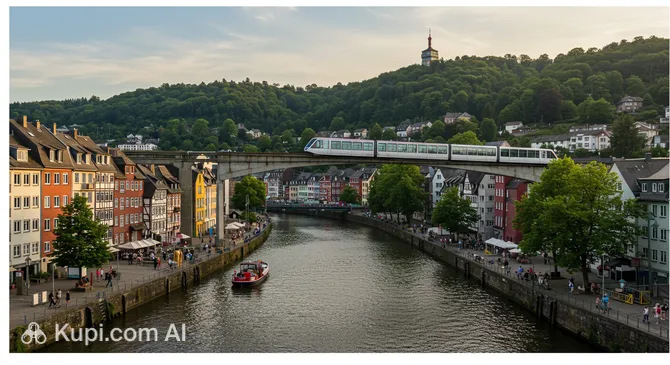
Wuppertal. Illustration.
Source: Kupi.com AI

With a population of about 355,000 people, Wuppertal is one of the region's major cities and an important industrial center in Germany. Historically, it was formed from several small towns and settlements, which explains its diverse architecture and unique atmosphere. Today, Wuppertal is a place where industrial heritage harmoniously blends with modernity: former factories have found new life as trendy lofts, art spaces, and cozy cafes.

Wuppertal's main and most recognizable landmark, its true symbol, is the famous Schwebebahn suspended monorail. Riding it is a unique experience that allows you to see the city from an unusual perspective. Beyond this technical marvel, Wuppertal offers guests many parks, squares, and even its own zoo—one of the oldest and most beautiful in the country. The city's districts are full of life, art, and creative energy.

Come to Wuppertal for unusual impressions and to feel the atmosphere of a real German city that isn't afraid to be different. It surprises with its ability to be simultaneously austere and cozy, industrial and green. Here, everyone will find something of their own—from architectural discoveries to gastronomic delights.

You can find more interesting facts on the Wuppertal city history page.
Weather Overview

The weather in Wuppertal is characterized by a temperate climate with clearly defined seasons. Summer, especially in July and August, offers comfortable average temperatures around 18-19°C, with peaks reaching approximately 23°C. Winters, from December to February, are quite cool, with an average temperature of about 3-5°C and lows dropping to 1-2°C. In general, expect warm summers with frequent precipitation and cool, damp winters.

Throughout the year, Wuppertal receives an average of 2-4 mm of precipitation per month. At the same time, the number of rainy days is quite significant, especially in the winter months; for example, there are up to 19 in December, which gives this period a damp character. Spring and autumn are transitional seasons with gradual temperature changes. For more detailed information on weather conditions by month, you can visit the Wuppertal Climate page.

Average monthly temperature

Average monthly precipitation

Interesting Facts

Besides its well-known landmarks, Wuppertal holds many fascinating secrets and amazing stories. Ready to learn a few of them?

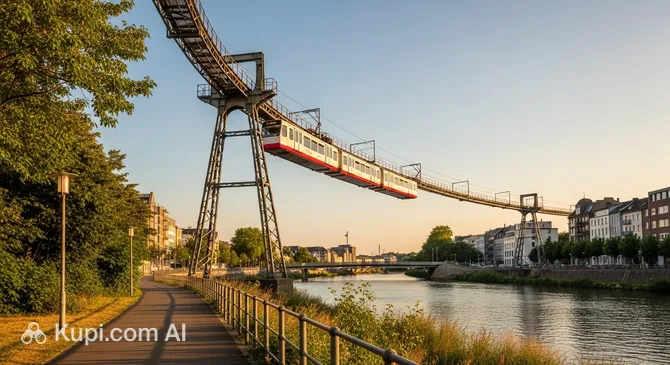
Wuppertal Suspension Railway. Illustration.
Source: Kupi.com AI

Traveler photos:

  • The city's symbol, the Wuppertal Suspension Railway (Schwebebahn), is not only a unique engineering feat opened in 1901 but also the site of an incredible incident. In 1950, a circus elephant calf named Tuffi jumped from it into the Wupper River. Fortunately, he remained unharmed and even became a local celebrity.

  • Wuppertal is the cradle of modern dance, as it was here that the legendary Pina Bausch worked. Her "Tanztheater Wuppertal Pina Bausch" revolutionized choreography and brought the city worldwide fame.

  • Among the city's numerous green zones, the Waldfrieden Sculpture Park stands out. It is not just a park, but a true open-air museum where contemporary artworks coexist harmoniously with nature, offering visitors a unique cultural experience.

How to Get There

You can reach Wuppertal through several convenient ways, including flying into nearby international airports or traveling via Germany's extensive railway network. The city is also well-connected by roads, making it accessible for those traveling by car.

Air connections to Wuppertal are provided by several regional airports. The closest and one of the largest is Düsseldorf International Airport (DUS), located in Düsseldorf, approximately 27 km from Wuppertal. A taxi or public transport ride from the airport to central Wuppertal usually takes about 60 minutes. This major international airport offers numerous flights worldwide.

Another significant option is Cologne/Bonn Airport (CGN), located in Cologne, about 42 km from Wuppertal. The journey from there to the city takes approximately 1 hour 20 minutes to 1 hour 30 minutes. This airport also serves many international and domestic destinations.

It is also worth considering Dortmund Airport (DTM), located in Dortmund, about 43 km from Wuppertal. From here, you can reach the city center in roughly 1 hour 25 minutes to 1 hour 30 minutes. This airport mainly serves European destinations, including low-cost carriers.

For clarity, here is a summary of the main airports serving Wuppertal and the surrounding area:

AirportPassenger trafficDistance
Dusseldorf International Airport20 mln27 km
Cologne Bonn Airport10 mln42 km
Dortmund Airport3.1 mln43 km
Weeze Airport2.0 mln80 km
Maastricht Aachen Airport230 932104 km

Wuppertal has good railway connections, being part of Germany's vast rail network. While Wuppertal has its own main station (Wuppertal Hauptbahnhof), which is a key transport hub for the city, some travelers may also use major stations in neighboring cities for a wider choice of routes.

For example, Remscheid Hauptbahnhof, located in the city of Remscheid, is just 9.4 km from central Wuppertal. From there, Wuppertal can be reached quickly by local train or bus, with the journey taking about 25-35 minutes.

The major rail hub Essen Hauptbahnhof in Essen, located about 24 km from Wuppertal, offers an extensive network of routes, including high-speed ICE trains and international connections. A journey by regional train or car to Wuppertal from here takes about 40-50 minutes.

Below is information about some railway stations in neighboring cities that may be convenient for a trip to Wuppertal:

StationPassenger trafficDistance
Essen Hauptbahnhof55.5 mln24 km
Düsseldorf Hauptbahnhof91.3 mln25 km
Leverkusen Mitte Station5.5 mln27 km
Dormagen Railway Station2.2 mln29 km
Dortmund Hauptbahnhof47.5 mln36 km

Additionally, Wuppertal is easily accessible by car thanks to the developed network of German autobahns. Traveling by private or rental car allows for a flexible itinerary and the chance to enjoy the scenic surroundings.

Main Attractions

Wuppertal, a city with a unique character, offers its guests many interesting places. From a world-famous transport system to green oases and cultural centers, there is something here for everyone. Let's get to know some of the main attractions of this amazing city.

Wuppertal Suspension Railway. Illustration.
Source: Kupi.com AI

Traveler photos:

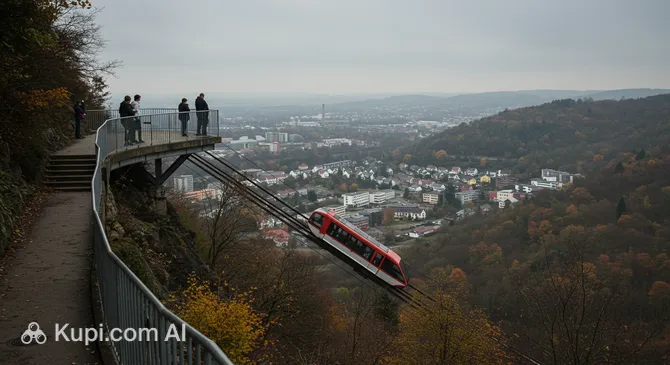
The hallmark of Wuppertal is undoubtedly the Wuppertal Suspension Railway (Schwebebahn). It is not just a means of transport, but a true engineering masterpiece and a symbol of the city. Riding this monorail, gliding above the Wupper River and the city streets, is a unique experience that allows you to see the city from a completely different perspective. The railway was opened in 1901 and remains an important part of the city's transport network and its main tourist attraction.

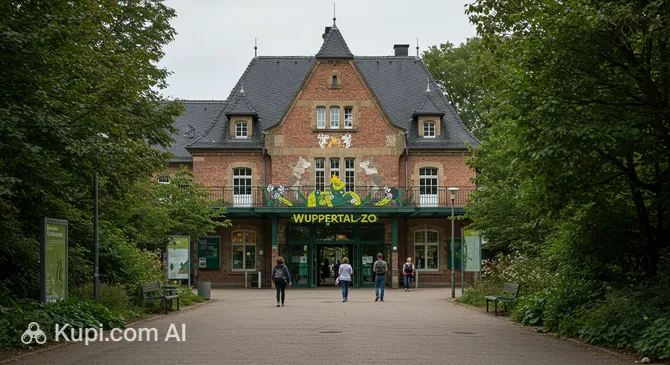
Wuppertal Zoo. Illustration.
Source: Kupi.com AI

Traveler photos:

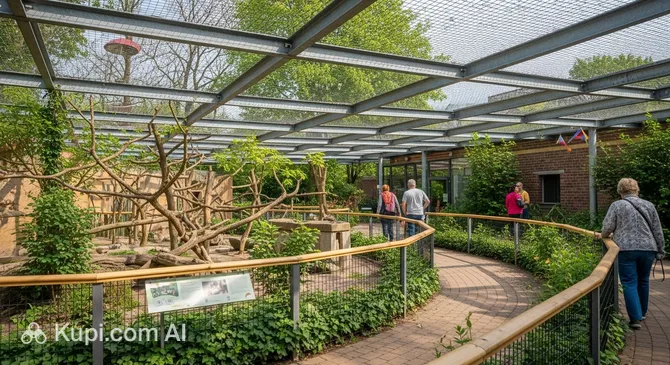
For nature lovers and families, the Wuppertal Zoo is an excellent choice. Located on picturesque hills, it is one of the oldest and most beautiful zoos in Germany. It is home to more than 5,000 animals of nearly 500 different species. Spacious enclosures that mimic natural habitats and well-maintained grounds make a walk through the zoo both pleasant and educational.

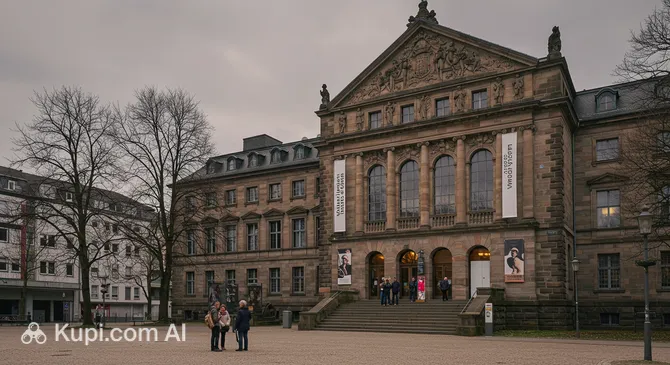
Von der Heydt Museum. Illustration.
Source: Kupi.com AI

Traveler photos:

Art enthusiasts should visit the Von der Heydt Museum. This art museum boasts an impressive collection of 19th and 20th-century artworks, including pieces by French Impressionists, German Expressionists, and contemporary artists. The museum is named after the Von der Heydt banking family, who contributed significantly to its foundation and development.

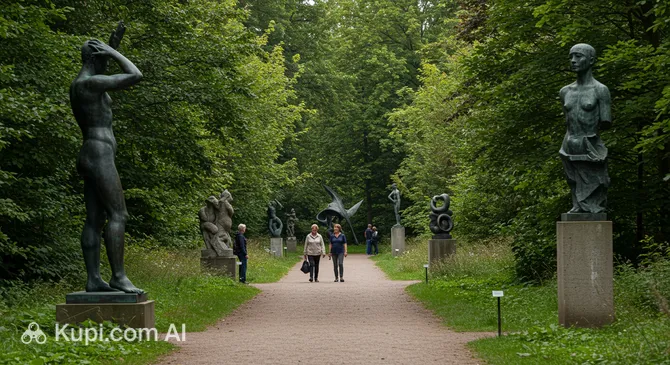
Waldfrieden Sculpture Park. Illustration.
Source: Kupi.com AI

Traveler photos:

Another place where art meets nature is the Waldfrieden Sculpture Park. Founded by the renowned sculptor Tony Cragg, the park is set on the grounds of Villa Waldfrieden and represents a unique space where modern sculptures are harmoniously integrated into the forest landscape. A walk through the park allows you to enjoy both the artworks and the beauty of the surrounding nature.

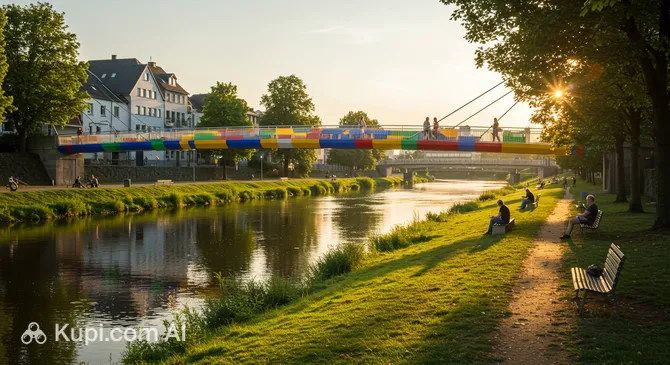
LEGO Bridge. Illustration.
Source: Kupi.com AI

Traveler photos:

Among the modern landmarks, the LEGO Bridge stands out. It is a regular railway bridge painted in a way that from a distance resembles a structure made of giant LEGO bricks. This bright and unusual art object has become a popular spot for photos and a symbol of a creative approach to urban space.

Local Cuisine

Gastronomic Wuppertal welcomes its guests with hearty and soulful dishes characteristic of the Rhineland. Here, you should definitely try local classics such as blood sausage with apples (Blutwurst mit Äpfeln)—an unusual but very tasty combination—and aromatic fried potatoes with onions (Bratkartoffeln mit Zwiebeln), often served as a side dish or a meal on its own. These traditional recipes convey the true taste of the region.

Among the unique local specialties, "Halve Hahn" stands out. Despite the literal translation being "half a rooster," this dish has nothing to do with poultry. In fact, it is a rye roll with a slice of aged cheese (often Gouda or Limburger) and mustard—a simple but very popular snack. Those with a sweet tooth will enjoy the traditional Christmas cake Stollen, which can be found at other times of the year as well, and freshly baked waffles, the aroma of which often wafts from street markets and small confectioneries.

As for drinks, Wuppertal offers a choice for every taste. Being at the intersection of various brewing traditions, the city will delight beer connoisseurs: you can find both classic German varieties and interesting craft options. For those who prefer non-alcoholic drinks, there is always refreshing Apfelschorle (apple juice with sparkling water), popular throughout Germany, or a local version of lemonade like Spezi (a mix of cola and orange lemonade), as well as various local juices. Locals and tourists love to spend time in cozy taverns (Gaststätten) or traditional pubs, where homemade dishes are served with drinks, and live music is often played in the evenings. For the freshest local products—sausages, cheeses, bread, and seasonal vegetables—head to the city's farmers' markets, where vendors are happy to offer samples of their goods.

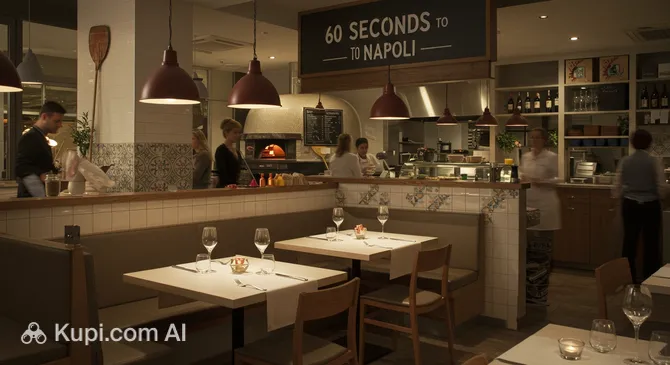
The food culture in Wuppertal is characterized by hospitality and a love for celebrations. The city is known for its gastronomic festivals: street food fairs, wine and cheese festivals, and themed weeks dedicated to the cuisines of different nations are regularly held here. This is a great opportunity not only to try something new but also to experience the real, living taste of Wuppertal and its culinary traditions. Overall, the city's gastronomic scene offers both traditional Rhenish dishes and modern culinary delights, including international restaurants such as 60 Seconds to Napoli, creating a pleasant atmosphere for any gourmet.

60 Seconds to Napoli. Illustration.
Source: Kupi.com AI

Traveler photos:

Travel Tips

Planning a trip to Wuppertal? Wonderful! This unique city in Germany, known for its suspension railway, hilly landscape, and industrial charm, will give you unforgettable impressions. To ensure your trip goes smoothly and comfortably, we have prepared some practical tips.

  1. Clothing and seasonal gear: The climate in Wuppertal is temperate, so layering your clothes is your best friend in any season. Summers can be warm, but evenings can be cool. In autumn and spring, it often rains, so an umbrella or raincoat will be very useful. Frost and snow are possible in winter. Be sure to bring comfortable shoes, as the city is located on hills and you will be walking a lot exploring its picturesque corners. Don't forget a standard European adapter (Type F) for your electronic devices.
  2. Transport wisdom: The main pride and most recognizable symbol of Wuppertal is undoubtedly the Schwebebahn suspended monorail. It is not just an attraction but an important part of the city's transport system, allowing you to travel over the Wupper River quickly and with a unique view. Besides the Schwebebahn, the city has a well-developed bus network. Purchasing a day or weekly pass can be cost-effective if you plan to move around a lot. Taxis are available but are generally more expensive than public transport. Renting a car can be useful for trips to the surrounding area, but within the city itself, public transport is more convenient due to the terrain and limited parking.
  3. Financial matters: The official currency in Germany is the Euro (EUR). You can exchange money at banks or exchange offices (Wechselstube), but always compare rates. Credit and debit cards (especially Visa and Mastercard) are widely accepted in most shops, restaurants, and hotels. Nevertheless, it is useful to have some cash on hand for small purchases or at markets. ATMs (Geldautomat) are easy to find throughout the city. In restaurants, it is customary to leave a tip of 5-10% of the bill if you are satisfied with the service, or simply round up the amount. Before your trip, check with your bank about the terms for using your cards abroad.
  4. Health and safety: Wuppertal is considered a fairly safe city. However, as in any tourist destination, you should follow standard precautions: keep an eye on your personal belongings, especially in crowded places and on public transport. Pharmacies (Apotheke), marked with a red letter "A", can be found in all districts. Information about on-duty pharmacies (Notdienst) operating at night and on weekends can usually be found on the door of any pharmacy. In case of emergency medical assistance, call 112.
  5. Language and communication: The official language is German. Many residents of Wuppertal, especially the younger generation and tourism workers, speak English. However, knowing a few basic phrases in German, such as "Hallo" (Hello), "Guten Tag" (Good day), "Danke" (Thank you), and "Bitte" (Please), will be appreciated by locals. You can purchase a local SIM card for mobile internet at communication stores or some supermarkets. Free Wi-Fi is often available in cafes, restaurants, and hotels.
  6. Local etiquette and customs: Germans are known for their punctuality, so try to arrive for meetings on time. When greeting someone, it is customary to shake hands and make eye contact. Addressing strangers and elders with the formal "Sie" (You) is a standard of politeness. In public places like transport or cafes, try not to speak too loudly.
  7. What to avoid: Try not to cross the road in the wrong place or on a red light—this is not only dangerous but can also lead to a fine and disapproval from locals. Also, avoid excessively loud behavior in public places, especially in the evening and at night in residential areas.
  8. A special tip for Wuppertal: Be sure to ride the Schwebebahn from one end of the route to the other! This is not only a convenient way to see the city from an unusual perspective, flying over the river and streets, but also a true immersion into the history of engineering. Also, Wuppertal is a remarkably green city with many parks and woodlands, ideal for walks and resting from the city bustle.

We hope these tips help you better prepare for your trip and get the most out of exploring Wuppertal. This city, combining industrial heritage with natural beauty, will surely leave you with bright and warm memories!

Entertainment & Nightlife

Wuppertal offers a variety of opportunities for evening and night-time leisure, although it may not compare to metropolises like Berlin. The city is known for its cozy atmosphere, and you can find entertainment for every taste here—from quiet bars to lively clubs.

Most of the nightlife is concentrated in the Luisenviertel district of Elberfeld. This historic quarter, with its cobblestone streets and beautiful old buildings, charms visitors by day and turns into a hub for those who love bars, cafes, and restaurants by night. Here you can find venues with various music styles and crowds, ranging from students to a more mature audience. The atmosphere is usually relaxed and friendly. Many bars stay open until late at night, especially on weekends. The dress code in most places is casual, unless it is a specialized club with a specific theme.

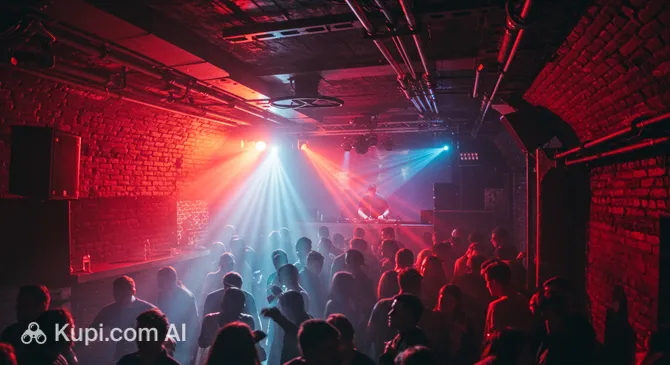
Underground Wuppertal. Illustration.
Source: Kupi.com AI

Traveler photos:

Among popular night venues, the Underground Wuppertal club is notable for its parties and concerts. If you prefer a quieter setting, bars like Room 13 or Taormina 1979 offer a good selection of drinks and a pleasant atmosphere for conversation. The city also has several concert venues where you can listen to live music of different genres.

Practical tips: The best time to visit nightlife venues is Friday and Saturday, when most places are open longer and attract more people. Prices in Wuppertal's bars and clubs are generally moderate and comparable to German averages. Public transport runs less frequently at night, so it's worth planning your route in advance or using a taxi. Taxi stands are usually found in busy areas, and you can also call for a car by phone or through an app.

Safety: Wuppertal is considered a fairly safe city. Central and well-lit areas like Luisenviertel are perfectly suitable for evening strolls. Nevertheless, you should always take standard precautions, especially late at night and in less crowded places. Keep an eye on your belongings and avoid conflict situations.

While this account focuses on nightlife, Wuppertal also offers plenty of interest during the day. Be sure to ride the famous suspended monorail—the Wuppertal Suspension Railway. Art lovers can visit the Von der Heydt Museum with its impressive painting collection. For outdoor walks, the Waldfrieden Sculpture Park or the Wuppertal Zoo, which both adults and children will enjoy, are excellent choices.

Parks & Museums

Wuppertal, famous for its unique suspension railway, offers guests not only technological wonders but also rich opportunities for outdoor recreation and cultural enrichment. The city harmoniously combines scenic green spaces with interesting museums that reflect its history and artistic heritage.

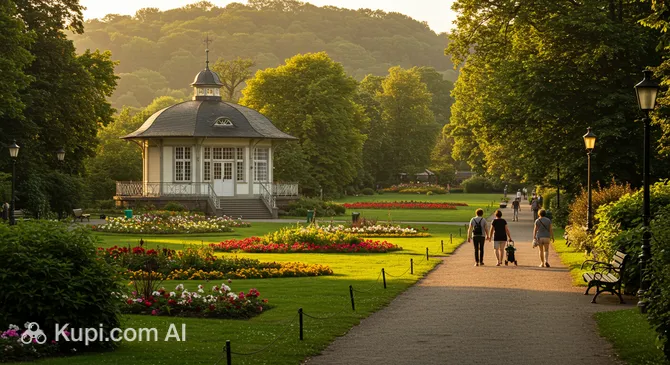
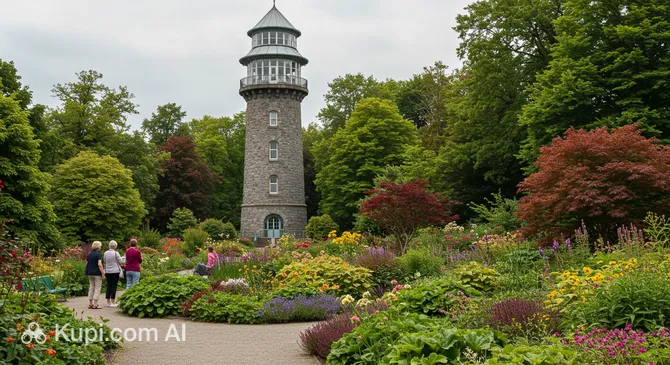
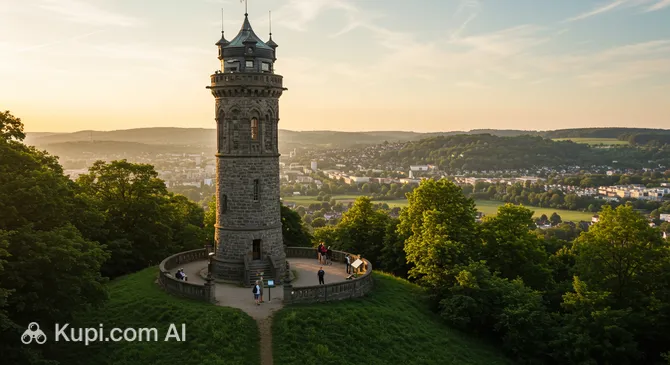
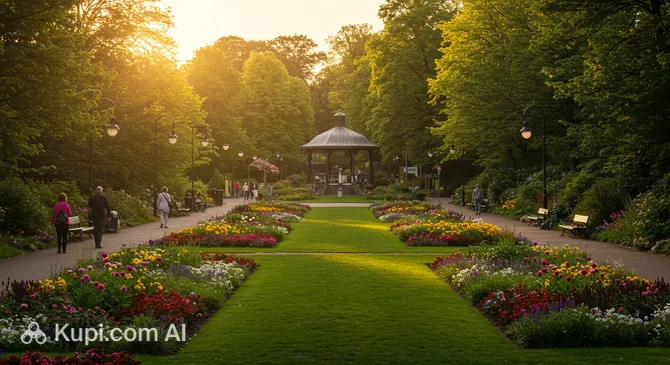
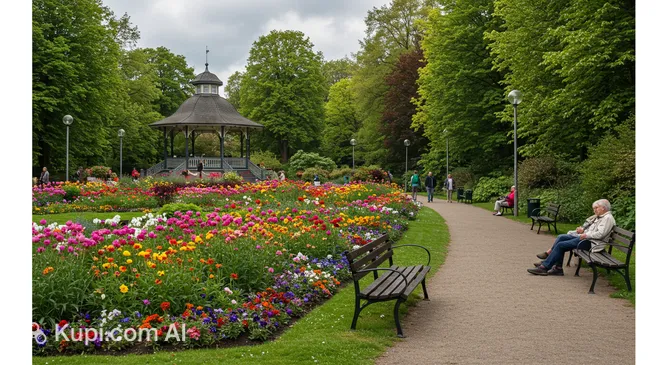
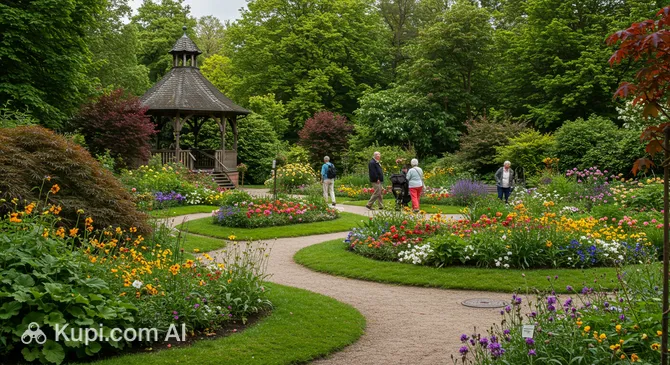
One of the city's main green oases is Hardt Park (Hardt-Anlagen). This historic public park, spread across hills, offers magnificent panoramic views of the city, well-kept walking paths, and picnic spots. The jewel of Hardt Park is the Wuppertal Botanical Garden, which delights visitors with its diverse flora, themed gardens, and greenhouses. Here also stands the Elisenturm—a historic observation tower offering a breathtaking view of the surroundings.

Hardt Park. Illustration.
Source: Kupi.com AI

Traveler photos:

Botanical Garden Wuppertal. Illustration.
Source: Kupi.com AI

Traveler photos:

Elisenturm. Illustration.
Source: Kupi.com AI

Traveler photos:

For lovers of art and nature, the Waldfrieden Sculpture Park is a must-visit. Founded by the famous sculptor Tony Cragg, this park is a unique combination of forest landscape and contemporary sculptures, creating a matchless atmosphere for contemplation and strolls.

Waldfrieden Sculpture Park. Illustration.
Source: Kupi.com AI

Traveler photos:

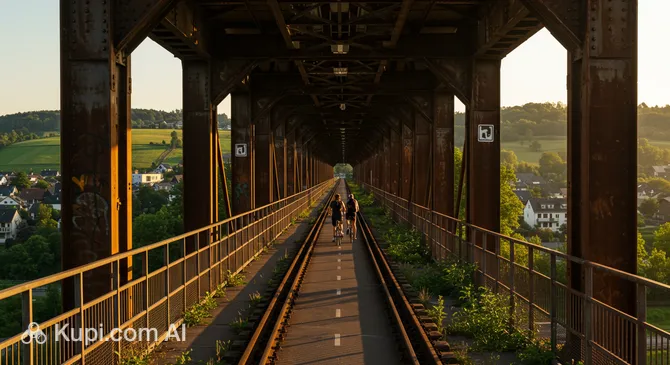
Another significant green space is the Barmer Anlagen, one of the largest private parks in Germany open to the public. It offers extensive woodlands, manicured lawns, and ponds, ideal for leisurely walks. Active recreation fans will also enjoy the Nordbahntrasse—a former railway line converted into a popular pedestrian and cycling route passing through picturesque urban areas.

Barmer Anlagen. Illustration.
Source: Kupi.com AI

Traveler photos:

Nordbahntrasse. Illustration.
Source: Kupi.com AI

Traveler photos:

The main artistic center of the city is the Von der Heydt Museum. Its collection spans art from the 17th century to the present day, with a particular focus on Impressionism, Expressionism, and contemporary art. Here you can see works by Monet, Picasso, Beckmann, and many other outstanding artists.

Von der Heydt Museum. Illustration.
Source: Kupi.com AI

Traveler photos:

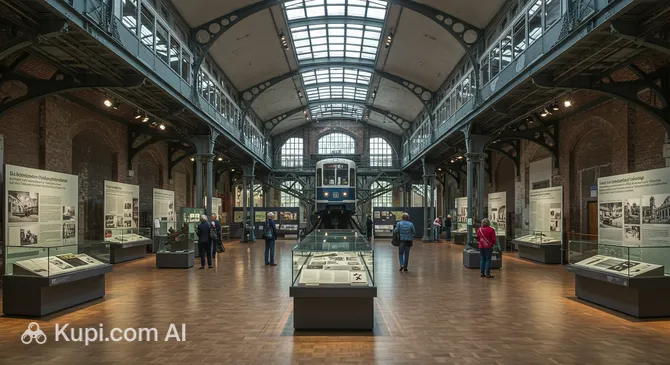
To get a closer look at Wuppertal's symbol—the famous suspension railway—it's worth visiting the Schwebodrom (Schwebebahn Museum). This interactive museum tells the story of the creation and operation of this unique mode of transport, offering fascinating exhibits and simulators.

Schwebodrom. Illustration.
Source: Kupi.com AI

Traveler photos:

For family vacations, the Wuppertal Zoo is perfect—it is one of the oldest and most beautiful landscape zoos in Germany. Located on a hillside, it offers spacious enclosures for animals from all over the world and is a popular leisure spot for both locals and tourists. Small visitors will also enjoy the Junior Zoo located on its grounds.

Wuppertal Zoo. Illustration.
Source: Kupi.com AI

Traveler photos:

Junior Zoo. Illustration.
Source: Kupi.com AI

Traveler photos:

Beyond the museums, the city itself is a living exhibition. One must mention the legendary Wuppertal Suspension Railway (Schwebebahn); a ride on it is an unforgettable experience in itself and the best way to see the city from an unusual angle. It's also worth noting the numerous Wilhelminian-era villas and industrial architecture that recall the city's rich past. For panoramic views, you can climb one of the observation towers, such as the Toelle Tower.

Wuppertal Suspension Railway. Illustration.
Source: Kupi.com AI

Traveler photos:

Toelleturm. Illustration.
Source: Kupi.com AI

Traveler photos:

For an authentic experience, take a stroll through lesser-known but charming parks like Vorwerk Park or the Deweerth'scher Garten, where you can enjoy peace and the local atmosphere. Also explore the Briller Viertel district with its magnificent villas from the late 19th to early 20th century to feel the spirit of old Wuppertal.

Vorwerk Park. Illustration.
Source: Kupi.com AI

Traveler photos:

Deweerth's Garden. Illustration.
Source: Kupi.com AI

Traveler photos:

Getting Around

Public transport in Wuppertal offers several convenient ways to get around the city, the primary one being the famous suspended monorail—the Wuppertal Schwebebahn. It is not only an efficient means of transport but also a unique landmark that allows you to see the city from an unusual perspective as you fly over the Wupper River. The trains run frequently, connecting the eastern and western districts of the city.

In addition to the Schwebebahn, the backbone of the transport system consists of buses. An extensive network of bus routes covers all areas of Wuppertal, including those not reached by the suspension railway. Buses run according to a schedule that is generally well-observed. At night, special night routes (NachtExpress) operate, though with longer intervals.

The fare system in Wuppertal is integrated into the Rhine-Ruhr transport association (VRR – Verkehrsverbund Rhein-Ruhr). This means that the same ticket is valid for the Schwebebahn, buses, and regional trains within a specific tariff zone. Various types of tickets are available: single tickets (EinzelTicket), 4-trip tickets (4erTicket), day passes (TagesTicket) for individuals or groups of up to 5 people, as well as weekly and monthly passes. The approximate cost of a single ticket within the city is around 3-4 euros, while a day pass costs about 8-9 euros for one adult. Precise prices and validity zones are best checked on the official VRR website or in mobile apps.

Tickets can be purchased at vending machines at stops (especially at Schwebebahn stations), at WSW (Wuppertaler Stadtwerke) customer service centers, and from bus drivers (usually only single or day tickets). Purchasing tickets through mobile apps like the VRR App or WSW move is becoming increasingly popular. Before starting your journey (or immediately after boarding a bus if the ticket was bought from the driver), the ticket must be stamped in special validators if it was not purchased with a pre-specified start date and time. Public transport usually operates from early morning (around 5:00-6:00) until late evening (around 23:00-00:00), after which night buses begin to run.

As an alternative to public transport, taxis are available in Wuppertal and can be called by phone or found at designated stands. The city also features growing car-sharing and bike-rental services, providing flexible options for individual trips, especially in good weather. Given the city's hilly terrain, cycling may require some physical fitness, but it is a good option for short distances.

Accommodation

In Wuppertal, travelers will find various accommodation options to suit different preferences and budgets. The city offers a wide range of choices, from cozy guesthouses and budget hostels to comfortable mid-range hotels and more prestigious options. Apartment rentals are also popular, which is especially convenient for families or long-term stays.

When choosing a place to stay in Wuppertal, it is worth looking at areas near the stops of the famous Wuppertal Suspension Railway (Schwebebahn), which is not only the main attraction but also a convenient mode of transport. Central districts such as Elberfeld and Barmen offer easy access to many shops, restaurants, and cultural sites, such as the Von der Heydt Museum. Staying near the main railway station (Wuppertal Hauptbahnhof) is also convenient for those planning trips around the region.

Wuppertal Suspension Railway. Illustration.
Source: Kupi.com AI

Traveler photos:

To ensure the best selection and prices, it is recommended to book your accommodation in Wuppertal in advance, especially if your trip coincides with the peak tourist season or major events in the city. Early booking often allows you to take advantage of special offers and discounts.

The price range for accommodation in Wuppertal varies: you can find both economical options and higher-category hotels. Most hotels and apartments can be booked through popular online booking platforms, which allow you to compare prices and conditions. Direct booking through official hotel websites is also an option.

Nearby Cities

For those looking to explore the surroundings, Wuppertal serves as an excellent starting point for day trips to several interesting nearby locations.

Among them, Solingen particularly stands out, known worldwide as the "City of Blades" due to its rich history of producing quality knives and cutlery, and Remscheid, which attracts visitors with its industrial architecture and its location in the picturesque Bergisches Land region. These and other nearby cities offer various opportunities for short trips:

CityPopulationDistance
Neviges18 9377 km
Wulfrath21 0359 km
Schwelm28 54210 km
Remscheid111 77010 km
Solingen159 36010 km

These nearby destinations provide an insight into the region's diverse culture and landscapes, complementing the experience of visiting Wuppertal.

Shopping & Souvenirs

Wuppertal offers a variety of shopping opportunities, combining modern shopping centers with traditional stores and cozy boutiques. While the city is not famous for any exclusive goods, you can find high-quality German products, fashionable clothing, shoes, and, of course, unique souvenirs related to its main attraction—the suspension railway.

The main shopping arteries of Wuppertal are the pedestrian zones in the Elberfeld and Barmen districts. In Elberfeld, these are primarily Poststraße, Alte Freiheit, and Herzogstraße, where many clothing, footwear, and perfume shops, as well as department stores, are concentrated. In Barmen, the main shopping street is Werth, offering a similar range of goods.

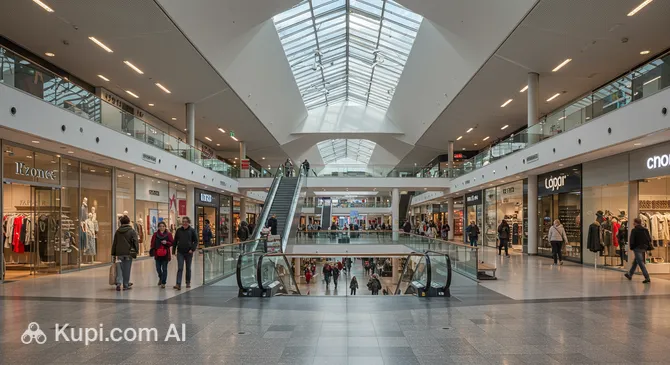
For those who prefer shopping under one roof, there are several shopping centers in Wuppertal. One of the most popular is City-Arkaden Wuppertal, which features a wide selection of famous brand stores, cafes, and restaurants. It is also worth noting the Shopping Center at Wuppertal Central Station, convenient for purchases before departure.

City-Arkaden Wuppertal. Illustration.
Source: Kupi.com AI

Traveler photos:

Although Wuppertal is not famous for large specialized markets like some other German cities, you can find traditional weekly markets (Wochenmarkt) in various districts. Here, local farmers and producers offer fresh vegetables, fruits, cheeses, meat products, and flowers. Occasionally, flea markets (Flohmarkt) are held in the city, where you can find antiques, vintage items, and other interesting trinkets.

As souvenirs from Wuppertal, tourists often bring back models of the famous Schwebebahn suspension railway—perhaps the most iconic symbol of the city. Also popular are local handcrafted items, traditional German sweets, and beer. Bookstores offer interesting publications on the city's history and architecture.

Shops in Wuppertal typically operate from Monday to Saturday, from approximately 10:00 to 19:00 or 20:00. Large shopping centers may have longer opening hours. On Sundays, most shops are closed, except for some at railway stations or in tourist zones. Both cash (Euro) and bank cards (Visa, Mastercard) are accepted. In smaller shops and markets, cash may be preferred.

Tourists from non-EU countries can use the Tax Free system to claim a VAT (Mehrwertsteuer) refund on purchases made in participating stores. To do this, you must make a purchase of a certain amount, ask the store for a special Tax Free receipt, and present it along with the goods at customs when leaving the EU.

Reached the end of the page?

That means the route is fully explored