Support

Junior Zoo

About

Imagine a blooming green oasis sprawling across the picturesque hills of Wuppertal. Wuppertal Zoo (also known as Junior Zoo or Zoo Wuppertal) is one of the most charming and historically significant sites in Germany. Spanning approximately 24 hectares, it offers visitors more than just animal watching; it is a true immersion into the world of wildlife, surrounded by century-old trees and tranquil lakes.
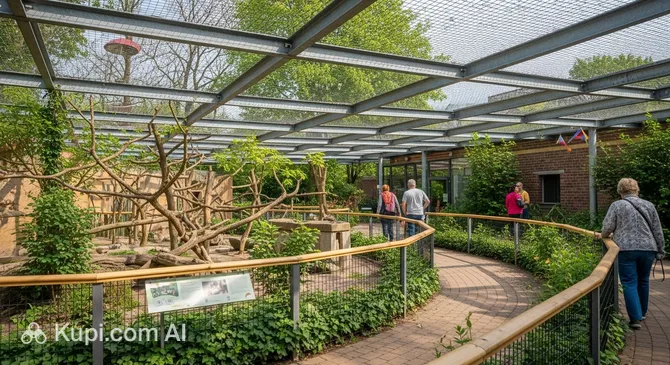
Junior Zoo
Junior Zoo. Иллюстрация. Источник: Kupi.com AI

The zoo is home to about 500 animal species, including majestic lions, bears, curious primates, and playful penguins. A standout feature of the zoo is its spacious, landscaped enclosures where conditions are as close to natural as possible. Instead of traditional cages, natural barriers—such as moats, canals, and panoramic glass—are often used, creating a sense of freedom and proximity to the park's inhabitants.

The zoo is perfect for a family day out: well-designed routes, cozy cafes, and educational play areas make the walk engaging for both adults and the youngest explorers. This is a place where you can not only see rare fauna but also escape the city bustle, enjoying the peace and fresh air.

Contacts

To plan your visit and check the most up-to-date information, you can use the following contact details for the zoo:

How to contactContact
AddressHubertusallee 30, 42117 Wuppertal, Германия
Websitewww.wuppertal.de

What to Do

One of the most thrilling experiences is a walk through the glass tunnel located directly beneath the lion enclosure. This offers a unique opportunity to see the kings of the jungle from an incredibly close range. Equally fascinating is a visit to the specially cooled penguin "cave," where panoramic windows allow you to watch them swim gracefully underwater.

Be sure to check the feeding show schedule. Typically, at 3:15 PM you can watch the penguins' lunch, and at 4:30 PM, the lion feeding—both are always a highlight for visitors. The primate pavilion is always full of life, while the Elephant House impresses with its sheer scale and the calm nature of its residents. Keep an eye out while strolling through the avenues: you can often spot nimble squirrels and chipmunks running freely around the grounds.

In addition to wildlife watching, the zoo offers excellent facilities for relaxation. You can take a break at one of the cafes or simply enjoy the landscaped beauty while walking past colorful houses and ponds. For children, there are play areas and educational elements that turn a simple walk into an exciting adventure.

Getting There

You can reach the zoo in a most unique way—by taking Wuppertal's famous suspension railway (Schwebebahn). It is not only a convenient mode of transport but an attraction in its own right. You should get off at the Zoo/Wuppertal station, which is just a few minutes' walk from the entrance.

If you prefer traditional public transport, buses and regional trains run regularly from the city center and nearby Düsseldorf. From the central station, Wuppertal Hauptbahnhof, a taxi or bus ride takes about 10–15 minutes.

For those traveling by car, there are parking areas on-site and near Hubertusallee. Please note that parking can be limited on weekends and holidays, so it is best to arrive early or use a navigation app to find available spots nearby.

Ближайший город: Wuppertal

History & Facts

The history of this remarkable place began in 1881, making it one of the oldest zoological gardens in Germany. Since its inception, the zoo has been renowned for its landscape design, which skillfully uses the natural hilly terrain to create picturesque panoramas.

Over a century and a half, the zoo has evolved from a traditional menagerie into a modern nature conservation center. Today, it covers 24 hectares and is home to more than 500 animal species. Many of the enclosures have been renovated to closely mimic the natural habitats of the animals and birds.

The zoo takes great pride in its scientific initiatives. The institution actively participates in European Endangered Species Programmes (EEP), making a significant contribution to international projects for the protection of rare and endangered animals. Facilities such as the Elephant House and the modern primate pavilions have become symbols of its continuous development and commitment to animal welfare.

Time Needed

To see all the exhibits without rushing and enjoy your walk, we recommend setting aside 4 to 6 hours. The zoo's territory is quite large and situated on a hillside, so moving between enclosures may require some time and physical effort due to the frequent inclines and declines.

If you plan to attend animal feeding shows or have lunch at one of the local cafes, it is worth dedicating a full day to your visit. This will allow you to explore every corner of the park at a relaxed pace and enjoy its unique atmosphere surrounded by century-old trees and lakes.

Working Hours

The zoo is open daily, including weekends and public holidays. Typically, the park gates are open from 08:00 to 20:00, allowing you to choose a convenient time for your visit—whether it is an early morning walk or a relaxing evening at sunset.

Please keep in mind that operating hours may vary depending on the season and weather conditions. We strongly recommend checking the official website before your trip to confirm the current hours for your specific date.

08:00–20:00

Nearby

After a walk among the exotic animals and green alleys, it is worth taking some time to explore the surroundings. The district where the zoo is located is rich in interesting locations that offer a deeper look into the region's architecture and history.

A stroll to nearby towers or historic buildings is an excellent addition to your itinerary, offering new views of the city and its industrial heritage.

NameDistance
Wuppertal Zoo0.3 km
Deweerth's Garden2.1 km
Taormina 19792.3 km
Nordbahntrasse2.5 km
Room Thirteen2.8 km
Von der Heydt Museum2.9 km
Open Ground3 km

Reached the end of the page?

That means the route is fully explored