Support

Kevelaer

About

Kevelaer is a charming town located in the heart of the Lower Rhine region in western Germany, close to the border with the Netherlands. It is renowned for its peaceful atmosphere and picturesque landscapes: green meadows, well-kept gardens, and quiet, tidy streets that invite you to take a leisurely stroll.
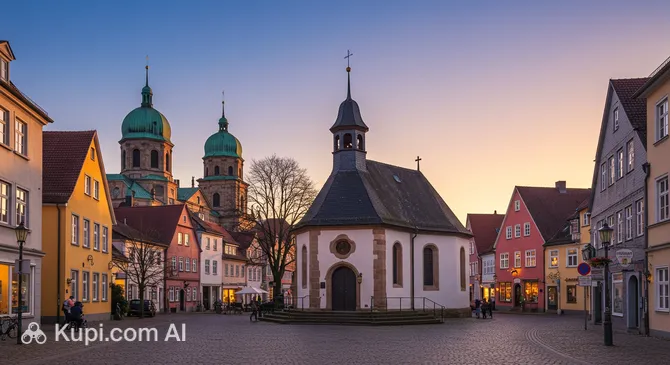
Kevelaer. Illustration.
Source: Kupi.com AI

With a population of around 28,000 people, Kevelaer does not strive to be a bustling metropolis. This is precisely where its special charm lies — the town offers comfort, a steady pace of life, and genuine hospitality. Despite its compact size, Kevelaer plays an important administrative role in the region while remaining a place where it is easy to feel at home, whether you are a pilgrim, a history buff, or simply a seeker of new experiences.

The main highlight of Kevelaer is its deep spiritual significance. For over 375 years, the town has been one of the most important pilgrimage centers, attracting hundreds of thousands of believers and tourists from all over the world every year. Beyond this, Kevelaer enchants visitors with its magnificent architecture and old streets, where you can find cozy cafes, visit atmospheric markets, and chat with friendly locals ready to share stories of their region.

If you are looking for a place for soulful relaxation, want to touch history, or simply enjoy beauty and tranquility, Kevelaer will be a true discovery for you. This wonderful corner of the world is sure to leave warm memories in your heart and a desire to return.

You can find more interesting facts on the Kevelaer city history page.
Weather Overview

The weather in Kevelaer is characterized by a moderate maritime climate. Summers are usually warm and comfortable, with average temperatures in July and August around 18-19°C, while maximum values can reach 23-24°C. Winters are mild but wet, with average temperatures in January and December around 4-5°C. Precipitation is fairly evenly distributed throughout the year, with a steady amount of millimeters per month; however, the number of rainy days can be significant, especially in winter (16-17 days in January and December). Expect a warm summer with occasional rain and cool, wet winters. For more detailed information, check the data on the weather in Kevelaer.

Average monthly temperature

Average monthly precipitation

Interesting Facts

In addition to its main attractions, Kevelaer holds many fascinating secrets and little-known details that can surprise even the most seasoned traveler. Ready to learn a few of them?

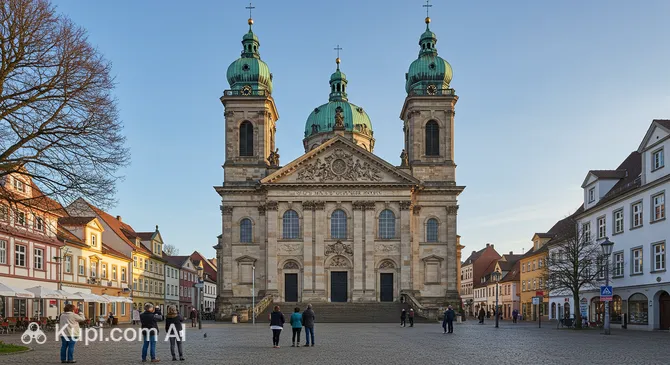
Basilica of St. Mary. Illustration.
Source: Kupi.com AI

Traveler photos:

  • A pilgrimage town with centuries of history: Since the 17th century, Kevelaer has been one of the most important pilgrimage centers in Europe. Every year, hundreds of thousands of believers flock here to venerate the miraculous image of the Virgin of Kevelaer, known as the "Consoler of the Afflicted." The first chapel in honor of this image was built in 1643, and by 1648, the town was officially recognized as a Catholic pilgrimage center.

  • The sacred trio: Located in the heart of Kevelaer is a unique ensemble of religious buildings. It includes the majestic St. Mary's Basilica, the modest but revered Chapel of Grace (Gnadenkapelle), where the miraculous image is kept, and the famous Candle Chapel (Kerzenkapelle). The latter is particularly impressive, with hundreds of constantly burning candles brought by pilgrims from all over the world as a sign of faith and hope.

  • An unusual blessing for bikers: Kevelaer is known not only for its religious history but also for a very unusual tradition. Every year at the beginning of summer, a special service for motorcyclists is held here, attracting more than a thousand bikers. Imagine the sight: the roar of powerful engines mixing with prayers and church hymns, creating a truly unique and memorable atmosphere.

How to Get There

You can reach the town of Kevelaer in various ways, thanks to its convenient location near major transport arteries in Germany and the Dutch border. Whether you prefer to travel by plane or train, the region offers convenient options for travelers. You can find all the ways to get to the city on our detailed page.

If you are planning to fly, the most convenient option is Weeze Airport (NRN). There is no airport in Kevelaer itself, but this hub is located in the Düsseldorf region (Weeze district), just about 7.6 km from the center of Kevelaer. This is a popular airport for low-cost carriers, serving around 2 million passengers a year. A taxi ride from here will take only 10-15 minutes.

For those looking for more international flights, Düsseldorf International Airport (DUS) is an excellent choice. It is located in the city of Düsseldorf, approximately 49.3 km from Kevelaer. This is a major international hub with a huge passenger flow. The journey by taxi or transfer from this airport to Kevelaer will take about 45-50 minutes, ensuring a comfortable start to your trip.

For clarity, here is a summary of the main airports:

AirportPassenger trafficDistance
Weeze Airport2.0 mln8 km
Dusseldorf International Airport20 mln49 km
Eindhoven Airport6.8 mln62 km
Maastricht Aachen Airport230 93282 km
Dortmund Airport3.1 mln95 km

Traveling by rail is also a popular way to reach the region. It is worth noting that major railway hubs are located in neighboring cities. For example, you can travel to Venlo station, located in Venlo (Netherlands), about 24.6 km from Kevelaer. From there, you can reach your destination by taxi or bus in approximately 30-40 minutes.

Another option is Krefeld station in the city of Krefeld, located at a distance of about 36.3 km. This is a convenient transfer point for those traveling through the North Rhine-Westphalia region. Travel time by car from the station to Kevelaer is about 40-50 minutes.

Below is a table with the nearest significant railway stations:

StationPassenger trafficDistance
Venlo Station2.8 mln25 km
Emmerich Railway Station28 km
Krefeld Station36 km
Nijmegen Station10.4 mln40 km
Essen Hauptbahnhof55.5 mln55 km

Main Attractions

Kevelaer, a small but charming town in Germany, attracts visitors with its tranquil atmosphere and interesting sites. Here, everyone will find something for themselves, whether it be a pilgrimage to holy shrines, a family holiday, or an introduction to the region's historical heritage.

Basilica of St. Mary. Illustration.
Source: Kupi.com AI

Traveler photos:

One of the town's main gems is St. Mary's Basilica (Marienbasilika). This majestic structure is not only a Neo-Gothic architectural masterpiece but also an important site of pilgrimage. Thousands of believers come here every year to see the miraculous image of the Virgin Mary. Inside, the basilica impresses with its stained-glass windows, high vaulted ceiling, and rich decoration, creating an atmosphere of reverence and peace.

Irrland. Illustration.
Source: Kupi.com AI

Traveler photos:

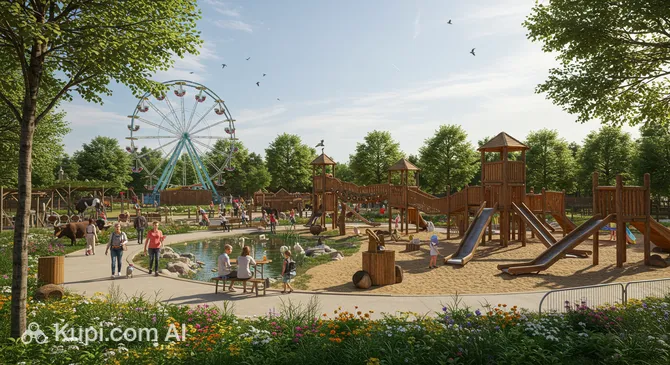
For families with children and anyone who loves active outdoor recreation, the Irrland amusement park will be a real discovery. This is a massive play farm where, over an area of more than 300,000 square meters, you'll find numerous attractions, playgrounds, barbecue areas, and even a small zoo. The park's unique feature is its focus on active play and accessibility: here you can run, jump, climb, and have fun in the fresh air, making it the perfect place for an unforgettable family day out.

Wissen Castle. Illustration.
Source: Kupi.com AI

Traveler photos:

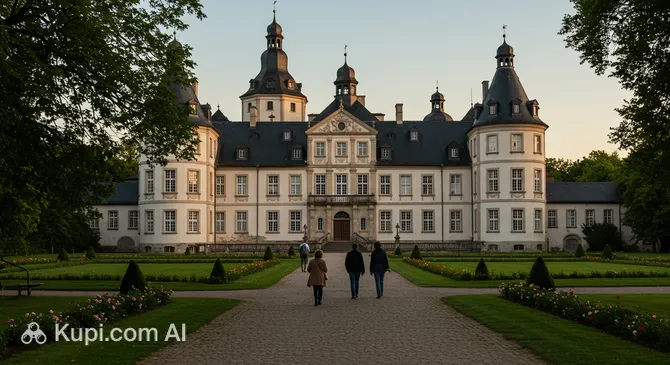
Located near Kevelaer is the picturesque Wissen Castle (Schloss Wissen). This historic castle, surrounded by a water-filled moat and an ancient park, looks as if it stepped off the pages of a knightly romance. Although part of the castle is a private residence, its surroundings and some rooms are open to the public, offering guests a chance to immerse themselves in the medieval atmosphere, enjoy walks through the well-maintained grounds, and admire the architecture. The castle also frequently hosts cultural events and exhibitions.

Local Cuisine

The cuisine of Kevelaer is a true immersion into the gastronomic traditions of the Lower Rhine. Here, simple but incredibly hearty and delicious dishes are valued. Many recipes are based on seasonal vegetables, potatoes, and high-quality meat. Be sure to try the stewed cabbage with aromatic sausages or the filling potato dishes that will warm you up in any weather. The local rye bread also deserves attention.

One of the region's main gastronomic symbols is asparagus. During the season, and during the famous "Asparagusfest," Kevelaer turns into a paradise for gourmets. The menus of restaurants and cafes feature dozens of variations of dishes made from this delicacy: from delicate soups and salads to exquisite hot meals. It is also worth visiting the local farmers' markets, where you can always find the freshest produce, homemade cheeses, and sausages that reflect the true taste of the region.

For those with a sweet tooth, Kevelaer offers delicious pastries and desserts. Stop by local confectioneries to enjoy fragrant strudels, apple pies, and famous German gingerbread. A cup of coffee or tea with such fresh pastries in one of the cozy cafes will be a wonderful addition to a walk around town. Among the drinks, the local beer and homemade liqueurs, which can often be tasted at food fairs, are worth noting.

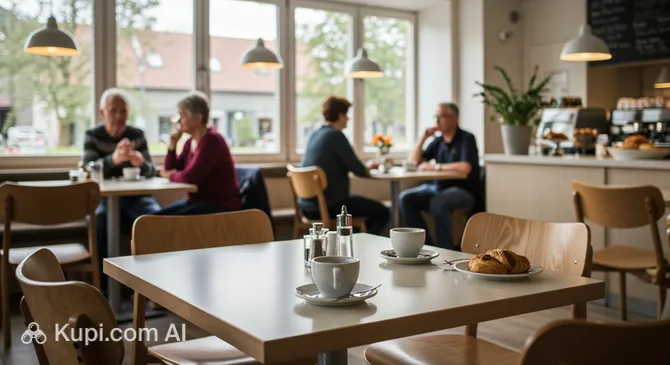
The food culture in Kevelaer combines traditional restaurants with lively gastronomic festivals and fairs. Locals and tourists love to gather in cozy cafes on the central streets or discover new flavors at seasonal events, where a festive atmosphere with live music and, of course, delicious food prevails. If you are looking for a place to get acquainted with local cuisine in a pleasant setting, look no further than Restaurant Herr Lehmann. It is a great place to sample regional dishes.

Herr Lehmann Restaurant. Illustration.
Source: Kupi.com AI

Traveler photos:

Travel Tips

Welcome to Kevelaer! To ensure your trip to this charming town in Germany is as comfortable and pleasant as possible, we have prepared some practical tips. They will help you find your way around and avoid potential inconveniences.

  1. Clothing and Essentials:

    The climate in Kevelaer, as in the rest of North Rhine-Westphalia, is temperate. In summer, bring light clothing, but don't forget an umbrella or a raincoat — the weather can be changeable. In spring and autumn, layered clothing, including a sweater and a light jacket, will come in handy. In winter, a warm jacket, hat, and gloves are needed. The key point is comfortable shoes, as the town is perfect for walking. Since Kevelaer is an important pilgrimage site, choose modest clothing that covers shoulders and knees when visiting churches and chapels (such as the Gnadenkapelle). Don't forget an adapter for electrical appliances (Germany uses Type F sockets).

  2. Getting Around Town:

    Kevelaer is a small town, and many of its attractions are within walking distance. This is the most pleasant way to experience its atmosphere. For longer trips, you can use local buses. Taxis are also available. Renting a car might be justified if you plan to explore the surroundings, but it is not a necessity for getting around Kevelaer itself.

  3. Financial Matters:

    The official currency in Germany is the Euro (EUR). Credit and debit cards (Visa, Mastercard) are widely accepted in most shops, hotels, and restaurants. However, it's always useful to have some cash on hand for small purchases, at markets, or in some cafes. ATMs (Geldautomat) are easy to find throughout the town. Tipping in restaurants is usually 5-10% of the bill if you are happy with the service; it is also customary to round the bill up.

  4. Health and Safety:

    Kevelaer is a quiet and safe town. Nevertheless, always follow standard precautions: keep an eye on your belongings, especially in crowded places. Pharmacies (Apotheke) are easy to find and are marked with a red letter "A". Not all pharmacies are open 24/7, but there is always a duty pharmacy (Notdienst Apotheke), information about which can be found on any pharmacy door or online. Tourists are recommended to have valid health insurance to receive medical assistance.

  5. Communication:

    The official language is German. In tourist areas and hotels, staff often speak English. However, knowing a few basic German phrases like "Guten Tag" (Good day), "Danke" (Thank you), and "Bitte" (Please) will be very helpful and appreciated by the locals. Mobile SIM cards can be purchased in supermarkets or specialized mobile shops. Wi-Fi is available in many hotels, cafes, and public places.

  6. Local Etiquette:

    Germans value punctuality, so try to arrive on time for appointments. It is customary to say hello ("Guten Tag" or "Hallo") when entering a shop or a small cafe. When addressing strangers, especially older people, use the formal "Sie" (You) instead of "du". In public places, especially in churches, try to behave quietly and respectfully.

  7. What to Avoid:

    Try not to be noisy or behave provocatively in religious sites like the Gnadenkapelle or St. Mary's Basilica, as this may offend the feelings of believers. Also, avoid comparisons or discussions of sensitive historical topics unless you are sure of the context and the reaction of your conversation partner.

  8. Kevelaer's Special Feature:

    Since Kevelaer is one of the most important pilgrimage centers in Germany, keep in mind that the town can be particularly crowded during major religious holidays or events. If you are looking for a quieter visit, check the event calendar in advance. On the other hand, participating in such events can be a unique cultural experience.

We hope these tips make your stay in Kevelaer even more pleasant and memorable. Enjoy the unique atmosphere of this town!

Entertainment & Nightlife

Kevelaer, known for its pilgrimage heritage, offers a quiet and cozy atmosphere for evening relaxation. Here, you will not find noisy districts with neon signs, but you can enjoy a pleasant evening in traditional German establishments where soulful conversation and quality drinks are valued.

Evening life in Kevelaer is concentrated around its central streets, which are home to numerous cafes, bars, and restaurants. Places offering local and European cuisine are particularly popular. For example, Restaurant Herr Lehmann is an excellent choice for dinner in a pleasant setting that can smoothly transition into a later evening. Here, you can taste exquisite dishes and enjoy quality service. Many establishments stay open until late evening, especially on weekends, offering guests a wide selection of drinks, from local beer to a variety of wines.

As for night clubs in the traditional sense, the selection in Kevelaer is limited. The town is more geared towards quiet relaxation. Instead of loud discos, the scene is dominated by bars with live music or simply cozy "kneipes" (traditional German pubs), where you can socialize with friends or locals. The atmosphere in such places is usually friendly and relaxed, and there is generally no dress code — comfort is what counts.

The best time to visit bars and restaurants is Friday and Saturday evenings when the town comes alive. Most establishments begin to fill up after 8:00 PM. Prices in Kevelaer are moderate, especially compared to large German cities. You can get back to your hotel or apartment at night by taxi, which is recommended to be booked in advance, especially late at night, as public transport may run less frequently.

Kevelaer is considered a safe town, and night walks through the central districts usually do not cause concern. Nevertheless, it is always worth following standard precautions: keep an eye on your belongings and avoid poorly lit or deserted areas. You can call a taxi by phone from any establishment or through specialized apps if they are available in the region.

During the day, Kevelaer also offers a variety of leisure options. Guests of the town can visit iconic sites such as the majestic St. Mary's Basilica or the historic Wissen Castle. For a family holiday, the Irrland amusement park is perfectly suited, promising plenty of positive emotions for both children and adults. The town's museums tell the story of the region's history and culture, rounding out the travel experience.

Parks & Museums

Kevelaer, known as one of the most important pilgrimage centers in Germany, offers its guests not only spiritual solace but also opportunities for cultural enrichment and pleasant relaxation. Although the town may not have extensive classic parks, its well-maintained green zones and historical sites create a special atmosphere.

For active family recreation and entertainment, Irrland is perfect – it's a large amusement park spread across a vast area. Here you'll find attractions for every taste, playgrounds for children of all ages, barbecue areas, and even a small farm. It's a place where you can spend an entire day having fun in the fresh air.

Irrland. Illustration.
Source: Kupi.com AI

Traveler photos:

The cultural and historical heritage of Kevelaer is concentrated around its magnificent religious buildings and old houses. The main gem and symbol of the town is St. Mary's Basilica. This impressive Neo-Romanesque structure is striking in its grandeur and rich interior decoration, and it serves as a center of attraction for thousands of pilgrims and tourists. A visit to the basilica is an opportunity to touch history and enjoy an outstanding piece of ecclesiastical art.

Basilica of St. Mary. Illustration.
Source: Kupi.com AI

Traveler photos:

Another iconic site worth visiting is Wissen Castle. This picturesque moated castle, surrounded by an ancient park, is a beautiful example of medieval architecture. Although the castle is private property and interior access may be limited, its exterior and the peaceful atmosphere of the surroundings attract history buffs and lovers of beautiful landscapes.

Wissen Castle. Illustration.
Source: Kupi.com AI

Traveler photos:

In Kevelaer, the focus of cultural life shifts from traditional museums to its rich pilgrimage heritage. The heart of this heritage is the Gnadenkapelle (Chapel of Grace) – a small hexagonal chapel housing the miraculous image of the Virgin Mary, Consoler of the Afflicted. Nearby is the Kerzenkapelle (Candle Chapel), where pilgrims leave thousands of candles. These places, steeped in history and faith, are living museums in their own right.

To get a more authentic experience of Kevelaer, we recommend a leisurely stroll through its quiet streets, away from the main tourist routes. Pop into small local shops and enjoy a cup of coffee in one of the cozy cafes while observing the slow pace of this unique town.

Getting Around

Public transport in Kevelaer is primarily represented by a bus network that provides travel within the town and connects it with nearby settlements. Additionally, Kevelaer's railway station plays a crucial role, with regional trains departing to connect the town with major centers in North Rhine-Westphalia. This makes traveling around the region quite convenient.

The fare system in Kevelaer is integrated into the regional transport association, allowing for the use of unified tickets for bus and train journeys within a specific tariff zone. You can purchase single tickets, multi-trip tickets, or day passes, which can be cost-effective if you use transport frequently. The price depends on the travel distance and the type of ticket. Tickets can be purchased at machines at the railway station, from bus drivers (usually only single or short-distance tickets), or through transport companies' mobile apps.

Tourists are advised to plan their routes in advance, especially for trips outside of Kevelaer. Tickets bought at machines often require validation before starting a train journey (in special machines on the platform) or immediately upon boarding a bus. Buses in small towns typically run on a schedule that may be less frequent in the evenings and on weekends. Information on schedules and routes can be found at stops, on regional transport operators' websites, or in popular navigation apps.

Besides public transport, other ways of getting around are available in Kevelaer. You can always use taxi services, with stands usually located at the railway station and in the town center. Given the town's compactness and the picturesque surroundings, renting bicycles is a popular option. This is a great way to leisurely explore Kevelaer and its environs, especially in good weather. Car-sharing services are less common in smaller towns but may be available through regional operators.

Accommodation

In Kevelaer, tourists will find a variety of accommodation options to suit different preferences and budgets. The town offers a choice ranging from cozy guesthouses and pensions to traditional hotels and short-term rental apartments. Whether you are looking for a budget option or a more comfortable stay, Kevelaer has suitable offers.

When choosing a place to stay, look for areas located near major attractions, such as St. Mary's Basilica, or those with easy access to transport hubs. The central part of town is often a popular choice, as it allows you to easily reach many interesting sites on foot. Staying in quieter outlying areas may offer a peaceful atmosphere and potentially better prices.

While specific hotels are not listed in this overview, Kevelaer features a range of hotel services, including both small family-run hotels and larger establishments. It is recommended to book in advance, especially if your trip coincides with peak tourist seasons, religious holidays, or major events when the demand for accommodation increases significantly.

The price range for accommodation in Kevelaer varies from affordable options for budget travelers to mid-range and high-end offers. You can book your stay through popular international online booking platforms, as well as directly on hotel websites or by contacting them by phone. Comparing offers on different resources will help you find the best value for your stay in this charming town.

Nearby Cities

For those who want to explore the surroundings of Kevelaer, the town serves as an excellent starting point for day trips. Among the many interesting places, several particularly attractive nearby cities stand out:

Kamp-Lintfort, located just 22 km away, attracts visitors with its famous Kamp Abbey, one of the oldest Cistercian abbeys in Germany, and its impressive terraced gardens. The city is also interesting for its industrial heritage related to coal mining.

Kleve (24 km) will enchant you with its majestic Schwanenburg Castle, famous for the legend of the Swan Knight, and beautiful Baroque gardens that offer picturesque views of the surrounding area. It is a city with a rich history, cozy streets, and a pleasant atmosphere for walking.

Wesel (28 km), situated at the confluence of the Rhine and Lippe rivers, offers a chance to explore its historic center, including an impressive citadel and the late-Gothic Willibrordi Cathedral. The city is an important port and has a rich trading history reflected in its architecture.

CityPopulationDistance
Weeze11 9006 km
Geldern33 8369 km
Sonsbeck8 67510 km
Goch34 59313 km
Issum12 20113 km

In addition to these cities, the table above presents other options for short trips from Kevelaer. Each of these destinations will allow you to delve deeper into the diversity of culture, history, and natural beauty of the Lower Rhine region, enriching your journey.

Shopping & Souvenirs

Shopping in Kevelaer offers a pleasant mix of stores catering to both everyday needs and the requests of tourists, especially pilgrims. The town is not a major shopping center like the metropolises of Germany, but here you can find unique souvenirs and enjoy a peaceful shopping atmosphere. Special attention is given to religious items, thanks to Kevelaer's status as a well-known pilgrimage site.

The main shopping life of Kevelaer is concentrated on Hauptstraße and the adjacent streets in the town center. Here you will find a variety of shops: from small clothing and shoe boutiques to bookstores and home goods stores. Walking along these streets is a pleasure in itself due to the beautiful architecture and cozy atmosphere. Many shops are located in close proximity to iconic sites like St. Mary's Basilica, offering relevant themed products.

There are no large shopping malls in Kevelaer in the conventional sense. However, in the town center, you can find several small shopping galleries or department stores offering an assortment of various goods under one roof. The town's main focus is on individual shops and boutiques located along the main streets.

While Kevelaer may not be famous for large permanent markets like some other German cities, seasonal fairs and weekly markets (Wochenmarkt) are held here periodically. At these markets, you can buy fresh local products, flowers, and sometimes handmade crafts. This is a great opportunity to soak up the local atmosphere and buy something authentic. It is best to check the market days locally or at the tourist information center.

The main souvenirs from Kevelaer are, of course, religious items: icons, statues of the Virgin Mary, rosaries, candles, and other church supplies. These can be found in the numerous shops around St. Mary's Basilica. Additionally, look out for traditional German sweets, local delicacies from the Lower Rhine region, and small items made by local artisans. You can also find postcards or magnets with views of the town.

Most shops in Kevelaer are open Monday to Friday from about 9:00-10:00 AM to 6:00-7:00 PM, and on Saturdays, they usually close earlier, around 2:00 PM or 4:00 PM. Sunday in Germany is generally a day off, and almost all shops are closed, except for some souvenir shops in tourist areas or bakeries with limited hours. Most places accept both cash (Euros) and bank cards (EC cards, Visa, Mastercard). However, it is always useful to have some cash on hand, especially for purchases at markets or in small shops.

Tourists from non-EU countries can take advantage of the VAT refund system (Tax Free Shopping) when making purchases over a certain amount in participating stores. To do this, you must ask the salesperson for a special Tax Free check at the time of purchase and present it along with the goods at customs when leaving the EU. Check the details and minimum purchase amount directly in the stores.

Reached the end of the page?

That means the route is fully explored