Support

Xanten

About

Xanten is a true historical treasure, nestled in western Germany near the Dutch border in the picturesque Lower Rhine region. The city lies on the banks of the Rhine, surrounded by green meadows and ancient forests, creating a unique atmosphere for leisurely walks. With a population of approximately 21,690, Xanten offers a perfect blend of small-town charm and rich cultural heritage.

Despite its modest size, Xanten is proud to be one of the oldest cities in the country, boasting a remarkably rich history. This is a place where every stone seems to hold memories of Roman legionaries, medieval knights, and enterprising merchants. The ancient streets invite you to dive into the past, and the overall atmosphere is wonderfully harmonious: here, it is easy to forget the bustle of megacities and enjoy a steady pace of life.
Xanten. Illustration.
Source: Kupi.com AI

Xanten attracts travelers with its unique sights. Be sure to visit the impressive Xanten Archaeological Park (APX), one of the largest open-air archaeological museums in Europe, where you can see reconstructed Roman buildings. No less famous is the majestic St. Victor's Cathedral—a magnificent example of Gothic architecture. A stroll through the charming Market Square with its historical buildings and cozy cafes will leave you with many pleasant impressions.

Xanten is a city where the past and present are artfully intertwined, creating a unique character and inspiring new discoveries. If you are looking for a peaceful yet experience-filled vacation, Xanten will be a true discovery for you.

More interesting facts can be found on the Xanten city history page.
Weather Overview

The weather in Xanten is characterized by a temperate climate. Summers are generally warm, with average temperatures from June to August ranging from 18.2°C to 19.3°C, and maximums reaching 22-23°C. Winters are cool, with average temperatures in December to February around 4-5°C. Precipitation is fairly evenly distributed throughout the year, averaging 2-3 mm per month, with the number of rainy days varying from 11 in June to 17 in December. Expect a warm summer with occasional rain and cool, damp winters. For more detailed information, you can visit the Xanten Climate page.

Average monthly temperature

Average monthly precipitation

Interesting Facts

Besides its famous Roman ruins and medieval charm, Xanten hides many surprising stories and little-known details. This city, with its rich past, is ready to share its secrets with curious travelers.

  • Xanten is the only city in Germany whose name starts with the letter "X". This is not just a linguistic curiosity but a transformation of the Latin word "Sanctos" (saints), associated with early Christian martyrs and the name of the ancient settlement Ad Sanctos (At the Saints).

  • In the Middle Ages, the construction of the majestic Xanten Cathedral, dedicated to St. Victor, began on the site of an ancient Roman cemetery. The construction of this Gothic masterpiece took almost 300 years, from the 13th to the 16th century.

  • It is believed that the legendary hero of the German epic "Song of the Nibelungs," Siegfried, was born and raised in the vicinity of Xanten. This connection to mythology gives the city a special, almost fairytale-like character.

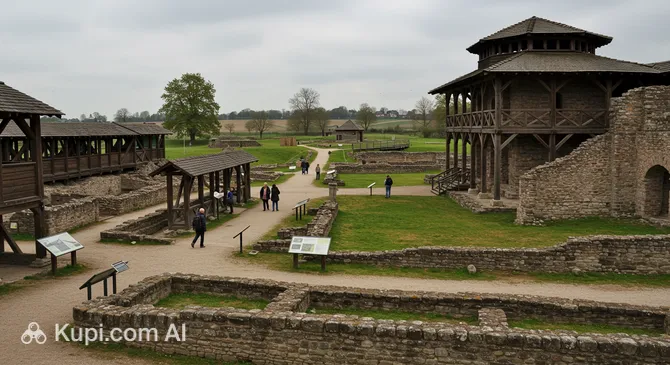
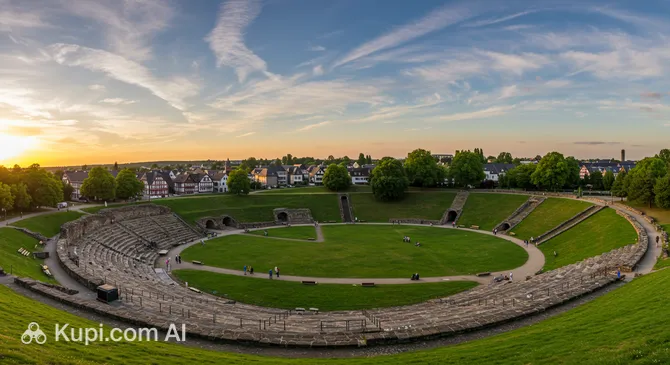
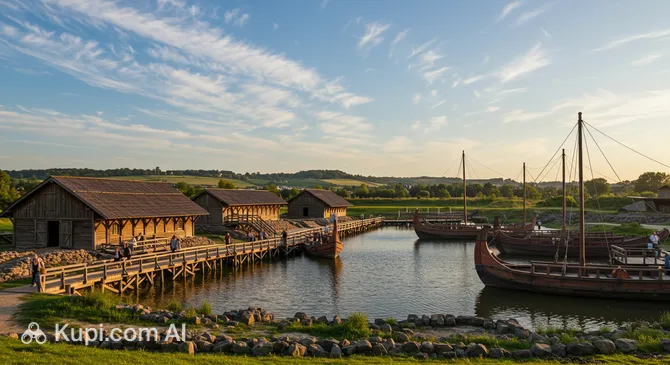
  • On the territory of the ancient Roman city of Ulpia Traiana today lies the Xanten Archaeological Park—the largest open-air archaeological museum in Germany. Here you can see impressive reconstructions of Roman buildings, including an amphitheater, temples, and houses, allowing you to literally step back in time.

Xanten Archaeological Park. Illustration.
Source: Kupi.com AI

Traveler photos:

How to Get There

Getting to Xanten, a charming city in Germany, is possible in several ways, with flights and rail travel being among the most popular options for tourists. Although Xanten itself does not have its own major transport hub, its convenient location makes it easy to reach from nearby cities.

By Air:

There is no airport in Xanten itself, but several international and regional airports are within a reasonable distance. The closest option is Weeze Airport (NRN). It is located about 22 km from Xanten. Although data might list it as a Düsseldorf airport, it is actually located in the town of Weeze. A taxi ride from Weeze Airport to Xanten will take approximately 50-60 minutes.

The region's main international hub is Düsseldorf International Airport (DUS), located in the city of Düsseldorf, approximately 47 km from Xanten. This is a large airport with a wide selection of international and domestic flights. A trip by car or taxi to Xanten from here will take about 1 hour and 30 minutes. You can also use public transport by first reaching Düsseldorf Central Station and then transferring to regional trains and buses toward Xanten.

Another convenient option is Eindhoven Airport (EIN) in the Netherlands. It is located in the city of Eindhoven, about 78 km from Xanten. This airport serves many European destinations. A car or taxi ride from Eindhoven Airport to Xanten usually takes about 2 hours and 15 minutes.

For convenience, here is a summary of the main airports:

AirportPassenger trafficDistance
Weeze Airport2.0 mln22 km
Dusseldorf International Airport20 mln47 km
Eindhoven Airport6.8 mln78 km
Dortmund Airport3.1 mln82 km
Maastricht Aachen Airport230 93295 km

By Rail:

Xanten is also accessible by rail, although you will need to use stations in neighboring cities as there is no major railway station in Xanten itself. From there, you can reach Xanten using local transport.

One of the closest and most convenient stations is Dinslaken Railway Station. It is located in the city of Dinslaken, approximately 22 km from Xanten. From this station, you can reach Xanten by local bus or taxi. A taxi ride takes about 50 minutes.

Another significant railway hub nearby is Krefeld Station, located in the city of Krefeld, about 38 km from Xanten. This is a larger station from which you can also reach Xanten using regional buses (possibly with a transfer) or a taxi. A taxi ride from Krefeld to Xanten will take about 1 hour and 15 minutes.

For your convenience, below is a table with information about the nearest railway stations:

StationPassenger trafficDistance
Emmerich Railway Station24 km
Venlo Station2.8 mln38 km
Krefeld Station38 km
Essen Hauptbahnhof55.5 mln45 km
Nijmegen Station10.4 mln46 km

In addition to air and rail travel, Xanten can be reached by car, as the city is well-connected to the German autobahn network. It is also worth considering intercity bus routes that may stop in Xanten or nearby towns.

Main Attractions

With its rich history dating back to the Roman Empire, Xanten offers tourists many fascinating places to visit. This city on the Lower Rhine is famous for its archaeological sites and medieval architecture.

One of the city's main gems is the Xanten Archaeological Park. It is Germany's largest open-air archaeological museum, recreating the ancient Roman settlement of Colonia Ulpia Traiana. Here, visitors can walk among reconstructed Roman buildings, including an amphitheater, temples, baths, and houses, and literally touch history. The park offers a unique opportunity to imagine life in a Roman province nearly two thousand years ago.

Xanten Archaeological Park. Illustration.
Source: Kupi.com AI

Traveler photos:

Located directly within the park is the LVR-RömerMuseum. Its modern building houses an impressive collection of artifacts discovered during the excavations of the ancient city. The exhibition details the daily life, crafts, military affairs, and culture of the Romans who inhabited this territory. The museum serves as an important addition to the experience of visiting the Archaeological Park itself.

LVR-Roman Museum. Illustration.
Source: Kupi.com AI

Traveler photos:

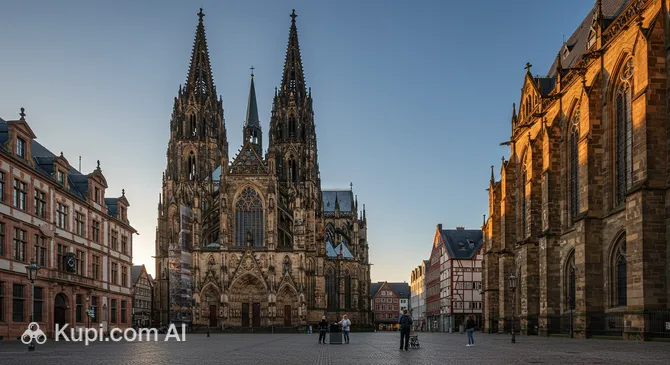
The majestic Xanten Cathedral, dedicated to St. Victor, is another iconic landmark. This is an outstanding example of Gothic architecture, the construction of which spanned several centuries. The cathedral impresses with its size, elegant vaults, medieval stained glass windows, and rich treasury. It is considered one of the most beautiful and significant cathedrals in the Lower Rhine region.

Xanten Cathedral. Illustration.
Source: Kupi.com AI

Traveler photos:

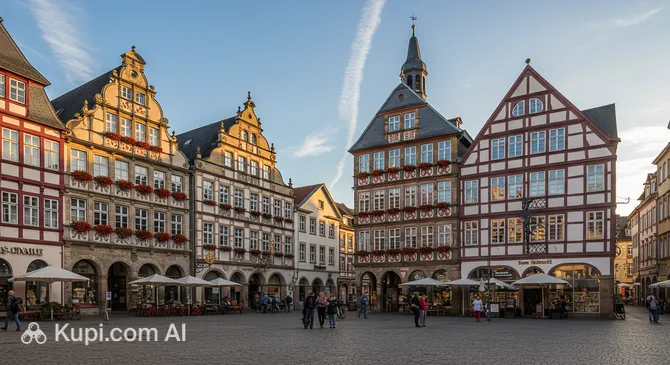
The heart of the old town is Xanten Market Square. Surrounded by historical buildings with characteristic facades, it has preserved its medieval charm. It is a pleasant place to stroll, enjoy a coffee in one of the cozy cafes while watching the slow city life, or visit local souvenir shops. The square often hosts city festivals and fairs.

Xanten Market Square. Illustration.
Source: Kupi.com AI

Traveler photos:

For those seeking tranquility and wellness, the Graduation Tower in Xanten is an interesting spot. This structure, where saltwater trickles down blackthorn branches, saturates the air with beneficial minerals, creating a microclimate similar to the seaside. A walk around the graduation tower is considered beneficial for the respiratory system.

Local Cuisine

The gastronomic scene in Xanten is a fascinating journey where the hearty traditions of the Lower Rhine harmoniously intertwine with echoes of ancient Roman heritage. The local cuisine will delight lovers of authentic flavors and quality products, offering a unique culinary experience.

Among the dishes that you should definitely try in Xanten, "Himmel und Erde" (meaning "Heaven and Earth") stands out—it is an unusual but very tasty combination of mashed potatoes with apples and black pudding. Also popular is the hearty pork knuckle, traditionally served with sauerkraut, and various dishes made from fresh fish caught in the waters of the Rhine. Local delicacies, such as homemade sausages and smoked meats, are an excellent addition to any meal.

When it comes to drinks, one cannot fail to mention the famous German beer, represented by many varieties in local bars and restaurants. For those who prefer non-alcoholic options, there is always a choice of juices, lemonades, or mineral water. Bakeries play an important role in Xanten's gastronomic culture, where fragrant fresh bread, crispy pretzels, and delicious sweet pies with seasonal fruits are baked according to recipes passed down through generations.

The food culture in Xanten is diverse. Residents and tourists alike enjoy visiting cozy restaurants and traditional cafes. During the summer season, the city streets come alive with street food stalls where you can grab a snack of fried sausages, potato pancakes, or fresh waffles. A special atmosphere reigns at the farmers' markets, which are often located on Xanten Market Square. Here you can buy the freshest seasonal vegetables and fruits, local honey, homemade jams, and, of course, artisanal cheeses and other delicacies.

Xanten Market Square. Illustration.
Source: Kupi.com AI

Traveler photos:

Many establishments take pride in their culinary traditions. For example, in restaurants like Petersilchen Xanten, you can enjoy both classic regional dishes and their modern interpretations. Xanten's gastronomic life is also enriched by various food festivals, which allow guests not only to taste local specialties but also to delve deeper into the culture and hospitality of this charming city.

Travel Tips

Planning a trip to charming Xanten? These practical tips will help you better prepare for your journey and get the most enjoyment out of exploring this unique historical city in Germany.

  1. Dress for the weather and wear comfortable shoes: In Xanten, as in the entire state of North Rhine-Westphalia, the weather can be changeable. We recommend bringing clothes that can be layered, as well as a light jacket or raincoat even in summer. A key point is comfortable shoes, as you will be walking a lot, especially across the vast grounds of the Xanten Archaeological Park and the cobblestone streets of the old town. There is no strict dress code for visiting St. Victor's Cathedral, but modest clothing is appreciated. Don't forget an adapter for electrical appliances (Type F sockets are used in Germany).
  2. Getting around the city: Xanten is a small city and very conducive to walking. The main attractions, including the historical center and the Archaeological Park, are within walking distance of each other. Cycling is also popular—bikes can be rented locally. Public transport consists of buses connecting the city with the surrounding area. Taxis are available, but they may not be necessary for traveling within Xanten itself. Renting a car makes sense if you plan to explore the Lower Rhine region.
  3. Financial matters: The official currency is the Euro (€). Credit cards (Visa, Mastercard) are accepted in most hotels, restaurants, and large stores. However, it is always useful to have some cash on hand for small cafes, markets, or souvenir shops. ATMs (Geldautomat) are easy to find. Tipping in restaurants is usually 5-10% of the bill if you were satisfied with the service, or you can simply round up the bill.
  4. Health and safety: Xanten is a very safe city. Pharmacies (Apotheke) are easily identified by a green cross; check the duty pharmacy schedule (Notdienst) for nighttime or weekends. For EU citizens, it is recommended to carry a European Health Insurance Card (EHIC). Tourists from other countries are strongly recommended to take out travel medical insurance. In emergencies, dial 112.
  5. Language and communication: The official language is German. in tourist areas, hotels, and restaurants, many people speak English, especially the younger generation. Nevertheless, a few basic phrases in German, such as "Hallo" (Hello), "Guten Tag" (Good day), "Danke" (Thank you), "Bitte" (Please/You're welcome), will be appreciated by the locals. Mobile coverage and Wi-Fi are widely available; a SIM card can be purchased at supermarkets or mobile phone stores.
  6. Local etiquette: Germans value punctuality and order. It is customary to say hello when entering small shops or cafes. Try to keep noise levels down in public places. When addressing someone, use polite forms. Generally, residents of Xanten are friendly and ready to help if approached politely.
  7. What to avoid: Try not to walk on bicycle paths—they are intended exclusively for cyclists, and pedestrians on them can create a dangerous situation. Also, Germans take traffic rules very seriously, so only cross the road on a green light and at designated crossings.
  8. Special tip for Xanten: The Xanten Archaeological Park (APX) is the city's main gem. It is Germany's largest open-air archaeological park, where buildings of the Roman city Colonia Ulpia Traiana have been recreated with incredible precision. Allocate at least half a day, or preferably a full day, to visit it, so you can leisurely explore all the reconstructed Roman buildings and the museum.

We hope these tips make your stay in Xanten as comfortable as possible and filled with pleasant impressions. Enjoy its rich history, unique Roman atmosphere, and hospitality!

Entertainment & Nightlife

Xanten, a charming city with a rich history, offers its guests a cozy and calm atmosphere for evening relaxation. While you won't find noisy megacity clubs here, you will find pleasant places to unwind after a busy day, enjoying delicious food and drinks in the company of friends or locals.

Evening life in Xanten is mainly concentrated around its historical center and Market Square. Here you will find traditional German pubs, cozy bars, and restaurants offering both local and international cuisine. The atmosphere in most establishments is relaxed and friendly, encouraging conversation. There is usually no dress code; a comfortable style of clothing is welcomed. Bars and restaurants are typically open until late evening, especially on Friday and Saturday, when the city comes alive a bit more. Regarding prices, a glass of local beer can cost about 3-5 euros, wine 4-6 euros, and dinner in a mid-range restaurant will cost around 15-25 euros per person without drinks.

Among the popular places for evening leisure, several establishments stand out. For example, Café Glückspilz is known for its pleasant atmosphere and good selection of drinks. Another interesting spot is Karthaus Xanten, where you can not only have a drink but also spend a pleasant time. For dinner in a cozy setting, the restaurant Petersilchen Xanten is suitable, offering high-quality dishes.

As for practical tips, in Xanten, as in any small city, many interesting places are within walking distance, especially in the center. If you need a taxi at night, it's best to find out the numbers of local taxi companies in advance (for example, at your hotel or by searching online for "Taxi Xanten Telefonnummer") and call a car by phone. Sometimes you can find taxi stands near Market Square or other central points, especially on weekends. Large international ride-hailing apps may not be as common here as in big cities, so it's worth relying on local services. The city is considered quite safe; however, as everywhere, you should observe basic precautions, especially when walking after dark in less-lit areas.

During the day, Xanten offers many cultural activities. Be sure to visit the famous Xanten Archaeological Park, where you can immerse yourself in the atmosphere of an ancient Roman city. The LVR-RömerMuseum is also interesting, with its exhibitions telling the story of Roman life on the Rhine. Architecture lovers will appreciate Xanten Cathedral, which is an important historical and religious landmark.

Overall, Xanten offers a peaceful and culturally rich holiday. Evening entertainment here is more about cozy gatherings and enjoying the atmosphere of an ancient city rather than loud parties until morning. It is an ideal place for those who appreciate history, culture, and a measured pace of life.

Parks & Museums

Xanten is a city where history comes alive at every turn, offering guests not only an immersion into its rich past but also excellent opportunities for outdoor recreation. Well-kept green spaces and impressive cultural sites, especially those related to Roman heritage, are harmoniously combined here.

For nature lovers and those who enjoy peaceful walks, Xanten offers several wonderful spots. The jewel is the Xanten Archaeological Park—not just a park, but Germany's largest open-air archaeological museum. Here you can walk for hours among reconstructed Roman buildings, enjoying the greenery and immersing yourself in the atmosphere of the ancient Colonia Ulpia Traiana. This place is ideal for family holidays and educational tours.

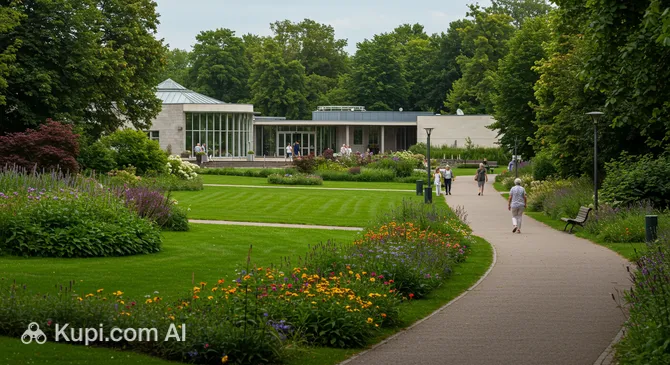
Another lovely place to relax is the Xanten Kurpark. This well-maintained park with picturesque alleys and potential resort infrastructure elements is an excellent choice for those seeking peace and fresh air. Here you can take a break from the city bustle and enjoy the silence.

Xanten Spa Park. Illustration.
Source: Kupi.com AI

Traveler photos:

A cultural program in Xanten is unthinkable without visiting its museums. The most prominent of these is undoubtedly the LVR-RömerMuseum, located within the Archaeological Park. Its modern halls present an extensive collection of artifacts telling the story of Roman life in this region. The museum's exhibitions are impressive in their scale and interactivity, making a visit interesting for all ages.

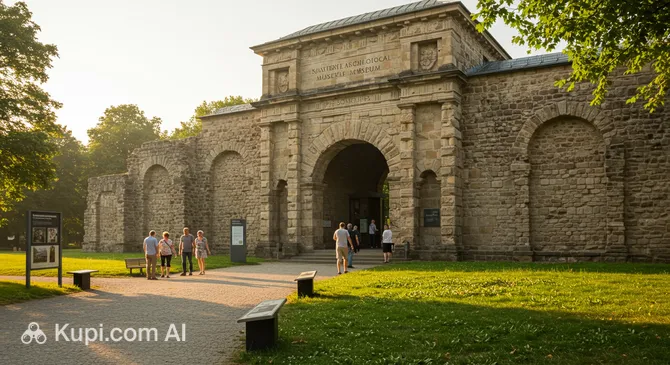
The Xanten Archaeological Park itself is a giant open-air museum, and individual parts of it, such as the Xanten Archaeological Park, "City Center" Entrance, offer focused exhibitions or serve as important information hubs. This particular entrance can be a starting point for exploring specific sectors of the park or thematic exhibitions.

Xanten Archaeological Park, City Center Entrance. Illustration.
Source: Kupi.com AI

Traveler photos:

In addition to the Roman heritage, Xanten has other significant historical and architectural monuments. The majestic Xanten Cathedral, dedicated to St. Victor, is a striking example of Gothic architecture and an important spiritual center of the city. Its impressive interiors and rich history attract many pilgrims and tourists.

The heart of the old town is Xanten Market Square, surrounded by historical buildings with charming facades. It's a great place to stroll, relax in one of the cafes, and watch the city life. Not far from the center, you can also find unique features like the Graduation Tower in Xanten, which is part of the local resort heritage and offers the opportunity to breathe salty air, which is beneficial for health.

For a more authentic experience, turn off the main tourist routes and stroll through the quiet streets of the old town, discovering hidden courtyards and local shops. And for nature lovers, the surroundings of Xanten offer picturesque routes for walking and cycling along the Rhine.

Getting Around

Public transport in Xanten is well-organized and allows for comfortable travel both within the city and to its surroundings. Given the size of the city, the main modes of transport here are buses and regional trains, integrated into a unified transport association system.

The foundation of public transport in Xanten is the bus. They run on several routes, connecting the city center with its districts and nearby settlements. The bus network is part of the large Rhine-Ruhr Transport Association (Verkehrsverbund Rhein-Ruhr, VRR), which ensures convenient connections and a unified tariff policy for the entire North Rhine-Westphalia region.

The fare system in Xanten and the VRR region is quite flexible. You can purchase single tickets (EinzelTicket), short-distance tickets (Kurzstrecke), day passes (TagesTicket) for one person or a group of up to 5 people, as well as weekly or monthly passes. Tickets can be bought from machines at stops (if available), directly from the bus driver, or via transport company mobile apps. The cost of a ticket depends on the fare zone; a trip within the city usually costs a few euros. For tourists, a day ticket is often the most cost-effective option.

When using public transport, it's important to keep a few things in mind. Tickets bought from machines or ticket offices sometimes require validation (stamping) before starting the journey or immediately after entering the vehicle—pay attention to the information on the ticket and the validators. Buses usually run on a schedule, which can be found at stops or online. On weekdays, transport runs more frequently; on weekends and holidays, intervals may increase, and the number of trips is reduced in the evening.

In addition to public transport, there are other ways to get around Xanten. Due to its compact size, the historical city center is perfect for walking. Cycling is also very popular; you can rent a bike and explore the picturesque surroundings. Naturally, taxi services are available. For tourist sightseeing tours around the city during the season, a special tourist train called the "Nibelungen-Express" may operate, offering tours of the main attractions.

For longer-distance travel, there is a railway station in Xanten. From here, regional trains depart, connecting the city with major transport hubs like Duisburg, making it easy to reach other cities in Germany and neighboring regions.

Accommodation

In Xanten, travelers will find a variety of accommodation options to suit different preferences and budgets. The city offers a choice ranging from cozy guesthouses and apartments for those seeking home comforts to traditional mid-range hotels. While luxury resorts may be less common, the focus is on a high-quality and comfortable stay.

Most housing options are concentrated in the city center or in close proximity to major attractions, such as the Xanten Archaeological Park or Xanten Cathedral. Staying in these areas provides easy access to historical sites, museums, and restaurants. Choosing accommodation slightly away from the central streets can offer a more peaceful atmosphere.

Xanten Archaeological Park. Illustration.
Source: Kupi.com AI

Traveler photos:

Although specific famous hotels are not mentioned in the available data, Xanten has a sufficient number of hotels and guesthouses that can be found through popular online booking services. It is recommended to check reviews from other travelers when choosing a suitable option.

When planning a trip to Xanten, especially during the peak tourist season or local festivals, it is recommended to book accommodation in advance. This will help ensure the best choice and more favorable prices. Many hotels and apartments offer flexible booking conditions, but planning ahead is always preferable.

The price range for accommodation in Xanten varies from budget options to mid-range, allowing you to select housing in accordance with your financial means. You can book accommodation through well-known international and local online platforms, as well as directly on hotel websites or by contacting them by phone. Early booking often allows you to take advantage of special offers and discounts.

Nearby Cities

For those looking to explore the surrounding area, Xanten serves as an excellent starting point for day trips to several interesting nearby locations:

CityPopulationDistance
Sonsbeck8 6757 km
Alpen12 52810 km
Issum12 20113 km
Hamminkeln26 90013 km
Wesel60 68813 km

These nearby destinations provide insight into the diverse culture and landscapes of the region.

Shopping & Souvenirs

Xanten, a charming city with a rich history, offers its guests a pleasant and leisurely shopping experience. You won't find huge shopping malls here, but you can enjoy the atmosphere of cozy little shops offering both well-known brands and unique local products. While the city is not famous for any specific types of goods in a broad sense, its historical heritage is reflected in its souvenir products.

The main shopping spots are concentrated in the historical city center. Strolling through its picturesque streets, such as Klever Straße and its adjacent lanes, you will find many small boutiques, bookstores, clothing stores, and souvenir shops. Special attention should be paid to the area around Xanten Market Square, which is the hub of the city's commercial life.

Xanten Market Square. Illustration.
Source: Kupi.com AI

Traveler photos:

There are no large modern shopping centers in Xanten in the traditional sense. Shopping here is more about finding unique items in small, often family-run stores, which gives it a special charm and allows you to better feel the city's atmosphere.

Although there may not be large permanent markets in Xanten, seasonal fairs and farmers' markets are periodically held on the Market Square, where you can buy fresh local products, flowers, and handmade items. It's best to check for information on such events in advance, for example, at the tourist information center.

As souvenirs from Xanten, it's worth bringing something that reminds you of its rich Roman past. These could be copies of ancient Roman artifacts, books on the history of the region, themed postcards, or magnets. Many of these can be found in the shops at the Xanten Archaeological Park or the LVR-RömerMuseum. Souvenirs related to Xanten Cathedral and local delicacies are also popular, provided they can be transported easily.

LVR-Roman Museum. Illustration.
Source: Kupi.com AI

Traveler photos:

Shops in Xanten are usually open Monday to Friday from approximately 10:00 AM to 6:00 PM, and on Saturdays until 1:00 PM or 2:00 PM. Sunday is generally a day off for most retail outlets, except for some souvenir shops or stores in tourist areas that may have a special schedule. Both cash (Euros) and bank cards (EC-cards, Visa, Mastercard) are accepted, though small shops or markets may prefer cash.

For tourists from non-EU countries, there is the possibility of a VAT refund (Tax Free) on purchases over a certain amount in participating stores. To do this, you must ask the seller for a special Tax Free form and present it along with your purchases at customs when leaving the EU.

Reached the end of the page?

That means the route is fully explored