Support

Kothen

About

Köthen is a cozy and atmospheric town located in the state of Saxony-Anhalt. Despite its relatively small size and a population of about 26,000 people, this corner of Germany holds immense cultural significance. A sense of tranquility and the spirit of old Europe prevail here, making the town an ideal destination for thoughtful and inspiring walks away from the noisy metropolises.

Kothen. Illustration.
Source: Kupi.com AI

Local residents take special pride in the unique history of Köthen, which is inextricably linked with the names of great people. It was here that the brilliant composer Johann Sebastian Bach spent some of the most productive years of his life; it is believed that his famous "Brandenburg Concertos" were written in Köthen. Furthermore, the town is known as the world capital of homeopathy, as Samuel Hahnemann, the founder of this treatment method, lived and practiced here for a long time.

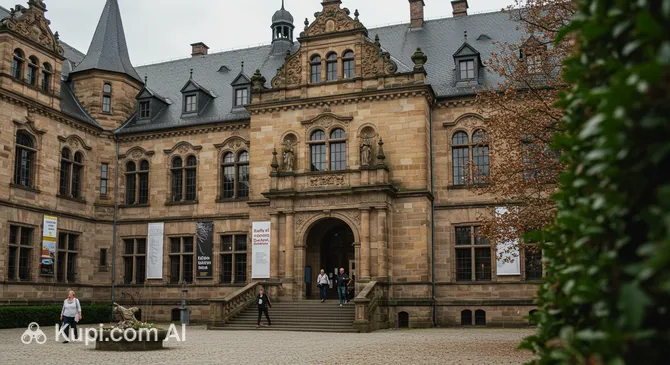
The main architectural landmark is Köthen Castle, surrounded by a picturesque park. Today, its walls house museums and concert halls where classical music is regularly performed. Travelers should also take note of St. Jakob's Church with its impressive towers and ancient atmosphere. The townscape is completed by neat streets and historical buildings that create a unique ensemble.

Köthen is an excellent choice for those seeking cultural enrichment and peace. Be sure to include this town in your itinerary to personally experience Bach's musical heritage and enjoy the hospitality of the German provinces.

Weather Overview

The climate in Köthen can be described as temperate, conducive to peaceful walks and exploring the town. Summer usually brings pleasant warmth: in the hottest months, July and August, the average temperature is around 20°C, and during the day, the air often warms up to a comfortable 25°C. Winters, by contrast, are mild and cool, with average temperatures around 3–4°C in January and December; severe frosts are rare.

Expect warm summers with occasional precipitation and cool winters with high humidity. Rain is a regular occurrence here, with the number of days with precipitation varying from 9 to 14 per month depending on the season, so a small umbrella in your luggage won't go amiss. Spring arrives gradually: while in March the average temperature stays around 6°C, by May the air warms up to a pleasant 14°C.

To ensure your trip is as comfortable as possible and that you aren't caught off guard by rain, we recommend checking the current weather in Köthen before your trip. This will help you plan your wardrobe correctly and choose the best days for excursions.

Average monthly temperature

Average monthly precipitation

Interesting Facts

Beyond its main attractions, Köthen holds many fascinating secrets that reveal the city from an unexpected side. Here are a few facts proving that this small corner of Germany played a huge role in global culture and science:
  • A Musical Cradle of Masterpieces. The great composer Johann Sebastian Bach spent six years in Köthen working as the court Kapellmeister. This period is considered one of the happiest and most productive of his life: it was here that he wrote the famous "Brandenburg Concertos" and the first part of "The Well-Tempered Clavier." Since church music was not required at court, he could focus entirely on secular compositions.

  • A Refuge for the Father of Homeopathy. Köthen became a safe haven for Samuel Hahnemann, the founder of homeopathy. While he was forbidden to practice in other cities, the local duke not only granted him asylum but also allowed him to treat patients freely. Hahnemann lived here for 14 years and wrote his major scientific works, which is why the town is now called the world capital of homeopathy.

  • The Fight for the Mother Tongue. The town played a key role in the development of the modern German language. The local ruler, Prince Ludwig I, was the head of the "Fruitbearing Society" (Fruchtbringende Gesellschaft)—the first and largest literary society aimed at purifying the German language from foreign borrowings and developing it as a literary language. Meetings of the society often took place at Köthen Castle.

  • A Change of Name. Until the beginning of the 20th century, the town's name was officially spelled with a "C"—Cöthen. It wasn't until 1927 that the spelling was changed to the modern Köthen to comply with updated German orthography rules, although the historical version can still be found on old buildings and documents.

Köthen Castle. Illustration.
Source: Kupi.com AI

Traveler photos:

How to Get There

When planning a trip to Saxony-Anhalt, you can choose the most convenient route by combining air and land transport. Detailed information on routes, schedules, and transfers can be found on the page describing all ways to get to Köthen.

The town of Köthen does not have its own airport, so it is most convenient for travelers to use the airports of neighboring large cities. The closest and most convenient option is Leipzig/Halle Airport (IATA: LEJ), located in Leipzig, just 40 km from Köthen. This is a modern transport hub that handles many flights. A taxi or transfer from here will take about 50–60 minutes.

For international flights, travelers often choose Berlin Brandenburg (IATA: BER)—the capital's main airport, located in Berlin, approximately 125 km from Köthen. This is a major international hub with a vast number of flights from around the world. The journey by car or bus from here to Köthen takes about 2–2.5 hours. You might also consider arriving at Dresden International Airport (IATA: DRS), located in Dresden (142 km), if your route takes you through the eastern part of Germany.

For convenience, here is a summary of the main airports:

AirportPassenger trafficDistance
Leipzig/Halle Airport2.2 mln40 km
Erfurt Airport138 002111 km
Berlin Brandenburg25.5 mln125 km
Dresden International Airport929 928142 km
Hannover Airport5.3 mln175 km

The railway network in Germany is excellently developed, making it easy to reach the region from anywhere in the country. Major hub stations are located in neighboring metropolises, from which you can quickly reach your destination. For example, Leipzig Central Station (Leipzig Hauptbahnhof) is about 40 km from Köthen. This is one of Europe's largest stations, served by high-speed trains. The travel time from the station to Köthen by car is about 45 minutes.

Another important transport hub is Berlin Hauptbahnhof in Berlin, located 128 km away. Many international express trains arrive here. From Berlin's central station, you can reach Köthen in about 2 hours by car or by transferring to a regional train.

Below is a table with data on the nearest major railway stations:

StationPassenger trafficDistance
Halle (Saale) Railway Station12.8 mln36 km
Leipzig Hauptbahnhof43.8 mln40 km
Erfurt Hauptbahnhof16.8 mln109 km
Berlin Zoologischer Garten Station36.5 mln125 km
Berlin Hauptbahnhof127.8 mln128 km

Main Attractions

Despite its modest size, Köthen offers guests a rich cultural program. The town's main attractions are closely linked to the names of the great creators and scientists who lived here, as well as the architectural heritage carefully preserved over the centuries. A walk through these places will allow you to immerse yourself in the atmosphere of old Germany.

The absolute heart of the town and its main symbol is the majestic Köthen Castle. This architectural ensemble is a true mecca for classical music fans, as it was here that Johann Sebastian Bach composed a significant portion of his secular works. Today, the castle houses several museums: the Historical Museum, the Bach Memorial Museum, and the unique Naumann Ornithological Museum. Visitors can explore luxurious halls, including the Mirror Hall, where concerts regularly continue the musical traditions of the past.

Köthen Castle. Illustration.
Source: Kupi.com AI

Traveler photos:

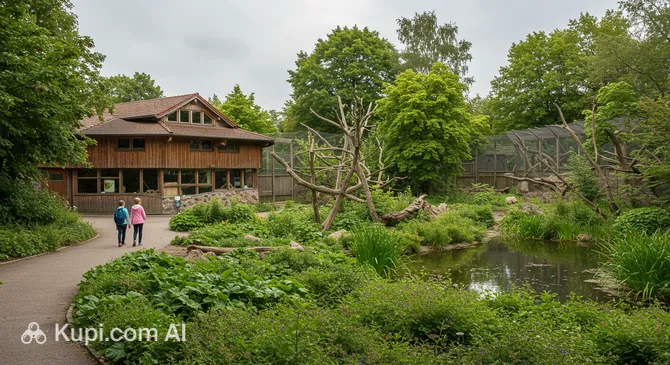
For those who want to take a break from history and enjoy nature, Köthen Zoo is a wonderful choice. This cozy spot, located near the center, is perfect for family walks. It is home to more than 800 animals representing about 130 species. The zoo is famous for its collection of birds and primates, and its well-kept grounds are ideal for a leisurely rest in the shade of the trees.

Köthen Zoo. Illustration.
Source: Kupi.com AI

Traveler photos:

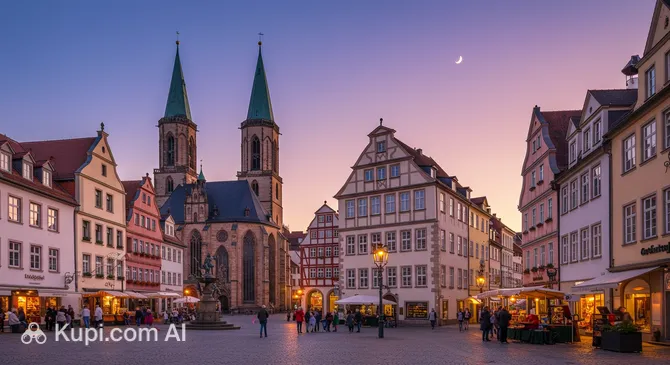
Strolling through the town center, it is impossible to miss St. Jakob's Church (St. Jakobskirche). Its two high towers, connected by a small bridge, dominate the market square and serve as an excellent landmark. The church was built in the Late Gothic style and holds centuries of history: its crypt contains the burial vault of the Princes of Anhalt-Köthen. The interior of the church impresses with its austerity and grandeur, while the ancient organ and the 12th-century baptismal font deserve special attention.

Another iconic site is the Samuel Hahnemann House. It was in this building that the founder of homeopathy lived for many years and wrote his fundamental works. Today, it houses a museum where the atmosphere of that time has been recreated, and the doctor's personal belongings are on display. A visit to this house will be of interest not only to medical professionals but also to anyone fascinated by the history of science and 19th-century life.

Local Cuisine

Köthen's gastronomic scene is a perfect reflection of the culinary traditions of Saxony-Anhalt: people here love hearty, simple, and home-cooked food. Local cuisine is based on meat dishes, potatoes, and seasonal vegetables, making it ideal for recharging after long walks around town. Restaurants offer an atmosphere of German coziness, or "Gemütlichkeit," where it is customary to enjoy a meal without rushing.

Among the dishes worth trying, Harz Cheese (Harzer Käse) holds a special place. This low-fat sour milk cheese with caraway seeds has a very specific aroma and taste but is a true point of regional pride. It is often served with bread, lard (Schmalz), and pickles. Meat lovers will enjoy traditional German sausages and roast pork with sauerkraut. For dessert, be sure to order Baumkuchen—the famous "tree cake" baked in layers on a spit, which is popular throughout the area.

As for drinks, Köthen, like many German towns, is famous for its love of beer. Local varieties are distinguished by a rich taste and quality tested over centuries. If you prefer wine, look for products from the neighboring Saale-Unstrut region—the northernmost wine-growing region in the country. They produce excellent white wines that perfectly complement a light dinner.

The dining culture in the town combines the traditions of old inns (Gasthaus) and modern cafes. Locals often gather in the afternoon for the traditional "Kaffee und Kuchen" (coffee and cake). After working up an appetite exploring the exhibits at Köthen Castle, tourists can head to establishments in the historical center to try seasonal dishes, such as asparagus in the spring or game dishes in the autumn.

Travel Tips

Köthen is a quiet and welcoming town, but even in such a cozy place, it is useful to know a few nuances before your trip. We have gathered practical tips to help you plan the perfect journey, avoid minor inconveniences, and feel confident in the heart of Germany.

  1. Clothing and Footwear. The weather in the region is changeable, so layering is your best friend. Even in summer, bring a light jacket or windbreaker in case of evening chill or rain. Since the historical center is paved with old cobblestones, be sure to bring comfortable flat shoes—heels will be impractical here. There is no strict dress code for visiting churches, but modest and neat clothing is recommended.
  2. Transport. Köthen is compact, and its historical center is best explored on foot—the main attractions are within walking distance of each other. If you need to reach outlying areas, use the local buses. Taxi apps (like Uber) may be unreliable due to the small number of cars; it is more reliable to call a taxi by phone or take one from the stand at the station. Use the DB Navigator app for planning train journeys.
  3. Finances. The official currency is the Euro (€). While large supermarkets and museums accept cards, small towns still very much prefer cash (Bargeld). Always have small banknotes and coins for payments in bakeries, kiosks, or small cafes. Tipping is welcome: usually, the bill is just rounded up or a 5–10% tip is left.
  4. Health and Safety. Köthen is a safe town where you can walk peacefully even in the evening. Pharmacies are marked with a red letter "A" (Apotheke); duty pharmacies operate 24/7, and information about them can be found on the door of any closed pharmacy. The emergency number is 112. Tap water is of high quality and safe to drink, though most tourists buy bottled water out of habit.
  5. Communication and Language. The primary language is German. In museums and large hotels, staff often speak English, but in small shops, knowing a few phrases in German (e.g., "Guten Tag"—good day, "Danke"—thank you) will be very helpful and appreciated by locals. Free Wi-Fi is available at the station and in some cafes, but for a stable connection, it's better to buy a local SIM card at a supermarket (passport registration is required).
  6. Local Etiquette. Germans value peace and order. In public places and transport, it is not customary to speak loudly (including on the phone). It is polite to greet staff when entering a small shop or cafe. Remember "Ruhezeit" (quiet time): shops are closed on Sundays and holidays, and making noise on the street is discouraged—this is time for rest with family.
  7. What to Avoid. Never walk in bicycle lanes—they are high-hazard zones, and cyclists can react quite sharply to pedestrians. Also, strictly follow street-crossing rules: crossing on red, even if the road is empty, is considered a serious violation and a bad example, which may result in remarks from locals.
  8. Musical Advice. Since you are traveling to the town of Bach, check the events schedule at the castle or church in advance. Attending a live classical music concert in the authentic interiors where the composer himself worked is a unique experience worth planning your travel dates around.

We hope these recommendations make your stay in Köthen easy and carefree. Enjoy the great music, history, and peaceful atmosphere of this wonderful German town!

Entertainment & Nightlife

The nightlife in Köthen differs from that of bustling metropolises: you won't find huge nightclubs with long queues or discos thumping until dawn. This is a town of cozy evenings, friendly conversations, and relaxed leisure, permeated with the spirit of old Germany. Most activity is concentrated in the historical center, around the Market Square (Marktplatz) and pedestrian streets, where traditional German kneipes, small bars, and restaurants are located.

Thanks to the presence of the Anhalt University of Applied Sciences, the town feels the fresh energy of its students. During the semester, evenings become more lively as young people gather in local pubs to drink beer and catch up. The atmosphere in these establishments is democratic and relaxed, with almost no strict dress code—casual style is appropriate everywhere. Prices here are a pleasant surprise: the average bill for dinner with drinks is significantly lower than in Berlin or Leipzig.

The cultural center of evening leisure is often Köthen Castle. It is not just a museum but also a prestigious concert venue. Its halls, which possess magnificent acoustics, regularly host musical evenings and festivals dedicated to Bach's work. If you prefer classics and an elegant setting over a noisy bar, be sure to check the castle's events calendar—a candlelight concert will be an unforgettable experience.

During the day, the town offers equally interesting options for relaxation. Families with children and nature lovers should visit Köthen Zoo. It is a well-maintained green oasis where you can take a break from the town's cobblestones and observe animals in a calm environment. The town also features a cinema and a swimming pool with an entertainment zone ("Badewelt"), which are great for leisure in any weather.

In terms of safety, Köthen is a quiet town, and nighttime walks here do not carry the risks typical of large capitals. The lighting on the central streets is good. However, keep in mind a transport nuance: bus services stop at night, and hailing a taxi on the street can be difficult. We recommend saving the numbers of local taxi services in advance or asking a bartender to call a car if you stay out late.

Parks & Museums

Köthen harmoniously combines the charm of ancient architecture with the freshness of green spaces, offering tourists a rich cultural program surrounded by nature. The town carefully preserves its heritage not only within stone walls but also in well-tended gardens where history intertwines with natural landscape beauty.

The main green oasis in the town center is the picturesque Castle Park (Schlosspark), stretching out at the foot of the princely residence. This park, designed in the English landscape style, attracts visitors with its winding paths, ancient trees, and peaceful atmosphere, perfect for leisurely strolls. Another important natural area is Köthen Zoo, which locals view not just as a place to see animals but as a full-fledged recreational park. Here, amidst dense greenery, you can take a break from the urban hustle while enjoying birdsong and well-kept alleys.

The town's museum life is primarily concentrated in its heart—the majestic complex of Köthen Castle. Several unique exhibitions operate within its walls. The Naumann Museum deserves special attention—it is the world's only Biedermeier-era ornithological museum, preserved almost in its original 19th-century state. It features a rich collection of birds that impresses scientists and casual visitors alike. The castle also houses the Historical Museum, which tells the story of the region's rich past from prehistoric times to the present day, and a memorial exhibition dedicated to the work of J.S. Bach.

Beyond the castle walls, the cultural landscape is complemented by the Samuel Hahnemann House-Museum. This historical building, with a small apothecary garden in its courtyard, is dedicated to the life of the founder of homeopathy. The exhibition provides a glimpse into the daily life of a 19th-century doctor and the rise of alternative medicine, making Köthen a place of pilgrimage for medical professionals from around the world.

Insider Tip: If you find yourself in the Naumann Museum, pay attention not only to the exhibits but also to the display cases and the interior itself—it is a rare example of 1830s museum design and is a historical monument in its own right. After your tour, be sure to walk to the "Fasanerie" (Pheasantry)—a forest park on the outskirts of town where locals love to spend their weekends.

Getting Around

The transport system in Köthen perfectly matches the measured pace of life in this small town. You won't find a metro, trams, or trolleybuses here—there is simply no need for them, as the historic center is very compact. Most attractions, including the castle and churches, are within walking distance of each other, making walking the best way for a tourist to get around.

The only form of public transport within the town is buses. The route network, operated by a local transport company (most often Vetter buses), connects the railway station, the town center, and outlying residential areas. The main transport hub is the bus station located right by the Köthen railway station (Bahnhof Köthen). Buses run strictly according to a schedule, which can be found at stops (yellow or white signs with the letter "H").

The fare payment system here is quite conservative and simple. Tickets for a single trip (Einzelfahrschein) are most often purchased directly from the driver upon boarding. Unlike in large metropolises, there aren't always ticket machines at the stops. It is important to have cash, preferably coins or small banknotes, as card payment on buses may not be available. The cost of a single trip around town is approximately 1.80 to 2.50 euros. If you plan several trips during the day, it is more economical to ask the driver for a day pass (Tageskarte).

For route planning, it is convenient to use the national DB Navigator app or the regional MOOVME app. Even if you don't buy a ticket online, they will show you the bus departure times and necessary transfers. Remember that tickets purchased from machines or counters (if any are found at the station) must be validated in a special machine inside the bus or on the platform; otherwise, they are considered invalid.

As an alternative to public transport, taxi services are popular in Köthen. Cars are rarely hailed on the street; it is customary to wait for them at designated stands (for example, at the station or Market Square) or call them by phone. Apps like Uber hardly work here or have very few cars, so it is more reliable to save the number of a local dispatch service in advance. A trip within the town is inexpensive due to the short distances.

Given the flat landscape of Saxony-Anhalt, a bicycle is an excellent way to get around. There are rental points in the town, and many hotels provide bicycles for their guests. This allows you to be independent of bus schedules and comfortably explore not only the town's streets but also the picturesque surroundings.

It is important for tourists to consider the transport schedule. On weekdays, buses run regularly, but in the evenings (after 20:00), as well as on weekends and holidays, the intervals between buses increase significantly, and some routes may not run at all. If you are planning a late dinner or walk, think about your way back to the hotel in advance or book a taxi.

Accommodation

Köthen is a compact and cozy town, which is directly reflected in the local accommodation market. You won't find huge luxury chain resorts or high-rise hotel complexes here. The majority of options consist of small private hotels, traditional German guesthouses (Gasthäuser), and apartments. These places are characterized by a homely atmosphere, peace, and the personal attention of owners to their guests, while meeting high standards of cleanliness and comfort.

The most convenient area for tourists to stay is the historic center (Altstadt). By choosing a hotel in this part of town, you will be at the heart of cultural life, just a few minutes' walk from the main architectural landmark—the majestic complex formed by Köthen Castle. Staying in the center allows you to enjoy evening walks through ancient cobbled streets and visit local restaurants without needing to call a taxi.

Another popular location is the area around the railway station. This is a strategically convenient spot for those planning to use Köthen as a base for traveling around the Saxony-Anhalt region. From here, it is easy to reach Leipzig or Halle, and the walk to the town center takes no more than 15 minutes. Families with children often find it more convenient to rent apartments with a kitchen, especially if they plan on long outdoor walks, such as a visit to Köthen Zoo.

The price range in the town can be described as affordable and moderate (middle class). The cost of living here is noticeably lower than in Germany's major tourist centers. Most options offer excellent value for money. Booking is available through major international online platforms, but many small guesthouses also readily accept direct bookings by phone or email.

Booking Tip: Given the small number of hotels in the town, it is highly recommended to book your accommodation in advance, at least several weeks before your trip. This rule becomes critical during the J.S. Bach musical festivals, when classical music fans from all over the world flock to the town, and finding a vacant room becomes almost impossible.

Nearby Cities

For those looking to explore the surrounding area, Köthen serves as an excellent starting point for day trips to several interesting nearby locations. Just a 20-minute drive away is Dessau-Roßlau, world-famous for its Bauhaus architecture and the magnificent Dessau-Wörlitz Garden Kingdom, a UNESCO World Heritage site. Those who enjoy urban bustle and history should head to Halle—the birthplace of composer Handel, featuring a beautiful market square. And for a quiet walk along the Saale River and a visit to a majestic Renaissance castle, Bernburg is the perfect fit.

CityPopulationDistance
Osternienburg8 5496 km
Mosigkau78 73114 km
Bernburg32 67417 km
Zörbig9 21617 km
Dessau-Rosslau81 23720 km

These nearby destinations offer a glimpse into the diverse culture and landscapes of the region, conveniently complementing your introduction to Saxony-Anhalt.

Shopping & Souvenirs

Shopping in Köthen is a calm and leisurely activity that perfectly complements an exploration of the historical center. You won't find huge shopping metropolises or endless rows of luxury boutiques typical of the larger cities Germany is famous for. Instead, the town offers the cozy atmosphere of small shops where owners often know their customers by sight, and the assortment is chosen with heart and attention to detail.

The heart of the town's shopping life is the pedestrian zone in the historic center. Most activity is focused on Schalaunische Straße and the adjacent Buttermarkt square. Strolling along these cobblestones, you will find clothing stores from popular affordable brands, bookstores, pharmacies, and small boutiques selling accessories. It is an ideal place for a leisurely promenade: shop windows sit alongside cafes and historical facades, creating a pleasant backdrop for shopping.

For larger-scale shopping and daily essentials, locals head to shopping centers and large supermarkets located a bit further from the center or on the outskirts. One key location is the shopping complex on Langenfelder Straße, which houses a large supermarket and a variety of accompanying electronics, household goods, and clothing stores. Here, you can conveniently buy groceries, cosmetics, and everything needed for your journey in one place.

The Weekly Market (Wochenmarkt), which regularly takes place on the Market Square (Marktplatz) at the foot of St. Jakob's Church, adds special local color. This is the place to get a true taste of the region. Farmers from surrounding villages bring fresh vegetables, fruits, homemade cheeses, honey, and meat delicacies. The market operates on weekdays and Saturday mornings, serving as a magnet for everyone who appreciates natural products and genuine interaction.

If you are looking for unique souvenirs, it is worth stopping by the tourist information center located on the grounds of Köthen Castle or specialized shops in the center. Here is a list of what to bring home from Köthen:

  • Bach-themed souvenirs: As the town where the great composer worked, Köthen offers a wide selection of themed gifts—from sheet music and CDs to exquisite stationery and busts of the musician.
  • "Halli" Mascot: Look for figurines or images of "Halli"—the official town mascot, which is a personified "Hallescher Turm" tower, one of the town's symbols.
  • Plush Cow: Another popular souvenir is a cute plush cow. This is a nod to the town's humorous nickname "Kuh-Köthen" (a play on words connecting the town's name with the word "Kuh"—cow), which locals have humorously turned into a brand.
  • Local Coffee: The town has its own coffee roastery, "Kaffeerösterei Hannemann." A bag of freshly roasted coffee with a Köthen label makes for a fragrant and stylish gift.
  • Regional Drinks: Fans of gastronomic souvenirs should look for local beer (such as Köthener) or liqueurs, which are often sold in beautiful gift bottles.

When planning your shopping, remember traditional German opening hours. Most shops in the center are open Monday to Friday from 09:00 to 18:00, and on Saturdays until 13:00 or 16:00. Sunday is a mandatory day off (Ruhetag), when everything is closed except for some bakeries and shops at gas stations. Large supermarkets stay open longer, usually until 20:00 or 22:00.

Regarding payment, Visa and Mastercard are accepted without issues in supermarkets and chain stores. However, in small souvenir shops, bakeries, and especially at market stalls, cash (Bargeld) is preferred. Tax-Free systems (VAT refunds) are available in large stores, but there are few such points in Köthen, so always check for a "Global Blue" or similar sticker at the entrance if you plan on making major purchases.
Reached the end of the page?

That means the route is fully explored