Support

Wittenberg

About

Wittenberg, nestled comfortably on the banks of the Elbe River in the heart of the state of Saxony-Anhalt, seems perfectly designed for leisurely strolls and inspiring discoveries. This city harmoniously combines ancient architecture, green parks, and picturesque streets that are a pleasure to wander through at any time of year.
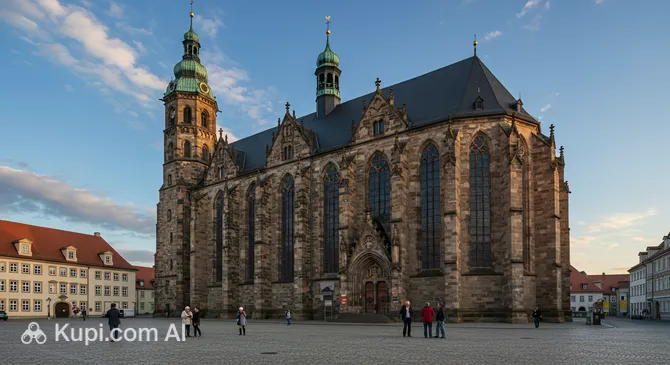
Wittenberg. Illustration.
Source: Kupi.com AI

The city is located approximately 100 kilometers south of Berlin, making it an excellent starting point for travels across eastern Germany. With a population of about 46,000, Wittenberg does not feel like a noisy metropolis, yet it stands out on the map as a district administrative center and an important cultural hub for the region. It is famous for its tranquility, cozy atmosphere, and the hospitality of its residents.

The main feature of Wittenberg is its unique historical heritage. It was here in the 16th century that the Reformation began, an event that radically changed the course of European history. Every stone in the city streets preserves the memory of Martin Luther, his associates, and the great events of the past. Today, Wittenberg is known worldwide as the "Luther City."

In addition to its historical significance, Wittenberg is a modern center for art, education, and family tourism. Visitors are drawn to the majestic Gothic cathedrals, the chance to enjoy local cuisine, and the opportunity to dive into a series of vibrant city festivals and celebrations.

Wittenberg is worth visiting for its unique atmosphere: here, it is easy to feel the breath of history, be inspired by the beauty of the architecture, and simply have a wonderful time. This city undoubtedly captures your heart at first sight and leaves the warmest of memories.

You can find more interesting facts on the history of Wittenberg page.
Weather Overview

The weather in Wittenberg is characterized by a temperate climate. The warmest months are July and August, when average temperatures are around 20-20.4°C, with maximums reaching 24.6-25.1°C. Winters here are cool, with the lowest temperatures in January and December, when the thermometer averages 2.7-3.5°C. Expect warm summers with occasional rain and cold, dry winters, as monthly precipitation usually does not exceed 1-2 mm, though the number of days with precipitation can be significant, especially in winter. For a more detailed look at the weather conditions, visit the Wittenberg climate page.

Average monthly temperature

Average monthly precipitation

Interesting Facts

Beyond its world-famous connections to Martin Luther, Wittenberg hides many curious details and stories that make it even more attractive to travelers. Here are just a few interesting facts about this historic city in Germany:

All Saints' Church. Illustration.
Source: Kupi.com AI

Traveler photos:

  • The famous doors of All Saints' Church, where Martin Luther reportedly nailed his 95 Theses in 1517, are not actually the originals. The historical wooden doors were burned during the Seven Years' War in 1760. What tourists see today are bronze memorial doors installed in the 19th century, engraved with the text of the theses in Latin.

  • The city officially bears the name Lutherstadt Wittenberg (Luther City Wittenberg), highlighting its inseparable link with Martin Luther and the Reformation. Many key sites associated with the reformers, such as the Luther House and the Melanchthon House, are listed as UNESCO World Heritage Sites.

  • Every year in June, Wittenberg is transformed by the colorful "Luther's Wedding" (Luthers Hochzeit) festival. This celebration recreates the atmosphere of the 16th century, marking the marriage of Martin Luther and Katharina von Bora with parades in historical costumes, medieval fairs, music, and theatrical performances.

  • Legend has it that the famous artist Lucas Cranach the Elder, a close friend of Luther and a court painter, personally participated in painting the facades of some city houses. While little direct evidence remains, his extensive workshop undoubtedly left a significant mark on Wittenberg's artistic appearance, and his works still adorn local churches and museums today.

How to Get There

Reaching Wittenberg can be done in various ways, but travelers most often choose a combined route, flying into major neighboring cities and then transferring to ground transport. Thanks to its convenient location in the central part of the country, the city is accessible to tourists arriving from all over the world. You can learn more about all routes and schedules by visiting the how to get to Wittenberg page.

If you prefer flying, the closest convenient option is Leipzig/Halle Airport (LEJ). Keep in mind that Wittenberg itself does not have its own airport; this aviation hub is located in the city of Leipzig, approximately 58 km from your destination. The journey from there by taxi or transfer takes about 1 hour and 50 minutes.

Another popular option for international flights is Berlin Brandenburg Airport (BER). This is a major international airport serving flights from all over the world. It is located in Berlin, about 80 km from Wittenberg. A car journey from this airport takes roughly 2 hours and 20 minutes.

For your convenience, here is a summary of the main airports located in the region:

AirportPassenger trafficDistance
Leipzig/Halle Airport2.2 mln58 km
Berlin Brandenburg25.5 mln80 km
Dresden International Airport929 928113 km
Erfurt Airport138 002153 km
Karlovy Vary Airport37 900186 km

The railway system in Germany is excellently developed, and many tourists use trains to travel to Wittenberg. Often, the route passes through major hub stations in neighboring metropolises. For example, a key transport hub is Berlin Hauptbahnhof (QPP). It is located in Berlin, about 88 km from Wittenberg. Numerous trains depart from here, connecting the capital with the regions.

Leipzig Main Station (XIT) is also a convenient transfer point. This station is located in the city of Leipzig, 57.5 km from Wittenberg. Thanks to high capacity and a convenient schedule, reaching your final destination from here is quite easy.

Below is information on the largest railway stations in the vicinity that may be useful when planning your route:

StationPassenger trafficDistance
Halle (Saale) Railway Station12.8 mln51 km
Leipzig Hauptbahnhof43.8 mln58 km
Berlin Zoologischer Garten Station36.5 mln85 km
Berlin Hauptbahnhof127.8 mln88 km
Berlin Ostbahnhof Station36.5 mln90 km

Main Attractions

Wittenberg, a city with a rich history, is inextricably linked with the name of Martin Luther and the Reformation. Here, every street breathes the past, and the attractions tell fascinating stories. When planning your trip, be sure to include several key sites in your itinerary to help you immerse yourself in the atmosphere of this unique city.

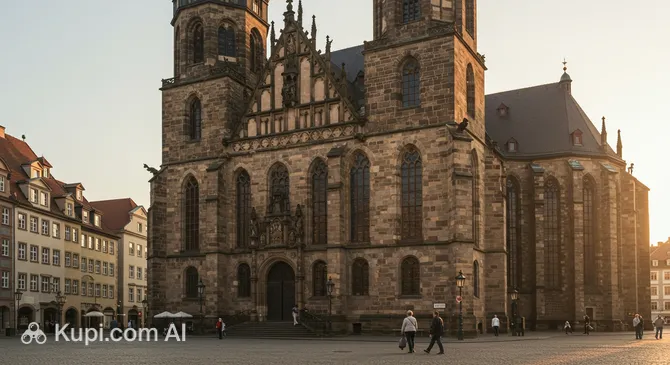
The main sanctuary and symbol of the city is undoubtedly All Saints' Church, also known as the Castle Church (Schlosskirche). According to tradition, it was on these doors that Martin Luther nailed his famous 95 Theses, sparking the Reformation. Today, this majestic church attracts pilgrims and tourists from all over the world with its historical significance and impressive architecture.

All Saints' Church. Illustration.
Source: Kupi.com AI

Traveler photos:

Another essential site is the Luther House. Once an Augustinian monastery where the great reformer lived and worked, it now houses the world's largest museum dedicated to the history of the Reformation. Here, you can learn about the life, works, and influence of Martin Luther through an exhibition that includes personal items, manuscripts, and printed publications from that era.

Lutherhaus. Illustration.
Source: Kupi.com AI

Traveler photos:

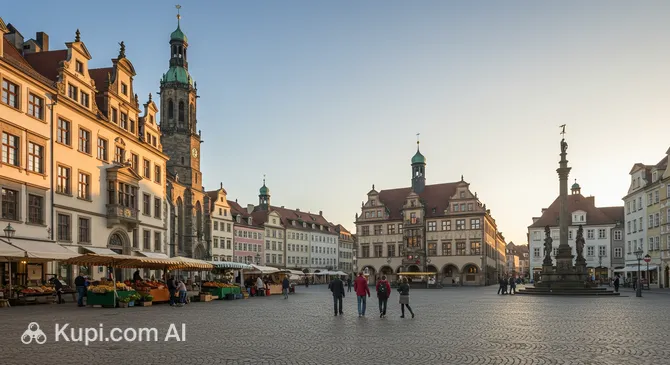
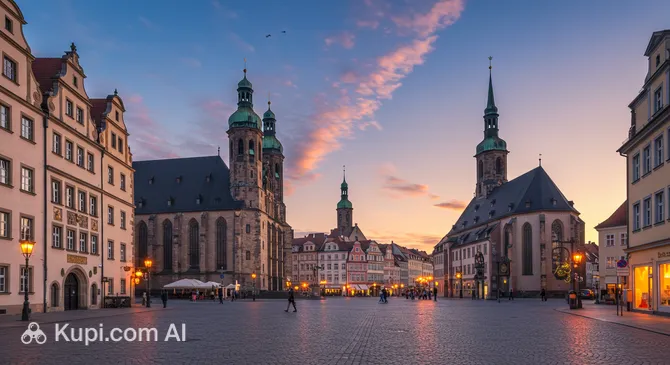
The heart of the city is the Wittenberg Market Square. This picturesque spot is surrounded by ancient buildings, including the Town Hall and the homes of wealthy citizens. Monuments to Martin Luther and his close associate Philipp Melanchthon stand on the square. It’s a lovely place to stroll, soak in the old town atmosphere, or enjoy a cup of coffee at one of the cozy cafes.

Wittenberg Market Square. Illustration.
Source: Kupi.com AI

Traveler photos:

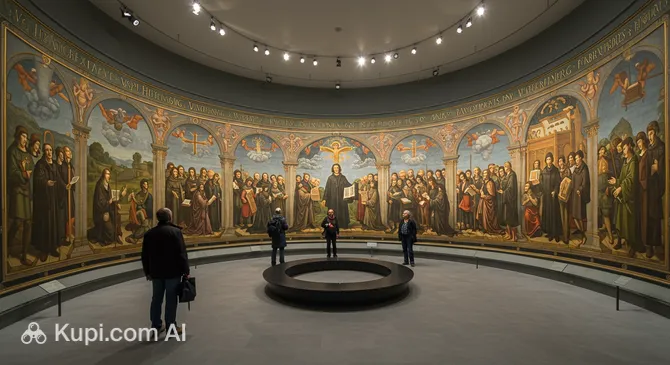
For those who want to literally step into the past, a visit to the "Luther 1517 – Wittenberg 360°" panorama is highly recommended. This unique art project features a giant circular painting depicting Wittenberg during Luther's time. Thanks to special effects and its grand scale, it creates a complete sense of being present in a 16th-century city, allowing for a deeper understanding of the Reformation's context.

Luther 1517 – Wittenberg 360°. Illustration.
Source: Kupi.com AI

Traveler photos:

Of course, this is just a small part of what Wittenberg has to offer. The St. Mary's Town Church, where Luther often preached, the Melanchthon House, and numerous other historical buildings also deserve attention and will help complete your impression of this landmark site in European history.

Local Cuisine

The cuisine of Wittenberg is a fascinating dive into the gastronomic traditions of Saxony and Central Germany. Hearty and aromatic dishes prepared from fresh local ingredients are highly valued here. Many recipes are based on the bounty of the Elbe River, as well as various meat delicacies and, of course, potatoes in all their forms.

Be sure to try "Wittenberg Potato Soup" (Wittenberger Kartoffelsuppe) – thick, rich, and often served with smoked meats and fresh herbs, it will warm you up in any weather. Also popular are dishes made from fresh Elbe fish, hearty pork roasts, and traditional German sausages. These dishes reflect the locals' love for substantial and delicious food.

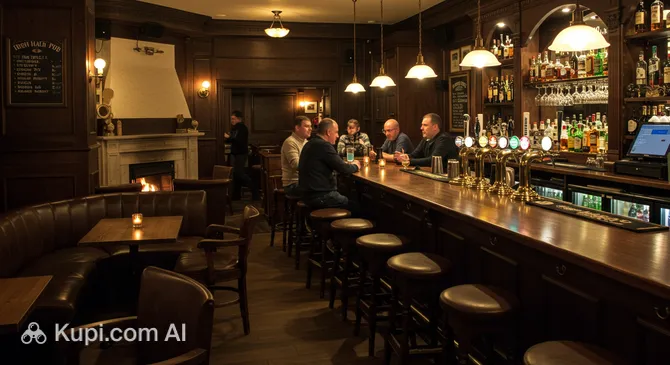
Those with a sweet tooth should look out for the famous "Luther Bun" (Lutherbrötchen) – a delicate pastry, often with a nut filling, traditionally served with aromatic coffee. Various homemade pies and honey treats can also be found at the city markets. Among drinks, Wittenberg takes special pride in its local beer, brewed according to old recipes. You can sample it in many of the city's pubs and restaurants, such as in the cozy atmosphere of The Harp Irish Pub.

Independent. Illustration.
Source: Kupi.com AI

Traveler photos:

The food culture in Wittenberg is diverse and welcoming. Locals and tourists alike enjoy gathering in traditional restaurants and cozy beer halls (Bierstuben), where they can leisurely enjoy a meal and soulful conversation. One establishment where you can get acquainted with local and European dishes is the Independent restaurant. During the warmer months, outdoor cafes are particularly popular, and city fairs and food festivals offer a wide selection of treats – from simple, hearty snacks to more refined dishes. If you want to try local pastries or confectionery, stop by Wikana Biscuit and Food.

Travel Tips

Welcome to Wittenberg, a city with a rich history and a landmark site of the Reformation! To make your journey through this charming German city as comfortable and memorable as possible, we have prepared some practical tips.

  1. Clothing and Essentials:

    The climate in Germany is temperate, so choose your clothing according to the season. In summer, light clothing is useful, but don't forget a sweater or jacket for evening walks. In autumn and spring, the weather is changeable, so layering is your best friend. In winter, a warm jacket, hat, gloves, and a scarf are necessary. Be sure to bring comfortable shoes, as the historical center of Wittenberg is best explored on foot. Don't forget an adapter for electrical appliances (Type F). When visiting numerous churches, including the Castle Church and St. Mary's Town Church, modest clothing covering shoulders and knees is recommended out of respect for the holy sites.

  2. Getting Around Town:

    Wittenberg is quite a compact city, and most of its attractions are within walking distance. For travel over longer distances, you can use local buses. Taxis are also available but can be more expensive. A rental car is unlikely to be needed for seeing the city itself but might be useful if you plan trips around the surrounding Saxony-Anhalt region.

  3. Financial Matters:

    The official currency in Germany is the Euro (EUR). Credit and debit cards (Visa, Mastercard) are accepted in most hotels, restaurants, and large stores. However, it is always useful to have some cash on hand for small cafes, markets, or souvenir shops. ATMs (Geldautomat) are easy to find throughout the city. Tips in restaurants are usually 5-10% of the bill if you liked the service, or you can simply round up the amount.

  4. Health and Safety:

    Wittenberg is a quiet and safe city. Nevertheless, always follow standard precautions: keep an eye on your belongings in crowded places. Pharmacies (Apotheke) are easily recognized by a red "A" sign or a green cross; note that most are not open 24/7, but there is always a duty pharmacy. For medical assistance, tourists from EU countries are recommended to have a European Health Insurance Card (EHIC); other tourists are strongly advised to arrange travel insurance before their trip.

  5. Communication:

    The official language is German. In tourist spots, hotels, and restaurants, many people speak English, especially the younger generation. However, knowing a few basic German phrases like "Hallo" (Hello), "Danke" (Thank you), "Bitte" (Please/You're welcome), and "Sprechen Sie Englisch?" (Do you speak English?) will be appreciated by the locals. Wi-Fi is available in many hotels, cafes, and some public places. You can purchase a local SIM card at mobile shops or supermarkets.

  6. Local Etiquette:

    Germans value punctuality, so try not to be late for meetings. A handshake is the standard greeting. In public places, especially on transport, try not to talk too loudly. Germany takes waste sorting very seriously, so pay attention to the container markings.

  7. Things to Avoid:

    Try not to make noise or behave provocatively in churches and memorial sites associated with Martin Luther and the Reformation, as these are places of great historical and spiritual significance. Also, avoid jokes or insensitive comments regarding sensitive historical topics.

  8. Wittenberg Specialty:

    Given the city's deep connection to Martin Luther, try to set aside time to visit the Luther House Museum and the Melanchthon House. These sites offer a unique look at the Reformation era. Also, keep in mind that many shops in Germany, including Wittenberg, are closed on Sundays, with the exception of some souvenir shops and cafes in tourist zones.

We hope these tips help you better prepare for your trip and get the most out of your stay in historic Wittenberg. Have a great journey!

Entertainment & Nightlife

Wittenberg, known for its rich history and connection to Martin Luther, offers its guests not only a full daytime program but also opportunities for pleasant evening relaxation. While the city isn't famous for boisterous nightclubs, you can find cozy spots to unwind after a day of sightseeing.

Evening life is mainly concentrated in the city center, particularly around the Wittenberg Market Square and its surrounding streets. Here, you will find a variety of bars and restaurants offering both local and international cuisine, as well as a good selection of drinks. The atmosphere in Wittenberg's establishments is generally calm and friendly, perfect for conversation. The dress code is usually casual, unless it’s a special event at a high-end restaurant.

Irish Harp Pub. Illustration.
Source: Kupi.com AI

Traveler photos:

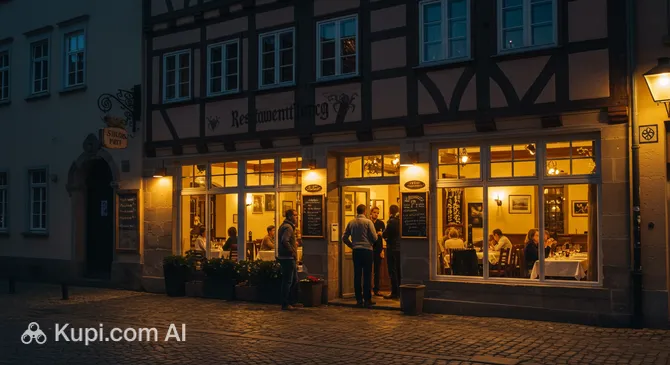
Among the popular spots for evening leisure is The Harp Irish Pub, where you can enjoy live music and a wide selection of beers in an authentic setting. Another option is the Independent restaurant, which offers a pleasant dinner and drinks in a stylish atmosphere. Most bars are open until late, especially on weekends. Prices in Wittenberg's bars and restaurants generally align with the German average.

Regarding safety, the central areas of Wittenberg are considered safe for evening walks. However, as in any city, it's wise to follow standard precautions. For nighttime travel, you can use taxi services, which can be called by phone or found at designated taxi stands.

During the day, Wittenberg offers a rich cultural program. Be sure to visit iconic sites like the Luther House, All Saints' Church (Castle Church) where the 95 Theses were posted, or the interactive Luther 1517 – Wittenberg 360° museum. For nature lovers, there is the Wittenberg Butterfly Park or the Wittenberg Zoo, both offering a pleasant outdoor retreat.

Parks & Museums

Wittenberg, a city rich in history, offers its guests not only an immersion into the era of the Reformation but also pleasant corners for outdoor relaxation. Well-maintained parks and iconic museums harmoniously coexist here, telling the stories of key events and figures that shaped this amazing place in Germany.

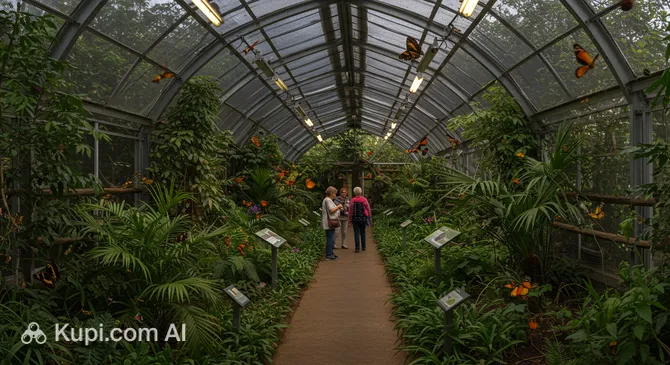
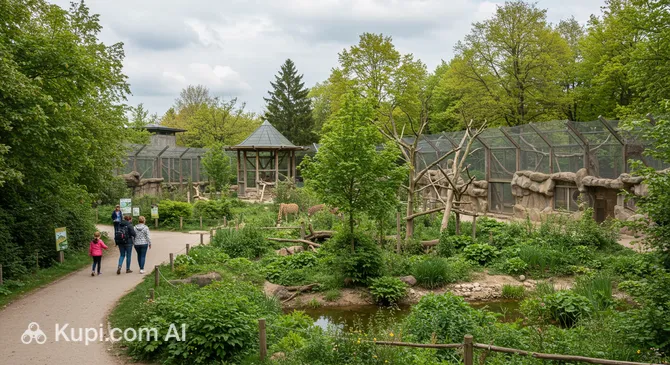
One of the most charming places for a stroll is the Wittenberg Butterfly Park. This is a true tropical oasis where you can admire hundreds of fluttering exotic butterflies surrounded by lush vegetation. It is especially popular with families and anyone looking to escape the city bustle. Nearby is the Wittenberg Zoo, which also offers a pleasant outdoor experience and the chance to see various animal species, making it a great choice for family leisure.

Butterfly Park Wittenberg. Illustration.
Source: Kupi.com AI

Traveler photos:

Wittenberg Zoo. Illustration.
Source: Kupi.com AI

Traveler photos:

Wittenberg's cultural heritage is impossible to imagine without its museums. The Luther House, a former Augustinian monastery where Martin Luther lived and worked, takes center stage. Today, it is the world's largest museum dedicated to the history of the Reformation, with an extensive collection of exhibits detailing the life and work of the great reformer. Another interesting site is the "Luther 1517 – Wittenberg 360°" panorama museum. This impressive circular canvas by artist Yadegar Asisi transports visitors to Luther-era Wittenberg, allowing them to feel the atmosphere of the 16th-century city.

Lutherhaus. Illustration.
Source: Kupi.com AI

Traveler photos:

Luther 1517 – Wittenberg 360°. Illustration.
Source: Kupi.com AI

Traveler photos:

Beyond the museums, the city itself is a living monument to history. Be sure to visit All Saints' Church (Castle Church), on whose doors Martin Luther reportedly nailed his 95 Theses. Equally significant is the Wittenberg Town Church (St. Mary's), where Luther often preached. Take a walk through Wittenberg Market Square, the heart of the old town, to admire the historical buildings and feel the spirit of the era.

All Saints' Church. Illustration.
Source: Kupi.com AI

Traveler photos:

Wittenberg Market Square. Illustration.
Source: Kupi.com AI

Traveler photos:

For a more authentic experience, turn off the main tourist paths and explore the quiet streets of the old town, where you can find charming courtyards and lesser-known historical details. To fully immerse yourself in the atmosphere, enjoy a cup of coffee at one of the cafes on the Market Square, watching the city's leisurely life go by.

Getting Around

Getting around Wittenberg is quite convenient, as the city is relatively small and many of its historical attractions are within walking distance. The backbone of the public transport system consists of buses that connect various parts of the city and its surroundings. The route network is well-developed, allowing you to reach most key points.

To pay for public transport in Wittenberg, tickets are used, which can be purchased from machines at stops, directly from bus drivers, or at designated sales points. Various types of tickets are available: single trip (Einzelfahrschein), day passes (Tageskarte) – which can be cost-effective when planning several trips in one day – and sometimes weekly or group tickets. It is recommended to check the current fares and ticket types on-site or on the local transport association's website, as they are subject to change.

Important point: a purchased ticket usually needs to be stamped (validated) before the start of the trip or immediately after entering the vehicle if the validators are inside. An unvalidated ticket is considered invalid, which may result in a fine during an inspection. Buses in Wittenberg generally run on schedule, which can be found at stops or online. Service is more frequent on weekdays than on weekends or in the evenings.

In addition to public transport, you can use taxi services in Wittenberg, with stands typically located near the station and other busy areas. For fans of active recreation and independent exploration, renting a bike is an excellent option – the city and its surroundings are perfectly suited for cycling, and a developed network of bike paths makes such trips comfortable and safe. The historical center of Wittenberg, with its numerous monuments from the Reformation era, is best explored on foot, soaking in the atmosphere of the ancient streets.

Accommodation

Wittenberg offers tourists a variety of accommodation options to suit different preferences and budgets. You can find everything from cozy guesthouses and pensions to comfortable hotels, as well as apartments for those who prefer more independence. The range varies from budget options to mid-range hotels offering a good level of service.

For maximum convenience and immersion in the city's historical atmosphere, many tourists prefer to stay in the central part of Wittenberg. Staying near iconic sites such as the Luther House, All Saints' Church, or the Wittenberg Market Square will allow you to easily explore the sights on foot. While specific famous hotels are not listed in the provided data, the city offers a wide selection of hotels across various categories.

Wittenberg Market Square. Illustration.
Source: Kupi.com AI

Traveler photos:

When planning a trip to Wittenberg, especially during the peak tourist season or during major events related to Luther's heritage, it is recommended to book your accommodation in advance. This will help you secure the best choice and more favorable prices. Accommodation prices vary: you can find both economical options and more expensive offers in hotels with an expanded range of services. Most hotels and apartments can be easily booked through popular online platforms or directly on the hotels' websites.

Nearby Cities

For those wishing to explore the surrounding area, Wittenberg serves as an excellent starting point for day trips to several interesting nearby locations.

For instance, Dessau-Roßlau, located just 28 km away, attracts architecture enthusiasts with its famous Bauhaus complex and is part of the Garden Kingdom of Dessau-Wörlitz, a UNESCO World Heritage site. Nearby is Mosigkau (about 34 km), where the main attraction is the magnificent Rococo-style Mosigkau Palace, also part of the Garden Kingdom. These cities offer a rich cultural heritage and wonderful opportunities for walking and exploring history.

CityPopulationDistance
Kemberg9 73711 km
Gräfenhainichen11 65420 km
Dessau-Rosslau81 23728 km
Bad Belzig11 09630 km
Jüterbog12 42333 km

These nearby destinations provide an insight into the region's diverse culture and landscapes.

Shopping & Souvenirs

Shopping in Wittenberg is a pleasant addition to exploring its rich historical heritage. While the city is not a major retail hub, it offers unique opportunities to purchase souvenirs related to Martin Luther and the Reformation era, as well as high-quality local goods. Here you will find cozy little shops alongside several modern retail outlets.

Wittenberg's main shopping streets are concentrated in its historical center. Take a walk down Collegienstraße and Schlossstraße, which lead to the Wittenberg Market Square. These streets are lined with many small boutiques, bookstores, handicraft shops, and, of course, souvenir stores where you can find a memento of the Luther City.

If you prefer one-stop shopping, check out the ARSENAL Shopping Center. This modern complex offers a good selection of clothing, footwear, electronics, and home goods stores, as well as cafes and restaurants where you can take a break.

ARSENAL Shopping Center. Illustration.
Source: Kupi.com AI

Traveler photos:

Markets are regularly held on the Wittenberg Market Square. The weekly market (Wochenmarkt) is particularly interesting, where you can buy fresh farm products, local delicacies, flowers, and handmade crafts. Theme-based fairs are also held here leading up to Christmas and Easter, creating a special atmosphere.

The main souvenirs from Wittenberg are, of course, connected to its famous resident Martin Luther and the Reformation. Popular items include books, reproductions of the 95 Theses, items featuring the Luther Rose, and various works by local artisans. Look out for products from local monasteries, such as liqueurs or honey. A good selection of themed souvenirs can be found in the shops at attractions like the Luther House.

Most shops in Wittenberg are open from Monday to Saturday, usually from 9:00/10:00 to 18:00/20:00. Smaller shops may close for a lunch break. On Sundays and public holidays, almost all shops are closed, except for some souvenir stores and shops at the train stations. Cash (Euro) and bank cards (Visa, Mastercard) are accepted. However, it is preferable to have cash on hand for smaller shops and markets.

Tourists from non-EU countries can take advantage of the Tax Free system when making purchases above a certain amount in participating stores. To do this, you must ask the salesperson for a special Tax Free form and present it along with your purchases at customs when leaving the EU to receive a VAT refund.

Reached the end of the page?

That means the route is fully explored