Support

Regensburg

About

Regensburg is a charming city on the banks of the Danube, where history comes to life at every turn, creating a unique architectural kaleidoscope. Located in the heart of Bavaria, about 120 kilometers northeast of Munich, this city is a gem of Germany and attracts travelers with its unique atmosphere.

Regensburg. Illustration.
Source: Kupi.com AI

With a population of about 153,00:00 people, Regensburg is one of the country's oldest cities and an important cultural center. Its perfectly preserved medieval Old Town, with narrow cobbled streets, majestic Gothic spires, and cozy squares, is a UNESCO World Heritage site. A walk through it is a real journey through time, where every stone breathes history.

Among Regensburg's iconic sites, the Stone Bridge (Steinerne Brücke) stands out—a 12th-century masterpiece of medieval engineering offering magnificent views of the Danube and picturesque cityscapes. Equally impressive is the majestic St. Peter's Cathedral, a striking example of Bavarian Gothic architecture whose towers dominate the city skyline. The city also takes pride in its Roman heritage, including the ancient Roman Gate (Porta Praetoria), a reminder of its deep historical roots dating back to the 2nd century AD.

Regensburg is a place where Bavarian hospitality, a rich historical legacy, and lively modern life blend harmoniously, thanks in large part to the local university. If you are looking for a city with a unique character, rich culture, and many amazing discoveries, Regensburg is undoubtedly worth your visit.

You can find more interesting facts on the Regensburg city history page.

Weather Overview

The weather in Regensburg is characterized by a moderate climate. Summers are warm, with average temperatures in July and August around 19.7°C, and maximum values can rise to 24-25°C. Winters in Regensburg are cool: the coldest month is January, with an average temperature of 1.3°C and minimum temperatures dropping slightly below zero. Precipitation is distributed relatively evenly throughout the year, averaging from 2 to 3 mm per month, with the number of rainy days varying from 11 to 16, peaking in May and December.

Overall, expect a warm summer with occasional rain and cool winters with moderate precipitation. For a more detailed look at weather conditions by month, you can visit the Regensburg Climate page.

Average monthly temperature

Average monthly precipitation

Interesting Facts

In addition to its famous landmarks, Regensburg holds many fascinating secrets and little-known details that make it even more attractive to curious travelers. Ready to learn a few of them?

Porta Praetoria. Illustration.
Source: Kupi.com AI

Traveler photos:

  • Few people know that Regensburg is one of the oldest cities in Germany, founded in 179 AD as the Roman camp Castra Regina. You can still see impressive remains from this period in the city, such as the ancient gate Porta Praetoria.

  • The famous Stone Bridge (Steinerne Brücke), a 12th-century masterpiece of medieval engineering, served as a model for many other bridges, including, legend has it, the Charles Bridge in Prague. For a long time, it was the only reliable crossing over the Danube on a huge section of the river between Ulm and Vienna.

  • Regensburg is home to the magnificent St. Emmeram's Palace, the ancestral home of the Princes of Thurn und Taxis. It was this family that played a key role in creating and developing the first regular postal service in Europe, effectively laying the foundations for the modern post.

  • Regensburg houses the completely unique and charming Dachshund Museum (Dackelmuseum)—the first and, by some accounts, only museum in the world entirely dedicated to this popular dog breed. It features an impressive collection of thousands of dachshund-related exhibits!

How to Get There

Regensburg is located in the heart of Bavaria and enjoys excellent transport accessibility, although the city does not have its own airport. Travelers can easily reach it using the major transport hubs of neighboring cities. You can study all the ways to get to the city in more detail, and below we look at the main options for arrival via the nearest airports and stations.

Since there is no airport in the city of Regensburg itself, you can fly into Munich Franz Josef Strauss Airport (MUC), which is located about 76.9 km from Regensburg. This is a major international aviation hub receiving flights from all over the world. Travel time from the airport to Regensburg by taxi or transfer is about an hour. Another convenient option is Nuremberg Airport (NUE), located in the city of Nuremberg, approximately 91.9 km from the destination. The journey from there takes about 1.5 hours.

For clarity, here is summary information on the main airports:

AirportPassenger trafficDistance
Franz Josef Strauss Airport39.8 mln77 km
Nuremberg Airport4.0 mln92 km
Karlovy Vary Airport37 900145 km
W. A. Mozart Salzburg Airport1.8 mln151 km
Ceske Budejovice Airport55 000170 km

The railway network in the region is excellently developed. Regensburg has its own railway station, but many tourists arrive via the region's largest hubs. You can arrive at Munich Central Station, which is about 105 km from Regensburg. Direct trains depart from there regularly. Another important hub is Nuremberg Hauptbahnhof, located 88.5 km away. A train journey from these stations to Regensburg is comfortable and doesn't take much time.

Below is information on the nearest major railway hubs:

StationPassenger trafficDistance
Nuremberg Hauptbahnhof76.7 mln88 km
Munich Hauptbahnhof164.3 mln105 km
Augsburg Hauptbahnhof18.3 mln115 km
Rosenheim Bus Station7.3 mln129 km
Salzburg Hauptbahnhof5.5 mln151 km

Main Attractions

Regensburg, a charming city in Bavaria, is rich in historical and cultural treasures. A walk through its ancient streets is a true journey back in time. Here are some key attractions you shouldn't miss.

One of the city's landmarks is the Stone Bridge (Steinerne Brücke). This medieval engineering masterpiece, built in the 12th century, was for centuries the only reliable crossing over the Danube in this region. The bridge offers magnificent views of the river and the historical city center, making it a favorite spot for photographers and romantic walks.

Stone Bridge. Illustration.
Source: Kupi.com AI

Traveler photos:

The majestic Regensburg Cathedral (Dom St. Peter) is the heart of the city and an outstanding example of Gothic architecture in Bavaria. Its construction began in the 13th century and continued for several centuries. Inside the cathedral, visitors are struck by the high vaults, magnificent stained glass windows, and the famous Regensburger Domspatzen boys' choir, whose singing can be heard during services.

Regensburg Cathedral. Illustration.
Source: Kupi.com AI

Traveler photos:

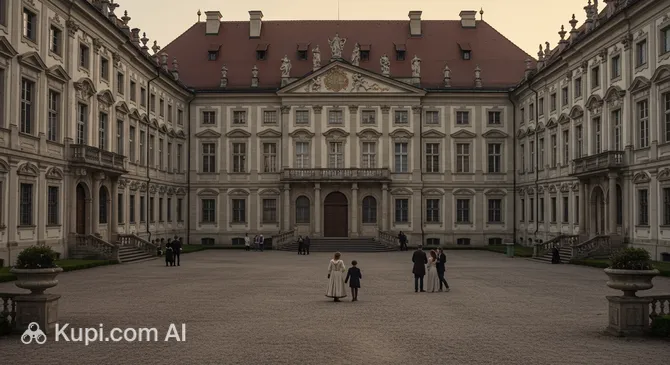
Equally impressive is St. Emmeram's Palace, also known as the Thurn und Taxis Palace. This huge complex, built on the site of an ancient monastery, is today the residence of the Princely House of Thurn und Taxis. Tours of the palace allow you to see luxurious interiors, an ancient library, and the tomb of Saint Emmeram. This place breathes history and aristocratic charm.

St. Emmeram Palace (Thurn and Taxis Palace). Illustration.
Source: Kupi.com AI

Traveler photos:

You can immerse yourself in the political history of Regensburg by visiting the Old Town Hall (Altes Rathaus). This historic building, consisting of several wings from different eras, served for centuries as the meeting place for the Perpetual Diet of the Holy Roman Empire. Today, you can explore the ancient halls, including the torture chamber, and learn many interesting facts about medieval justice.

Old Town Hall Regensburg. Illustration.
Source: Kupi.com AI

Traveler photos:

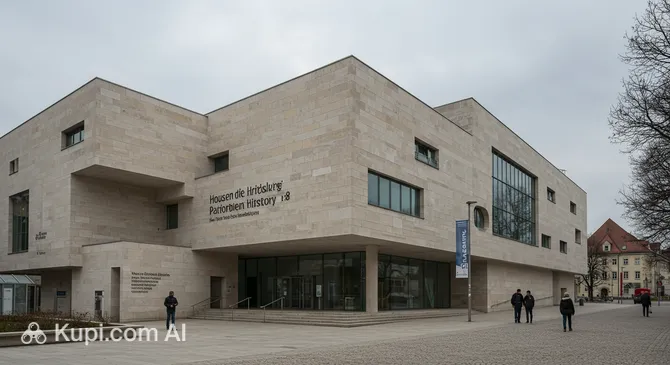
For those interested in the history of Bavaria in a broader context, the House of Bavarian History is a must-visit. This modern museum, opened in 2019, offers interactive exhibits telling the story of the past and present of this important German region. It is located on the banks of the Danube and attracts visitors with its innovative approach to historical materials.

House of Bavarian History. Illustration.
Source: Kupi.com AI

Traveler photos:

Local Cuisine

Regensburg is a true gastronomic paradise for those wanting to experience authentic Bavarian cuisine. The city is famous for its culinary traditions, where the quality of local products and centuries-old recipes play a leading role. The Regensburg food scene combines the coziness of traditional taverns with the liveliness of modern cafes.

The city's signature dish is undoubtedly the famous Regensburg sausages (Regensburger Würstl). These short, spicy pork sausages, cooked on the grill, are usually served in a bun with sweet mustard and horseradish or sauerkraut. The legendary place to taste them is the historic Wurstkuchl, the oldest sausage kitchen in the world, which has been operating by the Stone Bridge for over 500 years. Another iconic dish worth trying is the hearty pork knuckle (Schweinshaxe) with crispy skin, often served with dumplings (potato or bread Knödel) and braised cabbage.

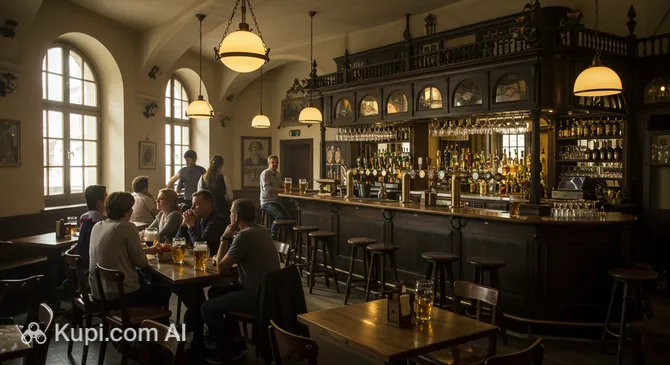
Of course, an introduction to Regensburg's cuisine would be incomplete without the local beer. Bavaria is beer country, and Regensburg proudly upholds this tradition. Here you will find many varieties, from classic light lager (Helles) to dark Dunkel and seasonal specialties. Local breweries, such as Bischofshof Braustuben, offer not only excellent beer but also an atmosphere of true Bavarian hospitality. Popular non-alcoholic drinks include juices (Apfelschorle – apple juice with mineral water) and lemonades.

Bischofshof Braustuben. Illustration.
Source: Kupi.com AI

Traveler photos:

The food culture in Regensburg is very social. Locals love spending time in traditional beer gardens (Biergarten) and restaurants, enjoying food and conversation. Tourists will also find many cozy cafes where they can try local desserts, such as apple strudel or Bavarian pretzels (Brezn), which pair perfectly with a cup of coffee. The city also regularly hosts farmers' markets where you can buy fresh local produce, and food festivals, which are particularly vibrant in the summer and before Christmas.

Travel Tips

Planning a trip to charming Regensburg? To ensure your journey through this Bavarian city goes smoothly and leaves only pleasant impressions, we have prepared some practical tips. They will help you navigate better and enjoy your stay in one of the oldest cities in Germany.

  1. Clothing and Essentials: Pack Wisely.

    The climate in Regensburg is temperate continental. Summers can be hot, and winters are cool with potential snowfall. Bring seasonal clothing, but always have a light jacket or sweater handy, as the weather can be changeable. A key element of your wardrobe is comfortable shoes, as the historic center with its cobblestones is best explored on foot. Don't forget an adapter for electrical appliances (Type F, standard for Europe). When visiting churches, such as the famous Regensburg Cathedral, it is customary to cover your shoulders and knees.

  2. Transport: Getting Around the City.

    The historic center of Regensburg is quite compact and easy to explore on foot. This is the best way to enjoy the atmosphere of the ancient streets. For longer trips, you can use the extensive network of city buses (RVV – Regensburger Verkehrsverbund). Tickets can be purchased from machines at stops or from the driver. Taxis are also available but can be more expensive. Renting a car makes sense if you plan to explore the Bavarian countryside, but it is not necessary for getting around the city itself, as parking in the center is limited and paid.

  3. Finances: Currency, Cards, and Tipping.

    The official currency is the Euro (EUR). Bank cards (Visa, Mastercard) are accepted almost everywhere: in shops, restaurants, and hotels. However, it is always useful to have some cash on hand for small purchases or at markets. ATMs (Geldautomat) are easy to find throughout the city. Tipping in restaurants and cafes is welcomed, usually amounting to 5-10% of the bill if you liked the service. You can round up the amount or say "Stimmt so" (keep the change) if you are very satisfied.

  4. Health and Safety: Taking Care.

    Regensburg is a very safe city. Nevertheless, standard precautions, such as watching your personal belongings in crowded places, are advisable. Pharmacies (Apotheke) are easily identified by a green cross; information about on-duty pharmacies working at night and on weekends is usually posted on the door of each one. If medical assistance is needed, tourists with insurance should call the number on their policy or go to the nearest hospital (Krankenhaus).

  5. Communication: Language and Connection.

    The official language is German. In tourist areas, hotels, and restaurants, many people speak English, especially the younger generation. However, knowing a few basic phrases in German, such as "Hallo" (Hello), "Danke" (Thank you), and "Bitte" (Please/You're welcome), will be appreciated by the locals. Free Wi-Fi is available in many cafes, restaurants, and hotels. A local SIM card can be purchased in supermarkets or mobile stores if you need constant internet access.

  6. Local Etiquette: Respecting Traditions.

    Germans value punctuality, so try not to be late for appointments. When entering a shop or a small establishment, it is customary to say hello ("Guten Tag" – Good day, or "Grüß Gott" – a traditional Bavarian greeting). Try not to be noisy in public places. Addressing strangers as "Sie" (formal "you") is the norm, especially with the older generation.

  7. What to Avoid: A Few "Don'ts."

    Try not to cross the road in the wrong place (jaywalking)—it is not only unsafe but can also lead to a fine. Also, avoid loud behavior in public places, especially in the evenings in residential areas. Germans value order and quiet.

  8. Extra Tip: Soak in the Atmosphere.

    Try to visit one of the traditional beer gardens (Biergarten), especially in the warmer months—it's a great way to feel the local flavor. Also, keep an eye out for markets, such as the one on Haidplatz, where you can buy fresh produce and local delicacies. If your trip coincides with one of the city's festivals, such as the Regensburger Dult (spring and autumn) or the Christmas market, be sure to visit—it's an unforgettable experience!

We hope these tips make your stay in Regensburg even more comfortable and memorable. Enjoy this amazing city with its rich history and hospitable atmosphere!

Entertainment & Nightlife

Regensburg, with its rich history and picturesque streets, offers a variety of options for evening and night relaxation. While the city is not famous for wild metropolitan parties, it boasts a cozy and friendly atmosphere that attracts both locals and tourists.

Most of Regensburg's nightlife is concentrated in its historical center (Altstadt). The streets around Haidplatz and Neupfarrplatz, as well as along the Danube promenade, come alive in the evening. Here you will find many traditional Bavarian beer halls, stylish cocktail bars, and cozy wine cellars. The atmosphere in most establishments is quite relaxed, and there is usually no dress code, except for some of the trendier clubs. Bars usually start filling up after 8:00-9:00 PM and stay open until late at night, especially on weekends.

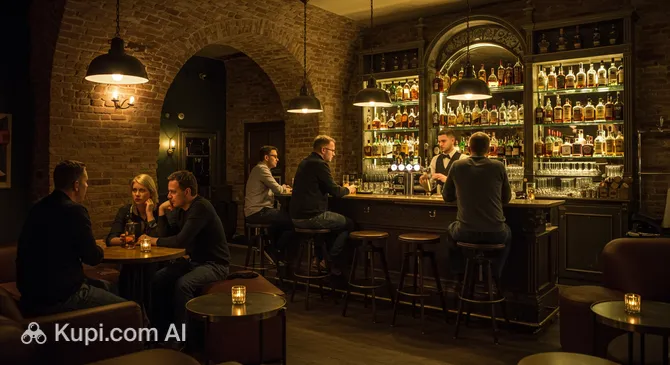
Among the popular spots is Bischofshof Braustuben, where you can enjoy local beer in an authentic setting. If you prefer more modern drinks and vibes, check out Wanderlust bar, known for its cocktails. Also worth noting is Malefiz Cafe and Bar, which offers a pleasant atmosphere for evening gatherings. Although there aren't as many nightclubs in Regensburg as in larger cities, existing venues offer music for every taste, from electronic to popular hits.

Wanderlust. Illustration.
Source: Kupi.com AI

Traveler photos:

When planning an evening out, keep in mind that popular places can get quite crowded on Friday and Saturday, so it's better to arrive early. Average drink prices are comparable to other German cities. It is convenient to get around the city center on foot at night. If your accommodation is further away, you can use taxi services, which are easy to find at designated ranks or call by phone. The central districts of Regensburg are considered safe for night walks, but you should always follow standard precautions.

During the day, Regensburg also offers plenty of entertainment. You can visit numerous museums, such as the House of Bavarian History or the unique Dachshund Museum. For lovers of outdoor activities, Stadtpark or Herzogspark are excellent choices. The city's theaters also offer a diverse cultural program.

Parks & Museums

Regensburg is a city where history harmoniously blends with nature, offering visitors both tranquil green oases and rich cultural treasures. Everyone will find something to their liking here, whether it's a stroll through an ancient park or diving into the fascinating world of museums.

Among the city's green spaces, Stadtpark particularly stands out as the largest park in Regensburg. It is a wonderful place for relaxation, picnics, and leisurely walks along well-kept alleys and lawns. No less charming is Herzogspark, a former ducal garden that today delights visitors with its flower beds, ancient trees, and remains of medieval fortifications. Nature lovers will also enjoy walks along the banks of the Danube, where they can take in picturesque views and fresh air, or visit islands like Jahninsel.

Stadtpark. Illustration.
Source: Kupi.com AI

Traveler photos:

Herzogspark. Illustration.
Source: Kupi.com AI

Traveler photos:

The cultural life of Regensburg is equally rich. Be sure to visit the House of Bavarian History (Haus der Bayerischen Geschichte), a modern museum that tells the story of this important German region's past in an interactive and engaging way. A unique experience is a visit to the Historic Spitalkeller Tavern and Monument, which, while being a museum, also allows you to touch the city's gastronomic history. And for those looking for something unusual, the Dachshund Museum (Dackelmuseum) is perfect—the only museum of its kind dedicated to this charming dog breed, offering a fun and educational exhibit.

House of Bavarian History. Illustration.
Source: Kupi.com AI

Traveler photos:

Dachshund Museum. Illustration.
Source: Kupi.com AI

Traveler photos:

Many of these parks and museums are located in close proximity to the historic city center, making it easy to combine cultural enrichment with walks through ancient streets past iconic landmarks like Regensburg Old Town Hall or the majestic Regensburg Cathedral. For authentic impressions beyond the main sights, explore less obvious corners, such as a walk on the mentioned Jahninsel on the Danube, which offers tranquility and beautiful city views, or discover the charming courtyards in the Ostengasse district.

Getting Around

Getting around Regensburg is quite convenient thanks to a well-developed public transport system, primarily based on buses. The city and its surroundings are served by the RVV (Regensburger Verkehrsverbund) transport association, which offers an extensive network of routes that allow you to reach most places of interest to tourists.

The main form of public transport in Regensburg is the bus. There is no metro or tram system in the city, but the bus network covers both central areas and suburbs. There are also special routes, such as the "Altstadtbus" (Old Town bus), which runs through the narrow streets of the historic center, which is especially convenient for tourists. Buses run regularly, but intervals may increase in the evening and on weekends.

The fare system in Regensburg is quite flexible. You can purchase single tickets (Einzelticket), short-trip tickets (Kurzstrecke), and day passes (Tages-Ticket), which can be advantageous if you plan to move around a lot, as well as weekly (Wochenkarte) or monthly (Monatskarte) passes. "Streifenkarte"—cards with several strips (trips) that can be used for yourself or a group—are also popular. Tickets can be bought from machines at stops, from the bus driver (sometimes cash only and may be more expensive), at RVV customer service centers, or via the RVV mobile app, which is often the most convenient method. The approximate cost of a single ticket within one zone is about 3 euros, and a day ticket is about 6-7 euros.

Tourists are advised to check schedules in advance and plan their route using the RVV website or app. Tickets bought from machines are usually already validated. If you buy a ticket from the driver or use a "Streifenkarte," it must be stamped in a special machine inside the bus. Most bus lines operate from around 5:00-6:00 AM until midnight. Night routes (Nachtbus) operate on Friday and Saturday.

In addition to public transport, there are other ways to get around Regensburg. The historic city center, a UNESCO World Heritage site, is best explored on foot—it is quite compact. Regensburg is also very bike-friendly, with many cycle paths and bike rental points. Of course, taxi services are always available and can be called by phone or found at designated ranks. Car-sharing services may also be available in the city, but they are less in demand for tourist purposes in the center.

Accommodation

In Regensburg, travelers will find a wide range of accommodation options to suit various preferences and budgets. The city offers everything from cozy guesthouses and budget hostels to comfortable mid-range hotels, stylish boutique hotels, and apartments for those who prefer more independence.

The most popular area for tourists to stay is undoubtedly the Old Town (Altstadt), a UNESCO World Heritage site. Staying here puts you within walking distance of major attractions, such as the majestic Regensburg Cathedral, the historic Stone Bridge, and the charming Haidplatz. Hotels and apartments in this part of the city are often located in historic buildings, adding special charm to your stay.

Stone Bridge. Illustration.
Source: Kupi.com AI

Traveler photos:

Although specific hotels were not provided in the list, Regensburg is famous for many well-established hotels and pensions offering high-quality service. You will easily find options that meet your expectations, whether it's a family-run hotel or a modern business hotel.

Regarding booking, it is strongly recommended to reserve accommodation in advance, especially if your trip coincides with the peak tourist season (summer) or during major festivals and events that Regensburg is famous for. The price range varies from budget options to more expensive luxury offerings. You can book accommodation through popular online platforms or directly on hotel websites.

Nearby Cities

For those looking to explore the surrounding area, Regensburg serves as an excellent starting point for day trips to several interesting nearby places:

CityPopulationDistance
Lappersdorf13 2984 km
Obertraubling8 5577 km
Neutraubling13 9818 km
Bad Abbach12 5159 km
Wenzenbach8 90010 km

For example, a trip to Straubing will delight history buffs with its magnificent Basilica of St. Jacob and picturesque town square, as well as the annual Gäubodenvolksfest. Kelheim, located at the confluence of the Danube and Altmühl, is famous for the monumental Liberation Hall (Befreiungshalle) and its proximity to the impressive Danube Gorge. Meanwhile, Schwandorf attracts visitors with its charming old town and the historic Blasturm tower, serving as an excellent starting point for walks in the Upper Palatinate Forest.

These nearby destinations offer a glimpse into the diverse culture and landscapes of the region.

Shopping & Souvenirs

Regensburg offers its visitors a pleasant shopping experience, combining the charm of the historic center with modern retail opportunities. The city is known less for specific mass-produced goods and more for high-quality crafts, local delicacies, and souvenirs reflecting Bavarian culture. Here you can find both famous brand stores and small family shops with a unique selection.

The main shopping arteries of Regensburg are the streets in its Old Town, a UNESCO World Heritage site. Stroll down Maximilianstraße and its adjacent streets, such as Gesandtenstraße and Wahlenstraße. Boutiques, clothing and shoe stores, jewelers, as well as bookstores and souvenir shops are concentrated here. The atmosphere of the ancient buildings makes the shopping process particularly pleasant.

For those who prefer shopping under one roof, Regensburg has several shopping malls. One of the most popular is Regensburg Arcaden, which offers a wide range of clothing, electronics, and cosmetics stores, plus a food court. Another large shopping complex is Donau-Einkaufszentrum, located slightly away from the center but easily accessible by public transport. A variety of brands and services are also represented here.

Regensburg Arcaden. Illustration.
Source: Kupi.com AI

Traveler photos:

Regular markets add local flavor to city shopping in Regensburg. On Neupfarrplatz, you can often find farmers' markets selling fresh local produce, cheeses, sausages, and pastries. During the pre-Christmas period, one of Bavaria's most beautiful Christmas markets unfolds here. It's also worth looking out for flea markets (Flohmarkt) that are periodically organized in different parts of the city—a great opportunity to find antiques or unusual trinkets.

As souvenirs from Regensburg, tourists often bring back traditional Bavarian goods: beer steins (Bierkrüge), wooden crafts, and traditional costumes or accessories. Be sure to look for the famous Händlmaier's sweet mustard—it is a true Regensburg specialty. Souvenirs featuring the Stone Bridge or Regensburg Cathedral are also popular. In souvenir shops, you can also find items related to the Princely House of Thurn und Taxis, such as reproductions or postcards of their palace.

Most shops in Regensburg are open from Monday to Saturday, usually from 10:00 AM to 6:00 PM or 8:00 PM for larger malls. On Sundays and public holidays, almost all shops are closed, except for some souvenir shops in tourist areas and stores at the railway station. Both cash (Euro) and bank cards (Visa, Mastercard) are accepted. Smaller shops and markets may prefer cash.

Tourists from non-EU countries can use the Tax-Free system to get a refund of VAT (Mehrwertsteuer, MwSt.) on their purchases. To do this, you need to make a purchase for a certain amount in a participating store and ask for a special Tax-Free form. When leaving the EU, this form must be presented at customs for a stamp, after which you can receive your tax refund.

Nearby cities

Reached the end of the page?

That means the route is fully explored