Support

Historisches Museum Regensburg

About

Discover a treasure trove of cultural heritage at the Historical Museum of Regensburg. This is the city's primary museum space, which carefully preserves the region's history from the Stone Age to the end of the 19th century. Located within the walls of a magnificent ancient monastery on Dachauplatz, the museum itself is an outstanding architectural monument.
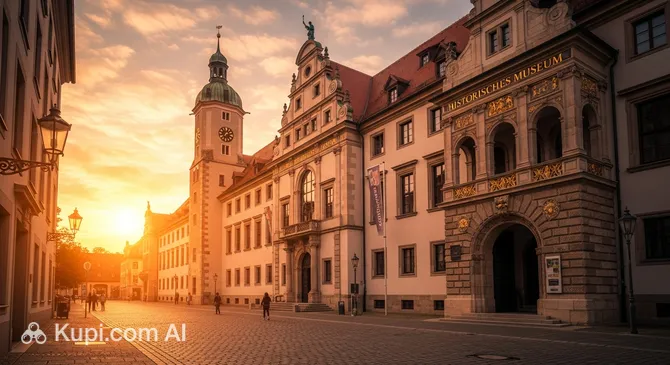
Regensburg Museum of History
Regensburg Museum of History. Иллюстрация. Источник: Kupi.com AI

In a country like Germany, it is hard to find a place more saturated with archaeological rarities. Regensburg takes great pride in this museum, as it features unique artifacts from the Roman fortress Castra Regina, medieval stone carvings, and masterpieces of sacred art. Strolling through its halls, you will see how the city's daily life and culture have changed over the millennia.

The building housing the exhibition is the former three-aisled basilica of the Minorite monastery, once considered one of the largest in the region. Today, prehistoric finds, medieval furniture, and even works of modern East Bavarian art sit side-by-side beneath its vaults, creating a continuous thread of time.

Contacts

For updated information on special exhibitions or to book a tour, you can use the museum's contact details.

How to contactContact
AddressDachaupl. 2, 93047 Regensburg, Германия
Phone+49 941 5072448
Websitewww.regensburg.de

What to Do

An exciting journey through the centuries awaits you in the museum's halls. Be sure to pay attention to the section dedicated to the Roman period: here you can see the remains of the Legio III Italica camp and gain a better understanding of the ancient settlement's layout. No less impressive are the models of the medieval city, including a detailed model of the famous 12th-century Stone Bridge (Steinerne Brücke).

Art lovers should visit the rooms featuring winged altars and sacred sculptures from the 15th to 17th centuries. The exhibitions dedicated to daily life and trade allow you to see Regensburg through the eyes of its residents from different eras: from wealthy merchants to simple craftsmen. You can examine antique furniture, mechanisms from the industrial era, and unique coin treasures.

After immersing yourself in history, stop by the cozy cafe at the museum to discuss what you've seen. The atmosphere of the monastery walls, combined with the rich collections, makes this visit more than just a walk through museum halls—it is a full immersion into the UNESCO-status context of this amazing city.

Getting There

The museum is located at Dachaupl. 2, in the heart of the historic center. Thanks to its central position in the Dachauplatz area, it is very easy to reach on foot from most of the old town's iconic landmarks, including the famous Stone Bridge and the Danube embankment.

If you plan to use public transport, look for the Dachauplatz stop, which is served by numerous bus lines. From the city's main station (Regensburg Hbf), the walk to the museum takes no more than 15–20 minutes, making it an excellent starting point for a walking tour.

For those traveling by car, it is recommended to leave your vehicle in one of the large public parking lots on the perimeter of the historic center (such as the parking areas near the Danube), as the streets in the immediate vicinity of the museum are quite narrow and pedestrianized. You can also always use a taxi from anywhere in the city for maximum comfort.

Ближайший город: Regensburg

History & Facts

The history of this site began back in 1221, when the Minorite Monastery of St. Salvator was founded in the city. The construction of the complex, which later became the largest Minorite church in Southern Germany, lasted several centuries with the support of noble figures, including Count Otto VIII of Bavaria and King Henry VII.

After the monastery was closed in 1799, the buildings went through a turbulent succession of owners and purposes. At various times, it housed a school, administrative offices, and even barracks for the Bavarian army. The complex's rebirth as a cultural center occurred in 1931, when city authorities decided to transform the former monastery into a museum of cultural history.

Today, the museum's exhibitions serve as a living testament to the region's evolution. Here, you can trace the path from the ancient Roman fortress of Castra Regina to its status as the capital of the Perpetual Diet (Everlasting Reichstag). The core of the collection consists of the extensive archives of the Historical Society of the Upper Palatinate, which have been gathered since the mid-19th century.

Time Needed

To leisurely explore all the key halls—from archaeological finds to 19th-century crafts—we recommend allowing 2 to 3 hours for your visit. This will be enough time to get acquainted with the Roman heritage and the impressive medieval artifacts.

If you are passionate about art history or architecture, your stay may be longer, as the monastery building itself, with its Gothic vaults, deserves separate attention. The museum has a peaceful atmosphere that encourages a thoughtful study of the exhibits.

Working Hours

The museum welcomes visitors from Tuesday to Sunday, 10:00 AM to 4:00 PM. Please note that Monday is traditionally a closing day.

Before visiting on public holidays, it is recommended to check the information on the official website, as there may be changes to the schedule.

DayWorking hours
понедельникЗакрыто
вторник10:00–16:00
среда10:00–16:00
четверг10:00–16:00
пятница10:00–16:00
суббота10:00–16:00
воскресенье10:00–16:00

Nearby

Its location in the historic center makes visiting the museum an ideal starting point for further exploration. Just a few steps away, you will find unique architectural monuments that will help you fully immerse yourself in the atmosphere of the ancient city.

NameDistance
House of Bavarian History0.3 km
Regensburg Cathedral0.3 km
Neupfarrplatz0.4 km
Porta Praetoria0.4 km
Dachshund Museum0.4 km
Malefiz Café & Bar0.5 km
Stone Bridge0.6 km

Reached the end of the page?

That means the route is fully explored