Support

Haithabu Viking Museum

About

The Haithabu Viking Museum is a unique journey through time, located on the historical site of one of the most important trading centers of the Viking Age. Situated in the city of Schleswig in northern Germany, this archaeological complex offers visitors a chance to immerse themselves in the life and daily routine of the Scandinavian seafarers who lived here over a thousand years ago.
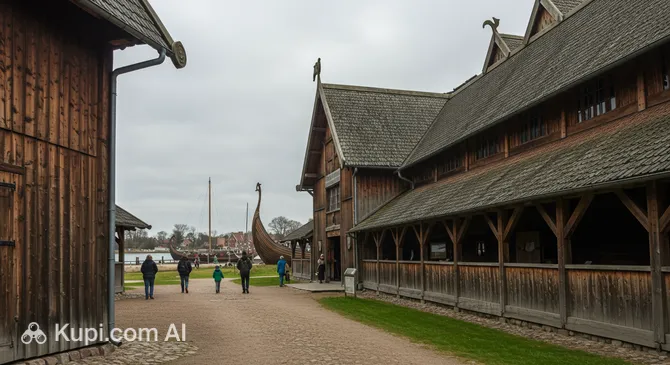
Haithabu Viking Museum. Illustration.
Source: Kupi.com AI

Traveller photos:

The museum's main feature is the open-air village, where seven Viking houses have been reconstructed based on real archaeological finds. Walking through the streets of the ancient settlement of Haithabu, you can peek into dwellings, workshops, and meeting halls to see with your own eyes how its inhabitants lived, worked, and traded. This location was a key hub on the trade routes between Scandinavia and the rest of Europe.

The main museum building features an impressive exhibition of original artifacts discovered during decades of excavations. Here you will see unique jewelry, weapons, everyday items, and even the remains of the famous Haithabu ship. The exhibition vividly demonstrates the skill of craftsmen and tells the story of the culture, beliefs, and long-distance voyages of the Vikings.

A visit to the Haithabu museum, which is part of the UNESCO World Heritage, will be an exciting adventure for the whole family and anyone interested in European history. It is not just a museum, but a living portal to the past, allowing you to touch the world of legendary northern warriors and traders.

Contacts

To plan your visit to the Haithabu Viking Museum and check current information regarding opening hours or ticket prices, you can use the official contact details. All the necessary information is usually available on the museum's website.

How to contactContact
AddressHaddebyer Ch B76, 24866 Busdorf, Germany
Phone+49 4621 813122
Websitewww.haithabu.de

What to Do

Visiting the Haithabu Viking Museum is a unique opportunity to travel back in time and find yourself in one of Northern Europe's most significant Viking Age trading settlements. Located on a historical site near Schleswig, this complex is a UNESCO World Heritage site. Here, you don't just look at exhibits; you literally immerse yourself in the atmosphere of life, daily routines, and crafts of the Scandinavian seafarers who lived here more than 1,000 years ago.

The main museum exhibition is divided into two parts. The modern exhibition building houses valuable archaeological finds made in this area. Visitors can see unique jewelry, weapons, tools, everyday items, and even an impressive royal ship raised from the bottom of the fjord. The most exciting part is the open-air village, where seven Viking houses have been reconstructed with historical accuracy. You can step inside the dwellings, study their layout, and imagine how the daily lives of their inhabitants unfolded.

The museum offers many interactive activities that make the visit particularly interesting. During the warmer months, the village "comes to life": craftsmen work here, demonstrating ancient techniques—from blacksmithing and weaving to pottery. Themed events, workshops, and demonstrations, such as archery or cooking using ancient recipes, are often held. This is a wonderful opportunity not only to see but also to feel history, making the Haithabu Museum a fascinating place for visitors of all ages.

Getting There

The Haithabu Viking Museum is situated in a picturesque location just a few kilometers south of the city of Schleswig, on the opposite bank of the Schlei fjord. Thanks to its convenient location, there are several ways to reach this unique historical complex. The easiest and fastest option is by car. The museum has a large parking lot, making this method especially convenient for families and those traveling through Germany by car.

If you prefer public transport, buses run regularly from the center of Schleswig, specifically from the central bus station (ZOB), with routes passing in the immediate vicinity of the museum. The bus ride is quick and allows you to enjoy the surrounding views without worrying about parking. Additionally, you can always take a taxi from the train station or the city center, which is a fast and comfortable solution.

For outdoor enthusiasts and scenery lovers, there is a wonderful opportunity to reach the museum on foot or by bicycle. The scenic route from Schleswig across the bridge offers magnificent views of the fjord and the city skyline. Such a walk is a small adventure in itself. During the warmer months, it’s also worth checking if small tourist boats are operating on the fjord—this is perhaps the most atmospheric way to reach the ancient Viking settlement.

Nearest city: Schleswig

History & Facts

The Haithabu Viking Museum is more than just an exhibition space; it is one of the most significant archaeological sites in Germany dedicated to the Viking Age. The museum's uniqueness lies in its location: it stands on the historical site where one of Northern Europe's largest trading cities, Haithabu (also known as Hedeby), once flourished. This allows visitors to literally touch history while walking on the ground where life bustled over a thousand years ago.

During the Viking Age, from the 8th to the 11th century, Haithabu was a vital trading hub connecting Scandinavia with continental Europe and the Baltic region with the North Sea. The city was a true metropolis of its time, home to craftsmen, traders, and mariners from various cultures. Archaeological excavations, which have been ongoing for over a century, have revealed incredible details about the daily life, crafts, and trade relations of its inhabitants. The museum displays thousands of artifacts found on-site, including weapons, jewelry, everyday items, and even ship remains.

The main highlight that particularly impresses visitors is the reconstructed Viking village. Seven houses were rebuilt on the shores of the Schlei fjord based on archaeological finds, using authentic materials and techniques of the time. Strolling through this village, you can peek into dwellings, workshops, and a large meeting hall to get a vivid idea of how the Vikings lived, worked, and relaxed.

In 2018, the Haithabu archaeological complex, along with the Danevirke defensive wall, was inscribed as a UNESCO World Heritage site. This recognition highlights the exceptional importance of this location for understanding the history of not only the Vikings but also all of Europe. A visit to the museum near Schleswig is a unique opportunity to travel back in time and see history come to life.

Time Needed

To fully enjoy a visit to the Haithabu Viking Museum, it is worth setting aside approximately 3-4 hours. This is enough time to explore both main parts of the complex without rushing: the modern museum building and the reconstructed open-air village.

Touring the main exhibition building, which showcases unique archaeological finds including the famous Haithabu ship, usually takes about 1-1.5 hours. After that, you will need at least another 1.5-2 hours to walk through the reconstructed Viking village. It is located on the historical site, where you can peek into residential houses and craft workshops to feel the atmosphere of one of Northern Europe's most important trading centers.

If you plan to attend a special event, participate in a workshop, or simply want to take a leisurely stroll through the scenic grounds by the Schlei fjord, feel free to budget half a day for your visit. For visitors deeply passionate about Viking history, this place might be so interesting that it’s easy to spend even more time here.

Working Hours

The Haithabu Viking Museum is one of the key attractions in Schleswig, and its opening hours vary depending on the time of year. Typically, the museum is open to visitors year-round, but with seasonal changes in the schedule. In the summer period, roughly from April to October, the museum stays open longer and offers access to all exhibitions, including the reconstructed open-air Viking houses. During the winter months, hours are reduced, and part of the outdoor exhibition may be closed due to weather conditions.

To plan your visit as effectively as possible, it is highly recommended to check the current opening hours and ticket prices on the museum's official website just before your trip. This is especially important as special events or temporary exhibitions may affect the schedule. Pre-booking tickets online is generally not mandatory for individual visitors but can be helpful during peak tourist season to avoid queues and guarantee entry at a convenient time.

9:00 – 17:00

Nearby

A visit to the Haithabu Viking Museum is a fascinating immersion into history, but you shouldn't stop there. Exploring the surrounding area will allow you to better understand the cultural and historical context of this place. Near the museum, you will find many other interesting sites, from scenic nature spots to cozy establishments where you can relax and share your impressions.

A walk to nearby attractions will enrich your trip to Schleswig and offer new discoveries. Just a few minutes' walk or a short drive away, you will find places that perfectly complement your day dedicated to the Viking Age. Below is a list of nearby attractions with their distance from the museum.

NameDistance
Haithabu Archaeological Walk0.2 km
Marienbad Beach Restaurant1.2 km
Strand Bistro Luisenbad1.7 km
Holm Historic Fishing Village1.7 km
Bistro Marvil2.3 km
Gottorf Castle Museums Island2.4 km
Waldschlösschen Restaurant3.4 km

Reached the bottom of the page?

Looks like you know this route inside out