Support

Schleswig

About

Schleswig is a charming and incredibly atmospheric city located in the far north of Germany, on the banks of the picturesque Schlei Bay, which connects to the Baltic Sea. Situated in the state of Schleswig-Holstein, just a few dozen kilometers from the Danish border, the city has absorbed a special northern charm with a light Scandinavian touch. Here, ancient streets, majestic cathedrals, and the soothing beauty of North German nature intertwine harmoniously.
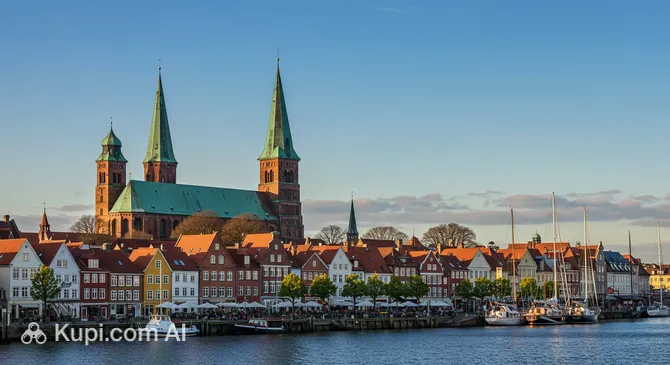
Schleswig. Illustration.
Source: Kupi.com AI

With a population of about 25,500 people, Schleswig remains a relatively small but very significant regional center. It is a city with a rich history, where coziness and a measured pace of life prevail over the bustle of megacities. The atmosphere of Schleswig seems tailor-made for leisurely strolls: you can wander for hours along the promenade, admire the reflection of old buildings in the water, and enjoy the fresh Baltic wind.

Among the city's key attractions, the majestic St. Peter's Cathedral stands out, its spires dominating the cityscape. No less remarkable is Gottorf Castle, located on an island in the Schlei Bay, which today houses two major museums. A walk through the historic fishing quarter of Holm, with its characteristic houses and narrow streets, will allow you to feel the spirit of old Schleswig.

Schleswig is an ideal place for those seeking authenticity, tranquility, and the real northern Germany without excessive tourist noise. If you value history, unique architecture, and stunning views of the water, then this city undoubtedly deserves your attention.

You can find more interesting facts on the history of Schleswig page.
Weather Overview

The weather in Schleswig is characterized by a temperate maritime climate. Summers here are usually mild and pleasant, with average temperatures in July and August around 17-18°C, and maximum values reaching 20-21°C. Winters are cool but not harsh: the average temperature in January and February stays around 3-4°C. Precipitation is distributed fairly evenly throughout the year, with an average of 2-3 mm per month falling; however, the number of rainy days is quite high, indicating frequent but usually not heavy rain. Overall, expect moderately warm summers with occasional precipitation and cool, damp winters.

For a more detailed forecast and information by month, you can visit the weather in Schleswig page.

Average monthly temperature

Average monthly precipitation

Interesting Facts

In addition to its famous landmarks, Schleswig holds many surprising stories and little-known details that make it truly special. Ready to learn a few of them?

Gottorf Castle Museums Island. Illustration.
Source: Kupi.com AI

Traveler photos:

  • Did you know that one of the largest and most important trading centers of the Viking Age, Haithabu, was once located right next to Schleswig? Today, its rich heritage can be explored at the Haithabu Viking Museum, where ancient history literally comes to life, as well as by taking the Archaeological Walk of Haithabu.

  • The majestic Gottorf Castle, one of the city's main gems, is not just a beautiful building—it is located on a picturesque island in the Schlei Bay. Within its walls lie not only extensive museum collections but also an ancient chapel, which is a true treasure for art and history lovers.

  • The charming old fishing quarter of Holm is more than just a photogenic spot. Its residents still carefully preserve the unique tradition of decorating their tiny, toy-like houses with bright flowers, passing this custom down through generations and creating a unique fairytale atmosphere.

  • St. Peter's Cathedral, rising proudly over Schleswig, has a history of more than 900 years. Its impressive tower not only serves as a landmark but also offers one of the best panoramic viewing platforms, providing a breathtaking view of the city, the Schlei Bay, and the surrounding landscapes.

How to Get There

When planning a trip to this cozy city in northern Germany, it is important to think through your route in advance. Schleswig has good transport accessibility, although the city does not have its own airport. You can find more details on how to get to Schleswig by studying various route options, but tourists most often choose a combined path: flying to a major hub and then traveling by train or car.

The most convenient and popular option for international travelers is Hamburg Airport (IATA: HAM). This is a major international aviation hub located in the city of Hamburg, approximately 103 km from Schleswig. From the airport, you can reach your destination by rental car (the trip takes about 1 hour and 15 minutes) or use the convenient railway connection with a transfer at Hamburg Central Station.

An alternative option, especially for those traveling from Scandinavia or looking for specific flights, could be Billund Airport (IATA: BLL). It is located in Billund (Denmark), at a distance of about 138 km from Schleswig. The journey by car takes approximately 1 hour and 40 minutes. This is the second-largest airport in Denmark, serving many international destinations.

For clarity, here is a summary of the main airports through which you can reach the region:

AirportPassenger trafficDistance
Sonderborg Airport74 00051 km
Westerland - Sylt Airport125 74590 km
Hamburg Airport13.6 mln103 km
Lübeck Blankensee82 550110 km
Esbjerg Airport47 000128 km

Rail connection is one of the most comfortable ways to get to Schleswig. Although the city itself has a railway station, the main transfer hubs for long-distance travel are located in large neighboring cities. The main entry point for most tourists is Hamburg Hauptbahnhof (Hamburg Central Station). It is located in the city of Hamburg, about 112 km from Schleswig. It is one of the busiest stations in Europe, with regular regional express trains heading toward Schleswig; the train journey takes about 1 hour and 20 minutes.

You can also consider a route via Bremen Central Station, located in Bremen (about 168 km from Schleswig). This is a major transport hub, convenient for those arriving from western or southern Germany. From here, Schleswig can be reached with a transfer in Hamburg, which takes a little longer but allows you to enjoy the views of northern Germany.

Below is information about the nearest major railway stations that can serve as transit points:

StationPassenger trafficDistance
Hamburg Hauptbahnhof200.8 mln112 km
Bremen Hauptbahnhof43.8 mln168 km
Rostock Hauptbahnhof6.6 mln175 km
Aarhus H Station6.3 mln185 km
Copenhagen Central Station36.5 mln230 km

Main Attractions

The city of Schleswig, located in the state of Schleswig-Holstein, is rich in history and culture, offering tourists many interesting places to visit. Here, everyone will find something for themselves: from ancient castles and museums to picturesque natural corners and traces of the Viking Age.

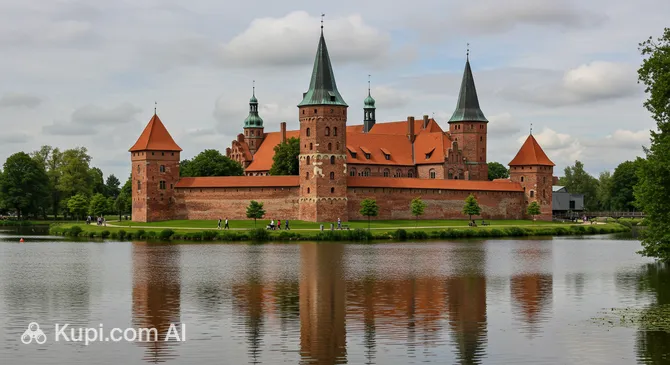
One of the city's main gems is the Museum Island of Gottorf Castle. This majestic castle, located on an island in the Schlei Bay, houses rich collections of art and artifacts. You can spend an entire day here exploring the State Archaeological Museum and the Museum of Art and Cultural History. The castle is interesting not only for its exhibitions but also for its magnificent architecture and the surrounding Baroque gardens, including the famous Gottorf Globe.

Gottorf Castle Museums Island. Illustration.
Source: Kupi.com AI

Traveler photos:

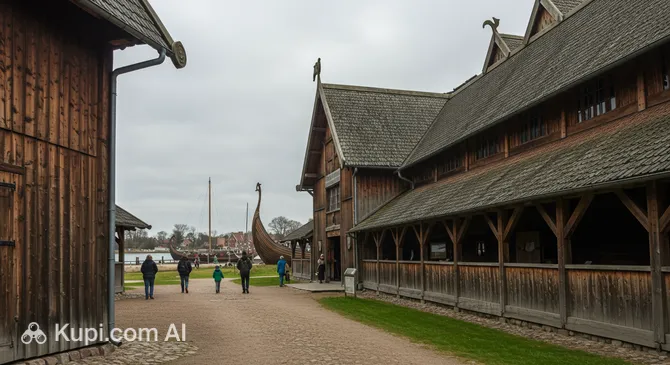
For those fascinated by Viking history, the Haithabu Viking Museum is a must-visit. Located on the site of one of the most important trading centers of the Viking Age, the museum offers a unique opportunity to immerse yourself in the life and daily routine of these northern warriors and traders. It features reconstructed Viking houses, archaeological finds, and interactive displays that make the visit especially engaging for the whole family.

Haithabu Viking Museum. Illustration.
Source: Kupi.com AI

Traveler photos:

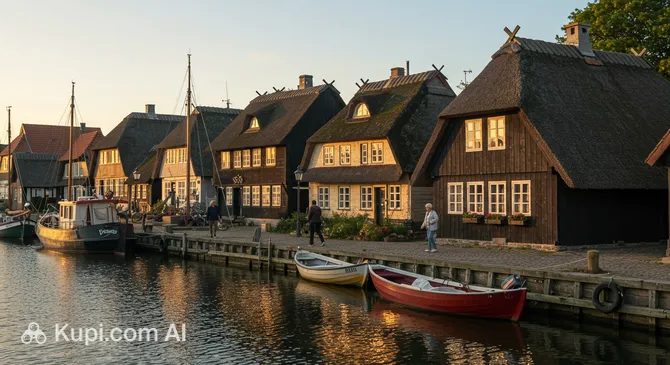
Another equally interesting place is the Historic Fishing Village of Holm. This charming district with narrow streets and old fishermen's houses has preserved the atmosphere of the past. A walk through Holm allows you to feel the spirit of old Schleswig, see traditional fishing boats, and enjoy the tranquility of this cozy corner. It is an ideal place for leisurely walks and photography.

Holm Historic Fishing Village. Illustration.
Source: Kupi.com AI

Traveler photos:

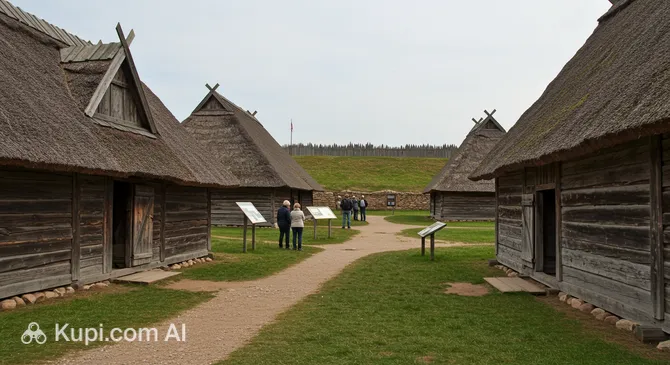
To complement your impressions of the Viking Museum, try the Archaeological Walk of Haithabu. This is a unique opportunity to walk through the historical territory of the ancient settlement, see the remains of defensive structures, and imagine how life bustled here more than a thousand years ago. The route is equipped with information boards that tell the story of significant finds and the history of the site.

Haithabu Archaeological Walk. Illustration.
Source: Kupi.com AI

Traveler photos:

Local Cuisine

The gastronomy of Schleswig is a fascinating journey at the crossroads of German and Scandinavian culinary traditions. Located on the banks of the Schlei fjord, the city offers guests the chance to enjoy dishes where the main roles are played by the freshest seafood and local farm products. The cuisine here is hearty, aromatic, and homey, reflecting the proximity to nature and the region's rich history.

Be sure to try dishes made from fresh fish caught in the Schlei and the Baltic Sea. You can expect smoked eel, tender herring, pike-perch, and, of course, the famous Schleswig fish soup with fragrant herbs and vegetables. Another iconic dish of the region is "Labskaus". This is a hearty stew of potatoes, corned beef (or beef), and beets, traditionally served with pickled cucumbers and a fried egg. It was once the food of sailors, but today it is a true gastronomic symbol of Northern Germany.

In addition to main courses, look out for fresh artisan bread and fragrant pastries with seasonal berries and fruits, such as sweet rhubarb or apple pies. Local farmers' markets offer a delightful selection of cheeses and smoked delicacies. And it is customary here to serve homemade jams and honey from local apiaries with tea, which adds a special charm to the meal.

As for drinks, both traditional German beers and local specialties are popular in Schleswig. In autumn, it is worth trying fresh cider. Non-alcoholic drink lovers will appreciate the variety of juices, lemonades, and, of course, the classic German Apfelschorle (apple juice mixed with sparkling mineral water). During the cold season, a cup of aromatic tea or coffee with local pastries will warm you up.

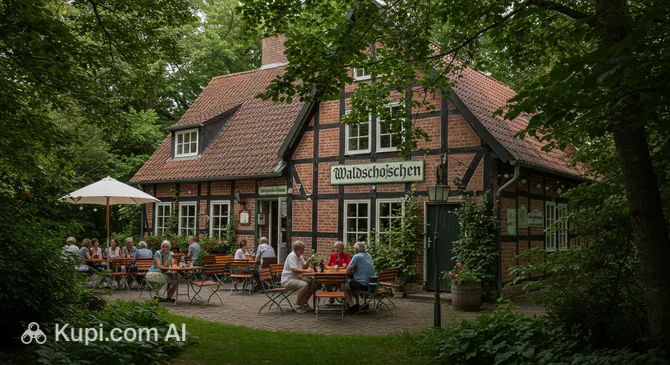
You can get acquainted with Schleswig's gastronomic culture in cozy restaurants, at lively farmers' markets, or by trying street food. In summer, the city hosts fish fairs where you can taste fresh catches straight from the grill. In autumn, it is time for cider and beer festivals, creating a festive atmosphere. To fully experience the local flavor, visit one of the traditional restaurants, such as the Waldschlösschen Restaurant, where you can taste regional cuisine in an authentic setting.

Waldschlösschen Restaurant. Illustration.
Source: Kupi.com AI

Traveler photos:

Travel Tips

Welcome to Schleswig! To ensure your trip to this charming city in northern Germany goes smoothly and leaves only pleasant impressions, we have prepared some practical tips. They will help you better navigate and enjoy your stay in Schleswig.

  1. Clothing and Essentials: The climate in Schleswig is temperate maritime, so be prepared for changeable weather. The key principle is layering. In summer, bring light clothes but don't forget a raincoat or umbrella. In autumn and winter, you will need a warm jacket, sweater, hat, and gloves. Comfortable shoes for walking around the city and along the Schlei fjord are a must. Don't forget an adapter for electrical appliances (Germany uses Type F sockets). When visiting churches, such as St. Peter's Cathedral, show respect and choose modest clothing that covers shoulders and knees.
  2. Getting Around the City: Schleswig is a compact city, and many of its attractions are within walking distance. Public transport consists of buses; schedules can be checked at stops or online. Taxis are available but may not be the most budget-friendly option for frequent trips. Renting a car is advisable if you plan to explore the surroundings and the picturesque region of Schleswig-Holstein, but it is not always necessary for moving within Schleswig itself. A bicycle is an excellent way to enjoy the city and its nature.
  3. Financial Matters: The official currency in Germany is the Euro (EUR). Credit and debit cards (Visa, Mastercard) are widely accepted in most shops, restaurants, and hotels. However, it is always useful to have some cash with you, especially for small purchases or at markets. ATMs (Geldautomat) are easy to find throughout the city. You can exchange currency at banks. Tips in restaurants are usually 5-10% of the bill if you liked the service, or you can simply round up the bill.
  4. Health and Safety: Schleswig is considered a very safe city. Nevertheless, follow standard precautions: keep an eye on your belongings in crowded places. Pharmacies (Apotheke) are easy to find by the sign with a red letter "A"; some of them operate on an on-call schedule at night and on weekends (Notdienst). For emergency medical assistance, call 112. It is recommended to have travel medical insurance.
  5. Communication and Connectivity: The official language is German. In tourist areas, hotels, and restaurants, many people speak English, especially the youth. Learning a few basic phrases in German, such as "Hallo" (Hello), "Guten Tag" (Good day), "Danke" (Thank you), "Bitte" (Please/You're welcome), and "Entschuldigung" (Excuse me), will be very useful and appreciated by locals. Wi-Fi is available in many hotels, cafes, and some public places. You can also purchase a local SIM card for mobile internet.
  6. Local Etiquette: Germans value punctuality, so try not to be late for appointments. When entering small shops or cafes, it is customary to say hello ("Hallo" or "Guten Tag") and goodbye ("Auf Wiedersehen" or "Tschüss"). In Schleswig, as in the entire Schleswig-Holstein region, the greeting "Moin!" (or even "Moin Moin!") is very common and can be used at any time of day. It is a friendly and simple way to say hello.
  7. What to Avoid: Try not to be excessively noisy in public places, especially in transport or restaurants. Germans value peace and quiet. Also, avoid comparisons or jokes related to Germany's historical past unless you are sure of the appropriateness and the listener's reaction. Cross the road only at green lights and at pedestrian crossings—this rule is strictly observed.
  8. Schleswig Specialty: Be sure to walk through the Holm fishing village—this is a historic district with cozy houses and a unique atmosphere. Also, don't miss the chance to try fresh fish from the Schlei fjord, such as smoked eel, which is a local delicacy.

We hope these tips help you feel more confident and get the most out of your trip to Schleswig. We wish you unforgettable impressions of this beautiful corner of Germany!

Entertainment & Nightlife

Schleswig, a charming city in northern Germany, offers its guests a predominantly calm and cozy atmosphere for evening relaxation. If you are looking for a wild nightlife with many clubs and noisy districts, Schleswig offers a different, more intimate experience. Here, the emphasis is on spending a pleasant time in traditional German pubs (Kneipen), cozy bars, and restaurants.

The evening life of Schleswig is mainly centered around the historic city center and the picturesque spots by the Schlei fjord. Large nightclubs operating until dawn are rare here. Similarly, in Schleswig, you won't find large concert venues with a regular schedule of world stars; live music is more likely to be found occasionally in some pubs or during city festivals and holidays. Traditional night markets, typical of some other cultures, are also not a standard feature of evening Schleswig, although seasonal fairs may offer an evening program. The atmosphere in local establishments is generally relaxed and welcoming, attracting both locals and tourists. The dress code in most places is casual, allowing you to feel comfortable.

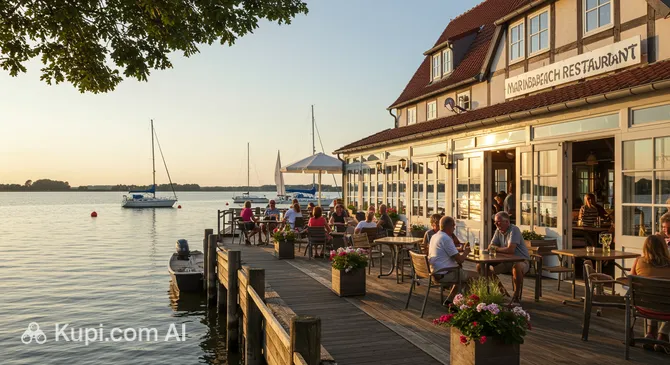
For a pleasant dinner and a quiet evening, you might consider establishments such as the Waldschlösschen Restaurant, known for its cuisine and atmosphere, or the Marienbad Beach Restaurant, where you can enjoy a meal with a view of the water. While these are not nightclubs in the conventional sense, these restaurants offer an excellent opportunity to spend an evening in a pleasant setting. Most bars and restaurants stay open until late evening, but do not expect them to be open until early morning, especially on weekdays.

Marienbad Beach Restaurant. Illustration.
Source: Kupi.com AI

Traveler photos:

Practical tips for evening leisure in Schleswig:

When planning your evening, keep in mind that many establishments may close earlier than in larger cities, especially during the off-season. It is better to arrive at bars and restaurants not too late. Average prices for drinks and food are moderate. For traveling at night, a taxi is the most convenient option, as public transport may run less frequently.

Safety:

Schleswig is generally a very safe city. Evening walks along the well-lit central streets are pleasant and secure. Nevertheless, it is always worth following standard precautions. If you need a taxi, it is better to call one by phone or ask the staff of the establishment where you are to do it for you.

Daytime entertainment:

During the day, Schleswig also offers many interesting activities. You can visit the famous Museum Island of Gottorf Castle, immerse yourself in history at the Haithabu Viking Museum, or walk through the picturesque Historic Fishing Village of Holm. These attractions will perfectly complement your experience of the city.

Parks & Museums

Schleswig is a city where peaceful natural landscapes along the Schlei fjord harmoniously combine with a rich cultural heritage. Here you will find both quiet green corners for relaxation and fascinating museums telling the story of the city's vibrant past, especially its connection to the Viking Age.

While there may not be vast formal parks in the very center of Schleswig, its picturesque location on the banks of the Schlei provides many opportunities to enjoy nature. Take a stroll through the Königswiesen (Royal Meadows), a charming park area along the promenade that is perfect for picnics and leisurely rest. For those who want to combine a walk in the fresh air with historical immersion, the Archaeological Walk of Haithabu is an excellent choice. Here you can explore the territory of the ancient Viking settlement and enjoy beautiful views. In general, the banks of the Schlei are rich with trails for hiking and cycling.

One of the city's main cultural centers is undoubtedly the Museum Island of Gottorf Castle. This impressive complex, housed in a former ducal residence, brings together two significant museums of the state of Schleswig-Holstein: the Archaeological Museum, which houses the famous Nydam Ship, and the Museum of Art and Cultural History. Visitors can spend an entire day here exploring exhibitions covering the period from prehistoric times to modern art. Gottorf Castle itself is an outstanding architectural monument.

Gottorf Castle Museums Island. Illustration.
Source: Kupi.com AI

Traveler photos:

Equally important and fascinating is the Haithabu Viking Museum. It is located on the site of one of Northern Europe's most significant trading centers of the Viking Age. The museum offers an exciting journey into the past: here you will see reconstructed Viking houses, interactive displays, and unique archaeological finds. This place is a must-visit for everyone interested in the history of Vikings and early medieval Europe.

Haithabu Viking Museum. Illustration.
Source: Kupi.com AI

Traveler photos:

In addition to its magnificent museums, Schleswig enchants with its historical atmosphere. Be sure to visit the Historic Fishing Village of Holm. This incredibly picturesque quarter with cozy, closely packed houses, an ancient church, and a cemetery still holds the spirit of the past. Stroll through its narrow streets and enjoy the views of the Schlei. Also worth noting is the majestic St. Peter's Cathedral, known for its impressive Brüggemann Altar and rich history.

Holm Historic Fishing Village. Illustration.
Source: Kupi.com AI

Traveler photos:

To get a truly authentic experience of Schleswig, step off the beaten tourist path and explore the small alleys of the old town—you might discover charming courtyards and small local shops. And in the evening, take a slow walk along the Schlei promenade to enjoy the peaceful atmosphere and, if you're lucky, a beautiful sunset over the fjord.

Getting Around

Planning a trip to Schleswig and want to understand the local public transport system? It's simple! The city offers several convenient ways to get around, which will help you explore its charming corners and surroundings.

The backbone of public transport in Schleswig is the bus network. They run on various routes, connecting the city center with its districts and nearby settlements. The schedule is usually quite convenient, but intervals may increase in the evening and on weekends. The city also has a railway station, from which regional trains depart, connecting Schleswig with other cities in the state of Schleswig-Holstein, such as Flensburg, Kiel, or Husum. This is an excellent option for day trips around the region.

The fare system in Schleswig, as in the entire Schleswig-Holstein region, is integrated into the NAH.SH transport association. You can purchase single tickets (Einzelfahrkarte) directly from the bus driver or at machines at the railway station. For more active travelers, a day ticket (Tageskarte) may be more beneficial, allowing an unlimited number of trips within a chosen zone for the day. Weekly and monthly passes also exist, but they are geared more toward local residents. Information on fares and zones can be found at stops, on the NAH.SH website, or in the NAH.SH mobile app, where tickets can also often be purchased online. Ticket prices depend on the distance and travel zone; a single ticket within the city usually costs a few euros.

To use public transport, simply wait for the bus at a designated stop. Tickets purchased from the driver are usually already validated. If you buy a ticket at a machine, check if it needs to be stamped before starting your journey (this is usually indicated on the ticket or near the validator). Buses generally start running early in the morning and stop late in the evening. It's always best to check the exact schedule on official resources or directly at the stops.

In addition to public transport, other ways to get around are available in Schleswig. You can always use taxi services, with stands usually located at the station and in the city center. Given the picturesque surroundings and the compactness of the city itself, a bicycle is an excellent alternative. There are rental points in the city, and it's a wonderful way to leisurely explore Schleswig and its beautiful nature along the Schlei fjord. Car sharing is less common in smaller cities, but it's worth checking for local services if you prefer this option.

Accommodation

In Schleswig, travelers will find a variety of accommodation options to suit different preferences and budgets. The city offers cozy guesthouses (Pensionen) and private apartments (Ferienwohnungen), which allow for a deeper immersion into the local atmosphere. Hotels are also available, ranging from small family-run establishments to more comfortable middle-class options. For those seeking maximum independence, renting apartments or holiday homes can be an excellent choice.

When choosing a place to stay in Schleswig, it is worth paying attention to areas close to the main attractions and the Schlei fjord promenade. The historic city center, with its old streets, is always popular among tourists. Accommodation near iconic sites like the Museum Island of Gottorf Castle or the picturesque Historic Fishing Village of Holm will also be convenient. Many housing options offer beautiful views and easy access to walking routes.

The price range for accommodation in Schleswig varies from budget options to mid-range and higher-priced offers. It is recommended to book accommodation in advance, especially if your trip coincides with the peak tourist season (summer months) or local festivals. The most common booking methods are popular online platforms, as well as contacting hotels or guesthouses directly through their websites or by phone. The local tourist information center can also help with finding suitable options.

Nearby Cities

For those who want to explore the surrounding area, Schleswig serves as an excellent starting point for day trips to several interesting nearby locations:

CityPopulationDistance
Eckernförde21 90219 km
Budelsdorf10 45624 km
Rendsburg28 97725 km
Kappeln8 61928 km
Handewitt11 25031 km

These nearby destinations provide an insight into the diverse culture and landscapes of the Schleswig-Holstein region. Each of these cities offers its own unique attractions, from seaports and historic centers to modern cultural sites, making them an excellent choice for a short trip from Schleswig.

Shopping & Souvenirs

Shopping in Schleswig offers a pleasant mix of local shops and familiar brands, typical of a cozy German city. While Schleswig is not a major shopping destination, you can find quality goods and unique souvenirs here, especially those related to the region's rich history.

Most shopping opportunities are concentrated in the city center, particularly along the main pedestrian street, Stadtweg, and its adjacent alleys. Here you will find various stores ranging from clothing and shoe boutiques to bookstores, jewelry salons, and home goods shops. The atmosphere here is conducive to leisurely strolls and discoveries.

There are no large shopping malls in Schleswig in the sense of big-city megastructures. Shopping here is instead focused on individual shops located on the central streets. This gives the city a special charm and allows for a more personalized approach to shopping.

From time to time, as in many German cities, weekly markets (Wochenmarkt) are held in Schleswig, where local farmers and producers offer fresh products, flowers, and regional delicacies. Also, keep an eye out for announcements of seasonal fairs and flea markets, which can be great places to find interesting items and souvenirs.

As souvenirs from Schleswig, it's worth looking for items reflecting its maritime and Viking history. These can be ship models, items with maritime symbolism, as well as replicas of jewelry or household items from the Viking Age, inspired by finds in the Haithabu Viking Museum. Products from local artisans and gastronomic specialties of the Schleswig-Holstein region, such as marzipan or local spirits, are also popular. Interesting finds can be made in souvenir shops when visiting places like the Historic Fishing Village of Holm.

Haithabu Viking Museum. Illustration.
Source: Kupi.com AI

Traveler photos:

Most shops in Schleswig operate from Monday to Saturday, usually from 9:00-10:00 to 18:00-19:00. Large supermarkets may have longer opening hours. On Sunday, most shops are closed, except for some souvenir shops and shops at railway stations. Cash (Euro) and bank cards (EC cards, Visa, Mastercard) are widely accepted. However, in smaller shops or at markets, preference may be given to cash.

Tourists from non-European Union countries can take advantage of the Value Added Tax (VAT) refund system (Tax Free). To do this, you need to make a purchase of a certain amount in a participating store and ask for a special Tax Free form. When leaving the EU, this form is presented at customs for a stamp, after which you can get a partial refund of the tax paid.

Reached the end of the page?

That means the route is fully explored