Support

Flensburg

About

Flensburg is a charming city in northern Germany that looks like it’s straight out of a picturesque postcard. It is known for its cozy streets, colorful half-timbered houses, and the fresh sea air of the Baltic Sea. The city is located in the federal state of Schleswig-Holstein, deep within the scenic Flensburg Fjord, just a few kilometers from the Danish border. This unique location gives Flensburg a special charm, where German and Danish traditions are wonderfully intertwined, as seen in its architecture, culture, and local cuisine.
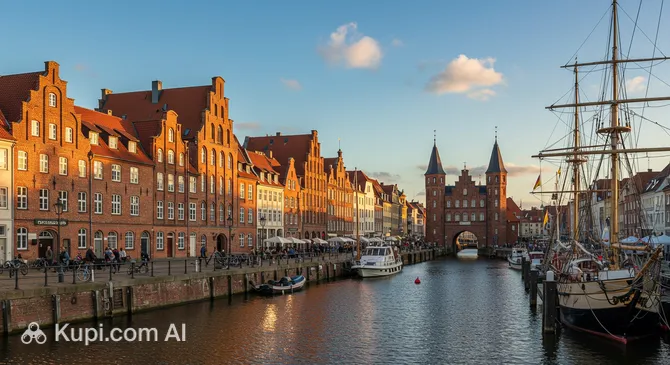
Flensburg. Illustration.
Source: Kupi.com AI

With a population of around 91,000, Flensburg is not a metropolis, and this compactness is precisely what makes it so attractive to tourists. The city is easy to explore on foot, allowing visitors to enjoy the atmosphere of the historic port center. Administratively, Flensburg is an important regional center, and its proximity to the sea and the border makes it a kind of gateway to Scandinavia.

The main highlights of Flensburg that draw travelers are its historic old port, where you can see traditional sailing ships, and the colorful streets of the old town, such as Rote Strasse (Red Street) with its many courtyards and small shops. A unique atmosphere is also created by the blend of cultures, which is evident in bilingual signs and the local dialect. Flensburg is famous for its rum, with a production history rooted in the city's past as an important trading port.

Flensburg attracts visitors with its tranquility and special atmosphere of seaside coziness. A leisurely pace of life reigns here, and every corner holds its own story. This city will certainly appeal to those seeking harmony, interested in maritime history, and preferring unusual routes away from the noisy bustle of major tourist centers. Visit Flensburg to discover its unique charm and hospitality!

You can find more interesting facts on the history of Flensburg page.
Weather Overview

The weather in Flensburg is characterized by a temperate maritime climate. Expect moderately warm summers with frequent but light rain, and cool, damp winters. The average monthly temperature in summer (June-August) is about 16-18°C, with maximum daytime temperatures reaching 20-21°C. In winter (December-February), the average temperature stays around 3-4°C. Although the total monthly precipitation is low (2-3 mm), rainy days are common throughout the year, especially from October to February. For more detailed information, see the Flensburg Climate page.

Average monthly temperature

Average monthly precipitation

Interesting Facts

In addition to its famous landmarks, Flensburg hides many amazing stories and little-known details that make it truly unique. Ready to learn a few of them?

PHÄNOMENTA. Illustration.
Source: Kupi.com AI

Traveler photos:

  • Flensburg is Germany's northernmost city, and its history is closely intertwined with Denmark. Having been under the rule of Danish kings for a long time, the city has preserved a unique Danish-German flair: Danish schools still exist here, and Danish is often heard on the streets.

  • The city holds the unofficial title of the "capital of German rum." In the 18th and 19th centuries, Flensburg was a center for the production of this drink, thanks to the import of cane sugar from the West Indies. The traditions are alive today: you can visit the Braasch Rum Museum and learn more about this aromatic heritage.

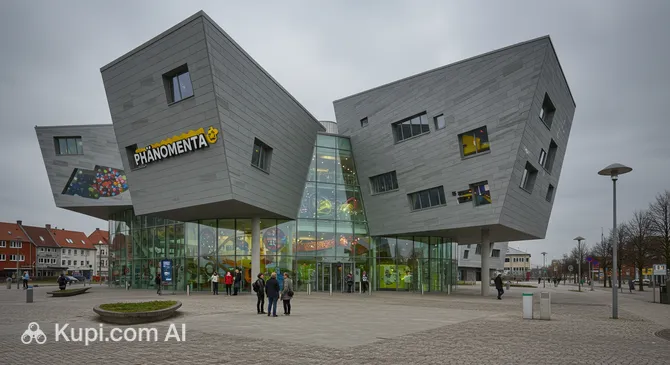
  • Flensburg is home to the unique science and entertainment center PHÄNOMENTA, where both adults and children can interactively learn about the laws of physics and conduct fascinating experiments. It's a place where science becomes an exciting adventure.

  • Flensburg's historic port and its old streets hold many stories. For example, the famous Nordertor gate is considered the unofficial symbol of the city, and a walk along the colorful Rote Strasse (Red Street) with its old shops and craft workshops will transport you back in time.

How to Get There

There are several ways to get to Flensburg, a charming city in northern Germany on the border with Denmark. Although Flensburg itself does not have its own major international airport, there are several convenient options for air travelers in nearby cities in Germany and Denmark. The city is also well-connected by rail and road.

Air Travel:

The closest airport to Flensburg is Sønderborg Airport (IATA: SGD), located in Denmark, about 29 km north of the city. This is a small regional airport, from where Flensburg can be reached by taxi or rental car in approximately 45-60 minutes.

Another option is Westerland – Sylt Airport (IATA: GWT), located on the German island of Sylt, about 72 km from Flensburg. This is a popular destination, especially during the tourist season. To get to Flensburg from here, a crossing from the island is required (by ferry or a special car train via the Hindenburg Dam), and the total journey takes about 1.5-2 hours.

For most international travelers, the primary choice will be Hamburg Airport (IATA: HAM). It is located approximately 134 km south of Flensburg and is one of Germany's largest airports, offering a wide range of flights worldwide. A car trip from Hamburg Airport to Flensburg usually takes about 2-2.5 hours. It is also possible to get there by train with a transfer in Hamburg.

For clarity, here is a summary of the main airports in the vicinity of Flensburg:

AirportPassenger trafficDistance
Sonderborg Airport74 00029 km
Westerland - Sylt Airport125 74572 km
Esbjerg Airport47 00099 km
Billund Airport4.0 mln107 km
Hamburg Airport13.6 mln134 km

Rail Connections:

Flensburg has its own railway station (Flensburg Bahnhof), which serves regional trains as well as some long-distance routes connecting the city with other parts of Germany and Denmark. This is a convenient way to reach the city, especially if you are traveling from neighboring regions.

If your route involves a transfer at a major transport hub, or you are arriving from afar, one such hub is Hamburg Hauptbahnhof (Hamburg Central Station). This station, located in Hamburg about 143 km from Flensburg, is one of the busiest in Europe and offers a huge number of destinations. Trains run regularly from Hamburg Hauptbahnhof to Flensburg, with a travel time of about 1.5-2 hours.

Below is information on some of the major railway stations in the region that can serve as transfer hubs on the way to Flensburg:

StationPassenger trafficDistance
Hamburg Hauptbahnhof200.8 mln143 km
Aarhus H Station6.3 mln158 km
Rostock Hauptbahnhof6.6 mln192 km
Bremen Hauptbahnhof43.8 mln195 km
Copenhagen Central Station36.5 mln221 km

Car Travel:

Flensburg is conveniently located near the A7 (E45) motorway, one of Northern Europe's main transport arteries, making it easily accessible by car from both Germany and Denmark. Traveling by car provides flexibility and the opportunity to enjoy the scenic landscapes of Schleswig-Holstein.

Main Attractions

Flensburg, a charming city in northern Germany, offers its guests a variety of attractions, from historical monuments to interactive museums. Here, everyone will find something interesting for themselves, immersing themselves in the rich culture and history of this port city.

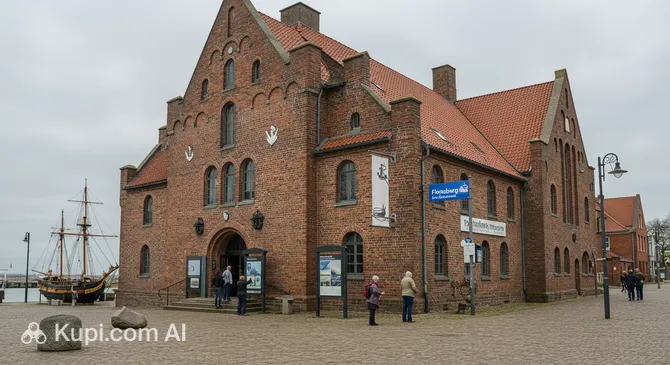
One of the key attractions is the Flensburg Maritime Museum. Located in a historic customs building, the museum tells the fascinating maritime history of the city, its connection with the rum trade, and shipping. Exhibits include ship models, navigational instruments, and artifacts related to the lives of sailors. It is a great place to understand how the sea shaped the character of Flensburg.

Flensburg Maritime Museum. Illustration.
Source: Kupi.com AI

Traveler photos:

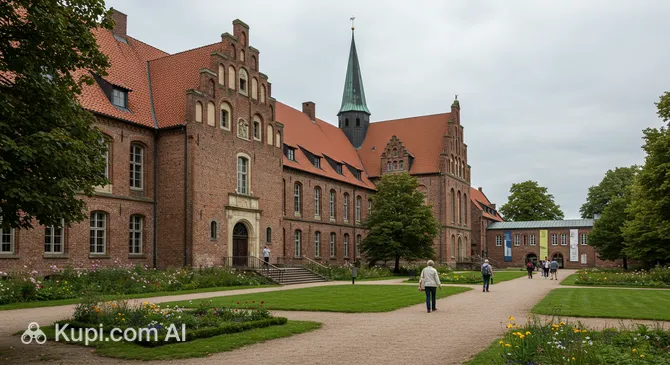
For art and culture enthusiasts, Museumsberg Flensburg is a must-visit. This museum complex combines two museums: one dedicated to the art and cultural history of the Schleswig-Holstein region from the 13th century to the present day, and another to natural history. Visitors can see impressive collections of paintings, sculptures, and furniture, as well as learn about the region's flora and fauna. The hill on which the museum is located offers a beautiful view of the city and the fjord.

Museumsberg Flensburg. Illustration.
Source: Kupi.com AI

Traveler photos:

If you are traveling with children or just love interactive displays, you should definitely check out PHÄNOMENTA. This is a science center where you can practically explore various physical phenomena. More than 200 interactive exhibits allow you to experiment, discover new things, and have fun, regardless of age. This place awakens curiosity and makes science exciting.

PHÄNOMENTA. Illustration.
Source: Kupi.com AI

Traveler photos:

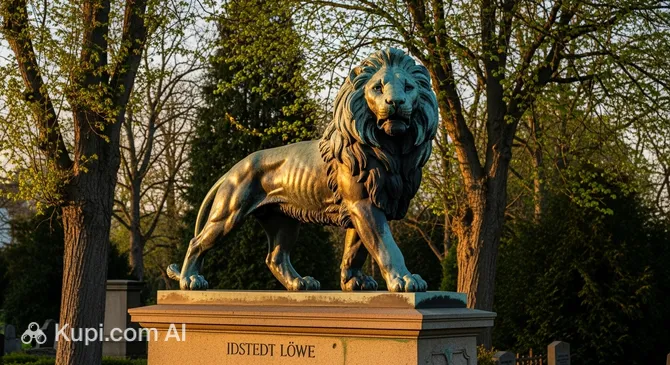
One cannot overlook the Isted Lion — an impressive monument with a complex and interesting history. The monument was created to commemorate the Danish victory at the Battle of Isted. Having survived several relocations and restorations, the lion is a symbol of the complex Danish-German relations and an important historical milestone for the city and the region. Its majestic figure attracts the attention of tourists and serves as a reminder of significant events of the past.

Isted Lion. Illustration.
Source: Kupi.com AI

Traveler photos:

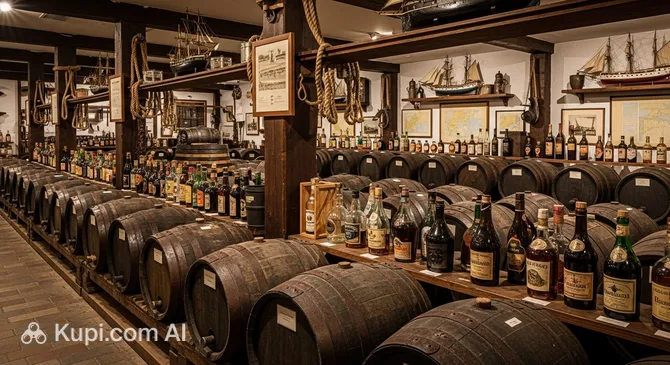
It is also worth mentioning the Braasch Rum Museum, which introduces visitors to the history of rum production and trade, so important for Flensburg. Here you can learn about the distillation process, old traditions, and, of course, taste the local product. This is a unique opportunity to touch the "liquid history" of the city.

Local Cuisine

The cuisine of Flensburg is an appetizing fusion of German and Danish culinary traditions, generously seasoned with gifts from the Baltic Sea. The city's gastronomic scene is characterized by its authenticity and love for fresh local products, offering tourists a unique taste experience at the crossroads of two cultures.

Be sure to try the famous Labskaus — a hearty sailors' dish made of potatoes, corned beef, and beetroot, often served with a pickled cucumber and a fried egg. Thanks to the proximity to the sea, the menus of local establishments always feature fresh fish: smoked mackerel, herring in various marinades, and fried eel. For a quick and tasty snack, a fischbrötchen — a fresh bread roll with fish, which can be found at street stalls — is ideal.

Flensburg is rightfully proud of its drinks. The city's hallmark is Flensburg rum, the production of which dates back centuries. You can learn about its manufacturing traditions and taste different varieties by visiting, for example, the Braasch Rum Museum. No less famous is the local beer Flensburger Pilsener, renowned for its characteristic flip-top bottle that makes a recognizable "plop" sound when opened.

Braasch Rum Museum. Illustration.
Source: Kupi.com AI

Traveler photos:

Locals and tourists alike love to enjoy meals in cozy restaurants, many of which specialize in fish dishes and regional cuisine. Stop by the farmers' markets to buy homemade cheeses, smoked meats, and fresh vegetables. The city's atmosphere becomes especially festive during gastronomic festivals, when the streets are filled with the aromas of fresh pastries and traditional treats.

Travel Tips

Welcome to Flensburg, a charming port city in northern Germany! To make your trip as comfortable and enjoyable as possible, we have prepared some practical tips to help you better navigate and enjoy your stay in this unique corner of the country.

  1. Clothing and Essentials:

    The climate in Flensburg is maritime, so the weather can be changeable. We recommend bringing clothes that can be layered, along with a waterproof and windproof jacket, especially if you plan to walk by the fjord. Summers can be warm, but evenings can be cool. Be sure to bring comfortable shoes for walking on the old town's cobblestones. Don't forget a standard European power adapter (type F). A special dress code is usually not required for visiting churches; neat casual clothing is sufficient.

  2. City Transport:

    The most convenient way to get around Flensburg is on foot, especially in the city center, or by local buses (Aktiv Bus Flensburg), which cover all districts. There is no metro or tram system. Taxis are available but can be expensive. Taxi-hailing apps exist but are not as common as in large metropolises. Renting a car can be useful if you plan to explore the surroundings of Schleswig-Holstein, but for Flensburg itself, it is not necessary, plus parking in the center can be difficult.

  3. Finances:

    The official currency in Germany is the Euro (EUR). You can exchange money at banks or exchange offices, but it is most profitable to withdraw cash from ATMs (Geldautomat), which are widely available. Credit and debit cards (Visa, Mastercard) are accepted in most shops, restaurants, and hotels. However, it is always useful to have some cash on hand, especially for small purchases or in small cafes. International cards usually work without problems. Tipping in restaurants is welcomed (usually 5-10% of the bill or rounding up) if you are satisfied with the service.

  4. Health and Safety:

    Flensburg is a very safe city. Follow standard precautions: watch your belongings in crowded places. Pharmacies (Apotheke) are easy to find by the red "A" sign; information about pharmacies on duty (Notdienst) is usually posted on the doors. In case you need medical assistance, EU citizens can use the European Health Insurance Card (EHIC). Tourists from other countries are strongly recommended to have travel insurance. The emergency number (police, ambulance, fire) is 112.

  5. Communication:

    The official language is German. Many residents, especially young people and tourism workers, speak English well. However, knowing a few basic German phrases like "Hallo" (Hello), "Danke" (Thank you), "Bitte" (Please/You're welcome), or "Sprechen Sie Englisch?" (Do you speak English?) will be very useful and appreciated by locals. In Northern Germany, including Flensburg, you will often hear the greeting "Moin!". Local SIM cards can be purchased at supermarkets or mobile shops. Free Wi-Fi is available in many cafes, hotels, and some public spaces.

  6. Local Etiquette:

    Germans value punctuality, so try not to be late for meetings. It is customary to say hello ("Hallo" or "Moin") when entering a small shop or cafe. Locals may seem reserved in conversation, but they are friendly and ready to help. Directness in communication is considered the norm. In public places, especially on transport, try not to be noisy.

  7. What to Avoid:

    Firstly, do not cross the road on a red light or in the wrong place. Germans follow traffic rules very strictly, and such behavior can lead to disapproval or even a fine. Secondly, avoid excessive noise and loud conversations, especially in residential areas and during the evening/night. Respect for personal space and silence is highly valued here.

  8. Special Tip for Flensburg:

    Be sure to try the local beer "Flensburger Pilsener", known for its flip-top bottle ("Bügelverschluss") that makes a characteristic "plop" sound when opened. Also, pay attention to shop opening hours: most are closed on Sundays and public holidays (except for some bakeries and shops at train stations). Plan your shopping in advance!

We hope these tips will help you feel at home in Flensburg and get the most out of your trip. We wish you an unforgettable experience in this beautiful city on the Danish border!

Entertainment & Nightlife

Flensburg, a charming city in northern Germany, offers its guests and residents a variety of opportunities for evening and night recreation. Although it cannot boast the scale of a metropolis, its cozy atmosphere and student community create a lively and pleasant night scene.

The main nightlife of Flensburg is concentrated in the harbor area (Hafen) and the adjacent streets, such as Norderstraße and Große Straße. Here you will find many bars, pubs, and a few clubs. The atmosphere in these establishments is generally relaxed and friendly. Many places are geared towards young people and students, but there are also more established venues. The dress code is usually casual unless it's a special club event. Most bars stay open until late at night, especially on weekends, and clubs may close in the early morning hours.

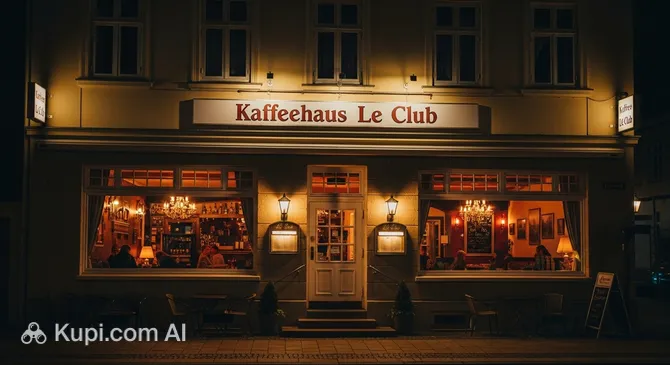
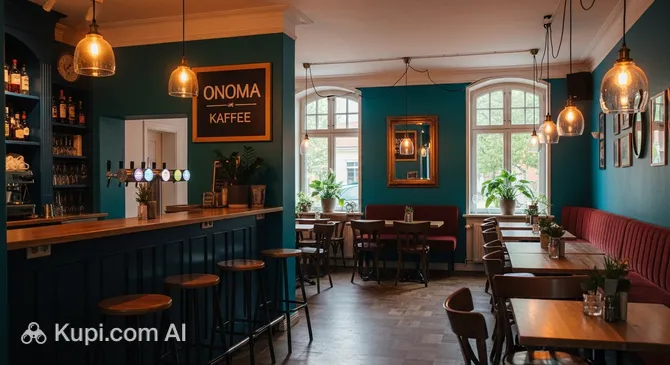
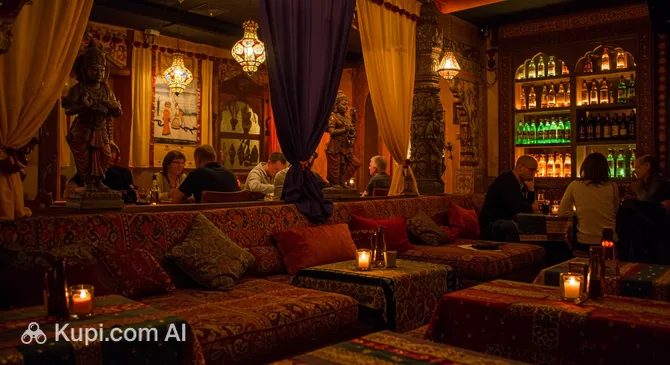
Among the popular places for an evening out, several establishments stand out. If you are looking for a place to dance, check out Kaffeehaus Le Club, known for its parties. For a quieter evening with drinks, bars like Onoma Kaffee, where you can enjoy a cup of coffee by day and cocktails by night, or the stylish bar Sadhu with its special atmosphere, are perfect.

Kaffeehaus Le Club. Illustration.
Source: Kupi.com AI

Traveler photos:

Practical Tips: The best time to visit clubs is after 11:00 PM, especially on Friday and Saturday. Bars start filling up earlier, around 8:00–9:00 PM. Prices are generally moderate, especially compared to large German cities. At night, you can get around the city by taxi; it is recommended to use official services. The central areas of Flensburg are quite compact, and many places can be reached on foot.

Onoma Kaffee. Illustration.
Source: Kupi.com AI

Traveler photos:

Flensburg is considered a safe city, but standard precautions at night are never out of place, especially if you are walking alone. Stick to well-lit streets and call a taxi via trusted apps or by phone.

Sadhu. Illustration.
Source: Kupi.com AI

Traveler photos:

During the day, Flensburg also offers many interesting things. You can visit the Flensburg Maritime Museum to learn about the city's maritime history, or Museumsberg Flensburg with its art collections. Science enthusiasts will enjoy the interactive PHÄNOMENTA museum. And if you want active recreation on the water, it's worth checking out Campusbad Flensburg.

Parks & Museums

Flensburg offers its guests a harmonious blend of picturesque green zones for outdoor relaxation and a rich cultural heritage reflected in its many museums and historical monuments. Here, everyone will find something to their liking, whether it's a walk along the shaded alleys of a park or an immersion into the fascinating world of history and art.

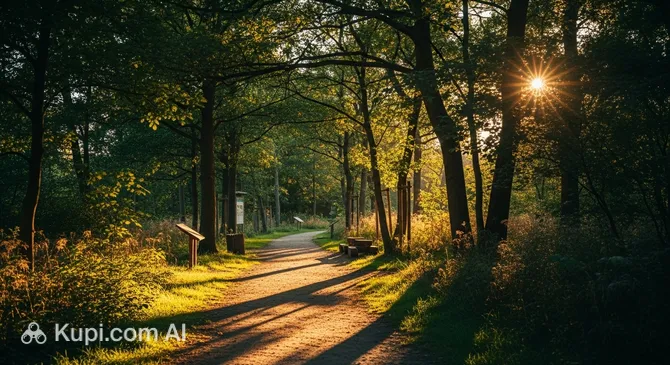
For outdoor relaxation, Flensburg offers several wonderful options. One of the main places is the Marienhölzung Nature Reserve, a vast forest area with numerous trails for walking and cycling, where you can enjoy peace and fresh air. The City Park (Stadtpark) and People's Park (Volkspark) are also popular, offering well-kept green spaces for picnics and quiet relaxation. Don't forget the proximity of the Flensburg Fjord, which is ideal for boat trips and enjoying picturesque maritime landscapes.

Marienhölzung Wildlife Park. Illustration.
Source: Kupi.com AI

Traveler photos:

The city is proud of its diverse museums, capable of satisfying a wide range of interests. Maritime history buffs should definitely visit the Flensburg Maritime Museum, which features a rich collection detailing the region's shipping, trade, and shipbuilding, all of which played a key role in the city's development.

Flensburg Maritime Museum. Illustration.
Source: Kupi.com AI

Traveler photos:

Another landmark site is Museumsberg Flensburg, which effectively unites an art museum and a natural history museum of Schleswig-Holstein under one roof. Here, you can see works of art by local and European masters as well as exhibits dedicated to the unique nature and culture of this northern land.

Museumsberg Flensburg. Illustration.
Source: Kupi.com AI

Traveler photos:

For fans of local traditions and unusual exhibits, the Braasch Rum Museum will be of interest. This museum is dedicated to the history of the production of the famous Flensburg rum, which was once a major export item. Visitors can not only learn many new things but also taste various types of this drink.

Braasch Rum Museum. Illustration.
Source: Kupi.com AI

Traveler photos:

Among the historical sights that cannot be ignored is the Isted Lion. This monumental sculpture has a complex and symbolic history reflecting Danish-German relations over the centuries. The monument is an important reminder of the past of the city and the region.

Isted Lion. Illustration.
Source: Kupi.com AI

Traveler photos:

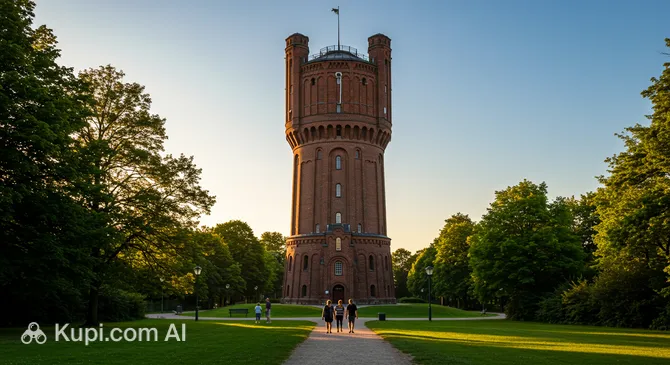
It is also worth paying attention to the Flensburg Water Tower. It is not only an important engineering structure from the early 20th century but also a recognizable symbol of the city. The tower's observation deck offers a beautiful panoramic view of Flensburg and its surroundings.

Flensburg Water Tower. Illustration.
Source: Kupi.com AI

Traveler photos:

For an authentic experience, take a stroll through the old streets of the Nordertor port area and duck into one of the traditional "captain's taverns" to feel the city's maritime spirit. And if you're looking for something interactive and educational for the whole family, the PHÄNOMENTA science center offers fascinating experiments and exhibits explaining the laws of physics in an entertaining way.

Getting Around

Getting around Flensburg by public transport is quite convenient, and it is based on an extensive network of bus routes. Buses are the main form of public transport, connecting different city districts and its outskirts. They run according to a schedule, which is usually posted at stops and is also available online or in mobile apps.

The payment system in Flensburg offers various options. You can purchase single tickets (Einzelfahrkarte) for one trip, or day passes (Tageskarte) that allow unlimited travel throughout the day. For longer stays, weekly (Wochenkarte) or monthly (Monatskarte) tickets may be more economical. Group tickets and short-distance tickets also exist. Note that the ticket price may depend on the tariff zone. You can buy tickets from machines at major stops, directly from the bus driver (often cash only and potentially more expensive), or via the mobile apps of local transport operators. It is important to validate your ticket before or immediately after boarding the bus if it was not purchased with a pre-indicated start time.

Buses in Flensburg start running early in the morning and finish late in the evening. On weekdays, the frequency is higher; on weekends and holidays, intervals may increase. It is recommended to check the schedule of your desired route in advance, especially if you plan to travel in the evening. Many stops have electronic displays showing the arrival times of the next buses.

In addition to public transport, other ways of getting around are available in Flensburg. Taxis can be found at special ranks or called by phone. The city also has a developing bicycle rental system, which is a great way for leisurely rides and sightseeing, especially during the warmer months. Car-sharing services may also be available; it is worth checking for operators upon arrival.

Accommodation

Flensburg offers tourists a wide range of accommodation options to suit various needs and budgets. Whether you are planning a short visit or a longer stay to explore the city and its surroundings, you will easily find suitable housing here.

The city features various categories of accommodation: from budget hostels and cozy guesthouses to comfortable mid-range hotels and more luxurious hotels. Renting apartments is also popular, making it an excellent choice for families or groups traveling together. Many accommodation options are conveniently located in the historic center, providing easy access to major attractions such as the Flensburg Maritime Museum, or in scenic areas along the Flensburg Fjord, offering beautiful views.

Flensburg Maritime Museum. Illustration.
Source: Kupi.com AI

Traveler photos:

The price range for accommodation in Flensburg varies from quite affordable options to premium offerings. You can book accommodation through well-known international online platforms or directly on hotel websites. It is highly recommended to book your accommodation in advance, especially if your trip is planned for the peak tourist season or coincides with major city events. This will help you ensure the best selection and more favorable prices.

Nearby Cities

For those looking to explore the surroundings, Flensburg serves as an excellent starting point for day trips to several interesting nearby locations:

CityPopulationDistance
Harrislee11 7794 km
Handewitt11 2508 km
Graasten3 00016 km
Sonderborg27 82626 km
Aabenraa16 40128 km

One of the closest and most attractive options for a day trip is Schleswig, located just 31 km away. This historic city enchants visitors with its St. Peter's Cathedral, the majestic Gottorf Castle, which houses archaeological and art museums, and its proximity to the ancient Viking settlement of Hedeby, a UNESCO World Heritage site.

A little further, 56 km from Flensburg, lies Rendsburg. The city is famous for its impressive High Bridge (Eisenbahnhochbrücke) over the Kiel Canal — one of the busiest artificial waterways in the world. A walk along the canal or through the historic center of Rendsburg will provide a pleasant experience.

The capital of Schleswig-Holstein, Kiel, is about 68 km away and offers a completely different experience. It is a major port city with a rich maritime history. Here you can visit the Naval Memorial and the U-995 submarine in Laboe, stroll along the promenade of the Kiel Fjord, or, if you're lucky, catch the famous Kiel Week — the world's largest sailing event.

These nearby destinations offer a glimpse into the diverse culture and landscapes of the region.

Shopping & Souvenirs

Flensburg offers pleasant shopping opportunities, combining German quality with a light Scandinavian influence thanks to its proximity to Denmark. While the city is not famous for world-class exclusive goods, you can find high-quality items, local delicacies, and interesting souvenirs here, especially those related to maritime themes and the famous Flensburg rum.

The main shopping arteries of Flensburg are the pedestrian streets of Holm, Große Straße, and Norderstraße. They flow smoothly into one another, forming a long shopping promenade in the heart of the city. Here you will find many shops: from large department stores and famous clothing and shoe brands to small boutiques, bookstores, and home goods stores. Walking along these streets is a pleasure in itself thanks to the beautiful architecture of the historic buildings.

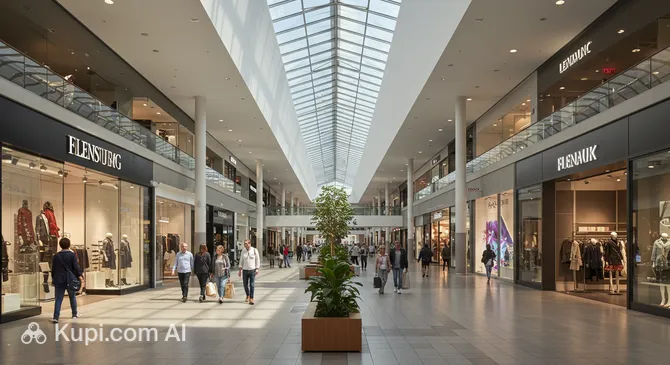
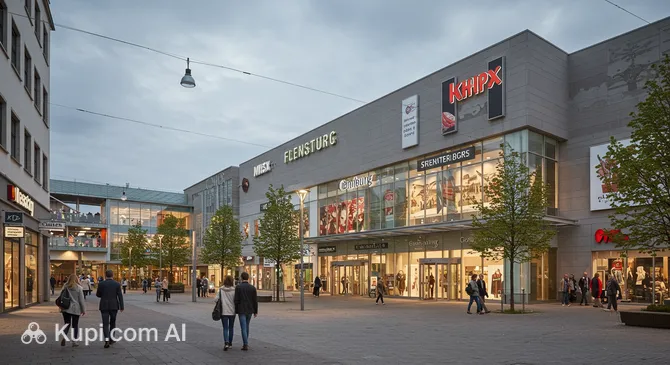
For those who prefer shopping under one roof, Flensburg has several shopping centers. One of the most popular is Flensburg Galerie, offering a wide selection of clothing, electronics, and cosmetics stores, as well as cafes and restaurants. Another noteworthy place is Købmandsgården Flensburg, which also features a variety of retail outlets.

Flensburg Galerie. Illustration.
Source: Kupi.com AI

Traveler photos:

Markets regularly take place in Flensburg, adding flavor to the shopping experience. Farmers' markets (Wochenmarkt) are held several times a week in the Südermarkt and Nordermarkt squares, where you can buy fresh local products, flowers, cheeses, and other delicacies. During the pre-Christmas season, the city is transformed by traditional Christmas markets offering souvenirs, mulled wine, and a festive mood.

Købmandsgården Flensburg. Illustration.
Source: Kupi.com AI

Traveler photos:

As souvenirs from Flensburg, the famous local rum is a must-buy. A visit to the Braasch Rum Museum can inspire the purchase of this strong spirit. Maritime-themed souvenirs are also popular: ship models, items featuring anchors, lighthouses, or seagulls. Look for goods with the local greeting "Moin" and city symbols. Thanks to the proximity to Denmark, you can find interesting Scandinavian design items or sweets.

Shops in Flensburg typically operate from Monday to Saturday, from approximately 10:00 AM to 6:00 PM or 7:00 PM; large shopping centers and supermarkets may stay open later, until 8:00 PM. On Sundays and public holidays, most shops are closed. Cash (Euro) and bank cards (EC card, Visa, MasterCard) are accepted for payment. However, it is preferable to have cash on hand in small shops or at markets.

For tourists from countries outside the European Union, a Value Added Tax (VAT) refund system (Tax Free) is available in Germany. If you make purchases over a certain amount in stores participating in this system (look for the "Tax Free Shopping" logo), you can obtain special checks for a VAT refund when leaving the EU. Be sure to clarify the details with the sellers and keep all receipts and forms.

Reached the end of the page?

That means the route is fully explored