Support

Svendborg

About

Svendborg is a picturesque gem on the southern coast of the island of Funen, nestled on the shores of the Baltic Sea. This port city is famous for its unique atmosphere, where the sea breeze mixes with the aroma of fresh pastries from local bakeries, and the pace of life seems perfectly balanced for relaxation.

Located in the Region of Southern Denmark, Svendborg attracts travelers with its mild climate and scenic landscape of green hills and forests. With a population of about 27,300, the city feels intimate yet vibrant: Svendborg serves as an important transport hub and the gateway to the famous South Funen Archipelago.
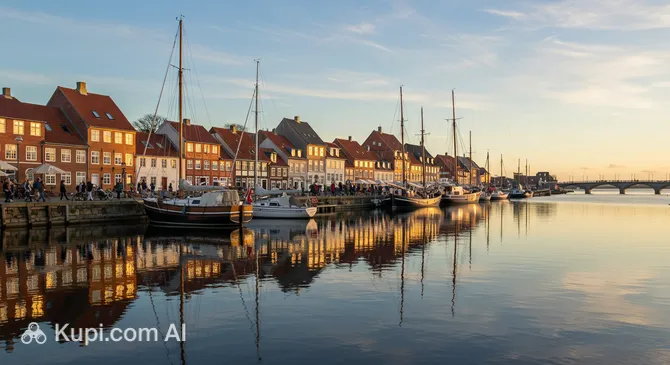
Svendborg. Illustration.
Source: Kupi.com AI

The city charms at first sight with its cobblestone streets and old houses with tiled roofs. The rich history of Svendborg, dating back to the 13th century, is evident in every architectural element of the city center. Here, antiquity blends harmoniously with modernity: historic buildings sit alongside cozy cafes, craft shops, and galleries.

The harbor occupies a special place in the city's life, filled with white sailboats and traditional wooden schooners. Tourists come here to set off on sea cruises or take a ferry to the neighboring islands. Culture enthusiasts should look out for local museums and nearby castles, while foodies should definitely try the fresh seafood in the waterfront restaurants.

Svendborg is worth a visit to immerse yourself in authentic Danish life and enjoy the tranquility and beauty of the seascapes. It is an ideal destination for those seeking inspiration and a break from the hustle and bustle of big metropolises.
Weather Overview

The climate in this Danish port city can be described as temperate maritime, without extreme temperature fluctuations. Summer here is mild and comfortable for walking: the warmest months are July and August, when the average temperature is about 17–18°C, and daytime highs often reach 20–21°C. This is an ideal time for exploring the city and taking sea trips.

The winter period is cool but, thanks to the sea's influence, not too harsh. In January and February, daytime temperatures stay around 3–5°C. The average nighttime temperature is about 1.5°C, although travelers should be prepared for potential frosts during cold snaps. Spring arrives gradually: while the breath of winter is still felt in March, it becomes significantly warmer by May, with the thermometer reaching the 15°C mark.

When planning your trip, keep in mind that precipitation is frequent and evenly distributed across all seasons. On average, there are 10 to 15 rainy days per month, with October and the winter months being the wettest. Expect moderately warm summers and cool winters with regular rainfall throughout the year. To choose the best dates for your visit, check the detailed weather in Svendborg by month.

Average monthly temperature

Average monthly precipitation

Interesting Facts

Beyond its picturesque harbor and ancient streets, Svendborg holds many fascinating secrets and legends that reveal themselves only to the most attentive travelers.
  • Maritime Legends: Local folklore says that sea monsters once inhabited the coastal waters. Ancient legends tell of how fishermen appeased them with bread and sweets to ensure safe passage, and these stories still resonate in city festivals and children's games.

  • History Under Sail: Svendborg is proud of its status as a maritime city and is home to the unique Danish Museum of Yachting (Danmarks Museum for Lystsejlads). It is dedicated exclusively to the history of yachting and sailing, making it a true paradise for those in love with the sea.

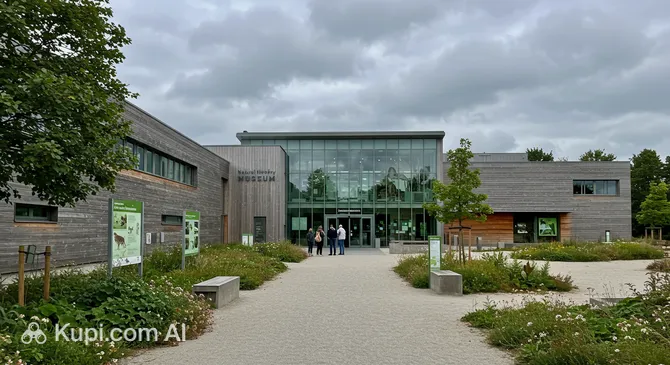
  • Modern Nature Theater: Fans of unusual exhibits should visit the Naturama center. This place redefines traditional museums: here, zoology and natural history are presented through modern multimedia technologies, creating a fully immersive effect.

  • Creative Atmosphere: The city is considered the birthplace of many famous Danish musicians and artists. Svendborg actively supports creative initiatives, so local galleries and even outdoor spaces often become venues for exhibitions and cultural festivals.

  • Social History: The city is home to the one-of-a-kind Danish Museum of Welfare, located in a perfectly preserved building of a former workhouse, where you can learn about the lives of the underprivileged in the past.

Naturama. Illustration.
Source: Kupi.com AI

Traveler photos:

How to Get There

When planning a trip to the south of Funen, it's wise to think about your route in advance, as the city is located in a picturesque region away from the capital's bustle. You can find out more about how to get to Svendborg by exploring all available transport options, from flights to trains.

There is no airport in Svendborg itself, so most tourists fly into Denmark's major international hubs and then continue by land. The most popular option is flying into Copenhagen (CPH), the country's main international airport. It is located about 144 km from Svendborg. This airport accepts flights from all over the world and handles a massive passenger flow. The journey from here by car or transfer takes about 2 hours, crossing the scenic Great Belt Bridge.

Another convenient option is Billund Airport (BLL), located in the city of the same name, about 119 km from the destination. This is Denmark's second-largest airport, serving many European flights. The drive from here to Svendborg takes about 1.5 hours. If you're looking for a geographically closer option, consider the regional Sønderborg Airport (SGD), located 53 km away as the crow flies. However, keep in mind that the journey by land or ferry may take around 1.5 hours, and the number of flights here is significantly lower.

For convenience, here is a summary of the main airports used to reach the region:

AirportPassenger trafficDistance
Sonderborg Airport74 00053 km
Billund Airport4.0 mln119 km
Aarhus Airport542 958137 km
Esbjerg Airport47 000140 km
Lübeck Blankensee82 550141 km

Railway connections also play a vital role in the region's transport system. Svendborg itself has a railway station connected to major hubs via Odense. You can arrive at Copenhagen Central Station in Copenhagen, which is about 141 km from Svendborg. From there, it's convenient to reach the destination by train or rental car. A car trip from the capital's station takes approximately 2 hours.

Another significant hub is Aarhus H Station, located in the city of Aarhus (about 123 km from Svendborg). This is an important point for those traveling through Jutland and Funen. Travel time by car from this station to Svendborg is about 1.5–2 hours depending on traffic.

Below is a table of the nearest major railway stations that can serve as landmarks when planning your route:

StationPassenger trafficDistance
Aarhus H Station6.3 mln123 km
Copenhagen Central Station36.5 mln141 km
Rostock Hauptbahnhof6.6 mln148 km
Malmö Syd Station8.3 mln160 km
Malmö Central Station17 mln163 km

Main Attractions

Svendborg offers travelers more than just beautiful views; it provides an opportunity to dive deep into the culture and history of the region. Here, you'll find unique exhibition spaces that redefine traditional tours and will be of interest to both adults and children.

One of the main points of interest is the modern natural history center Naturama. This is not your average museum with dusty display cases, but a true "theater of nature" where the exhibition is organized across three levels: Water, Earth, and Air. Visitors can see whale skeletons, stuffed bears, and birds, all accompanied by impressive light and sound effects. The interactive approach allows you to literally feel like part of the wild, making it a must-visit for families.

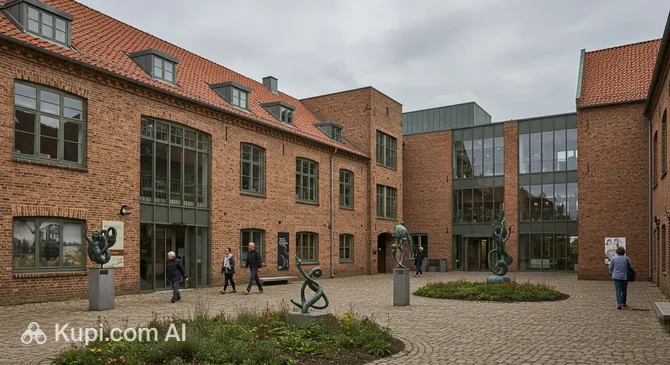
Danish Welfare Museum. Illustration.
Source: Kupi.com AI

Traveler photos:

For those interested in history and social aspects of life, the Danish Museum of Welfare opens its doors. It is housed in the authentic building of a former workhouse (Fattiggård) that operated for over a hundred years. It is the only museum of its kind in Denmark, where you can walk through the dining halls, bedrooms, and workshops, learning about the lives of the poor, orphans, and homeless of the past. The atmosphere is captured so accurately that the tour leaves a lasting impression.

No visit to Svendborg is complete without seeing Valdemar's Castle (Valdemars Slot), located on the neighboring island of Tåsinge, just a few minutes' drive across the bridge. This magnificent 17th-century palace, built by King Christian IV, is surrounded by a picturesque park and beach. Inside the castle, you can admire luxurious interiors, and the grounds often host fairs and exhibitions, making it a popular spot for countryside walks.

Also worth visiting is St. Nicholas Church (Sankt Nikolai Kirke), the city's oldest church, with a history dating back to the 12th century. Located in the center of Svendborg, the church impresses with its Romanesque architecture and red brick walls. Inside, a sense of peace prevails, and ancient altars and frescoes tell the religious past of this port city.

Local Cuisine

Svendborg is a true paradise for foodies, especially those who can't imagine a vacation without fresh seafood. Thanks to its location on the shores of the Baltic Sea, local restaurants offer fish and shellfish caught literally that same morning. A special place on the menu is reserved for mussels, oysters, and delicate shrimp, which are prepared here with great skill to preserve their natural flavor.

The main gastronomic symbol that is a must-try is the traditional Danish smørrebrød. This is a hearty open-faced sandwich on dark rye bread, generously topped with pickled herring, smoked fish, or shrimp, complemented by fresh herbs and sauces. Local chefs turn the preparation of this dish into a true art, creating complex and beautiful compositions.

As for drinks, a meal in Svendborg is usually accompanied by a glass of local beer or a shot of chilled aquavit (Scandinavian caraway-flavored spirit), which perfectly complements the taste of fatty fish. Those who prefer non-alcoholic drinks will appreciate homemade lemonades and berry juices made from seasonal fruit, as well as high-quality coffee, which Danes drink in large quantities.

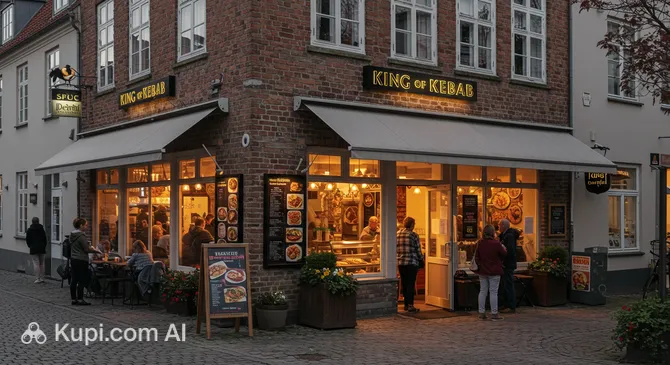
The food culture in the city is diverse: from cozy farmers' markets where you can buy homemade cheeses, honey, and pastries, to fine-dining restaurants such as Resumé or Salig Simons Gaard. For those looking for a quick and hearty snack or wanting a break from the fish menu, there are international cuisine spots, such as the popular King of Kebab. Throughout the year, the city's gastronomic life is buzzing thanks to various festivals and fairs, making Svendborg a magnet for food lovers.

Travel Tips

Welcome to Svendborg! To make your trip to this cozy port city on Funen as comfortable and worry-free as possible, we have gathered a selection of useful recommendations to help you feel at home in the Danish environment.

  1. Clothing and Essentials: The coastal weather is changeable, so the best wardrobe principle here is layering. Even in summer, be sure to bring a windproof jacket and a raincoat, as the sea breeze can be cool. For walks along the ancient cobblestone streets and the wooden piers of the harbor, be sure to choose comfortable flat shoes; heels will be extremely impractical here.

  2. Transport: The historic city center is compact and best explored on foot. If you want to feel like a real Dane, rent a bike—it's the most popular way to get around. Public transport (FynBus) is useful for trips to the suburbs, and for visiting neighboring islands (Tåsinge, Thurø), it's best to use the local ferries that depart directly from the city harbor.

  3. Finances: The official currency is the Danish Krone (DKK). Denmark is a country where cashless is king: bank cards are accepted almost everywhere, from restaurants to street ice cream stalls. Cash may be needed in rare cases, such as at small flea markets. Tipping is usually included in the bill, but rounding up the amount for excellent service is appreciated.

  4. Health and Safety: Svendborg is a very safe city where you can peacefully walk at any time of day. Pharmacies are easily recognized by the "Apotek" sign (most close around 17:30). The main threat to an inattentive tourist is the bike lanes: never walk or stand on them, as bike traffic here is intense and fast.

  5. Communication: You won't face a language barrier: almost all locals, from young people to seniors, speak English fluently. However, Danes will be very pleased if you learn a couple of words: "Hej" (Hello) and "Tak" (Thank you). Free Wi-Fi is available in many cafes, hotels, and the city library.

  6. Local Etiquette: Danes value restraint, personal space, and equality. It is not common to talk loudly in public places. If you are invited to a home or a meeting, punctuality is law: you should arrive exactly on time; being even 5 minutes late is considered impolite.

  7. What to Avoid: Do not cross the road on a red light, even if there are no cars on the horizon. Locals strictly follow traffic rules and set an example for children, so a violation will cause disapproval from those around you. Also, avoid taking photos of strangers or private houses up close without permission—privacy is highly valued here.

  8. Local Bonus: Svendborg proudly bears the title of "Cittaslow" (Slow City). There's no rushing here. The best life hack is to adapt to this rhythm: buy a fresh pastry from a local bakery, sit on a bench by the water, and just watch the sailboats move. These are the moments when the true atmosphere of the city is revealed.

We hope these practical tips help you easily plan your trip and get the most out of your visit to this charming corner of Denmark. Have a great journey!

Entertainment & Nightlife

Svendborg's nightlife has a special charm, combining a cozy "hygge" atmosphere with the liveliness of a port city. You won't find noisy metropolis clubs with strict face control here; instead, you can enjoy soul-stirring evenings in the company of locals. The fun often starts at the harbor venues, where you can feel the true maritime spirit, before gradually moving to the central pedestrian streets.

The heart of evening entertainment is Gerritsgade and Møllergade streets. Most pubs, bars, and cafes are concentrated here. The city is famous for its love of live music: on weekends, the sounds of jazz, blues, or rock drift out of many establishments. The crowd here is quite democratic—you might find maritime school students, tourists, and local old-timers all at the same bar.

For those who want to immerse themselves in authentic Danish culture, it's worth checking out traditional "bodegas"—old beer bars with wooden furniture and dim lighting. If you're looking for something more modern, head to the port area. A popular spot among young people and the creative intelligentsia is the Kammerateriet club, located on the grounds of an old shipyard. In the summer, they host beach parties and open-air concerts right by the water.

King of Kebab. Illustration.
Source: Kupi.com AI

Traveler photos:

After dancing or long bar crawls, an appetite often kicks in. Svendborg has excellent options for a late-night snack. One such place where you can get a quick and hearty meal even late at night is King of Kebab. This place is popular with both locals and tourists, offering delicious food in a relaxed setting when most fine-dining restaurants have already closed.

Cultural Leisure and Safety:

In terms of entertainment beyond the bar counter, Svendborg offers an excellent cultural program. Film lovers will appreciate the Scala cinema with its magnificent harbor views, while theater-goers can visit the Svendborg Teater—Denmark's oldest provincial theater, which regularly hosts various productions and shows. This is a great alternative to classic excursions for an evening out.

The city is exceptionally safe for nighttime strolls. However, as in any tourist destination, it's worth keeping an eye on your personal belongings. Drink prices are average for Denmark: a glass of beer will cost around 45–65 DKK. Keep in mind that night buses are rare, so taking a taxi from the stands located at the station and in the center is the most convenient way to return to your hotel.

Parks & Museums

Svendborg is a city where rich cultural heritage is harmoniously intertwined with picturesque natural landscapes, offering travelers the perfect balance between educational leisure and outdoor relaxation.

Among the city's green zones, Christiansminde holds a special place. This is a historic resort area located in the east of Svendborg, right by the strait. Here you can walk along a long promenade, relax on a sandy beach, or have a picnic in the shady park. This spot has been popular since the 19th century and retains the atmosphere of an old-fashioned seaside resort. Another cozy green oasis is Caroline Amalie Lund park, which locals affectionately call "Rotten." It is a classic urban garden with old trees and winding paths, ideal for quiet walks in the heart of the city.

Svendborg's cultural scene is represented by unique institutions that go beyond standard exhibitions. A visit to the Naturama center is a must; it positions itself as a modern theater of natural history. Instead of traditional display cases, it uses cutting-edge multimedia technology, light, and sound to tell the story of Northern Europe's wildlife. This exciting venue will appeal to tourists of all ages thanks to its interactivity and visual appeal.

Another important site for a deeper understanding of the country's history is the Danish Museum of Welfare. It is housed in the beautifully preserved complex of a former workhouse. The exhibition immerses visitors in the history of social support in Denmark, telling touching and sometimes harsh stories about the lives of the poor and orphans of past centuries. This place offers a unique, honest look at the development of Danish society.

Lovers of antiquity and architecture should visit Anne Hvide's House (Anne Hvides Gård). It is the city's oldest secular building, built in 1560. The majestic half-timbered house with black beams is a fine example of Renaissance architecture and today serves as a branch of the city museum, often hosting temporary exhibitions on local history.

For those who want to see Svendborg through the eyes of locals and enjoy nature, we recommend walking a section of the famous Archipelago Trail (Øhavsstien). Even a short walk along this route, which passes through the city's outskirts, will reward you with stunning panoramic views of the South Funen Archipelago, which often remain hidden from the eyes of regular tourists.

Getting Around

The public transport system in Svendborg is compact, convenient, and integrated into the overall network of the island of Funen. City transport is primarily handled by FynBus buses, which run through the main areas of the city and connect the center with the suburbs. The buses are easily recognizable by their distinctive design; they run strictly according to a schedule found at stops or in online apps. For trips outside the city, such as to Odense, it's most convenient to use the regional trains departing from the railway station in the very center.

A unique feature of Svendborg's transport system is its inseparable connection to the sea. Ferries here are a full-fledged mode of public transport. Ships regularly depart from the city harbor to the nearby islands of the South Funen Archipelago: Skarø, Drejø, Hjortø, and the tourist-favorite Ærø. This is not just a way to get from point A to point B, but also an opportunity to enjoy scenic sea views for the price of a regular ticket.

Fares in the region are based on a zone system. The most convenient way for a tourist is to use apps like Rejsebillet or FynBus Mobilbillet, where you can link a bank card. If you plan to move around the region a lot, consider buying an anonymous Rejsekort (Rejsekort Anonym), available at major sales points and stations. It works like an e-wallet: you tap the card against the validator (Check In) when entering and must tap it again (Check Out) when exiting. Bus drivers also accept cash, but only coins and only if they have change, so it's best to prepare small change in advance.

To plan your routes, it's highly recommended to download the Rejseplanen app. It's a universal navigator for all public transport that shows real-time schedules for buses, trains, and ferries, calculates the trip cost, and tells you the departure platform. Transport usually runs from early morning until midnight; however, intervals may increase on weekends and holidays, and night routes are limited.

As Svendborg is part of the "Cittaslow" (Slow City) movement, the bicycle remains one of the most popular ways to get around. Rental points can be found near the station, at the tourist office, and at some hotels. The terrain here is hillier than in other parts of the region, but the availability of e-bikes for rent solves this problem. This is an ideal option for exploring the waterfront and visiting nearby castles.

As an alternative to public transport, taxi services like Dantaxi are available. A car can be ordered by phone or through an app, but keep in mind that fares are quite high. Car-sharing is less developed than in big cities, so for flexible trips, tourists more often choose classic car rentals. Those traveling by car should remember to use a parking disc (P-skive) for free parking, which is often time-limited.

Accommodation

Svendborg offers travelers an impressive variety of accommodation options, allowing them to fully experience the coziness and hospitality of the island of Funen. The choice of housing here ranges from atmospheric historic hotels and classic inns to small bed and breakfast (B&B) establishments, which are traditionally very popular in Denmark. For nature lovers and budget tourists, there are excellent campsites equipped around the city, as well as hostels offering comfortable conditions at a reasonable price.

When choosing a place to stay, you should consider the purpose of your trip. The most convenient area for most guests is the city center and the area around the harbor. Staying here puts you within walking distance of the railway station, ferry terminals, restaurants, and main shopping streets. For those seeking a more relaxed atmosphere and proximity to nature, the Christiansminde area in the east of the city is ideal—it's a historic resort zone with a beach and park. You can also consider options on the island of Tåsinge, located just across the Svendborgsund Bridge, which offers stunning views of the city skyline.

We recommend booking accommodation well in advance, especially if you plan to visit during the high season (July and August) or during major city festivals. Svendborg is a sought-after destination for domestic tourism, and the best rooms with sea views are snapped up very quickly. In the off-season, it's easier to find vacancies, and the cost of stay becomes more attractive.

The price range in Svendborg corresponds to the general level of the country: from medium to high. Budget accommodation in a hostel or campsite will be cheaper, while hotels in the center and boutique hotels will cost significantly more. Booking is available through all major international online platforms, but many small guest houses also accept bookings directly through their websites, which sometimes allows you to find better deals.

Nearby Cities

For those looking to explore the surroundings, Svendborg serves as an excellent starting point for day trips to several interesting nearby locations. Just 40 km away is Odense—Denmark's third-largest city and the birthplace of the famous storyteller Hans Christian Andersen. Here, you can immerse yourself in a fairytale atmosphere by visiting the author's house-museum and strolling through the charming historic center. Another fascinating destination is Sønderborg, where history intertwines with modernity: a majestic castle and a picturesque harbor will leave no one indifferent. Military history and fortification enthusiasts will enjoy a trip to Fredericia—a unique fortress city with well-preserved earthen ramparts surrounding the center.

CityPopulationDistance
Nyborg17 52531 km
Odense180 86340 km
Nakskov12 75843 km
Læsø1 77245 km
Korsor14 70245 km

These nearby destinations provide insight into the diverse culture and landscapes of the region, making your journey through Southern Denmark even richer and more memorable.

Shopping & Souvenirs

Shopping in Svendborg is not a race for global brands, but a relaxed and pleasant pastime in a "hygge" atmosphere. The city, which proudly bears the title of Cittaslow ("Slow City"), offers tourists many cozy boutiques, craft shops, and stores with unique designs. Here, the emphasis is on quality, local production, and a personal touch, making the shopping process truly soulful.

The main shopping streets are concentrated in the historic center and are pedestrianized, allowing you to combine shopping with sightseeing. The main artery is Gerritsgade, home to shops selling well-known Danish clothing, shoes, and accessories. Parallel to it and slightly to the side is the colorful Møllergade. The city's oldest commercial street is famous for its specialty shops: here you can find vintage items, books, home goods, and designer jewelry. While strolling along these streets, be sure to peek into the cozy courtyards (gårde), where art galleries and workshops are often hidden.

For those who prefer compactness and having all the necessary shops under one roof, the Svendborg Bycenter shopping mall operates in the very center of the city. It's not a giant mall, but it offers a good selection of supermarkets, electronics stores, fashion clothing, and cosmetics. It's a convenient place to buy everything you need if the weather outside isn't suitable for long walks.

The city markets deserve special attention. Every Saturday (and sometimes on Wednesdays), the central square Torvet comes alive and fills with stalls. Svendborg is in a region called the "Garden of Denmark," so farmers from all over the island of Funen gather here. Tourists can buy fresh local cheeses, honey, seasonal fruits, and homemade pastries. This is the best place to taste the region and chat with local residents.

For souvenirs from Svendborg, it's worth bringing back local crafts, especially the ceramics and glass for which this region is famous. Gastronomic gifts are also very popular: smoked cheese from Funen (rygeost), handmade chocolate, or a bottle of local ale. Excellent themed gifts related to nature and science can be found in the souvenir shop of the Naturama center, which offers high-quality toys, books, and decor.

Opening hours for shops in Svendborg follow general Danish standards. On weekdays, most boutiques are open from 10:00 to 17:30 (on Fridays often until 18:00). On Saturday, the working day is shorter—usually until 14:00 or 15:00. Sunday is generally a day off, except for large supermarkets and certain days before holidays. Payment is possible by bank card (Visa, Mastercard) almost everywhere, even at markets and kiosks, but having some cash in Danish Krone (DKK) for small purchases doesn't hurt.

Tourists from non-EU countries can use the Tax Free system. If you make a purchase over 300 DKK in one store, look for the Global Blue logo in the window or ask the salesperson for a Tax Free Form. You can get a refund of part of the VAT when leaving the EU at the airport by presenting your receipts and unpacked goods.

Reached the end of the page?

That means the route is fully explored