Support

Kolding

About

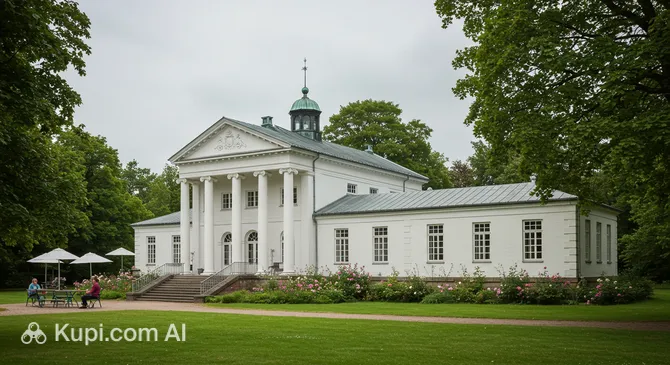
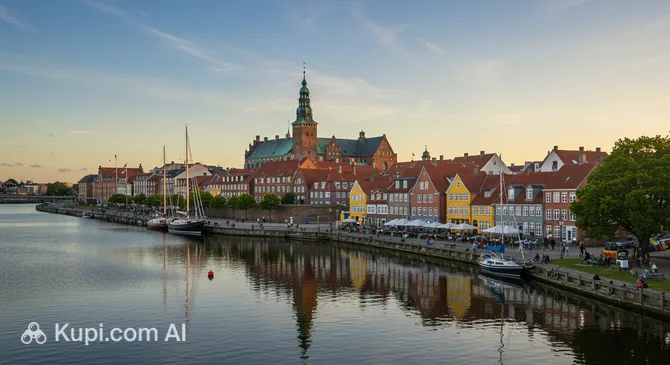
Kolding is a true Northern diamond, nestled on the shores of the picturesque Kolding Fjord. The city is located in the heart of the South Jutland region, where green hills meet the open sea. Thanks to its strategic location, it has become an important transport and trade hub connecting various parts of Denmark and Europe.

Kolding. Illustration.
Source: Kupi.com AI

With a population of over 61,000, Kolding is among the country's largest cities and is famous for its well-developed infrastructure. It wonderfully combines the cozy charm of a Scandinavian town with the dynamics of a modern center. Kolding's history is harmoniously interwoven with the present: historic buildings stand alongside trendy designer cafes and galleries, creating a unique architectural ensemble.

Travelers are drawn here by the unique atmosphere of tranquility and the famous local hospitality. It is an ideal place for leisurely strolls through narrow streets, discovering cultural heritage, and relaxing in nature by the water. Kolding is a city that inspires with its charm and leaves you wanting to return again and again.

Weather Overview

The city's climate is characterized as temperate maritime, which makes it relatively mild but changeable. There is no sweltering heat or severe frost here, but the proximity to the water dictates its own rules. To choose the best dates for your trip and pack your suitcase correctly, we recommend checking the current weather in Kolding in advance.

Summer is the most popular time to visit: in July and August, the air warms up to a comfortable 20–21°C during the day, with an average temperature of around 16–17°C. Winters here are cool but not freezing, with average figures of around 3°C in January and February. Spring and autumn arrive gradually, bringing freshness, although you should be prepared for winds from the fjord during the transition seasons.

Precipitation falls fairly evenly throughout the year, so an umbrella or raincoat will be your faithful companions on the trip. Expect moderately warm summers and cool, often cloudy winters: the number of rainy days consistently varies from 11 to 15 per month, regardless of the season.

Average monthly temperature

Average monthly precipitation

Interesting Facts

Beyond its main attractions, Kolding hides many fascinating details that make it special. The city harmoniously combines its royal past with lively modern traditions, revealing itself to travelers from an unexpected side.

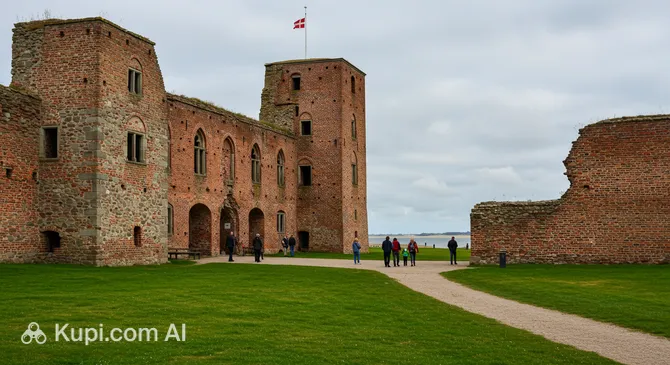
  • The historical heart of the city is the majestic Koldinghus castle, built over 750 years ago. For a long time, it served as a residence for Danish monarchs and a place where the country's destiny was decided through diplomatic negotiations and alliances.

  • Kolding is a member of the prestigious Union of the Baltic Cities, which brings together the region's most important ports and cultural centers. Because of this, international festivals and forums are regularly held here, attracting guests from all over the Baltic coast.

  • A special charm is added to strolls by the local tradition of decorating the streets with the national flags of Denmark. On holidays, the city literally blooms with red-and-white banners, which is considered a sign of exceptional hospitality and joy.

  • The city is proud of its natives, including many outstanding artists, musicians, and entrepreneurs. Their contribution to the development of Danish culture and economy is carefully preserved by the local community.

Koldinghus. Illustration.
Source: Kupi.com AI

Traveler photos:

How to Get There

Kolding occupies a strategically advantageous position in the Southern Denmark region, serving as an important transport hub connecting the Jutland peninsula with the rest of Europe. Thanks to its developed infrastructure, it is easy to get here by any type of transport. If you want to plan your route in maximum detail, we recommend exploring all ways to get to the city.

For travelers choosing to fly, the most convenient option is Billund Airport (IATA: BLL). It is important to note that Kolding itself does not have an airport, and this aviation hub is located in the neighboring city of Billund, just 33.9 km away. It is the country's second-largest airport with a wide network of flights. The journey from there by bus or taxi takes less than an hour, making it the priority choice.

As an alternative, you can consider Esbjerg Airport (IATA: EBJ). It is located slightly further away, 58.4 km from the city. This is a small regional airport that can be useful for certain flights. The journey to the center of Kolding by car takes about 45–50 minutes. Other aviation hubs also operate in the region, such as in Aarhus, but transfers from there require more time.

Below is a summary of the nearest airports:

AirportPassenger trafficDistance
Billund Airport4.0 mln34 km
Esbjerg Airport47 00058 km
Sonderborg Airport74 00063 km
Westerland - Sylt Airport125 74597 km
Aarhus Airport542 958115 km

Rail service is the pride of the Danish transport system. Kolding is a major junction station where routes from east to west and north to south intersect. If you are traveling from the capital, the key departure point will be Copenhagen Central Station (IATA: ZGH). High-speed trains cover the distance of 195.9 km in approximately 2.5 hours, offering a comfortable ride with scenic views.

For those traveling from northern Jutland, Aarhus H Station (IATA: ZJH), located 86.1 km away, serves as a convenient landmark. The train journey between these cities usually takes less than an hour. Direct connections with Germany are also available: trains from Hamburg regularly run across the border, making Kolding accessible for European tourists.

List of major nearby railway stations:

StationPassenger trafficDistance
Aarhus H Station6.3 mln86 km
Aalborg Railway Station2.2 mln175 km
Copenhagen Central Station36.5 mln196 km
Helsingborg Central Station8.8 mln211 km
Hamburg Hauptbahnhof200.8 mln219 km

Main Attractions

Kolding offers travelers a wonderful combination of historical heritage, modern culture, and picturesque nature. The city is rich in places that allow you not only to learn about Denmark's past but also to enjoy the beauty of the Jutland landscapes. A walk through local attractions will provide bright impressions for both adults and children.

The main symbol of the city and its architectural landmark is the majestic Koldinghus castle. This is the last royal residence in Jutland, which today functions as a world-class museum. Tourists are attracted here not only by the rich collection of silver and art objects but also by the architecture of the building itself: the ruins left after the fire of 1808 were masterfully integrated into the modern restoration. After climbing the castle tower, you can enjoy a breathtaking panorama of the city and the fjord.

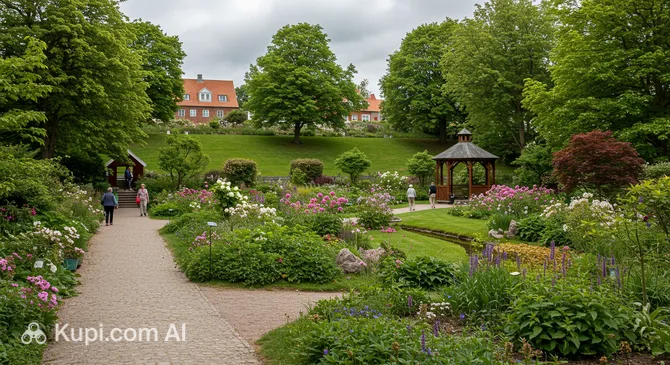
For lovers of flora and peaceful walks, the Geographical Garden is a must-visit. This is a huge botanical park covering 12 hectares, where plants from different parts of the world are gathered and grouped by geographic zones. The magnificent Rose Garden and the medicinal garden are particularly popular. This place is ideal for family holidays, featuring cozy picnic lawns and a mini-zoo that invariably delights young travelers.

Geographical Garden. Illustration.
Source: Kupi.com AI

Traveler photos:

Those interested in science and technology should visit Hartevaerk. This is a former hydroelectric power station transformed into an exciting experience center. Located in a picturesque river valley, this site allows you to learn about the power of water and energy through interactive exhibits. Tourists appreciate this place for the opportunity to combine an educational tour with active outdoor recreation in the station's surroundings.

If you want to take a break from the city bustle without going far from the center, head to Marielund Forest. This is one of the most beloved recreational areas for locals. Picturesque paths circling the lake lead through thick greenery and create an atmosphere of complete seclusion with nature. A walk here will be an excellent end to a busy day, allowing you to restore your strength in the quiet and cool shade of centuries-old trees.

Local Cuisine

Kolding's gastronomic scene is a true discovery for travelers wishing to get acquainted with the authentic flavors of Denmark. The city is rightfully considered a gourmet paradise, where ancient culinary traditions are harmoniously intertwined with modern gastronomic trends. Here, food is not just about satisfying hunger, but an important part of the culture and a reason for warm socializing.

The king of the local table remains the famous smørrebrød. In Kolding, these open-faced sandwiches are turned into true works of art. They are prepared on dense rye bread with generous portions of pickled herring, fresh shrimp, smoked fish, or roast beef, topped with homemade sauces and fresh vegetables. Every cafe strives to offer its own unique variation of this classic dish.

The proximity to the water dictates its own rules: restaurant menus abound with seafood caught directly in the Kolding Fjord. Be sure to try the smoked eel, tender fried halibut, and thick fish soups, which are perfect for warming up in windy weather. Meat lovers will enjoy local sausages and farm cheeses, which can often be found at street markets and food festivals.

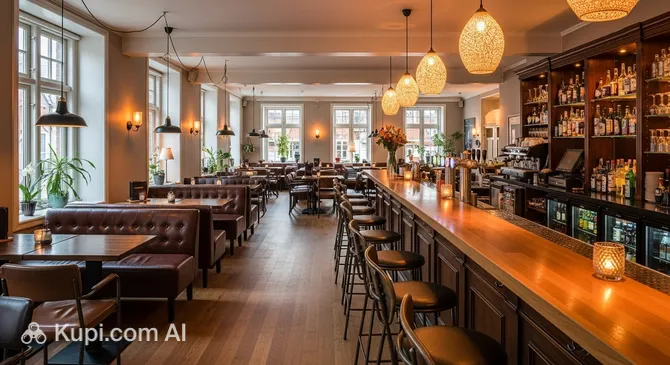
Valdemar Restaurant. Illustration.
Source: Kupi.com AI

Traveler photos:

The region's beverage culture also deserves attention. Kolding is famous for its craft breweries, where excellent beer is brewed according to ancient and original recipes. Those who prefer something stronger or sweeter should taste local schnapps, cider, and liqueurs made from forest berries and fruits.

The choice of places for dinner in the city is vast: from cozy street kiosks to elegant establishments. To immerse yourself in the atmosphere of Danish hospitality, you can visit Restaurant Valdemar, where traditions are honored and excellent service is offered. If you want to enjoy a meal with a view or in a more relaxed setting, take note of Marinen. And for those looking for a classic bar atmosphere, the English Pub, popular with both tourists and locals, opens its doors.

Travel Tips

Welcome to Kolding! To make your acquaintance with this cozy Danish city as comfortable as possible and leave only pleasant impressions, we have compiled a list of current recommendations to help you easily navigate local features.

  1. Clothing and weather surprises. The climate here is changeable, so the best principle when packing is layering. Even in summer, be sure to bring a waterproof windbreaker or a high-quality raincoat, as the wind from the fjord can be cool. For walks in the historic center, where there are many old cobblestones, choose the most comfortable flat-soled shoes.

  2. Transport and movement. The city center is compact and ideal for walking. Public transport is represented by buses (Sydtrafik), and tickets are most conveniently bought via a mobile app. However, the most authentic way to feel like a local is to rent a bicycle. The city's cycling infrastructure is excellently developed.

  3. Money matters. The official currency is the Danish krone (DKK). Denmark is one of the most "cashless" countries in the world, so bank cards are accepted absolutely everywhere: from museums to street hot dog stands. You will hardly need cash. Tips are usually already included in the bill, but rounding up the amount in cafes is considered good etiquette.

  4. Safety and health. Kolding is a very peaceful city with a low crime rate; walking here is safe at any time of day. Tap water is of the highest quality—you can safely drink it straight from the tap. Pharmacies (Apotek) operate on a standard schedule, and there are few 24-hour points, so it's better to pack a personal first-aid kit in advance.

  5. Language and communication. The language barrier is practically non-existent here: the vast majority of residents speak English fluently. Nevertheless, a polite "Tak" (thank you) or "Hej" (hello) in Danish will always bring a smile. Free Wi-Fi is available in many cafes, trains, and hotels, and for constant connection, you can buy a prepaid SIM card at supermarkets or 7-Eleven kiosks.

  6. Local etiquette. Danes highly value personal space and restraint. A firm handshake is customary when meeting. On public transport, try not to sit next to a stranger if there are free separate seats—this is considered a violation of personal comfort zones. It is also not customary to talk loudly on the phone in public places.

  7. The main safety rule. Never walk on bicycle lanes! In Denmark, this is not just a violation of rules, but a real danger. Cyclists ride fast and expect their lane to be clear. Always look carefully at your feet and at the markings before stepping onto the pavement.

  8. Shop opening hours. Plan your shopping in advance: many shops in Kolding close quite early—around 17:30–18:00 on weekdays and at 14:00–15:00 on Saturdays. Most boutiques and shops are closed on Sunday, with mainly large grocery supermarkets and bakeries remaining open.

By following these simple tips, you can avoid minor inconveniences and focus on the main thing—enjoying the atmosphere and beauty of Kolding. We wish you an easy and memorable journey!

Entertainment & Nightlife

Kolding might seem like a quiet and peaceful Scandinavian town, but as evening falls, it comes alive, offering guests a cozy and friendly atmosphere. Thanks to its large university campus, there is a youthful energy in the air, especially on weekends. The epicenter of evening life is traditionally considered the central pedestrian streets and the area around Akseltorv Square and Jernbanegade, where most popular venues are concentrated.

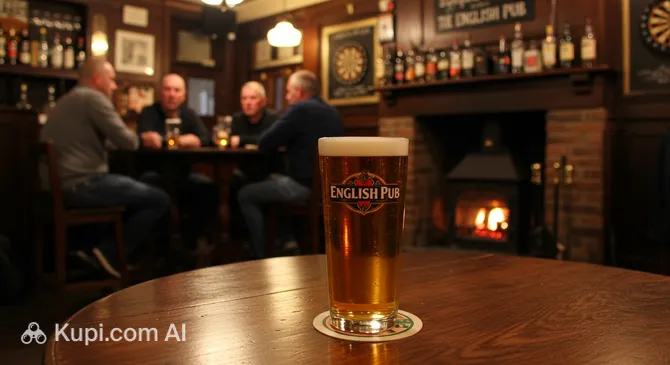
Fans of classic bar culture should check out the English Pub. This establishment is famous for its authentic interior, a wide selection of draft beers, and sports broadcasts. A relaxed atmosphere prevails here, perfect for starting the evening with friends or chatting with locals who are always happy to exchange a few words with tourists.

The English Pub. Illustration.
Source: Kupi.com AI

Traveler photos:

If you prefer a more refined dinner that flows smoothly into an evening of relaxation with a glass of wine, consider Restaurant Rafael. This place attracts guests with its warm atmosphere and high-quality cuisine, providing a great backdrop for a romantic date or a quiet conversation. Overall, the dress code in Kolding's establishments is casual: "smart casual" will be appropriate almost everywhere.

The city's nightlife is safe, as in most of Denmark. You can safely walk through the center even late at night. Taxis are easy to find at designated ranks near the station or can be called via an app, though it's worth remembering that nighttime rates may be higher. Most bars stay open until 1:00 AM–2:00 AM on weekends, while nightclubs open their doors closer to midnight and stay open until morning.

During the day, Kolding offers no fewer opportunities for exciting leisure. Families with children and water lovers should definitely visit Slotssøbadet. This modern water complex with pools, slides, and a spa area is located in a picturesque spot next to the royal castle and is one of the best in the region.

For those who want to combine entertainment with shopping, the attraction point is Kolding Storcenter—the largest shopping mall in Jutland, which features a cinema and cafes in addition to shops. And if you're in the mood for active recreation and adrenaline, head to Trampoline Park Kolding, where you can jump to your heart's content and recharge with positive emotions regardless of your age.

Parks & Museums

Kolding offers travelers a harmonious combination of natural beauty and a rich cultural program. The city is famous for its green oases, where you can take a break from the hustle and bustle, and its world-class museums, which attract art and history enthusiasts from all over Europe.

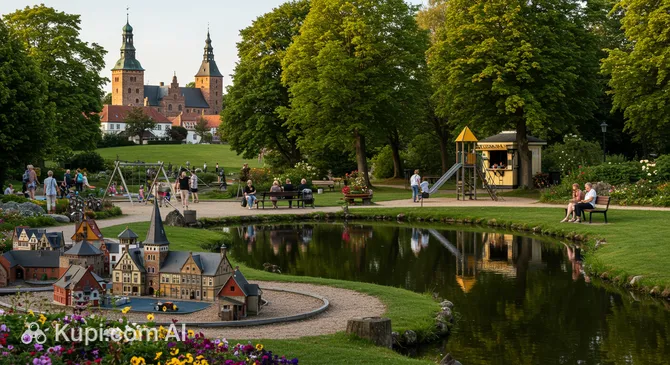
Among the park areas, a true gem for family holidays is Legeparken. This extensive recreational space, located near the center, offers unique leisure opportunities completely free of charge. Here you can go boating on the lake, race pedal cars, or organize a picnic in specially equipped areas. The park is open year-round and has become a favorite meeting place for both locals and tourists due to its cozy and welcoming atmosphere.

Legeparken. Illustration.
Source: Kupi.com AI

Traveler photos:

Another iconic spot is the Geographical Garden. This is not just a botanical garden, but a living encyclopedia of flora, where plants are grouped by continent. Of particular interest to guests is "Kolding Miniby," located here—a miniature copy of the city, recreating its appearance as it was in the 1860s. A walk here allows you not only to enjoy the scent of thousands of roses but also to literally look at the city's history from a bird's-eye view.

The cultural landscape of the city is dominated by the Trapholt museum, often referred to as the "Jutland Louisiana." This museum of modern art and design is located in a picturesque spot with a panoramic view of Kolding Fjord. It is known for its impressive collection of Danish furniture design, including works by Arne Jacobsen, and its unique architecture. A visit to Trapholt is an immersion into the world of creativity, where art is harmoniously intertwined with nature.

You also cannot overlook Koldinghus. Within the walls of this majestic castle is a museum that houses Denmark's cultural treasures. The exhibits cover a wide range of topics: from royal silver and porcelain to modern design exhibitions. The building itself, masterfully restored after a fire, is the main exhibit, demonstrating how carefully the Danes treat their heritage by connecting ruins with modern architecture.

Among the historical monuments, Saint Nicholas Church (Sankt Nicolai Kirke) is worth mentioning. This is the oldest church in the city, with a history dating back to the 13th century. The austere Gothic architecture and magnificent stained-glass windows create a special atmosphere of solemnity and peace inside, allowing you to touch the spiritual traditions of the region.

Insider tip: For those seeking solitude, we recommend walking along the trails by the lake in the Marielund Forest area. And if you want to take the best panoramic photos, climb the Skamlingsbanken hill in the city's outskirts—it is the highest point in South Jutland, offering breathtaking views of the Little Belt strait.

Getting Around

The public transport system in Kolding is characterized by Danish punctuality, comfort, and thoughtfulness, although the city itself is quite compact, and many attractions in the center are easy to reach on foot. The main form of city transport is buses, which connect the station, center, university campus, and residential areas. The network is operated by Sydtrafik. City buses are easy to recognize by their bright yellow color, while regional routes connecting Kolding with neighboring towns are usually painted blue.

There are no subways or trams in the city, but trains perfectly fulfill the role of high-speed transport. Kolding Railway Station is a major transport hub. From here, you can quickly reach the suburbs or neighboring cities by regional trains. This is especially convenient if you plan to visit attractions outside the center, such as nearby beaches or museums in neighboring settlements.

Fare payment in Denmark is based on a zone system, which may seem a bit confusing to a newcomer. The ticket price depends on the number of zones crossed. The most convenient way for tourists to pay is through mobile apps such as Sydtrafik or the nationwide Rejsebillet. You can link a bank card to these apps and buy tickets in a few clicks without dealing with vending machines. If you plan to travel a lot throughout the country, it makes sense to purchase a Rejsekort Anonymous card, sold at 7-Eleven kiosks and stations, but for a short visit to one city, the app will suffice.

Bus drivers also sell single tickets, but only accept cash (Danish kroners), and getting change from large bills can be an issue. Important to remember: entry to city buses is through the front door, where you need to show your ticket or scan your card. A ticket bought in the app or from the driver is usually valid for a certain amount of time (often 1 hour) and allows for transfers within the paid zones.

The main helper for any tourist in Kolding is the Rejseplanen app or website. This is a universal route planner that shows the real-time schedule for all types of transport, connections, prices, and even walking distances. We strongly recommend downloading it before your trip—it will save you a lot of time.

Kolding, like the rest of the country, is a city of cyclists. A wonderful infrastructure with dedicated lanes and traffic lights for two-wheeled transport has been created here. Renting a bike is a great alternative to buses, allowing you to feel the rhythm of local life. Rental points can be found at the station, hotels, or through bike-sharing services via mobile apps.

Taxis in the city are comfortable and safe, but quite an expensive pleasure. Catching a car on the street is difficult; it is better to look for them at designated ranks (for example, at the station) or order by phone and through an app (a popular operator is Dantaxi). Car sharing is also available, but for moving within a small city, it is rarely justified due to parking challenges in the historic center.
Accommodation

Kolding delights travelers with a variety of accommodation options: from cozy family-run guesthouses to modern business hotels. The city offers comfortable conditions for budget tourists choosing hostels or campsites, as well as for those who prefer high-end service and spa facilities. Renting cottages for a holiday in nature is also popular in the surrounding areas.

The historic center is considered the most convenient area to stay. By staying here, you will be within walking distance of the railway station, main shopping streets, and key attractions such as the castle. This is an ideal choice for those traveling without a car. If you are looking for peace and picturesque views, it is worth considering hotels on the shores of Kolding Fjord or in the green zones on the outskirts of the city.

Among the options combining comfortable accommodation and opportunities for active recreation, the Slotssøbadet resort complex stands out. This place is especially popular with families and wellness lovers, as it offers not only accommodation but also access to a magnificent water center with pools and saunas. Its location next to the royal castle and the lake makes it an excellent starting point for walks.

SlotssøBadet. Illustration.
Source: Kupi.com AI

Traveler photos:

Booking tip: Kolding is a popular destination, especially in the summer season (July–August) and during major festivals. To guarantee the best value for your money, it is recommended to book your accommodation in advance, preferably 2–3 months before your trip.

Price ranges vary from medium to high, which is typical for Denmark in general. Budget options can be found within the range of 500–700 DKK per night, while a night in a high-class hotel will cost significantly more. The most reliable way to book a room is to use major international online platforms or the official websites of the hotels, which often allows you to find special offers or packages.

Nearby Cities

For those who want to explore the surrounding area, Kolding serves as an excellent starting point for day trips to several interesting nearby locations:

CityPopulationDistance
Middelfart16 27717 km
Fredericia40 88619 km
Vejen10 00921 km
Vejle60 23124 km
Haderslev22 01127 km

Among the closest neighbors, Odense—the birthplace of the famous storyteller Hans Christian Andersen—deserves special attention. It is a city with cobblestone streets, cozy museums, and a special fairy-tale atmosphere, located just an hour's drive away. Vejle attracts visitors with its picturesque fjord and bold modern architecture, such as the "Wave" residential complex. It is a great place for shopping and walks along the embankment. Fredericia is interesting for its history as a fortress city: well-preserved earthen ramparts surround the center and offer excellent walking routes with sea views.

These nearby destinations provide an insight into the region's diverse culture and landscapes.

Shopping & Souvenirs

Shopping in Kolding is an exciting journey that combines the coziness of historic pedestrian streets with the scale of modern shopping complexes. As part of the UNESCO Creative Cities Network, Kolding places a special emphasis on design, so you can easily find unique interior items, stylish clothing, and high-quality local products here. Whether you are looking for famous international brands or authentic souvenirs from Denmark, the city offers options for every taste.

The heart of city commerce is the pedestrian streets (Gågaden) in the historic center. A walk through the winding streets such as Østergade and Jernbanegade will provide aesthetic pleasure. This area is concentrated with small boutiques, Scandinavian fashion stores, jewelry shops, and cozy cafes where you can take a break. The atmosphere of this district encourages leisurely shopping, allowing you to enjoy the architecture of the old town.

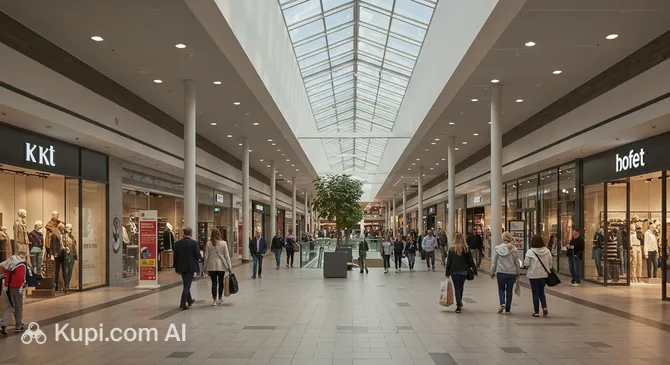
For those who prefer large-scale shopping under one roof, Kolding Storcenter is a must. It is the largest shopping mall in Jutland, located in the northern part of the city. More than 120 stores are gathered under its roof: from popular mass-market brands to specialized electronics and home goods boutiques. It also houses a huge Bilka hypermarket and a cinema, making the center an ideal place to spend a rainy day.

Kolding Storcenter. Illustration.
Source: Kupi.com AI

Traveler photos:

Fans of colorful markets should visit Akseltorv square. On Wednesdays and Saturdays, a farmers' market often sets up here, where local producers offer fresh vegetables, fruits, cheeses, honey, and flowers. It is a great place to try local delicacies and feel the city's vibrant atmosphere. During the warm season, flea markets are also held in the city, where you can find vintage treasures and antiques.

As souvenirs, tourists most often bring home items of Danish design: ceramics, glass, or textiles, which are famous for their minimalism and quality. Look for products from local artisans or classics like Royal Copenhagen. Gastronomic gifts are also popular: Danish licorice, handmade chocolate, or craft beer from local breweries.

The opening hours for shops in the center are usually limited: from Monday to Thursday they are open from 10:00 to 17:30, on Friday until 18:00, and on Saturday they close as early as 14:00 or 15:00. Sundays are usually a day off in the center. However, Kolding Storcenter stays open longer—until 20:00 on weekdays and until 17:00 on weekends. Payment is made by bank cards (Visa, Mastercard) almost everywhere; cash kroners may only be needed in rare cases at street stalls.

Tourists living outside the EU can take advantage of the Tax Free system. If the purchase amount in one store exceeds 300 DKK, look for the Global Blue or Tax Free Worldwide logo in the window. Don't forget to ask the seller for a special receipt (Tax Free Form) when paying to get a VAT refund when leaving the European Union.

Reached the end of the page?

That means the route is fully explored