Support

Silkeborg

About

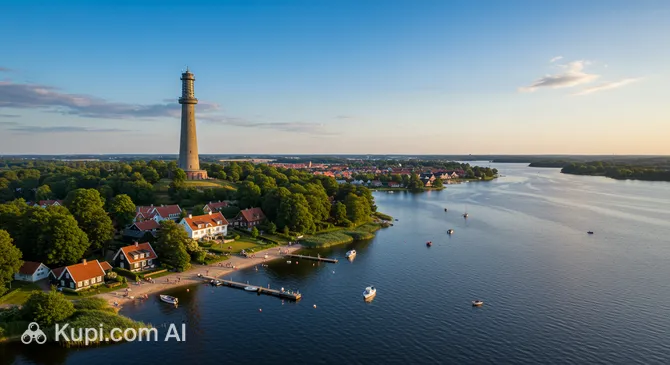
Silkeborg is a true natural oasis located in the heart of the Jutland peninsula. This cozy city, situated just a 40-minute drive from Aarhus, attracts travelers with its unique atmosphere where urban comfort and pristine landscape beauty are harmoniously intertwined. If you are planning a trip to a country like Denmark, Silkeborg is an excellent place to get acquainted with its "green" side and calm pace of life.
Silkeborg. Illustration.
Source: Kupi.com AI

The city's geographical location is truly unique: it is surrounded by dense ancient forests and an incredible number of water bodies—there are more than 70 crystal-clear lakes here. Thanks to such a landscape, Silkeborg is considered an ideal destination for both lovers of meditative relaxation in the lap of nature and active tourism enthusiasts. With a population of about 50,000 people, it maintains an intimate feel, yet serves as the administrative center of the municipality and offers a well-developed infrastructure.

Strolling along the picturesque embankments or central streets, you can notice how the rich history of Silkeborg exists side by side with modernity. The city literally breathes creativity: there are numerous art galleries, interesting museums, and cozy cafes where it is pleasant to relax after a busy day. This is a place where Scandinavian restraint meets warm hospitality, and the cultural program is as good as that of the capital.

Silkeborg is worth visiting to find a balance between urbanity and nature, feeling like a character in a Danish fairy tale. Whether it's a boat trip on the lakes, hiking along forest trails, or getting to know the local art—this city in the Central Jutland region will give you unforgettable impressions and a sense of complete harmony.
Weather Overview

The climate in Silkeborg is temperate and mild, which is typical for Central Jutland, but has its own characteristics due to the abundance of lakes and forests around. There is no exhausting heat or extreme frosts here, which makes the city accessible for visiting all year round. The warmest months are July and August, when the daytime temperature comfortably stays around 20°C, and the coldest are January and February with averages of about 2-3°C above zero.

Precipitation falls fairly evenly throughout the year, so an umbrella or raincoat will be your faithful companions on the trip. Expect a moderately warm summer with occasional rain and a cool, humid winter without severe frosts. Even in the "driest" spring period, in April and March, the number of rainy days is about 11 per month.

Autumn and spring here can be quite fresh, with temperatures from 6°C to 14°C, but it is at this time that the nature around the lakes looks especially picturesque. To pack your suitcase correctly and choose the perfect time for walks, you will need the detailed weather in Silkeborg with a monthly forecast.

Average monthly temperature

Average monthly precipitation

Interesting Facts

Silkeborg is not just about beautiful landscapes, but a place with an amazing history and culture. In addition to the main attractions, the city holds many fascinating secrets that will surprise even experienced travelers.
  • The "Lake Capital" of Denmark. There are more than 70 lakes in the city's surroundings, and the city itself stands on the banks of the Gudenå—the longest river in the country. This unique geography makes Silkeborg one of the best places in Scandinavia for water sports and picturesque boat trips.

  • A city that grew out of a factory. The history of modern Silkeborg began in 1844 with the founding of a paper mill. For a long time, paper production was the hallmark of the region. Today, the Museum Silkeborg, Hovedgården stands on the site of the old production, where you can see the famous "Elling Woman" and the Tollund Man—some of the oldest bog mummies in the world.

  • A center of the avant-garde. The city is the birthplace of Asger Jorn, one of the most influential Danish artists of the 20th century. His works and collection are gathered in a unique place—the Museum Jorn is considered a true cultural gem and a must-visit for all art lovers.

  • Unique underwater world. Northern Europe's one-of-a-kind freshwater aquarium—the AQUA Aquarium and Wildlife Park—is located here. In it, you can observe the life of lake inhabitants through huge glass panels, creating an effect of complete immersion in the underwater environment.

  • The oldest festival on water. Every year the city comes alive during the Silkeborg Regatta. This is a colorful parade of boats accompanied by light shows and fireworks, which gathers thousands of guests and is considered one of the most vibrant traditions in the region.

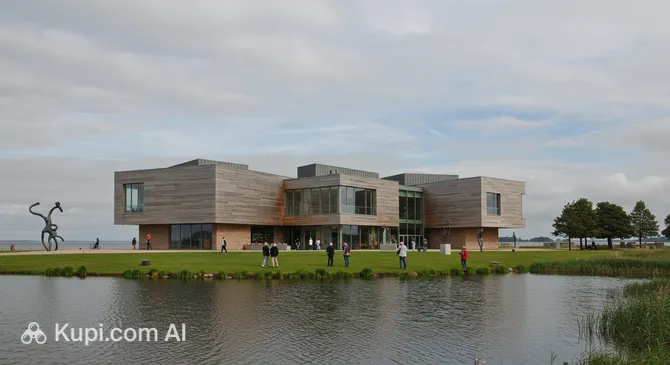
Museum Jorn. Illustration.
Source: Kupi.com AI

Traveler photos:

How to Get There

You can reach this picturesque corner of Denmark in various ways, but most often travelers choose a combination of air travel and ground transport. Since the city does not have its own airport, the route usually passes through neighboring major transport hubs. You can find all ways to get to the city in more detail on a separate page, and below we will consider the most popular options.

The closest and most convenient for most tourists is Billund Airport (IATA: BLL). It is located in the city of Billund, about 55 km from Silkeborg. It is the second-largest airport in the country, receiving many international flights. A trip from here by taxi or rented car will take about 45–50 minutes. You can also use the bus service, which will take a little more time but allow you to enjoy the views of Jutland.

An alternative option could be Aarhus Airport (IATA: AAR), which is located in the city of Aarhus. The distance to Silkeborg is about 68 km. Although this airport is smaller, it is convenient for those arriving on certain European flights. The journey by car from here will take about an hour. Another option is arriving at Aalborg Airport (IATA: AAL), located in Aalborg (about 104 km from the destination), which will require about a 1 hour 20 minute drive.

For clarity, here is summary information on the main airports:

AirportPassenger trafficDistance
Billund Airport4.0 mln55 km
Aarhus Airport542 95868 km
Esbjerg Airport47 00097 km
Aalborg Airport1.4 mln104 km
Sonderborg Airport74 000136 km

Rail service is another excellent way to get to the region, especially if you are already in Scandinavia. There is no major international railway hub in Silkeborg itself, but you can arrive at the Aarhus H Station in the city of Aarhus, which is only 40 km from Silkeborg. From there, regional trains and buses run regularly, taking you to your destination in 30–40 minutes.

If you arrive in the capital, the key point will be Copenhagen Central Station. Despite being in Copenhagen (about 196 km away), it is the main transport hub of the country. Direct trains depart from here towards Jutland, and the journey to Silkeborg with a transfer in Aarhus or Skanderborg will be a comfortable trip across the country.

Below is information about the nearest major railway hubs:

StationPassenger trafficDistance
Aarhus H Station6.3 mln40 km
Aalborg Railway Station2.2 mln99 km
Helsingborg Central Station8.8 mln196 km
Copenhagen Central Station36.5 mln196 km
Ängelholm Railway Station205 km

Main Attractions

Attractions:

Silkeborg offers travelers an amazing combination of cultural discoveries and natural wonders. From encounters with underwater inhabitants to immersion in ancient history and contemporary art—everyone will find something to their liking here. Here is a list of places that are definitely worth including in your trip itinerary.

One of the city's most vibrant and unusual locations is the AQUA Aquarium and Wildlife Park. This is not just a museum, but an entire research center dedicated to the freshwater life of Danish lakes and rivers. The main feature of the place is the huge panoramic windows that allow you to look into the depths of the water and observe the habits of pike, eel, and trout in their natural environment. In the open park area, visitors can expect encounters with playful otters, beavers, and raccoons, and a large water playground is equipped for children, where they can experiment with water flows and locks.

Silkeborg Art Center. Illustration.
Source: Kupi.com AI

Traveler photos:

Connoisseurs of beauty should head to the Silkeborg Art Centre (Silkeborg Bad). It is located in a picturesque park on the lakeshore, in the buildings of a former hydrotherapy resort, which gives it a special historical atmosphere. The center specializes in contemporary art, regularly holding temporary exhibitions of Danish and international masters. A walk through the adjacent sculpture park is a treat in itself: here art is harmoniously integrated into the landscape, and among the trees, you can find preserved bunkers from World War II that are open to the public.

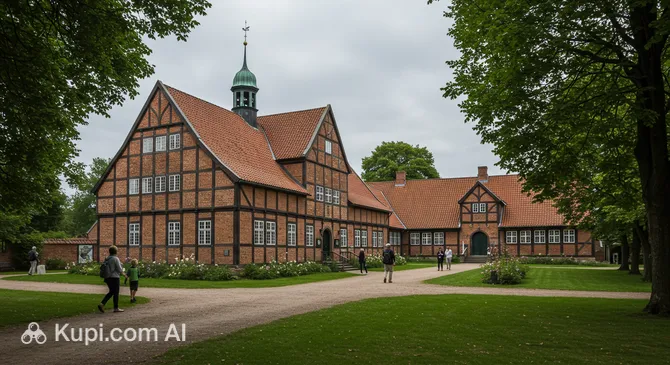
For those who want to touch ancient history, the Museum Silkeborg, Hovedgården is a must-see. It is housed in the city's oldest building—a manor house dating back to 1767. The main treasure of the collection is the famous "Tollund Man"—a perfectly preserved Iron Age mummy found in nearby peat bogs. The face of this man, who lived more than 2,000 years ago, is preserved in such detail that it seems as if he is just sleeping. The museum's exhibition also tells the story of the city's development, from ancient settlements to the industrial era.

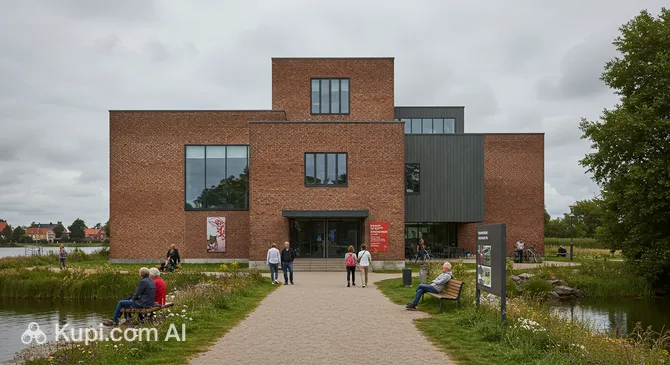
It is also impossible to ignore Museum Jorn, which houses an impressive collection of works by Asger Jorn and other representatives of the avant-garde COBRA movement. This place attracts with its boldness and expression, and the museum building itself is designed so that the light perfectly emphasizes the dynamics of the paintings and sculptures. Creative workshops are often held here, allowing visitors to try their hand as artists.

Local Cuisine

Silkeborg's gastronomic scene is a reflection of its unique nature and Danish traditions. The city can safely be called a paradise for gourmets who want to get acquainted with the authentic cuisine of Jutland. Acquaintance with local flavors should start with the classic smørrebrød. Here, these open-faced sandwiches are turned into true works of art: marinated herring, roast beef, or cheese are generously placed on a slice of dense rye bread, decorating the composition with fresh herbs, vegetables, and signature sauces.

Since Silkeborg is surrounded by lakes, dishes made from freshwater fish occupy a special place on the menu. Local chefs masterfully prepare river trout and eel caught right in the surrounding waters. The fish is often served smoked or fried with a side dish of seasonal root vegetables. Meat lovers should pay attention to venison and game dishes supplied from the dense forests of the region, as well as farm cheeses produced in neighboring farms.

Panorama Mad & Vin. Illustration.
Source: Kupi.com AI

Traveler photos:

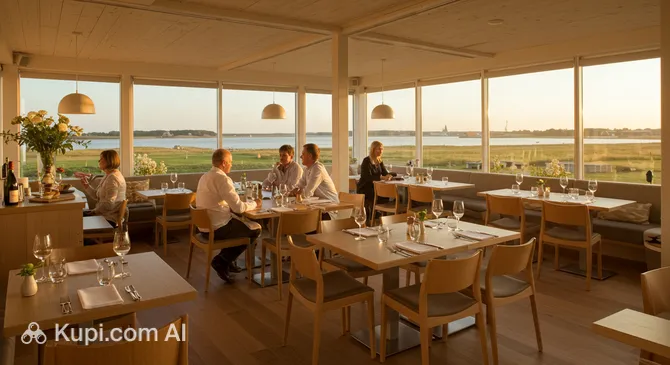
The food culture in the city is diverse: from cozy street markets to high-class restaurants. To enjoy an exquisite dinner with a view of the city, you can visit Panorama Mad & Vin, where modern cuisine harmoniously combines with panoramic landscapes. Those looking for the atmosphere of an old manor and traditional Danish hospitality should drop by Gl. Skovridergaard—this place is famous for its attention to detail and food quality.

Don't forget to complement your meal with local drinks. Craft beer and apple cider brewed in small family breweries are popular in Silkeborg. And for a sweet end to the day, the famous Danish cinnamon and almond buns, which can be bought at any bakery or at gastronomic festivals regularly held in the city center, are perfect.

Travel Tips

Welcome to Silkeborg! To make your immersion into the atmosphere of this picturesque lake region as comfortable as possible and without extra hassle, we have prepared a list of useful recommendations. These tips will help you feel confident and enjoy your vacation like a true local.

  1. Clothing and equipment. The weather here, as in all of Scandinavia, is changeable. The best strategy is layering: a T-shirt, a fleece, and a waterproof windbreaker. Be sure to bring comfortable, worn-in shoes, as Silkeborg's main beauties are in the forests and on the shores of the lakes, where you will want to walk a lot. If you are planning a summer trip, take swimwear—swimming is allowed and very pleasant in the city's cleanest lakes.

  2. Transport and movement. The city center is compact enough for walking, but to access remote corners of nature, it is best to rent a bike—this is the most popular and convenient transport in the region. Public transport is represented by yellow buses (Midttrafik system), tickets for which can be bought through the app or from the driver (cash only). Taxis here are expensive, so to save your budget, it's better to rely on your own strength or buses.

  3. Finances and payment. The local currency is the Danish Krone (DKK). Denmark is a country where cashless payment has triumphed: Visa and Mastercard bank cards are accepted everywhere, from museums to tiny street kiosks. Cash may be needed in exceptional cases, so it's not worth changing large amounts. Tips are usually already included in the bill, but if the service was excellent, you can round up the amount—the staff will appreciate it.

  4. Health and safety. Silkeborg is an exceptionally safe city where you can safely walk even at night. Tap water here is one of the cleanest in the world; you can and should drink it directly from the tap. Pharmacies (Apotek) operate on a standard schedule; there are few 24-hour ones, so it's better to have a basic set of medicines with you. In emergencies, call 112.

  5. Communication and connectivity. Virtually all residents of the city, from teenagers to the elderly, speak English perfectly, so you will not feel a language barrier. For navigation and transport schedules, download the Rejseplanen app. Free Wi-Fi is available in many cafes, trains, and libraries, but for stable internet in nature, it is better to buy a prepaid SIM card (for example, Lebara) at any supermarket.

  6. Local etiquette. Danes value politeness and personal space. When entering a shop or cafe, it is customary to say hello with a short "Hej" (Hi). Strict rules apply on bike lanes: never walk on them and do not stand in the way of cyclists—this can cause serious dissatisfaction and create a dangerous situation.

  7. What to avoid. It is strongly recommended not to cross the road on a red light, even if the horizon is clear—locals are very law-abiding, and such behavior is considered a gross violation of norms (plus fines are high). Also avoid loud conversations in public transport, especially in the "quiet zones" of trains.

  8. Tip for Silkeborg. If you want to ride the famous old steamer Hjejlen, book tickets online in advance. This is the main tourist attraction on the water, and on a good day, seats are sold out instantly. Also remember that many shops in the city close quite early (around 17:30–18:00) on weekdays and even earlier on Saturday, and may not work at all on Sundays.

Silkeborg is a city where nature and urban comfort exist in perfect harmony. By following these simple tips, you will be able to avoid minor troubles and fully devote yourself to contemplating lake landscapes and exploring the unique culture of Jutland. Have a nice trip!

Entertainment & Nightlife

Nightlife in Silkeborg is a harmonious continuation of its calm daytime rhythm, where the atmosphere of cozy Scandinavian "hygge" prevails over noisy metropolis clubs. Evening entertainment here is mainly concentrated in the city center, around Nygade and Skoletorvet streets, and the picturesque harbor. With the onset of twilight, these quarters come alive: locals and tourists gather in pubs, wine bars, and restaurants to enjoy live music, craft drinks, and leisurely conversation.

For those who want to start the evening with a pleasant dinner or a glass of wine in a relaxed setting, Restaurant & Pizzeria Roma is an excellent choice. This establishment is popular not only for its cuisine but also for its democratic atmosphere, suitable for meeting friends before continuing the night. The crowd in local bars and pubs is very diverse—from students of the local college to respectable couples—and the dress code remains within casual style almost everywhere.

If you are looking for a place for a more elegant evening getaway, it is worth paying attention to Gl. Skovridergaard. Although this establishment is known primarily as a restaurant, its historical atmosphere and location make it a wonderful location for a quiet evening away from the hustle and bustle. Fans of dancing and more active nightlife should look for venues closer to the waterfront, where DJs often play and cocktail bars operate on weekends.

Practical tips for night owls: Silkeborg is a very safe city, and night walks here do not pose any threats. However, it should be noted that public transport runs infrequently at night. If you stay out late, the most reliable way to get to your hotel will be a taxi (for example, Dantaxi), which can be called by phone or through an app. The average price for a cocktail in a bar ranges from 80 to 120 kroner, and a glass of beer will cost about 50–70 kroner. Most establishments close around 02:00, but on Friday and Saturday, the fun can last until morning.

In addition to bars and restaurants, the city offers a rich cultural program. A center of attraction for art lovers is the Jysk Musikteater, where concerts, theatrical productions, and musicals regularly take place. During the day and early evening, you can visit modern cinemas or go on a boat trip with live jazz music, which is often organized on the lakes during the summer season.

Parks & Museums

Silkeborg is rightfully proud of its status as the "green heart" of Denmark: here the urban environment smoothly flows into protected forests, and cultural institutions are often located right in the middle of picturesque parks. For tourists, this opens up a unique opportunity to combine intellectual leisure with relaxing walks in the fresh air, enjoying the harmony of art and nature.

Among the city's green zones, a special place is occupied by Indelukket park. It is not just a city garden, but a center of public life located right by the harbor. Here you can stroll along the docks with yachts, have a picnic on manicured lawns, or attend a concert on the famous open-air stage. Another natural gem is the area around Lake Almind Sø. This is one of the cleanest lakes in the country, surrounded by dense forest. In summer, popular beaches (Aggerholm and Østre Søbad) open here, and in the cooler season, the trails laid around the reservoir become an ideal place for hiking and jogging.

Museum Silkeborg, Hovedgården. Illustration.
Source: Kupi.com AI

Traveler photos:

The city's cultural map is no less rich. A must-visit is Museum Jorn, dedicated to the work of the world-famous Danish artist Asger Jorn. The museum's collection includes thousands of works, from paintings to ceramics, and immerses visitors in the world of expressionism and bold experiments of the COBRA group. The museum building itself is designed to interact with the surrounding landscape, creating a single space for creativity.

For an immersion into local history, it is worth looking into Museum Silkeborg, Hovedgården. Located in the city's oldest manor (1767), it houses archaeological finds of global significance, including famous bog mummies. This place allows you to trace the region's path from the Iron Age to the formation of a modern resort city, offering tourists not only dry facts but also the living stories of ancient people.

Another important point on the route is the Silkeborg Art Centre (Silkeborg Bad). It occupies the historical buildings of a former sanatorium and specializes in contemporary art. However, not only the exhibitions inside are of interest: the center is surrounded by a magnificent sculpture park that extends to the very shore of Lake Ørnsø. A walk here turns into a quest to find art objects among centuries-old trees.

If you want to see something less obvious, pay attention to the Paper Museum (Papirmuseet). Silkeborg grew up around a paper mill, and in this museum, you can not only learn the history of production but also try to make a sheet of paper with your own hands using old technologies—a fascinating experience for both adults and children.

Getting Around

The transport system in Silkeborg, as in many cities in the region, is characterized by efficiency, punctuality, and a high level of comfort. Since the city is relatively small and compact, many attractions in the center are within walking distance; however, for trips to remote areas or to picturesque lakes, you will need public transport. The core of the urban network consists of buses that connect residential quarters, the station, and tourist zones.

The main bus operator is Midttrafik. City buses are easy to recognize by their bright yellow color; they run on main routes from early morning until late evening. Intervals are usually 15 to 30 minutes on weekdays, but transport runs less frequently on weekends and in the evenings. For trips outside the city, for example, to neighboring villages, regional blue buses are used.

Railway transport also plays an important role, although it is more focused on connecting with other cities. The railway station is in the very center, and Arriva trains regularly depart towards Aarhus and Herning. This is a convenient option if you plan to live in the suburbs and travel to the center daily.

The fare system is unified and may seem a bit complicated to a tourist due to zonal pricing. The cost of a trip depends on the number of zones crossed (a minimum of two zones for an adult ticket costs about 22–24 kroner). The most convenient way to pay for short-term visits is the Midttrafik or Rejsebillet mobile app, where you can link a card and buy tickets online. Paper tickets can be purchased from the bus driver, but note: only cash (kroner) is accepted, and preferably exact change.

If you plan to move around the region a lot, it makes sense to purchase an anonymous Rejsekort card. This is an electronic pass that works on the "check-in / check-out" principle. It is important to remember: you need to tap the card against the validator (blue dots at the doors) both when entering (Check ind) and necessarily when exiting (Check ud), otherwise the maximum penalty amount will be charged from the card. You can buy and top up the card at machines at the railway station or in 7-Eleven stores.

A unique feature of Silkeborg's transport system is water transport. In the summer season, historic boats and the famous paddle steamer Hjejlen cruise the lakes. Although this is more of a tourist attraction, locals sometimes use it as a pleasant way to get to certain points on the coast, such as Himmelbjerget.

Alternative ways of moving:

The most popular means of transportation is certainly the bicycle. The city's infrastructure is perfectly adapted for cyclists: dedicated paths are laid everywhere, and the terrain, although hilly in the forests, is quite comfortable in the center. Rental points can be found at hotels, at the tourist center, or in specialized shops. This is the best way to feel the atmosphere of the "city of lakes".

Taxi service in the city is represented by Dantaxi. The cars are comfortable, but the rides are quite expensive. It is difficult to catch a car on the street; it is better to order through an app or by phone. Car sharing is less developed than in the capital, but car rental services are available. To plan any routes, it is strongly recommended to use the free Rejseplanen app—it builds ideal routes taking into account all transfers, delays, and walking sections.

Accommodation

Silkeborg offers travelers a variety of accommodation options that blend harmoniously with the "garden city" concept. Since this picturesque region of Denmark is famous for its lakes and forests, many tourists prefer to stay not just in the center, but in places where nature begins right outside the doorstep. The general level of service here is traditionally high, so comfort is guaranteed whether you choose a budget campsite or a luxury hotel.

When searching for housing, you should start from the goals of your trip. The city center (around Torvet square and the harbor) is ideal for those traveling without a car who want to be within walking distance of the railway station, museums, and restaurants. If you are looking for seclusion and panoramic views, pay attention to the surroundings of the Gudenå river and the lakes Silkeborg Langsø or Almind Sø. In these areas, there are resort hotels and guest houses offering peace and direct access to the water.

The typical range of accommodation in Silkeborg includes:

  • Classic hotels and historical inns (Kro). Old manors and converted buildings are popular in the region, where you can feel the atmosphere of the past without sacrificing modern amenities.
  • Campsites and glampings. Danish campsites are considered among the best in Europe. In the vicinity of Silkeborg, they are often located right in the forest, offering both tent sites and comfortable cabins.
  • Cottage rentals (Sommerhus). A popular option for families and groups is renting a traditional Danish summer house. This is a great way to live like a local.
  • Bed & Breakfast. Cozy rooms in private homes are a good way to save some money and chat with hospitable hosts.

Price range: The cost of living here, as in all of Scandinavia, is higher than the European average.
Budget segment: hostels and campsites (from 200–400 DKK per night).
Mid-range: standard double rooms in 3-4 star hotels (from 800 to 1400 DKK).
Luxury: spa hotels and historical estates (from 1500–2000 DKK and above).

Booking tip: Silkeborg is an extremely popular destination for domestic tourism, especially during school holidays (July and early August) and during the Riverboat Jazz Festival. On these peak dates, the best accommodation options, especially cottages by the water and rooms with a view, are booked several months in advance. We recommend booking your stay in advance to guarantee yourself the best view from the window.

Nearby Cities

For those who want to explore the surrounding area, Silkeborg serves as an excellent starting point for day trips to several interesting nearby places. Thanks to its central location in the region, you can quickly reach the cultural capitals of Jutland and unique natural attractions.

The absolute leader for a short trip is Aarhus—the second-largest city in the country. Here you will find the famous ARoS museum with a panoramic rainbow walk on the roof and the unique open-air museum "The Old Town" (Den Gamle By), where the atmosphere of past centuries is recreated. A trip here will take less than an hour, but there will be enough impressions for a whole day.

Another interesting destination is Randers, known for its tropical zoo, Randers Regnskov. This is a place where jungles of South America, Asia, and Africa are recreated under huge domes—an ideal option for a family holiday. It's also worth paying attention to Vejle, which is famous for its bold modern architecture, such as "The Wave" residential complex, and picturesque views of the fjord.

CityPopulationDistance
Smoorlum19 78010 km
Kjellerup4 50014 km
Galten9 00422 km
Ikast15 97925 km
Skanderborg19 96328 km

These nearby destinations allow you to get an idea of the diverse culture and landscapes of the region, complementing your vacation with new bright discoveries.

Shopping & Souvenirs

Shopping in Silkeborg is a pleasant and relaxed activity that perfectly complements an outdoor holiday. Here you will not find the hustle and bustle of megacities or endless queues; instead, the city offers a cozy atmosphere where modern brands coexist with small craft shops. If you are traveling through a country like Denmark, you will certainly appreciate the local approach to trade: quality, stylish, and with attention to detail.

The heart of the city's shopping life is the pedestrian streets (Gågaderne), radiating from the central square. The main arteries for shopping lovers are Vestergade, Søndergade, and Nygade streets. Most clothing boutiques, Scandinavian design shops, jewelry salons, and cozy bookshops are concentrated here. A walk through this area is aesthetically pleasing: the shop windows are tastefully decorated, and there is always room for a coffee break between shops.

In Silkeborg, there are no giant American-style shopping malls, which allows the historical appearance of the center to be preserved. However, if you need large department stores or electronics shops, you should pay attention to the shopping areas in the Nørrevænget street district, located slightly away from the old center. Here are large supermarkets and home goods stores, where it is convenient to stock up on everything you need if you are renting a cottage.

Special attention deserves the market on Torvet square. Every Friday and Saturday (in the morning), the city's main square is transformed: local farmers bring fresh vegetables, fruits, cheeses, and flowers. This is the best place to feel the true taste of Jutland, try homemade honey, or buy freshly baked bread. Also, during the summer season, flea markets are often held in the city, where you can find unique vintage items, antique Danish porcelain, or interesting interior items.

When choosing souvenirs, pay attention to products by Danish designers. These can be minimalist jewelry, handmade ceramics, or high-quality textiles. Reproductions of paintings, art albums, or unusual stationery, which can be purchased at the gift shop at the Museum Jorn, will be great gifts. From gastronomic souvenirs, tourists often bring back Danish liquorice (especially in chocolate), local schnapps (aquavit), or craft beer from regional breweries.

Opening hours of shops in Silkeborg comply with Danish standards. On weekdays, most outlets are open from 10:00 to 17:30 or 18:00 (on Fridays often until 19:00). On Saturday, the working day is shorter—usually until 14:00 or 15:00. Sunday is generally a day off for most boutiques, although large supermarkets may be open. Payment is made almost everywhere by bank cards; cash is accepted, but it is becoming less and less popular.

For tourists from non-EU countries, a Tax Free system is available. If you make a purchase for more than 300 Danish kroner in one store (look for the Global Blue logo or similar), you can fill out a tax refund form. Do not forget to ask the seller to fill out a Tax Free receipt and keep it until you leave the country to present it at customs.

Reached the end of the page?

That means the route is fully explored