Support

Nykobing Mors

About

Nykøbing Mors is a true "Northern gem," nestled comfortably on the island of Mors in the picturesque Limfjord. Located in Denmark, this town is surrounded by water and green landscapes, creating a unique atmosphere of tranquility and closeness to nature. Thanks to its unique location, Nykøbing Mors invites you to forget the hustle and bustle of big metropolises and enjoy a leisurely pace of life.

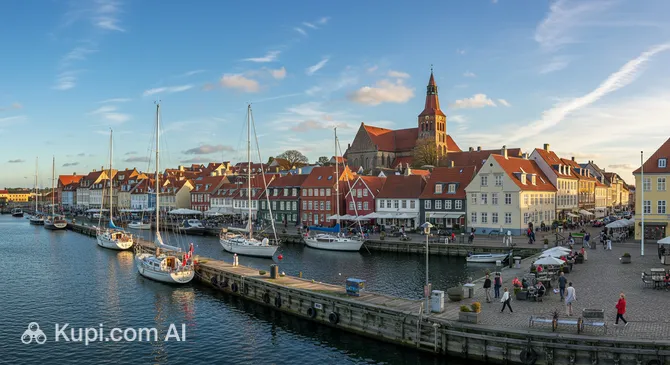
Nykøbing Mors. Illustration.
Source: Kupi.com AI

As the administrative and cultural center of the island, the town has about 9,135 inhabitants. Despite its compact size, it offers everything for a comfortable holiday and interesting discoveries. The fascinating history of Nykøbing Mors is reflected in its ancient architecture, which harmoniously blends with modern infrastructure, cozy cafes, and well-kept parks.

The town's atmosphere is perfect for long walks and contemplation. Among the main features attracting tourists are the picturesque harbor and local museums that preserve the region's cultural heritage. Locals welcome guests with sincere warmth, taking pride in their town. Nykøbing Mors is ideal for those seeking inspiration, silence, and a desire to discover authentic Danish coziness.

Weather Overview

The climate in Nykøbing Mors is moderate and largely determined by the town's island location. Extreme heat or severe frosts are rare here, making walks comfortable almost year-round. The warmest period is summer: in July and August, the air usually warms up to 19°C, with average temperatures staying around 16–17°C. This is the best time to explore the town and the nature of the Limfjord.

The off-season and winter bring coolness and high humidity. In winter months, especially January and February, temperatures fluctuate between 2°C and 5°C. In autumn, the number of overcast days increases: October is considered one of the rainiest months, with precipitation possible on up to 18 days. Spring arrives gradually, and by May it becomes noticeably warmer, with averages around 11–12°C.

Travelers should be prepared for the changeability of island weather. Expect moderately warm summers with occasional rain and cool, damp winters. To pack correctly and choose good dates for your trip, check the detailed weather in Nykøbing Mors with a monthly forecast.

Average monthly temperature

Average monthly precipitation

Interesting Facts

Beyond its main attractions, Nykøbing Mors holds many fascinating secrets and unique features that make it much more than just a point on the map. Here are a few facts that will help you see this town in a new light:

  • Flower Record-Holder. One of the town's calling cards is Jesperhus. It is not just a beautiful green area, but the largest flower park in all of Scandinavia. Hundreds of thousands of plants are planted across its territory, creating whimsical patterns and living sculptures, attracting flora lovers from all over Europe.

  • Birthplace of the "Law of Jante." Nykøbing Mors is closely linked to the name of the writer Aksel Sandemose, who was born here. It is believed that this town served as the prototype for the fictional town of Jante in his novel "A Fugitive Crosses His Tracks." It was there that the famous "Law of Jante" was formulated—a set of rules ironically describing Scandinavian collective consciousness and modesty.

  • Ancient Roots. The town's official history as a trading center began a very long time ago—it received its privileges back in 1299. Despite fires and the changes of eras, Nykøbing Mors has managed to preserve the spirit of an old merchant town, which can be felt in its architecture and street layout.

  • Shellfish Capital. Thanks to its location on the waters of the Limfjord, the town is famous for its oysters and mussels. Nykøbing Mors is often called the "shellfish capital" of Denmark, and it hosts a large-scale Shellfish Festival every year, gathering gourmets to taste the freshest seafood delicacies.

How to Get There

When planning a trip to the picturesque island of Mors, it is important to think about logistics in advance, as the town is located away from the main highways. You can learn more about how to get to Nykøbing Mors to choose the optimal route combining speed and comfort.

There is no airport in Nykøbing Mors itself, so travelers usually fly into neighboring large cities. The closest and most convenient option is Aalborg Airport (AAL), located in the city of Aalborg. It is approximately 69 km from Nykøbing Mors. The journey from the airport by taxi or rental car takes about 1 hour and 15 minutes. This is a regional hub that serves both domestic and some international flights.

For those looking for more flight options, Billund Airport (BLL) is a great fit. This is a major international hub located in the city of Billund, about 119 km from Nykøbing Mors. A car journey from here takes approximately 1 hour and 50 minutes. You can also consider flying into Aarhus Airport (AAR) in the city of Aarhus (about 122 km), which takes about 2 hours by road.

For clarity, here is a summary of the main airports through which you can reach the region:

AirportPassenger trafficDistance
Aalborg Airport1.4 mln69 km
Billund Airport4.0 mln119 km
Aarhus Airport542 958122 km
Esbjerg Airport47 000144 km
Kristiansand Airport1.1 mln164 km

If you prefer land transport, keep in mind that Nykøbing Mors itself does not have a railway station. The nearest major hub is Aalborg Railway Station in the city of Aalborg, located 70 km from your destination. Trains from Copenhagen and other Danish cities arrive here. From the station, you can reach Nykøbing Mors by regional bus, which takes about 1.5 hours, or by taxi.

Another important point on the railway map is Aarhus H Station in the city of Aarhus (about 110 km). It is one of Jutland's key transport hubs with high passenger traffic. From here, you can also continue your journey by bus or rental car, enjoying views of the Danish countryside on the way to the island of Mors.

Below is information about the nearest and most significant railway stations:

StationPassenger trafficDistance
Aalborg Railway Station2.2 mln70 km
Aarhus H Station6.3 mln110 km
Kristiansand Railway Station159 km
Gothenburg Central Station27 mln228 km
Helsingborg Central Station8.8 mln251 km

Main Attractions

Nykøbing Mors offers travelers an amazing variety of experiences, from diving into deep history to vibrant family entertainment. The town and its surroundings carefully preserve the island's cultural heritage, inviting guests to explore unique museums and picturesque parks.

One of the region's brightest gems is the Jesperhus Flower Park (Jesperhus Blomsterpark). It is the largest flower park in Scandinavia, having long since grown beyond the status of a simple botanical garden. Here, visitors will find not only millions of plants creating incredible living compositions and patterns but also a fascinating zoo, an exotic butterfly pavilion, and a large entertainment zone. It is an ideal place for family holidays, where you can spend the whole day enjoying the beauty of nature and fun attractions.

History buffs should visit the Dueholm Monastery (Dueholm Kloster). Founded in the 14th century by the Order of St. John, this impressive historical complex now serves as the island's main museum. The preserved ancient buildings house rich exhibitions telling the story of the region's past. Here you can see unique archaeological finds, walk through historical halls, and learn more about the lives of monks and locals in different eras.

Another important cultural landmark is the Danish Foundry Museum (Dansk Støberimuseum). It is located in the authentic buildings of the old Morsø Jernstøberi factory, which made the town famous for its high-quality cast-iron stoves. The exhibition immerses you in the industrial history of Nykøbing Mors, demonstrating the casting process and the evolution of the famous stoves that became icons of Danish design. This atmospheric place allows you to appreciate the craftsmanship of artisans who turned heavy metal into true art.

Local Cuisine

The gastronomic scene of Nykøbing Mors is an honest and tasty reflection of the region's geography. Surrounded by the waters of the Limfjord, the town lives in the rhythm of the sea and agriculture, so the local cuisine places its main emphasis on the freshness and quality of ingredients. For tourists, this is a unique opportunity to taste the "flavor of Denmark" in its most authentic, non-touristy form, where every dish tells the story of local fishermen and farmers.

The main gastronomic treasure here is, undoubtedly, seafood. The Limfjord is famous for its oysters and mussels, which are considered among the best in the world due to the special composition of the water. Be sure to try the region's signature dish—smoked eel. It is traditionally served on a slice of dense rye bread with local sauces, creating a rich and memorable taste. Fish lovers will also appreciate the variety of dishes made from the fresh catch, grilled or baked with herbs.

Products from local farms are equally high in quality. Mors island is known for its dairy traditions, so you can find excellent craft cheeses, fresh cottage cheese, and natural yogurts in the town's markets and shops. This is a great option for a light breakfast or a picnic in nature. Those with a sweet tooth should visit family bakeries: the aroma of fresh pastries with berries and nuts, prepared according to old recipes, fills the air.

As for drinks, a meal in Nykøbing Mors is often accompanied by a glass of good Danish beer, brewed in small local breweries. For traditional fish dishes, especially herring or eel, you might be offered a glass of ice-cold akvavit—a strong Scandinavian herb-infused spirit. Popular non-alcoholic options include fruit drinks (mors) made from local berries and, of course, strong coffee, without which Danish "hygge" is unimaginable.

The dining culture in the town is characterized by its unpretentiousness and coziness. Simple but incredibly delicious street food is popular here: walking along the waterfront, it is impossible to resist open-faced sandwiches piled high with shrimp (smørrebrød). Locals prefer small family cafes and restaurants where a relaxed atmosphere prevails and the menu changes depending on the season and the day's catch. The town is also known for its gastronomic festivals, where you can personally meet producers and immerse yourself in the island's culinary traditions.

Travel Tips

A trip to Nykøbing Mors promises to be calm and atmospheric, as this town on Mors island is famous for its coziness and closeness to nature. To make your trip to the "shellfish capital" of Denmark as comfortable as possible and without unexpected surprises, we have prepared a list of practical recommendations to help you feel like a local in this picturesque corner of North Jutland.

  1. Clothing and gear. The weather on the island is changeable and windy even in summer. The main principle in clothing is layering. Be sure to bring a windproof jacket and a waterproof coat or raincoat, as umbrellas often break here due to gusts of wind from the fjord. For walks on the cobblestones of the historical center, choose comfortable flat shoes, and if you plan to explore the island's nature trails, bring trekking boots.

  2. Transport logistics. Nykøbing Mors itself is compact, and its center is best explored on foot. However, to see the beauty of the entire island of Mors (for example, the Hanklit cliffs), you will need transport. Public buses run, but intervals can be long, especially on weekends. The optimal option is renting a car or a bicycle. The cycling infrastructure here is excellently developed, and it is a popular way of getting around among locals.

  3. Finances and payment. The national currency is the Danish Krone (DKK). Despite having its own currency, you may practically not need cash: bank cards (Visa, Mastercard) are accepted everywhere, from supermarkets to small ice cream kiosks. However, having a small amount of cash (about 200–300 DKK) in case of terminal failures doesn't hurt. Tips are usually already included in the bill, but rounding up the amount in a cafe is considered good manners.

  4. Health and safety. Nykøbing Mors is a very safe town where you can safely walk even after dark. Pharmacies (Apotek) are easy to find in the center, but pay attention to their working hours: they often close at 17:30 on weekdays and have shorter hours on Saturdays. On Sundays, finding an open pharmacy can be difficult, so it's better to have basic medications with you. The emergency number is 112.

  5. Communication and language. The official language is Danish, but almost all locals, including elderly people, speak excellent English. Learn a few polite words: "Hej" (Hello) and "Tak" (Thank you)—this will bring a smile to your interlocutor's face. Free Wi-Fi is available in many cafes, the library, and hotels. For navigation and transport schedules, we recommend downloading the Rejseplanen app—it is indispensable for planning routes throughout the country.

  6. Local etiquette. Danes value personal space and modesty (remember the "Law of Jante"). When entering small shops, it is customary to greet the seller. Behave discreetly on the streets; loud conversations in public places are not welcomed. If you are invited to a home, punctuality is mandatory—even a 5–10 minute delay requires notification.

  7. What to avoid. The most common mistake tourists make is walking on bike paths. In Denmark, the bicycle is a serious form of transport, and a pedestrian who enters a dedicated lane risks not only hearing a dissatisfied bell but also creating an emergency. Always look closely at the sidewalk markings.

  8. Shop working hours. Keep in mind that life in provincial Denmark slows down early. Most shops in Nykøbing Mors close at 17:30–18:00 on weekdays and around 14:00 on Saturdays. On Sundays, many shops, boutiques, and even some grocery stores may be closed. Plan your shopping and restock supplies in advance to avoid arriving at closed doors.

Following these simple rules will help you easily blend into the leisurely rhythm of life in Nykøbing Mors. Leave the hustle at home, respect local traditions, and enjoy the fresh sea air and the hospitality of the residents of this wonderful Danish town!

Entertainment & Nightlife

Nightlife in Nykøbing Mors is not about loud metropolis raves, but rather the embodiment of "hygge" comfort, so characteristic of Denmark. Here, the emphasis is on warm friendly communication, live music, and a relaxed atmosphere. Evening entertainment is concentrated in the compact town center, making it easy to move between venues on foot while enjoying the fresh sea air and views of the fjord.

The epicenter of evening activity is the Harbor (Havnen) area and the adjacent pedestrian street, Algade. This is where the most popular bars and restaurants are located, which in the summer season set up tables outside, creating a lively and festive environment. The crowd in these establishments is very diverse, ranging from local fishermen and students to tourists who have come to enjoy the island's beauty. There is practically no dress code—a comfortable casual style is appropriate in any bar or pub.

If you are looking for a place where you can not only have a drink but also enjoy a good meal with a view of the water, you should check out Café Holmen. This harbor-side venue is famous for its laid-back atmosphere and excellent selection of drinks. For those who want to continue the fun late into the night, Tante Maren is a great choice. It is a classic meeting spot for locals, where live music is often played on weekends, dancing is hosted, and the fun continues until the early morning.

The town's cultural life also offers interesting options for evening leisure beyond bars. Art lovers should check the schedule of Morsø Teater—the local theater, which regularly hosts productions and concerts by touring artists. The town also has a cozy cinema, Bio Mors, located in a beautiful historical building, where you can watch the latest films in an atmospheric setting.

When planning an evening out, keep a few practical points in mind. On weekdays, life in the town quiets down quite early, around 22:00–23:00, whereas on Fridays and Saturdays, venues stay open until 02:00–05:00. Alcohol and cocktail prices are standard for the region: a glass of beer will cost around 45–60 DKK. Nykøbing Mors is an exceptionally safe town, and night walks pose no threat. However, it is better to call for a taxi (Morsø Taxa) in advance, as catching one on the street at night can be problematic.

Parks & Museums

Nykøbing Mors harmoniously combines the natural beauty of the Limfjord with a rich cultural heritage, offering tourists an ideal balance between outdoor relaxation and educational excursions. Green zones here transition smoothly into historical quarters, allowing you to alternate walks along the waterfront with visits to unique exhibitions.

Speaking of natural attractions, it is impossible not to mention Jesperhus Flower Park (Jesperhus Blomsterpark). Although this place is often associated with family entertainment, its botanical section deserves separate attention. It is a true landscape masterpiece where millions of flowers are planted in the form of whimsical patterns and figures. A stroll through the themed gardens—from the rose garden to the succulent zone—will provide aesthetic pleasure to flora lovers.

For those who prefer wilder nature and seascapes, the Østerstrand area is an excellent choice. This is a popular town beach and natural recreation area located in close proximity to the center. Here you can walk along the coastline, enjoying panoramic views of the fjord, have a picnic on the grass, or simply breathe in the fresh sea air away from the town's hustle and bustle.

The cultural heart of the town beats within the walls of the Dueholm Monastery (Dueholm Kloster). This historical museum, located in buildings that belonged to the Order of St. John since the 14th century, is the main repository of Mors island's memory. Visitors can immerse themselves in the region's centuries-old history, studying rich collections of archaeological finds, household items, and church art. The very atmosphere of the ancient halls makes a visit here an unforgettable journey through time.

Another important site is the Danish Foundry Museum (Dansk Støberimuseum). It is located in the authentic workshops of the old factory where the world-famous Morsø brand stoves and kitchenware were once produced. The exhibition not only tells the history of industry in the town but also demonstrates the evolution of design and casting technologies, showing how raw metal was transformed into elegant interior items.

Among the architectural monuments, the majestic Nykøbing Church (Nykøbing Kirke) stands out. Built in a neo-Gothic style at the end of the 19th century, it dominates the townscape with its red brick walls and high spire. Inside the church, you can see beautiful stained-glass windows and an altar that create an atmosphere of peace and spirituality.

If you want to feel like a local, go for a walk in the harbor area not just for the views, but for the art. Interesting modern sculptures are scattered along the waterfront and in the town center, many of which are dedicated to the sea and mythology—finding these art objects can be a fun quest during an evening promenade.

Getting Around

The transport system in Nykøbing Mors is simple and compact, perfectly matching the size of this cozy town. You won't find a metro, trams, or trolleybuses here. The main and practically only form of public transport is buses. The town is served by the transport company Nordjyllands Trafik (NT), which connects the center with the outskirts of Mors island and large neighboring cities.

The bus network is divided into two main types: urban and regional routes. Urban buses run along the main streets, connecting residential areas with the center, harbor, and shopping zones. Regional buses (usually blue) are necessary for trips outside the town, for example, to ferry crossings or to the neighboring towns of Skive and Thisted. It is important to remember that there is no railway station in Nykøbing Mors itself, so the bus is the main link to the "mainland."

The fare system in North Jutland is zone-based: the ticket price depends on how many zones you cross. For tourists, the most convenient way to pay is through mobile apps such as Rejsebillet or NT Billet. You can link a bank card to these apps and buy tickets instantly. You can also purchase a single ticket from the driver with cash, but keep in mind that they may not always have change for large bills, so it's better to have coins or small notes.

The famous Danish Rejsekort (electronic travel card) is also valid here, but purchasing it (the plastic card itself costs money) only makes sense if you plan to travel extensively around the country for a long period. For a short visit, it is easier to use the apps or buy single tickets.

To plan your trips, it is highly recommended to use the Rejseplanen app or website. This is a universal planner for all transport in the region: it shows the exact schedule, ticket price, and transfers in real-time. Be careful: buses in the province do not run as often as in the capital. In the evenings and on weekends, intervals increase, and some routes may stop running quite early.

When boarding a bus, it is customary to enter through the front door and show your ticket or smartphone screen to the driver. If you are standing at a stop, be sure to signal the approaching bus with your hand so it stops. To get off, you need to press the "Stop" button in the cabin in advance.

Given the compact size of Nykøbing Mors, a bicycle is an excellent alternative to buses. This is the most popular way to get around among locals. There are rental points in the town, and the terrain and presence of bike paths make trips comfortable and safe. For long-distance trips around the island or transfers with suitcases, you can use taxi services, such as the local Morsø Taxa, but such trips are not cheap, and it is better to order a car by phone in advance.

Accommodation

Where to stay:

Accommodation options in Nykøbing Mors perfectly match the spirit of this cozy island town: there are no huge, faceless chain hotels or ultra-luxury resorts. Instead, travelers are offered a choice of atmospheric hotels with history, cozy family Bed & Breakfasts, and well-equipped campsites. Housing here focuses on comfort, "hygge," and proximity to nature, making the stay relaxing and home-like.

In terms of location, the most popular and convenient area for tourists is the town center and the Harbor (Havnen) area. Staying here puts you within walking distance of major restaurants, the Algade pedestrian street, and cultural attractions like the Foundry Museum. Living by the water has its own charm: many rooms offer picturesque views of the Limfjord and yachts. For those traveling by car or with children and planning to visit Jesperhus Flower Park, the outskirts of the town are an excellent option, where spacious campsites and holiday homes surrounded by greenery are located.

Among the well-known places to stay, historical buildings converted into hotels are often highlighted. For example, Hotel Pakhuset, located in an old port warehouse, is considered one of the town's hallmarks due to its authentic architecture and location right on the waterfront. For budget travelers and families, Danhostel Nykøbing Mors remains a popular choice, offering simple but comfortable conditions near the beach and forest.

Booking tip: Nykøbing Mors is a popular destination in the summer season, especially during school holidays (July-August) and major events like the Shellfish Festival. The number of rooms in town is limited, so it is highly recommended to book accommodation 2–3 months before your trip. In the off-season, finding a free room is much easier, and prices are lower.

The price range in the town can be described as mid-range. It is difficult to find extremely cheap options here (except for camping with your own tent), but prices for good hotels remain reasonable by Danish standards. Booking is available through popular international online platforms, however, many small guesthouses and B&Bs prefer direct booking through their websites or by email, which can sometimes result in a better offer.

Nearby Cities

For those who want to explore the surrounding area, Nykøbing Mors serves as an excellent starting point for day trips to several interesting nearby locations. Its convenient location in North Jutland allows for quick access to significant cultural and historical centers in the region.

Just an hour's drive away is Viborg—one of the country's oldest cities, which charms with its majestic cathedral and medieval cobbled streets. If you are looking for a more dynamic atmosphere, head to Aalborg. It is the cultural capital of the north with a stunning waterfront, modern architecture, and a famous zoo. Nature lovers will surely enjoy a trip to Silkeborg, located in the lake district, where you can enjoy boat trips and forest landscapes.

CityPopulationDistance
Thisted13 46120 km
Skive20 68328 km
Struer10 37538 km
Holstebro36 48950 km
Viborg41 23951 km

These nearby destinations provide an insight into the diverse culture and landscapes of the region, making your journey even more fulfilling and memorable.

Shopping & Souvenirs

Shopping in Nykøbing Mors is not a marathon through huge shopping centers, but a measured and cozy pastime that locals call "hygge." Here, the purchasing process is harmoniously woven into the atmosphere of an old port town: you can leisurely move from one shop to another, enjoying the architecture and fresh sea air. The town does not claim to be a fashion capital but pleasantly surprises with an assortment of high-quality home goods, designer items, and local delicacies.

The heart of the town's commercial life is the pedestrian street Algade. This lively artery connects the historical center with the harbor area and is literally dotted with various shops. Here, boutiques with clothing and shoes from famous Scandinavian brands sit alongside cozy bookstores, interior goods shops, and jewelry salons. A walk along Algade is a must-do, allowing you to feel the rhythm of the town's life.

In Nykøbing Mors, you won't find giant multi-story malls, and there is a certain charm in that. Trade here has preserved the traditional "street retail" format, where each store has its own face and history. Small shopping arcades and department stores located in the center offer a good choice of everyday goods, but the main emphasis is on individual boutiques and specialty shops.

Local markets deserve special attention, coming to life mainly in the summer season. On central squares like Kirketorvet, fairs are often held where farmers from Mors island sell fresh vegetables, fruits, cheeses, and honey. Danes love flea markets (Loppemarked), and on warm weekend days, tourists have a great chance to find unique vintage items, old tableware, or decorative objects for a nominal price.

When choosing souvenirs, pay attention to products related to the history and nature of the region. The town's main brand is Morsø—a legendary manufacturer of cast-iron stoves and kitchenware. Even if you aren't ready to take a stove home, a stylish cast-iron frying pan, candlestick, or figurine with the company hallmark will be an excellent gift for ages. Also popular are amber jewelry, often found on the coast, and ceramics by local craftsmen. Edible souvenirs worth bringing back include Danish schnapps (akvavit) with herbs, local beer, or a jar of honey from island apiaries.

When planning shopping, it is important to take into account the typical working schedule in Denmark. Most shops are open Monday to Thursday from 10:00 to 17:30, and on Friday until 18:00. Saturday is a short working day—shop doors close as early as 13:00 or 14:00. Sunday is generally a day off for most non-grocery stores. Danish Krones (DKK) and international bank cards (Visa, Mastercard) are accepted everywhere, even for small purchases.

Tourists residing permanently outside the European Union can use the Tax Free system. If you make a purchase in one store for an amount exceeding the established minimum (usually 300 DKK), look for the Global Blue logo or a similar operator on the window. Ask the seller for a special VAT refund receipt, which can be cashed when leaving the EU at the airport or border.
Reached the end of the page?

That means the route is fully explored