Support

Hjorring

About

Hjørring is a lively and cozy city located in the heart of Vendsyssel, in the northern part of the Jutland peninsula. As the administrative and cultural center of the region, it harmoniously combines a rich heritage of the past with modern urban life. Travelers coming to Denmark for an atmosphere of tranquility and Scandinavian comfort ("hygge") will find this an ideal place to experience the country's traditions.

The city is situated slightly inland from the coast, which creates a milder microclimate while still allowing you to reach the picturesque beaches of the North Sea in just a few minutes. With a population of about 25,000, Hjørring is large enough to offer tourists a developed infrastructure, shops, and restaurants, yet it retains the charm of a compact provincial town. Hjørring's history goes back many centuries, as it is one of the country's oldest market towns, having received its privileges back in the Middle Ages.
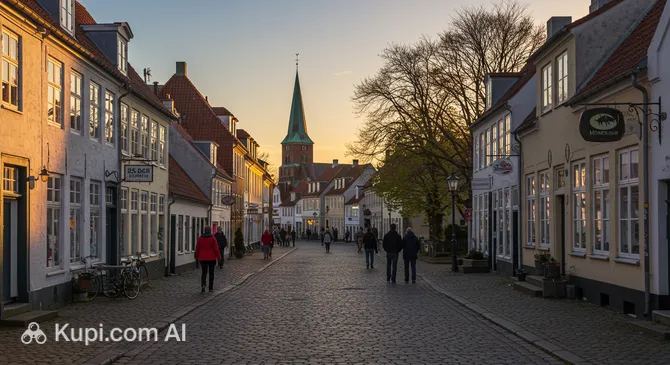
Hjorring. Illustration.
Source: Kupi.com AI

Among the key attractions, three medieval churches—St. Catherine’s, St. Olai’s, and St. Hans’—draw particular attention, located surprisingly close to each other, which is a rarity. Culture lovers should visit the Vendsyssel Art Museum (Vendsyssel Kunstmuseum), known for its collection of modern art and graphics, as well as the Historical Museum, where you can learn more about life in the region since ancient times.

Hjørring is perfect for both a day trip and as a base for exploring North Jutland. Take a stroll through its pedestrian streets adorned with sculptures, browse the local boutiques, and be sure to enjoy a cup of coffee in one of the many cafes to feel the true rhythm of life in this welcoming Danish city.
Weather Overview

Hjørring's climate can be described as temperate maritime, which makes the city pleasant to visit but requires some readiness for weather changes. Summers here are mild and fresh: in the warmest months, July and August, the average temperature is about 16–17°C, and daytime highs usually reach a comfortable 19°C. This is an ideal time for those who avoid exhausting heat and prefer long walks in the fresh air.

Winters in the region are cool but, as a rule, without extreme frosts. In January and February, the thermometer stays around 3°C, although high humidity can increase the feeling of cold. Those planning a trip are recommended to check the detailed weather in Hjørring in advance to choose the right wardrobe, especially in the off-season.

Expect warm summers with occasional rain and cool, damp winters. Precipitation is a frequent guest in this region: October is usually the wettest month (up to 17 days with precipitation), while April pleases with relatively dry weather (only about 8 rainy days).

Average monthly temperature

Average monthly precipitation

Interesting Facts

Beyond its main attractions, Hjørring holds many fascinating secrets and unique features that reveal themselves only to inquisitive travelers. Here are a few facts that will help you see the city in a new light:
  • World Capital of Youth Football. Every summer, the city is radically transformed thanks to the Dana Cup tournament. It is one of the world's largest international youth football competitions: in July, thousands of teams from dozens of countries flock here, effectively doubling the city's population for one week.

  • Architectural Breakthrough. The modern Vendsyssel Theatre is a unique phenomenon for Denmark. It was the first theater in over a hundred years to be built from scratch in the Danish provinces as a standalone building. The structure is famous for its innovative design, where the boundaries between the stage, the auditorium, and the urban space are blurred.

  • Oldest Status. Hjørring proudly bears the title of the oldest market town (Købstad) in the Vendsyssel region. The royal charter that secured its privileges was issued back in 1243, making it the administrative center of these lands for nearly eight centuries.

  • Shopping Phenomenon. Despite its modest size, the city is a magnet for shopping enthusiasts from all over North Jutland. The METROPOL Shopping Center and the long pedestrian street create a concentration of shops and boutiques that is untypical for a city with a population of only 25,000.

Vendsyssel Theatre. Illustration.
Source: Kupi.com AI

Traveler photos:

How to Get There

When planning a trip to Northern Denmark, it's worth thinking about your route in advance, as the city is located in the upper part of the Jutland peninsula. You can find out more about how to get to Hjørring by considering various transport options, from flights to trains.

There is no airport in Hjørring itself, but the nearest and most convenient option for arrival is Aalborg Airport (AAL) in Aalborg, which is just 41.5 km from Hjørring. This is a modern regional hub that accepts many flights. The journey from here by taxi or transfer will take about 40–50 minutes. If you fly into Aalborg Airport, you can easily reach your destination.

Another option, especially if you are traveling via Sweden, is the large international Gothenburg-Landvetter Airport (GOT) in Gothenburg. It is located about 140 km away in a straight line but requires a ferry crossing (usually via Frederikshavn), which adds romance to the trip but increases travel time. You can also consider Aarhus Airport (AAR) in Aarhus (about 134 km) if you are planning a more extensive journey through Denmark.

For clarity, here is a summary of the main airports:

AirportPassenger trafficDistance
Aalborg Airport1.4 mln41 km
Aarhus Airport542 958134 km
Göteborg Landvetter Airport5.3 mln139 km
Kristiansand Airport1.1 mln141 km
Halmstad Airport124 415191 km

The rail network in Denmark is excellent, and trains are often the choice of tourists. The nearest major hub is Aalborg Railway Station, located in the city of Aalborg, approximately 46 km from Hjørring. Trains from Copenhagen and other European cities arrive here. From Aalborg station, you can quickly reach Hjørring by regional train or bus.

Another significant transport hub is Aarhus H Station in the city of Aarhus (about 146 km). This is an important transfer point for those traveling from southern Jutland or Germany. Traveling by train through the Danish landscapes can be a pleasant part of your tour in itself.

Below is information about the nearest major railway stations:

StationPassenger trafficDistance
Aalborg Railway Station2.2 mln46 km
Gothenburg Central Station27 mln138 km
Kristiansand Railway Station142 km
Aarhus H Station6.3 mln146 km
Ängelholm Railway Station220 km

Main Attractions

Hjørring offers tourists an interesting mix of rich history, modern architecture, and a cozy urban atmosphere. Walking through the city, you will find that ancient churches and bold contemporary design solutions coexist harmoniously.

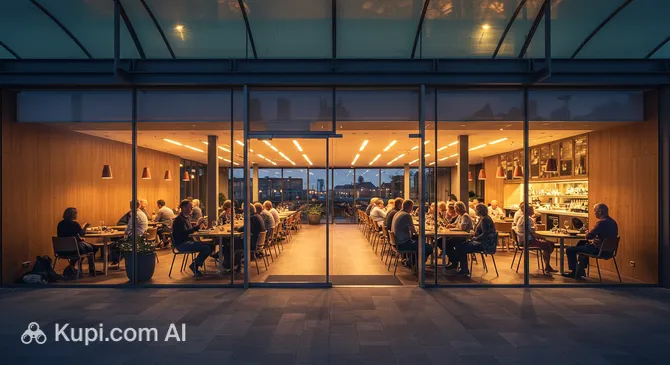
One of the main architectural gems and the center of cultural life is the Vendsyssel Theatre. This incredibly modern building has become a symbol of the city's renewal. The theater is designed to be as open to the public as possible: transparent facades and unique interiors invite even those who didn't plan on attending a performance to take a look inside. This is a place where art literally spills out onto the streets, and it is definitely worth seeing with your own eyes.

Vendsyssel Theatre. Illustration.
Source: Kupi.com AI

Traveler photos:

For those who want to combine a stroll with high-quality shopping, the METROPOL Shopping Center is the perfect spot. Located in the heart of Hjørring, it offers a wide range of stores—from well-known brands to boutiques featuring Danish design. A unique feature of the complex is that the city library is located under the same roof as the shops, creating a unique space for relaxation and leisure where you can shelter from the changeable Danish weather.

Art connoisseurs should dedicate time to the Vendsyssel Art Museum (Vendsyssel Kunstmuseum). Housed in a renovated former textile factory, it specializes in modern Danish art, with a particular focus on artists associated with the North Jutland region. The museum building itself is an excellent example of how industrial architecture can find a second life.

Nature lovers and those seeking peace will enjoy Sct. Knuds Kilde park. This is a picturesque green area with ponds and shaded alleys, located on the outskirts of the central part of the city. In summer, concerts and folk festivals are often held here, while on ordinary days, it is the best place for a quiet walk and an outdoor picnic.

Local Cuisine

Hjørring's gastronomic scene is a perfect reflection of North Jutland traditions, where fresh local products, heartiness, and a cozy atmosphere are valued. Since the city is located near the coast, seafood holds an important place on local menus, harmoniously sitting alongside classic Danish meat dishes.

The main culinary symbol that is definitely worth trying in this region is the "Stjerneskud" or "Shooting Star." This is a luxury version of an open-faced sandwich, where plaice fillets (one breaded and fried, the other steamed) are placed on a slice of bread, garnished with fresh shrimp, asparagus, and caviar. For lunch, locals traditionally choose smørrebrød—the famous Danish open sandwiches on rye bread with various toppings, ranging from pickled herring to pâté with bacon.

As for drinks, Denmark is famous for its beer culture, and Hjørring is no exception. Both well-known national brands and varieties from local North Jutland microbreweries are popular here. For a traditional lunch with herring, you might be offered a glass of ice-cold aquavit (schnapps)—a strong Scandinavian spirit infused with herbs and spices. For those who prefer non-alcoholic drinks, a refreshing elderflower lemonade or strong coffee, which Danes drink in large quantities, are excellent choices.

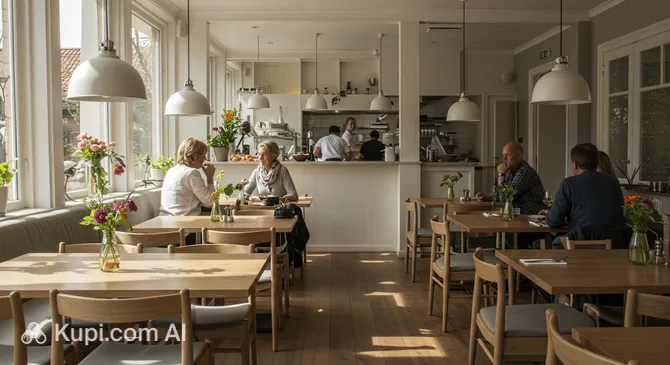
Min Restaurant. Illustration.
Source: Kupi.com AI

Traveler photos:

The food culture in the city is relaxed and democratic. It's common to take your time, enjoying food and socializing in the "hygge" style. Tourists can find establishments for every taste: from cozy old inns (kro) to modern restaurants. For example, a popular spot for dinner is Restaurant Min, where you can appreciate the skill of local chefs. In the warmer months, many people prefer to dine on the outdoor terraces on the pedestrian streets.

If you want a quick and inexpensive snack or just a cup of coffee with Danish pastries, it's worth stopping by the METROPOL Shopping Center. It is not just a place for shopping, but also a convenient location with cafes and snack bars where locals like to gather for small breaks throughout the day.

Travel Tips

Welcome to Hjørring! To make your journey to this cozy corner of North Jutland as comfortable and carefree as possible, we have prepared a list of practical recommendations to help you easily navigate local nuances.

  1. Clothing and Weather. The weather in this region of Denmark is changeable and windy. The best choice is to dress in layers. Even in summer, be sure to bring a windbreaker or a raincoat, as well as comfortable flat shoes for walking on cobblestones. Umbrellas often break here due to the wind, so a high-quality raincoat will be more practical.

  2. Transport. Hjørring is a compact city, and its historical center is best explored on foot. For trips to the surrounding areas or the sea, it's convenient to use regional trains (Nordjyske Jernbaner) or buses. Taxis in Denmark are an expensive pleasure, so to save money, we recommend using public transport or renting a bike—this is the most popular way to get around for locals.

  3. Finances. The local currency is the Danish krone (DKK). Denmark is one of the most "cashless" countries in the world: Visa and Mastercard are accepted almost everywhere, from restaurants to hot dog stands. Cash might be needed in rare cases, so it's not worth changing large amounts. Tips are usually already included in the bill, but rounding up the amount as a sign of gratitude for good service is welcome.

  4. Health and Safety. Hjørring is a very safe city where you can safely walk even at night. Tap water here is of excellent quality and safe to drink, so feel free to refill your bottles. Pharmacies (Apotek) operate on a standard schedule, and there are 24-hour pharmacies in larger cities nearby. The unified emergency number is 112.

  5. Communication. Most locals, including the older generation, speak English perfectly, so you won't face a language barrier. However, Danes will be very pleased if you learn a few words: "Hej" (Hello) and "Tak" (Thank you). Free Wi-Fi is available in many cafes, libraries, and in the METROPOL shopping center.

  6. Local Etiquette. Danes value politeness and personal space. When entering small shops or cafes, it's customary to greet the staff. On escalators, stand on the right so as not to block those in a hurry. It's important to be punctual: if you have a table or a tour booked, try not to be even a minute late.

  7. What to Avoid. The biggest mistake a tourist can make is stepping onto a bike lane. In Denmark, cyclists are the main participants in traffic; they ride fast and expect pedestrians not to occupy their lane. Never stand or walk on bike lanes—it will not only cause dissatisfaction among locals but can also be dangerous.

  8. Shop Hours. Keep in mind that life in the Danish provinces slows down quite early. Regular shops often close at 17:30–18:00 on weekdays, work until 14:00 or 16:00 on Saturdays, and many of them may be closed on Sundays. Plan your shopping in advance so you don't end up in front of closed doors.

By following these simple tips, you will be able to avoid minor troubles and fully focus on enjoying the atmosphere of Danish "hygge" in welcoming Hjørring!

Entertainment & Nightlife

Entertainment and nightlife in Hjørring are characterized by a restrained Scandinavian charm. You won't find the noisy parties until dawn typical of major metropolises here, but the city offers excellent opportunities for a cozy "hygge" style evening. Most activity is concentrated in the center, around the pedestrian street Strømgade and the Springvandspladsen square.

The city's evening culture largely revolves around art and socializing. The main point of attraction is the Vendsyssel Theatre. It is not just a stage venue, but a real hub of social life where locals gather in the foyer to discuss the news over a glass of wine. The repertoire here is quite diverse, ranging from classic dramas to musical shows, so it's worth checking the schedule in advance.

For the start of the evening, a dinner at Restaurant Min is a great choice. This is a popular establishment with a relaxed atmosphere, offering a wide selection of dishes, including Asian cuisine and a buffet format. Travelers should remember that kitchens in local restaurants often close quite early, around 9:00 PM – 9:30 PM, so it's better to arrive for dinner in good time.

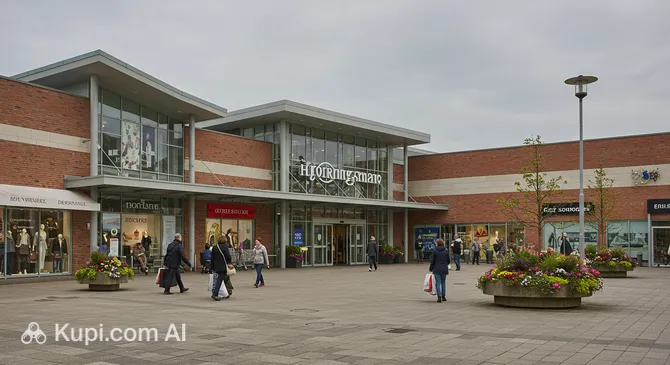
During daylight hours or early evening, the METROPOL Shopping Center becomes a center of attraction. It is the region's main shopping mall, where you can not only browse the shops but also visit the library or have a coffee while taking cover from the unpredictable Danish weather.

METROPOL Shopping Center. Illustration.
Source: Kupi.com AI

Traveler photos:

For fans of bar culture, the city offers several traditional Danish pubs (bodegas) and modern bars. It gets lively on Fridays and Saturdays as students and young people fill the central establishments. There is virtually no dress code—casual style is appropriate everywhere. Alcohol prices are average for the country: a glass of beer costs around 45–60 DKK, and cocktails start from 85 DKK.

Hjørring is an exceptionally quiet and safe city; evening walks carry no risks, and the streets are well-lit. However, if you stay out late and your hotel is far from the center, it's best to call a taxi by phone or through an app. Hailing a car on the street at night is difficult, and night buses are rare.

Parks & Museums

Hjørring is a city where cultural heritage is harmoniously interwoven with the picturesque nature of North Jutland. Excellent conditions have been created for tourists here: from peaceful walks through ancient parks to immersion in history and art at local museums. The city's green zones serve not only as places for relaxation but also as venues for cultural events, creating a special atmosphere of comfort.

Among the natural areas, Sct. Knuds Kilde park deserves special attention. It is a true green oasis on the edge of the city center with beautiful lakes, winding paths, and ancient trees. A unique feature of the park is the natural amphitheater, where open-air concerts and theatrical performances take place in the summer. It's an ideal spot for a picnic or a morning jog, allowing you to escape the city bustle without leaving Hjørring.

Another significant green zone is Christiansgave park, located in the heart of the city near the railway station. This small but exquisite park was laid out in the 19th century and has retained the charm of a classic urban garden. Here you can admire old sculptures, neat alleys, and well-kept flower beds. Tourists value this place for its silence and the opportunity to take a beautiful break while sightseeing.

The city's cultural palette is vividly represented by the Vendsyssel Historiske Museum (Vendsyssel Historical Museum). It is housed in an old building and surrounded by a magnificent museum garden, which is an attraction in its own right. The museum's exhibition covers a huge span of time—from prehistoric times to the present day—telling the story of the region's life, crafts, and archaeological finds. This place will be interesting for anyone who wants to understand how the unique culture of Northern Denmark was formed.

Contemporary art lovers should visit the Vendsyssel Kunstmuseum (Vendsyssel Art Museum). The museum occupies a former textile factory building, which gives it a special industrial charm. The collection focuses on Danish contemporary art and graphics, as well as works by artists associated with the region. Spacious halls and bold curatorial decisions make a visit to this museum an inspiring experience.

For those seeking unconventional experiences and the best views, we suggest heading to the Hjørring Bjerge ("Hjørring Hills") natural area. Although Denmark is known for its flat landscape, this hilly terrain offers a panoramic view of the city and its surroundings. There are hiking trails of varying difficulty, and from the observation tower on a clear day, you can even see the North Sea coast.

Getting Around

Hjørring's transport system is compact, efficient, and integrated into the general North Jutland network, managed by the company NT (Nordjyllands Trafik). Since the city center is quite small, many tourists prefer to get around on foot, but public transport is indispensable for trips to the beaches, neighboring cities, or remote districts. The system runs strictly on schedule and features the high level of comfort characteristic of all of Denmark.

The main transport hub is the railway station located in the city center. This is where the national network and local trains operated by Nordjyske Jernbaner intersect. The blue trains of this company are the fastest way to reach the coast (for example, the port city of Hirtshals) or the larger neighboring city of Aalborg. Within Hjørring itself, city buses (Bybusser) run, connecting the station with residential blocks, the hospital, and shopping areas.

The fare system is based on geographical zones: the more zones you cross, the more expensive the ticket. For tourists, the most convenient payment options are mobile apps such as Rejsebillet or NT Billet. They allow you to link a bank card and buy a ticket in a couple of clicks, avoiding the need to figure out zones manually. Locals use a unified plastic card called Rejsekort, but for a short visit, purchasing one (due to the cost of the card itself) may not be practical.

If you prefer paper tickets, they can be purchased at machines at the railway station or from the bus driver upon boarding. An important detail: drivers only accept cash in Danish kroner and often do not have change for large bills, so it's worth having small change with you. Tickets bought from a machine are usually valid for a certain amount of time, during which you can transfer between buses and trains within the paid zones.

To plan your trips, it is highly recommended to use the Rejseplanen app or website. This is a universal route planner that shows the real-time schedule of all types of transport, connections, and fares. It will help you avoid getting lost and calculate your time down to the minute.

As an alternative to public transport, bicycles are very popular in Hjørring. The city is equipped with excellent bike lanes, and two-wheeled transport is often faster than the bus. Taxis (for example, Dantaxi) are available 24/7, but the prices for rides are quite high. It's better to order a car by phone or through an app, as hailing one on the street is not common here. Car sharing is less developed in smaller towns than in the capital, so for flexibility of movement, tourists more often choose classic car rental.

Accommodation

Hjørring offers travelers a balanced choice of accommodation that reflects the cozy and quiet character of the city itself. You won't find massive chain resorts or skyscrapers with panoramic suites here, but the city is famous for its atmospheric hotels, guesthouses, and classic Danish inns (kro), where traditions of hospitality have been preserved for centuries. Options range from functional motels for those traveling by car to comfortable apartments and boutique hotels in the historical part.

The most convenient area to stay is the city center (Indre By). By staying here, you will be within walking distance of the railway station, the pedestrian street with shops, and major cultural points. This is an ideal choice for those who plan to move around by public transport or want to enjoy evening walks without depending on taxis. If you are looking for peace and quiet or are traveling on a budget, look at the outskirts of the city, where cozy B&Bs (Bed & Breakfast) and high-level campsites are often located.

It is important to note that Hjørring is a popular base for exploring all of North Jutland, so the demand for accommodation here is consistently high. Prices correspond to the general Danish level: "budget" accommodation by local standards may seem expensive to tourists from other countries. The mid-price segment offers an excellent price-quality ratio, including breakfasts made from local products and stylish Scandinavian interiors.

Booking tip: Plan your trip in advance, especially if your visit falls during the summer months. In July, during the Dana Cup football tournament, the city is overcrowded: the population effectively doubles, and finding a free room becomes almost impossible unless you book several months (and sometimes six months) ahead. For searching and payment, it is most convenient to use major international online platforms, although many small guesthouses also accept direct bookings through their websites.

Nearby Cities

For those who want to explore the surrounding area, Hjørring serves as an excellent starting point for day trips to several interesting nearby locations:

Just a few dozen kilometers away is Aalborg—the cultural capital of North Jutland and the country's fourth-largest city. Here you will find the famous Utzon Center dedicated to architecture, the lively Limfjord waterfront, and historical streets. This is an ideal place for those who want to combine shopping, gastronomic discoveries, and museum visits in one trip.

If you are more attracted to maritime romance, head to Frederikshavn. This port city is famous for its special atmosphere, the historical Powder Tower, and a unique urban palm beach that becomes a hub of attraction in the summer. A walk along the harbor and the fresh sea breeze will provide an unforgettable experience.

History buffs will be interested in Viborg, one of Denmark's oldest cities. Its main gem is the majestic cathedral with unique frescoes. A stroll through the ancient cobbled streets of Viborg allows you to immerse yourself in the medieval atmosphere and learn more about the region's royal past.

CityPopulationDistance
Sindal3 00012 km
Hirtshals6 00015 km
Brønderslev12 54921 km
Frederikshavn23 50132 km
Sulsted2 40033 km

These nearby destinations provide an insight into the region's diverse culture and landscapes, making your trip through North Jutland even more rewarding.

Shopping & Souvenirs

Shopping in Hjørring will pleasantly surprise you with its variety and cozy atmosphere. As the main commercial hub of the Vendsyssel region, the city offers an excellent balance between well-known chain brands and unique local shops. There is no big-city hustle here, so the shopping process turns into a relaxed stroll where you can not only update your wardrobe but also get acquainted with the Danish lifestyle.

The main shopping artery of the city is the pedestrian street Strømgade and the surrounding blocks. This is a picturesque area where historical architecture sits next to modern shop windows. Walking here, you will find many clothing and shoe stores, home goods, and jewelry. A special feature of shopping on this street is the abundance of street art: bronze sculptures and installations are found at literally every step, making a shopping trip a cultural event.

For those who prefer comfort and having all brands in one place, the METROPOL Shopping Center is an ideal choice. Located right in the center, it is an architectural landmark of the shopping district. Dozens of fashion, electronics, and cosmetics stores are gathered under its roof. It is also a great place to take shelter from the rain and continue shopping in warmth and comfort.

Market culture in Hjørring is seasonal. In the warmer months, temporary markets often pop up in central squares like Springvandspladsen. Here you can find fresh farm products, flowers, and sometimes flea markets selling vintage items and antiques. This is a great opportunity to chat with locals and find something truly unique.

As souvenirs from Hjørring, it's worth bringing back Danish design items, which are famous for their minimalism and functionality. Look out for local ceramics, textiles, and glassware. Since the city is near the coast, amber jewelry is a popular gift. From gastronomic souvenirs, tourists often choose traditional Danish sweets, licorice, or a bottle of local herbal bitter (bjesk), which is popular in North Jutland.

Shops usually operate from Monday to Thursday from 10:00 to 17:30, and on Friday until 18:00. It's important to remember that Saturday is a short working day—most shops close as early as 14:00 or 15:00, and Sunday is generally a day off. Bank cards (Visa, Mastercard) are accepted almost everywhere, even in small kiosks, so you might not even need cash.

Tourists residing outside the European Union can take advantage of the Tax Free system. Look for stores with the Global Blue or Tax Free Shopping logo: when purchasing over a certain amount (usually from 300 DKK), you can issue a check for a tax refund upon leaving the country. Don't forget to bring your passport if you plan on making large purchases.

Reached the end of the page?

That means the route is fully explored