Support

Hirtshals

About

Hirtshals is a cozy coastal town located on the picturesque Jutland Peninsula, right by the turbulent waters of the North Sea. Thanks to its strategic position, the city serves as the region's most important maritime gateway, with regular ferries departing for Norway, Iceland, and the Faroe Islands. The air here is always filled with a fresh breeze and the spirit of sea adventures, creating a unique sense of freedom.

Administratively, the town belongs to the North Jutland region in the country of Denmark. Despite its modest size and population of about 6,000 people, Hirtshals possesses a developed infrastructure and a special, intimate atmosphere. The lives of local residents are closely tied to the sea and the activities of the port, which not only connects the country with the outside world but also shapes the unique rhythm of the town.
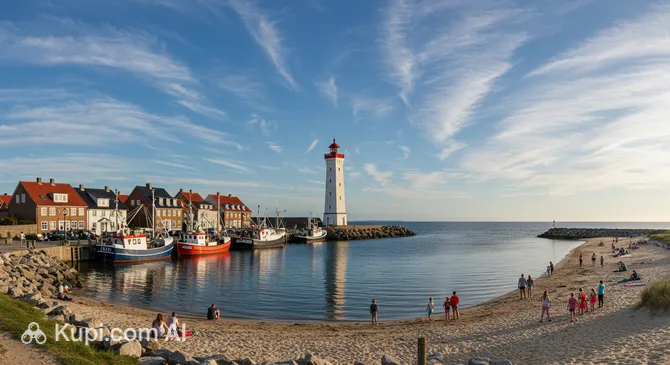
Hirtshals. Illustration.
Source: Kupi.com AI

Although many perceive the town as a modern transport hub, Hirtshals' history holds many interesting pages related to the development of fishing and the struggle against the elements. Travelers are drawn here not only for convenient crossings but also for the opportunity to connect with nature: from the majestic lighthouse towering over the coast to secluded sand dunes and bustling fish markets where you can sample local delicacies.

Hirtshals is perfect for those seeking harmony and tranquility. It is a place worth visiting to enjoy leisurely walks along the beach, get to know the authentic Danish countryside, and experience that special northern charm that leaves the warmest memories in the heart.
Weather Overview

The climate of Hirtshals is entirely dictated by its location on the shores of the North Sea: a temperate maritime weather prevails here, characterized by high humidity and an absence of sharp temperature fluctuations. The proximity of the water acts as a natural thermostat, softening winter cold and refreshing the town during summer heat.

The summer season here is quite cool and comfortable for those who do not like heat. The warmest month is August with an average temperature of about 16.9°C and highs up to 18.4°C. July also pleases with pleasant figures around 16.4°C. If you are planning a trip, we recommend checking what the weather in Hirtshals is expected to be for specific dates, as even in summer, rains are possible—on average from 10 to 15 rainy days per month.

Winter in the town is mild but windy and overcast. In January and February, the average temperature stays in the range of 3.4–3.6°C, practically never dropping below 2°C. However, the feeling of cold can be intensified by high humidity: the number of days with precipitation in the autumn-winter period is high, peaking in November (17 days). The driest time of year is considered to be April, when it rains on average only 7 days a month.

Expect a fresh summer with periodic precipitation and mild but damp winters without severe frosts.

Average monthly temperature

Average monthly precipitation

Interesting Facts

Hirtshals holds many fascinating stories and records beyond its main attractions, waiting to be discovered by curious travelers. This port town surprises with its blend of rugged military history, sea giants, and 19th-century engineering achievements.
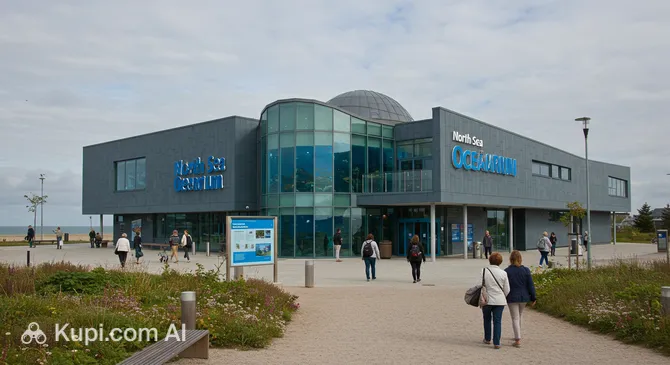
  • The town is home to a true giant—the North Sea Oceanarium, which is considered the largest in Northern Europe. Visitors can watch giant fish being fed through massive glass walls and study the mysterious inhabitants of cold waters, including sharks and seals.

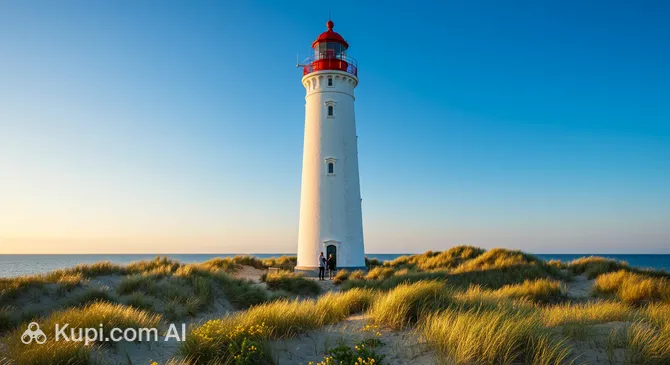
  • The town's main symbol, the Hirtshals Lighthouse, was built back in 1863. Its snow-white 35-meter tower still serves as a navigational guide, and for tourists, it is the best observation deck, offering breathtaking views of the sea on clear days.

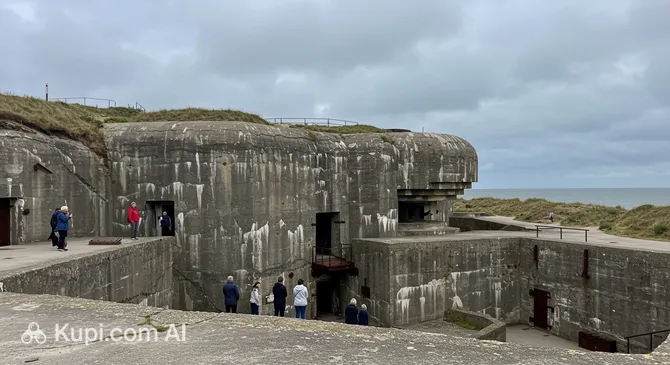
  • The town's coastline hides an extensive system of historical fortifications. The Bunker Museum Hirtshals is a unique complex of authentic concrete structures from World War II, where you can go underground and learn how coastal defense was organized in the last century.

  • Hirtshals is often called the gateway to great sea adventures. Despite the town's modest size, its port is an important hub from which not only international ferries start, but also numerous fishing expeditions that uphold the long-standing maritime traditions of the locals.

Hirtshals Lighthouse. Illustration.
Source: Kupi.com AI

Traveler photos:

How to Get There

Hirtshals is an important transport hub in North Jutland, connecting Denmark with neighboring Scandinavian countries. To plan the best route, we recommend reviewing all ways to get to the city. Since the town itself does not have its own airport, travelers usually use transport hubs in nearby major cities.

The most convenient option for arriving by air is Aalborg Airport (AAL). It is located only 55.5 km from the destination. A trip by taxi or rental car will take about 45–50 minutes. If you choose public transport, travel time may increase slightly, but it is still the fastest way to reach the resort by air.

An alternative option is to use Aarhus Airport (AAR), located 148.6 km from Hirtshals. A car transfer from here will take about 2 hours. It is also worth mentioning the Norwegian Kristiansand Airport (KRS), located across the Skagerrak Strait (131 km); this route is relevant if you are planning a combined trip with a ferry crossing from Norway.

For clarity, here is a summary of the main airports:
AirportPassenger trafficDistance
Aalborg Airport1.4 mln55 km
Kristiansand Airport1.1 mln131 km
Göteborg Landvetter Airport5.3 mln139 km
Aarhus Airport542 958149 km
Torp Sandefjord Airport1.9 mln179 km

Regarding rail connections, the region's key hub is Aalborg Railway Station (60.6 km from Hirtshals). There is a regular service between the cities: a local train covers this distance in approximately 1 hour, making the trip fast and tireless.

For those traveling from southern Jutland, Aarhus H Station can be an important point. It is located 160.7 km from Hirtshals. A journey from Aarhus by car or high-speed train with a transfer will take approximately 2–2.5 hours.

Below is information about the nearest major railway stations:
StationPassenger trafficDistance
Aalborg Railway Station2.2 mln61 km
Kristiansand Railway Station133 km
Gothenburg Central Station27 mln138 km
Aarhus H Station6.3 mln161 km
Ängelholm Railway Station231 km

Main Attractions

Hirtshals offers travelers a rich program where rugged northern nature intertwines with history and modern marine research. Despite the town's compact size, it is home to facilities significant not just for the region, but for all of Northern Europe.

The undisputed center of attraction for families and nature lovers is the North Sea Oceanarium. It is the largest aquarium in Northern Europe, offering a glimpse into the mysterious world of cold waters. The main pride of the exhibition is a giant tank holding 4.5 million liters of water, which simulates the ecosystem of the open sea. It is here that you can see the rare and amazing ocean sunfish (Mola mola), as well as observe schools of mackerel and sharks. Outdoors, there is a sealarium where daily demonstration feedings take place, always causing delight among visitors.

North Sea Oceanarium. Illustration.
Source: Kupi.com AI

Traveler photos:

For those interested in the past, a mandatory stop on the route is the Bunker Museum Hirtshals. This is a unique open-air complex, representing the most complete and preserved section of the "Atlantic Wall" in Denmark. The museum territory includes 54 bunkers from the Second World War, connected by kilometers of trenches. Tourists can freely wander through the fortifications, descend into living quarters and command posts, feeling living history among the sand dunes and heather.

It is impossible to imagine a visit to this town without climbing the Hirtshals Lighthouse. The snow-white tower, rising 35 meters, serves not only as a navigational landmark but also as a magnificent observation deck. After climbing 144 steps, you will be rewarded with a breathtaking panorama of the Skagerrak Strait, the city harbor, and endless beaches. It is the perfect place to watch the sunset and feel the power of the sea.

Local Cuisine

The cuisine of Hirtshals is a true paradise for seafood fans, where the journey from fishing boat to plate takes very little time. The town's gastronomic scene is entirely dictated by the proximity of the North Sea: the menus of local establishments are based on fresh cod, plaice, shrimp, and mussels. One of the resort's hallmarks is fish that is fried or smoked right on the waterfront. Tourists often head to the fish market to try these simple yet incredibly tasty dishes in the authentic atmosphere of a port town.

A special place in the food culture is held by the famous Danish smørrebrød. In Hirtshals, this traditional open-faced sandwich is turned into a work of art, generously topping rye bread with smoked salmon or spiced herring. The dish is usually complemented by a boiled egg, fresh herbs, and pickled vegetables, creating the perfect balance of flavors characteristic of Scandinavian cuisine.

If you want to feel like a local, be sure to order homemade fish cakes or a thick fish soup with vegetables. This is hearty and warming food that has historically been popular among fishermen returning after a long day at sea. It is also worth paying attention to marinated mackerel—a delicacy prepared here according to special recipes.

A meal in Hirtshals is traditionally accompanied by local beverages. A light Danish beer pairs perfectly with fish dishes, while for special occasions, locals choose aquavit—a strong Scandinavian spirit infused with herbs and spices. The best time to get acquainted with the region's gastronomy is during the summer months when colorful fish festivals and fairs with workshops and tastings take place in the town.

Travel Tips

Preparing for a trip to Hirtshals requires special attention to detail, as it is not just a town, but a gateway to the rugged yet beautiful North Sea. To ensure your journey is as comfortable as possible and leaves only pleasant impressions, we have gathered the most important recommendations to help you feel confident in Danish North Jutland.

  1. Clothing and Essentials: The main rule in Hirtshals is the principle of layering. The weather here changes rapidly, and the wind from the sea blows almost constantly. Even in summer, be sure to bring a windproof jacket with a hood and a light sweater. Umbrellas are often useless here due to gusts of wind; it's better to choose a high-quality raincoat. For walks through dunes and bunkers, you will need comfortable, closed-toe shoes with flat, non-slip soles.
  2. Transport: The town is compact (population about 6,000), so it's best to get around the center on foot or on a rented bicycle—the most popular Danish mode of transport. Public transport consists of buses and local trains connecting the port with the station and neighboring cities (such as Hjørring). Taxis are expensive and should be booked in advance by phone or via apps (e.g., DanTaxi), as hailing a car on the street is not common.
  3. Finances: The national currency is the Danish Krone (DKK). Although Denmark is an EU member, euros are not accepted everywhere (usually only in major tourist spots and at unfavorable rates). In Hirtshals, as in all of Scandinavia, cashless payments prevail: Visa and Mastercard are accepted even at hot dog stands. Cash might be needed in minimal amounts. Tips are usually already included in the bill, but rounding up the amount is appreciated.
  4. Health and Safety: Denmark is one of the safest countries in the world, and Hirtshals is no exception; you can safely walk at any time of day. Pharmacies are called Apotek; they work on a standard schedule, and there are few 24-hour ones. The main danger is nature: be careful near the water, as North Sea currents can be very strong and treacherous. The emergency services number is 112.
  5. Communication: The official language is Danish, but almost all locals, from teenagers to the elderly, speak excellent English. As a courtesy, you can learn a couple of words: "Hej" (Hello) and "Tak" (Thank you). Wi-Fi is available for free in many cafes, at the ferry terminal, and on trains. For mobile communication, EU citizens have "roam like at home," while tourists from other countries may find it more profitable to buy a prepaid SIM card (Lebara or Lycamobile) at supermarkets.
  6. Local Etiquette: Danes value personal space and restraint. When entering a shop or bus, it is customary to greet the staff or driver. In public places, try to speak quietly. A key trait of the local mentality is punctuality: if you have a tour or table booked, arrive exactly on time.
  7. What to Avoid: It is strongly discouraged to walk on fenced dunes outside of designated paths. Dunes are a natural coastal defense against erosion, and their flora is very fragile; violating this rule can cause local disapproval and lead to fines. Also, you should not try to cross the road on a red light, even if there are no cars—it is customary in Denmark to strictly follow traffic rules.
  8. Bonus Tip: If you find yourself in Hirtshals after a storm, be sure to walk along the beach early in the morning. The North Jutland coast is famous for its amber ("northern gold"), which the sea washes ashore along with seaweed. Look closely under your feet among the sea wrack—you have a real chance of finding a beautiful souvenir with your own hands.

Hirtshals is a place where rugged nature meets Danish "hygge" coziness. By following these simple tips, you can easily blend into the leisurely rhythm of the port town, enjoy the freshest seafood, and feel true freedom at the edge of the earth.

Entertainment & Nightlife

Entertainment in Hirtshals is fundamentally different from the usual leisure activities in large tourist centers. Here you won't find noisy nightclubs with neon signs or large-scale show programs. The town's evening life follows the measured rhythm of the port: it is a cozy, somewhat rugged, but very soulful world where the main entertainment is immersion in an authentic maritime atmosphere.

The center of evening activity is concentrated around the harbor and its adjacent streets. The port here is not just a transport hub, but a real open-air stage. Many tourists and locals come here in the evening to watch the maneuvers of massive ferries departing for Norway and the work of fishing vessels. Colorful crowds gather in local pubs: travelers share their plans, and fishermen discuss the day's catch. The dress code everywhere is extremely casual—a warm sweater is valued higher than an evening dress here.

A special highlight of the entertainment program for guests is getting to know the local gastronomic culture through drinks. Be sure to try "bjesk"—the famous Danish herbal bitters, which is considered the pride of North Jutland. This is not just alcohol, but part of the region's cultural code: recipes are passed down from generation to generation, and almost every establishment offers its own unique version infused with heather, berries, or coastal herbs. Tasting bjesk is a great way to warm up after a windy day.

For lovers of quiet relaxation, the best end to the day is a walk along the embankment or the beach at sunset. Thanks to the western location of the coast, this part of Denmark offers travelers stunning views of the setting sun, painting the waters of the North Sea in incredible shades. This is the perfect time for photography and meditative relaxation to the sound of the waves.

What you need to know about evening leisure in Hirtshals:

  • Early kitchen closures: Most restaurants stop taking food orders as early as 9:00 PM – 9:30 PM. If you are planning dinner, it's better not to delay until late evening. Bars may stay open until midnight, especially on Fridays and Saturdays.
  • Prices and promotions: Alcohol in Scandinavia is traditionally expensive. Budget-conscious travelers should look out for "Happy Hour" signs occasionally found in local pubs.
  • Safety: The town is very quiet and safe for night walks. However, caution should be exercised in the port area: heavy machinery operates here, and piers do not always have railings.
  • Transport: The town's nightlife is compact, and all main spots are within walking distance. If you do need a taxi, it must be called by phone or via an app—it is virtually impossible to hail a car on the street.

Parks & Museums

Hirtshals offers travelers a harmonious blend of rugged northern nature and rich cultural heritage. Although the town is primarily known as a port, there are enough green zones for peaceful walks, and local museums allow for a deep dive into the history of the coast, from ancient maritime traditions to the events of the Second World War.

For those seeking connection with nature, Tornby Klitplantage will be a true discovery. This is a vast natural area located south of the town, where dense coniferous forest meets sand dunes. Picturesque routes for hiking and cycling are laid out here. The place is unique for its flora: mosses, lichens, and rare plants create a fairy-tale atmosphere protected from sea winds.

Within the town limits, it is worth visiting Folkeparken—a cozy green oasis loved by locals. It is an ideal place for a picnic or quiet relaxation after sightseeing. The park is especially beautiful in spring and summer when flower beds bloom and shaded alleys offer respite from the sun. Also worth mentioning are the city beaches, such as Husmoderstranden, which, although not parks in the traditional sense, serve as the main natural recreational zones for walks along the sea.

The cultural life of the town is inextricably linked to the sea. The region's main pride is the North Sea Oceanarium. It is not just an aquarium, but a full-fledged scientific and educational center (a museum of living nature) where you can learn everything about the North Sea ecosystem. The exhibitions tell the story of marine life from the surface to the deep bottom, emphasizing the conservation of biodiversity.

Hirtshals Bunker Museum. Illustration.
Source: Kupi.com AI

Traveler photos:

Military history enthusiasts will be interested in the Bunker Museum Hirtshals. This is an impressive open-air museum located among the dunes. It is the only fully excavated defensive complex of the German army in Denmark. Visitors can freely explore dozens of interconnected bunkers, trenches, and firing points, imagining the scale of the 1940s events. The exhibition inside the bunkers reconstructs the daily life of soldiers of that time in detail.

Another important institution is the Hirtshals Museum, located in an old fisherman's house from 1880. The exhibition is dedicated to the history of the town and the fishing industry. Here you can see authentic interiors of 19th-century fishermen's dwellings and learn the secrets of making the local drink—the herbal bitters "bjesk," which is part of the region's intangible heritage.

Among the architectural landmarks, the majestic Hirtshals Lighthouse stands out. Built in a classical style, it serves as a symbol of hope and navigation. The area around the lighthouse is often used for open-air art exhibitions and cultural events, and its summit offers the best view of the town and surroundings.

As an insider tip: be sure to climb "The Monumental Staircase," which connects the port with the city center and Den Grønne Plads square. This is not just an engineering structure but an excellent viewpoint and art object, allowing you to see how urban architecture flows into the industrial landscape of the harbor.

Getting Around

Hirtshals' transport system is compact and intuitive, just like the town itself. Given the short distances, many travelers prefer to get around the center on foot, enjoying the fresh sea air. However, for trips to distant attractions like the Oceanarium or the lighthouse, as well as for connections to neighboring cities, public transport works flawlessly. The core of the town's network consists of buses and local trains, integrated into the unified tariff system of North Jutland (NT – Nordjyllands Trafik).

Rail connections play a key role for those arriving without a car. The station in the town center (Hirtshals Station) is the terminus of the line connecting the port with the town of Hjørring. Trains operated by Nordjyske Jernbaner are comfortable, run frequently, and allow you to reach a major transport hub in just 20–25 minutes. There is no traditional metro or tram system here; their functions are fully handled by regional trains and buses.

The fare system is based on zones: the ticket price depends on the distance of the trip. For tourists, the most convenient way to pay is through mobile apps such as "NT Billet" or the nationwide "Rejsebillet." They allow you to buy tickets instantly by linking a bank card and eliminate the need to figure out the zones. You can also purchase a single ticket from the bus driver, but for this, you must have cash in the local currency (preferably change), as bank cards are not always accepted on board.

Special attention should be paid to port logistics, as the town is a major ferry hub. Buses run between the railway station and the international ferry terminals (Color Line, Fjord Line), with schedules often synchronized with ship arrivals and departures. This allows passengers with luggage to comfortably get from the train to the ship or vice versa.

As an alternative to public transport, you can use a taxi (e.g., Dantaxi). It is important to remember that hailing a car on the street with a hand wave is not common here—the trip must be booked in advance by phone or via an app. This service is not cheap, so many prefer to rent a car for exploring the surroundings and the dunes. Rental offices are located in the port area and in the center.

The most popular and atmospheric way to get around remains the bicycle. The infrastructure for cyclists here is superbly developed: safe paths are everywhere, and the terrain is conducive to effortless rides. You can rent two-wheeled transport at tourist offices, campsites, or some hotels—it's a great chance to see the picturesque coast at your own pace.

Accommodation

The choice of accommodation in Hirtshals reflects the dual nature of the town: it is both a major transport hub and a cozy seaside resort. It is difficult to find pompous five-star complexes here; instead, guests are offered functional mid-range hotels, family guesthouses, and traditional Danish campsites with high levels of comfort.

Geographically, accommodation options can be divided into two main zones. The city center and port area are ideal for those planning a short stop before a ferry crossing to Norway or Iceland. Staying here, you will be within walking distance of the terminals, the railway station, and local restaurants. This is the most practical choice for transit tourists who value time and logistics.

For those coming for nature and a longer stay, the best solution would be the coastal zones and dunes. Renting summer houses (sommerhus) is very popular in the vicinity of Hirtshals—it is a staple of Danish culture. These cottages are often located in secluded spots among the sandy hills, providing peace and direct access to the sea. The region is also famous for its campsites, which offer not only spots for tents and motorhomes but also comfortable wooden cabins with all amenities.

Booking Tip: Since the town is a popular gateway to Scandinavia, the demand for housing here is closely linked to ferry schedules and seasonality. In the summer months (July-August), as well as during holidays, the best options are booked up several months in advance. It is highly recommended to book your stay early to avoid a situation where all places are taken by passengers waiting for morning departures.

The price range in Hirtshals corresponds to the general level of Denmark: from medium to high, with very few budget options. Booking is most convenient through major international online platforms or, in the case of summer houses, through specialized Danish holiday rental agencies.

Nearby Cities

For those who want to explore the surroundings, Hirtshals serves as an excellent starting point for day trips to several interesting nearby locations:

Just 15 km from the town is Hjørring—the old capital of the Vendsyssel region and one of the country's oldest market towns. This is a wonderful destination for those who want to combine shopping with cultural leisure. Here you can visit the Vendsyssel Historical Museum, stroll through picturesque parks, or enjoy the architecture of medieval churches. The town is famous for its coziness and quiet atmosphere, ideal for a family walk.

If you are ready for a longer trip, head to Aalborg, located about an hour's drive away. This is the cultural and economic center of North Jutland, where Viking history meets modern architecture. Be sure to walk along the famous waterfront, stop by the Utzon Center, and visit the zoo. Nearby, on the other side of the fjord, lies Nørresundby, known for its unique archaeological site Lindholm Høje—the largest burial site from the Viking Age and Iron Age.

To dive deep into the centuries, it is worth visiting Viborg, one of Denmark's oldest cities. Its main jewel is the majestic cathedral with stunning frescoes, and the cobbled streets of the historical center keep the memory of the coronations of Danish monarchs. This place breathes history and offers tourists a unique experience of getting to know Jutland's heritage.

CityPopulationDistance
Hjorring25 76415 km
Sindal3 00019 km
Brønderslev12 54935 km
Frederikshavn23 50137 km
Skagen8 00040 km

These nearby destinations provide an insight into the diverse culture and landscapes of the region.

Shopping & Souvenirs

General Overview: Shopping in Hirtshals features a calm and cozy atmosphere, free from the hustle and bustle of metropolises. As a port town, trade here has historically focused on practicality and quality. Hirtshals doesn't claim to be a fashion capital but is famous for great opportunities to buy local delicacies, Scandinavian design, and outdoor gear. The town is also known as a popular spot for "border trade"—many tourists, especially from Norway, come here for deals on groceries and drinks.

Main Shopping Streets: The heart of the town's trade beats in the pedestrian zone around Nørregade street and the adjacent Den Grønne Plads square. Here, in the compact center, you will find many small boutiques selling clothing, footwear, home goods, and books. Strolling through this area is a pleasure: shops alternate with cafes, and the proximity of the sea adds a special charm to the shopping experience.

Shopping Centers: There are no huge malls in Hirtshals itself. The main points of attraction for large purchases are large supermarkets and specialized stores located closer to the town exit and the port zone. If you are looking for a classic shopping center with a wide selection of brands under one roof, we recommend heading to nearby Hjørring (just 15 minutes by car or train), home to the large Metropol shopping center.

Markets: The town's most important "market" is undoubtedly the port. While there are no classic oriental bazaars, the opportunity to buy fresh fish and seafood directly from fishermen or in specialized shops by the harbor is a hallmark of Hirtshals. During the summer season, weekend fairs and flea markets are periodically held in the town center, where you can find interesting antiques and crafts by local artisans.

Souvenirs: From a trip to Denmark and specifically this region, it is worth bringing back something authentic. The main souvenir of Hirtshals is "bjesk", a local herbal bitters, or sets of dried herbs for making it yourself. Also popular are amber jewelry, often found on the North Sea coast, warm woolen clothing, Danish ceramics, and, of course, high-quality canned fish delicacies.

Opening Hours and Payment: Most shops in the center are open Monday through Thursday from 10:00 AM to 5:30 PM, and on Friday until 6:00 PM. On Saturday, the working day is shorter—usually until 1:00 PM or 2:00 PM. Sunday is a day off for many small shops. Large supermarkets are open daily from 8:00 AM to 8:00 PM or 9:00 PM. Card payments (Visa, Mastercard) are accepted everywhere, even for small purchases; cash is practically not required.

Tax Free: Tourists residing permanently outside the European Union are entitled to a VAT refund on purchases made in stores participating in the Tax Free system (usually marked with the Global Blue logo). The minimum purchase amount for a tax-free form is 300 DKK. Don't forget to ask for the special form at the checkout and present it along with the goods at customs when leaving the EU.

Reached the end of the page?

That means the route is fully explored