Support

Randers

About

Randers is a true northern gem located in the eastern part of Jutland. The city is snugly nestled on the banks of the Gudenå River, the country's longest waterway. Here, in the heart of Denmark, picturesque hills and vast green parks coexist with expressive old architecture, creating a unique landscape.
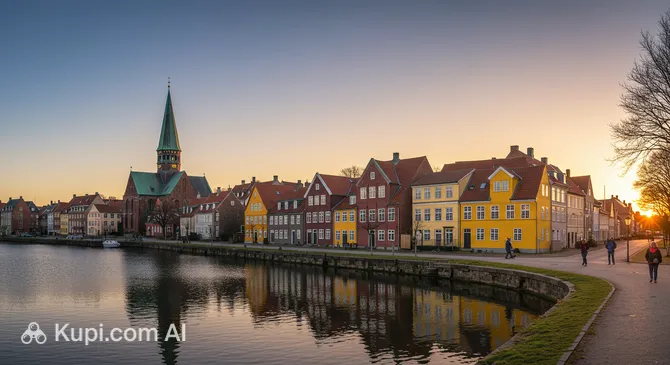
Randers. Illustration.
Source: Kupi.com AI

As one of the oldest settlements in the region, the rich history of Randers is palpable as you stroll through its cobbled medieval streets. Despite its venerable age, the city is not frozen in the past. Today, it is an important cultural and administrative center with a population of about 62,800 people, where centuries-old traditions blend harmoniously with the modern pace of life and innovation.

Travelers are drawn here not only by the cozy atmosphere of old Europe but also by unique attractions. One of the city's main features is the opportunity to transport yourself from Scandinavian coolness straight into the hot tropics by visiting the famous indoor zoo — Randers Regnskov. Furthermore, the city is ideal for nature lovers and those who enjoy leisurely walks along the river, where one can take a break from the hustle and bustle and enjoy the silence.

Randers is definitely worth including in your itinerary for its wonderful combination of natural beauty, architectural heritage, and genuine hospitality. Here, it is easy to feel like part of the steady Danish way of life and find entertainment for every taste.
Weather Overview

The climate in this Danish city can be characterized as temperate maritime, with mild winters and cool summers. To pack your suitcase properly, it's useful to know in advance what kind of weather in Randers awaits you during your visit, as it is quite changeable here.

The summer season brings a comfortable freshness. The warmest months are July and August, when the air warms up to an average of 16.6–16.8°C, and daytime highs reach a comfortable 20°C. This is the most favorable time for walking, though you shouldn't put your umbrella too far away: even in summer, there are about 15 rainy days per month.

Winters in the region are cool but usually without extreme frosts. In January and February, the average temperature stays around 2.5–3.0°C, and nighttime figures rarely drop below 0.7°C. However, due to high humidity and winds from the Gudenå River, it can feel colder subjectively.

Expect moderately warm summers and cool winters with regular precipitation throughout the year. Rain is a frequent occurrence here: the number of rainy days varies from 10 in April to 16 in October, so a waterproof jacket will be relevant in any season.

Average monthly temperature

Average monthly precipitation

Interesting Facts

Beyond the well-known tourist routes, Randers holds many fascinating secrets and unexpected places. This city knows how to surprise, offering guests unique experiences that are hard to find in other corners of Scandinavia.
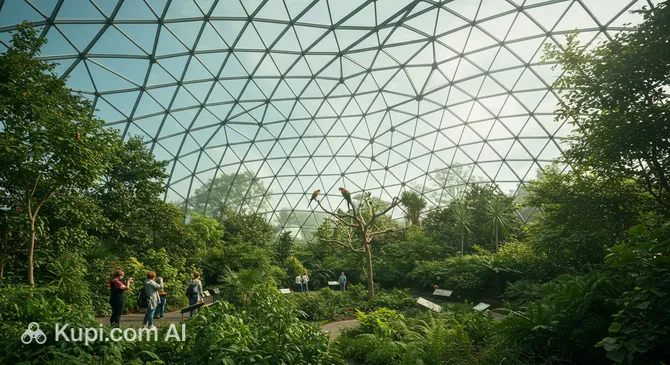
  • Here you can take a real trip around the world without leaving Europe. The famous Randers Tropical Forest is a unique biosphere complex under domes, where the climates and ecosystems of South America, Africa, and Asia are recreated. Visitors can walk among vines and waterfalls while observing free-roaming sloths, jaguars, and exotic birds.

  • Randers is unexpectedly considered the "Danish home" of Elvis Presley. The city features Memphis Mansion — a museum that is an architectural replica of the Graceland estate. It houses an impressive collection of the King of Rock 'n' Roll's belongings, and the local diner captures the atmosphere of the American 1950s, where you can try the musician's favorite dishes.

  • The city's surroundings are steeped in a spirit of adventure and ancient legends. The Fladbro Skov forest, located nearby, served as a reliable hideout for outlaws in the past, according to local folklore. Today, these picturesque trails attract nature lovers and those looking for quiet picnics.

  • In the city, you can feel like a giant by visiting the unusual Miniseum museum. This place is dedicated to the art of miniatures, where everyday objects and life scenes are recreated on a tiny scale, creating a striking contrast with the grand architecture of Randers itself.

Randers Rainforest. Illustration.
Source: Kupi.com AI

Traveler photos:

How to Get There

When planning a trip to Jutland, it is important to think through your route in advance. Thanks to Denmark's developed transport system, reaching your destination will be easy. You can find all the details and choose the best option on the page where we have gathered all the ways to get to the city.

Although there is no airport in Randers itself, travelers can use one of the nearby air hubs. The closest is Aarhus Airport (AAR), located in the city of Aarhus, about 40 km from Randers. A taxi or transfer ride will take about 40–50 minutes. This is a convenient option for those who value saving time.

Another popular choice is Billund Airport (BLL), located in the city of Billund, 97 km from Randers. This is a large international air hub with a high passenger flow, receiving many flights from different countries. The drive from here will take about 1 hour and 15 minutes. You can also consider Aalborg Airport (AAL) in the city of Aalborg (71 km), which is about an hour's drive away.

For clarity, here is a summary of the main airports:

AirportPassenger trafficDistance
Aarhus Airport542 95840 km
Aalborg Airport1.4 mln71 km
Billund Airport4.0 mln97 km
Esbjerg Airport47 000140 km
Sonderborg Airport74 000167 km

Rail travel is another comfortable way to reach the region. Many tourists arrive at Aarhus H Station (ZJH), located in the city of Aarhus, just 36 km from Randers. This is a major transport hub with high passenger traffic. From here, you can quickly reach Randers by local train or bus.

If you are flying into the capital, your starting point will be Copenhagen Central Station (ZGH) in Copenhagen. Even though it is 180 km from Randers, high-speed trains make this journey pleasant and untiring, allowing you to enjoy the views of the Danish countryside along the way.

Below is information on the nearest major railway stations:

StationPassenger trafficDistance
Aarhus H Station6.3 mln36 km
Aalborg Railway Station2.2 mln65 km
Helsingborg Central Station8.8 mln171 km
Ängelholm Railway Station176 km
Copenhagen Central Station36.5 mln180 km

Main Attractions

Attractions:

Randers offers travelers a fascinating blend of natural beauty and cultural sites. The city is known for its environmental care and active lifestyle, so many interesting places here are related to ecology, sports, and recreation. Here are a few key locations worth visiting to get to know this Danish city better.

The absolute symbol of the city and a magnet for tourists is the Randers Tropical Forest. This unique zoological park, located under enormous glass domes, recreates the climate of a real jungle. Visitors can wander freely among exotic plants, observing monkeys, birds, and bats in conditions as close to their natural habitat as possible. This place provides vivid emotions and allows you to transport yourself from Scandinavia to the tropics for a few hours.

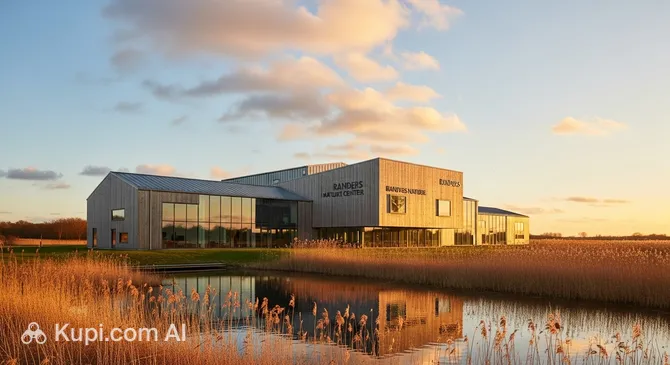
Randers Nature Center. Illustration.
Source: Kupi.com AI

Traveler photos:

For those who want to get acquainted with the local flora and fauna, the Randers Nature Center is an excellent choice. It is located in a picturesque green area near the Gudenå River. This space is perfect for family vacations and active tourism enthusiasts: they organize educational activities, talk about the region's ecosystem, and offer opportunities for walks in the fresh air. Tourists appreciate this place for its tranquility and the chance to get closer to Danish nature.

The hub of the city's sporting and cultural life is Arena Randers. This modern multifunctional complex regularly hosts large-scale concerts, exhibitions, and sporting competitions. Handball matches are particularly popular here, with an atmosphere that is always charged with energy. Visiting the arena during an event is a great way to feel the pulse of modern Randers and see how the locals enjoy their leisure time.

Local Cuisine

The gastronomic scene in Randers is a harmonious blend of ancient Danish traditions and modern trends. A journey here would be incomplete without experiencing the country's main culinary symbol — smørrebrød. These open-faced sandwiches are turned into true works of art here: marinated herring, meat delicacies, or cheeses are generously layered onto a slice of rye bread, all decorated with fresh herbs and vegetables. Variations with smoked fish and beets are particularly popular.

For those with a sweet tooth, the city offers cozy bakeries filled with the aroma of fresh pastries and strong coffee. Be sure to try the traditional dessert æblekage — a delicate apple cake with vanilla cream and crunchy crumbs that locals simply adore. For those who prefer gastronomic souvenirs, local farmers' markets will be a real discovery: here you can find craft cheeses, homemade sausages, honey, and seasonal berries.

Operaen Randers. Illustration.
Source: Kupi.com AI

Traveler photos:

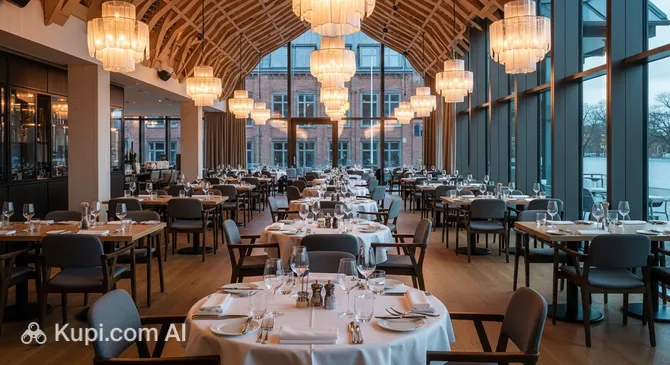
The food culture in Randers is democratic. People here appreciate simple pleasures: from snacking on fresh seafood right on the waterfront to a leisurely dinner in one of the city's establishments. If you are looking for a place with a pleasant atmosphere for lunch or dinner, you should check out Operaen Randers. The city also values quality drinks: be sure to taste the local fruit wines and ciders that the region is famous for.

In the evening, the gastronomic journey can continue in a more relaxed setting. To feel the local flavor and chat with the residents, stop by Barry's Pub or visit Bar Kronjylland. These are great places to end the day with a glass of beer or a warming drink in the heart of Jutland.

Travel Tips

Randers is an incredibly cozy and welcoming city, but like any trip through Jutland, there are nuances worth knowing in advance. To make your trip as comfortable as possible and without unnecessary hassle, we have prepared a list of useful recommendations based on the experience of locals and seasoned travelers.

  1. Clothing and weather. Danish weather is famous for its fickle nature, so the main principle in clothing is layering. Even in summer, don't forget to bring a windproof jacket and a high-quality raincoat: an umbrella is often useless in strong winds. For walks through the old cobbled streets of Randers, be sure to choose comfortable flat shoes — heels will be a real challenge here. Power outlets in Denmark (Type K) may differ from standard European ones but are usually compatible with Type C and F plugs, although an adapter may be needed for grounded devices.
  2. Transport nuances. The city center is quite compact and is most pleasant to explore on foot. If you need to reach outlying areas, use the Midttrafik buses — tickets can be bought via a mobile app or at vending machines (drivers often don't accept cash). Taxis in Denmark are an expensive pleasure, so to save on your budget, it's better to download local apps. Renting a car is only worth it if you plan to travel around the Jutland countryside; within the city, a car is more likely to be a burden due to paid parking.
  3. Finances and payment. The local currency is the Danish Krone (DKK), but you'll hardly need cash. Cards are accepted absolutely everywhere: from major museums to tiny street hot dog stands. Nevertheless, having a small amount of coins can be useful for lockers or supermarket trolleys. Tips in Denmark are usually already included in the bill, so they aren't mandatory, but rounding up the amount as a sign of gratitude for excellent service is always welcome.
  4. Health and safety. Randers is a very safe city where you can comfortably walk even after dark. However, basic vigilance should not be lost. Pharmacies (Apotek) are easy to find in the center, but there are few 24-hour service points, so it's better to bring personal medications with you. The single emergency number is 112. Tap water here is of the highest quality; you can and should drink it, which will help save on buying bottled water.
  5. Communication and language. Almost all local residents, from schoolchildren to pensioners, speak English fluently, so you won't feel a language barrier. However, Danes really appreciate it when guests try to say a few words in their native language: a simple "Hej" (Hi) or "Tak" (Thanks) will bring a sincere smile. Wi-Fi is available for free in many cafes, libraries, and on trains.
  6. Local etiquette. Danes are reserved, polite, and value personal space highly. It is customary to say hello when entering a shop or bus. A key trait of the local mentality is punctuality: if you have a meeting or tour scheduled, being even 5 minutes late is considered bad manners. In public places, try not to speak too loudly; silence and tranquility are valued here.
  7. What to strictly avoid. The most common mistake tourists make is stepping onto bicycle lanes. In Denmark, the bicycle is the primary mode of transport, and cyclists ride fast. Walking on a bike lane will not only cause dissatisfaction among locals but can also be genuinely dangerous for your health. Always look carefully at the sidewalk markings.
  8. Store opening hours. Keep in mind that life in Randers quiets down quite early. Most shops on weekdays close by 5:30 PM or 6:00 PM, and on Saturdays, they work until noon. For many establishments, Sunday is a day off. Plan your shopping and grocery runs in advance so you don't find yourself in front of closed doors.

Randers knows how to charm with its calm northern beauty and steady pace of life. By following these simple tips, you can easily blend into the local atmosphere and get only the warmest and most pleasant impressions from your trip!

Entertainment & Nightlife

Even though Randers is not a massive metropolis, its nightlife is capable of pleasantly surprising even seasoned travelers. The evening atmosphere of the city is characterized by a special coziness and compactness: most popular venues are concentrated in the historic center, making it easy to move from one bar to another on foot. The epicenter of the fun is rightfully considered Storegade street — it is here, in historic buildings, where life teems after sunset, and the music doesn't stop until morning.

Among the iconic places that live music and dance lovers should definitely visit is Tante Olga. This is a venue with a rich history and unique charm, where local bands often perform and a friendly atmosphere prevails. The crowd here is very diverse: from students to older people, united by a love for good times and quality drinks. The dress code in most of the city's clubs and bars is casual — style that will be appropriate almost everywhere.

Tante Olga. Illustration.
Source: Kupi.com AI

Traveler photos:

If you prefer the more relaxed setting of a classic pub, stop by Barry's Pub. It’s an ideal place to grab a pint of beer, watch sports broadcasts, or simply chat with the locals. Bar Kronjylland is also popular, offering an excellent selection of cocktails and a cozy interior for evening gatherings. Alcohol prices are consistent with the general Danish level: a glass of beer will cost an average of 50–70 DKK, and cocktails start from 80 DKK.

For those looking for cultural entertainment before the party starts, the city offers a rich program. Large-scale concerts, shows, and sports events are regularly hosted at Arena Randers. This is a modern venue where you can charge up your energy before heading to the nightclubs. Fans of quieter leisure should check out the local musical theater Værket, which is famous for its productions and acoustics.

In terms of safety, Randers is one of the calmest cities in Denmark. Walking through the night center carries no threats; the streets are well-lit and patrolled. However, if you stay out very late or your hotel is on the outskirts, it's better to call a taxi via an app (such as DanTaxi), as public transport runs less frequently at night. The liveliest time in bars and clubs is Friday and Saturday after 11:00 PM, when locals finish their dinners at home and head out into the city.

Parks & Museums

Randers harmoniously combines the urban environment with picturesque nature, offering tourists many well-kept places for outdoor relaxation and deep immersion into the region's cultural context. Here, green oases flow seamlessly into historic quarters, creating ideal conditions for leisurely walks and educational tourism.

Among the city's green zones, Doktorparken holds a special place. This is the oldest and perhaps the most beloved park among locals, founded back in the 1930s. It is perfect for family vacations: here you can feed ducks in the pond, admire centuries-old trees, or visit small bird aviaries. The park is famous for its calm atmosphere and picturesque alleys, which are beautiful at any time of year.

For those who prefer a more wild nature, Gudenåparken will be a real discovery. This vast natural area stretches along the Gudenå River, offering great opportunities for hiking and observing flora and fauna. It is here that the Randers Nature Center is located, serving as a starting point for many ecological trails. The park acts as a link between the city and the river, allowing tourists to enjoy the silence by the water without traveling far from the center.

The cultural life of Randers is concentrated in its museums, which preserve the rich heritage of East Jutland. The main artistic treasure is the Randers Kunstmuseum, located in the Kulturhuset cultural center. The museum's collection covers Danish art of the 19th and 20th centuries, with a special emphasis on works by the famous COBRA group and local surrealist Sven Dalsgaard. This is a must-visit place for all lovers of modernism and contemporary painting.

Immersing yourself in the region's past is made easy at Museum Østjylland. The exhibition fascinatingly tells the history of the region from the Stone Age to the present day. The museum is known for its modern approach: there are many interactive elements that make studying history interesting even for children. You can see archaeological finds from the Viking Age and learn how townspeople lived in the Middle Ages.

As an insider tip, we recommend checking out the "Star Route" (Stjerneruten). This is not just a walking path, but a kind of open-air museum that connects the city's main attractions. Following the route marked by stars on the pavement, you will not only see the main architectural monuments but also stumble upon hidden sculptures and cozy courtyards that often escape the attention of ordinary tourists.

Getting Around

The transport system in Randers is organized efficiently and clearly, though it differs from what residents of major metropolises might be used to. The city is quite compact, so the historic center is most pleasant to explore on foot. There are no subways or trams here; the main form of public transport is buses, which connect the center with residential areas, attractions, and suburbs.

The bus network is managed by the regional operator Midttrafik. On the streets, you will see two types of buses: yellow ones serve city routes, while blue ones serve regional routes, connecting Randers with neighboring cities. Transport runs strictly according to the schedule, which is followed with to-the-minute precision. Boarding the bus is always done through the front door, where you need to show your ticket or validate your card.

Paying for fares might raise questions for the unprepared tourist. The most modern and convenient way is to download the Midttrafik app. In it, you can link a bank card and buy single tickets or tourist passes valid for a certain period. The cost of the trip depends on the number of zones crossed. If you are traveling throughout Denmark, you will find the universal Rejsekort plastic card (analogous to an electronic wallet) useful; you need to tap it on the validator when entering (Check In) and definitely when exiting (Check Out).

Buying a ticket from the driver with cash is possible, but it's more of a last resort. Drivers only accept local currency (krones) and often don't have change for large bills. Additionally, a ticket purchased on board usually costs more than an electronic one. It is important to remember that fines for fare evasion are very high, so it’s not worth the risk.

To plan your trips, it is highly recommended to use the national route planner Rejseplanen (available as a website and app). It builds optimal routes considering transfers, shows current departure times, and calculates the exact price of the trip.

As an alternative to public transport, you could consider a taxi, for example, through the Dantaxi service, but keep in mind that fares here are quite high. A much more popular and budget-friendly option is the bicycle. Randers is equipped with an extensive network of bike lanes, and you can rent two-wheeled transport at specialized rental points or through city sharing apps.

Accommodation

The choice of accommodation in Randers, as in all of Denmark, is characterized by a high standard of quality and the coziness that locals call "hygge." The city offers travelers a balanced range of accommodation options: from functional chain hotels and authentic inns in historic buildings to budget hostels and campsites in the heart of nature. It’s hard to find pompous luxury resorts here, but comfort and cleanliness are guaranteed almost everywhere, regardless of the star rating.

The most popular and convenient area for tourists is the historic city center. By staying here, you will be within walking distance of the main pedestrian streets, restaurants, and key attractions. This is an ideal choice for those arriving without a car: the train station and bus station will be nearby, and iconic places like the Randers Tropical Forest can easily be reached on foot. Living in the center allows you to feel the pulse of the city and enjoy evening walks along the cobbled streets.

For those seeking peace and connection with nature, hotels and guest houses located closer to the Gudenå River or on the outskirts of the city are excellent options. These areas offer picturesque views and a quiet atmosphere, which is especially valuable for families with children or road trippers. Here you can often find Bed & Breakfast style accommodations, where the hosts will offer a homemade breakfast and tell you about local traditions.

The price range in Randers corresponds to the general Danish level: it can be described as "above average" by European standards.

  • Budget segment: Hostels and inexpensive guest houses (from 500–600 DKK per night).
  • Middle class: Standard 3-4 star hotels (from 900–1200 DKK per night).
  • Luxury and boutique hotels: More expensive options with designer interiors (from 1500 DKK and up).

When planning your trip, especially during the summer season (July–August) or the Christmas holidays, it is strongly recommended to book accommodation in advance — at least 1–2 months before. Randers is a popular destination for domestic tourism, and the best options in terms of price and quality are snapped up very quickly. For booking, it is most convenient to use major international online platforms, although many small hotels and B&Bs also accept orders directly through their websites, sometimes offering better terms.

Nearby Cities

For those who want to explore the surrounding area, Randers serves as an excellent starting point for day trips to several interesting nearby locations:

Just a few dozen kilometers away is Aarhus — the country's second-largest city. It is a dynamic cultural center where history meets modernity. Tourists come here to visit the famous ARoS Art Museum with its rainbow panorama on the roof and to walk through the "Old Town" (Den Gamle By) open-air museum, which recreates urban life from past centuries.

Nature lovers and fans of picturesque landscapes should head to Silkeborg. The city is located in the heart of Jutland's lake district and is considered the capital of active water recreation. Here you can take a cruise on the old paddle steamer Hjejlen or enjoy hiking through the hilly forests surrounding the lakes.

Also worth visiting is the ancient Viborg, one of the oldest cities in Denmark. It is famous for its majestic cathedral with unique frescoes and its charming historic center, where cobbled streets and medieval architecture create a unique atmosphere of comfort and tranquility.

CityPopulationDistance
Hobro12 07125 km
Løgten8 65927 km
Lystrup10 43628 km
Galten9 00435 km
Aarhus285 27335 km

These nearby destinations provide an insight into the region's diverse culture and landscapes.

Shopping & Souvenirs

Shopping in Randers is a pleasant combination of strolling through old cobbled streets and visiting modern shopping venues. The city offers an excellent balance between well-known international brands, quality Danish design, and unique local shops. There is no metropolitan hustle here, so you can shop at a relaxed pace while enjoying the architecture and cozy atmosphere.

The heart of the city's commercial life is its pedestrian zone in the historic center. Special attention should be paid to Houmeden — one of Denmark's oldest pedestrian streets. Strolling here, you will find many boutiques for clothing, shoes, and accessories located in charming half-timbered houses. Torvegade and Brødregade streets are also packed with shops: from popular mass-market chains to specialized stores with home and interior goods.

For those who prefer an "all under one roof" format, Randers Storcenter is the ideal place. This large shopping center is located on the southern outskirts of the city and houses more than 50 stores, including a hypermarket, electronics stores, sporting goods, and fashion boutiques. This is a great option for shopping in rainy weather, plus there is a large free parking area.

Lovers of authentic atmosphere and fresh produce should visit the Rådhustorvet market square. On Wednesdays and Saturdays, farmers' markets often set up here, where you can buy fresh vegetables, fruits, flowers, as well as local cheeses and honey. This is a wonderful opportunity to chat with the locals and try the region's seasonal delicacies.

As souvenirs from Randers, people most often bring back items of famous Danish design: ceramics, textiles, or minimalist jewelry. Unusual gifts can be found in the souvenir shop at attractions like the Randers Tropical Forest: they sell themed eco-goods, soft toys, and handmade crafts that will remind you of visiting the tropics in the heart of Denmark. Products from the local brewery and licorice sweets are also popular.

Shops in the city center are usually open Monday to Thursday from 10:00 AM to 5:30 PM, and on Friday until 6:00 PM or 7:00 PM. On Saturday, most shops close as early as 2:00 PM or 3:00 PM, and Sunday is generally a day off (except for large shopping centers and supermarkets). Payment almost everywhere is made by bank cards (Visa, Mastercard); cash krones might only be needed at small market stalls.

Tourists residing permanently outside the European Union can take advantage of the Tax Free system. If the purchase amount in one store exceeds 300 DKK, you are entitled to a refund of part of the VAT. Don't forget to ask for a special receipt (Tax Free Form) at the checkout and present it along with the goods and your passport when leaving the EU to receive your refund.

Reached the end of the page?

That means the route is fully explored