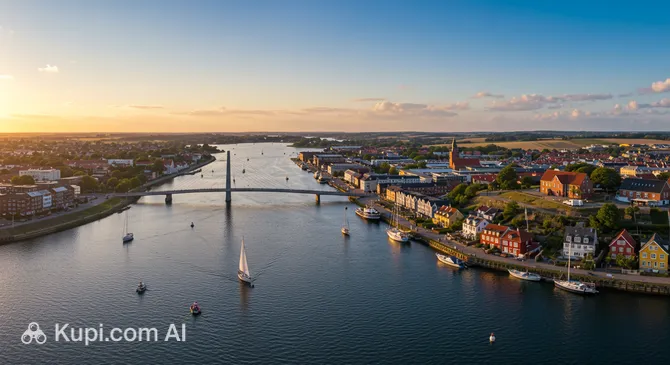
Vejle is a true gem of Southern Jutland, nestled in a picturesque location where the Vejle and Grejs rivers flow into the fjord. Surrounded by green hills and calm waters, the city boasts a unique landscape that invites leisurely walks and nature contemplation. Despite its compact size, Vejle is an important transport and cultural hub where Denmark reveals itself in all its Scandinavian charm.
With a population of about 60,000 people, the city successfully combines an intimate atmosphere with a lively pace of life. Different eras coexist harmoniously here: traditional windmills and ancient churches stand alongside bold architectural projects and stylish cafes. Strolling through the cobbled pedestrian streets of the center, one can notice how the rich history of Vejle intertwines with modernity, giving the city its unique character.
Vejle's special atmosphere is filled with tranquility and creative inspiration. Travelers are drawn here by the opportunity to enjoy the famous Danish hygge—a sense of coziness and peace that literally hangs in the air. Whether it's a picnic on the shores of the fjord, exploring ancient burial mounds, or making gastronomic discoveries in local restaurants, Vejle will provide unforgettable experiences for those who appreciate natural beauty and cultural heritage.
Weather Overview
The climate in this region is temperate and is strongly influenced by its proximity to the sea, which makes it quite mild but changeable. If you are interested in a detailed weather in Vejle for trip planning, you should prepare for the vagaries of nature in advance. Expect moderately warm summers with occasional rain and cool, windy winters.
The summer season (from June to August) is considered the most comfortable time to visit. The average air temperature during this period ranges from 15°C to 17°C, and on the warmest days of August, the air can warm up to 20.6°C. This is an ideal time for walking, although it's worth remembering that rain is possible even in the middle of summer: for example, up to 15 rainy days are recorded in July.
Winters in Vejle are usually mild, without extreme frosts. In January and February, the average temperature stays around 3°C, and night minimums rarely drop below 0.8°C. The off-season brings its own colors: May pleases with a pleasant warming up to 15.7°C, while October is often the cloudiest month, when the number of days with precipitation reaches 16.
Average monthly temperature
Average monthly precipitation
Interesting Facts
In addition to its main attractions, Vejle holds many fascinating secrets and historical features that make it a unique city on the map of Denmark. Here are a few facts to help you see this place from a new perspective:
Ancient origin of the name. The city's history is rooted in the deep past—the first mention of it dates back to 1256. The name Vejle itself comes from the old word "Wethele," meaning "ford." This name emphasizes the importance of the city's geographical location by the fjord, which for centuries contributed to its development as a major trading center.
Danish "highlands." Although Denmark is known for its flat landscape, Vejle breaks this stereotype. The city is surrounded by picturesque hills reaching heights of 170 meters above sea level. This terrain is atypical for the country and has turned the region into a true paradise for cyclists looking for a challenge on steep climbs.
Cradle of the nation next door. Just a few kilometers from Vejle lies Jelling—the site of the famous runic stones and burial mounds, which are included in the UNESCO World Heritage list. This place is often called Denmark's "birth certificate," as key monuments of the Viking Age are located here.
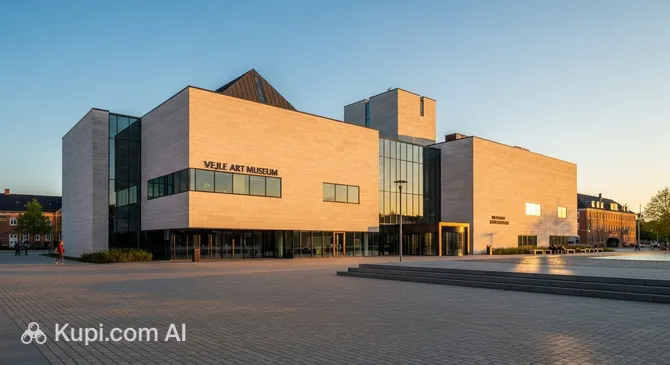
A city of art and innovation. Vejle is famous for its bold modern architecture, a striking example of which is the futuristic Fjordenhus building, standing right in the water. A love for beauty is everywhere here: from street sculptures to the rich collections held by the Vejle Art Museum, which has become a hub for connoisseurs of graphics and painting.
Vejle Art Museum. Illustration.
Source: Kupi.com AI
Traveler photos:
How to Get There
When planning a trip to this picturesque corner of Jutland, you will find that the region's transport accessibility is top-notch. Thanks to Denmark's developed infrastructure, the journey here will be comfortable regardless of the route chosen. You can learn more about how to get to Vejle to choose the most suitable option based on your budget and time.
For those who prefer air travel, the most convenient option is Billund Airport (BLL). This is the second-largest airport in the country, located just 24.4 km from the city. Due to this proximity, a transfer by bus or taxi will take minimal time—usually about 30–40 minutes. The airport serves many international flights, making it an ideal entry point for tourists.
Another available option is Aarhus Airport (AAR). It is located further away, at a distance of 94.6 km, but may be convenient if you are planning a combined route through the region. The journey from here to Vejle by car or public transport takes about 1.5 hours.
Below is information about the nearest airports for planning your arrival:
Railway communication is the pride of the Danish transport system. If you arrive in the capital, your starting point will be Copenhagen Central Station (distance to Vejle is 190.5 km). Trains run frequently and are known for their high punctuality. Travel time on a direct InterCity train is usually between 2.5 and 3 hours, which is significantly faster and more comfortable than a long bus trip across the country.
If you are in the neighboring major city of Aarhus, getting to Vejle is even easier. Aarhus H Station is located just 64.3 km away. High-speed regional trains cover this distance very quickly—the trip takes only 45–60 minutes, making it easy to plan even a one-day visit.
Main railway hubs from which it is convenient to reach the region:
Vejle offers travelers an amazing combination of educational leisure, active entertainment, and peaceful relaxation in the heart of nature. It is easy to plan an itinerary here that will be interesting for families with children, ecotourism enthusiasts, and adventure seekers alike.
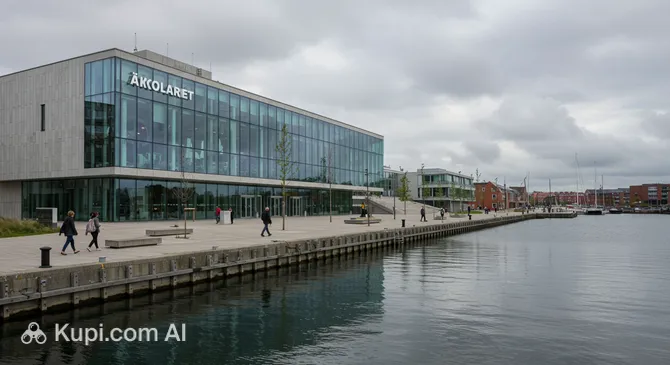
One of the most visited and unusual locations in the city is Økolariet. This is a modern science and educational center where complex topics of ecology, climate, and technology are presented through engaging interactive exhibitions. Visitors can go on a virtual journey through the sewer system, learn about waste recycling, or explore energy innovations. This place proves that science can be exciting, and entrance to many of the center's halls is often free for everyone.
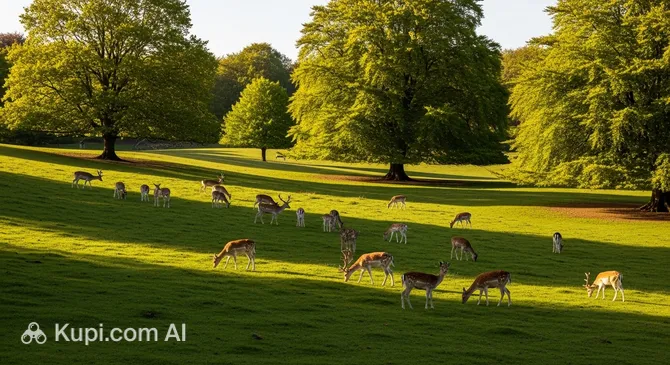
Vejle Deer Park. Illustration.
Source: Kupi.com AI
Traveler photos:
If you want to take a break from the city bustle, be sure to visit Vejle Deer Park, located in the picturesque Nørreskoven forest. This is a vast area where herds of sika and fallow deer roam freely in their natural habitat. The animals are accustomed to people, so you can observe them from a fairly close distance. Additionally, a walk through the park offers magnificent panoramic views of the famous bridge over the Vejle Fjord.
For those who prefer active recreation, Gorilla Park Vejle is an excellent choice. This rope park offers courses of varying difficulty, set right in the treetops. Here you can test your agility and courage by overcoming obstacles at a height. The park is harmoniously integrated into the forest landscape, allowing you to combine sport with the enjoyment of nature.
On warm days, Albuen Beach becomes a center of attraction. This is a well-maintained recreation area on the shores of the fjord, loved by both locals and tourists. Here you can have a picnic on the grass, swim in the cool water, or simply admire the water's surface and the yachts sailing by. The beach is equipped with everything necessary for a comfortable family vacation.
Local Cuisine
Vejle's gastronomic scene is an exciting journey where centuries-old Danish traditions intertwine with modern culinary trends. Thanks to the city's location right by the fjord, seafood forms the basis of the local menu. Here, you must try the freshest trout, tender smoked eel, and mussels. On a cool day, the best choice is a thick fish soup with root vegetables and cream—a dish that warms you up and gives a sense of home comfort.
The hallmark of a Danish lunch remains the smørrebrød. This is not just an open sandwich, but a true work of art on a slice of dense rye bread. There are hundreds of topping options: from classic pickled herring with onions to roast beef with crispy cucumber and remoulade. These snacks are traditionally washed down with local craft beer or a shot of ice-cold Akvavit (Scandinavian caraway vodka), which helps to fully reveal the flavor of the dish.
For dinner, locals and tourists often choose establishments with a relaxed atmosphere where the emphasis is on product quality. The Restaurant Flammen is very popular, known for its rich buffet and variety of grilled meat delicacies. This is an excellent place to experience the concept of a hearty Danish feast with friends or family.
Fans of a more casual format should pay attention to Vejle's street food and farmers' markets. Here you can buy seasonal vegetables, homemade cheeses, and, of course, the famous Danish pastries—sweet rolls and buns that pair perfectly with a cup of strong coffee. If your trip falls in the autumn, try to visit the "Vejle Madfestival", where the region's best chefs and farmers present their gastronomic masterpieces right under the open sky.
Travel Tips
Preparing for your trip to Vejle will help you avoid minor inconveniences and allow you to focus on enjoying the atmosphere of this cozy Danish city. We have collected a list of proven recommendations for you that will make your stay in the heart of Jutland as comfortable and carefree as possible.
Clothing and equipment. The weather in Denmark is changeable, so the principle of layering clothing works best here. Even in summer, it's worth having a light windproof jacket and an umbrella with you. Given that Vejle is known for its hills and cobblestones in the historical center, be sure to bring comfortable flat shoes. To charge your gadgets, you may need an adapter: Denmark uses type C, F, and unique type K sockets, although standard European plugs often fit.
Transport and movement. The historical city center is compact and pleasant to explore on foot, but remember the terrain—climbs can be steep. Public transport is represented by buses that run strictly on schedule; it is most convenient to use special apps or buy tickets at vending machines to pay for fare. Taxis in Denmark are an expensive pleasure, so they are not always justified for short trips. It is worth renting a car only if you plan to go out of town to the fjords.
Finance and payments. The official currency is the Danish Krone (DKK). Vejle, like all of Denmark, is almost entirely a cashless society. Bank cards (Visa, Mastercard) are accepted everywhere: from hotels to hot dog stands. Cash may be needed in very rare cases, so there is no need to change large sums. Tips are usually already included in the bill, but rounding up the amount for excellent service is considered good manners.
Health and safety. Vejle is a very quiet and safe city; there are no distinct "dangerous" areas, and you can walk without fear even at night. Pharmacies (Apotek) are easy to find by the green cross; most of them operate during standard shopping hours, but there are also on-duty ones. You can safely drink water straight from the tap—it is of excellent quality and very tasty here.
Communication and Internet. The language barrier in Vejle is practically non-existent: most locals speak English fluently. Free Wi-Fi is available in many cafes, libraries, trains, and buses. If you need constant mobile internet, a SIM card (for example, Lebara or Lycamobile) can be bought in supermarkets or 7-Eleven stores without unnecessary formalities.
Local etiquette. Danes value personal space and restraint. When entering a shop or cafe, it is customary to say hello (a simple "Hej" is perfect). In public places, try not to speak too loudly. The main rule is to be polite and respect the queue, whether it's boarding a bus or waiting for a table in a bakery.
What to avoid. The biggest mistake a tourist can make is stepping onto a bike path. In Denmark, this is the sacred territory of cyclists, and a pedestrian on it risks not only hearing an angry bell but also creating an emergency situation. Always look carefully at the markings on the sidewalks. Also avoid photographing people without their permission; Danes are very sensitive about privacy.
Shopping features. Keep in mind that shops in Vejle close quite early compared to many other countries. On weekdays, most boutiques are open until 5:30–6:00 PM, on Saturday until 2:00 PM or 3:00 PM, and on Sundays many shops are closed, except for large supermarkets and souvenir shops. Plan your purchases in advance!
Vejle is an incredibly hospitable city where modern technology is harmoniously combined with traditional Scandinavian coziness. By following these simple tips, you will quickly feel at home here and be able to fully enjoy the beauty of the fjord and architecture without being distracted by everyday trifles.
Entertainment & Nightlife
Entertainment and Nightlife:
Vejle's nightlife, while smaller in scale than the capital's, has a special charm and coziness. The city does not fall asleep at sunset: quiet strolls give way to lively bars, pubs, and clubs. The hub of evening activity is the area around the pedestrian street and the river embankment, as well as Dæmningen street, which locals often call the main artery of entertainment. Most establishments where you can have fun until late at night are concentrated here.
The atmosphere in Vejle's venues is democratic and relaxed. There is rarely a strict dress code; a smart casual style will be appropriate almost everywhere. The crowd is diverse, ranging from students to older groups of friends deciding to unwind after the work week. The evening usually begins with dinner or a few cocktails around 8:00–9:00 PM, and closer to midnight, activity moves to bars with music and dance floors.
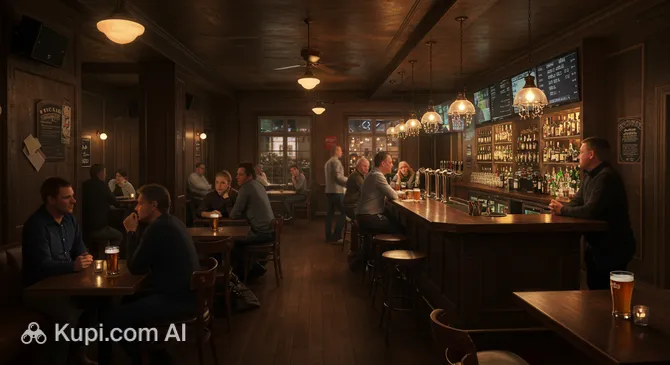
Tortilla Flats. Illustration.
Source: Kupi.com AI
Traveler photos:
If you are looking for a place with a colorful atmosphere and great drinks, it's worth stopping by Tortilla Flats. This establishment combines the spirit of a Mexican cantina with a popular bar. They serve not only delicious food but also excellent cocktails, making it an ideal spot to start the evening ("pre-party"). The lively atmosphere and bright interior set a positive mood.
Fans of classic bar culture and sports will enjoy Lucky's Sportsbar. This is a place where you can not only watch broadcasts of important matches on big screens but also play a game of billiards or darts. It gets especially crowded and fun here on weekends. For those who prefer a traditional British style, Charlie's Pub is worth a visit. It offers a wide selection of beers and ales, often features live music, and the setting is perfect for long friendly conversations.
Practical tips for night owls:
Prices: Be prepared for Scandinavian price levels. A glass of beer will cost an average of 50–75 DKK, and cocktails range from 85 to 120 DKK. Many bars have "happy hours" in the early evening.
Safety: Vejle is a very safe city. Walking around the center at night poses no threat, and the streets are well-lit. However, as everywhere, you should keep an eye on your personal belongings.
Transport: Night buses run less frequently, so the most reliable way to get to your hotel is by taxi. Apps like Dantaxi work perfectly, and a car can be summoned in a few minutes.
The daytime cultural program in Vejle is also rich. For lovers of shopping and entertainment under one roof, the Bryggen shopping center, located in the southern part of the city, is open. Besides shops, small events are often held there. Connoisseurs of fine arts should check the schedule of the Vejle Musical Theatre (Vejle Musikteater), which regularly hosts musicals, symphony concerts, and stand-up comedy performances.
Parks & Museums
Vejle harmoniously combines the dynamics of a modern city with the tranquility of wild nature, offering tourists a rich choice of green zones and cultural spaces. The city is famous not only for its picturesque hills and waterfront but also for places where you can touch art, history, and science without leaving the city center.
Among the parks, Skyttehushaven holds a special place. This historical garden, located on the shores of the fjord, has been a favorite walking spot for locals for over a hundred years. An atmosphere of good old Denmark reigns here: well-kept flower beds, ancient trees, and a classic music pavilion where concerts are held in the summer. The park is perfect for picnics with a view of the water, and children will appreciate the small aviary and playgrounds.
For those who want to see nature in its pristine form, it is worth heading to Kongens Kær. This is a unique natural wetland area located very close to the city center. Vast meadows and reed beds have become home to many bird species, including white-tailed eagles. The walking and cycling paths laid out here allow you to enjoy the silence and fresh air while observing the life of the feathered inhabitants.
The cultural life of the city is concentrated around several significant venues. The main pride is the Vejle Art Museum. Its graphics collection is considered one of the best in the country and includes works by masters such as Rembrandt, as well as works by Danish artists of the Golden Age. The museum actively works with contemporary art, offering interactive exhibitions that will be interesting even to those who are usually far from classic galleries.
Økolariet. Illustration.
Source: Kupi.com AI
Traveler photos:
A visit to Økolariet will be no less exciting. Although this place is often called a science center, it performs an important museum function, documenting the changes on our planet. The exhibitions here are dedicated to sustainable development, technology, and nature. This is a space where complex global issues are explained in simple and visual language, making knowledge accessible to visitors of all ages.
History buffs should pay attention to the Cultural Museum (Kulturmuseet), located in the building of the former spinning mill Spinderihallerne. Here, the region's past comes to life: from Viking Age finds and the famous "Haraldskær Woman" to the city's industrial heritage. The museum masterfully combines artifacts with modern multimedia technologies.
Insider tip: Be sure to climb up to the Vejle Windmill (Vejle Vindmølle), located at the top of a hill. This is not only a historical monument and symbol of the city, which houses a small exhibition inside, but also one of the best observation decks, offering a breathtaking panorama of the city roofs and the curves of the fjord.
Getting Around
The public transport system in Vejle is characterized by Scandinavian punctuality and comfort, although it does not impress with the scale of a metropolis. There is no metro or tram system, so the main means of transport are buses. The network is operated by Sydtrafik, providing connections both within the city and with the surrounding areas. The transport scheme is intuitive: city routes are served by yellow buses, and regional ones, connecting Vejle with the suburbs, by blue ones.
A zone system is used for fare payment, and the ticket price depends on the distance of the trip. The most convenient way for short-term visits is to use mobile applications such as Sydtrafik or Rejsebillet. They allow you to buy tickets online by linking a bank card, which eliminates the need to look for change. A standard ticket for a trip through the center (2 zones) costs about 24–26 DKK and is usually valid for an hour, allowing for transfers.
If you plan on making frequent trips, you can use the Rejsekort system—a single electronic transport card. An anonymous version of the card (Rejsekort Anonymous) is available for tourists and can be purchased at major transport hubs. The main rule of use is not to forget to Check In when entering and Check Out when exiting by tapping the card against the special terminals with a blue dot. Buying a ticket from the driver with cash is possible, but it often costs more, and the exact amount in coins is required.
Vejle is known for its hilly terrain, unique for the region, which influences the use of alternative transport. The bicycle is very popular here, but the steep climbs can be a challenge for an unprepared tourist. If you want to enjoy a bike ride without extra effort, we recommend renting an e-bike. The network of cycle paths is excellently developed, allowing you to safely reach any point in the city.
Taxi services, such as Dantaxi, operate around the clock but are quite an expensive pleasure. It is better to order a car through an app or by phone, as catching a free car on the street can be difficult. However, the compact historical center of Vejle is ideal for walking: most shops, cafes, and attractions are within walking distance of each other.
Accommodation
Where to Stay:
Vejle offers travelers a decent selection of accommodation options that will satisfy both lovers of urban comfort and those looking for seclusion in nature. The hospitality infrastructure here is developed to a high standard: from cozy family Bed & Breakfasts (B&Bs) to large hotel chains with a full range of services. The general level of service in Denmark is traditionally high, so cleanliness and quality service can be expected even in budget locations.
When choosing an area to stay, you should consider the purpose of your visit. The city center is an ideal option for those who plan to actively use public transport and want to be within walking distance of shops, restaurants, and the train station. Life is bustling here, and the main attractions are literally around the corner. If you dream of picturesque views, look for hotels in the waterfront and fjord area. This part of the city is famous for its modern architecture and relaxing atmosphere by the water.
For budget-conscious travelers, there are hostels in and around the city offering comfortable conditions at reasonable prices for Scandinavia. Campgrounds located in the green areas around Vejle are also popular—this is a great way to save money and enjoy Danish nature, especially during the summer season.
Booking tips and prices:
Price range: Be prepared for the fact that the cost of living in the region is higher than the European average. Budget overnight stays will cost around 500–700 DKK, mid-range hotels from 900 to 1500 DKK, while stays in designer hotels or spa resorts will cost significantly more.
Seasonality: Summer is the peak season when the demand for housing increases sharply. If your trip is planned for July or August, it is highly recommended to book your room 2–3 months before arrival.
Booking methods: Most properties are listed on popular international booking platforms. However, sometimes direct booking through the hotel's website can offer more favorable terms or include breakfast.
Nearby Cities
For those who want to explore the surroundings, Vejle serves as an excellent starting point for day trips to several interesting nearby places. Thanks to the city's central location and developed transport network, Denmark reveals a new side here, allowing you to easily reach the key cultural centers of Jutland and the island of Funen in no more than an hour.
One of the most popular destinations is Aarhus—the second largest city in the country. It is famous for its unique open-air museum "Den Gamle By" (The Old Town) and the modern ARoS Art Museum, crowned with its famous rainbow panorama. Another great option is a trip to Odense, the birthplace of Hans Christian Andersen. Here you can stroll through fairy-tale cobbled streets, visit the writer's house-museum, and enjoy the cozy atmosphere of the old quarters. Those interested in history and design should visit neighboring Kolding, home to the majestic royal castle Koldinghus and the Trapholt Museum of Modern Art.
These nearby destinations provide an insight into the region's diverse culture and landscapes. Each trip will offer unique experiences, whether it's immersing yourself in the Viking Age, discovering modern Danish design, or walking through the places that inspired great storytellers.
Shopping & Souvenirs
Vejle is rightfully considered one of the best places for shopping in the Southern Denmark region. The city has repeatedly won the title of "Denmark's Best Shopping City," and this title is well-deserved. Here, cozy cobbled streets with small boutiques harmoniously combine with large-scale modern shopping areas, offering tourists a rich selection of goods—from exclusive Danish design to popular international brands.
The heart of shopping life is the pedestrian street (Strøget), which stretches for almost 900 meters across the entire city center. It is one of the longest pedestrian streets in the country. A walk along it is not just a shopping trip, but a real aesthetic pleasure: fashion store windows and interior shops sit alongside historical architecture. Here you can find specialized shops with cheeses and wine, as well as flagship stores of famous Scandinavian brands.
In the southern part of the pedestrian zone is the modern Bryggen shopping center. This is an ideal place for shopping in any weather. Under one roof, about 60 stores are gathered, offering clothing, footwear, electronics, and home goods. The complex features a stylish interior and easy navigation, and after shopping, you can relax in one of the many cafes.
What to bring from Vejle:
Danish design. Pay attention to interior items, ceramics, and textiles. Local shops offer a wide selection of Scandinavian minimalist style goods that will become a stylish decoration for your home.
Gastronomic souvenirs. Be sure to buy Danish chocolate, liquorice sweets (for fans of the exotic), or a bottle of local Akvavit.
Fashionable clothing. Denmark is famous for its clothing brands that combine quality and comfort. Vejle offers an excellent selection of both women's and men's fashion.
When planning your shopping, it is important to remember the opening hours of the shops. As elsewhere in Denmark, shops in Vejle close quite early. On weekdays, most boutiques are open until 5:30 PM or 6:00 PM (on Fridays sometimes until 7:00 PM). On Saturday, trading usually ends by 2:00 PM or 3:00 PM. Sunday is a day off for most small shops, although large supermarkets and shopping centers may operate on a special schedule.