Support

Horsens

About

Horsens is a cozy and picturesque corner on the eastern coast of Jutland, where urban life intertwines harmoniously with the beauty of nature. Washed by the gentle waters of the Baltic Sea, this city attracts travelers with its calm atmosphere and special Scandinavian charm. Located just 50 kilometers south of Aarhus, it serves as an important cultural center for the region while maintaining a sense of intimacy and friendliness.

Despite the city's population being around 61,000, there is no big-city bustle here. On the contrary, Horsens offers guests the relaxed pace of life for which Denmark is so famous. The climate is typical for the region, with a refreshing sea breeze that makes walks along the waterfront especially pleasant at any time of year.
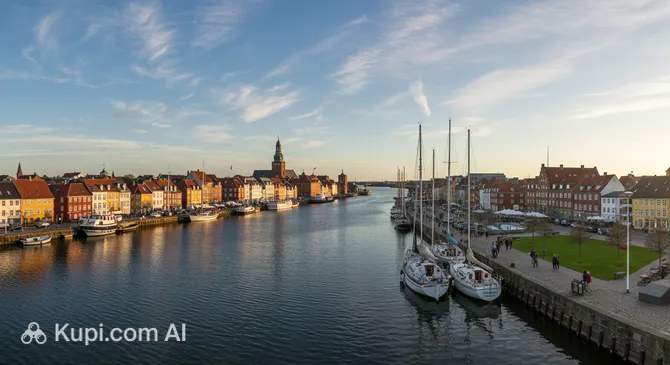
Horsens. Illustration.
Source: Kupi.com AI

The city center is a fascinating blend of eras: ancient architecture sits alongside modern urban spaces. The rich history of Horsens can be traced through its streets and buildings, inviting tourists to immerse themselves in the past. However, the city does not live in the past alone—it is a dynamic place filled with creative energy, where vibrant festivals and cultural events take place regularly.

The main highlight of Horsens is the unique opportunity to combine cultural leisure with active outdoor recreation. Guests can explore forest trails and hills or take a boat trip among the picturesque islands of the fjord. The city is also famous for its unusual museums and gastronomy: local street cafes and artisan shops create a true sense of idyll, where every guest feels welcome.

Horsens is worth visiting for its diversity and hospitality. This place is perfect for family vacations, romantic trips, or traveling with friends. If you are looking for a city that will give you inspiration, comfort, and new discoveries, Horsens will be an excellent choice for your next journey.
Weather Overview

The climate in Horsens can be described as temperate maritime, with mild winters and comfortable, moderately warm summers. Proximity to the water significantly softens temperature fluctuations, so it is rarely extremely cold or sweltering here. To plan your wardrobe correctly for the trip, we recommend checking the weather in Horsens for the dates of your visit in advance.

The summer months—July and August—are traditionally considered the best time to visit. During this period, the air warms up to a pleasant +20°C during the day, while nights remain fresh with temperatures around +13°C. These are ideal conditions for excursions, though it's worth remembering that rain is possible even in summer: statistics show about 14 rainy days per month.

Winter here is cool but without severe frosts. The average temperature in January and February stays in the range of +1°C to +3°C, rarely dropping significantly below zero. October often becomes the rainiest month, when the number of days with precipitation reaches 16, and the temperature gradually decreases to +10°C.

Expect moderately warm summers and cool winters with frequent precipitation throughout the year. Travelers should always carry comfortable waterproof shoes and a windbreaker, regardless of the season, to feel comfortable while walking through this picturesque Danish city.

Average monthly temperature

Average monthly precipitation

Interesting Facts

Beyond its main attractions, Horsens holds many fascinating secrets and unexpected stories that will surprise even seasoned travelers. This city knows how to make an impression, offering guests a unique experience at the intersection of history, art, and nature.
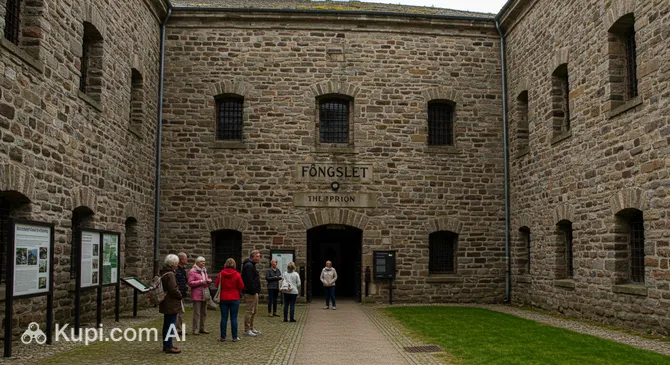
FÆNGSLET (The Prison). Illustration.
Source: Kupi.com AI

Traveler photos:

  • The famous FÆNGSLET (The Prison) is one of the most unusual places in Denmark. The former penitentiary has been turned into a cultural center and museum where visitors can not only learn about the lives of inmates but also participate in exciting quests or even stay overnight in an authentic prison cell.

  • Horsens annually becomes the stage for the massive European Medieval Festival. During these days, the city seems to return to the past: the streets fill with knights, musicians, and performers, and guests can try their hand at ancient crafts and games, immersing themselves in the fairy-tale atmosphere of a medieval settlement.

  • The city is proud of its artistic heritage, and of particular interest is the local museum, where an entire room is dedicated to the works of Horsens native Michael Kvium. His deep and provocative works have made this place a real magnet for fans of contemporary art.

  • In the city's surroundings, hidden natural and engineering treasures can be found. For example, the Sukkertoppen hill offers magnificent panoramic views perfect for photographers, and 10 km from Horsens lies "The Uncovered Bridge" (Den Genfundne Bro)—a historical crossing that was hidden by earth and forest for a long time but has now been restored for walks.

How to Get There

Horsens is conveniently located in the Central Jutland region, making it easily accessible for travelers. Thanks to Denmark's developed transport network, you can get here in various ways, combining flights with train or bus trips. To plan your route as efficiently as possible, we recommend checking all ways to get to the city and choosing the one that suits you best.

Horsens does not have its own airport, so most tourists fly into neighboring cities. The closest and most popular hub is Billund Airport (IATA: BLL), located in the town of Billund. The distance to Horsens is about 46 km. This is a major international hub that accepts many flights. The journey from here by taxi or transfer will take approximately 1 hour and 30 minutes.

Another convenient option is Aarhus Airport (IATA: AAR), which is located in Aarhus, about 69 km from Horsens. This is a regional airport, but it also serves a number of international destinations. The trip from Aarhus to Horsens by car will take about 2 hours. You can also consider flying into Aalborg Airport (IATA: AAL), although it is significantly further away—at 137 km—and the journey will take over 3.5 hours.

For clarity, here is a summary of the main airports:

AirportPassenger trafficDistance
Billund Airport4.0 mln46 km
Aarhus Airport542 95869 km
Esbjerg Airport47 00090 km
Sonderborg Airport74 000100 km
Aalborg Airport1.4 mln137 km

Railway connections in Denmark are excellently developed, allowing for comfortable travel between regions. Although there is no station listed directly in Horsens in this specific list, the city lies on the main railway line of East Jutland. An important transport hub nearby is Aarhus H Station in the city of Aarhus. It is located just 39 km from Horsens. From here, you can quickly reach your destination by local train or bus in about an hour.

If you arrive in the country via the capital, your starting point will be Copenhagen Central Station. Although it is located 172 km from Horsens, direct rail links connect the capital with Jutland, and a ride on a high-speed train will be comfortable and scenic.

Below is information about the nearest major railway hubs through which you can build your route:

StationPassenger trafficDistance
Aarhus H Station6.3 mln39 km
Aalborg Railway Station2.2 mln132 km
Copenhagen Central Station36.5 mln172 km
Helsingborg Central Station8.8 mln179 km
Ängelholm Railway Station192 km

Main Attractions

Horsens is a city that knows how to surprise with its diversity: from the stark atmosphere of former casemates to the bright lights of the modern stage. Travelers here have a unique opportunity to touch Danish history and culture through interactive and lively exhibits.

One of the most famous attractions that brings many to the city is FÆNGSLET (The Prison). This majestic complex of a former state prison has today been transformed into an impressive museum and cultural center. Guests can walk through the corridors, peek into the cells, and learn fascinating stories about the lives of prisoners and guards through modern multimedia installations. Additionally, the grounds often host festivals and concerts, creating an incredible contrast between history and modernity.

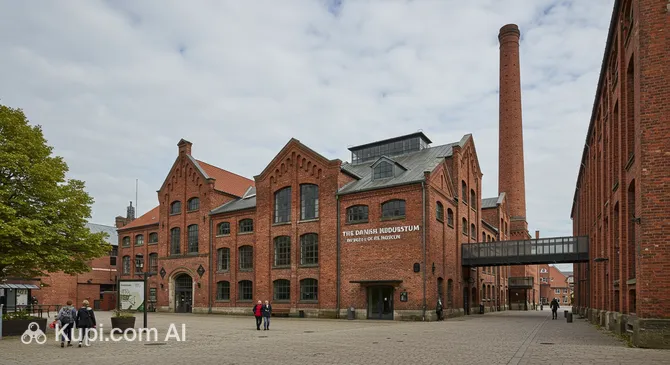
For those interested in technical progress and the daily life of past eras, the Danish Industrial Museum is a must-see. This place offers a fascinating journey through time, showcasing the development of industrial society. Here you can see working vintage engines, collections of retro vehicles, and detailed recreations of workshop interiors and workers' dwellings, making the museum interesting for visitors of all ages.

The Danish Industrial Museum. Illustration.
Source: Kupi.com AI

Traveler photos:

The heart of the city's cultural life is rightfully considered to be Horsens New Theatre. Located in the center of the pedestrian zone, it attracts audiences with a rich program that includes theatrical productions, comedy shows, and musical concerts. The theater building itself is a gem of the city, and the cozy atmosphere inside is perfect for a pleasant evening out.

Fans of large-scale events and sports should visit the Arena Horsens complex. It is one of Jutland's key venues, regularly hosting performances by world-class music stars, major sporting competitions, and exhibitions. Life here is buzzing year-round, drawing thousands of guests to grand shows.

Local Cuisine

The cuisine of Horsens is a gastronomic mirror of Jutland, where respect for tradition is combined with a love for fresh seasonal products. Thanks to its coastal location, local menus are often based on the bounty of the sea. They know their fish here: smoked herring, delicate marinated mackerel, and various fish pâtés are considered true delicacies that can be enjoyed in restaurants and at city markets.

The main culinary symbol that every tourist must try is the famous smørrebrød. This is an open-faced sandwich on a slice of dense rye bread, which local chefs turn into a true work of art. Toppings can vary widely: from classic shrimp and herring to hearty roast beef with crispy onions. In Horsens, you can often find signature variations of this dish, generously garnished with fresh herbs and vegetables.

Those with a sweet tooth will remember the city for the aroma of fresh pastries, especially during fairs. Be sure to try traditional Danish cinnamon rolls, crumbly shortcrust pies, or honey gingerbread. For drinks, locals prefer quality beer, which is an integral part of Danish culture, as well as aquavit—a strong spirit infused with herbs and spices. The non-alcoholic menu is dominated by coffee and hot chocolate, perfect for creating a cozy "hygge" atmosphere.

The food culture in Horsens is very democratic: street food festivals and summer picnics in the fresh air are popular here. For a full lunch or dinner, the city has many worthy establishments. For example, Dollie's restaurant is famous for its hospitality and delicious food. If you want something more exotic or diverse, you can visit Caesar. And to end the evening in a relaxed setting, The Golden Horse bar is perfect for unwinding after a busy day.

Travel Tips

Horsens is an incredibly cozy and welcoming city; however, as with any trip, knowing the local nuances will make your journey much more comfortable. We have prepared a list of practical recommendations to help you feel like a local in this Danish corner and avoid common tourist mistakes.

  1. Clothing and Essentials: The weather in the region is changeable, so the best principle when choosing clothes is layering. Even in summer, it's worth taking a light windbreaker or raincoat, as a sunny day can suddenly turn into rain. Be sure to bring comfortable flat shoes: the historical center is paved with cobblestones, and walking in heels will be difficult.

  2. Transport: Horsens city center is compact and best explored on foot or by renting a bicycle—the most popular transport in the country. For trips to outlying areas, use the yellow city buses. Taxis here are an expensive luxury, so to save your budget, it's better to use public transport, planning your routes through the Rejseplanen app.

  3. Finances: The official currency is the Danish krone (DKK). Denmark is a country where cashless is king: bank cards are accepted almost everywhere, from museums to small street kiosks. Cash might only be needed in very rare cases, so there's no need to exchange large sums. Tips are usually already included in the bill, but rounding up the amount for excellent service is appreciated.

  4. Health and Safety: Horsens is a very safe city where you can walk peacefully even in the evening. Tap water here is pure and drinkable, so feel free to bring a reusable bottle. Pharmacies are marked with the word Apotek or a green cross sign; for emergencies, dial the single number 112.

  5. Communication: You are unlikely to face a language barrier: almost all locals, from students to retirees, speak excellent English. Nevertheless, learning a couple of words in Danish, such as "Hej" (Hello) or "Tak" (Thank you), will certainly win you the sympathy of the townsfolk. Free Wi-Fi is available in many cafes, libraries, and on trains.

  6. Local Etiquette: Danes value personal space and restraint. A firm handshake is customary when meeting. In public places, try not to be noisy or talk loudly on the phone—it's considered disrespectful to those around you. Punctuality is also extremely important here: being even 5 minutes late requires an apology.

  7. What to Avoid: The most important safety and etiquette rule is never walk on the bike lanes. Cyclists here ride fast, and a pedestrian in their lane creates a serious risk of an accident. Also, do not cross the road on a red light, even if there are no cars—locals strictly follow the rules and expect the same from guests.

  8. Extra Tip: Keep shop opening hours in mind. Unlike many other countries, supermarkets and boutiques here often close quite early (around 17:30–18:00 on weekdays), and on Saturdays, they may only work until lunch. Sunday is a day off for many small shops. Plan your shopping in advance so you don't miss out on souvenirs.

We hope these tips will help you navigate Horsens with ease and focus on the main thing—gaining bright emotions and impressions. Enjoy the atmosphere of Danish "hygge" and discover this wonderful city with pleasure!

Entertainment & Nightlife

The nightlife in Horsens, as befits a typical Danish city, is devoid of excessive bustle and pretension but full of comfort and a warm atmosphere. In the evening, the city transforms: the business rhythm gives way to a relaxed "hygge" mood. The epicenter of evening entertainment is traditionally the pedestrian street Søndergade and its adjacent alleys, where most popular venues are concentrated. Here you can find everything from traditional Danish bodega-style pubs to modern cocktail bars.

The crowd in Horsens' establishments is quite diverse: students from the local college, tourists, and older locals all relax here. The dress code in most places is casual—the "casual" style is appropriate almost everywhere. You can dress up a bit more for nightclubs, but strict rules like black tie are not followed here. The main fun starts on Friday and Saturday after 10:00 PM, while on weekdays, the city goes to sleep quite early.

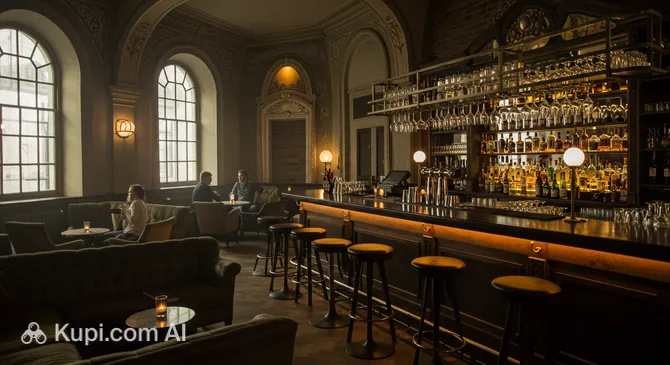
If you are looking for a place where you can not only enjoy a quality cocktail but also dance, pay attention to Hemingway's Horsens. This venue combines the atmosphere of a classic lounge with the energy of a nightclub. The retro-style interior, dim lighting, and an excellent drinks menu make it one of the trendiest spots in town. People come here for signature mixes and the lively atmosphere that reigns until the early morning on weekends.

For those who prefer a quieter evening over a pint, The Golden Horse bar is an excellent choice. This is an establishment with history, where you can feel the spirit of old Denmark, chat with locals, and try a variety of beers. You can start your evening walk in the area of the bytorvHORSENS shopping center. Although the shops close early, the building itself and the surrounding square serve as a great landmark and meeting point before heading to the bars in the central part of the city.

In addition to bars, evening leisure in Horsens is rich in cultural events. The city is famous for its concert venues, where well-known musicians regularly perform. Lovers of more traditional arts should check the listings for local theaters. During the day, before diving into the nightlife, we recommend visiting museums or strolling through the parks to recharge before an eventful evening.

Practical Tips: Horsens is a safe city, and nighttime walks do not pose a threat. However, public transport runs infrequently at night, so if you stay out late, it is better to use a taxi (e.g., Dantaxi). Keep in mind that prices for alcohol and taxis in Denmark are quite high, so many locals start the evening with a "pre-party" at home. The average cost of a cocktail in a bar ranges from 80 to 120 DKK.

Parks & Museums

Horsens offers travelers a harmonious blend of green oases and a deep dive into history. The city is famous not only for its festivals but also for its magnificent park areas where you can relax from the hustle and bustle, as well as museums that tell unique stories—from the industrial revolution to prison life.

Among the green zones, Bygholm Park holds a special place. This picturesque space, located near the railway station, is ideal for leisurely strolls. Here, amidst centuries-old trees and winding paths, you can find the ruins of the ancient Bygholm Castle, built by King Erik Menved in 1313. The park is permeated with an atmosphere of tranquility, and the presence of lakes and streams makes it a popular spot for picnics for both tourists and locals.

Another significant natural area is Caroline Amalie Lund park, which locals affectionately call "Lunden." This is an English-style cultural park where open-air concerts are often held. It is pleasant to walk along the alleys, admiring the sculptures, or simply sit on the grass, enjoying the silence right in the city center.

The museum map of Horsens can surprise even seasoned tourists. The undisputed landmark is FÆNGSLET (The Prison). This is not just a historical building, but the largest prison museum in Europe. The exhibition here is built on interactivity: you can see the cells, learn about daring escapes (including the famous escape through a tunnel), and hear stories of real prisoners via audio guides. This place is thought-provoking and leaves a strong impression.

For those who want to understand how Denmark became one of the most developed countries in the world, the Danish Industrial Museum is a must-visit. It is located in an old power station and gasworks building. Here, the interiors of workers' apartments from different decades are recreated, vintage machines are in operation, and an extensive collection of equipment is presented. This is a living history of everyday life, showing the evolution of society from an agrarian lifestyle to a modern welfare state.

Horsens New Theatre. Illustration.
Source: Kupi.com AI

Traveler photos:

The city's cultural palette is complemented by the Horsens Art Museum (Horsens Kunstmuseum), located in Lunden Park. It specializes in contemporary Danish art and possesses a significant collection of works by the well-known artist Michael Kvium. The museum's bright halls and provocative exhibitions create an interesting contrast with the classic attractions.

The city's architectural appearance also deserves attention. In the center of the pedestrian zone, Horsens New Theatre stands out. This elegant building is a center for performing arts and an important cultural point on the city map. While walking through the center, pay attention to the old churches, such as Our Savior's Church (Vor Frelsers Kirke), which preserves the spirit of medieval Horsens.

Insider Tip: If you love wilderness, head to the Nørrestrand nature reserve on the northern edge of the city. This is a unique freshwater lagoon where you can encounter wild horses grazing in the meadows and see many rare birds. The route around the lake takes several hours and gives a sense of complete unity with nature, while being only a couple of kilometers from the city limits.

Getting Around

Getting around Horsens is easy and convenient: the city is compact and has well-thought-out infrastructure. The historical center is almost entirely dedicated to pedestrians, while the public transport network and bike lanes are well-developed for trips to more distant areas, such as the prison museum or the fjord beaches.

The most popular and authentic way to explore the city is, undoubtedly, by bicycle. Denmark is famous for its cycling culture, and Horsens is no exception. The city is crisscrossed by a network of safe bike lanes that connect the center with residential neighborhoods and natural areas. Tourists can rent a bike through popular mobile apps (such as Donkey Republic) or at local bike shops. This gives you freedom of movement and allows you to feel like a true Dane.

Public transport is represented by a system of yellow city buses operated by the company Midttrafik. The route network covers the entire city and the nearest suburbs. Buses run strictly according to a schedule, which can (and should) be tracked through the national app Rejseplanen—an indispensable assistant for planning any trips around the country.

For fare payment, it is most convenient to use:

  • The Midttrafik app (for purchasing single tickets).
  • A Rejsekort card (if you plan to travel a lot in Denmark).
  • Cash (kroner) to the driver, but this is often more expensive and change may be limited.

If you prefer the comfort of a car, taxi services such as Dantaxi operate in Horsens. It is not common to "hail" a car on the street here: bookings are made by phone or through an app. It's worth considering that taxi services in Denmark are quite expensive.

For drivers renting a car, it's important to remember the parking rules. Paid zones operate in the city center (payment via parking meters or apps like EasyPark), but there are also spots with free parking limited by time. In the latter case, you must use a parking disc (P-skive), which needs to be set on the windshield to indicate your arrival time.

Accommodation

Where to stay:

Horsens offers travelers a decent range of accommodation options that will satisfy both budget tourists and those accustomed to a high level of comfort. The city's hotel sector is predominantly represented by cozy mid-range hotels, classic Bed & Breakfasts (B&B), and well-equipped campsites on the outskirts. You are unlikely to find massive chain luxury resorts here, but Scandinavian coziness, cleanliness, and quality service are guaranteed almost everywhere.

When choosing an area to stay, you should consider the purpose of your visit. The city center (around the pedestrian street Søndergade) is ideal for those who want to be in the thick of things, close to shops, cafes, and attractions. From here, most cultural sites are easily accessible on foot. If you are traveling by train or planning trips to neighboring cities, it is convenient to consider accommodation near the railway station and Bygholm Park. For nature and quiet lovers, the areas by the fjord or campsites near Husodde beach are perfect.

While the city has classic hotels, Horsens boasts a truly unique place to stay that is an adventure in itself. The famous FÆNGSLET (The Prison) offers guests the chance to stay at the "SleepIn" hostel, located right in the former prison block. This is a rare opportunity to spend the night in an authentic cell (with modern amenities and Wi-Fi, of course), feeling the atmosphere of the past but without the loss of freedom.

Booking Tip: Horsens is a popular venue for major events such as the European Medieval Festival or concerts by world stars. During these dates, the demand for housing sky-rockets instantly, and finding a free room becomes problematic. We strongly recommend booking accommodation 2–3 months in advance if your trip falls during the summer season or festival days.

The price range in Horsens corresponds to the general Danish level—staying here cannot be called cheap.

  • Budget segment: Hostels and campsites will cost approximately 500–700 DKK per night.
  • Mid-range: A standard room in a 3-4 star hotel will cost from 900 to 1400 DKK.
Booking is most convenient through popular international online platforms, but many small guest houses (B&Bs) also take bookings directly through their websites or by email, which can sometimes save you a bit of money.

Nearby Cities

For those who want to explore the surroundings, Horsens serves as an excellent starting point for day trips to several interesting nearby locations. The city's convenient location in the heart of Jutland allows travelers to reach significant cultural centers and picturesque corners of Denmark in just an hour.

One of the most popular destinations is Aarhus—the country's second-largest city. Here you can visit the famous open-air museum "The Old Town" (Den Gamle By) and enjoy contemporary art at the ARoS museum with its rainbow panorama. Another great option is a trip to Odense, the birthplace of the great storyteller Hans Christian Andersen. This city charms with its cobbled streets and fairy-tale atmosphere. If you are interested in modern architecture and beautiful fjord views, it's worth checking out neighboring Vejle, known for its bold residential complex "The Wave" (Bølgen).

CityPopulationDistance
Hedensted12 22013 km
Skanderborg19 96321 km
Odder12 45423 km
Vejle60 23125 km
Galten9 00433 km

These nearby destinations provide an insight into the region's diverse culture and landscapes, making your trip even more fulfilling and memorable.

Shopping & Souvenirs

General Overview: Shopping in Horsens is pleasantly compact and lacks the hustle of the capital. Here you won't find endless labyrinths of giant malls, but instead, you can enjoy walking through cozy streets where international brands sit alongside small Danish design boutiques and artisan shops. The city is perfect for those who value quality and a "hygge" atmosphere even while shopping. Special attention should be paid to shops selling home and interior goods, as Scandinavian style is presented here in all its glory.

Main Shopping Streets: The heart of the city's commercial life is the pedestrian street Søndergade. It is known as the widest pedestrian street in Denmark, making strolls along it especially comfortable. Most popular clothing, shoe, and accessory stores are concentrated here. While walking along Søndergade, you will also find many cozy cafes where you can take a break. Don't forget to peek into the adjacent side streets, such as Hestedamsgade, where interesting specialized shops are often hidden.

Shopping Centers: If the weather isn't right for outdoor walks, head to bytorvHORSENS. This modern shopping center is located in the very heart of the city, at the end of the pedestrian street. About 25 stores are gathered under one roof, offering everything from trendy clothing and electronics to books and cosmetics. This is a convenient place for comprehensive shopping, which also features a grocery supermarket and relaxation areas.

Markets: For lovers of authentic atmosphere, the market trade that periodically enlivens the city squares is of interest. On certain days (usually weekends), you can find stalls with farm products, fresh flowers, and local delicacies on the central streets. Also, flea markets (loppemarked) are very popular in Denmark, where you can find unique vintage items, old Danish porcelain, or interior pieces with history. It is best to check the local tourist office or posters for dates of such fairs.

Souvenirs: From Horsens, it's worth bringing back something that reflects the spirit of Denmark. Scandinavian-style interior items—from minimalist vases to cozy textiles—make excellent gifts. Gastronomic souvenirs are also popular: look out for Danish liquorice (lakrids), which is a cult favorite here and comes in many flavors, including salty and chocolate variations. You can also purchase souvenirs related to the city's main attraction—the former prison (for example, stylized tableware or clothing).

Opening Hours and Payment: When planning your shopping trip, keep in mind that operating hours in Denmark may differ from what you're used to. On weekdays, shops are usually open from 10:00 to 17:30 or 18:00 (on Fridays often until 18:00–19:00). On Saturday, the working day is shorter—until 14:00 or 15:00, and Sunday is a day off for most small shops. In Horsens, as in the rest of the country, bank cards (Visa, Mastercard) are accepted almost everywhere, and you might not need cash at all. Contactless payment is the standard.

Tax Free: Tourists residing permanently outside the European Union can take advantage of the tax refund system (Tax Free) for purchases over 300 Danish krones on a single receipt. Look for shops with the "Global Blue" or "Tax Free" logo and don't forget to ask for a special form at the checkout to claim your refund when leaving the country.

Reached the end of the page?

That means the route is fully explored