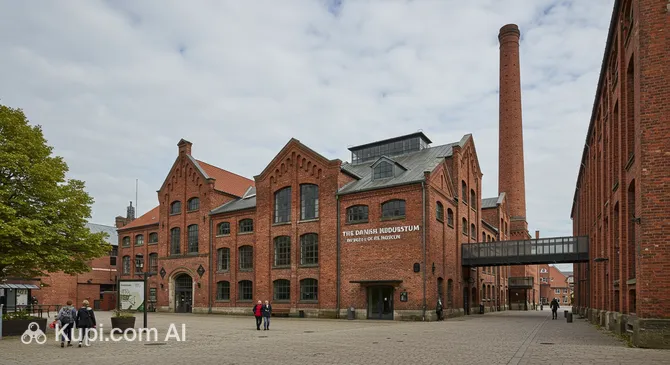
Have you ever wondered how the economic power of Northern Europe was forged? The Danish Industrial Museum (Industrimuseet) in the city of Horsens is a unique space where history comes alive through the hum of machinery and the atmosphere of old workshops. The museum is dedicated to the industrial development that transformed Denmark into one of the world's most prosperous nations.
The Danish Industrial Museum. Illustration.
Source: Kupi.com AI
Traveler photos:
Located on the site of an old gas station on Gasvej, this museum is rightfully considered one of the region's main cultural attractions. Its popularity is confirmed by top traveler ratings: a 4.5-star rating based on over a thousand reviews shows that the exhibition will interest both technical experts and casual tourists alike.
Unlike traditional galleries with dusty exhibits, this place offers a deep dive into the atmosphere of labor and creation. Here, you will find more than just a collection of artifacts; it is a cohesive story of how technology, social conditions, and the daily lives of Danes have changed over the centuries.
Contacts
For those planning a visit to the Danish Industrial Museum, it’s helpful to have current contact details at hand. This will help you check the details for group tours or look for special events in advance.
Inside the museum's halls, a grand panorama of Jutland's industrial past unfolds before you. You can see original machines and equipment from steel mills, as well as discover the intricacies of mechanical engineering that once formed the backbone of the city's economy.
The sections dedicated to the food and tobacco industries are of particular interest. Visitors can follow the entire production path—from raw materials to the finished product—and understand the colossal progress technology has made over recent centuries. The exhibits not only illustrate technical progress but also tell the personal stories of the workers who operated these machines.
Many areas of the museum allow you to literally touch history. Walking through recreated workers' quarters and viewing period interiors helps you feel the contrast between the harsh factory life and the rapid improvement in living standards brought about by industrialization.
Getting There
Finding your way to the museum is easy, as it is located at Gasvej 19, in close proximity to the historic city center. Horsens is a major railway hub in East Jutland, making it easy to reach by train from Copenhagen, Aarhus, or Aalborg.
From Horsens Central Station, the museum is about a 15–20 minute walk, allowing you to enjoy the city's architecture along the way. If you prefer public transport, city buses run regularly through the central districts.
For those traveling by car, parking spaces are available around Gasvej. Local taxis are also readily available to take you quickly from the station or your hotel directly to the museum entrance.
Nearest city: Horsens
History & Facts
Horsens began its journey as a port city as far back as the 11th century, but its true boom came with the industrial era. By the 19th century, it had transformed into one of Denmark's largest industrial centers, where steel production and mechanical engineering flourished.
The Danish Industrial Museum was created as a tribute to this rich heritage. It is housed in the buildings of the former city gas and power station, which is an important historical landmark in its own right. The museum preserves the memory of how rapid technological growth changed the lives of ordinary people and the character of the entire country.
The exhibits vividly demonstrate the transition from manual labor to mass production. Visitors can trace not only the evolution of machinery but also social history: how workers' daily lives changed, how trade unions grew, and how the industrial boom shaped the modern Danish society we know today.
Time Needed
To explore all the halls at a leisurely pace and delve into the details of the vintage machinery, guests usually need about 2–3 hours. This is enough time to walk through all the thematic sections and gain a full understanding of the region's industrial past.
If you are a fan of technical history or are planning a visit with children—who will likely want to explore the interactive elements—it’s worth setting aside half a day. This will allow you to relax at the local cafe and discuss what you've seen after the tour without rushing.
Working Hours
The Danish Industrial Museum is open to visitors daily, making it an excellent destination for a trip any day of the week. This is very convenient for travelers whose schedules may change during their journey.
The museum's doors are open from 10:00 to 16:00, Monday through Sunday. Please note that the last entry is recommended at least one hour before closing to ensure you have time to see the main parts of the collection.
10:00 – 16:00
Nearby
After visiting the exhibits, it is recommended to take some time for a walk around the area, as Horsens is full of interesting details. Exploring the neighboring streets can significantly enrich your experience of visiting the region.