Support

Odense

About

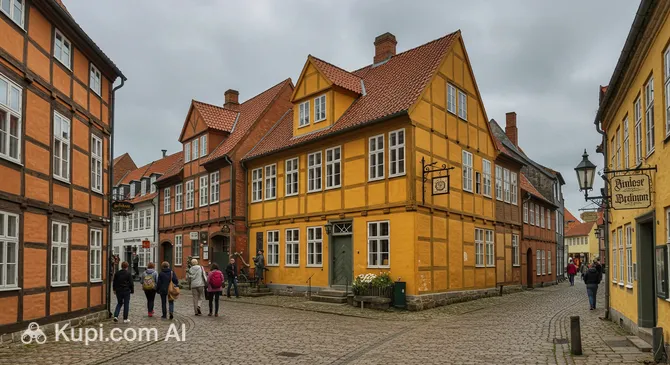
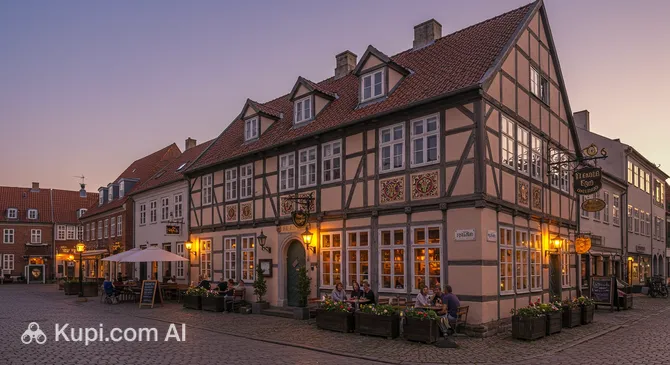
Odense is the true heart of the island of Funen, nestled almost in the very center of Denmark. The city stretches along the picturesque banks of the Odense River, surrounded by green parks and ancient streets where every stone seems to hold centuries-old secrets. Thanks to its strategic location, Odense has historically become an important transport and cultural hub, connecting the mainland with the other islands of the archipelago.
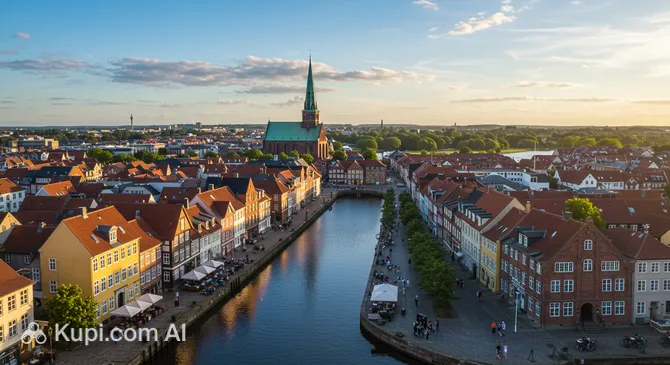
Odense. Illustration.
Source: Kupi.com AI

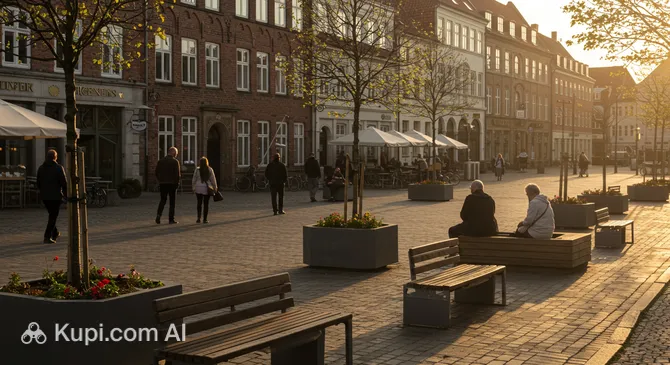
With a population of approximately 180,863 people, Odense is the country's third-largest city and the administrative center of the island of Funen. Its unique atmosphere is a harmonious blend of provincial town coziness, the dynamic rhythm of a modern metropolis, and refreshing Scandinavian nature. In recent years, Odense has been actively transforming: former industrial areas are turning into trendy quarters with cozy cafes, art galleries, and green recreational zones, while the historical center is becoming increasingly friendly to pedestrians and cyclists.

The main thing that charms visitors in Odense is the unmistakable sense of fairy tales and creativity. After all, this is the birthplace of the great storyteller Hans Christian Andersen, and his legacy is invisibly present everywhere: from themed museums and sculptures of fairy-tale characters to numerous festivals. Beyond Andersen's magical world, the city offers guests the chance to explore contemporary art, enjoy gastronomic discoveries in local restaurants, and visit one of the best zoos in Europe.

Odense is a city where history comes alive at every step, and modernity is harmoniously woven into the fairy-tale fabric. Come to experience its unique charm and discover Denmark from a new, surprising side!

You can find more interesting facts on the history of Odense page.
Weather Overview

The weather in Odense is characterized by a moderate maritime climate. Summers here are usually mild and pleasant, with average temperatures in July and August around 17-18°C, while maximum values can reach 21°C. Winters are cool, with average temperatures in January and February staying around 3-3.5°C, with minimum values near 1.2°C. Precipitation is distributed fairly evenly throughout the year, with a slight increase in July and August (up to 3 mm), but overall the amount of precipitation is low. Expect moderately warm summers with occasional light rain and cool, damp winters. The number of rainy days varies from 10 to 14 per month.

For more detailed information on weather conditions, including a forecast for the coming days and monthly statistics, you can visit the Odense Climate page.

Average monthly temperature

Average monthly precipitation

Interesting Facts

Odense, known as the birthplace of the great storyteller Hans Christian Andersen, hides much more than meets the eye. Beyond the world-famous sites, the city preserves surprising stories and less obvious details that reveal its character in a new way.

  • The name of the city Odense is no coincidence; it sounds similar to the name of the supreme Norse god, Odin. According to legend, it was here, in one of Denmark's oldest settlements with over a thousand years of history, that his important cult center was located.

  • As you stroll through Odense, pay attention to the details: the city is literally inhabited by troll sculptures and other fantastic creatures. Even ordinary benches can surprise you with monster paws, and the evening street lighting enhances the feeling of being immersed in a real fairy tale.

  • For technology enthusiasts, Odense has a surprise – it is home to the largest Danish Railway Museum in Scandinavia. Visitors can not only see vintage locomotives and carriages but also feel like the driver of one of them.

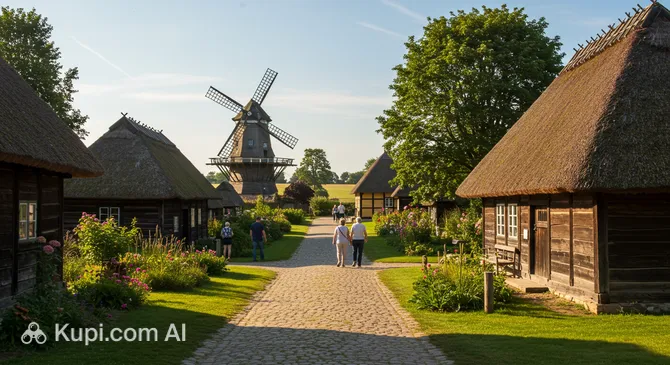
  • Take a trip back in time at The Funen Village, an open-air museum. This place meticulously recreates the atmosphere of a 19th-century Danish village, where you can learn about the life of that time and even participate in ancient crafts.

The Funen Village. Illustration.
Source: Kupi.com AI

Traveler photos:

How to Get There

Odense is located in the center of Denmark on the island of Funen, making it easily accessible from anywhere in the country. The city is a major transport hub, and you can find out more about how to get to Odense to choose the most convenient route for your trip.

If you plan to arrive by plane, keep in mind that Odense itself does not have a large international airport. The closest and most convenient option for most tourists is Billund Airport (IATA: BLL). It is located in the city of Billund, approximately 87 km from Odense. This is a major international hub receiving many flights. The journey by taxi or transfer will take about 2.5 hours.

Another option is to use Aarhus Airport (IATA: AAR), located in the city of Aarhus. The distance to Odense is about 101 km. This is a regional airport, but it can also be convenient for certain routes. The road trip from here will take about 3 hours.

For convenience, here is a summary of the main airports:

AirportPassenger trafficDistance
Sonderborg Airport74 00062 km
Billund Airport4.0 mln87 km
Aarhus Airport542 958101 km
Esbjerg Airport47 000118 km
Westerland - Sylt Airport125 745142 km

Traveling by rail is one of the most popular ways to reach Odense, as the city lies on the main line connecting the capital with the Jutland peninsula. You can plan your trip through Copenhagen Central Station (IATA: ZGH), located in Copenhagen, about 140 km away. This is the country's largest railway hub with a huge passenger flow, from where high-speed trains regularly depart for Odense.

Aarhus H Station (IATA: ZJH), located in the city of Aarhus, approximately 84 km from Odense, can also be a convenient transfer point. This is an important station for those traveling from the northern part of Jutland.

Below is information about the nearest major railway hubs:

StationPassenger trafficDistance
Aarhus H Station6.3 mln84 km
Copenhagen Central Station36.5 mln140 km
Helsingborg Central Station8.8 mln161 km
Malmö Syd Station8.3 mln164 km
Malmö Central Station17 mln166 km

Main Attractions

Odense, a charming city on the island of Funen and the birthplace of the world-famous storyteller Hans Christian Andersen, offers its guests many fascinating attractions. A journey here promises an immersion into history, culture, and, of course, the world of fairy tales.

Undoubtedly, the main point of attraction for tourists is Hans Christian Andersen's House. This museum complex is dedicated to the life and work of the great writer. Here you can see the house where Andersen is believed to have been born, as well as a modern interactive museum that tells the story of his journey from the son of a poor shoemaker to a world-renowned author. This place is a must-visit for everyone who grew up on his magical stories.

Hans Christian Andersen's House. Illustration.
Source: Kupi.com AI

Traveler photos:

Another iconic site is The Funen Village, an open-air museum that transports you to 18th and 19th-century Denmark. It features authentic rural houses, farms, workshops, and even a windmill collected from all over the island of Funen. In the summer, the village comes to life thanks to actors in period costumes, demonstrations of old crafts, and various events, allowing you to feel the atmosphere of the past.

The Funen Village. Illustration.
Source: Kupi.com AI

Traveler photos:

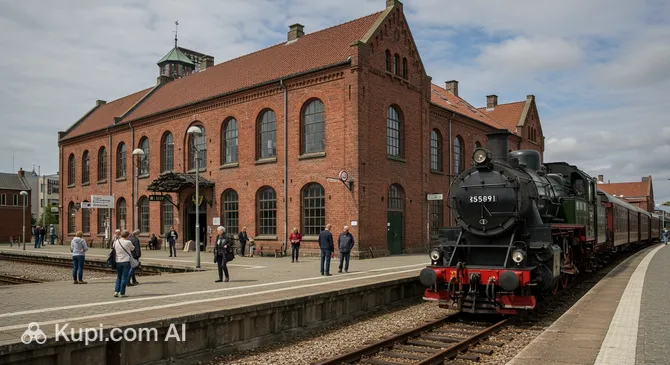
History and technology enthusiasts are highly recommended to visit the Danish Railway Museum. Located in a former locomotive shed, it is the largest railway museum in Scandinavia. Its collection includes royal carriages, vintage steam and diesel locomotives, and many interactive exhibits that will be of interest to both adults and children.

Danish Railway Museum. Illustration.
Source: Kupi.com AI

Traveler photos:

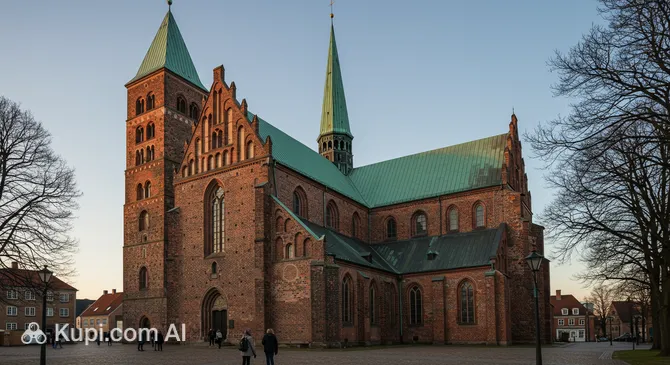
The majestic Odense Cathedral (St. Canute's Church) is one of Denmark's most significant Gothic structures. The cathedral is named after the Danish King Canute IV the Holy, who was killed in Odense in 1086 and buried in the cathedral's crypt. Inside, you can admire the impressive carved altar, ancient tombs, and beautiful stained glass windows.

Odense Cathedral (St. Canute's Church). Illustration.
Source: Kupi.com AI

Traveler photos:

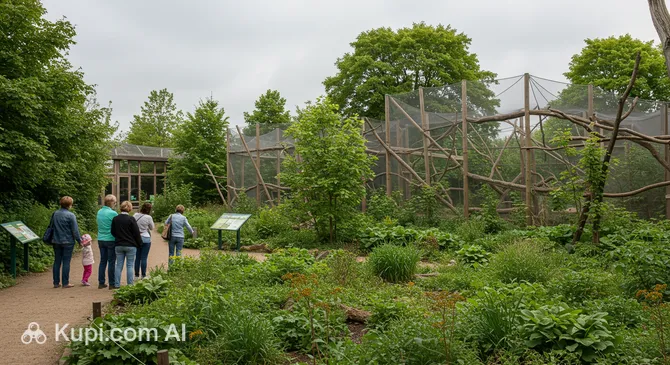
For family vacations and nature lovers, Odense Zoo is an excellent choice. It is considered one of the best zoos in Europe and offers the opportunity to see animals from all over the world in conditions as close as possible to their natural habitat. The "Oceania" zone is particularly impressive, where you can observe penguins and seals.

Odense Zoo. Illustration.
Source: Kupi.com AI

Traveler photos:

Local Cuisine

The gastronomic scene in Odense will delight lovers of fresh, high-quality products and authentic flavors. Local cuisine emphasizes seasonality, simplicity, and high-quality ingredients, especially when it comes to seafood. Fish and shellfish hold a place of honor: smoked herring, delicate marinated salmon, fresh mussels, and shrimp are often served with traditional rye bread and aromatic sauces.

Be sure to try the famous Danish smørrebrød – an open-faced sandwich that in Odense is prepared with countless toppings. Every cafe will offer its unique version of this dish, from classic combinations to bold gastronomic experiments. It is an ideal option for a light lunch or a snack while walking around the city.

Those with a sweet tooth should certainly look for products under the "Odense Marcipan" brand. Odense is proud to host one of the oldest marzipan factories in Europe, and local almond sweets, often combined with chocolate, have become a true symbol of the city. These are not only delicious treats but also wonderful souvenirs from your trip.

Food culture in Odense is diverse. Locals and tourists love visiting lively food markets, such as the central market, where you can find the freshest oysters, local cheeses, farm sausages, and fragrant pastries. Street food is also popular, especially during the Odense Street Food Festival, which brings together foodies from all over the world. For a more traditional introduction to Danish cuisine, you can visit one of the many restaurants, such as the cozy Den Gamle Kro, where you can enjoy traditional dishes in a historic atmosphere.

Den Gamle Kro. Illustration.
Source: Kupi.com AI

Traveler photos:

Among drinks, local craft beers and ciders are popular in Odense, perfectly complementing Danish dishes. A gastronomic journey through Odense is a fascinating combination of centuries-old traditions and modern culinary trends, where everyone will find something to their taste.

Travel Tips

Welcome to Odense, the charming city of Hans Christian Andersen! To make your journey through this fairytale place in Denmark as comfortable and pleasant as possible, we have prepared some practical tips.

  1. Clothing and essentials:

    The climate in Odense is moderate and maritime, so layering your clothes is your best friend. In summer, take light items but don't forget a sweater or jacket for evenings and a raincoat. In autumn and spring, you'll need warm layers and waterproof clothing. In winter, a warm jacket, hat, gloves, and scarf are essential. Comfortable shoes for walking on cobblestones are a must. Don't forget a universal adapter (Denmark uses Type K sockets). When visiting churches, such as St. Canute's Cathedral, modest clothing covering shoulders and knees is recommended out of respect for the site.

  2. City transport:

    Odense is a city perfectly suited for walking and cycling. Renting a bike is a great way to feel like a local. Public transport is represented by FynBus buses and a modern light rail line (Odense Letbane). Taxis are available but are a more expensive option. Car rental is not necessary for moving around the city but may be useful if you plan to explore the surroundings of the island of Funen.

  3. Financial matters:

    The local currency is the Danish krone (DKK). You can exchange money at banks or exchange offices. Credit and debit cards (Visa, Mastercard) are accepted almost everywhere. International cards usually work without problems, but just in case, notify your bank about your trip. ATMs (Hæveautomat) are widespread. Tipping in Denmark is not mandatory, as service charges are usually included in the bill. However, if the service was exceptional, you can leave a small amount (5-10%) or round up the bill.

  4. Health and safety:

    Odense is a very safe city. Follow standard precautions: keep an eye on your belongings in crowded places. Pharmacies (Apotek) are easy to find by the green cross; check in advance which ones are open 24/7 (Døgnapotek). In case of an emergency, call 112. Tourists are recommended to have medical insurance.

  5. Language and communication:

    The official language is Danish. However, the vast majority of Danes, especially young people and service workers, speak excellent English. Learning a few basic phrases in Danish, such as "Hej" (Hi), "Tak" (Thank you), and "Farvel" (Goodbye), will be a nice gesture. A SIM card can be purchased at mobile phone shops or supermarkets. Wi-Fi is available in many cafes, hotels, and public places.

  6. Local etiquette:

    Danes value punctuality, politeness, and personal space. The greeting "Hej" (Hi) is suitable for most situations. In public places, it is customary to behave with restraint. Follow queues and do not litter. Danes are usually direct in communication, which is not considered rudeness.

  7. What to avoid:

    Try not to cross the road in unauthorized places (jaywalking) – this is frowned upon and can result in a fine. Avoid excessively loud behavior in public places. Also, while Danes are proud of their country, constant comparisons of Denmark with other Scandinavian countries may be received with mixed feelings.

  8. Special tip for Odense:

    Odense is the birthplace of Hans Christian Andersen, and his spirit lingers everywhere. Be sure to visit the H.C. Andersen House Museum and walk in the footsteps of his fairy tales. And also, don't miss the chance to experience the Danish concept of "hygge" – the art of creating a cozy and warm atmosphere. Stop by one of the city's many cozy cafes to enjoy the moment.

We hope these tips help you plan an unforgettable trip to Odense and enjoy every moment in this amazing Danish city!

Entertainment & Nightlife

Odense, a charming city on the island of Funen, is known not only as the birthplace of the great storyteller Hans Christian Andersen but also as a place with quite a vibrant and diverse nightlife for a city of its size. When the sun sets, the city center transforms, offering many options for evening and night leisure.

The main concentration of bars, pubs, and clubs is in the center of Odense, especially in the area around the main pedestrian street Vestergade and its adjacent alleys, such as the cozy Vintapperstræde or the Brandts Klædefabrik district. The atmosphere here is usually relaxed and friendly, attracting both local university students and older city residents. The dress code in most venues is casual, although some clubs may have stricter entry rules on weekends.

Carlsens Kvarter. Illustration.
Source: Kupi.com AI

Traveler photos:

Among the popular places for evening relaxation, several establishments stand out. For example, Carlsens Kvarter is a well-known bar that often features live music and a wide selection of drinks in a lively atmosphere. If you prefer a quieter evening with board games and craft beer, you might enjoy Papas Papbar. For dinner in a stylish setting, consider restaurants in the Brandts Klædefabrik area, which also houses cultural venues.

The best time to visit nightlife venues is usually Friday and Saturday evenings, when the city is most active. Prices in Odense's bars and clubs are in line with the average for Denmark. Night buses run through the city at night, and taxi services are always available. Major taxi companies can be called by phone or through mobile apps.

Odense is generally considered a safe city. Central areas where nightlife is concentrated are well-lit and patrolled. Nevertheless, it is always wise to take standard precautions, especially if walking alone late at night. Avoid poorly lit and deserted places and keep an eye on your personal belongings.

During the day, Odense also offers plenty of entertainment. You can immerse yourself in the world of fairy tales by visiting Hans Christian Andersen's House or his childhood home. Art lovers will appreciate the Brandts Museum of Art, and families with children can have fun at the Leo's Legeland amusement park or visit the Danish Railway Museum.

Parks & Museums

Odense, the birthplace of the great storyteller Hans Christian Andersen, offers its guests not only an immersion into the world of his works but also many charming green spots for relaxation and a rich cultural program. This city on the island of Funen skillfully combines historical heritage with modern life, offering entertainment for every taste.

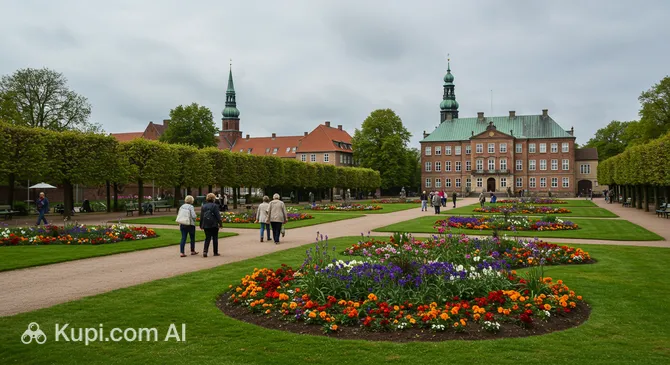
For nature lovers and those who enjoy quiet walks, Odense has prepared several wonderful places. One of the most popular is the King's Garden (Kongens Have), located in the heart of the city. This well-kept park with beautiful flower beds, old trees, and cozy benches is the perfect place for a picnic or simply to take a break from the city bustle. An equally fascinating way to enjoy nature is Odense River cruises, which offer picturesque views of the city and its surroundings from the water.

King's Garden. Illustration.
Source: Kupi.com AI

Traveler photos:

The cultural life of Odense is inextricably linked to the name of its most famous native. Be sure to visit the new Hans Christian Andersen's House – it is a modern museum complex that tells the story of the writer's life and work in an interactive and engaging way. Nearby is the Hans Christian Andersen Childhood Home, where you can see the environment in which the future storyteller grew up.

Hans Christian Andersen's House. Illustration.
Source: Kupi.com AI

Traveler photos:

Another iconic location is The Funen Village (Den Fynske Landsby). This open-air museum will transport you to 18th and 19th-century Denmark, demonstrating the lifestyle and crafts of that time in authentic buildings surrounded by picturesque fields and gardens. Themed events and workshops are often held here, allowing for a deeper immersion into the atmosphere of the past.

The Funen Village. Illustration.
Source: Kupi.com AI

Traveler photos:

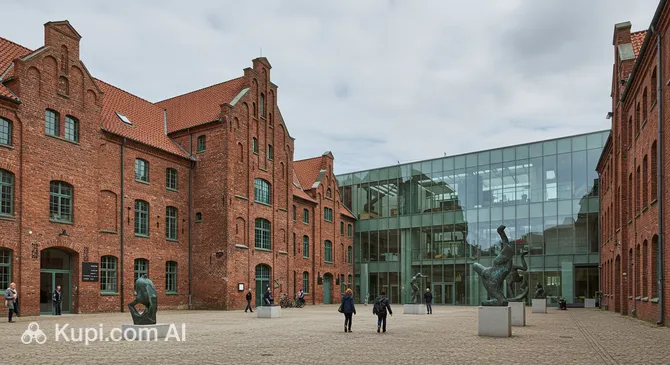
Art lovers should visit the Brandts Museum of Art, located in a former textile factory. It features collections of Danish and international art, as well as photography. And for those interested in technology, the Danish Railway Museum will provide unforgettable impressions, housing vintage locomotives and carriages while telling the history of Denmark's railways.

Brandts Art Museum. Illustration.
Source: Kupi.com AI

Traveler photos:

The city is also proud of its historical monuments. The majestic Odense Cathedral (St. Canute's Church), the burial place of the Danish King Canute the Holy, impresses with its Gothic architecture and rich history. This is one of the key historical buildings in the city that is definitely worth seeing.

Odense Cathedral (St. Canute's Church). Illustration.
Source: Kupi.com AI

Traveler photos:

If you are traveling with children or simply love animals, don't miss Odense Zoo, known for its spacious enclosures and diverse collection of animals from all over the world. The zoo actively participates in species conservation programs and offers educational programs for visitors.

Odense Zoo. Illustration.
Source: Kupi.com AI

Traveler photos:

For those looking for something special, we recommend visiting Gallery Galschiøt, where provocative and thought-provoking sculptures by contemporary Danish artist Jens Galschiøt are on display. Another unusual site is the Odense Bunker Museum, located in a real Cold War command bunker, offering a unique look at recent history.

Getting Around

Getting around Odense is quite convenient thanks to a well-developed public transport system. The backbone of the transport network consists of FynBus company buses, which connect all areas of the city. Recently, a modern light rail line – Odense Letbane – was added, making trips around the city even faster and more comfortable.

There are several options for paying for travel. The most popular among locals and for long-term travel is the Rejsekort electronic card, which must be tapped against a validator when entering and exiting transport. You can also purchase single tickets directly from the bus driver (it is recommended to have cash or check for card payment options) or through the FynBus mobile app, which is also convenient for route planning. Information regarding potential tourist or day passes and current fares is best checked on the official FynBus website or at tourist information centers.

Tickets and the Rejsekort card can be purchased at designated sales points, vending machines at light rail stations, or online (for Rejsekort). Do not forget to validate your ticket or Rejsekort card at the beginning and end of each trip to avoid fines. Public transport in Odense runs regularly throughout the day; however, intervals may increase in the evenings and on weekends. To plan your routes, it is convenient to use the national Danish site Rejseplanen or the aforementioned FynBus app.

Odense is an ideal city for cyclists. This is one of the most popular ways to get around, and an excellent infrastructure with numerous bike lanes has been created here. You can rent a bike at many points or through special apps like Donkey Republic. Taxis are also available but are a more expensive option. The central part of the city is quite compact, so many attractions can easily be reached on foot.

Accommodation

In Odense, Denmark's third-largest city, travelers will find a variety of accommodation options to suit different budgets and preferences. The city offers a wide range of lodging, from cozy hostels and bed-and-breakfasts (B&Bs) to comfortable mid-range hotels, stylish boutique hotels, and short-term rental apartments.

The most popular area for tourists to stay is the city center. This is where many key attractions are concentrated, such as Hans Christian Andersen's House, St. Canute's Cathedral, and numerous museums. Staying in the center provides easy access to shops, restaurants, and transport hubs, including the railway station, which is convenient for further travel around the country. You might also consider options in quieter residential areas, from which the center is easily reachable by public transport or bicycle – a popular mode of transport in Odense.

While specific hotels are not listed in the provided data, Odense has many well-reviewed establishments. The price range varies from budget-friendly options to more premium offerings. You can find suitable hotels or apartments through popular online booking platforms or directly on hotel websites. It is recommended to book your accommodation in advance, especially if your trip coincides with the peak tourist season (summer) or during major festivals for which Odense is famous.

Nearby Cities

For those who wish to explore the surroundings, Odense serves as an excellent starting point for day trips to several interesting nearby locations:

CityPopulationDistance
Nyborg17 52527 km
Svendborg27 30040 km
Middelfart16 27743 km
Fredericia40 88645 km
Korsor14 70248 km

These nearby destinations offer insight into the region's diverse culture and landscapes. Each of these cities possesses its own unique charm and attractions, whether they are historic castles, modern museums, or picturesque natural spots, making them a wonderful addition to your trip to Odense.

Shopping & Souvenirs

Odense, the birthplace of the famous storyteller Hans Christian Andersen, offers its guests pleasant and diverse shopping. Here you will find both modern shopping centers and cozy streets with boutiques and specialty stores. The city is not famous for unique goods produced only here, but you can easily find high-quality Danish design items, Andersen-related souvenirs, and local delicacies.

The main shopping arteries of Odense are the pedestrian streets Kongensgade and Vestergade. Strolling along them, you will discover many stores selling clothes, shoes, accessories, home goods, as well as bookstores and jewelry salons. Both popular international brands and Danish labels are represented here. In the alleys off the main streets, you can find small design studios and craft workshops.

For those who prefer shopping "under one roof," there are several shopping centers in Odense. The largest and most popular is Rosengårdcentret, which is considered one of the largest shopping centers in Denmark. It houses more than 150 stores, department stores, restaurants, and a cinema. Another shopping complex worth noting is the Tarup Center, which offers a good selection of stores and services.

Rosengårdcentret. Illustration.
Source: Kupi.com AI

Traveler photos:

While Odense does not have one large daily central market, it is worth looking out for temporary markets and fairs that are periodically held in the city, especially during holiday periods. You can find fresh local products, flowers, handmade items, and antiques there. Sometimes on Saturdays, a farmers' market operates at Sortebrødre Torv, where you can buy fresh vegetables, fruits, cheeses, and other delicacies from local producers.

As souvenirs from Odense, tourists most often bring home items related to Hans Christian Andersen: his fairy tale books in different languages, character figurines, postcards, and posters. Danish design items are also popular – from small interior pieces and ceramics to textiles and jewelry. Don't forget gastronomic souvenirs: Danish marzipan, chocolate, licorice candies, and local cheeses make great gifts.

Shops in Odense usually operate Monday through Thursday from 10:00 to 17:30-18:00, with extended hours until 19:00 on Fridays, and are open on Saturdays from approximately 10:00 to 15:00-16:00. Most shops are closed on Sundays, except for some supermarkets, souvenir shops in tourist areas, and large shopping centers which may have special schedules. Bank cards (Visa, Mastercard) are accepted everywhere, but it's always useful to have some cash in Danish krones (DKK).

Tourists from countries outside the European Union can use the Tax Free system to get a partial VAT refund on purchases. To do this, you need to make a purchase of a certain amount in a store supporting this system (look for the corresponding logo) and ask the seller for a special Tax Free receipt. The tax refund can be processed at the airport when leaving the country.

Reached the end of the page?

That means the route is fully explored