Support

Aabenraa

About

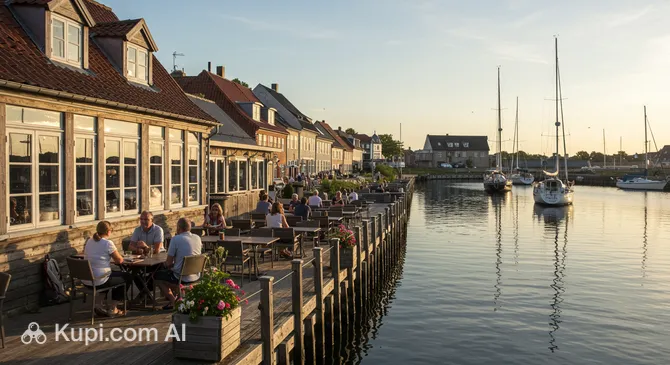
Aabenraa is a picturesque town, cozily nestled in Southern Jutland on the shores of a deep fjord that cuts into the land for dozens of kilometers. This place is ideal for travelers who want to discover the real, slow-paced Denmark. The town serves as a unique gateway to the Danish islands and is located in close proximity to the German border, combining Scandinavian tranquility with a convenient geographical location.

Aabenraa. Illustration.
Source: Kupi.com AI

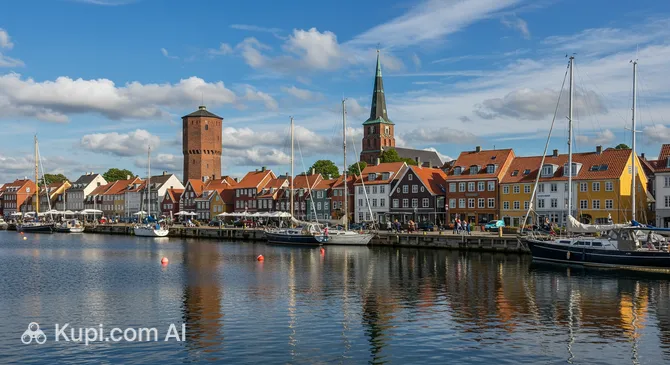
With a population of about 16,400, the town has an intimate and friendly atmosphere. Tourists are drawn to the rich history of Aabenraa, which is reflected in the architecture of its old quarters. Strolling through the cobbled streets, you will see characteristic colorful houses that delight the eye and create a unique local flavor. The urban environment here is harmoniously intertwined with nature: green hills and dense forests stretch all around, inviting you for long walks.

A special charm is given to the town by its maritime spirit and connection to the water. Travelers come here to admire the fjord views, taste local delicacies, and take a break from the hustle and bustle of megacities. Aabenraa is definitely worth a visit to enjoy the harmony of nature, historical heritage, and sincere Danish hospitality.

Weather Overview

The climate in this region can be described as temperate marine, which makes it fairly mild throughout the year. The proximity of the fjord smooths out sharp temperature fluctuations, so it is rarely extremely cold or unbearably hot. The current weather in Aabenraa is an important factor when planning a trip, as Baltic winds can adjust a tourist's plans.

The summer season is the most pleasant time for a visit. The warmest month is usually August, when the daytime temperature reaches an average of 21.1°C, while July delights with figures around 20°C. These are ideal conditions for long walks along the waterfront and sightseeing without the risk of overheating. Spring arrives gradually: in May, the air warms up to a comfortable 16°C, although nights can remain brisk.

Winters here are cool but not harsh. In January and February, the mercury rarely drops below 1.5°C, and average values stay around 3-4°C. However, high humidity should be taken into account. Rain in Aabenraa is a frequent occurrence and is distributed fairly evenly throughout the year: an average of 11 to 16 days a month may have precipitation. Expect moderately warm summers with occasional rain and cool, damp winters, so a waterproof jacket and comfortable shoes will not be redundant in any season.

Average monthly temperature

Average monthly precipitation

Interesting Facts

Beyond its main attractions, Aabenraa holds many fascinating secrets and historical details. This cozy town by the fjord is ready to surprise travelers with its traditions and an atmosphere that has been shaped over centuries.
  • Ancient Maritime Hub. Aabenraa is considered one of the oldest towns in the region, with roots dating back to the 13th century. Thanks to its deep fjord, the town has flourished since ancient times as an important trading port. Historic warehouses and merchant houses have been preserved to this day, and traditional Danish vessels can often be seen in the harbor, recalling its glorious maritime past.

  • Summer Sea Festival. Every year, the town hosts a colorful maritime festival, which becomes the main event of the summer. The program includes boat parades, concerts, and food stalls on the waterfront. This event gathers guests not only from all over Denmark but also from neighboring Germany, creating a unique international atmosphere.

  • Architectural Symbols. A walk through the old town is a true journey through time. Iconic structures include St. Nicholas Church, built back in the 13th century, and the old town hall. These buildings have become true symbols of Aabenraa's resilience and historical heritage.

  • City of Art. The picturesque landscapes around the fjord have inspired creative people for centuries. Aabenraa is closely linked with the names of famous Danish painters and musicians, and today the town continues to support cultural traditions through numerous art workshops and galleries.

How to Get There

When planning a trip to this region of Southern Denmark, it is important to note that there are no direct flights to the town center. However, thanks to excellent road infrastructure, getting here from neighboring transport hubs is easy. We recommend studying the details in advance and learning more about how to get to Aabenraa to choose the best route.

For air travelers, the most convenient option is Billund Airport (IATA: BLL). This is a major international hub located approximately 79.6 km from the town. A trip from there by rental car or taxi will take about 1 hour and 10 minutes in light traffic. Billund receives flights from many European capitals, making it the primary arrival point for most tourists.

If you prefer a shorter transfer, look into Sønderborg Airport (IATA: SGD). It is located just 25.6 km from Aabenraa. The drive from this regional airport takes only 25–30 minutes. It is an excellent choice for those flying on domestic flights or from nearby countries.

Below is a summary table of the nearest airports for planning your route:

AirportPassenger trafficDistance
Sonderborg Airport74 00026 km
Westerland - Sylt Airport125 74570 km
Esbjerg Airport47 00076 km
Billund Airport4.0 mln80 km
Aarhus Airport542 958160 km

Railway communication also plays an important role in logistics, although there is no station in Aabenraa itself. The nearest major stations allow for comfortable travel to the region, after which you can transfer to a bus or taxi. For example, Aarhus H Station is 133 km away. A car trip from this station will take approximately 1 hour and 40 minutes along Jutland's high-speed highways.

For travelers coming from Germany, the key hub is Hamburg Hauptbahnhof. Despite the 170 km distance, thanks to the autobahns, the travel time by car is about 2 hours. This is one of Europe's largest railway stations, providing connections to almost every major city on the continent.

List of main railway stations convenient for planning your route:

StationPassenger trafficDistance
Aarhus H Station6.3 mln133 km
Hamburg Hauptbahnhof200.8 mln170 km
Rostock Hauptbahnhof6.6 mln206 km
Copenhagen Central Station36.5 mln212 km
Bremen Hauptbahnhof43.8 mln221 km

Main Attractions

Aabenraa is a town where history comes alive on every street. The main attractions here are linked to a rich maritime past and architectural heritage, carefully preserved by the locals. A walk through the town will give you the feeling of traveling through time, from the era of medieval knights to the heyday of the sailing fleet.

One of the most significant landmarks is Brundlund Castle (Brundlund Slot). Founded at the beginning of the 15th century by Queen Margrete I, this castle served as the residence of local governors for centuries. Today, it is surrounded by a picturesque park and a moat, giving it a fairytale appearance. Within the castle walls is an art museum featuring works by Danish masters, making it a hub for the region's cultural life.

The Old Town is equally interesting. The historical center is famous for its well-preserved single-story 18th-century houses with characteristic colored facades and intricately decorated doors. Walking along cobbled streets like Slotsgade, you can see unique architectural details that tell of the wealth of local merchants and captains who lived here during the era of flourishing maritime trade.

For those who want to dive deeper into the region's history, the Museum of Cultural History Aabenraa is a must-visit. The town has deep maritime roots, and the museum's exhibitions vividly illustrate the connection between the locals and the sea. Here you can learn about shipbuilding, long voyages to China and South America, and see collections of items brought back by sailors from exotic lands.

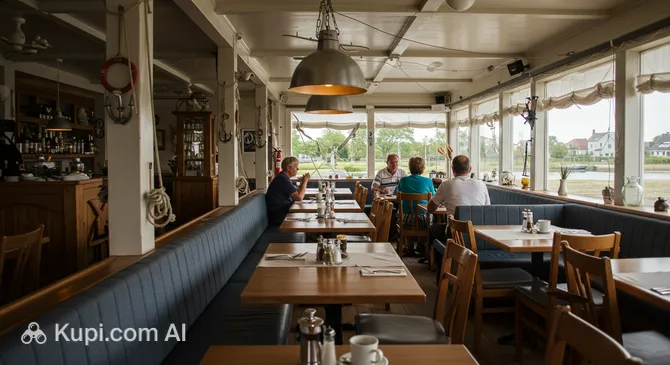
After an eventful walk through historical sites, it's nice to take a break and get acquainted with the local gastronomy. A great place to relax is Café Storm, where you can enjoy a cozy atmosphere and delicious food.

Cafe Storm. Illustration.
Source: Kupi.com AI

Traveler photos:

If you prefer a quicker snack or want to try grilled dishes near the harbor, check out HavneGrillen Odense. These establishments perfectly complement a tourist route, allowing you not only to see the town but also to taste its flavors.

Local Cuisine

Aabenraa is a true paradise for gourmets, where gastronomic traditions are closely intertwined with maritime culture. Thanks to its location on the shores of a deep fjord, the local menu is based on the freshest seafood. In the town's restaurants, be sure to order fried cod, tender marinated mackerel, or fragrant smoked herring, caught by local fishermen and served almost straight from the nets.

Fans of hearty dishes will enjoy the famous "Danish steak." This is juicy grilled meat, traditionally served with fluffy mashed potatoes and a sweet lingonberry sauce. A meal in Denmark is also unthinkable without the classic open-faced sandwiches — smørrebrød. Here they are turned into true works of art with a variety of toppings, from slices of lightly salted salmon to delicate duck pâté.

The dining culture in the town is characterized by coziness and a casual atmosphere. Locals enjoy visiting farmers' markets, where you can sample seasonal vegetables and homemade cheeses. For those with a sweet tooth, the bakeries will be a real discovery: try the warm cinnamon and cardamom rolls, which pair perfectly with a cup of strong Danish coffee.

Street food also plays a special role in the gastronomic life, allowing you to feel the rhythm of a port town. In places like HavneGrillen Odense, you can enjoy simple but high-quality food right in the fresh air, admiring the harbor views. Additionally, Aabenraa regularly hosts food festivals where you can not only taste the region's best dishes but also learn the secrets of their preparation at masterclasses from leading chefs.

Travel Tips

Welcome to cozy Aabenraa! To make your trip through Southern Jutland as comfortable as possible and free from surprises, we have prepared a list of useful recommendations to help you feel like a local in this Danish town.

  1. Clothing and Essentials. The weather in the region is changeable, so the best wardrobe principle is layering. Even in summer, it's worth bringing a light waterproof windbreaker and a reliable umbrella, as rain is not uncommon here. For walking along the cobbled streets of the Old Town, choose comfortable flat shoes; heels are best left for dinner at the hotel. The socket standard is Type K (with a grounding pin), but standard European Type C and F plugs (like in Russia) often fit, although an adapter might be useful for older sockets.
  2. Transport. There is no railway station in Aabenraa itself; the nearest station is in the town of Rødekro (about 6 km away). Buses from the Sydtrafik company run between them. To plan your trips, download the Rejseplanen app — it builds perfect routes across the country. The town is compact, so it's best to get around the center on foot or by renting a bike, which is the most popular way for locals to travel.
  3. Finance. The official currency is the Danish Krone (DKK). Denmark is one of the most "cashless" countries in the world, so bank cards are accepted everywhere: from museums to street hot dog stands. Cash might be needed in rare cases, such as for a supermarket trolley. Tips are usually already included in the bill, but rounding up the amount is welcome as a sign of gratitude for good service.
  4. Health and Safety. Aabenraa is a very quiet and safe town where you can walk even late in the evening. The tap water here is of excellent quality and is considered one of the cleanest in the world — you can safely drink it straight from the tap. Pharmacies are marked with the Apotek sign; if you need urgent help, the single emergency number is 112.
  5. Communication. Almost all locals speak English fluently, so there will be no communication problems. However, a few phrases in Danish, such as "Hej" (Hello) or "Tak" (Thank you), will always elicit a smile. Free Wi-Fi is available in many cafes, libraries, and hotels, but for constant connectivity, it's more convenient to buy a local SIM card (e.g., Lebara or LycaMobile) at supermarkets or 7-Eleven kiosks.
  6. Local Etiquette. Danes value punctuality and personal space. A firm handshake is customary when meeting. In public places, behave with restraint; loud conversations are not encouraged. An important part of the culture is the concept of hygge — creating a cozy and warm atmosphere, so try to maintain a relaxed and friendly tone in cafes and when visiting.
  7. What to Avoid. A tourist's biggest mistake is stepping onto the bike lane. Cyclists here ride fast and consider the lane their rightful territory; a pedestrian on it risks not only hearing an angry bell but also getting into an accident. Always look closely at the sidewalk markings.
  8. Shop Opening Hours. Keep in mind that shopping here has its peculiarities. Most shops in the center close around 17:30–18:00 on weekdays, work only until 14:00 or 15:00 on Saturdays, and Sunday is often a day off (except for large grocery supermarkets). Plan your shopping in advance!

We hope these tips help you avoid minor inconveniences and focus entirely on the beauty of the fjord and Aabenraa's architecture. We wish you an unforgettable trip and true Danish coziness!

Entertainment & Nightlife

Nightlife in Aabenraa is characterized by restraint and a cozy atmosphere typical of small Danish towns. You won't find noisy mega-clubs with neon signs open until dawn here; however, the town offers excellent opportunities for a relaxed evening out. The main focus is on the concept of "hygge": pleasant gatherings with friends, live music in pubs, and a delicious dinner in a warm setting.

The center of evening activity is the pedestrian street Storegade and its adjacent alleys, as well as the harbor area. This is where most establishments for spending time after sunset are concentrated. The crowd in local bars and pubs is very diverse, from students to elderly couples, all united by friendliness and openness. There is virtually no dress code — casual style is appropriate anywhere in town.

It's worth starting the evening with a good dinner or a cocktail. One popular spot to enjoy the evening atmosphere is Café Storm. This place is perfect for those who want to combine culinary impressions with pleasant conversation over a glass of wine or local beer. The interior invites long evenings, and its central location makes it a convenient starting point for further exploration.

If you prefer a simpler and more laid-back setting, especially as night falls, stop by HavneGrillen Odense. This spot is popular with both locals and tourists looking for a bite near the port. Here you can feel the true spirit of a seaside town, as the evening breeze from the fjord mixes with the aromas of the grill.

HavneGrillen Aabenraa. Illustration.
Source: Kupi.com AI

Traveler photos:

Music lovers and fans of classic bar culture should look out for local "bodegas" (traditional Danish pubs). In these places, you can often find locals playing dice or darts, and on weekends, live music is frequently played. Alcohol prices in Denmark are quite high, so the average check for an evening might range from 200 to 400 DKK, depending on your preferences. "Happy hours" are rare but sometimes occur in bars on Thursdays.

As for safety, Aabenraa is an exceptionally quiet town. Night walks here carry no risks, even if you are walking alone along the waterfront or the dark alleys of the old center. Street lighting is good. If you stay out late and your hotel is far away, you can call a taxi via the Dantaxi app or by phone, as catching a car by hailing it on the street at night is almost impossible.

Speaking of cultural leisure that transitions into the evening, the local music scene must be mentioned. The town features the Gazzværket concert hall, located in an old gasworks building. It regularly hosts rock and pop concerts, as well as performances by stand-up comedians. During the day, you can diversify your cultural program by visiting the Art Museum at Brundlund Castle or strolling through the picturesque parks surrounding the town.

Parks & Museums

Aabenraa is a town where cultural heritage is organically integrated into picturesque natural landscapes, offering tourists an ideal balance between educational leisure and outdoor relaxation. Green zones here serve not just as decoration but as a natural extension of the urban environment, while museums carefully preserve the memory of the region's maritime greatness and the artistic traditions of Southern Jutland.

Among the natural attractions, the Brundlund Castle Garden (Brundlund Slotshave) holds a special place. This historic park, surrounding the old castle and its moat, is a true green oasis in the town center. A walk here is an aesthetic pleasure: well-kept alleys, centuries-old trees, and modern sculptures create an atmosphere of peace and harmony. It is the perfect place to take a break from the urban bustle while enjoying the view of the architectural monument.

For those who prefer open sea views, Sønderstrand Beach is a major draw. Located in close proximity to the center, it is a favorite relaxation spot for locals and tourists alike. Here you can walk along the water's edge, admiring the views of Aabenraa Fjord, have a picnic, or simply watch the passing yachts. Well-equipped paths make this area convenient for walking and cycling at any time of year.

The town's cultural life is concentrated in its unique museum spaces. The Brundlund Castle Art Museum (Kunstmuseet Brundlund Slot), located right within the castle walls, specializes in Danish art from 1920 to the present day. Visitors can see how the region's artistic styles have changed and appreciate the works of masters inspired by local nature and light. It is not just a gallery, but a space where architectural history meets modern creativity.

A visit to the Museum of Cultural History Aabenraa (Kulturhistorie Aabenraa) is equally fascinating. The museum's exhibits dive deep into the town's maritime past, telling gripping stories of shipbuilding and brave captains who sailed to China and South America. Here you can see unique collections of items brought back by sailors from long voyages, vividly illustrating Aabenraa's role as an important international port in past centuries.

For those who enjoy unusual walks, look out for the so-called "Heart Paths" (Hjertestier). These are marked routes established by the Danish Heart Foundation that pass through the town's most picturesque corners, forests, and coastlines. Following these paths, you can see the non-touristy side of Aabenraa and enjoy the silence of Danish nature just a few minutes' walk from the busy streets.

Getting Around

The public transport system in Aabenraa is characterized by Scandinavian punctuality and simplicity, although it cannot boast the scale of large metropolises. There is no metro, trams, or trolleybuses here. The main and practically only form of public transport is buses, operated by the regional company Sydtrafik. The route network covers both the town itself and connects it with nearby settlements, which is particularly important given the lack of its own railway station in the center.

A key feature of local logistics is the connection to the town of Rødekro, located about 6–7 kilometers away. This is where the nearest railway station is located, with trains passing through from all over the country. Bus routes are specifically synchronized with the train schedules, ensuring a quick and convenient transfer between Rødekro station and the center of Aabenraa. The central bus station (Rutebilstation) is within walking distance of the main shopping street.

The fare payment system in Denmark is based on zones: the ticket price depends on how many zones you cross during your trip. For tourists, the most convenient way to pay is through mobile apps. We recommend downloading Sydtrafik Mobilbillet or the universal RejseBillet app, where you can link a bank card and buy tickets in a few clicks. Locals use Rejsekort plastic cards, but for a short-term visit, getting one might not be practical due to the cost of the card itself.

If you prefer to pay the old-fashioned way, tickets can be bought from the driver for cash (only in Danish kroner), but it's worth having small bills or coins, as change for large banknotes is not always available. Important to remember: entry to the bus is through the front door, where you must show your ticket or smartphone screen to the driver. To get off, you need to press the "STOP" button on the handrail in advance, otherwise the bus might pass your stop.

To help plan your movements, the Rejseplanen service (available as a website and app) is an indispensable assistant. It builds routes considering all transfers, showing the current schedule and trip price. Buses run strictly on schedule, but intervals increase in the evening and on weekends, so checking the schedule is mandatory.

As an alternative to buses, bicycles are extremely popular in Aabenraa. The town is equipped with excellent bike lanes, and two-wheeled transport is often faster and more convenient than any other here. Rental points can be found at major hotels or in bike shops. Taxis are represented by the official operator Dantaxi. This is a comfortable but not cheap way to get around; it's best to order a car via the app or by phone, as "hailing" on the street is not common here. Familiar international taxi services (like Uber) do not operate in this region.

Accommodation

Where to stay:

Accommodation options in Aabenraa fully reflect the calm and cozy character of this seaside town. You won't find massive hotel complexes or skyscrapers here; instead, tourists are offered stays in small atmospheric hotels, traditional Danish inns (kro), or cozy B&Bs. For nature lovers and budget travelers, there are excellent campsites equipped in the town's surroundings, which in Denmark are known for their high level of comfort and are often located in picturesque spots by the water.

The most convenient area to stay is the historical town center and the vicinity of the pedestrian street. By staying here, you will be within walking distance of shops, cafes, and old architecture. Another popular option is hotels and apartments in the harbor area and along the fjord coast. Choosing a place to stay by the water will allow you to enjoy beautiful sunrises and the fresh sea breeze while remaining close to the main urban activities.

The price range in Aabenraa can be described as medium to high, which is typical for Scandinavia. Budget options in the traditional sense (cheap hostels) are few, so the most economical solution is often campsites or private apartments. It is recommended to book in advance, especially if your trip falls during the peak tourist season — July and August. During this time, the best options with fjord views or in the center are booked up several months in advance. You can book accommodation through popular international online platforms or directly on hotel websites.

Nearby Cities

For those who want to explore the surroundings, Aabenraa serves as an excellent starting point for day trips to several interesting nearby locations. Its convenient location in the Southern Denmark region allows travelers to reach significant cultural centers and natural attractions in just about an hour.

One of the most attractive destinations to visit is Odense — the birthplace of the great storyteller Hans Christian Andersen. This city charms with its cobbled streets, the writer's house-museum, and a cozy atmosphere that seems to have stepped right off the pages of a children's book. History and architecture enthusiasts should visit Kolding. It is home to the majestic royal castle Koldinghus, which towers over the city, as well as the well-known Trapholt museum of art and design.

If you are drawn to the maritime romance of the west coast, head to Esbjerg. This city is famous for its monumental sculpture group "Men at Sea," gazing into the horizon, and serves as a gateway to the unique nature of the Wadden Sea. Also of interest is Vajle, known for its modern architecture and picturesque location in a fjord valley.

CityPopulationDistance
Graasten3 00017 km
Haderslev22 01124 km
Vojens7 40024 km
Harrislee11 77926 km
Flensburg91 11328 km

These nearby destinations provide an insight into the diverse culture and landscapes of the region, making your trip through Jutland even more rewarding and memorable.

Shopping & Souvenirs

Shopping in Aabenraa is a pleasant and relaxing activity that perfectly complements a stroll through the town. You won't find the hustle and bustle of huge megacities here; instead, you can enjoy a cozy atmosphere of Scandinavian tranquility. Trade in the town is focused on quality and style, offering tourists the chance to purchase both well-known brands and unique items by local artisans.

The main shopping artery of the town is the pedestrian street Storegade. It is one of the longest pedestrian streets in Southern Jutland, stretching through the entire historical center. Along it and on the adjacent alleys like Ramsherred, most of the shops are concentrated. Here, fashion boutiques, shoe salons, opticians, and home goods stores sit harmoniously side by side. A walk along Storegade is not just about shopping, but also a chance to admire the beautiful facades of historic buildings.

There are no large indoor shopping malls in the traditional sense in the center of Aabenraa, as the town focuses on street retail. However, for the convenience of residents and guests, large department stores and supermarkets like Føtex or Kvickly are available within walking distance of the pedestrian zone. They offer a wide range of goods, from food and cosmetics to clothing and electronics.

Of special interest are the local markets that liven up the Torvet town square. On market days (usually Saturdays), farmers from all over the area gather here. It's the best place to buy fresh seasonal fruits, vegetables, homemade cheeses, and flowers. Occasionally, flea markets are also held, where you can find real treasures with history among the vintage trinkets.

As souvenirs from Aabenraa, tourists often take home items of famous Danish design: minimalist tableware, textiles, or stylish interior items sold in specialized boutiques. Gastronomic gifts are equally popular: local honey, jams, Danish liquorice, and traditional spirits (aquavit). Art lovers should look out for handmade ceramics from local potters.

When planning your shopping, it's important to consider store hours. On weekdays, most are open from 10:00 to 17:30 (often until 18:00 on Fridays). On Saturday, the working day is shorter, with doors closing as early as 14:00 or 15:00. Sunday is generally a day off for non-food retail. The most common payment method is bank cards, which are accepted everywhere, even for small purchases.

For tourists residing outside the European Union, Denmark operates a Tax Free system. If you make a purchase in one store for an amount exceeding 300 DKK, you can expect a tax refund. Look for the "Global Blue" or "Tax Free" sticker on shop doors and don't forget to ask the seller for a special receipt to present at customs when leaving the country.
Reached the end of the page?

That means the route is fully explored