Support

Husum

About

Husum is a charming port city nestled in the northwest of the federal state of Schleswig-Holstein. This corner of North Frisia is often called the "Grey Gate" to the North Sea, but in reality, it greets travelers with vibrant colors and a lively atmosphere. Its geographic location on the coast gives the city that special maritime charm for which Germany is famous, making it an ideal place to experience the region's authentic culture.

Despite its relatively small size and population of around 23,000, Husum plays an important role as a cultural and economic hub of the coast. There is a sense of tranquility and steadiness here, typical of northern cities, yet life in the port never stops for a moment. Husum's rich history as a trading port has left its mark on the city's appearance: historic buildings and narrow alleys create a unique architectural ensemble.
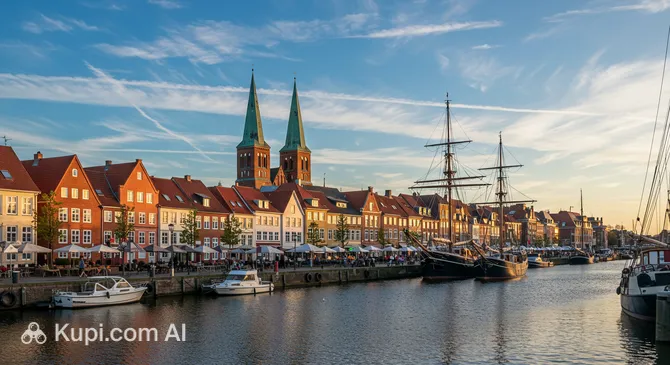
Husum. Illustration.
Source: Kupi.com AI

The city's unique details add to its special appeal: cozy streets illuminated by gas lamps and charming houses in the traditional North German style. The heart of Husum is its picturesque inner harbor, where you can watch the ebb and flow of the tides directly from the windows of coastal cafes. This place is steeped in maritime spirit, and the fresh, salty air accompanies you everywhere.

Husum is worth visiting to take a break from the hustle and bustle of major tourist centers and enjoy genuine northern hospitality. Whether it's a stroll along the embankment or exploring the local cultural heritage, this city will leave you with unforgettable impressions and a desire to return.
Weather Overview

Husum's climate is strongly influenced by the North Sea, which provides moderate weather year-round without extreme temperature fluctuations. The air here is always fresh and humid, and the seasons change gradually, creating the special atmosphere of a seaside town.

Summer in the city is mild and comfortable, ideal for long walks along the coast and promenade. In the warmest months, July and August, the average temperature stays around 17–18°C, and during the day, the air often warms up to 20–21°C. However, you should be prepared for change: even in the height of the season, rain is a frequent occurrence, happening up to 15–16 days a month.

Winters here are cool but not harsh. In January and February, the thermometer rarely drops below 1.5°C, and average values hover around 3–4°C. This time of year is characterized by high humidity and frequent precipitation. To pack your suitcase correctly and choose a good time for your trip, we recommend checking the detailed weather in Husum in advance.

In general, expect a cool summer with occasional rain and mild, humid winters. Spring and autumn bring fresh sea breezes, while May and September often delight with pleasant days reaching temperatures of 16–18°C.

Average monthly temperature

Average monthly precipitation

Interesting Facts

Besides its main attractions, Husum holds many fascinating secrets and unexpected stories that reveal themselves only to inquisitive travelers. This city knows how to surprise, offering unique experiences and facts that are hard to find anywhere else.
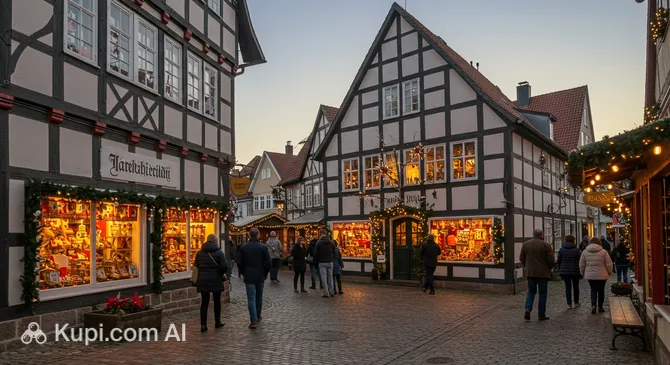
  • In this city, the holiday never ends because the amazing Christmas House is located here. It is not just a shop, but a real museum where the Christmas atmosphere reigns year-round: three floors showcase unique Christmas tree decorations, toys with over 150 years of history, and a rare collection of antique nativity scenes.

  • The history of the main museum of North Frisia resembles a Hollywood movie plot. Its collection is based on the holdings of Ludwig Nissen—a Husum native who emigrated to America and went on an incredible journey from a simple street shoeshine boy to a wealthy jeweler and trusted consultant to American presidents.

  • By visiting the North Frisian Maritime Museum, you can see evidence of the region's rich maritime past. Among the exhibits, the remains of an actual ancient ship and an impressive collection of ships in bottles, demonstrating the incredible patience and skill of sailors, stand out in particular.

  • Tucked away in the center of Husum is a real gem for bibliophiles—an old antiquarian bookstore. This place is famous for its special atmosphere, where among rare editions and literary treasures, you can immerse yourself in the world of stories that have fascinated readers for generations.

Christmas House. Illustration.
Source: Kupi.com AI

Traveler photos:

How to Get There

When planning a trip to the North Sea coast, it is important to think through your route in advance, as the city is located some distance from the main metropolises. This gives it a secluded atmosphere but requires attention to logistics. You can learn more about how to get to Husum by studying the available options and choosing the most comfortable path for yourself.

The city does not have its own airport, so travelers choosing air transport will have a short ground trip after arrival. The nearest and most convenient major hub is Hamburg Airport (HAM), located approximately 113 km away. This is an international hub receiving flights from all over the world. Thanks to the well-developed network of German autobahns, the journey from there by taxi or rental car will take only about 1.5–2 hours.

An alternative option could be a flight via Denmark. Billund Airport (BLL) is located 140 km from the German coast. This is also a popular transport hub. The car journey from this airport will take approximately 2 hours, making it a very reasonable choice for route planning.

Below is summary information on the nearest airports:

AirportPassenger trafficDistance
Westerland - Sylt Airport125 74566 km
Sonderborg Airport74 00071 km
Hamburg Airport13.6 mln113 km
Esbjerg Airport47 000119 km
Lübeck Blankensee82 550132 km

Rail travel is another popular and comfortable way to reach the region. Although the city has its own station, many tourists arrive via major hubs in neighboring metropolises. The main transit point is Hamburg Hauptbahnhof (about 121 km). This is one of Europe's busiest stations with excellent connections. From there, you can continue your journey on a direct regional train or reach by car, which takes about 1.5–2 hours.

You can also consider a route via Bremen Hauptbahnhof. It is further away, at 157 km, but is an important hub for long-distance trains. The car travel time from Bremen is about 2 hours.

Information about the nearest major railway stations is presented in the table:

StationPassenger trafficDistance
Hamburg Hauptbahnhof200.8 mln121 km
Bremen Hauptbahnhof43.8 mln157 km
Aarhus H Station6.3 mln199 km
Rostock Hauptbahnhof6.6 mln205 km
Messe Bahnhof (Messe-Bf) Station231 km

Main Attractions

Husum offers travelers more than just a walk; it’s an immersion into the atmosphere of an old port city. The main attractions here are concentrated around the water and the historical legacy of the dukes, creating a unique route for getting to know North Frisia.

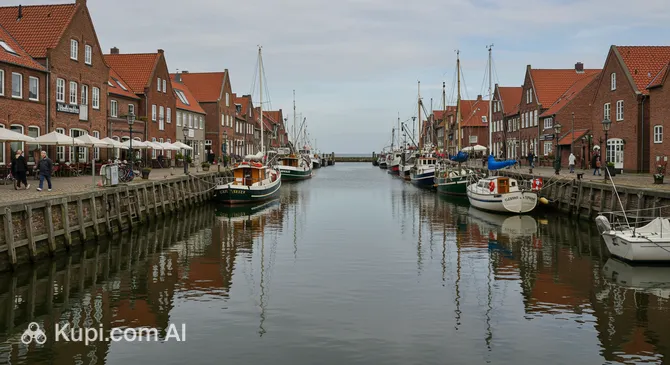
The heart of the city and its most picturesque part is Husum Harbor. This is an inner harbor that cuts deep into the urban landscape, allowing the sea to literally splash at the doorsteps of the houses. A walk here is an opportunity to see the famous tides of the North Sea: at low tide, the boats rest on the seabed, and with the high tide, the harbor comes to life again. Numerous restaurants and cafes are located along the promenade, where you can taste fresh seafood while enjoying the view of historical vessels.

Husum Harbor. Illustration.
Source: Kupi.com AI

Traveler photos:

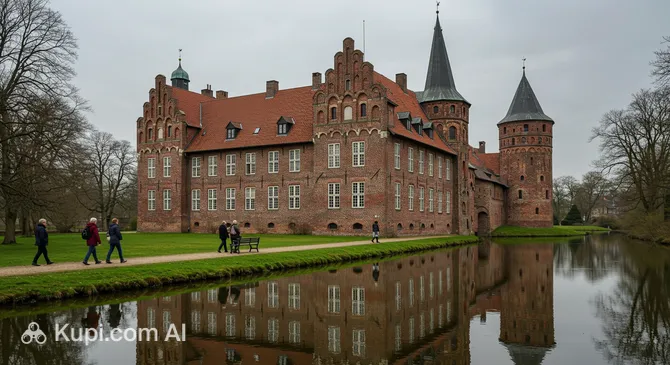
No less important as a symbol of the city is Husum Castle. Built in the 17th century in the Dutch Renaissance style, it once served as the residence of the Dukes of Holstein-Gottorp. Today, it is the only castle on the west coast of Schleswig-Holstein. Tourists are drawn to the magnificently preserved interiors, fireplaces, and artworks that allow one to imagine the life of the nobility in centuries past. Additionally, the castle is a center for cultural life, regularly hosting concerts and exhibitions.

Husum Castle. Illustration.
Source: Kupi.com AI

Traveler photos:

Special attention should be paid to the Husum Castle Park surrounding the residence. While it is a lovely place for walks at any time of year, true fame comes to the park in spring. This is when a unique natural phenomenon occurs—the blooming of millions of wild crocuses, which turn the lawns into a solid purple sea. This spectacle, called the "Miracle of the North," attracts thousands of guests annually for a special crocus blossom festival.

Local Cuisine

The gastronomic scene in Husum is inextricably linked to the North Sea, which determines the character of the local cuisine: it is simple, hearty, and incredibly fresh. The main rule here is that fish should land on the plate almost immediately from the nets. Strolling along the embankment, you will certainly catch the tempting aromas of smoked meats and the salty sea breeze, which instantly awaken the appetite.

To start your acquaintance with culinary traditions, try the legendary Fischbrötchen (fish sandwich). This is a cult North German snack: a crusty roll with fresh "Matjes" herring, mackerel, or North Sea shrimp, often complemented by onions and sauce. The best place for such a tasting is the picturesque Husum Harbor, where you can snack with a view of old ships and feel the rhythm of port life.

If you want to try something more substantial and authentic, order Labskaus. This is an old sailor's dish that may look unusual but has a bright and rich flavor. It consists of a puree of corned beef, potatoes, and beetroot, traditionally served with a fried egg, a pickled cucumber, and rollmops. In the cold season, the king of the table is "Grünkohl"—stewed curly kale with smoked sausage and potatoes.

The harsh coastal climate dictates its own rules in the choice of drinks as well. People here love to warm up with the famous "Pharisäer"—hot strong coffee with a generous portion of rum and a high cap of whipped cream. According to legend, this drink was invented to hide the presence of alcohol from a strict pastor. Beer lovers should check out local establishments, such as Husum Pub, to appreciate the tangy varieties of North German Pilsner.

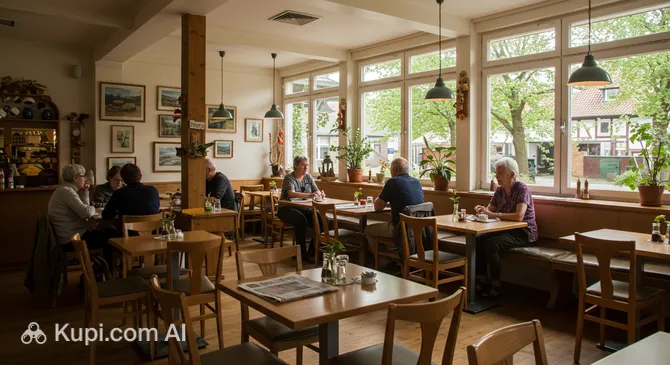
The food culture in the city is democratic and relaxed. Locals enjoy spending time in cozy spots like the Husum Artist Cafe, where you can enjoy not only the food but also a special creative atmosphere.

Künstlercafé Husum. Illustration.
Source: Kupi.com AI

Traveler photos:

In summer, life hums on the open terraces by the water, and in winter, it moves to the warm dining rooms of restaurants serving generous portions that can warm you up after any walk in the wind.

Travel Tips

Welcome to Husum! To ensure your trip to the shores of the North Sea is as comfortable as possible and free of surprises, we have prepared a list of important recommendations to help you feel like a local in this cozy port city.

  1. Clothing and weather: be prepared for everything. The weather on the coast changes rapidly, so the main principle in clothing is "onion" or layering. Even in summer, you will definitely need a windbreaker (preferably with a hood) and waterproof shoes. Umbrellas are often useless here due to strong gusts of wind, so a quality raincoat will be your best friend.
  2. Transport and getting around. Husum is a compact city, and its historical center is best explored on foot. For trips to the surrounding areas or the dikes, renting a bicycle is an ideal option—the infrastructure for cycling is excellent. If you plan to travel out of town, install the DB Navigator app to track train and bus schedules. Taxis can be found at stands or called by phone, but apps like Uber are not common here.
  3. Finances and cash. The currency is the Euro (€). Despite progress, Germany remains a country where people love cash (Bargeld). Small cafes, souvenir shops, or bakeries may not accept cards, or only accept local EC-cards. Always have a supply of bills and coins. Tips are usually 5–10% or simply rounded up to a convenient amount ("Stimmt so").
  4. Health and safety. Husum is a very safe city, and you can walk freely here at any time of day. Pharmacies (Apotheke) are easily recognizable by the red letter "A," and duty pharmacies operate 24/7. The main danger for an inexperienced tourist is nature. Never go out onto the mudflats (the exposed seabed at low tide) alone or without knowing the tide schedule—the water returns very quickly and can cut off your path to the shore.
  5. Communication and language. The official language is German, but the level of English proficiency among locals is very high. A universal greeting at any time of day or night is a short and cheerful "Moin!" (pronounced like "Moin"). This magic word will instantly endear you to the locals. For internet, it is better to buy a local SIM card (Deutsche Telekom, Vodafone, or O2) at supermarkets, as open Wi-Fi is not available everywhere.
  6. Local etiquette. Northern Germans are considered reserved but friendly. When entering a small shop or cafe, it is customary to greet everyone present (with a general nod or "Moin"). On Sunday, most shops are closed—it is a day of peace and rest, so it's better to postpone boisterous entertainment.
  7. What to avoid. Do not walk on the bike paths! In Germany, this is a sacred space for cyclists, and a pedestrian on the red path risks not only hearing an angry bell but also getting into an accident. Also, don't try to shout over the wind—a calm tone of voice is valued here.
  8. Hack: watch the water. The view of Husum harbor changes drastically every 6 hours. To avoid finding only silt and mud instead of a picturesque sea, be sure to check the Tidenkalender (tide calendar). This will help you plan perfect photo sessions and walks by the water.

Husum is a place where time flows to the rhythm of the tides, and people value sincerity and simplicity. By following these tips, you can avoid minor troubles and fully focus on the beauty of North Frisia and the taste of fresh crabs!

Entertainment & Nightlife

Entertainment and Nightlife:

Husum is a city that goes to sleep quite early, so do not expect boisterous metropolitan parties until dawn. However, the nightlife of the "Grey Gate by the Sea" has its own unique charm: it is cozy, soulful, and focused on genuine conversation. The epicenter of evening activity remains the Inner Harbor (Binnenhafen) district. This is where, along the promenade, the lamplights reflect in the water, and music and laughter drift from the open doors of establishments.

The main format of local relaxation is traditional pubs ("Kneipe") and cozy bars where locals and tourists mix into one friendly company. Here, it is customary to slowly sip a Pilsner or hot drinks while discussing the day's events. There is no dress code in most places: casual style and comfortable clothes are most appropriate. The atmosphere is democratic and relaxed, with a crowd ranging from students to sailors and retirees.

For connoisseurs of quality drinks and a modern setting, Bar Thomas is an excellent choice. This stylish establishment attracts guests with its sophisticated interior and relaxed atmosphere, perfect for long conversations. The menu features a wide selection of cocktails and beverages, making it a popular meeting spot for both young people and a more mature crowd looking to spend the evening with taste.

Thomas Bar. Illustration.
Source: Kupi.com AI

Traveler photos:

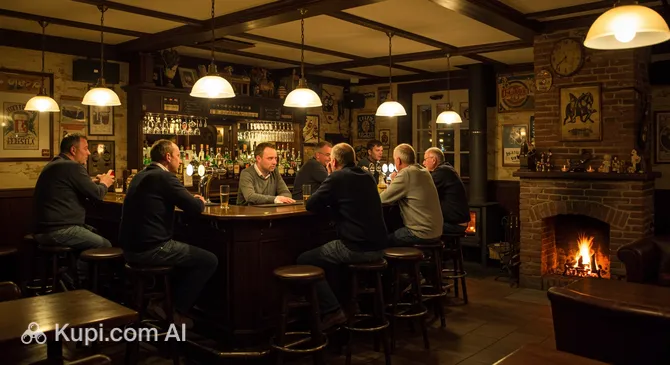
Beer lovers and those seeking a lively atmosphere should visit Husum Pub. It is a classic meeting place where you can try various types of beer and, if you're lucky, catch a broadcast of sporting events or a themed night. Prices in the city's establishments are quite moderate: a glass of beer costs an average of 4–5 euros, and cocktails start from 8 euros.

For those who want to diversify their leisure time with active recreation, the Husum Fun Center is a great option. This entertainment complex is perfect for families and groups of friends. One of the center's main highlights is the exciting mini-golf in the dark with UV lighting, which provides plenty of bright emotions. There is also a trampoline zone and playgrounds, making this place a great alternative to bars, especially in rainy weather.

Daytime entertainment and shopping. During the day, the city offers a relaxed pace of life. The cultural program may include visiting the museums or theaters mentioned earlier. Shopping enthusiasts should stroll through the shopping rows or visit the THEO Shopping Center, located in the city center. This is a modern space where you can find both well-known brands and local goods, as well as a bite to eat in the food court.

Safety and transport. Husum is an exceptionally safe city. You can walk along the embankment and in the center at night without concern. However, keep in mind that public transport (buses) stops running quite early, around 10:00–11:00 PM. If you stay out late, it is better to find the numbers of local taxi services in advance, as hailing a car on the street at night can be problematic. Many establishments close around midnight or 1:00 AM on weekdays, and only stay open longer on Friday and Saturday.

Parks & Museums

Husum wonderfully combines the rugged beauty of the North Sea coast with the coziness of well-kept green areas, while its museum collections offer a deep immersion into the history and culture of North Frisia. For travelers, this is an opportunity to alternate walks in the fresh air with educational tours, discovering the city from new perspectives.

Among the city's green oases, the Husum Castle Park takes center stage. While famous in spring for its carpet of crocuses, in summer it turns into an ideal place for peaceful relaxation in the shade of centuries-old trees. The park is laid out around the historic residence and has preserved elements of English landscape design. It's pleasant to have a picnic here or simply wander along the winding paths, enjoying the silence in the very heart of the city.

For those seeking union with the elements of the sea, the Dockkoog area is a must-see. This is not a classic park, but a unique "green beach" on the dike, characteristic of this region. Here you can sunbathe right on the grass while watching the ships, or swim in the North Sea during high tide. This place borders the Wadden Sea National Park, offering tourists panoramic views of the endless mudflats and salt marshes.

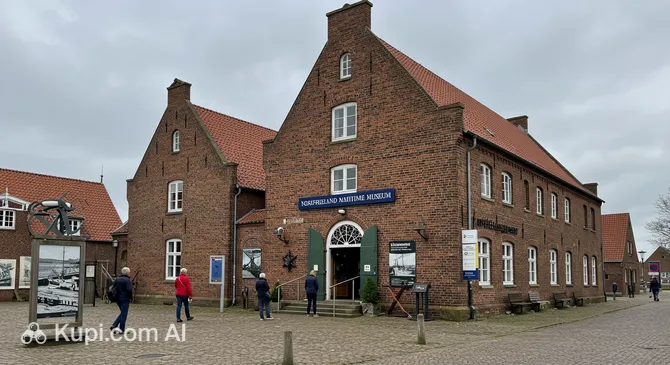
Your immersion into the city's history should start with a visit to the North Frisian Maritime Museum. The exhibition is located in two buildings on the embankment and tells the story of the difficult life of sailors and whalers. Here you can see the hull of a 17th-century ship found in the mudflats, learn about the locals' struggle with floods, and examine detailed ship models. The museum is interactive and will be of interest to both adults and children.

Nordfriesland Maritime Museum. Illustration.
Source: Kupi.com AI

Traveler photos:

It is impossible to imagine Husum without mentioning its most famous native—the writer Theodor Storm. The Theodor Storm Center is located in an old merchant's house where the poet lived and worked. The house's interiors are carefully preserved: original furniture, a library, and personal belongings create a 19th-century atmosphere, allowing you to feel the spirit of the time when the famous "The Rider on the White Horse" was created.

Ethnography enthusiasts should visit the Ostenfelder Bauernhaus. This is Germany's oldest open-air museum, representing a traditional Frisian peasant farmstead. Visitors can step inside to see how farmers lived several centuries ago, from the hearth to the sleeping niches.

As an insider tip: look out for the small galleries in the harbor area. Often, inconspicuous buildings hide exhibitions by contemporary local artists inspired by the sea, where entry can be free or for a nominal fee.

Getting Around

Husum's transport system is simple and logical, perfectly matching the steady pace of life in this small port city. Since the historical center is compact, most attractions are easily accessible on foot. There are no subways, trams, or trolleybuses here—the primary and only form of urban public transport is buses, which connect the center with the outskirts and neighboring districts.

The city's bus network operates under the HusumBus brand. Most often, you will see white buses with the HusumBus logo, though the livery can change, so it's better to look for the name. The routes (usually lines 1 through 7) converge at a key transport hub—the central bus station (ZOB), located in the immediate vicinity of the train station. Intervals are typically 30 or 60 minutes on weekdays. This is a convenient way to get to, for example, the beach in the Dockkoog area or the shopping centers on the outskirts.

The payment system is integrated into the tariff grid of the Schleswig-Holstein transport association (NAH.SH). This means uniform rules apply to the entire region. A single-trip ticket (Einzelfahrkarte) within the city is inexpensive, around 2–3 euros. A day pass (Tageskarte) can be a cost-effective option for tourists, allowing for unlimited travel throughout the day. For groups of up to 5 people, there is a special group ticket that helps save significantly.

Tickets can be purchased directly from the driver upon boarding (it's better to have cash, as card terminals are not everywhere) or at special machines at the station. The most modern and convenient way is to use the NAH.SH-App. In it, you can not only buy an electronic ticket, which is enough to show the driver on your smartphone screen, but also plan an exact route considering all transfers and the current schedule.

An important tip for evening planning: buses in Husum finish running quite early. On weekdays, service stops around 7:00–8:00 PM, and on Saturdays, even earlier, in the afternoon. On Sundays and public holidays, regular services may be replaced by "on-call buses" (Rufbus), which must be ordered by phone in advance. Therefore, if you stay late at a restaurant, the only way to get back to your hotel will be by taxi. Taxi stands are located at the station and on the market square, but it's more reliable to have the number of a local dispatch service handy.

The real alternative to buses and cars in Husum is the bicycle. Thanks to the completely flat terrain and excellent infrastructure, two-wheeled transport is incredibly popular here. Rental shops (Fahrradverleih) can be found in the city center and at the station. Renting a bike not only gives you freedom of movement independent of schedules but also allows you to enjoy the picturesque views of the dikes and coastline just as the locals do.

Accommodation

Where to stay:

Husum, being a popular tourist destination on the North Sea coast, offers guests various accommodation options that combine northern coziness with German practicality. Here you can find historic hotels with atmospheric interiors as well as modern guesthouses. However, perhaps the most common format of accommodation in this region is holiday apartments (Ferienwohnungen). This is because many tourists come here with families for long periods and value having their own kitchen and independence from hotel schedules.

The choice of area to stay in depends on the goals of your trip. If you want to be in the thick of things, enjoy views of the ships, and have quick access to restaurants, it is best to look for accommodation in the Inner Harbor district. By staying here, you will wake up to a view of the picturesque Husum Harbor, and in the evening, you won't have to go far for dinner. This is an ideal location for those who want to feel the rhythm of a port city.

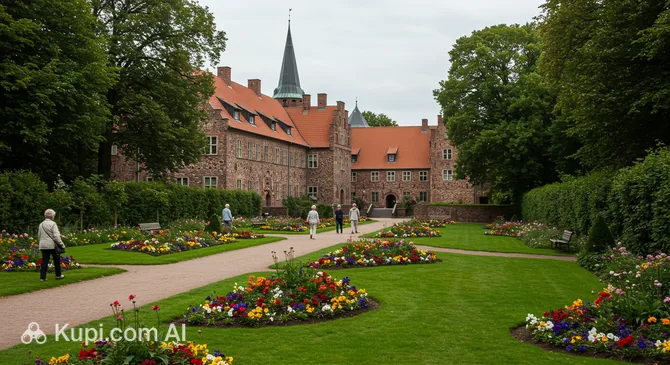
Husum Castle Park. Illustration.
Source: Kupi.com AI

Traveler photos:

For lovers of peace and romance, the area around the ducal residence is a wonderful choice. Here, next to the green zone formed by Husum Castle Park, the atmosphere is more tranquil and serene. The streets here are paved with cobblestones, and the old buildings create a fairytale setting. This location is great for couples and those seeking solitude after a busy day.

The price range varies from medium to high, especially during peak seasons. There are few budget hostels here, so budget-conscious travelers should look toward inexpensive guesthouses (Pension) slightly away from the center. The cost of a night in a standard double room in a mid-range hotel usually starts from 80–100 euros but can increase significantly during holidays.

Booking tip: Husum is a seasonal city. It is highly recommended to book accommodation 2–3 months in advance if you are planning a trip for July–August or during the crocus blooming period (March), when thousands of tourists flock to the city. It is most convenient to search for options through major international online platforms or local German booking sites, where a wider selection of private apartments is often presented.

Nearby Cities

For those who want to explore the surroundings, Husum serves as an excellent starting point for day trips to several interesting nearby places:

Just 43 km to the north is Flensburg—a charming port city on the border with Denmark. It is famous for its unique atmosphere where German and Danish traditions intertwine. Tourists are drawn to the picturesque historical harbor, old merchant courtyards, and a rich history of rum production. It is an ideal place for leisurely strolls and discovering the region's maritime culture.

The capital of Schleswig-Holstein, Kiel, is about an hour's drive away. It is a major maritime center, known worldwide for the Kiel Canal and the annual sailing regatta. Here you can see huge cruise liners and ferries departing for Scandinavia, visit the maritime museum, or enjoy shopping on one of the longest shopping streets in Germany.

Also worth noting is Cuxhaven, located at the mouth of the Elbe. This resort city attracts travelers with its endless beaches and the opportunity to walk on the seabed during low tide (mudflats). The city's symbol, the wooden Kugelbake navigation marker, marks the point where the river meets the North Sea.

CityPopulationDistance
Heide21 85232 km
Schleswig25 51033 km
Sankt Peter Ording4 06033 km
Handewitt11 25036 km
Niebull10 13937 km

These nearby destinations offer an insight into the diverse culture and landscapes of the region.

Shopping & Souvenirs

Shopping in Husum is a pleasant addition to walks through the historic center, devoid of the hustle and bustle of major metropolises. Here you won't find endless rows of global boutiques, but instead, you can enjoy the cozy atmosphere of small shops where the owners often greet guests themselves. Trade in the city is concentrated around the historic center and the harbor, allowing you to combine shopping with sightseeing of architectural beauties.

The main shopping artery of the city is the pedestrian zone, covering Großstraße and Krämerstraße, which lead from the Market Square (Marktplatz) to the water. Strolling here, you can find clothing stores, bookshops, jewelry salons, and home decor shops. A special charm is added to shopping by the proximity to the water: Husum Harbor is literally two steps away, offering the chance to take a break in one of the cafes with a view of the ships after a successful shopping trip.

Despite the city's compactness, there are also modern shopping spaces. In the very heart of Husum is the THEO Shopping Center. This is a modern complex harmoniously integrated into the old architecture, where fashion stores, electronics, pharmacies, and gastronomic points are gathered under one roof. For more large-scale purchases or visiting major chain stores, it's worth heading to the Nordsee Center Husum Shopping Center, located in the industrial part of the city. Here you'll find a wide selection of home goods, groceries, and appliances.

Husum's markets deserve special attention, as they are an integral part of the local culture. The weekly market (Wochenmarkt) on the Market Square around the Tine Fountain is where you can buy the freshest regional products: North Sea crabs, famous Holstein cheeses, honey, and farm vegetables. The market usually operates on Thursdays and Saturdays in the morning, gathering both locals and tourists.

When choosing souvenirs, look for items with a maritime theme: striped sailor shirts, lighthouse models, and, of course, the famous tea. A unique place to buy gifts is the Christmas House. This museum-shop has a festive atmosphere all year round, where you can purchase exclusive Christmas tree toys, traditional nutcrackers, and handmade decorations that will be a great reminder of your trip.

Shops in the city center are usually open from 9:00 or 10:00 AM to 6:00 PM on weekdays, and on Saturdays, the working day is often shortened to 2:00 or 4:00 PM. Sunday in Germany is a day of rest, and most shops are closed, except for some souvenir shops during the tourist season. Regarding payment, although Germany is actively moving toward cashless transactions, small bakeries, kiosks, and the market still prefer cash (Bargeld). Always have some Euros on you.

Tourists from countries outside the European Union can use the Tax Free system. If you make a purchase exceeding the set minimum (usually 50 euros) in a store with a Global Blue logo or similar, don't forget to ask for a special receipt for a VAT refund when leaving the country.

Reached the end of the page?

That means the route is fully explored