Support

Heide

About

Heide is a cozy and atmospheric town in northern Germany, located in the heart of the Schleswig-Holstein region. Here, you won't find the typical hustle and bustle of major metropolises; instead, you can fully experience authentic North German charm with its steady pace of life and a special sense of freedom. A journey to Germany will reveal a new side for those who decide to visit this corner tucked between picturesque rural expanses and the North Sea coast.
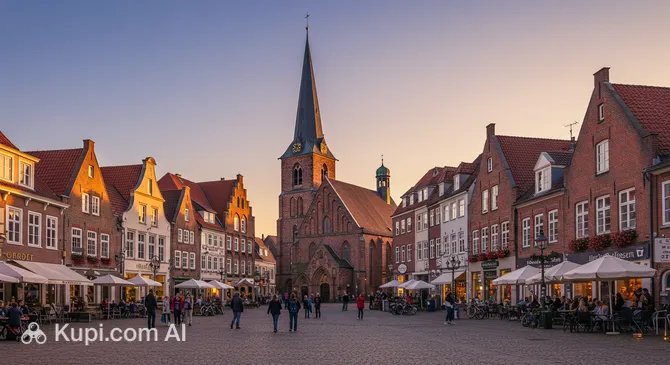
Heide. Illustration.
Source: Kupi.com AI

Despite its status as the administrative center of the Dithmarschen district, Heide maintains a sense of intimacy and friendliness, with a population of about 22,000 people. The town attracts travelers with its well-kept streets, historic red-tiled houses, and a harmonious blend of tradition and modernity.

The main point of attraction and the heart of urban life is the famous Market Square (Marktplatz). It is considered one of the largest open-air market squares in the country and serves as a venue for fairs and festivals. Cozy cafes and shops are concentrated around it, where you can sample local delicacies and relax after a walk.

The unique history of Heide can be traced through its architecture and cultural heritage. The town carefully preserves memories of the past, offering guests a chance to immerse themselves in the authentic atmosphere of old Europe, without being overwhelmed by crowds of tourists.

Heide is an excellent choice for those seeking tranquility and inspiration. Additionally, the town serves as a convenient starting point for trips to the sea or visiting popular entertainment locations like Heide Park. Come here to breathe in the fresh air and enjoy the sincere hospitality of the locals.
Weather Overview

Heide's climate is determined by its proximity to the North Sea, which ensures mild weather without sharp temperature fluctuations. Summer here is usually comfortable and not too hot: in the warmest months, July and August, the average temperature is about 17–18°C, while during the day the air warms up to a pleasant 20–21°C. This time of year is ideal for long walks around the town and its surroundings.

Winters in the region are cool but generally without severe frosts. In January and February, the temperature fluctuates in the range of 1.6°C to 6.2°C. Spring arrives gradually, starting with a cool March (around 5°C) and moving to a warmer May, when the air warms up to 16°C.

A characteristic feature of the local climate is relatively high humidity throughout the year. The number of days with precipitation varies from 12 to 17 per month, so an umbrella or raincoat will be useful companions on your trip. Expect moderately warm summers with occasional rain and cool, damp winters. To choose appropriate clothing, we recommend checking the current weather in Heide immediately before your departure.

Average monthly temperature

Average monthly precipitation

Interesting Facts

Beyond its main attractions, Heide hides many fascinating secrets and stories that make a walk through the town a true adventure. Here are a few facts that will help you see this place in a new light:

  • Heide holds a unique record: its center is graced by the Marktplatz—the largest open-air market square in Germany. For centuries, this vast space has served as a meeting point for residents, with life bustling all around it: festivals are held here, and important landmarks like the popular Heider Marktpassage shopping center are located nearby.

  • The architectural landmark and symbol of the city is the Heide Water Tower (Heider Wasserturm). Its austere silhouette is a reminder of the region's industrial development, and today it is one of the most photographed objects, giving the streets a special historical character.

  • A legend about a mysterious underground passage circulates among locals. Tradition says a hidden tunnel connects the ancient St. Jurgen Church (St. Jürgen Kirche) to the market square, used in past centuries to save townspeople during raids, though its exact location remains a mystery today.

  • The city is closely linked to music history: the roots of the family of the great composer Johannes Brahms are found here. A museum dedicated to his life is open in Heide, becoming a true place of inspiration for musicians and fans of classical art.

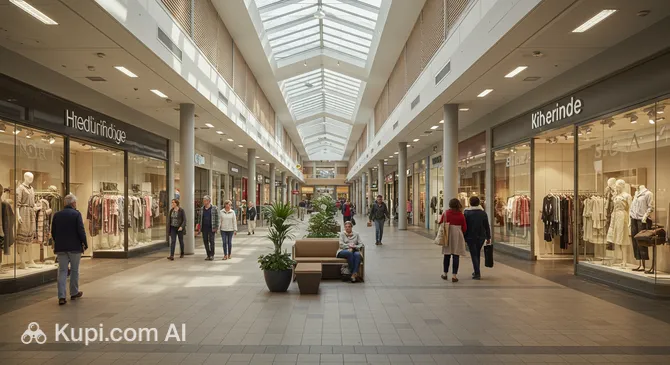
Heide Market Passage. Illustration.
Source: Kupi.com AI

Traveler photos:

How to Get There

Heide is conveniently located relative to major transport hubs in Northern Germany, making a trip here relatively simple despite the lack of its own airport. If you are planning your route, we recommend learning more about how to get to Heide to choose the most suitable option.

The nearest major international air hub is Hamburg Airport (HAM). It is located in the city of Hamburg, approximately 86 km from Heide. This is the most popular choice for tourists as the airport receives flights from all over the world. The journey from here by taxi or transfer takes about 2.5 hours.

An alternative option could be Bremen Airport (BRE), located in Bremen, at a distance of about 129 km. Low-cost airlines often fly here. The journey by car from Bremen to Heide will take approximately 3.5 hours.

For clarity, here is a summary of the main airports:

AirportPassenger trafficDistance
Hamburg Airport13.6 mln86 km
Westerland - Sylt Airport125 74594 km
Sonderborg Airport74 00097 km
Lübeck Blankensee82 550115 km
Bremen Airport1.8 mln129 km

Traveling by rail is also a popular way to reach the region. There is no major railway hub in Heide itself that accepts long-distance high-speed trains, so travelers often make a transfer. The main transit point is Hamburg Hauptbahnhof (ZMB) in Hamburg, located 93 km from Heide. This is one of Europe's busiest stations, from where you can continue your journey on a regional train.

Another important hub is Bremen Central Station (DHC) in Bremen, located about 125 km away. It is also convenient to plan further routes to the north of Germany from here.

Below is information about the nearest major railway stations:

StationPassenger trafficDistance
Hamburg Hauptbahnhof200.8 mln93 km
Bremen Hauptbahnhof43.8 mln125 km
Messe Bahnhof (Messe-Bf) Station198 km
Rostock Hauptbahnhof6.6 mln198 km
Hanover Main Station91.3 mln207 km

Main Attractions

Despite its modest size, Heide offers travelers an interesting combination of historical architecture and modern leisure spots. Most of the iconic locations are concentrated around the central square, making a walk through the town easy and pleasant. Here, you can not only touch history but also enjoy the cozy atmosphere of the German province.

One of the main draws for shopping and relaxation is the Heider Marktpassage. This shopping complex, located right next to the famous Market Square, attracts tourists not only with its shops but also with its architecture, which blends harmoniously into the urban landscape. Here you can find souvenirs and fashion, or simply spend time observing the city's lively rhythm under the passage's glass vaults.

The symbol of the city is rightfully considered the old Water Tower (Wasserturm). Built in the early 20th century, it towers over the low-rise buildings and serves as an excellent landmark. The red-brick tower is a reminder of the region's industrial heyday and is a must-visit for a commemorative photo. It is pleasant to walk nearby, feeling the spirit of old Heide.

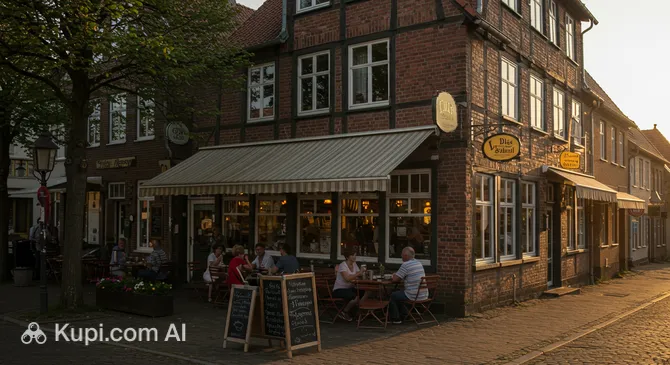
Cafe Annabella. Illustration.
Source: Kupi.com AI

Traveler photos:

History and culture lovers should pay attention to the Brahms House (Brahms-Haus). Although the great composer himself was born in Hamburg, his family hailed from Heide, and this house-museum carefully preserves the dynasty's heritage. The building itself is an architectural monument, and inside, unique exhibitions tell the story of the Brahms family's life, complemented by regular musical evenings.

After a full walk, it is worth getting to know the gastronomic side of the city, which is also a kind of attraction. For a cozy coffee break with traditional German desserts, Cafe Annabella is perfect, known for its warm and homey atmosphere. If you want to end the day with a hearty dinner, consider the Corfu restaurant, where you can appreciate local hospitality and delicious cuisine.

Local Cuisine

Heide's culinary traditions are a mirror of Northern Germany's soul: simple, hearty, and incredibly delicious food is valued here. Proximity to the North Sea has defined the region's main gastronomic direction. Fresh fish is the foundation of many menus, and Matjes is rightfully considered the king of the table. This is young herring with a special cure, traditionally served with boiled potatoes, onion rings, and sometimes a sour cream sauce. Seafood lovers should also try the local fish soups, which are excellent for warming up in cool weather.

Meat dishes are no less popular here and are known for being particularly substantial. A true symbol of regional cuisine is "Dithmarscher Grünkohl". This is a hearty dish of stewed kale served with smoked sausages, pork cheek, or Kasseler. This treat is especially popular during the cold season and is considered the pride of local chefs.

The food culture in Heide is inextricably linked to cozy gatherings over a cup of coffee. Locals love pastries, especially apple strudels and seasonal rhubarb pies, which have a pleasant tartness. To experience this sweet side of city life, you can stop by Cafe Annabella, where the homey atmosphere perfectly complements the taste of traditional German desserts.

As for drinks, there is a deep respect for brewing traditions. Pale lager with the bitterness characteristic of the north is a frequent choice for lunch or dinner. Local herbal liqueurs can also be found at gastronomic festivals and fairs often held in the town. And for those who prefer non-alcoholic beverages, excellent coffee is always available, which is consumed in large quantities and with great pleasure in Schleswig-Holstein.

Farmer's markets give Heide's gastronomic scene a special character. They are not just places to buy groceries, but real cultural venues where you can taste craft cheeses, homemade sausages, and fresh berries straight from the counter. Street food here is high quality and tasty, so a quick bite while strolling through the market square is a gastronomic pleasure in itself.

Travel Tips

Preparing for a trip to Heide won't take much time, but knowing local peculiarities will make your vacation much more pleasant. We have gathered a list of useful recommendations for you to help you easily navigate the city and feel confident in any situation.

  1. Clothing and Essentials: The weather in the region is dictated by its proximity to the North Sea, so it can be changeable and windy. The best wardrobe choice is the "onion" principle (layering). Be sure to bring a windproof jacket and a reliable umbrella, even in summer. For walking on the historic cobblestones of the center, choose comfortable flat-soled shoes.

  2. Transport: Heide is a compact city, and its historic center is best explored on foot. For trips to the surroundings, renting a bicycle is an ideal option—the network of bike lanes is excellently developed here. Buses run regularly, but intervals increase in the evening. Taxis are easiest to call by phone or through local apps, as catching a car on the street can be difficult.

  3. Finances: The official currency is the Euro. While cards are accepted in supermarkets and large restaurants, small cafes, bakeries, and souvenir shops often prefer cash. ATMs are available in the city center. Tips in Germany are not automatically included in the bill: it is customary to round up the amount or leave 5–10% for good service.

  4. Health and Safety: Heide is a quiet and safe city where you can walk without worry in the evening. Pharmacies are easily recognized by the red letter "A"; information about the nearest on-call pharmacy (operating at night) is always posted on the doors of closed pharmaceutical points. The emergency number for all services is 112.

  5. Communication: The main language is German, but many locals, especially young people, speak English well. For reliable connection, we recommend buying a local SIM card in supermarkets or mobile stores (a passport is required for registration). Free Wi-Fi is available in many cafes and on the central square.

  6. Local Etiquette: In the north of the country, it is customary to say hello with a short and friendly "Moin", which is appropriate at any time of day. Germans highly value punctuality, so it is better to arrive on time for tours or meetings. On Sunday, most shops are closed, and making noise on the street is not common—it is a day of silence and rest.

  7. What to Avoid: Never walk on bicycle lanes. Cyclists here are full participants in traffic, ride fast, and expect their lane to be clear. Also, do not cross the road on a red light, even if no cars are nearby—this can cause disapproval from locals.

  8. Special Tip: If your visit falls on a Saturday, be sure to visit the weekly fair on the Market Square. It's not just a place for shopping, but the center of social life where you can buy the freshest regional products and chat with local farmers.

By following these simple tips, you can avoid minor troubles and focus on the main thing—the atmosphere and beauty of Northern Germany. We wish you a comfortable, safe, and memorable trip to Heide!

Entertainment & Nightlife

Entertainment and nightlife in Heide have their own unique flavor. You won't find massive multi-story nightclubs with world-famous DJs here like in Berlin or Hamburg, but the town offers something else—soulfulness, comfort, and the traditions of real German "kneipen" (pubs). An evening here typically begins with a leisurely dinner, smoothly transitioning into socializing with friends at one of the local bars.

The epicenter of the town's nightlife is undoubtedly Schuhmacherort. Locals proudly call this historic street their "little Reeperbahn." This is where most of the pubs and bars are concentrated, where the fun continues late into the night. The atmosphere in Schuhmacherort establishments is democratic and relaxed: people come here in jeans and comfortable shoes to drink beer, listen to music, and chat. The crowd is very diverse—from local university students to long-time residents—creating a sense of one big friendly company.

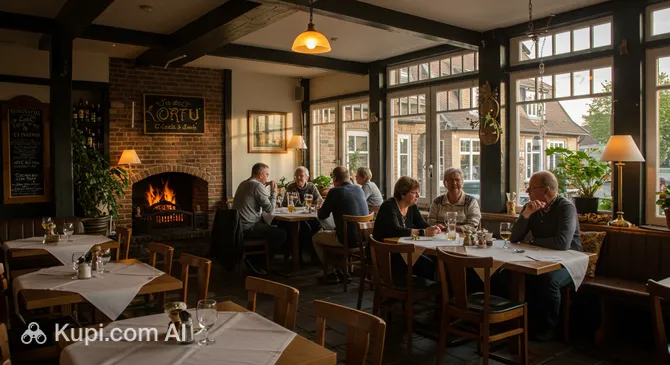
If you plan to start your evening with a hearty dinner, the Corfu restaurant is an excellent choice. This establishment is popular among locals for its large portions and welcoming atmosphere, ideal for long gatherings before hitting the bars. On weekends, it's better to book a table in advance, as many residents come here with their families or groups of friends.

Korfu. Illustration.
Source: Kupi.com AI

Traveler photos:

Those who prefer a quieter evening should take a stroll through the town center. The area around the Heider Marktpassage shopping center and the Market Square is beautifully lit in the evening and perfect for romantic promenades. Although shops close quite early, the windows remain lit, and you can find small, cozy venues for a glass of wine in the neighboring alleys.

Practical tips: The busiest time in the bars is Friday and Saturday after 10:00 PM. On weekdays, the town goes to sleep earlier, and many restaurant kitchens close by 9:00–10:00 PM. Drink prices in Heide are moderate, lower than in Germany's major cities. There is virtually no dress code; the main thing is to look neat.

Safety and transport: Heide is a very peaceful town, and night walks here are safe even alone. However, public transport runs rarely at night or stops altogether. If you stay out late, it is better to call a taxi by phone or through an app, as catching one on the street can be problematic.

Daytime entertainment in the city also deserves attention. The cultural program might include visiting museums or the "LichtBlick" cinema, which screens the latest global releases. For active recreation, the "Dithmarscher Wasserwelt" water complex with its pools and saunas is a great place to recharge before another evening out.

Parks & Museums

Heide offers travelers a harmonious blend of well-kept natural corners and rich cultural heritage. Despite its compact size, the town has places where you can relax from the bustle in the shade of trees, as well as museums that allow a deep dive into the history and art of northern Germany.

For peaceful walks in the fresh air, the City Park (Stadtpark) is ideal. It is a green oasis with a picturesque pond, old trees, and well-kept paths where locals love to spend their weekends. Another notable green area is the territory around the famous Water Tower. The small but cozy square at the foot of this architectural monument is bursting with flowers in spring and summer, creating a great backdrop for commemorative photos.

The cultural heart of the city is rightfully the Museum Island Lüttenheid (Museumsinsel Lüttenheid). This unique complex combines several important sites. Special attention should be paid to the Klaus Groth Museum (Klaus-Groth-Museum), located in the house where the famous poet was born. Here, the 19th-century interiors have been recreated with great accuracy, allowing you to imagine the life of a wealthy miller's family of that time. The exhibition tells the story of the writer who made the Low German dialect (Plattdeutsch) famous worldwide.

Nearby is the Brahms House (Brahms-Haus), dedicated to the family history of the great composer Johannes Brahms. Although the maestro himself was born in Hamburg, his roots go back to Dithmarschen. The museum is an elegant Baroque mansion housing personal belongings, letters, and documents of the dynasty. This is a must-visit for anyone interested in classical music and European cultural history.

Among the architectural landmarks, St. Jurgen Church (St. Jürgen-Kirche), located on the southeastern corner of the market square, stands out. This ancient red-brick building has guarded the town's spiritual history since the 16th century. Very close by, contrasting with the ancient walls, modern life bustles in the Heider Marktpassage shopping center, creating an interesting dialogue of eras in the town center.

For those seeking authentic experiences, we suggest strolling through the Schuhmacherort quarter. Craftsmen used to live here, and today the narrow cobbled streets and historic houses create a unique atmosphere of comfort rarely found in standard guidebooks. This is the best place to feel the spirit of old Heide away from the formal facades.

Getting Around

Heide's transport system is simple and logical, perfectly matching the steady pace of life in this small town. Since there is no metro, trams, or trolleybuses, the primary means of transportation for locals and tourists remain buses and regional trains. The town is compact enough that many central attractions can be easily reached on foot; however, for trips to distant districts or the coast, public transport becomes an indispensable helper.

The bus network (Stadtverkehr) connects the city center, the railway station, and residential areas. Most routes meet at the central bus station (ZOB), located right next to the railway station. This is very convenient for those planning to combine trips. It is important to note that in the evening and on weekends, service intervals increase, and some routes may stop running quite early.

Heide is part of the Schleswig-Holstein transport association (NAH.SH). This means a unified ticket system operates here. For single trips around the city, a standard one-way ticket (Einzelkarte) is suitable. If you plan to move around actively during the day, it is more economical to purchase a day pass (Tageskarte). For groups of up to 5 people, there is a special group ticket that allows for significant savings.

Fares can be paid in several ways. The most modern and convenient option for a tourist is using the "DB Navigator" or "NAH.SH" mobile app. In these, you can not only buy tickets online, avoiding the need to communicate in German, but also plan an exact route considering transfers. Tickets are also sold at machines at the station and directly from the bus driver upon boarding. Note that drivers only accept cash, so it is worth preparing small bills or coins in advance.

Taxis are an alternative to buses, but "hailing" a car on the street with a wave of the hand is practically impossible here. Taxis are usually waited for at special stands (for example, at the station or Market Square) or called by phone. Ride-hailing apps work, but in small towns, waiting times can be longer than usual.

Bicycles hold a special place in Heide's transport life. Thanks to the flat landscape of the Dithmarschen region, two-wheeled transport is incredibly popular here. The town is equipped with many bike lanes and parking spots. For a tourist, renting a bicycle is perhaps the best way to feel the town's atmosphere and enjoy the freedom of movement without depending on bus schedules.

Accommodation

The choice of accommodation in Heide perfectly matches the spirit of this cozy North German town: you won't find massive chain skyscrapers or pretentious luxury resorts here. The hotel stock consists mainly of small family-run hotels, traditional guesthouses (Gasthof), and modern apartments. This format allows tourists to feel the true local flavor and enjoy the homey comfort so highly valued in Schleswig-Holstein.

In terms of location, the most convenient area to stay is the historic town center, especially around the Market Square. By staying here, you will be within walking distance of the main attractions, shops, and restaurants, eliminating the need for frequent transport. For those traveling by car and seeking peace, small hotels or guest rooms on the outskirts of the town are an excellent option, where you can enjoy tranquility and proximity to nature.

Pricing in Heide is quite democratic: most offers fall into the mid-range segment. Budget travelers can find inexpensive rooms or hostels, while comfort seekers can find spacious apartments with kitchens. However, seasonality should be considered: in the summer months and during major city fairs, the demand for accommodation rises sharply. Therefore, we recommend booking your preferred option in advance, several weeks or even months before the trip, using popular online platforms or by contacting the hotels directly.

Nearby Cities

For those who want to explore the surroundings, Heide serves as an excellent starting point for day trips to several interesting nearby locations. The town's location in central Dithmarschen makes it easy to reach the sea coast, historic ports, and the region's major shopping centers.

One of the most picturesque destinations is Cuxhaven, located at the mouth of the Elbe. This resort town attracts visitors with the chance to see the famous Wadden Sea, a UNESCO World Heritage site, and enjoy the fresh sea breeze. Fans of engineering marvels and shipping should head to Rendsburg. Here, you can see the impressive railway bridge with its "loop" and watch massive ships passing through the Kiel Canal. And if you're interested in shopping, Neumuenster is the ideal choice thanks to the famous McArthurGlen Designer Outlet, which is a magnet for fashionistas from all over Northern Germany.

CityPopulationDistance
Sankt Peter Ording4 06032 km
Husum23 47832 km
Brunsbuttel12 55433 km
Rendsburg28 97739 km
Itzehoe31 87939 km

These nearby destinations offer a glimpse into the region's diverse culture and landscapes, from vast seascapes to cozy historic centers.

Shopping & Souvenirs

Shopping in Heide is a pleasant and relaxed activity, devoid of the frenzy of large metropolises. The town offers a harmonious blend of small boutiques, family-run shops, and modern stores, concentrated mainly in the historic center. Here you can find both quality clothing from well-known German brands and unique products from regional manufacturers, making a shopping trip an interesting part of getting to know the culture of Dithmarschen.

The city's main shopping artery is the pedestrian zone adjacent to the Market Square (Marktplatz) and Friedrichstraße. This is where life bustles: tourists and locals leisurely move from one shop to another, browsing windows with fashion, shoes, books, and home accessories. The compactness of the center allows you to visit all key spots on foot, stopping periodically for coffee at outdoor cafes.

For those who prefer the convenience of shopping under one roof, the Heider Marktpassage is the main draw. This shopping center is successfully integrated into the town's architecture and is located in the immediate vicinity of the main square. Inside the complex, visitors will find a wide range of fashion, perfume, and electronics stores, as well as food outlets for a snack while shopping. The passage's glass dome creates a sense of space and light in any weather.

Special attention should be paid to Heide's markets, as the city is famous for having the largest market square in Germany. Every Saturday, the traditional Weekly Market (Wochenmarkt) takes place here, with a history spanning over 500 years. It's not just a place for trade, but a real cultural event. Here you can buy the freshest farm products, flowers, homemade cheeses, and meat delicacies. If you want to experience the true taste of the region, be sure to visit on a weekend morning.

As souvenirs from Heide, it's worth bringing back things that Dithmarschen is proud of. Primarily, these are products related to the local "green gold"—cabbage. Original herbal liqueurs, decorative ceramics with maritime motifs, and sheep's wool products are popular. Sea buckthorn (Sanddorn) products—jams, juices, or cosmetics—are also excellent gifts and are very popular in the north of the country.

Shops in the town typically operate Monday to Friday from 09:00 or 10:00 to 18:00, with larger supermarkets open until 20:00. On Saturdays, many small shops close after lunch (around 13:00–14:00), though shopping centers stay open longer. Sunday is a day off for most shops. Regarding payment, Visa and Mastercard are accepted without issues in large stores and supermarkets, but in the market, small souvenir shops, and bakeries, cash in euros is often preferred.

Tourists residing permanently outside the European Union can take advantage of the Tax Free system. If the purchase amount in one store exceeds 50 euros, you are entitled to a partial VAT refund. To do this, you must ask the seller to issue a special Tax Free Form and present your passport. The refund is usually processed at the airport when flying out of the country.

Reached the end of the page?

That means the route is fully explored