Support

Kiel

About

Kiel is a true maritime gem in northern Germany, nestled picturesquely on the shores of the Baltic Sea at the entrance to the famous Kiel Canal. As the capital of the state of Schleswig-Holstein, the city is home to approximately 246,601 residents, making it a vibrant and important regional center. Kiel is renowned for its deep-rooted maritime traditions, stunning waterside views, the silhouettes of harbor cranes, and the snow-white sails of yachts.
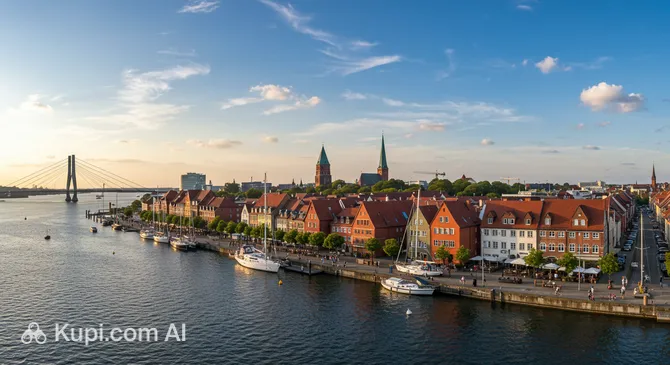
Kiel. Illustration.
Source: Kupi.com AI

The city literally breathes the sea: its streets invariably lead to the waterfront, and life here is inextricably linked to the water. Kiel is not only a major port and shipbuilding hub but also the recognized capital of sailing. It exudes a unique atmosphere of freedom, openness, and genuine Northern hospitality. The narrow streets of the historic Old Town, well-tended parks, and modern architectural solutions create a harmonious blend of a rich past and dynamic modernity.

For travelers, Kiel offers a unique opportunity to immerse themselves in maritime culture, enjoy leisurely strolls along picturesque alleys and embankments, and visit fascinating museums dedicated to the sea and shipping. One of the city's main highlights is the world-famous Kiel Week (Kieler Woche) — a grand annual sailing festival that attracts yachtsmen and thousands of spectators from around the globe. Walking through the Old Town to feel the spirit of history is equally appealing.

Kiel warmly welcomes its guests, offering a diverse range of experiences — from relaxing on the coast to a rich cultural program and gastronomic discoveries. This city will undoubtedly leave bright memories for anyone who decides to visit.

You can find more interesting facts on the history of Kiel page.
Weather Overview

The weather in Kiel is defined by a temperate maritime climate. Summers are generally mild: the average temperature in July and August is around 17-18°C, with maximums reaching up to 20-21°C. Winters are cool but not severe, with an average January temperature of about 3.4°C (and a minimum of about 1.7°C). Kiel is characterized by frequent but usually not overly heavy precipitation (averaging 2-3 mm per month), evenly distributed throughout the year, while the number of rainy days ranges from 11 in April-May to 16 in December and October. Expect moderately warm summers with frequent light rain, and cool, damp winters.

To get more detailed information about the climatic conditions and choose the best time for your trip, check out the detailed forecast on the Climate of Kiel page.

Average monthly temperature

Average monthly precipitation

Interesting Facts

In addition to its famous maritime traditions and bustling port, Kiel hides many curious details and stories that make it even more attractive to travelers. Here are just a few interesting facts about this German city:

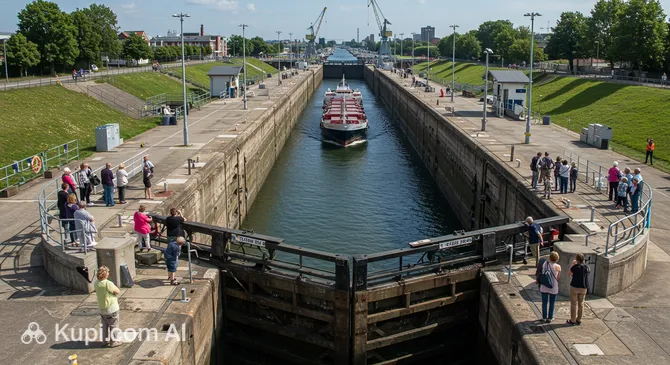
Kiel Canal Lock Observation Platform. Illustration.
Source: Kupi.com AI

Traveler photos:

  • The city's main pride is the Kiel Canal (Nord-Ostsee-Kanal), which is the busiest artificial waterway in the world. Every day, hundreds of ships pass through this 99-kilometer giant connecting the Baltic and North Seas.

  • The oldest building in the city is St. Nicholas Church. Built in the 13th century, it still impresses with its austere Gothic architecture and stands as a witness to Kiel's centuries-old history, including periods of Danish rule before the city became part of Prussia in 1864.

  • Every year, Kiel hosts "Kiel Week" (Kieler Woche) — not just a regatta, but the world's largest sailing festival and one of the major summer events in Europe. During this time, the city transforms into an international capital for sailors, musicians, and street performers, attracting millions of visitors.

  • Kiel has given the world several outstanding personalities. Famous figures such as physicist Hermann von Helmholtz and Nobel Prize-winning author Thomas Mann were born or worked here, highlighting the city's rich cultural and scientific history.

How to Get There

Kiel can be reached in various ways; tourists most often choose a route through neighboring large cities with a transfer to a train or car. Thanks to excellent autobahns and a developed railway network, the journey to the Baltic coast is fast and effortless. You can find detailed information and route options at the following link: all ways to get to the city.

The nearest major international air hub is Hamburg Airport (IATA: HAM), located approximately 77.6 km from Kiel. This is the primary arrival point for most travelers. The trip from the airport to the center of Kiel by car or taxi takes about 1 hour. Additionally, a convenient shuttle bus called "Kielius" runs between the airport and Kiel Central Station, making the transfer simple and comfortable.

You can also consider Sønderborg Airport (IATA: SGD) in Denmark, which is 74.5 km from the city. Although it is in another country, the drive takes just over 1 hour. However, keep in mind that this is a small regional airport with a limited flight schedule.

Summary of nearby airports:

AirportPassenger trafficDistance
Lübeck Blankensee82 55070 km
Sonderborg Airport74 00074 km
Hamburg Airport13.6 mln78 km
Westerland - Sylt Airport125 745133 km
Laage Airport148 000147 km

Rail transport is another convenient option. Many tourists arrive at Hamburg Hauptbahnhof (IATA: ZMB), located 86.1 km from Kiel. Trains depart regularly from here to Kiel. By car, the journey from Hamburg station to Kiel also takes about 1 hour.

For those traveling along the coast, Rostock Central Station (IATA: RTK), located 133.9 km away, can be an important hub. The car journey from Rostock to Kiel takes approximately 2 hours.

Main railway stations in the region:

StationPassenger trafficDistance
Hamburg Hauptbahnhof200.8 mln86 km
Rostock Hauptbahnhof6.6 mln134 km
Bremen Hauptbahnhof43.8 mln163 km
Aarhus H Station6.3 mln203 km
Messe Bahnhof (Messe-Bf) Station210 km

Main Attractions

Kiel, a vibrant port city in northern Germany, offers its guests many interesting places to visit. Here, everyone will find something to their liking: from maritime adventures to peaceful walks in green oases and exploring the rich history and culture of the region.

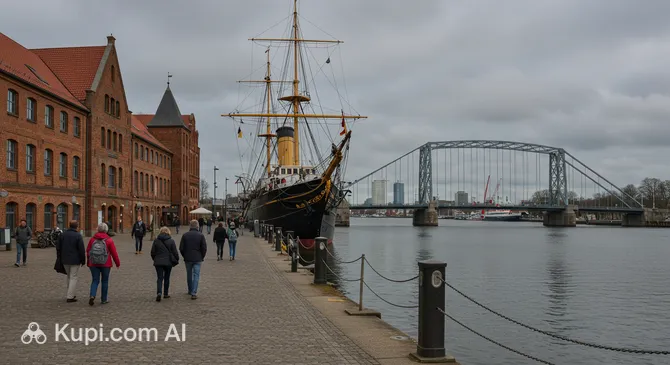
One of the city's iconic landmarks is the Kiel Maritime Museum and Museum Bridge. Located in a former fish auction hall, the museum tells the fascinating story of seafaring and shipbuilding history in Kiel. Visitors can see impressive ship models, vintage navigational instruments, and many other maritime exhibits. The Museum Bridge, where historic vessels are moored, complements the exhibition. This place is a must-visit for anyone interested in maritime history.

Kiel Maritime Museum and Museum Bridge. Illustration.
Source: Kupi.com AI

Traveler photos:

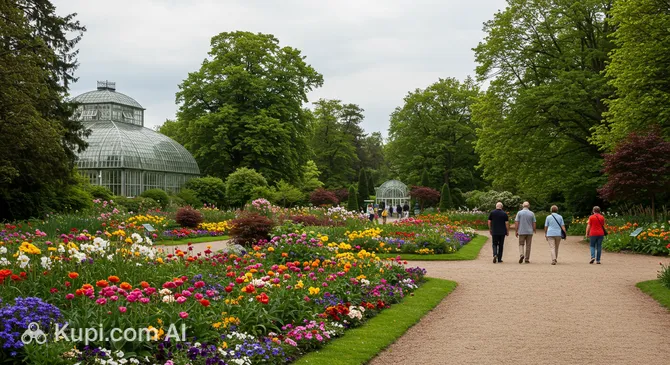
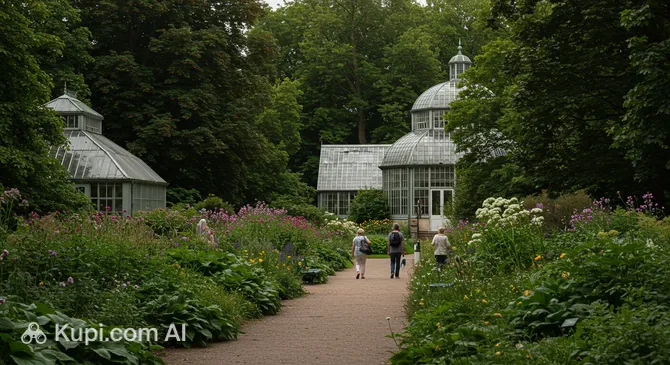
For nature lovers and those seeking peace, the Botanical Garden of Kiel University will be a real discovery. Its vast territory is home to a huge number of plants from all over the world, organized into themed collections. Here, you can take a leisurely stroll through picturesque alleys, relax by the ponds, and admire exotic flowers in the greenhouses. The garden is a perfect place for tranquility and educational walks.

Botanical Garden Kiel. Illustration.
Source: Kupi.com AI

Traveler photos:

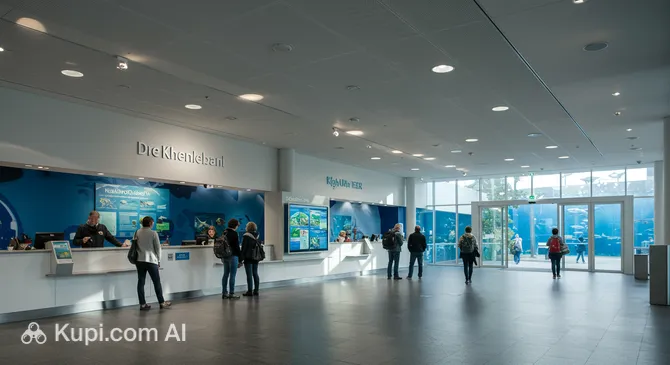
The GEOMAR Aquarium invites you to dive into the amazing underwater world. It features inhabitants of the Baltic and North Seas, as well as colorful exotic fish from tropical waters. The seal pool is particularly popular with visitors, especially children, where you can watch these charming marine animals. The aquarium offers engaging and educational exhibits for the whole family.

GEOMAR Aquarium. Illustration.
Source: Kupi.com AI

Traveler photos:

A unique sight awaits visitors at the Viewing Platform at the Kiel Canal Sluice. The Kiel Canal is one of the world's busiest artificial waterways, and this platform offers a breathtaking view of massive sea vessels passing through the locks. It is a great place to experience the scale of maritime navigation and take impressive photographs.

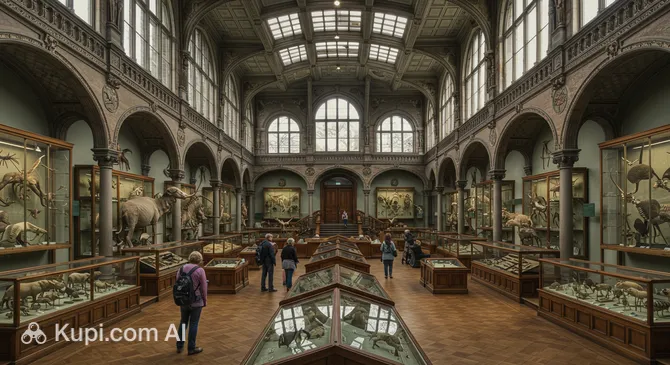
Another interesting spot for curious tourists is the Zoological Museum of Kiel University. The museum boasts a rich collection of exhibits representing the incredible diversity of our planet's animal kingdom. Here, you can see impressive whale skeletons, taxidermy of rare animals, and many other fascinating objects. The exhibition will be of interest to both specialists and the general public, especially families with children looking to expand their knowledge of nature.

Zoological Museum of Kiel University. Illustration.
Source: Kupi.com AI

Traveler photos:

Local Cuisine

The cuisine of Kiel is a true feast for lovers of fresh fish and seafood, infused with the aromas of the Baltic Sea. The city's gastronomic scene offers authentic flavors of northern Germany, where the treasures of the sea play the leading role.

The main local delicacy that you must try is Kieler Sprotte (Kiel sprats). These small fish are smoked according to traditional recipes and are traditionally eaten whole, often with a slice of dark bread. Equally popular are dishes made from fresh cod, plaice, and mussels. In the city markets and numerous snack bars, you can enjoy the famous "Fischbrötchen" — fish rolls prepared with various fillings of freshly caught or marinated fish. For those with a sweet tooth, there are traditional North German cakes, especially those with rhubarb and apples, as well as fragrant strudels.

Local beer pairs perfectly with fish dishes. In the city's many cafes, you will be offered aromatic coffee and a variety of teas. During the warmer months, refreshing fruit juices and lemonades are popular.

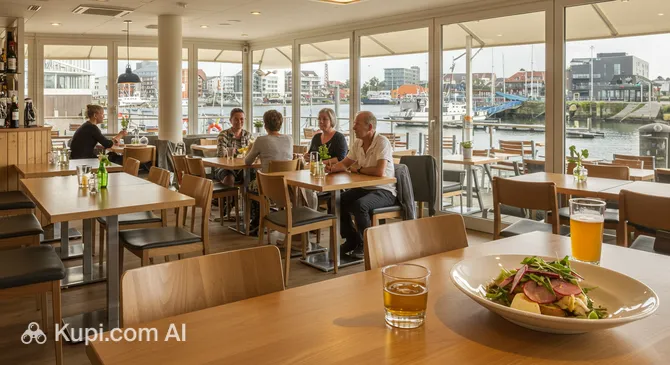
The dining culture in Kiel is diverse. Locals and tourists love to grab a bite at the lively farmers' markets, where you can always find fresh produce, cheeses, honey, and homemade pastries. During the famous Kiel Week, the waterfronts transform into a massive international food court with street food for every taste. For a more thorough introduction to local cuisine, it's worth visiting one of the many restaurants, such as MOBY, where you can sample dishes made from the freshest seafood in a cozy atmosphere. The city also has many charming cafes where you can relax with a cup of coffee and a dessert.

MOBY. Illustration.
Source: Kupi.com AI

Traveler photos:

The gastronomic features of Kiel attract tourists with their freshness, maritime character, and variety. Whether it's a quick "Fischbrötchen" snack on the waterfront or a dinner in a restaurant overlooking the fjord, every meal in Kiel becomes a small culinary discovery that lets you feel the true spirit of this port city.

Travel Tips

Planning a trip to Kiel? Excellent! This lively port city in northern Germany, the capital of Schleswig-Holstein, is ready to surprise you with its maritime atmosphere and interesting sights. To ensure your trip is as comfortable as possible and leaves only pleasant memories, we have prepared some practical tips.

  1. Clothing for the weather and useful items: The climate in Kiel is maritime and quite changeable. Even in summer, it can be windy and rainy. Bring layered clothing, a waterproof jacket or umbrella, and, of course, comfortable shoes for walking along the waterfronts and around the city. Don't forget an adapter for electrical appliances if your plugs differ from the European standard (Type F).
  2. Getting around the city: Public transport in Kiel is well-developed — mainly buses operated by KVG. Tickets can be bought at machines, from the driver, or via a mobile app. Kiel is a very bike-friendly city, so renting a bicycle can be a great way to explore. Taxis are available, and there are apps to call them. Renting a car makes sense if you plan to travel around the surrounding area.
  3. Financial matters: The currency in Germany is the Euro (EUR). Credit and debit cards (Visa, Mastercard) are accepted in most shops, restaurants, and hotels. However, it's always useful to have some cash on hand for small expenses or visiting markets. ATMs (Geldautomat) are widespread. Tipping in restaurants is welcomed (usually 5-10% of the bill if you liked the service) and is often done by rounding up the amount.
  4. Health and safety: Pharmacies (Apotheke) are easy to find, marked with a red letter "A". Find out about 24-hour pharmacies (Notdienst Apotheke) in advance if you need medicine after hours. In case of a medical emergency, call 112. Kiel is considered a safe city, but standard precautions (watching your belongings in crowded places) are always wise.
  5. Language and communication: The official language is German. Many residents of Kiel, especially young people and tourism workers, speak English well. Learning a few basic phrases in German (e.g., "Hallo" – hello, "Danke" – thank you, "Bitte" – please) is a nice gesture of politeness. Wi-Fi is available in many cafes, hotels, and public places. Local SIM cards can be purchased at mobile shops or supermarkets.
  6. Local etiquette: Germans value punctuality, so try not to be late for meetings. It is customary to greet people (Guten Tag – good day, or the more informal Hallo). In public places, especially on transport, try not to be loud. Respect for personal space is also important.
  7. Things to avoid: Do not cross the road on a red light or in the wrong place — it's not only dangerous but can also result in a fine. Also, avoid excessively loud behavior in public places. Remember that waste sorting is taken very seriously in Germany.
  8. A unique feature of Kiel: Kiel is inextricably linked with the sea and sailing. If your trip falls at the end of June, you might catch the famous Kiel Week (Kieler Woche) — the world's largest sailing festival and a massive folk festival. This is an incredibly spectacular event, but keep in mind that the city will be more crowded and accommodation prices may be higher during this time.

We hope these tips help you better prepare for your trip and fully enjoy your stay in Kiel. We wish you an unforgettable journey and vivid impressions of this welcoming maritime city!

Entertainment & Nightlife

Kiel, a lively port city in northern Germany, offers its guests a variety of options for evening and night leisure. While Kiel may not boast the same scale of nightlife as Berlin or Hamburg, there are definitely places to have a great time after sunset, especially thanks to the large student population that creates a relaxed and energetic atmosphere.

The main concentration of bars, pubs, and clubs is in the city center. Bergstraße and its surrounding streets are considered one of the primary hubs of nightlife. Here, you can find venues for every taste: from traditional German pubs to stylish cocktail bars. The atmosphere in most places is casual, and the dress code is usually non-existent or very relaxed. Many bars offer "happy hours" in the early evening.

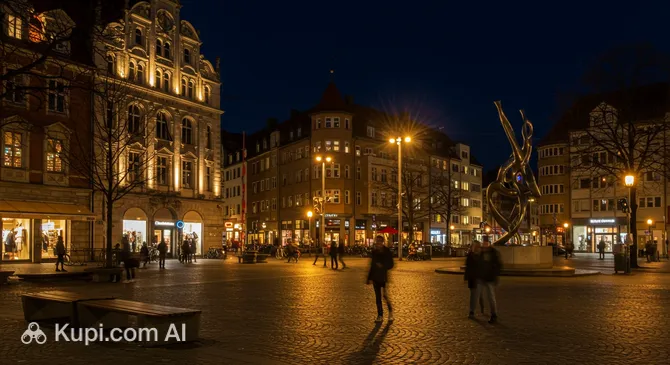
Among the popular spots are, for example, the Studio Filmtheater am Dreiecksplatz, which combines film screenings with a bar culture, or the cozy bar Sadhu. If you're in the mood to dance until dawn, it's worth checking out the Nightclub at Berliner Platz, one of the city's well-known dance venues.

Berliner Platz Nightclub. Illustration.
Source: Kupi.com AI

Traveler photos:

Most clubs start to come alive closer to midnight and stay open until the early morning, especially on weekends. Entrance fees can vary but are usually quite affordable. In terms of music, Kiel offers variety: from electronic and techno to pop music and rock concerts at smaller venues. Keep an eye on local event listings, as the city often hosts themed parties and DJ sets.

Practical Tips:

  • Time: Bars are usually open from the evening; clubs fill up after 11:00 PM – midnight.
  • Prices: Average for a German city. A beer in a bar will cost around 3-5 euros, cocktails from 7-8 euros. Club entry may cost 5-15 euros.
  • Transport: Public transport runs less frequently at night. Taxis or car-sharing services are popular options. It's a good idea to note down the numbers of local taxi companies in advance.
  • Safety: Kiel is considered a safe city. However, at night, especially in busy areas, standard precautions should be taken. Avoid poorly lit and deserted places if you are alone.

During the day, Kiel also offers plenty of entertainment. You can visit the Kiel Maritime Museum and Museum Bridge to learn more about the city's maritime history, stroll through the Botanical Garden, or visit the GEOMAR Aquarium. For family fun, the Kiel Trampoline Park or the unusual 4D Blacklight Mini Golf Kiel are great options.

Parks & Museums

Kiel, a maritime city in northern Germany, offers its guests not only picturesque waterfronts but also diverse opportunities for outdoor recreation and cultural immersion. Here, you will find cozy parks, interesting museums, and unique architectural sites that will make your stay unforgettable.

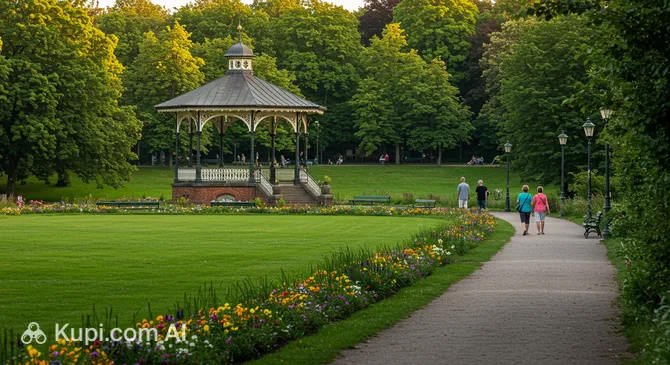
Among the city's green oases, the Botanical Garden of Kiel University stands out. It is a wonderful place for walks, where you can discover a rich collection of plants from around the world, including exotic species in the greenhouses. The garden is interesting for both botany enthusiasts and those simply looking for a quiet place to relax. Another popular spot is Schrevenpark. This spacious city park with a lake attracts locals and tourists alike for picnics, sports, or simply enjoying nature in the heart of the city.

Schrevenpark. Illustration.
Source: Kupi.com AI

Traveler photos:

To learn about Kiel's history and culture, you should visit several key museums. The Kiel Maritime Museum and Museum Bridge is a must for anyone interested in seafaring. The museum's exhibition tells the story of the city's rich maritime past, and historical vessels can be seen at the Museum Bridge. No less fascinating is a visit to the Zoological Museum of Kiel University, which presents a variety of animal kingdom exhibits that will interest both adults and children.

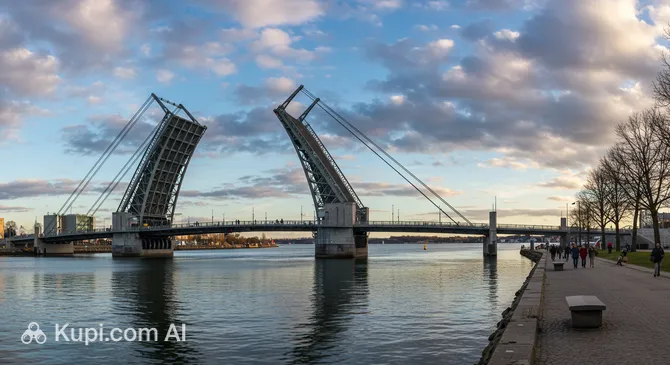
In addition to classic museums, Kiel has other interesting spots. For example, the GEOMAR Aquarium allows a glimpse into the underwater world of the Baltic and North Seas, as well as the chance to see exotic marine life. Architecture lovers should take note of the Hörn Bridge — a modern folding bridge that has become one of the city's symbols. For family outings, small wildlife enclosures such as the Tannenberg Wildlife Enclosure or the Hasseldieksdamm Wildlife Enclosure are ideal for observing local animals.

Hörn Bridge. Illustration.
Source: Kupi.com AI

Traveler photos:

If you are looking for a less touristy but charming place, check out the Old Botanical Garden. This historic garden, founded in the 19th century, has a special atmosphere and offers secluded corners for contemplation and relaxation. It is also worth taking a walk along the Kiel Fjord to fully experience the city's maritime spirit and admire the passing ships.

Old Botanical Garden. Illustration.
Source: Kupi.com AI

Traveler photos:

Getting Around

Public transportation in Kiel is well-developed and offers convenient ways to get around the city and its surroundings. The core of the transport system consists of buses and ferries, which provide access to all city districts and the picturesque corners of the Kiel Fjord.

Buses are the main form of land-based public transport in Kiel. Most routes are operated by the Kieler Verkehrsgesellschaft (KVG). The bus network covers the entire city, including outlying areas, and features high frequency, especially during the day. The buses are modern and comfortable, many of them low-floor, which is convenient for passengers with strollers and people with disabilities.

A special feature of Kiel's transport system is the ferries (Fördefähren) that ply the Kiel Fjord. This is not only a practical way to reach certain areas on the other side of the fjord but also a great opportunity to enjoy a sea trip and views of the city from the water. Ferries are integrated into the general public transport system, and the same tickets used for buses are valid on them.

The fare system in Kiel is part of the Schleswig-Holstein tariff association — SH-Tarif. This means that tickets are valid on all types of public transport within the purchased zone. There are various types of tickets: single (Einzelticket), day (Tageskarte), weekly (Wochenkarte), and monthly passes. Prices depend on the number of tariff zones crossed. Tickets can be purchased at machines at stops, directly from the bus driver (usually only single and day tickets), at KVG service centers, or via the NAH.SH mobile app, which also helps plan routes. Tickets bought from the driver or at a machine on board a ferry usually do not require additional validation. Tickets bought at machines at stops may require validation in special devices when boarding.

Public transport in Kiel runs from early morning until late evening. At night, night buses operate along main routes but with less frequency. It is recommended to check the schedule in advance, especially if planning a trip late at night or on weekends. For planning trips, it is convenient to use the mentioned NAH.SH app or the KVG website.

In addition to public transport, other modes of travel are available in Kiel. Taxis can be found at special stands or called by phone. Bicycle rental is very popular; Kiel is a bike-friendly city with an extensive network of cycle paths. One of the popular bike-sharing systems is SprottenFlotte. Car-sharing services are also available in the city, which can be convenient for longer trips or excursions out of town.

Accommodation

In Kiel, travelers will find a diverse range of accommodation options to suit various preferences and budgets. The city offers a wide spectrum of housing: from cozy budget hostels and guesthouses to comfortable mid-range hotels and more luxurious options. Apartment rentals are also popular, especially for those who prefer more independence and a home-like atmosphere.

When choosing a place to stay in Kiel, it is worth looking at areas located near the city center and main attractions, such as the Kiel Maritime Museum or the Hörn. Areas near the main railway station (Kiel Hauptbahnhof) are convenient for those planning to move actively around the city and its surroundings. Staying near the Kiel Fjord can also offer scenic views and easy access to the waterfront and port zones, such as the Kiel Boat Harbor.

The price range for accommodation in Kiel varies: you can find affordable options for budget-conscious travelers as well as higher-class hotels with a corresponding level of service. It is recommended to book accommodation in advance, especially if your trip coincides with the peak tourist season or major events like the famous Kiel Week (Kieler Woche). For searching and booking, it is convenient to use popular online platforms or contact hotels directly.

Nearby Cities

For those looking to explore the surrounding area, Kiel serves as an excellent starting point for day trips to several interesting nearby locations:

Not far from Kiel are several noteworthy towns perfect for short trips. For instance, Eckernförde, located just 25 km away, attracts tourists with its picturesque beaches and cozy harbor, creating the atmosphere of a true seaside resort. The town of Neumünster, 29 km away, is known not only for its popular designer outlet but also for the Museum of Textiles and Technology, which tells the story of the region's industrial past. In Rendsburg (30 km), travelers can admire impressive engineering feats on the Kiel Canal, including the famous Rendsburg High Bridge.

CityPopulationDistance
Kronshagen11 9213 km
Altenholz10 0247 km
Preetz16 00514 km
Eckernförde21 90225 km
Plön8 94327 km

These and other nearby destinations allow for a deeper acquaintance with the diverse culture, history, and landscapes of the state of Schleswig-Holstein, making a journey from Kiel even more rewarding.

Shopping & Souvenirs

Kiel offers a variety of shopping opportunities, combining large shopping centers with cozy boutiques and traditional markets. While the city is not famous for unique, world-renowned products, you can find high-quality German goods here, as well as maritime-themed products given its port location.

The main shopping destination in Kiel is the pedestrian street Holstenstraße. It is one of the oldest pedestrian zones in Germany, home to many clothing, shoe, and electronics stores, as well as bookstores and department stores. It is also worth visiting Dänische Straße, known for its boutiques and specialty shops offering more exclusive items.

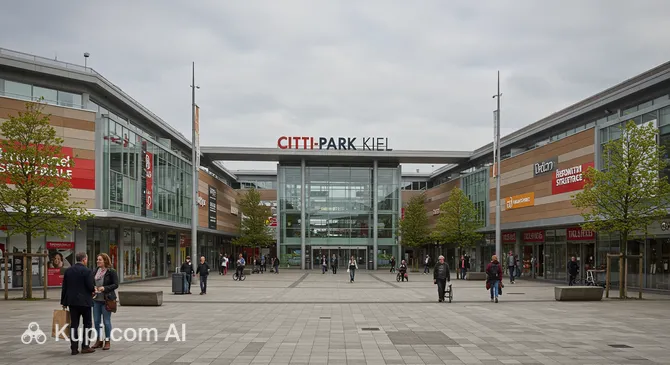
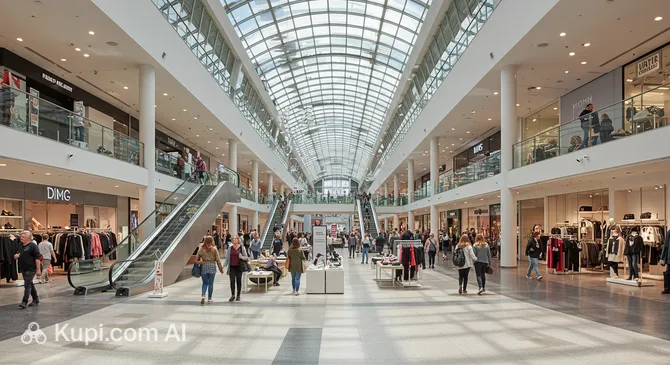
For those who prefer shopping under one roof, there are several shopping centers in Kiel. One of the largest is CITTI-PARK Kiel, offering a wide range of goods — from clothing and cosmetics to food and home items. Another popular option is the Sophienhof Kiel shopping center, located in the city center, where you can also find many shops and cafes.

Citti-Park Kiel. Illustration.
Source: Kupi.com AI

Traveler photos:

Fans of fresh produce and local atmosphere should visit the weekly Wochenmarkt (weekly market) at Exerzierplatz. Here, you can buy fresh vegetables, fruits, cheeses, meat delicacies, flowers, and much more. Occasionally, flea markets (Flohmarkt) are held in the city, where you can find interesting vintage items and antiques.

Sophienhof Kiel. Illustration.
Source: Kupi.com AI

Traveler photos:

As souvenirs from Kiel, tourists often choose items with maritime symbols: ship models, keychains in the shape of anchors or steering wheels, and nautical-style clothing. Local delicacies, such as the famous "Kieler Sprotte" (Kiel sprats) — smoked fish — are also popular. You might also look for amber jewelry, as amber is gathered along the Baltic coast.

Shops in Kiel generally operate from Monday to Saturday, roughly from 10:00 AM to 7:00 PM or 8:00 PM. Large shopping centers may have longer opening hours. On Sundays, most shops are closed, except for some souvenir shops and stores at the train station. Both cash (Euros) and credit cards are accepted. However, in smaller shops or at markets, cash may be preferred.

For tourists from countries outside the European Union, a Value Added Tax (VAT) refund system (Tax Free) is available. To use this, you need to make a purchase of a certain amount in a participating store and fill out a special form. The tax refund can be obtained when leaving Germany or the EU.

Reached the end of the page?

That means the route is fully explored