Support

Holstebro

About

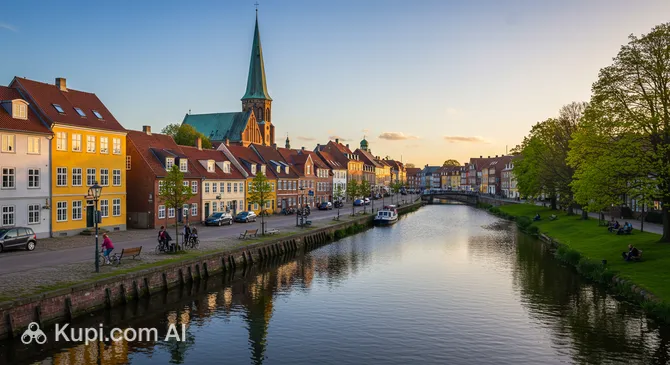
Holstebro is a true cultural hub of West Jutland, where the charm of old streets harmoniously intertwines with modern art. The city is situated on the picturesque banks of the Storå River and is surrounded by green parks that create an atmosphere of peace and tranquility. It is a wonderful destination for those wanting to experience the authentic atmosphere and hospitality for which Denmark is famous.

Holstebro. Illustration.
Source: Kupi.com AI

Despite a relatively small population of about 36,500 people, Holstebro possesses the energy of a large city while remaining compact and walkable. A spirit of creativity reigns here: the streets are adorned with unusual sculptures and open-air installations, turning an ordinary stroll into a fascinating adventure. The rich history of Holstebro is reflected in its architecture, where carefully preserved buildings from past eras sit alongside modern galleries and museums.

Of particular note is the unique blend of urban environment and nature, allowing visitors to alternate between theaters and exhibitions and outdoor relaxation. Travelers will find many pleasant surprises here—from mosaics on the sidewalks to cozy cafes in the center. If you are looking for a destination that combines Scandinavian "hygge," inspiring art, and picturesque landscapes, this city is definitely worth including in your travel itinerary.

Weather Overview

The climate in Holstebro can be characterized as temperate, with mild summers and cool but not freezing winters. The warmest period is July and August, when the average temperature is about 16°C, and daytime temperatures can reach 19–20°C. This is the most comfortable time to explore the city, although you should be prepared for nature's whims: even in the height of summer, there are about 16 rainy days per month.

Winters in the region are quite mild for a northern country. In January and February, average temperatures stay around 3–4°C, and nighttime temperatures rarely drop below 1.5°C. Expect fresh summers and cool winters with frequent precipitation throughout the year. In autumn, especially in October, the number of wet days reaches its peak (up to 18 days), so waterproof clothing will not be superfluous.

Spring arrives gradually: while the average temperature in March is only 4°C, by May the air warms up to 11–15°C. To make your trip as comfortable as possible, we recommend checking the current weather in Holstebro before you depart.

Average monthly temperature

Average monthly precipitation

Interesting Facts

Holstebro is a city that holds far more secrets than it might seem at first glance. Beyond the main tourist routes, there are unique features and cultural phenomena that make a visit truly memorable.

  • Street art as a city symbol. Holstebro can boldly be called an open-air gallery: over 50 diverse sculptures are installed on its streets. The most famous is the bronze "Woman on a Chariot" by Alberto Giacometti. Locals treat the statue with special warmth, affectionately calling her "The Lady" and even decorating her with flowers on festive occasions.

  • The theater mecca of Denmark. The city is home to the world-renowned Odin Teatret. This is one of the oldest and most respected theater laboratories in the country, which regularly hosts unique performances and festivals, bringing together talented artists from all corners of the globe.

  • A paradise for car enthusiasts. In the vicinity of Holstebro lies a real gem for fans of vintage style—the VW & Retro Museum. It houses one of Scandinavia's largest collections of vintage Volkswagen cars and other rare vehicles, allowing you to dive into the nostalgic atmosphere of the 1960s.

  • Natural idyll. The beaches and lakes around the city are famous not only for their picturesqueness but also for their exceptional cleanliness. This is an ideal place for those seeking solitude: it's easy to find quiet corners for peaceful relaxation by the water, away from the bustling crowds.

How to Get There

When planning a trip to this cozy Danish city, it's important to think through your route in advance. Holstebro is located in the western part of Jutland and enjoys good transport accessibility, although there are no direct international flights to the city itself. You can find out more about how to get to Holstebro by studying various transport combinations, but most often tourists choose a flight to one of the nearest major airports followed by a transfer to ground transport.

There is no airport in the city of Holstebro itself, so the main air gateway for travelers is Billund Airport (IATA: BLL), located in the city of Billund. This is the second-largest airport in Denmark, serving many international flights. It is located approximately 76 km from Holstebro. The journey by taxi or rental car takes about 1 hour and 15 minutes, while public transport (bus or train with a transfer) may take a bit longer.

An alternative option is Aalborg Airport (IATA: AAL), located in the city of Aalborg, about 110 km from your destination. This is also a modern international airport, convenient for those arriving from Northern or Eastern Europe. The travel time to Holstebro by car is about 1.5 hours. For domestic flights or flights from the UK, you could also consider Esbjerg Airport, which is 94 km away but serves fewer destinations.

For convenience, here is a summary of the main airports:

AirportPassenger trafficDistance
Billund Airport4.0 mln77 km
Esbjerg Airport47 00094 km
Aalborg Airport1.4 mln111 km
Aarhus Airport542 958124 km
Westerland - Sylt Airport125 745162 km

Rail connections in Denmark are excellent, and the train is often the most comfortable way to travel around the country. Although Holstebro has its own station, for long international trips, tourists often look toward major hub stations in neighboring large cities, from where it's easy to transfer to a regional train.

One of the key transit points is Aarhus H Station in the city of Aarhus. It is about 101 km from Holstebro and is an important hub connecting Jutland with the rest of the country. Regional trains depart regularly from here in a westerly direction. If you are arriving in the capital, your entry point will be Copenhagen Central Station. Even though it is 257 km from Holstebro (in Copenhagen), direct and connecting InterCity trains allow you to reach your destination in comfort while enjoying the views of the Danish countryside.

Below is information about major railway stations that may be useful when planning your route:

StationPassenger trafficDistance
Aarhus H Station6.3 mln101 km
Aalborg Railway Station2.2 mln110 km
Kristiansand Railway Station202 km
Helsingborg Central Station8.8 mln255 km
Copenhagen Central Station36.5 mln258 km

Main Attractions

Holstebro offers travelers a harmonious blend of cultural discoveries, historical heritage, and modern comfort. Walking through the city, you will notice how art is woven into everyday life, and cozy spots for relaxation are adjacent to important urban landmarks. Here are several locations that will help you get to know this Danish city better.

One of the main cultural gems is the Holstebro Art Museum (Holstebro Kunstmuseum). This is a must-visit for all lovers of beauty: it houses an impressive collection of Danish modernism, as well as unique exhibits of African and Asian art. The museum is known for its unusual approach to exhibition, where ancient artifacts engage in a dialogue with modern works, creating fascinating thematic parallels.

For those who want to combine a walk with some shopping, the Nørreport Shopping Center is a major draw. This popular spot is located in the heart of the city, at the start of the pedestrian street, and is an excellent point for getting a feel for the rhythm of local life. Here you can find many stores—from fashion boutiques to home goods—and simply enjoy a pleasant time sheltered from the changeable Danish weather.

Nørreport Centre. Illustration.
Source: Kupi.com AI

Traveler photos:

History buffs should visit the Holstebro Museum, which tells the story of the region's rich past. The exhibits cover a vast period, from the Stone Age to the present day, with a special focus on the Viking Age and the development of crafts in West Jutland. It’s a great opportunity to learn how people lived in these parts centuries ago and how the modern face of the city was formed.

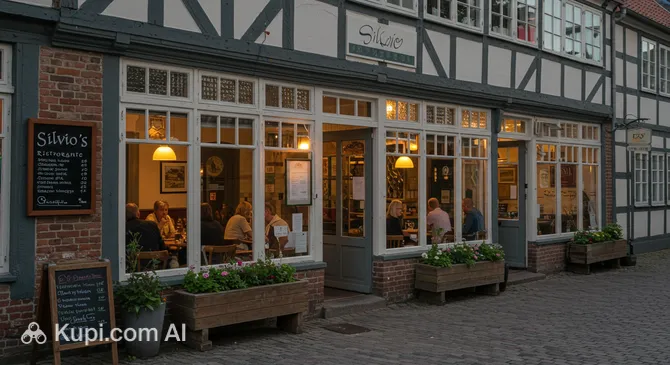
After a full day of excursions and impressions, it's nice to relax in a cozy setting. Locals and tourists often choose Restaurant Silvio, known for its welcoming atmosphere. This establishment offers a great chance to enjoy a delicious dinner, discuss the day's sights, and experience the gastronomic flavor of a city that knows how to surprise not only with art but also with its cuisine.

Silvio's Ristorante. Illustration.
Source: Kupi.com AI

Traveler photos:

Local Cuisine

The gastronomic scene in Holstebro is a fascinating mix of classic Danish traditions and modern culinary experiments. Thanks to its proximity to the water and the region's developed agriculture, local chefs focus on exceptional product freshness. On the menus, you will always find fish and seafood caught in nearby waters, as well as dishes made from seasonal vegetables and high-quality meat from local farms.

The main symbol of local cuisine that every tourist must try is smørrebrød. This is the famous Danish open-faced sandwich on dense rye bread, which is turned into a true work of art here. Toppings vary from pickled herring and smoked fish to meat pâtés with fresh vegetables and herbs. For a more substantial meal, especially in cool weather, a hearty stew with beef, potatoes, and carrots is a perfect choice—a filling dish that warms you up and gives a sense of home comfort.

Sweet-toothed visitors will remember Holstebro for the aroma of fresh pastries. Be sure to order warm cinnamon and cardamom buns or traditional Danish waffles for breakfast or an afternoon snack. These desserts pair perfectly with coffee, which people here drink in large quantities. The city's coffee shops are the embodiment of the "hygge" concept: a cozy atmosphere, soft lighting, and the scent of freshly brewed beans create ideal conditions for relaxation.

As for drinks, besides coffee, Danes highly value good beer. In the city's bars and restaurants, you can find products from famous global brands as well as interesting varieties from local microbreweries. Among stronger alcohols, the traditional choice is aquavit (or schnapps), often served with herring and meat dishes during festive meals.

The food culture in Holstebro goes beyond conventional restaurants. Locals love visiting farmers' markets, where you can buy fresh cheeses, homemade sausages, and seasonal berries for a picnic in one of the city's parks. Additionally, the city regularly hosts gastronomic festivals, allowing you to discover new flavors and signature dishes from the region's leading chefs.

Travel Tips

A trip to Holstebro promises to be peaceful and inspiring, but a little preparation will make it even more pleasant and comfortable. We have gathered a list of practical recommendations to help you feel confident in this cozy Danish city and avoid typical tourist mistakes.

  1. Dress for the weather. The climate in West Jutland is changeable and windy. The best wardrobe principle here is layering. Even in summer, be sure to bring a waterproof windbreaker and comfortable flat-soled shoes for walking on cobblestones. An umbrella may not save you from strong winds, so a high-quality raincoat will be more practical.
  2. Getting around the city. Holstebro is a compact city, and its center is best explored on foot. If you want to feel like a local, rent a bike—the infrastructure for this is perfect. Taxis are quite expensive, so for longer trips, it's better to use buses; schedules and routes are easy to check in the Rejseplanen app.
  3. Money and payment. The official currency is the Danish Krone (DKK). Denmark is a country where cashless payment is developed everywhere. Visa and Mastercard are accepted almost everywhere: from museums to street kiosks. A small amount of cash might be useful only for minor expenses, but there's no need to exchange large sums specifically. Tips are usually included in the bill, but rounding up the amount is appreciated.
  4. Health and safety. Holstebro is a very safe city where you can walk peacefully even in the evening. Pharmacies (Apotek) operate according to standard shop hours; there are few 24-hour locations, so it's better to have essential medications with you. Tap water is clean and drinkable; there is no need to buy bottled water.
  5. Communication and language. Most locals speak excellent English, so you won't encounter a language barrier. However, Danes will appreciate it if you learn a few words, such as Tak (thank you) or Hej (hello). Free Wi-Fi is available in many cafes, hotels, and the city library.
  6. Local etiquette. Danes value restraint and following rules. It is not common to speak loudly in public places. Pay special attention to queues: always observe the order at a bakery or a bus stop; trying to skip ahead will be perceived very negatively. It is customary to greet staff when entering small shops.
  7. What to avoid. The main rule of safety and etiquette: never walk on the bike lanes! In Denmark, cyclists have priority and move fast; stepping onto their lane is not only dangerous but also considered disrespectful. Also, avoid photographing locals and their children without explicit permission.
  8. Shop opening hours. Keep in mind that life in the city quietens down quite early. Most shops close at 17:30–18:00 on weekdays and around 14:00–15:00 on Saturdays. On Sundays, many retail outlets, except for large supermarkets, may be closed, so plan your shopping in advance.

We hope these tips help you relax and fully immerse yourself in the atmosphere of art and Scandinavian coziness that Holstebro is so proud of. May your acquaintance with the city leave only warm memories!

Entertainment & Nightlife

Nightlife in Holstebro, despite the city's size, has a special charm and variety. As dusk falls, the city center is transformed: the lights come on, and the main pedestrian artery—Østergade street—fills with the sounds of music and lively conversation. A Scandinavian cozy atmosphere prevails here, where everyone can find entertainment to their taste, whether it's a quiet evening with a glass of wine or dancing until dawn.

An ideal start to the evening would be dinner at one of the local establishments. The city's gastronomic map offers various options, but Restaurant Silvio is particularly popular. Thanks to its location and warm atmosphere, it often becomes the starting point for night adventures: it's a convenient place to meet friends, enjoy Italian cuisine, and get into the right mood before heading to the theater or a bar.

The cultural heart of Holstebro's evening scene is rightfully considered the Holstebro Music Theatre (Musikteatret Holstebro). This is one of the most significant stages in the region, regularly hosting large-scale musicals, classical and modern music concerts, as well as stand-up shows. If you prefer intellectual leisure, be sure to check the theater's schedule in advance—tickets for popular productions sell out quickly.

For those looking for more dynamic recreation, nightclubs and pubs open their doors. Popular spots like Tobaks Fabrikken or East End offer excellent cocktails and dance floors with DJs or cover bands. The crowd here is always friendly, and the musical repertoire ranges from 80s hits to modern charts.

A major landmark for evening walks is the Nørreport Shopping Center. Although the stores close in the evening, the area around the center remains a lively meeting spot. It's a convenient starting point for a bar crawl or just a stroll through the illuminated streets, enjoying the night city's architecture.

Useful information for planning your evening:

  • Opening hours: The peak of nightlife is on Friday and Saturday, when bars and clubs are open until 02:00–05:00. From Sunday to Thursday, the city goes to sleep earlier, and most establishments close around midnight.
  • Dress code: A relaxed approach to clothing is common in Holstebro. A smart-casual style will be appropriate almost everywhere, from the theater to a nightclub. Strict evening dress codes are rarely required.
  • Safety: The city center is well-lit and safe for walking at any time of day. However, keep in mind that night buses run infrequently. If your hotel is located on the outskirts, we recommend saving the number of a local taxi service or installing a ride-hailing app in advance.

Parks & Museums

Holstebro is a city where nature and art exist in an inseparable dialogue. For tourists, this means the opportunity to alternate intellectual leisure in galleries with relaxing strolls through picturesque green zones. The urban space is designed so that parks flow seamlessly into streets adorned with sculptures, creating a sense of a unified cultural landscape.

Among the city's green areas, the Lystanlægget park is a real gem. This is the oldest park in Holstebro, established back in the 19th century, and it serves as a favorite recreation spot for locals. Here you will find well-kept alleys, shady trees, and picturesque ponds where ducks swim. In the center of the park is a pavilion where open-air concerts are often held in the summer. It's an ideal place for a picnic or quiet reading away from the city bustle.

For those who prefer a more wild nature, Vestre Plantage is an excellent choice. This is a vast forest park area on the western outskirts of the city, offering many routes for walking, running, and mountain biking. Here you can enjoy the silence of the forest, breathe fresh air, and see historical burial mounds hidden among the trees. Also worth mentioning is the Storå riverfront, which, winding through the entire city, forms a natural green corridor perfect for morning runs or evening promenades.

The cultural life of the city centers around its unique museums. The most prominent is undoubtedly the Holstebro Art Museum (Holstebro Kunstmuseum). It is interesting not only for its collection but also for its concept: modern Danish artworks are exhibited alongside ethnic artifacts from Africa, Asia, and South America. This approach reveals surprising parallels between cultures and eras. The architecture of the building itself is also noteworthy, combining modern forms with classical elements.

To immerse yourself in the region's past, visit the Holstebro Museum. The exhibition covers a huge time span—from ancient times and the Viking Age to 20th-century events. Of particular interest is the exhibition dedicated to the development of crafts and industry in West Jutland, as well as the history of the resistance during World War II. The museum actively uses multimedia technologies, making history vivid and accessible for visitors of all ages.

Speaking of architecture and history, one cannot overlook Holstebro's unique urban environment. The city center is essentially an open-air gallery where red-brick historical buildings stand alongside modern installations. The symbol of this union is the "Woman on a Chariot" sculpture by Alberto Giacometti, placed in front of the Old Town Hall. This piece of art became so important to the townspeople that a special underground elevator was created for it, sheltering the statue at night.

Insider Tip: If you have time, head to Lake Vandkraftsøen, located very close to the city. This artificial lake, created during the construction of a hydroelectric power plant, is now a beautiful nature reserve. A walk around it takes about an hour and a half and offers magnificent views, especially at sunset when the water is tinged with golden hues.

Getting Around

The public transport system in Holstebro is organized practically and conveniently, although it differs from large metropolises. There are no metros, trams, or trolleybuses in the city. The main mode of transport for locals and tourists is the bus, along with trains for trips to the suburbs and neighboring regions. City bus routes cover all key areas, shopping centers, and residential neighborhoods, converging at a single hub at the railway and bus station (Holstebro Station).

The bus network is divided into city (usually yellow) and regional (blue) routes. Intervals on weekdays are about 30–60 minutes; however, transport runs less frequently in the evenings and on weekends. It is important to remember that night buses are very rare, so if you plan a late dinner or a club visit, you should think about your route back to the hotel in advance. All schedules are strictly observed, and buses arrive precisely on time.

The fare payment system in Denmark, and Holstebro in particular, is based on zones. The more zones you cross, the more expensive the ticket. The most popular payment method for locals is the Rejsekort card, but for a short-term visit, it may not be cost-effective for tourists due to the high cost of the card itself (about 80 DKK). It is much more convenient to use single tickets or special mobile apps like Rejsebillet or DSB App. The cost of a single trip within the city for an adult starts at approximately 24 DKK.

If you decide to buy a ticket directly from the bus driver, keep one important rule in mind: only cash is accepted, and drivers often require the exact amount in coins and do not accept large banknotes. Bank cards are usually not accepted on the bus. Therefore, electronic tickets in the app are the most reliable and stress-free option for a traveler. When purchased online, the ticket is activated immediately or at a selected time; you don't need to validate it further, just show the phone screen to the driver or inspector.

For route planning, it is highly recommended to download the Rejseplanen app. It is the main public transport navigator in the country, showing the optimal route, departure time, number of zones, and ticket price in real-time. The app combines data for both buses and trains, allowing you to build complex routes with transfers without the risk of being late.

An excellent alternative to buses is the bicycle. Holstebro, like all of Denmark, is a city of cyclists. It is equipped with wide bike lanes, and the terrain is fairly flat, making rides comfortable even for beginners. Bike rentals can be found at hotels or in specialized shops. This provides complete freedom of movement and allows you to reach natural attractions on the outskirts faster than on foot.

Taxis in the city are comfortable but quite expensive. "Hailing" a car on the street is not common: taxis are ordered by phone or through apps (e.g., Dantaxi). If you have rented a car, pay attention to parking rules: in many places in the center, it is time-limited. You will definitely need a parking disc (P-skive)—a clock placed under the windshield to record the arrival time. These can be bought at gas stations or supermarkets.

Accommodation

The choice of accommodation in Holstebro, while not matching the scale of a capital city, is capable of meeting the needs of a wide variety of travelers. The city's hotel sector is focused on creating a cozy, almost home-like atmosphere, perfectly reflecting the Danish concept of "hygge." Here you can find classic mid-range hotels offering a high level of service, as well as more budget-friendly options—from small family-run Bed & Breakfasts to well-equipped campsites on the outskirts, which are especially popular during the summer season.

When choosing a place to stay, most tourists prefer the city center. By staying in the pedestrian zone area, you will be within walking distance of the main cultural sites, sculptures, and restaurants. This is the most convenient option for those traveling without a car who want to be in the heart of the action. If you are looking for peace and communion with nature, consider accommodation near the Storå River or in the green zones on the outskirts of the city. These areas often feature cozy guesthouses and cottages, ideal for a quiet getaway.

Regarding trip planning, it's important to consider seasonality. Summer in Denmark is the peak of tourist activity, and Holstebro is no exception. In July and August, as well as during major cultural festivals, the demand for accommodation increases sharply. To guarantee comfortable accommodation at a reasonable price, it is highly recommended to book your room 2–3 months before your intended visit.

The price range in Holstebro corresponds to the general price level in the country: there are few truly budget options, but the quality of service is consistently high.

  • Budget segment: Mainly represented by hostels and campsites (in summer), where you can rent a cabin or a tent pitch.
  • Mid-range: Most city hotels (3–4 stars), offering breakfast and modern comforts.
  • Luxury: There are no large five-star chain resorts in the city, but the best rooms in central hotels will provide a premium level of relaxation.
Booking is most convenient through popular international online platforms, but many local hotels also welcome direct booking through their websites, sometimes offering special seasonal packages.

Nearby Cities

For those looking to explore the surrounding area, Holstebro serves as an excellent starting point for day trips to several interesting nearby locations. Its convenient location in Central Jutland allows for quick travel to cities with a unique atmosphere. For example, Herning is known as a center for modern art and the textile industry, where you can visit the HEART museum. History lovers will be interested in Viborg—one of the country's oldest cities with a majestic cathedral and medieval streets. And for those who prefer outdoor recreation, it's worth heading to Silkeborg, famous for its picturesque lakes and hilly landscapes.

CityPopulationDistance
Struer10 37514 km
Herning50 56533 km
Skive20 68334 km
Karup2 86134 km
Ringkøbing9 98538 km

These nearby destinations provide insight into the diverse culture and landscapes of the region, complementing your journey with bright new impressions.

Shopping & Souvenirs

Shopping in Holstebro is not just a trip to the stores, but a real cultural event, as this city has been repeatedly recognized as the best shopping city in Denmark. A unique atmosphere reigns here, where modern boutiques sit alongside open-air works of art. The compact car-free city center allows for comfortable movement between retail outlets while enjoying the architecture and cozy cafes. The range of products varies from well-known international brands to local artisan goods, making shopping interesting for tourists with any preference.

The heart of commercial life is the famous pedestrian street (Gågaden), which is considered one of the oldest in the country. It connects the streets of Nørregade and Østergade, creating a continuous promenade filled with window displays. Strolling here, you will find many shops for clothing, footwear, jewelry, and home goods. A distinctive feature of this area is the abundance of sculptures and fountains, which turn an ordinary shopping trip into a tour of a modern art gallery.

If the weather is not conducive to outdoor walks, it's worth checking out the indoor shopping arcades. The main point of attraction is the Nørreport Shopping Center, located in the northern part of the pedestrian zone. This is a modern complex where more than 25 stores are gathered under one roof, offering everything from fashion and electronics to books and cosmetics. The center features a bright and spacious interior, as well as cafes where you can take a break between purchases.

For those seeking authentic local products and flair, the city markets are of interest. On Wednesdays and Saturdays, trade in fresh farm products often unfolds in central squares like Kirkepladsen. Here you can buy seasonal vegetables, fruits, homemade cheeses, honey, and fresh pastries. During the summer, flea markets are also popular, where you can find unique souvenirs with a history among vintage items and antiques.

As memorable gifts from Holstebro, tourists often bring back items of famous Danish design: stylish interior items, ceramics, or textiles, which are renowned for their minimalism and quality. It's also worth looking at amber jewelry, popular in West Jutland, and gastronomic souvenirs—local chocolate, licorice candies, or a bottle of Danish aquavit.

Most shops in the city operate from Monday to Thursday from 10:00 to 17:30, and on Friday until 18:00. On Saturday, trading usually ends earlier, around 14:00 or 15:00. Sunday in Denmark is generally a day off for most boutiques, although large supermarkets may be open. Card payments (Visa, Mastercard) are accepted everywhere, even in small kiosks, so cash is practically unnecessary.

Tourists residing permanently outside the European Union can take advantage of the Tax-Free system. If the purchase amount in one store exceeds the set minimum (usually 300 DKK), you are entitled to a VAT refund when leaving the country. Don't forget to ask for a special receipt and tax-free form at the checkout, and keep your passport with you while shopping.

Reached the end of the page?

That means the route is fully explored