Support

Larissa

About

Larissa is the vibrant heart of Thessaly and one of the oldest cities in the region, nestled comfortably in the fertile valley of the Pinios River. It is a place where a legendary past intertwines with a dynamic present, creating a unique atmosphere for travelers. When visiting Greece, many tourists choose Larissa as an ideal starting point for exploring the central part of the country, as the city sits at the foot of the famous Mount Olympus and Mount Ossa.

Larissa. Illustration.
Source: Kupi.com AI

Despite its modern appearance and a population of about 145,000, the city carefully preserves the memory of centuries past. The fascinating history of Larissa can be traced through its majestic ruins: here, you can see ancient theaters and Byzantine monuments neighboring lively shopping streets, trendy boutiques, and cozy cafes. A special charm is added to the city by the picturesque Alcazar Park, stretching along the river—a favorite spot for leisurely strolls and picnics.

Larissa is famous for its hospitality and strategic location. Just 10 kilometers away are the sandy beaches of Agiokampos and Velika, and the city itself serves as a convenient starting point for a trip to the suspended monasteries of Meteora. If you want to experience authentic Hellenic culture without the hustle of overcrowded metropolises and enjoy delicious local cuisine, this sunny and welcoming city is definitely worth including in your itinerary.

Weather Overview

Larissa's climate is typical for the inland regions of Thessaly: there is a distinct change of seasons, allowing tourists to choose their travel time based on their preferences. Summer in the city is truly hot and sunny. The highest temperatures are recorded in July and August, when the thermometer rises to an average of 32.7°C, and the number of rainy days is minimal (about 5–6 days per month).

Winter, conversely, brings a noticeable chill. The coldest month is January, with an average minimum around 1.5°C and daytime temperatures around 6°C. Expect a hot, dry summer and a rather cool winter, which accounts for the peak of wet days (up to 11 days per month). Spring and autumn are the "golden mean": in May and September, the air warms up to a comfortable 18–22°C, creating ideal conditions for long walks.

When planning your trip, consider these features to pack your wardrobe correctly. More detailed weather in Larissa will help you precisely decide on your visit dates, whether it's the beach season or a time for comfortable sightseeing of ancient ruins without the summer heat.

Average monthly temperature

Average monthly precipitation

Interesting Facts

Beyond its main attractions, Larissa holds many fascinating secrets and surprising stories that make getting to know the city even more exciting. Here are a few facts that will help you look at the capital of Thessaly from a new perspective:

  • Connection with the Father of Medicine. According to historical data, it was here that the famous ancient Greek physician Hippocrates spent the last years of his life and passed away. For a long time, his burial site was lost, but in the 19th century, after the Pinios River flooded, a tombstone was discovered confirming this fact. Legend has it that bees lived on Hippocrates' grave, and their honey possessed healing properties.

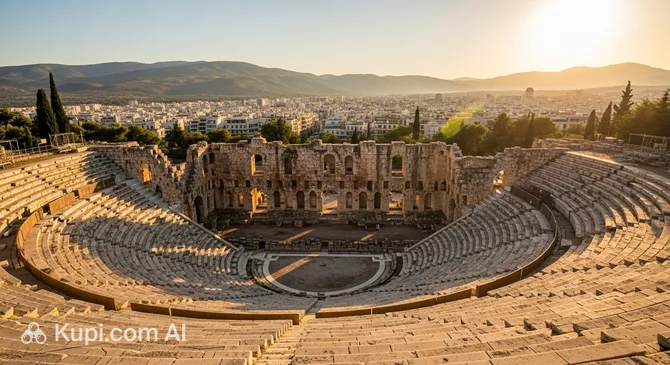
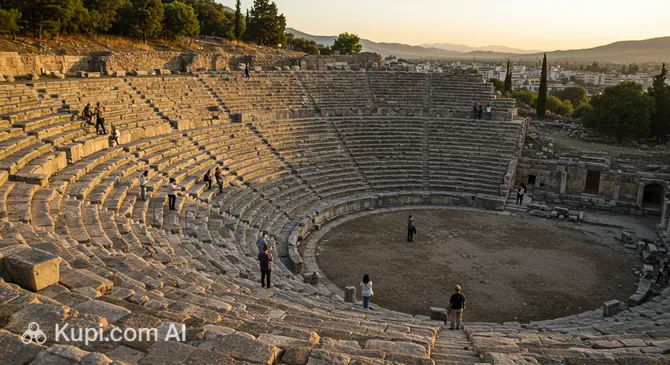
  • A Theater in the Heart of the City. The majestic Ancient Theater of Larissa, built in the 3rd century BC, is unique in its location. Unlike many ancient structures located on the outskirts, it is situated in the very center of the modern city. For a long time, the theater was hidden under residential buildings and shops, and its large-scale excavations allowed the monument to be returned to the urban environment.

  • The City of Eternal Youth. Despite its venerable age (over 4,000 years!), Larissa is considered one of the "youngest" cities in Greece. Statistics show that almost half of the local population is under the age of 35. This creates an incredibly energetic atmosphere: there are a huge number of trendy coffee shops, universities, and art spaces.

  • Cultural Wealth. Larissa rightfully prides itself on its museums, which preserve a legacy of millennia. For example, the Diachronic Museum of Larissa presents exhibits from the Paleolithic era to the late Byzantine period, clearly demonstrating the continuity of life in this region over the centuries.

Ancient Theatre of Larissa. Illustration.
Source: Kupi.com AI

Traveler photos:

How to Get There

Larissa is an important transport hub for Thessaly, so it can be reached in various ways. If you are planning a trip and want to know all the route details, we recommend studying more about how to get to Larissa, where all available options are collected.

Larissa itself does not have its own airport, so most tourists fly into neighboring large cities. The most popular option is Thessaloniki International Airport (IATA: SKG). It is located in the city of Thessaloniki, about 108 km from Larissa. This is a major air hub receiving flights from all over the world. The journey from there by taxi or bus will take about 3 hours.

Another convenient option, especially during the summer season, is Nea Anchialos Airport (IATA: VOL). It is located in Volos, just 56.7 km from Larissa. This is the closest airport to the city, serving charter and domestic flights. The journey from here to the center of Larissa takes approximately 1 hour and 45 minutes.

For clarity, here is a summary of the main airports:

AirportPassenger trafficDistance
Nea Anchialos120 00057 km
Skiathos Airport552 844107 km
Thessaloniki International Airport7.0 mln109 km
Aristoteles Airport4 301132 km
Ioannina Airport134 011137 km

Rail travel in Greece can also be part of your itinerary. Travelers often use Thessaloniki Railway Station as a major transfer point. Note that this station is not in Larissa but in the city of Thessaloniki, at a distance of about 120 km. From there, you can continue your journey inland by train or bus, which takes about 3 hours.

Below is information about the nearest major railway station:

StationPassenger trafficDistance
Thessaloniki Railway Station120 km

Main Attractions

Larissa offers travelers a harmonious blend of ancient heritage, fine art, and cozy relaxation areas. Walking through the city, you can move between eras, discovering both ancient monuments and modern cultural spaces.

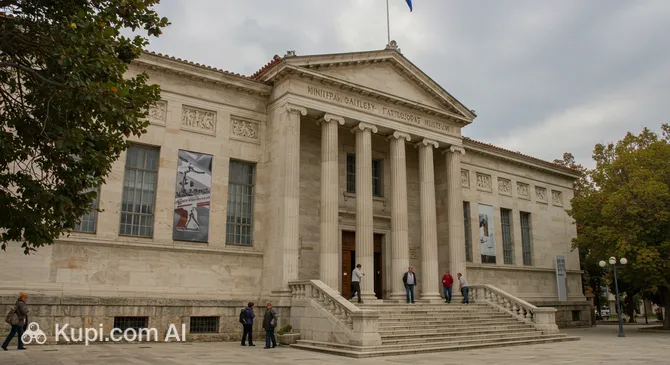
One of the city's main cultural gems is the Municipal Art Gallery of Larissa – G.I. Katsigras Museum. This venue is considered one of the most important regional museums in Greece. Its halls present a rich collection of 19th and 20th-century paintings, as well as unique engravings. Tourists will find it interesting to see not only the paintings but also the historical furniture that belonged to the famous archaeologist Heinrich Schliemann. The museum attracts visitors with its atmosphere and the depth of its exposition, allowing for a better understanding of Greek art.

Municipal Art Gallery of Larissa – G.I. Katsigras Museum. Illustration.
Source: Kupi.com AI

Traveler photos:

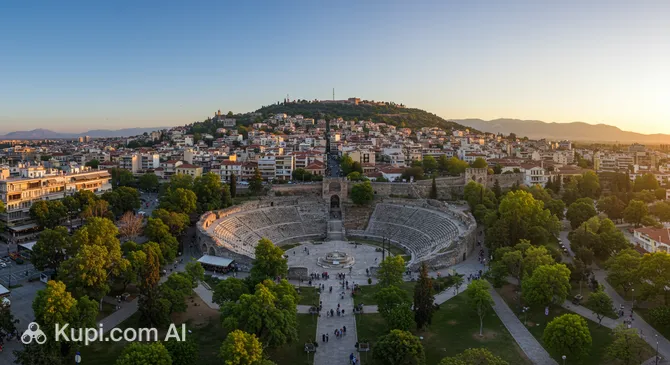
For those who want to touch the distant past, the Ancient Ruins of Larissa are a must-see. In addition to the famous theater, the city preserves traces of Byzantine basilicas, Ottoman monuments, and fragments of ancient fortifications. A walk here feels like a journey through time: the ruins are located in close proximity to modern buildings, creating a unique contrast and serving as a reminder of the multi-century history of this place, which has always been an important center of Thessaly.

If you are looking for a place for relaxed leisure or are traveling with children, stop by the Park of Wishes. Located in the picturesque area of Alcazar Park, this site is especially transformed during the winter season, becoming a hub for festive celebrations and entertainment. However, at other times of the year, it remains a great space for outdoor walks, where you can take a break from the city bustle and enjoy nature within the city limits.

Local Cuisine

Larissa is a true paradise for gourmets, where the ancient culinary traditions of Thessaly meet modern gastronomic trends. As the center of a fertile agricultural region, the city is famous for the quality of its products. The main pride of the local cuisine is meat dishes. Be sure to try juicy lamb on the spit, pork stewed with aromatic herbs, and the famous local "loukaniko" sausages, which are served here with spicy sauces.

Cheeses hold a special place on the table. The region produces excellent feta and delicate manouri cheese, the taste of which is strikingly different from what is sold in supermarkets outside of Greece. Pastry lovers should order the traditional layered "spanakopita" pie with spinach and cheese—the perfect option for a hearty breakfast or snack.

Dining culture in Larissa is inextricably linked to the ritual of consuming tsipouro—a strong grape distillate. Locals rarely drink it alone: the drink is always accompanied by meze—small plates of snacks ranging from olives and cheeses to seafood and vegetable salads. To immerse yourself in this atmosphere, visit authentic taverns or modern restaurants like Akamatra, where traditions are respected and an excellent choice of dishes is offered.

The city's gastronomic scene is very diverse: from classic taverns to trendy gastrobars. If you are looking for a place with a modern concept and excellent cuisine, stop by Bukowski Eatery & Drink. For those who want to enjoy coffee or an evening cocktail in a stylish setting, the bar Wisedog, popular among the local youth, is an excellent choice.

Street food also cannot be ignored. Walking through the center, you will smell the aroma of freshly baked bread, gyros, and souvlaki being prepared right in front of you. And if you want to take a piece of Larissa's flavor with you, head to the farmers' markets for fresh honey, nuts, and high-quality olive oil.

Travel Tips

Welcome to Larissa! To ensure your introduction to the capital of Thessaly is easy and carefree, we have gathered the most important recommendations for you. This city combines the rhythm of a modern metropolis with the coziness of the Greek province, and knowing the local nuances will help you feel right at home here.

  1. Clothing and Seasonality. The climate here is contrasting: summers are hot and dry, so light clothing made of natural fabrics, sunglasses, and a hat are mandatory. In winter, on the other hand, it can be quite cool and damp—a waterproof jacket and comfortable warm shoes will come in handy. If you plan to visit active churches or monasteries in the area, remember the dress code: shoulders and knees must be covered.

  2. Transport. Larissa's historical center is compact, and many streets have been turned into pedestrian zones, so it is best to get around on foot. For trips to more distant areas, it is convenient to use city buses (tickets are sold in kiosks) or taxis, which can be hailed on the street or called via apps. Renting a car makes sense if you plan to travel outside the city—to Mount Olympus or the beaches.

  3. Finances. The official currency is the Euro. In most shops, taverns, and cafes, bank cards are accepted without issues. However, it is worth having some cash (5, 10, 20 euro bills) for payments at markets, in "periptero" kiosks, or for tipping. In restaurants, it is customary to leave a tip of about 5–10% of the bill or simply round up the amount if you enjoyed the service.

  4. Health and Safety. Larissa is a quiet and safe city. Pharmacies are marked with a green cross; if the nearest one is closed, a list of on-call 24-hour pharmacies in the area is always posted on the door. Tap water is drinkable, but tourists often prefer bottled water due to a specific taste. The emergency services number is 112.

  5. Communication and Connectivity. Locals, especially the youth and students (of which there are many here), speak English well. Wi-Fi is available in almost every cafe. For constant connectivity, it is convenient to buy a local SIM card (Vodafone, Cosmote, Nova) at mobile stores using your passport. Learn a couple of phrases in Greek: "Kalimera" (good morning) and "Efharisto" (thank you)—this will instantly melt the ice in communication.

  6. Local Etiquette. Larissa has a cult of leisurely communication. Greetings are often accompanied by a handshake, and among acquaintances, kisses on both cheeks. Don't be surprised if your order in a cafe takes a little longer than usual: it's common here to enjoy the moment rather than rush. This is part of the "siga-siga" (slowly-slowly) philosophy.

  7. What to Avoid. Try not to plan shopping during siesta hours (roughly 2:30 PM to 5:30 PM) on Tuesdays, Thursdays, and Fridays—many private shops close for a daytime rest. Also, avoid harsh criticism of local traditions or comparing Greece with neighboring countries in a negative light—Greeks are very patriotic.

  8. The Coffee Capital. Larissa is known for its incredible concentration of coffee shops per capita. We advise not to just grab a coffee "to go," but to sit at a table in one of the squares and order a cold freddo espresso or freddo cappuccino. This is the main local ritual that allows you to feel the true pulse of the city.

Larissa is a city that reveals itself to those ready to slow down and enjoy the moment. By following these simple tips, you can avoid minor troubles and focus on the main things—great cuisine, ancient history, and the warm hospitality of Thessaly.

Entertainment & Nightlife

Larissa is known in Greece as the "coffee capital" due to its incredible number of cafes per capita, but as the sun sets, the city transforms into a hub of vibrant and dynamic nightlife. Thanks to a large university and a high student population, the fun never stops year-round, and evenings often seamlessly flow into the morning. Most of the action is concentrated in the city center, which is almost entirely pedestrianized, making bar-hopping a very convenient and pleasant activity.

The heart of the nightlife is the Frourio (Fortress) Hill area and its adjacent pedestrian streets. Here, in the shade of trees and among historical buildings, dozens of establishments cater to every taste: from relaxed lounges to noisy clubs. The atmosphere in the city is democratic and friendly. The dress code in most places is smart casual, although locals do like to dress up when visiting larger nightclubs.

If you want to dive into the epicenter of musical events, you should visit BigTime Hub. This is a popular spot that frequently hosts concerts and themed parties, drawing the city's youth. Those who prefer a more intimate setting and high-quality drinks will enjoy Red Button Bar—a venue with character, perfect for an evening cocktail with friends. Another great location to start the evening is Vesta bar, famous for its hospitality and stylish interior.

A specific layer of Greek night culture is the "bouzoukia"—venues with live national music where the fun reaches its peak, with guests dancing on tables and showering musicians with flowers. Such places usually operate on Fridays and Saturdays. For more conventional relaxation, choose the bars on Filellinon Street. Prices in Larissa are lower than in Athens or on the islands: the average cost of a cocktail is 7–9 euros, and a beer is 4–6 euros.

Regarding practical tips, remember that Greeks go out late. Bars start filling up closer to 10:00 PM – 11:00 PM, and clubs only come to life after midnight. The city is very safe for night walks, and the center is well-lit. If you stay out late, getting back to your hotel is easy: taxis can be found at designated stands (for example, on Central Square) or called by phone. Public transport runs rarely at night, so a taxi is the most reliable option.

During the day, Larissa's entertainment program is calmer but no less interesting. The city offers a rich cultural life: the famous "Thessalian Theater" operates here, staging both classic and modern plays. You can also visit cinemas, many of which show films in their original language with subtitles, or spend time in large shopping centers and colorful local markets.

Parks & Museums

Larissa offers its guests not only lively streets but also magnificent opportunities for cultural enrichment and peaceful relaxation in nature. The city harmoniously combines well-maintained green oases with exhibition halls that carefully preserve the memory of Thessaly's rich past and showcase contemporary art.

Among the green zones, the undisputed leader is Alcazar Park. These are the "lungs" of the city, located along the picturesque banks of the Pinios River. The park is famous for its shady alleys, fountains, and open-air theater. It is an ideal spot for a morning jog or a leisurely evening stroll. Within this extensive green area is the Park of Wishes—a unique themed space. Although it gains the most popularity during the winter holidays, its infrastructure and fairytale atmosphere attract families and tourists year-round.

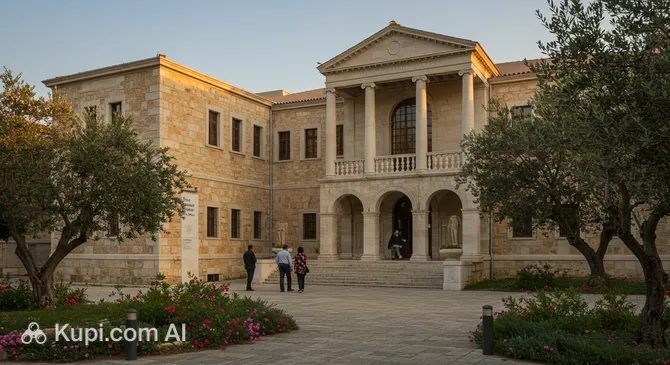
For a deep dive into the region's history, the key location is the Diachronic Museum of Larissa, located on Mezourlo Hill. Unlike traditional archaeological museums, it offers visitors a cohesive narrative of the development of civilization in Thessaly. The exposition covers a vast timeframe—from the Paleolithic era to the end of Ottoman rule, allowing you to trace how the lifestyle and culture of local residents changed over millennia.

Diachronic Museum of Larissa. Illustration.
Source: Kupi.com AI

Traveler photos:

Fine art lovers should pay attention to the Municipal Art Gallery of Larissa – G.I. Katsigras Museum. This institution is considered one of the most important of its kind in Greece. The core of the collection is the assembly of physician and benefactor Georgios Katsigras, which includes masterpieces of Greek painting from the 19th and 20th centuries. In addition to the permanent exhibition, it regularly hosts temporary modern art exhibitions, lectures, and workshops.

Another interesting cultural site is the Pappas Mill. This is a magnificent example of industrial architecture converted into a living cultural center. Today, the walls of the former flour mill house museums (such as the Bread Museum), workshops, and exhibition halls. A visit to this place allows you to see another, industrial facet of Larissa's history that often remains behind the scenes.

Insider Tip: For those seeking solitude, we recommend walking across the pedestrian bridges over the Pinios River in the Alcazar Park area. Here, away from the noise of the central squares, you can find cozy benches with a view of the water—the perfect place to read a book or simply enjoy the silence in the heart of the city.

Getting Around

Getting around Larissa is easy and pleasant: the city is located on a plain, and its historical center is compact enough for walking. Nevertheless, there is a well-functioning public transport system that connects central areas with the outskirts, the railway station, the university campus, and hospitals.

The main form of public transport is the city buses (Astiko KTEL). You can recognize them by their blue color. The route network covers almost the entire city, and intervals on the main lines range from 10 to 20 minutes on weekdays. Electronic boards are often placed at bus stops, showing the arrival time of the next bus, which is very convenient for route planning.

Fare payment is done using single-trip tickets. It is important for tourists to remember the main rule: it is more profitable to buy tickets in advance. You can purchase them at street kiosks (the famous Greek "periptero"), at the bus company's special ticket offices, or at machines at central stops. The cost of a standard trip is about 1.20 euros (prices may change slightly). Buying a ticket from the driver is possible but will cost more. Be sure to validate your ticket in the special machine immediately upon entering to avoid a fine.

If you need to reach a destination quickly or at night, use a taxi. Note an important detail: in Larissa, taxi cars are silver (gray), unlike the familiar yellow cars in Athens. Taxis can be found at special stands (piazza) near the main squares and the station, hailed on the street with a wave of the hand, or called by phone. All official taxis are equipped with meters, and payment is most often made in cash.

A unique feature of Larissa is the incredible popularity of bicycles. Thanks to the flat terrain and a wide network of bike lanes, this city is often called one of the most bike-friendly in Greece. For tourists, this is a great alternative to buses: you can rent a bike at rental points or use the city's bike-sharing system to feel like a true local.

Larissa is also a major railway hub. Although trains are mainly used for intercity travel (for example, to Thessaloniki or Athens), the city station is located near the center and is integrated into the transport network: taxi stands and many bus stops are located right next to it.

Accommodation

Where to stay:

Larissa, being a major administrative and commercial center, offers tourists a wide choice of accommodation, which differs significantly from typical coastal resort options. You won't find massive all-inclusive hotel complexes here. The hotel stock mainly consists of modern urban hotels, cozy boutique hotels, and apartments for rent by locals. Options range from budget hostels and guesthouses to comfortable business-class hotels offering a high level of service.

The most popular and convenient area to stay is the historical city center, especially the surroundings of Frourio Hill. By staying here, you will be within walking distance of the main pedestrian streets, shops, and restaurants. This is a strategically sound decision for those who want to see iconic landmarks from their room window, such as the Ancient Ruins of Larissa, and immerse themselves in the city's atmosphere right outside their doorstep.

Ancient Ruins of Larissa. Illustration.
Source: Kupi.com AI

Traveler photos:

For those traveling in transit or by train, the area around the railway station is a convenient option. Although it is slightly away from the main entertainment hubs, the center can be reached on foot in 10–15 minutes. Families with children and groups of friends often choose to rent apartments, which are widely available on online platforms. This allows you to save money and feel like a local by buying groceries at the neighboring market.

The price range in Larissa can be described as moderate. The cost of living here is generally lower than in Athens or on the popular islands. Most hotels fall into the mid-price segment. It is best to book through popular international online services, although many small hotels also accept direct bookings. Even though the city is not a purely tourist resort, during major festivals or agricultural exhibitions, the demand for accommodation rises sharply, so we recommend booking rooms in advance.

Nearby Cities

For those who want to explore the surroundings, Larissa serves as an excellent starting point for day trips to several interesting nearby locations:

CityPopulationDistance
Tyrnavos11 06916 km
Farsala9 29838 km
Karditsa38 55453 km
Volos144 44955 km
Trikala61 65357 km

Just an hour's drive away is the picturesque port city of Volos, nestled at the foot of Mount Pelion on the shores of the Pagasetic Gulf. This place is famous for its unique gastronomic culture: you must visit the traditional tsipouradika—small taverns where a variety of seafood snacks are served with the strong local drink. Volos is perfect for waterfront walks and serves as a gateway to the mythical paths of the centaurs.

Another wonderful option for a visit is Trikala. This city charms with its cozy atmosphere and the Lithaios River flowing right through the historical center, giving it a resemblance to European capitals. Trikala is known for its Byzantine fortress with a clock tower and the old Varousi district. Additionally, it is one of the most pedestrian- and cyclist-friendly cities in Greece.

If the majesty of the mountains beckons you, head towards the city of Katerini. It is located at the foot of the legendary Mount Olympus—the mythical home of the ancient Greek gods. This destination perfectly combines active recreation in the national park with relaxation on the beaches of the popular Paralia Katerini resort, located very nearby.

These nearby destinations provide a great insight into the diverse culture and landscapes of the region.

Shopping & Souvenirs

Shopping in Larissa is not just a trip to the stores, but a true immersion into the rhythm of modern Thessalian life. As a major commercial center of the region, the city offers an impressive variety: from international brand boutiques to colorful local shops selling unique Greek products. A feature of local shopping is that most stores are concentrated in a vast pedestrian zone, allowing you to combine the search for new items with a pleasant walk and a coffee break.

The heart of the city's commercial life is the pedestrian streets in the historical center. The main shopping artery is Kouma Street, where you can find popular European high-street brands, cosmetics, and accessory shops. Parallel to it and in the surrounding alleys, such as Asklipiou and Megalou Alexandru streets, you can find more upscale boutiques, jewelry salons, and stores featuring Greek designers. This area is always full of life, street musicians, and stylish youth.

For those who prefer a "one-stop shop" format, modern shopping complexes operate in Larissa and its outskirts. The most famous is Fashion City Outlet—the only outlet center in Thessaly, located just a few minutes' drive from the city center. Here, you can purchase clothing, shoes, and home goods with significant discounts year-round. Also worth mentioning is the Pantheon Plaza shopping mall, which offers a wide selection of electronics, clothing, and entertainment stores.

To experience the true flavor of the region, be sure to visit the traditional open-air markets, known as "laiki agora." They operate in different parts of the city on specific days of the week (usually from morning until lunch). Here, local farmers sell the freshest vegetables, fruits, olives, honey, and herbs gathered in the fertile Pinios Valley. This is the best place to buy products at great prices and chat with the locals.

When choosing souvenirs, pay attention to the gastronomic specialties for which this region is famous. A signature item is Halvas Farsalon—a famous buttery dessert that is very different from the crumbly halva most are used to. Also, a bottle of local tsipouro (grape distillate), which is produced with great skill in Thessaly, often with the addition of anise, makes an excellent gift. Don't forget high-quality olive oil, mountain tea, and cheeses like feta and graviera.

When planning your shopping time, consider the local working hours. Large chain stores and shopping centers are usually open from 9:00 AM to 9:00 PM on weekdays and until 8:00 PM on Saturdays. However, small private shops in the city center often follow a traditional schedule with a siesta break: they are open in the morning (roughly from 9:00 AM to 2:30 PM) and in the evening (from 5:30 PM to 9:00 PM) on Tuesdays, Thursdays, and Fridays. On Mondays and Wednesdays, many shops are open only in the first half of the day. Sunday is the official day off for most retail outlets.

In most stores in Larissa, credit and debit cards are accepted without issues, but for purchases at markets or in small kiosks ("periptero"), it is better to have cash euros. Tourists permanently residing outside the European Union can take advantage of the Tax Free system when buying goods over 50 euros on a single receipt in stores marked with a special logo. Don't forget to ask for the VAT refund form at the checkout.
Reached the end of the page?

That means the route is fully explored