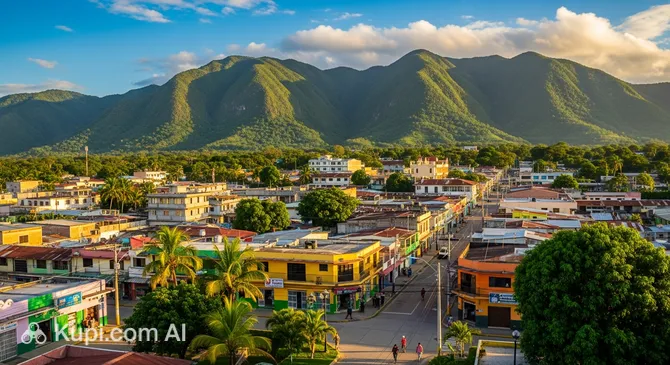
Choloma is a dynamically developing industrial center located in northwestern Honduras within the Cortés Department. Ranking as the third most populous city in the country, it is rightfully considered the industrial capital of the republic. A vast number of factories and production facilities are concentrated here, turning a once modest settlement into a powerful economic hub that attracts workers and entrepreneurs from across the region.
Choloma. Illustration.
Source: Kupi.com AI
The city was officially founded in 1894, but its roots stretch deep into antiquity. Choloma stands on the site of an ancient Maya settlement known as Tolomac. If you are interested in the city's rich past, you will find that even in its modern neighborhoods, echoes of the pre-Columbian era are occasionally discovered, although today an urban landscape and a rapid pace of life prevail.
Its geographical location between the major hub of San Pedro Sula and the port city of Puerto Cortés makes Choloma an important transit point. Although it is not a typical tourist resort, the city attracts visitors with its authentic atmosphere of working-class Honduras and the contrast between modern industrial zones and traditional residential quarters. We invite you to stop by and witness the true pulse of the country's economy.
Weather Overview
Choloma is located in a tropical climate zone typical of the northern lowlands of Honduras. High humidity and consistently high temperatures throughout the year are typical for the city, usually ranging from 25°C to 32°C. If you want to learn more about temperature records and precipitation, check out the section on the weather in Choloma.
Two main periods stand out in the city's climatic calendar. The dry season lasts from November to April and is considered the most favorable for visits. From May to October, the rainy season arrives, when tropical downpours can be intense but are usually short-lived. The wettest months are traditionally October and November, when rainfall can reach significant levels, bringing temporary coolness but increasing air humidity.
Average monthly temperature
Average monthly precipitation
Interesting Facts
Choloma is the third most populous city in Honduras, surpassed only by Tegucigalpa and San Pedro Sula.
The city has experienced an incredible population boom: since 1978, its population has grown nearly fivefold—from 50,000 to over 227,000 residents.
The city's name is linked to the ancient Maya settlement of Tolomac, on whose ruins modern Choloma was founded in the late 19th century.
Despite its industrial specialization, the city is included in the list of the world's largest urban zones, ranking around 2,031st in global population ratings.
Amateur archaeologists still periodically find ceramic shards and other Maya-era items in the forests surrounding the city outskirts.
How to Get There
Choloma is advantageously located on the main transport artery of northern Honduras, making it easily accessible for travelers. The city is located just 25–30 kilometers from the major metropolis of San Pedro Sula. If you are planning a visit, detailed information on routes can be found in the section on how to get to this industrial center.
The city does not have its own airport, so the main flow of air travelers arrives via La Mesa International Airport (SAP), located in San Pedro Sula. This is the largest air hub in the region, receiving flights from the USA, Latin American countries, and Europe. A transfer from the airport to the center of Choloma by taxi or rental car takes between 45 to 90 minutes, depending on the traffic on the CA-13 highway, which is known for its rush-hour congestion.
Railway communication in the region is poorly developed and primarily oriented toward industrial freight. For passengers, the main modes of transport remain intercity buses and shared taxis (colectivos), which regularly run between Choloma, San Pedro Sula, and the port of Puerto Cortés. A bus trip is the most budget-friendly way to travel, reaching the city in about an hour.
Station
Passenger traffic
Distance
1
13 km
Main Attractions
Being a major industrial center, Choloma does not possess a classic array of historical monuments; however, it offers travelers an honest look at modern life in the country. The focus here is on urban infrastructure and places where the daily life of locals bustles. The central squares serve as the main spots for walks and gatherings, where you can feel the true flavor of a Honduran city.
For those seeking modern entertainment and shopping, the main point of attraction is the Mega Mall shopping complex. This is not just a place for shopping but a full-fledged social hub with air-conditioned halls, cafes, and cinemas, providing an opportunity to escape the tropical heat and the bustle of industrial zones.
Fans of archaeology and historical mysteries should look toward the city's outskirts. Although there are no large-scale excavations within the city limits, Maya artifacts are still found in the adjacent forests, serving as reminders of the ancient settlement of Tolomac. This destination is perfect for those ready for informal exploration and walks along uncharted trails in search of traces of a great civilization of the past.
Local Cuisine
The gastronomic scene in Choloma is a paradise for lovers of hearty and authentic street food. The main symbol of local cuisine, as in all of northern Honduras, is baleadas. These are thick flour tortillas folded in half and filled with refried beans, cheese, cream, and sometimes fried meat, avocado, or eggs. You can try them on almost every corner, especially near markets and transport stops.
At lunchtime, locals prefer traditional tamales—corn dough with meat and spices wrapped in banana leaves—or fried yucca with crispy pork rinds (chicharrón). If you want something more exotic, look for sopa de caracol—the famous conch soup made with coconut milk, which is considered a delicacy of the Cortés Department coast.
Among drinks, it is definitely worth trying the local Honduran coffee, famous for its rich aroma, or refreshing yourself with natural tropical fruit juices. In the evening, guaro—a strong alcoholic drink made from sugarcane—is popular in local cantinas. Most restaurants are concentrated in the central part of the city and in shopping malls, offering simple but very tasty homemade food at very reasonable prices.
Travel Tips
A trip to Choloma will allow you to see the real, working rhythm of life in northern Honduras. To ensure your journey is comfortable and safe, use our practical tips.
Clothing and Essentials: Choose light, "breathable" clothing made of natural fabrics, as it is almost always hot and humid in the city. Don't forget comfortable walking shoes and sunglasses.
Transport: Within the city, it is most convenient to get around by taxi or moto-taxi. If you plan a trip to neighboring cities, use intercity buses, but try to avoid rush hours due to heavy traffic jams.
Finances: The official currency is the Lempira. Cards are accepted in shopping malls, but cash is needed in markets and for transport. Please note: international cards do not work in all ATMs.
Health and Safety: Drink only bottled water. For safety reasons, stick to central districts, do not walk alone after dark, and avoid visiting the outskirts, especially near industrial zones.
Communication: The primary language is Spanish. English is not widely spoken, so learn a few basic phrases or use an offline translator. A SIM card can be purchased in any large shopping mall.
Local Etiquette: Hondurans are friendly and appreciate a polite greeting. A simple "Buenos días" (Good day) will help you build rapport with your interlocutor.
What to Avoid: Do not display expensive gadgets, jewelry, or large sums of money on the street. This will help you avoid unnecessary attention.
Seasonal Tip: During the rainy season (May–October), roads can be washed out, so allow more time for any travel.
Choloma is a city with a strong character. By following simple precautions, it will reveal itself to you as an important and interesting link in the region's economy and culture. Have a great trip!
Entertainment & Nightlife
Nightlife in Choloma is predominantly local in character and oriented toward the residents who work in the city's numerous enterprises. It is difficult to find glitzy nightclubs or massive concert venues here; however, many cozy TV cafes and small bars are open in the central districts and near markets, where you can enjoy a cold beer and watch a football match with the locals.
The main center for evening leisure within the city is considered the Mega Mall. It features modern cinemas and food courts, which remain popular meeting spots even after sunset. This is the safest and most comfortable option for spending an evening, especially if you are traveling with family or a large group.
If you crave vibrant parties, stylish clubs, and live performances by famous bands, locals recommend heading to neighboring San Pedro Sula, located just 25–30 kilometers away. A taxi ride takes about 40 minutes, and that is where the region's main entertainment industry is concentrated, offering venues for every taste and budget.
Parks & Museums
Choloma is a city of industrial scale, so there are practically no classic museums with academic exhibitions here. Nonetheless, the role of cultural spaces is often filled by modern public zones and shopping centers, where temporary exhibitions and community events are held. The city's history lives here not in display cases, but in the rhythm of the streets and the stories of locals about the ancient past of Tolomac.
Green zones within the city limits are represented by small municipal squares and central plazas. These spaces serve as "green lungs" amidst the dense industrial development. Residents themselves value these islands of tranquility for the chance to rest in the shade of trees and observe the slow-paced life of central Choloma. Although these are not massive botanical gardens, they possess their own unique charm as urban oases.
For those seeking a larger-scale connection with nature, the city's surroundings are worth noting. The surrounding forests hide not only rich tropical flora but also informal archaeological sites. A walk through such places can become a real adventure for fans of ecotourism and history, allowing you to see the very places where the Maya civilization once flourished, long before the first factories rose here.
Getting Around
The transport system in Choloma is fully adapted to the needs of an industrial city, ensuring a seamless connection between residential areas and numerous factory zones. The main mode of public transport here is buses and minibuses known as "colectivos". They run along fixed routes, covering all key points of the city and linking it with neighboring settlements.
For short trips within neighborhoods or door-to-door service, taxis and moto-taxis are very popular. The latter are the fastest and most budget-friendly way to get around in dense urban traffic conditions. It is better to agree on the fare with the taxi or moto-taxi driver in advance, as meters are rarely used here.
It should be noted that during rush hours—in the morning and evening, when work shifts begin or end—Choloma's roads are heavily congested, and public transport can be overcrowded. If you are planning a trip, try to avoid these time periods. Payments on buses are made in cash to the driver or conductor, so always have small bills of the local currency with you.
Accommodation
The hotel sector in Choloma is primarily geared toward business travelers and specialists visiting the local industrial zones. Practical accommodation options prevail here: budget hotels and motels located along the main highways. Such housing offers basic amenities necessary for a short-term stay and is characterized by affordable prices.
In the city center and near large shopping centers such as Mega Mall, one can find small guesthouses and apartments. Many of them are rented long-term but are also suitable for tourists wishing to live in the atmosphere of a real Honduran city. Note that the service level here can be modest, so it is recommended to study reviews carefully before booking.
If you are accustomed to high-class chain hotels with swimming pools and a full range of services, the best solution would be to stay in neighboring San Pedro Sula. Thanks to the proximity of the cities, you can easily commute to Choloma for business during the day and return to more comfortable conditions in the evening. It is better to book accommodation, especially in the budget segment, in advance, as there is stable demand from business personnel.
Nearby Cities
Thanks to its location at the intersection of important roads, Choloma serves as an excellent starting point for exploring the country's northern coast. Just 13 kilometers away is San Pedro Sula—the second-largest city in the republic, often called its economic capital. Modern shopping centers, museums, and a vibrant nightlife await you here, making it an ideal option for a half-day trip or an evening promenade.
If you miss the sea, head to Puerto Cortés, located 24 kilometers to the north. This is the country's main port, where you can walk along the waterfront, taste the freshest seafood in coastal restaurants, or relax on the local beaches. Also of interest is La Lima, known for its "banana" past and unique architecture remaining from the era of dominance by fruit companies.
Don't miss the chance to visit cities like El Progreso or the cozy San Manuel. Each of these destinations reveals its own facet of the region's life, allowing the tourist to go beyond the usual routes and see the real, non-touristy Honduras. The road network in this part of the country is well-developed, so planning such trips is not difficult.
Shopping & Souvenirs
Shopping in Choloma is an exciting combination of modern comfort and traditional flavor. If you prefer a familiar Western format, your path leads to Mega Mall. This large shopping complex is the city's main shopping destination, featuring clothing, electronics, and perfume stores, as well as departments with products from famous international brands.
For those who want to bring home something truly authentic, it is worth visiting the local markets. Here, amid the noise and bustle, you can find excellent Honduran coffee, considered one of the best in the world, as well as products from local artisans—from woven bags to ceramics inspired by Maya motifs. Prices in the markets are significantly lower than in the shopping centers, and the opportunity to haggle adds a special interest to the shopping experience.
Shops in Choloma usually operate from 8:00–9:00 AM to 6:00–7:00 PM, while shopping malls remain open until later. Bank cards are readily accepted in the malls, but for a visit to the market or small shops, be sure to have cash Lempiras. Remember that for major designer items or premium-class souvenirs, locals often travel to neighboring San Pedro Sula.