Support

Naya Ghat

About

Naya Ghat is one of the many picturesque ghats adorning the banks of the sacred Sarayu River in the ancient city of Ayodhya, which is one of the seven sacred cities of India. These stepped embankments, called ghats, play a central role in the spiritual life of the city. They serve as places for daily ritual ablutions, prayers, and meditations, attracting pilgrims and travelers from all over the world.
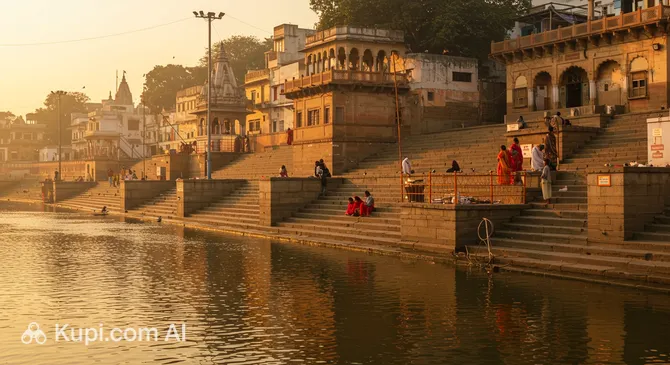
Naya Ghat. Illustration.
Source: Kupi.com AI

Traveler photos:

A visit to Naya Ghat allows you to immerse yourself in the unique atmosphere of one of the most important pilgrimage centers for Hindus. The city of Ayodhya is considered the birthplace of Rama, one of the principal deities in Hinduism, which gives every corner, including the ghats, a special sacred significance. Although the name "Naya" translates as "new," this ghat has a centuries-old history and preserves the spirit of time. The air here is filled with tranquility and devotion, and the quiet lapping of the river waves creates ideal conditions for peace and reflection.

Here, you can spend hours observing the slow pace of life: local residents making offerings to the river, pilgrims immersing themselves in the holy waters, and boatmen offering rides along the Sarayu. The ghat is especially picturesque at sunrise and sunset, when the sunlight paints the river and ancient structures in golden hues. This place is ideal for those seeking spiritual enrichment and wishing to touch the authentic culture of India.

Naya Ghat is not just an architectural structure, but the living heart of the city, where faith, history, and daily life intertwine. In addition to its Hindu significance, Ayodhya is also an important site for Buddhists and Jains, making its cultural landscape even more multifaceted. A visit to Naya Ghat will be an unforgettable experience and will allow for a deeper understanding of the spiritual heritage of this legendary city.

Contacts

Since Naya Ghat is an open public space on the riverbank, it does not have specific contact details such as a phone number or an official website. This site is accessible to visitors at any time. For up-to-date information on events, visiting rules, or any other questions regarding the attractions of Ayodhya, it is recommended to contact local tourist information centers or the city administration.

How to contactContact
AddressTheri Bazar, Ayodhya, Uttar Pradesh 224123, India
Phone number+91 1800 200 8335

What to Do

A visit to Naya Ghat offers many experiences deeply rooted in the spiritual life of Ayodhya. One of the main highlights here is the evening Aarti, a mesmerizing ceremony of worship to the Sarayu River. As twilight falls, the ghat is filled with the sounds of Vedic hymns and the ringing of bells, as Brahmin priests perform the ritual with fire lamps, creating a truly magical atmosphere of devotion and peace. Additionally, for pilgrims and believers, the ghat is a place for ritual bathing. It is believed that immersing oneself in the sacred waters of the Sarayu cleanses sins and grants spiritual liberation.

For those seeking more tranquil leisure, Naya Ghat offers other activities. You can hire a boat for a leisurely trip on the Sarayu River, which allows you to enjoy panoramic views of the ghats and temples from the water. This is especially picturesque during sunrise or sunset, when the soft light colors the landscape in warm tones, making it an ideal time for meditation and photography. The ghat itself, with its wide steps and seating areas, is a wonderful place to just sit, watch the flow of life, and soak in the peaceful atmosphere of this holy site.

Naya Ghat is also a starting point for exploring other shrines in Ayodhya. Within walking distance are iconic sites such as the Hanuman Garhi temple, Kanak Bhawan, and the Nageshwarnath temple. The atmosphere at the ghat becomes especially lively during major Hindu festivals, such as Ram Navami or Diwali (Deepotsav), when thousands of pilgrims gather here to celebrate. Near the ghat, there are markets where you can purchase religious souvenirs and local handicrafts as a memento of your trip to this sacred city in India.

Getting There

Getting to Ayodhya, located in the state of Uttar Pradesh in northern India, has become significantly easier thanks to the opening of the Maharishi Valmiki International Airport (AYJ), which is located just 10-15 kilometers from the city center. This is the most convenient option for travelers arriving from major Indian cities. Additionally, the city has excellent rail connections. Trains arrive at Ayodhya Dham Junction and Ayodhya Cantt stations, linking the city with Delhi, Varanasi, Lucknow, and other important destinations. There is also a well-developed network of bus routes operated by state corporations and private carriers, making bus travel both accessible and convenient.

Naya Ghat itself is situated on the banks of the Sarayu River and is easily accessible from anywhere in the city. If you arrive at the railway station, the distance to the ghat is about 4 kilometers, which can be covered in 20 minutes by local bus or auto-rickshaw. From the city bus station, Naya Ghat is just a few minutes' walk away. Since the ghat is located in the central part of Ayodhya, close to many other major attractions, many tourists prefer to explore the area on foot, soaking in the atmosphere of the holy city. Cycle and auto-rickshaws are also widely used for getting around the city.

Nearest city: Ayodhya

History & Facts

While specific historical data dedicated exclusively to Naya Ghat is rare, its history is inextricably linked to the millennial chronicles of Ayodhya itself. This ghat, like many others on the banks of the sacred Sarayu River, stands as a silent witness to the rises and falls of one of India's oldest cities. Its steps have seen the changing of eras, dynasties, and cultures, absorbing the spirit of time and preserving its sacred significance for countless generations of pilgrims.

The city's history goes back centuries. In the early centuries of our era, Ayodhya was known as Saketa. In 127 AD, the city was conquered by Emperor Kanishka, who made it an important administrative center for his eastern territories. This period laid the foundation for the city's future prosperity as a significant political and cultural hub whose influence extended far beyond its borders.

In the Middle Ages, under the Gahadavala dynasty, Ayodhya flourished as a key center of Vaishnavism. During this time, many temples dedicated to Vishnu were erected, strengthening its status as a holy city. A significant event of this period was the construction of the Babri Mosque in 1528 by the Mughal commander Mir Baqi at the site traditionally considered the birthplace of Rama (Ram Janmabhoomi). Later, in 1856, the city was annexed by the British and included in the United Provinces of Agra and Oudh.

Thus, every stone of Naya Ghat is a piece of a great historical mosaic. It stands on land that remembers ancient kings, sages, and conquerors. Walking along its steps, one can feel not only spiritual energy but also touch the rich and multi-layered past that has made Ayodhya one of the most iconic places in the cultural and religious landscape of India.

Time Needed

For a brief introduction to Naya Ghat and its atmosphere, 1-2 hours is usually enough for a regular visitor. During this time, you will have enough time for a leisurely stroll along its steps descending to the Sarayu River, to observe daily life and rituals, take some memorable photos, and simply feel the calm and peaceful rhythm of this sacred place.

If you wish to dive deeper into the spiritual life of the ghat, it is worth setting aside more time. For example, to witness the colorful evening Aarti ceremony, you will need to stay until sunset and spend about another hour at the ghat. A leisurely boat trip on the river, allowing you to see the ghats from the water, will also take extra time. Many visitors find peace simply sitting on the steps in meditation, which can turn a short visit into an experience lasting several hours.

It is important to consider a visit to Naya Ghat within the context of exploring the entire city of Ayodhya. For a more complete tour of the main religious and cultural sites of this Indian gem, it is recommended to allocate at least one full day. In this way, Naya Ghat can be a wonderful beginning or a peaceful conclusion to your busy day of exploration in Ayodhya.

Working Hours

Naya Ghat, like most ghats in India's holy cities, is an open public space on the riverbank, so it does not have strict working hours. Access to the ghat is open to everyone 24/7 throughout the year, allowing visitors to come at any time convenient for them. No prior booking or ticket purchase is required for a visit.

Despite its round-the-clock accessibility, the most active and picturesque times at the ghat are early morning at sunrise and evening at sunset. It is during these hours that traditional religious rituals and ceremonies, including the famous evening Aarti, are held. To catch these events and fully experience the spiritual atmosphere of the place, it is recommended to plan your visit specifically for these times. The exact schedule of ceremonies may vary, so it is worth checking with locals or at tourist information centers upon arrival in Ayodhya.

Nearby

Visiting Naya Ghat is just the starting point for exploring the treasures of Ayodhya. To fully experience the spiritual and cultural depth of this ancient city, it is worth exploring its surroundings as well. Many significant temples, gardens, and historical sites are within walking distance or a short ride away, allowing you to create a packed full-day itinerary.

Strolling through nearby attractions will enrich your experience and help you gain a deeper understanding of Ayodhya's multifaceted heritage. Each of these places holds its own unique history and atmosphere, completing the picture of this important pilgrimage center. Below is a list of interesting sites located near Naya Ghat, including their distances.

NameDistance
Tulsi Udyan0.7 km
Raj Sadan1.5 km
Tulasi Smarak Bhavan1.8 km
Hanuman Garhi Temple1.8 km
Shabri Rasoi3 km
Chudamadh Chauraha4.2 km
Raghubir Nikunj Homestay4.5 km

Have you reached the end of the page?

So the route has been studied inside and out