Support

International Mountain Museum

About

Imagine a place where the power and grandeur of the world's highest peaks are gathered under one roof. The International Mountain Museum in Pokhara is a modern cultural complex that is rightfully considered one of the most significant in Nepal. It is dedicated not only to the history of mountaineering but also to the unique lives of people whose daily existence is inextricably linked to the mountains.
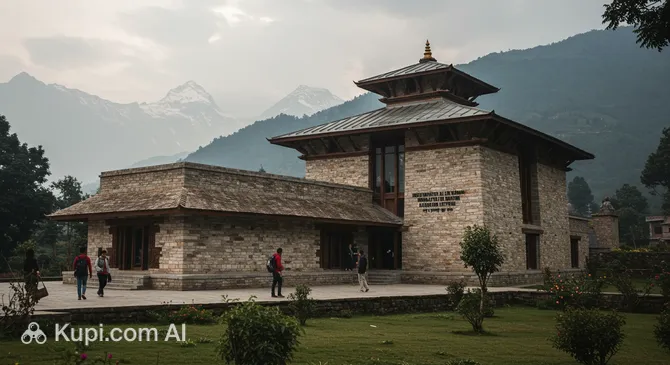
International Mountain Museum
International Mountain Museum. Иллюстрация. Источник: Kupi.com AI

The museum occupies an impressive territory of 5 hectares and amazes with its spacious halls and well-kept park. Inside, more than 20,000 exhibits are housed: from vintage mountaineering equipment and rare maps to taxidermy of exotic animals and household items of mountain tribes. It is a true treasure trove for those who want to understand how humans have conquered inaccessible peaks over the centuries.

The museum building itself is an architectural landmark—its modern design blends harmoniously into the surrounding landscape, offering guests not only knowledge but also inspiring views of the Himalayan ranges. It is a place where the spirit of adventure meets the academic precision of historical archives.

Contacts

To contact the administration or clarify details before your visit, you can use the official contact details. The museum is located in a quiet area, slightly away from the bustling city center.

How to contactContact
AddressRatopairo, Pokhara 33700, Nepal
Phone+977 61-460742
Websitewww.internationalmountainmuseum.org

What to Do

Inside the museum, guests will find a fascinating division into thematic zones. In the first part, you will immerse yourself in the world of geology and nature: here you can find collections of rare mountain butterflies, plants, and even a taxidermy snow leopard. The second part of the exhibition is entirely dedicated to people—you will see traditional huts, national costumes, and sculptures demonstrating the culture and lifestyle of indigenous mountain peoples.

One of the most memorable objects is a detailed scale model of Mount Manaslu, which anyone can try to "summit," as well as a replica of Everest. For outdoor enthusiasts, there is a modern climbing wall on the complex grounds where you can test your skills under the supervision of instructors.

Interactive exhibitions are also of great interest: here you can try on mountaineering equipment and learn about mountain safety techniques. For those seeking silence and knowledge, the doors of an extensive library with thousands of books are open, along with a prayer room decorated in the style of a Buddhist temple, which sets a contemplative mood after viewing the heroic stories of conquering the eight-thousanders.

Getting There

The museum is located on the outskirts of the city at Ratopairo, Pokhara 33700. Since it is situated several kilometers from the popular Lakeside tourist area, walking can be tiring and take quite a long time.

The most convenient and fastest way to get there is by taxi from the city center. Local drivers know the way to the museum very well, as it is one of the region's key attractions. The trip will take about 10–15 minutes.

If you prefer a bit of local flavor, you can try taking a public bus, but keep in mind that they are often overcrowded and the stops may be some distance from the entrance. For maximum comfort, it is better to choose a taxi or rent a bicycle if you enjoy active outings.

Ближайший город: Pokhara

History & Facts

The history of this unique complex began on November 1, 1995, when the first stone of its foundation was laid. The project was conceived as a large-scale center to preserve the memory of great human achievements in the struggle against the elements and to study the unique ecosystem of the high mountains.

The official opening of the first phase took place on May 29, 2002. The ceremony was attended by legendary figures of the mountaineering world: Junko Tabei, the first woman to conquer Everest, and the famous Apa Sherpa. The museum opened its doors to the general public in 2004, presenting a modern climate-controlled building with a well-thought-out layout of its halls.

At the entrance to the museum complex, there is a touching monument dedicated to all mountaineers who have died during their ascents. This place serves as a reminder of the price of victories over the summits and how important it is to respect the power of nature.

Time Needed

To leisurely explore all the exhibits, study the rich library, and stroll through the adjacent park, most visitors need about 2 to 3 hours. There are truly many exhibits—over 20,000—so a quick walk-through will not allow you to fully appreciate the scale of the collection.

If you plan to study the history of eight-thousander ascents in detail or want to spend time on the training climbing wall, it is worth setting aside half a day for your visit. This will allow you to immerse yourself in the mountain atmosphere without rushing and enjoy the views of the Himalayas from the museum grounds.

Working Hours

The International Mountain Museum hospitably opens its doors to visitors every day. The schedule is consistent throughout the week, making it easy to include a visit in your travel plans.

Opening hours:

  • Monday — Sunday: from 09:00 to 17:00.
The museum is open seven days a week, providing access to its collections on both weekdays and holidays.

9:00 – 17:00

Nearby

The museum's surroundings offer travelers several more interesting locations to diversify their day and gain new impressions from visiting the outskirts of Pokhara. This is a great opportunity to see less touristy but curious corners of the city.

NameDistance
Fish Tail Lodge2 km
Devi's Fall2.1 km
Gupteshwor Mahadev Cave2.1 km
Basundhara Park2.1 km
MED 5 Restaurant2.4 km
Bar Peepal Resort3.1 km
Paradiso Pokhara3.2 km

Reached the end of the page?

That means the route is fully explored