Support

Chandradhari Museum

About

The Chandradhari Museum invites you to immerse yourself in the wonderful world of Bihar's art—a treasure trove of cultural heritage founded in 1957. This institution is located in the city of Darbhanga, which is rightfully considered the cultural capital of the region. Within the museum's walls lies a unique private collection reflecting the rich traditions of Northern India.

The crown jewel of the exhibition is the collection of Madhubani painting (or Mithila painting) masterpieces. This ancient folk art, which originated as ritual murals on the walls of houses, is presented here in its most exquisite form. Visitors can see how traditional motifs depicting nature, mythological stories, and daily life have found new life on paper and cloth.
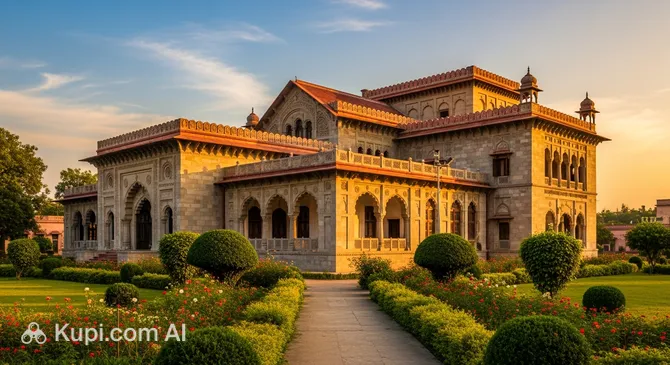
Chandradhari Museum
Chandradhari Museum. Иллюстрация. Источник: Kupi.com AI

The museum holds an important place on the region's tourist map, earning high ratings from travelers for its authentic atmosphere and the depth of the materials presented. For those who want to understand the soul of the Mithila region, a visit to this museum will be one of the most vivid impressions of the trip.

Contacts

For up-to-date information before your visit, you can use the following contact details for the museum.

How to contactContact
AddressGumti no.26, Station Rd, near by Museum, Bhathiarisarai, Darbhanga, Bihar 846004, Индия

What to Do

Inside the halls of the Chandradhari Museum, a fascinating journey into a world of symbols and colors awaits visitors. Here, you can examine Mithila murals in detail, studying their unique techniques: from the use of natural dyes to the characteristic double lines. You will see depictions of deities, animals, and whimsical mythical creatures, each carrying deep philosophical meaning.

Beyond admiring the paintings, guests are invited to learn about the history and lifestyle of the region's artisans. Special attention should be paid to the halls dedicated to prominent female artists such as Jagdamba Devi, whose work brought worldwide fame to this craft. This is an excellent chance to see artifacts similar to those held in the British Library and other leading museums around the world.

For curious tourists, a visit to the museum provides an opportunity to study the evolution of techniques—from primitive wall drawings to complex modern compositions. After touring the main exhibition, you can take a walk through Darbhanga itself to see the majestic Maharajas' palaces, which serves as a wonderful complement to the cultural program.

Getting There

Reaching this cultural hub is easy, as the Chandradhari Museum is located in the heart of the city. If you are arriving from afar, the most convenient option is Darbhanga Airport (DBR), situated about 10 km from the center. A taxi or bus ride from the terminal to the museum takes approximately 20–30 minutes.

For those traveling by rail, your landmark will be Darbhanga Junction station. The museum is within walking distance of the station—a stroll down Station Rd takes just 10–15 minutes. From the state capital, Patna, you can reach Darbhanga by train or scheduled bus in 3–4 hours, then use local rickshaws to reach the museum.

Getting around the city is most convenient via auto-rickshaws or services like Uber and Ola. Cycle rickshaws also remain a popular and colorful way to travel. When planning your trip, consider the local climate: the most comfortable time to visit is from October to March, avoiding the sweltering heat and monsoon rains.

Ближайший город: Darbhanga

History & Facts

The history of the Chandradhari Museum began in 1957. It was founded upon a rich private collection of artifacts gathered in the city of Darbhanga, which historically served as the capital of the Mithila region. These lands are inextricably linked to the ancient kingdom of Videha and the powerful Darbhanga Raj dynasty, which ruled here until the mid-20th century.

One of the most pivotal moments for the museum's collection was the devastating earthquake of 1934. This natural disaster destroyed many mud-brick houses, revealing Madhubani murals on the inner walls that had previously been hidden from the outside world. This discovery caught the attention of researchers, such as the British scholar W.G. Archer, and marked the beginning of the systematic study and preservation of this unique style.

In the late 1960s, during a severe famine in the region, local authorities and enthusiasts encouraged female artists to transfer traditional ritual drawings from walls to paper and canvas for sale. This decision not only saved many from poverty but also transformed a local tradition into world-renowned art. In 1970, prominent masters including Jagdamba Devi and Sita Devi received high state honors directly from Indira Gandhi.

Today, the museum is not merely a repository for antiquities but also an active research center. It collaborates closely with leading Indian institutions to study the evolution of ritual painting and preserve this ancestral heritage for future generations of tourists and scholars.

Time Needed

To leisurely explore all the halls and delve into the details of the exhibition, most visitors require 2 to 3 hours. About an hour should be dedicated specifically to studying the Madhubani painting collection, where every symbol and line carries its own sacred meaning.

If you plan to study the explanatory materials in detail, photograph rare exhibits, or happen to join a themed tour, your visit could extend to 4 hours. This site is ideal for a quiet, intellectual break away from the city noise.

Working Hours

When planning your visit, please take note of the institution's schedule. The Chandradhari Museum is open to visitors from Tuesday to Sunday. The museum doors open at 10:30 AM and close at 4:30 PM.

It is important to remember that Monday is the official weekly holiday. Additionally, it is recommended to check for information on official resources before visiting during public holidays, as the schedule may change on Indian national holidays.

DayWorking hours
понедельникЗакрыто
вторник10:30–16:30
среда10:30–16:30
четверг10:30–16:30
пятница10:30–16:30
суббота10:30–16:30
воскресенье10:30–16:30

Nearby

The museum's surroundings are full of colorful spots that will help you better experience the rhythm of life in this Indian city. Exploring the nearby squares and markets allows you to witness the diverse daily culture of the Mithila region.

NameDistance
Level T Rooftop Lounge0.8 km
Trends0.9 km
Sangam Momos1.5 km
Nargona Palace1.7 km
Shubh Knights Banquet & Hotel2.2 km
Rajasthan's Radhe Radhe4.5 km

Reached the end of the page?

That means the route is fully explored